Portsmouth Historic Dockyard Guide: Ships and Timings
Plan Portsmouth Historic Dockyard: which ships and museums to prioritise, how long to allow, ticket pitfalls and how to get there.
In this guide
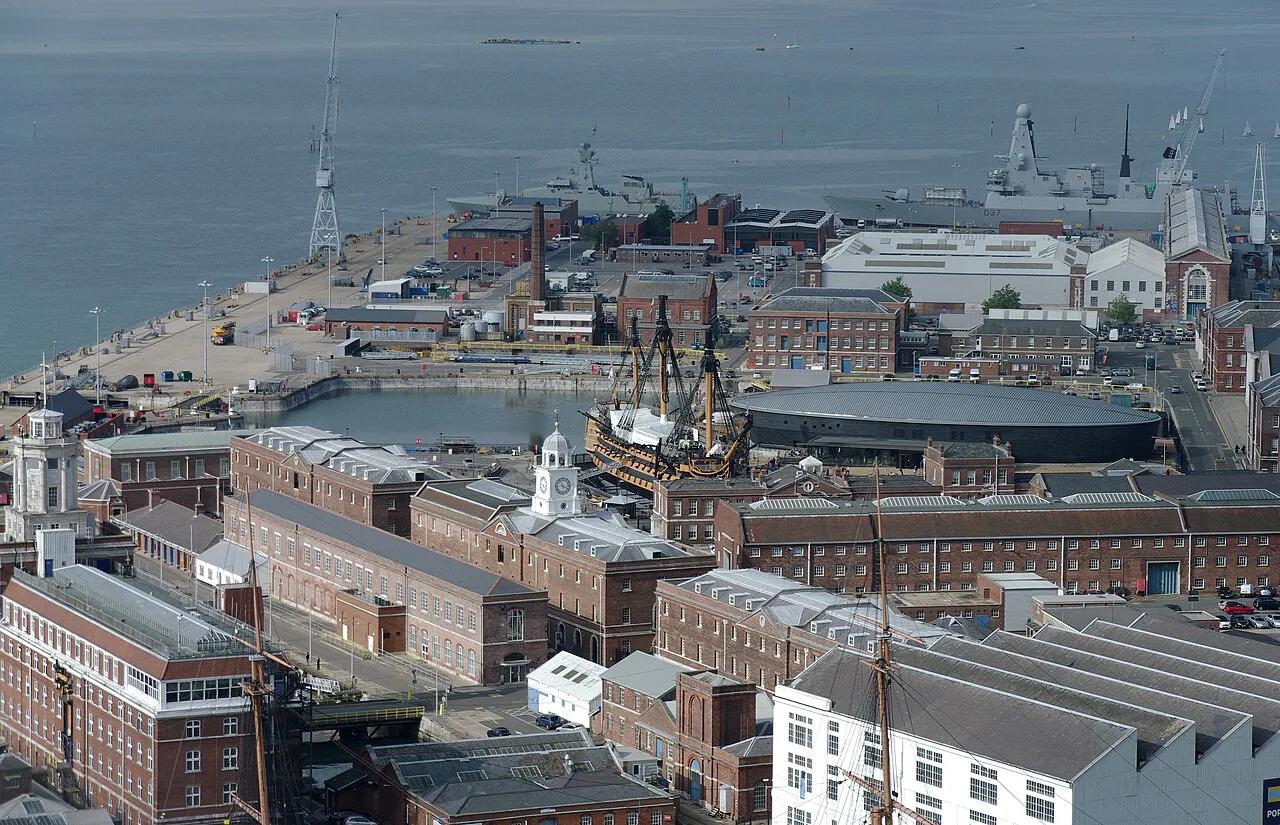
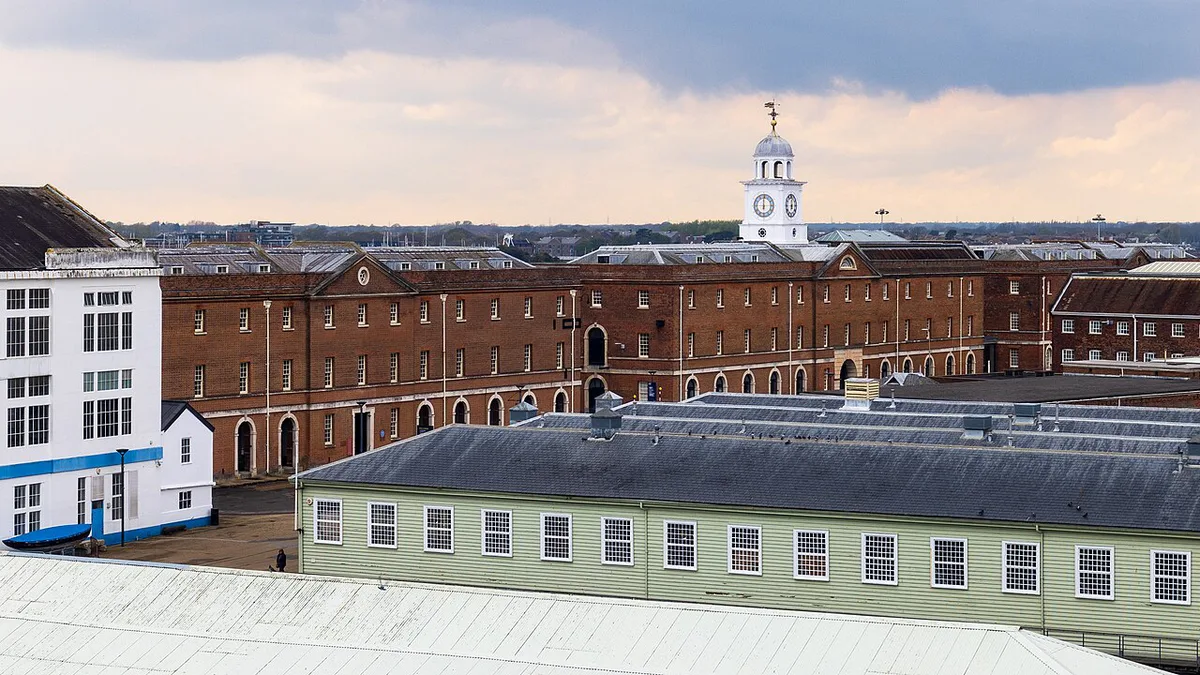
Last updated November 2026: Portsmouth Historic Dockyard is a working naval base in Portsmouth, England, with several ships and museums on one waterfront site. Headline attractions are the Mary Rose, HMS Victory and HMS Warrior. Most of the collection is Tudor, Georgian or Victorian, so WWII visitors need to choose carefully.
Featured image: mattbuck (category), CC BY-SA 4.0, via Wikimedia Commons.
Portsmouth Historic Dockyard at a glance
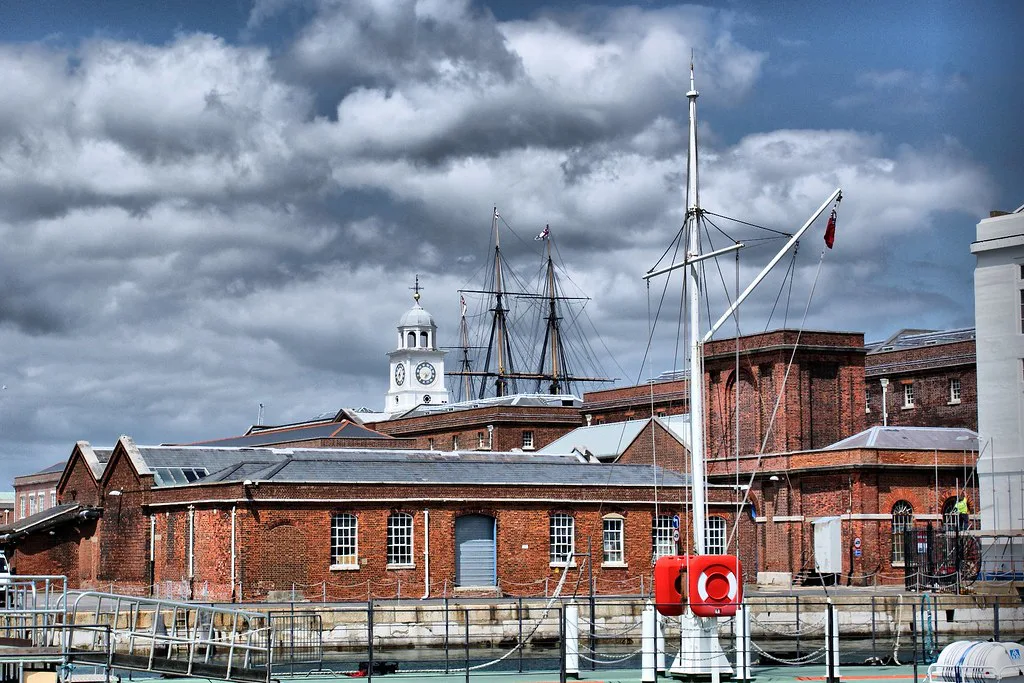
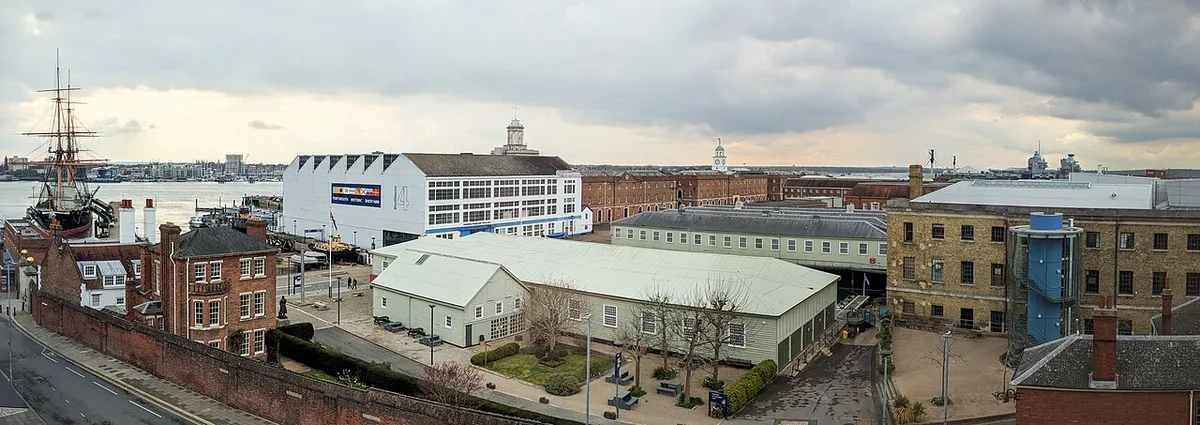
Navy ships still operate from this base, so the useful question is which ticket and which ships suit you. Naval history runs from Henry VIII's flagship to Cold War submarines. Tudor, Georgian and Victorian material dominates the main site. WWII content is thinner and sits mostly in the museums and in the submarine era. Plan the visit as a naval heritage day with a WWII thread, not as a dedicated WWII site. Ticket types, hours and ship status are on the official dockyard site.
- Best for: families, Nelson and Trafalgar fans, Tudor archaeology fans and weapons enthusiasts.
- Time needed: a full day at minimum, and two days for the whole site.
- Nearest station: Portsmouth Harbour, next to the dockyard.
What to see: ships and museums compared
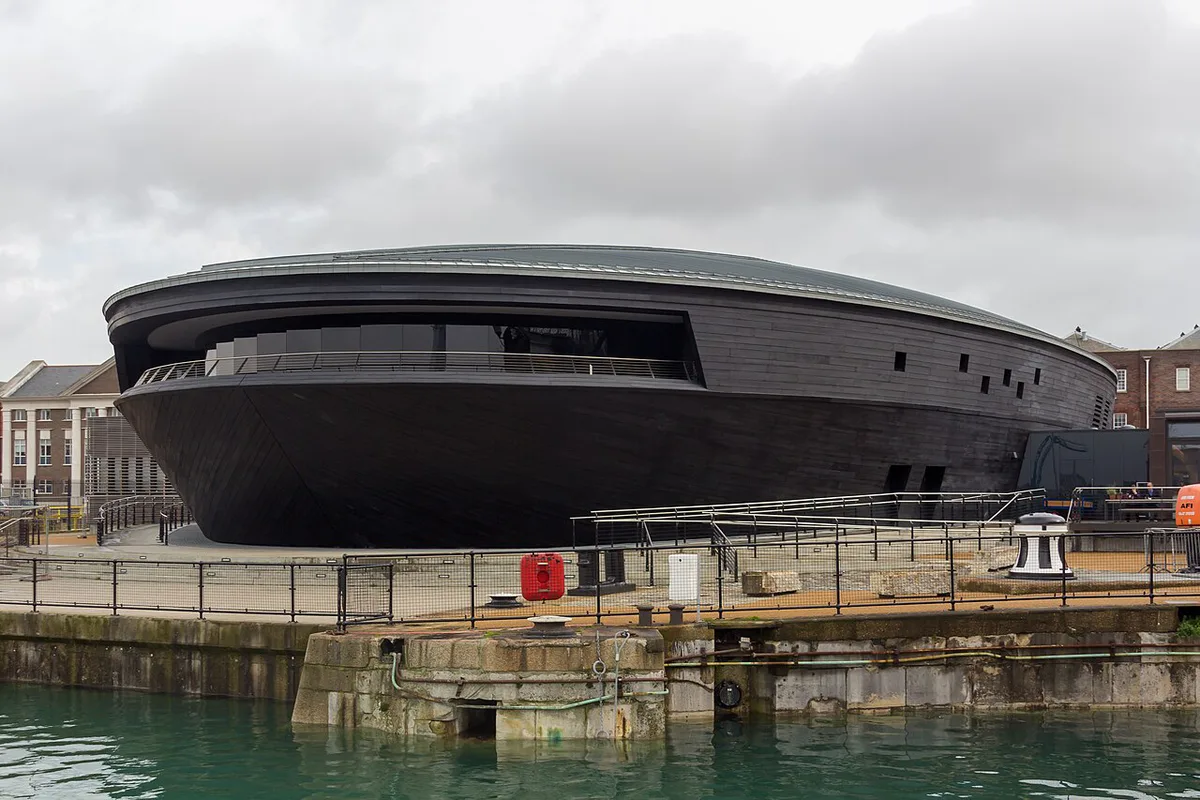
The Mary Rose was raised from the seabed in 1983, and its museum is the usual highlight for visitors. HMS Victory is Nelson's flagship from Trafalgar, and an audioguide covers the battle and his death. HMS Warrior is an iron-plated Victorian ship powered by sail and steam. HMS Alliance, a submarine built at the end of WWII and used until the 1970s, is the main WWII-era vessel. Museum names and displays change, so the National Museum of the Royal Navy lists what is currently open.
| Attraction | Best for | Comfort notes |
|---|---|---|
| Mary Rose | Tudor history and archaeology | Mostly indoor; long audio-visual displays |
| HMS Victory | Nelson and Trafalgar | Low headroom and narrow ladders on the lower decks |
| HMS Warrior | Families and Victorian engineering | Roomier decks; hammocks to try |
| Submarine museum and HMS Alliance | WWII-era and Cold War interest | Cramped engine room; across the harbour |
| Naval firepower museum | Older children and weapons fans | Across the harbour, reached by water bus |
Ship history and key dates, from Mary Rose to Alliance
The headline ships come from very different periods. These dates help you choose which to board first, especially if your main interest is the twentieth century.
| Vessel | Key dates | Why it matters |
|---|---|---|
| Mary Rose | Launched 1511; sank 1545 | Henry VIII's warship went down in the Solent during an action against a French fleet. The wreck preserved objects that show how the crew lived and fought. |
| HMS Victory | Launched 1765; Trafalgar 1805; dry-docked in Portsmouth in 1922 | Nelson was fatally wounded on board on 21 October 1805. |
| HMS Warrior | Launched 1860 | Britain's first iron-hulled, armoured warship combined steam power with a full set of sails. |
| HMS Alliance | Launched 1945; entered service 1947; retired in the 1970s | An Amphion-class submarine designed for long patrols in the Far East. |
Alliance needs one distinction. Although she was designed and launched during the Second World War, she was completed too late to serve in it. Her working career belongs to the post-war years, and she was substantially modernised during that time. The ship you walk through therefore reflects later changes as well as her wartime design.
She helps explain how a wartime submarine design was adapted for a new era, but she is not a veteran of wartime patrols. If that later period interests you most, our guide to Cold War sites in Europe gives it wider context.
How long to spend: short, half-day and full-day plans
No single afternoon covers everything. Match the plan to your time and drop the rest.
| Time | Do | Skip |
|---|---|---|
| Short visit | HMS Victory, then the Mary Rose | Across-harbour sites, harbour tour |
| Half day | Victory, Mary Rose and HMS Warrior | Firepower museum |
| Full day or more | All main ships, then the water bus to the submarine site | Little; use a second day for the rest |
- Start with Victory or the Mary Rose, as these draw the longest queues.
- Save the harbour crossing for the afternoon.
- Put indoor museums first if rain is forecast.
Tickets, opening hours and what's extra
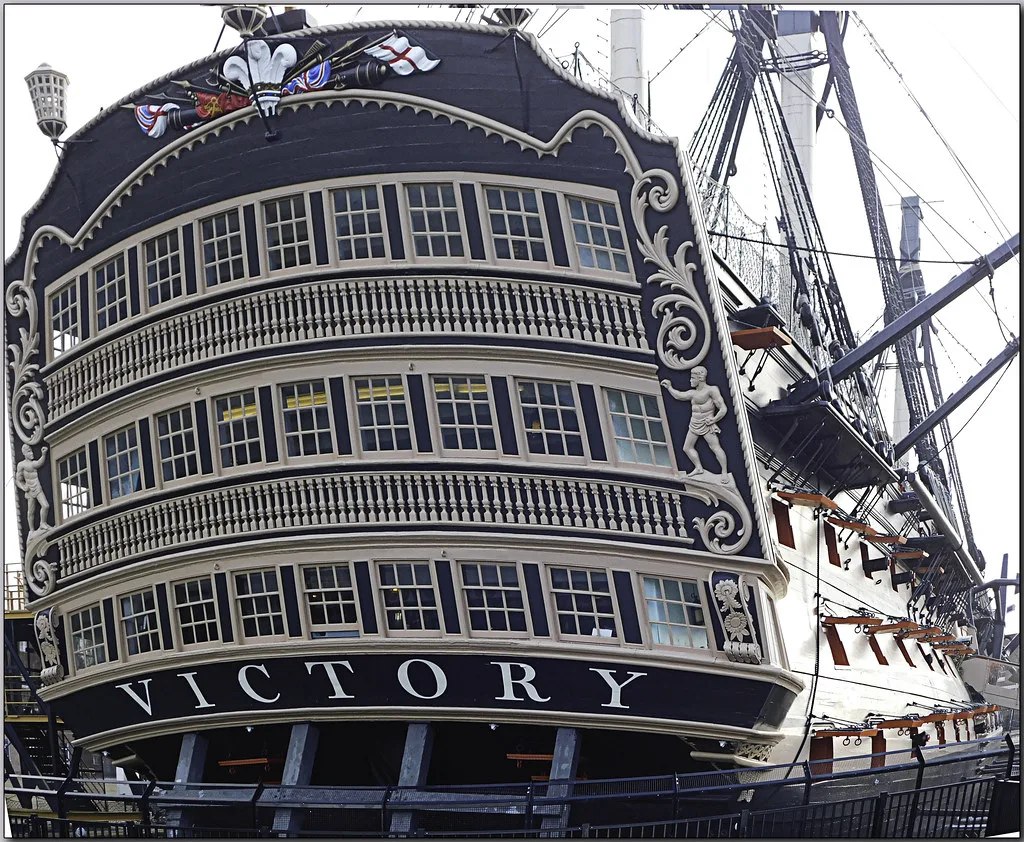
Prices and hours checked November 2026 against the official site, which gives no single fixed figure to quote here. Ticket structure matters more than price. Confirm whether one ticket covers every ship, how long it stays valid, and whether the harbour tour and the across-water sites are extra. Booking ahead helps on weekends and school holidays. Victory has been seen under scaffolding during restoration, so check ship status and gallery closures before you pay.
Getting there and getting around
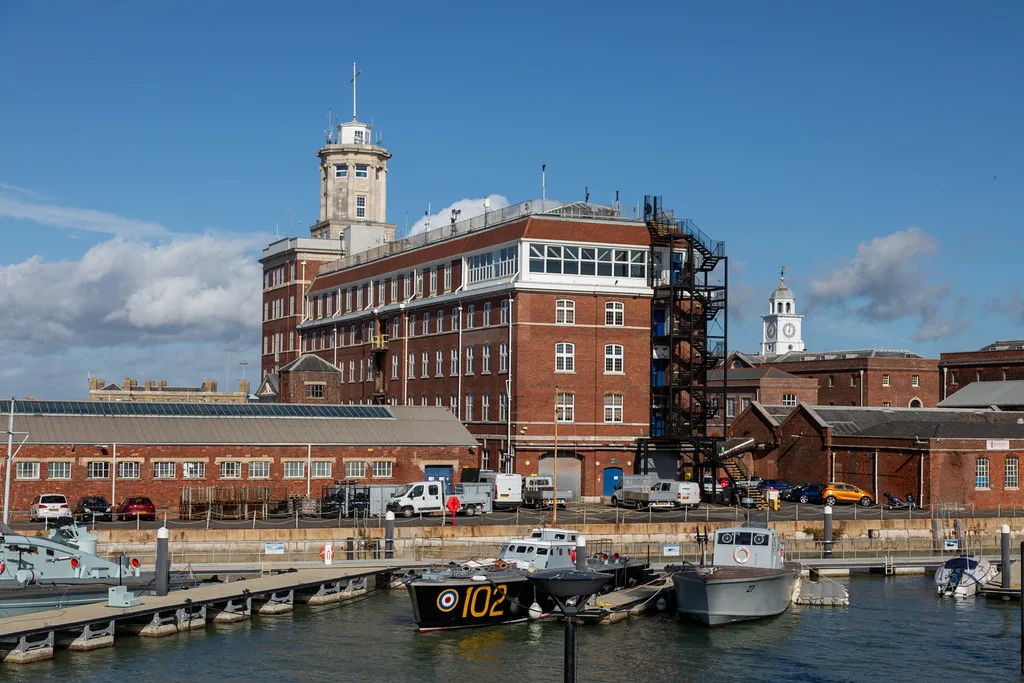
Portsmouth Harbour station sits beside the dockyard, which makes the train the simplest option from London. Timetables are on National Rail Enquiries. Drivers should look up current parking on the dockyard site. The submarine and firepower sites are across the harbour in Gosport, and a water bus links them to the dockyard. The Spinnaker Tower is visible from the water bus.
Is it worth it? Who should skip
Families, Nelson fans and Tudor history readers get the most from the main site. WWII-focused visitors should treat it as one stop on a wider route. Anyone with limited mobility, a pram or claustrophobia should note the low decks on Victory and the cramped submarine. HMS Warrior is the easier ship to explore.
- Skip if you have one short afternoon and want only WWII content.
- Skip the lower decks of Victory if headroom is a problem.
- Do not assume the ticket includes the harbour tour.
Pair it with other WWII and military sites
Our WWII sites in England guide places this visit in a wider route. For a deeper submarine visit, see the Royal Navy Submarine Museum, Gosport: Visitor Guide page. London has a comparison warship in HMS Belfast, London: Visitor Guide to the WWII Cruiser. South coast D-Day context continues at Slapton Sands. Armour fans can head to Bovington's tank collection. Dorset military history is also at Tyneham Ghost Village: Opening Times, Access & Visit Guide.
Nearby in Portsmouth: D-Day, memorials and forts
If your priority is the Second World War, save time for places beyond the dockyard. A full dockyard day leaves little room for them, so a second day works better.
- The D-Day Story, Southsea: This is the most direct addition for the 1944 Normandy landings. Its collection includes the Overlord Embroidery, and the landing craft LCT 7074 is displayed outside. Use our D-Day Story Portsmouth guide to plan that stop. Take a bus or taxi from the dockyard if you want to save your legs.
- Southsea Castle: Close to The D-Day Story, this fort dates from Henry VIII's reign. It adds a shore-side view of the waters where the Mary Rose sank. Check interior opening days before making a special trip.
- Portsmouth Naval Memorial: On Southsea Common, it commemorates Royal Navy personnel of both world wars who have no known grave, many of them lost at sea. It fits naturally into a walk along the seafront.
- Fort Nelson: This Royal Armouries site on Portsdown Hill displays artillery in a Victorian fort. It is outside the central waterfront area, so check transport and opening times first.
- Gunwharf Quays and Spinnaker Tower: Both are close to Portsmouth Harbour station. They are useful for a meal or a harbour view before the train home, with the tower requiring its own ticket.
For a two-day WWII-led visit, one practical split is the dockyard and submarine museum on the first day, then The D-Day Story, the naval memorial and Southsea Castle on the second. Confirm that your chosen days suit each venue, particularly outside the summer season.
A focused WWII and Cold War route
Portsmouth Historic Dockyard is best approached as a broad naval-history visit with a focused WWII and Cold War strand. Allow a full day at minimum if you want the three headline ships and the submarine museum. Allow 2 days if you also want time for the across-harbour collections.
Make HMS Alliance the priority for this theme. It was built at the end of WWII and remained in service until the 1970s. The submarine museum adds the strongest link to post-war naval life, but its cramped spaces will not suit every visitor.
Pair it with the National Museum of the Royal Navy displays, then choose one earlier ship for context. HMS Victory explains the navy before modern warfare, while HMS Warrior shows the Victorian technology that preceded the twentieth-century fleet. Do not expect the dockyard to replace a dedicated D-Day or battlefield museum.
Keep planning
Guides on the same trip