HMS Belfast, London: Visitor Guide to the WWII Cruiser
A guide to visiting HMS Belfast, the WWII cruiser museum ship on the Thames. It covers history, tickets, access, time needed and what to combine it with.
In this guide
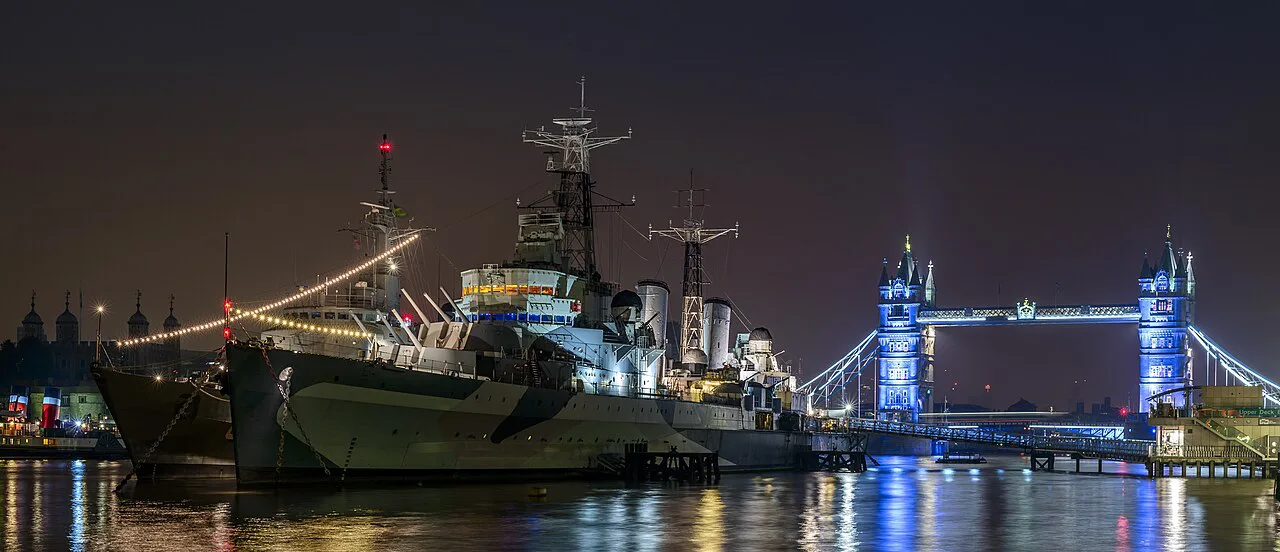
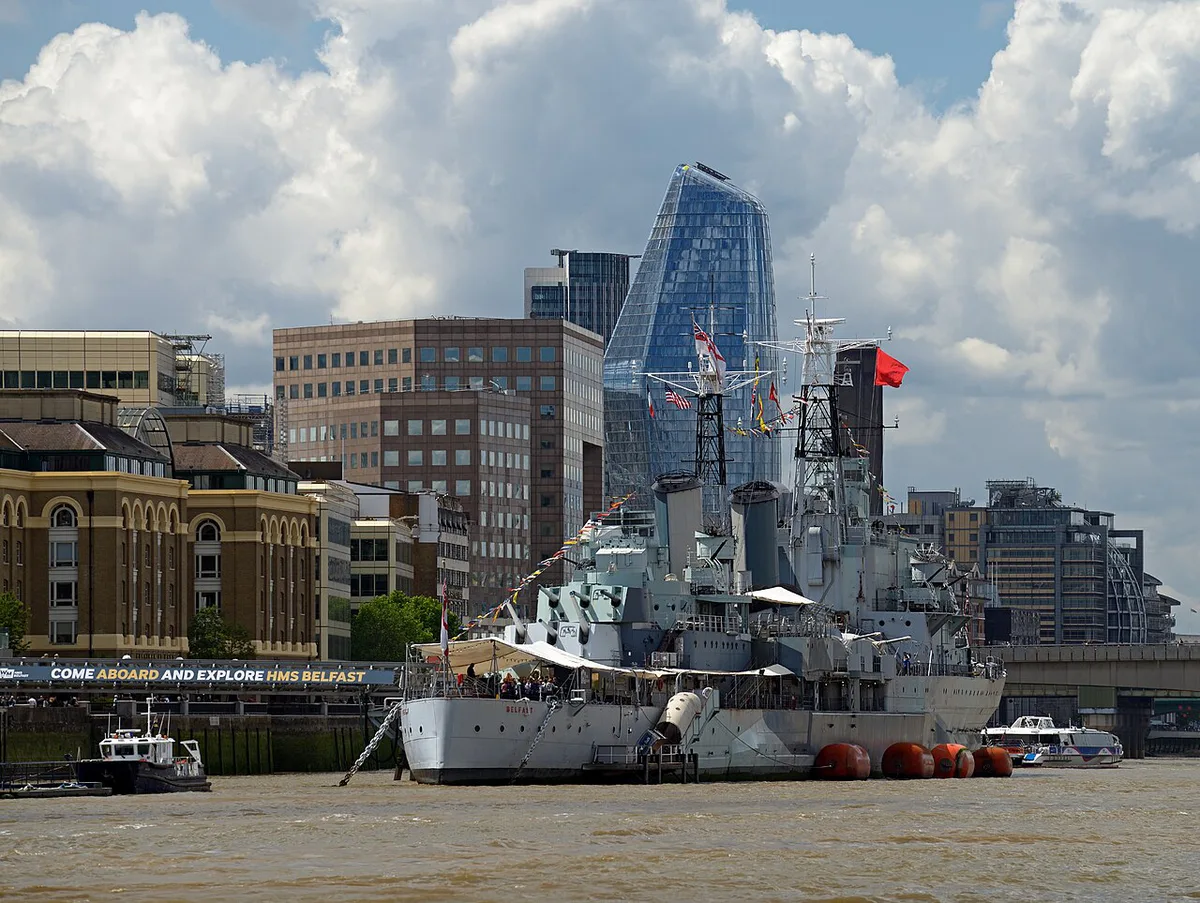
Last updated November 2026: HMS Belfast is a Royal Navy cruiser from the Second World War, and she is moored on the Thames in London, not in Belfast, Northern Ireland. Imperial War Museums run her as a museum ship beside Tower Bridge. Our guide covers her history, what you can see on board, who she suits and how she fits into a wider WWII route through England.
Featured image: Aleem Yousaf, CC BY-SA 2.0, via Wikimedia Commons.
HMS Belfast history: why the ship matters
HMS Belfast was launched on St Patrick's Day in 1938 and served in the naval blockade of Germany. She hit a German mine in 1939 and spent about two years out of service. After repairs and a refit with improved weapons, she returned to sea. Her wartime record includes three major episodes.
- 1943: took part in the Battle of North Cape.
- Arctic convoys: escorted ships carrying supplies to the Soviet Union.
- 1944: played a supporting role in the Normandy landings.
From Korea to rescue from the scrapyard
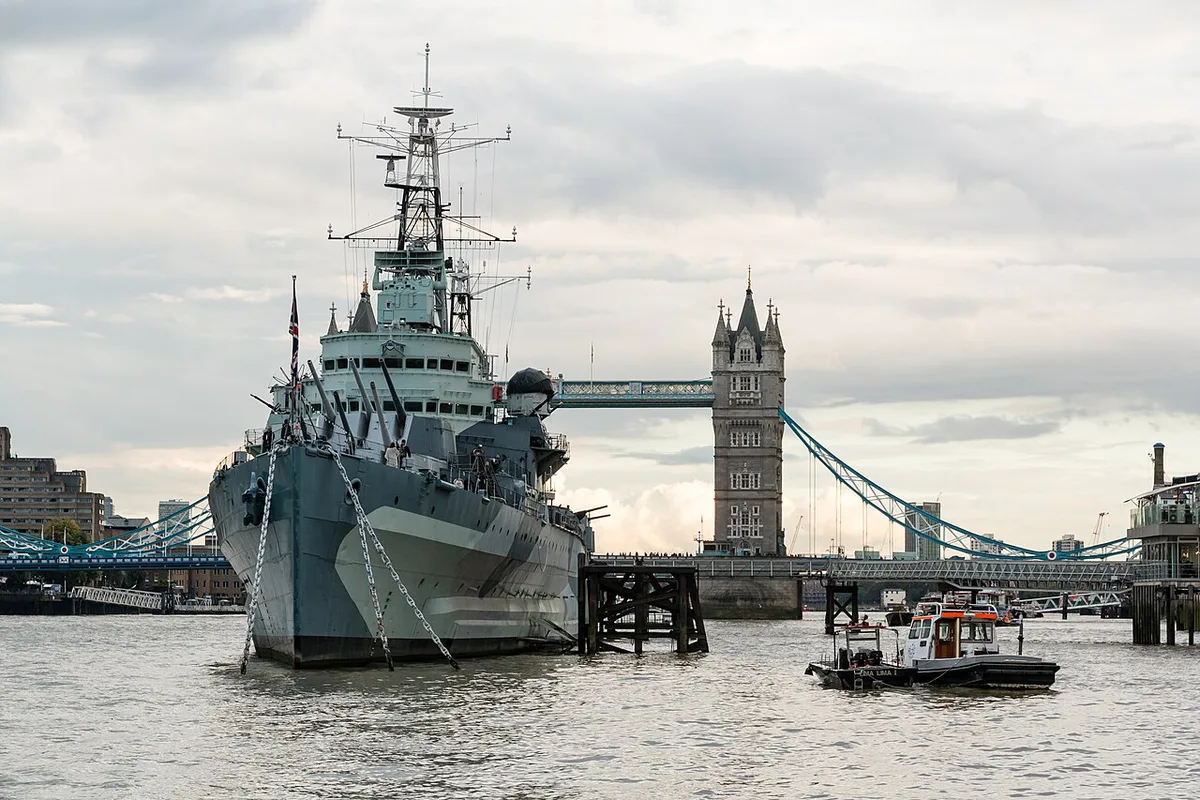
HMS Belfast served again in the Korean War, which ran from 1950 to 1953. She returned home in 1963 and was close to being scrapped. The Imperial War Museum, the National Maritime Museum and the Ministry of Defence campaigned to save her. The HMS Belfast Trust was founded in 1971, and the government transferred the ship to it that July. Her story pairs well with the Imperial War Museum in Lambeth.
Why She Is Called HMS Belfast, Plus Key Ship Facts
The name points to the city where she was built. Harland and Wolff constructed the cruiser in Belfast, and the Royal Navy named her after the city. She belongs to the Town class, a group of cruisers named after British towns and cities. Her home today is London, so check that your route and bookings point to the Thames and not to Northern Ireland.
These facts help you make sense of what you see on board. The Wikipedia entry on HMS Belfast gives a fuller technical and service record.
| Key fact | Detail |
|---|---|
| Type | Town-class light cruiser |
| Builder | Harland and Wolff, Belfast |
| Launched | 17 March 1938 |
| Entered service | August 1939 |
| Main armament | Twelve 6-inch guns in four triple turrets |
| Opened as a museum ship | 21 October 1971, Trafalgar Day |
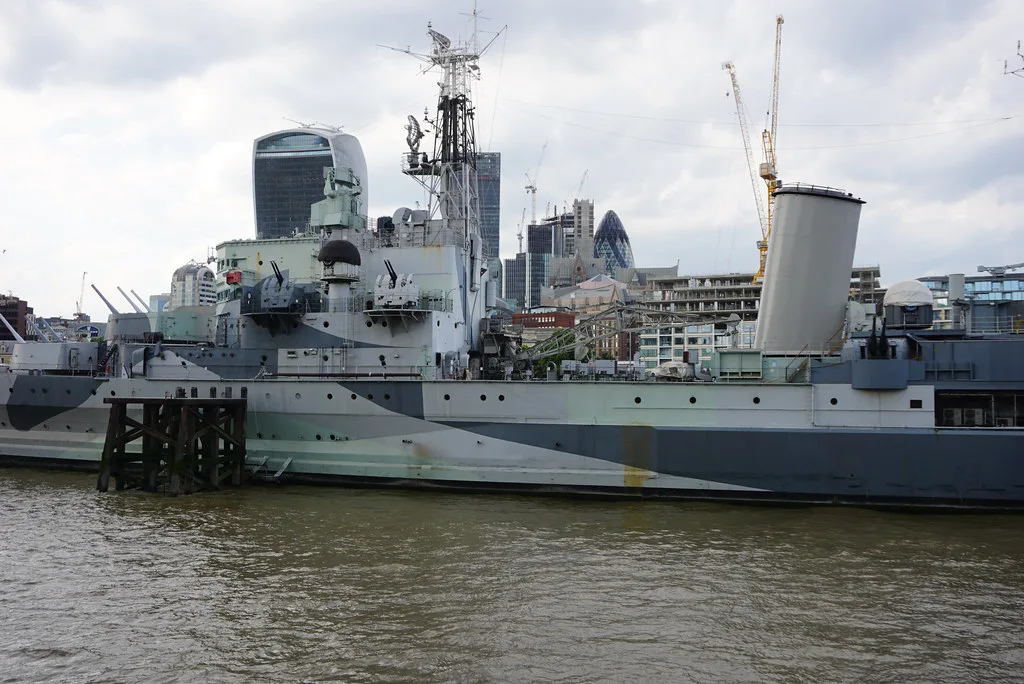
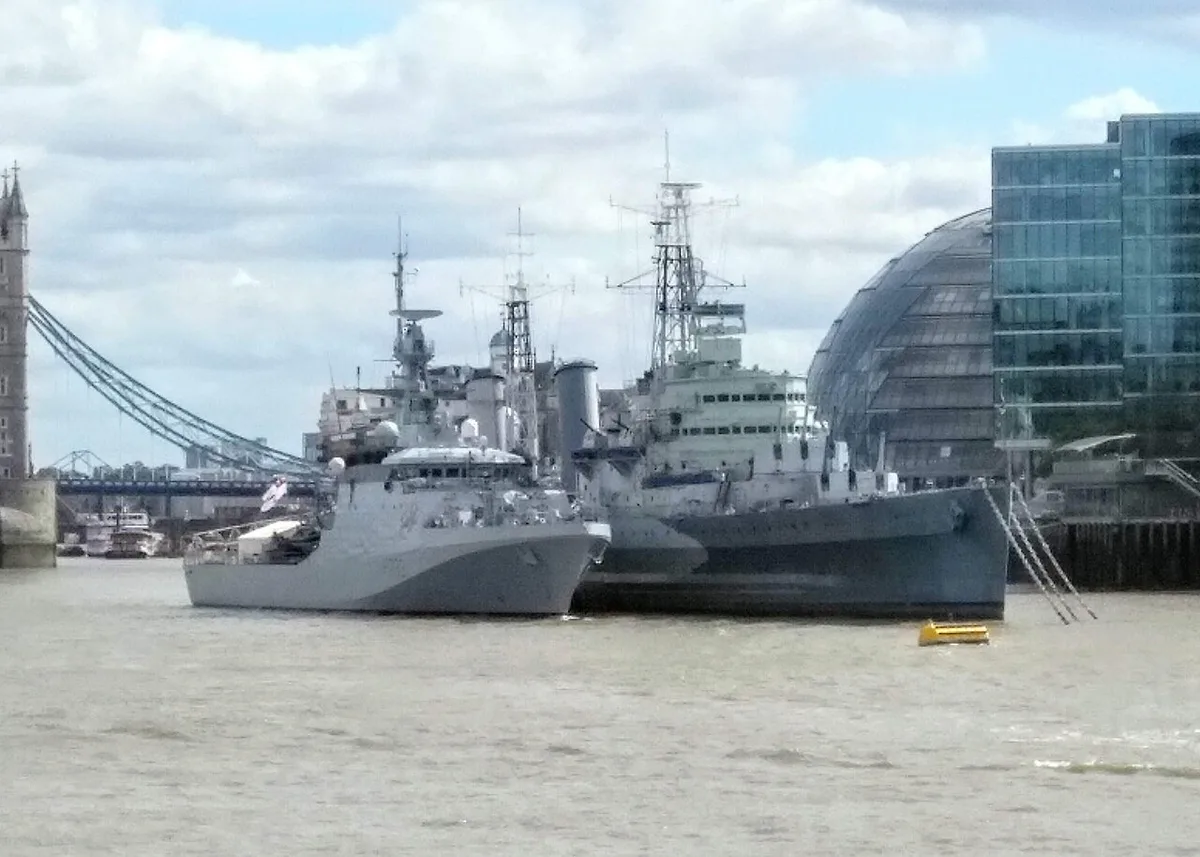
The label "light cruiser" refers mainly to the calibre of her guns, so don't read it as meaning a small vessel. As you walk the decks, use the four main turrets, two forward and two aft, to get your bearings.
Two dates add useful context to the gun areas. At the Battle of North Cape on 26 December 1943, she was part of the British force in the action that sank the German battleship Scharnhorst. On 6 June 1944, her guns bombarded German positions in support of the British and Canadian landings in Normandy.
What you will see on board
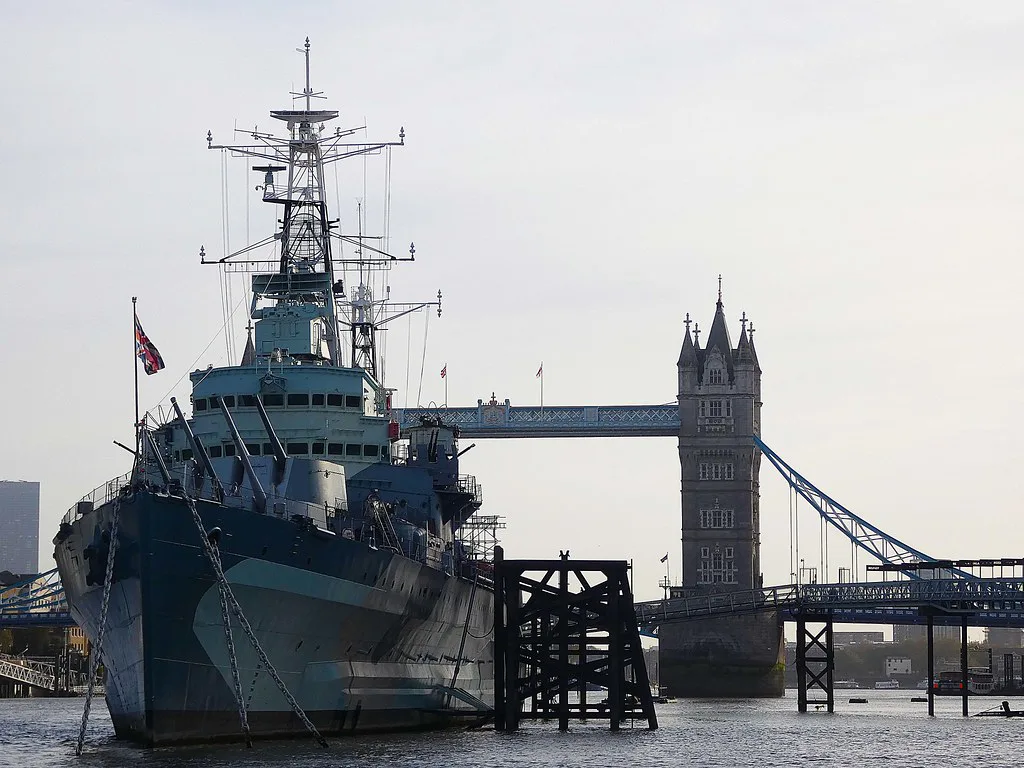
Expect a working warship rather than a gallery. Visitors move through the bridge, the radio room, the engine and boiler rooms, and the gun and torpedo areas. Waxwork figures show crew members at their posts. The bridge windows frame views of London's riverside landmarks. Open areas can change with maintenance, so check the IWM page for current access on the day.
Tickets, opening hours and booking
Imperial War Museums publish current ticket prices, opening hours and booking options on the official HMS Belfast page. Prices and hours were not confirmed for this guide, so check that page before you plan. Treat any combination ticket with Tower Bridge or IWM London as unconfirmed until the official page lists it.
How long to allow and who it suits
The official page gives the current recommended visit time, so use that rather than a guess. Narrow passages and steep ladders shape how comfortable the visit is. This table sets out who gets the most from the ship.
WWII fans may not expect the ship's service to continue past 1945, since the Korean War, which ran from 1950 to 1953, followed.
| Visitor | Verdict |
|---|---|
| WWII and naval history fans | Visit: it is a real cruiser with a documented wartime record |
| Families with older children | Visit: waxworks and gun areas hold attention |
| Visitors with limited mobility | Check first: ladders and narrow passages limit access |
| Claustrophobic visitors | Skip the lower decks or plan a shorter route |
| Short London stay | Visit if naval history is a priority; otherwise choose one major museum |
Accessibility and physical reality
A warship was built for crew, not for visitors. Expect steep ladders, narrow passages and raised thresholds. Some areas may be closed to some visitors. Step-free access is limited, so confirm with the venue before you travel and ask which decks you can reach.
Getting there and combining nearby sights
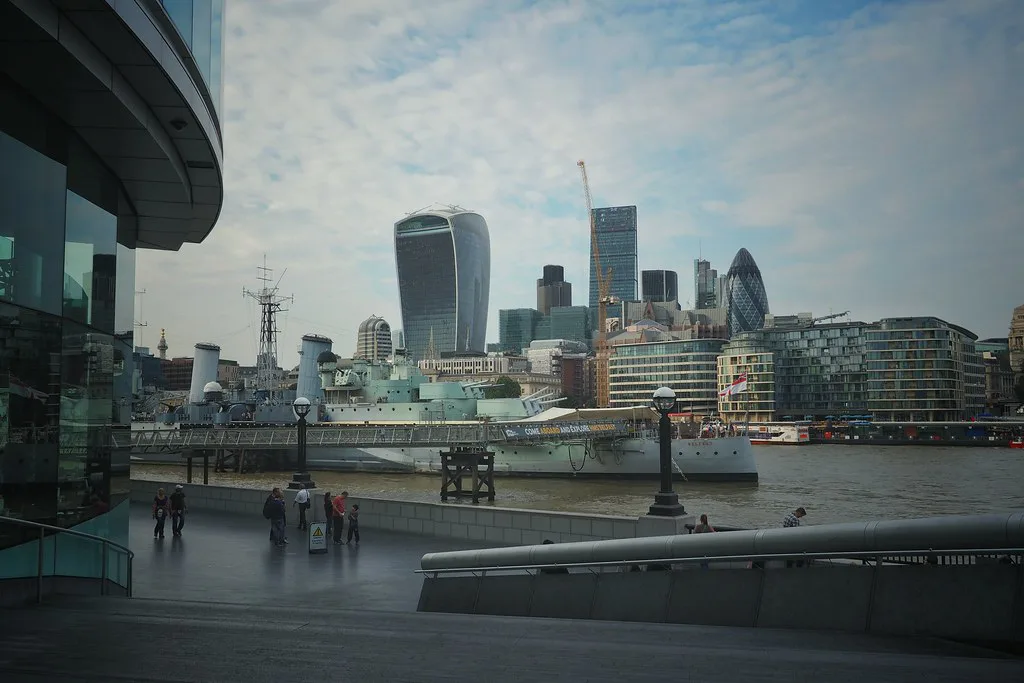
HMS Belfast sits on the Thames between London Bridge and Tower Bridge. London Bridge station is the closest main rail hub, and National Rail Enquiries lists train times. Transport for London covers Tube and bus routes. Check walking times on an official map, because none are confirmed here. A half-day plan can pair the ship with Tower Bridge and the Tower of London. Add a riverside walk to round it off. Overnight stays are easy to find nearby but sit outside this guide.
Where to See HMS Belfast From the Riverbank and Bridges
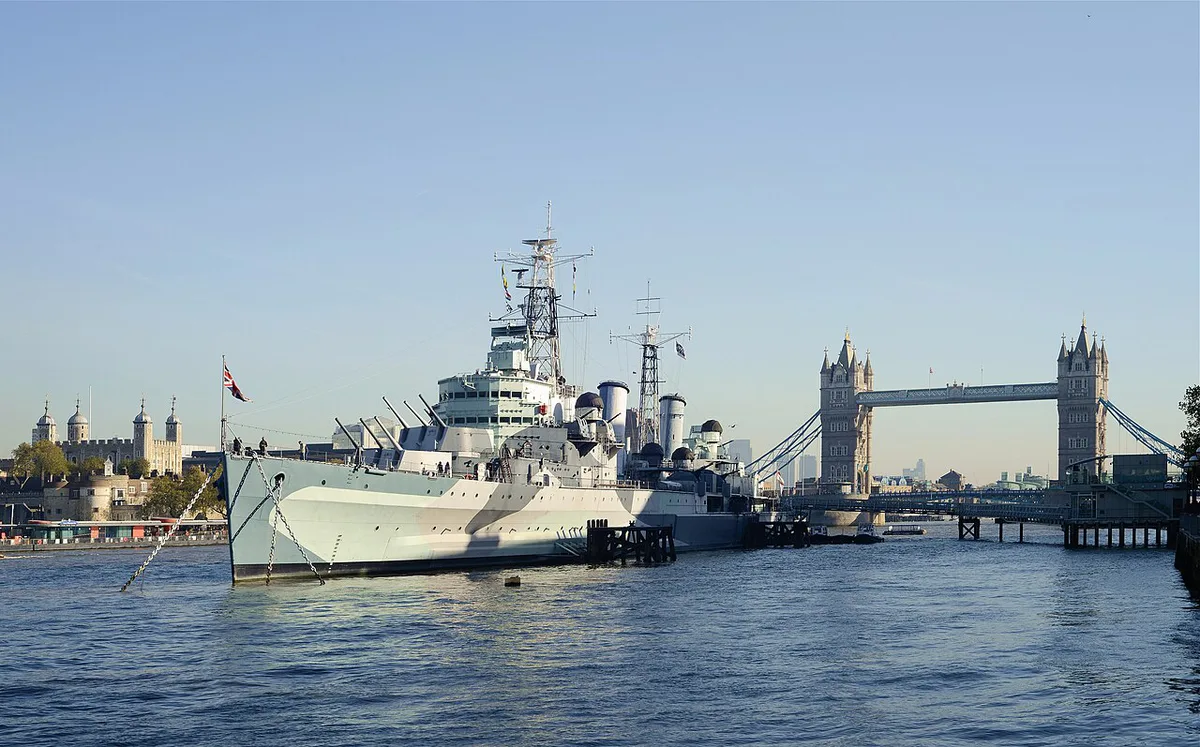
You don't need to board to get a good look at the ship. Her position in the open river means you can see her from public spots on both sides of the Thames. This is useful if you are short on time, arrive after last entry or would rather skip the ladders.
- The Queen's Walk, south bank: the riverside path gives you the closest shore view, where you can pick out the gun turrets, masts and superstructure.
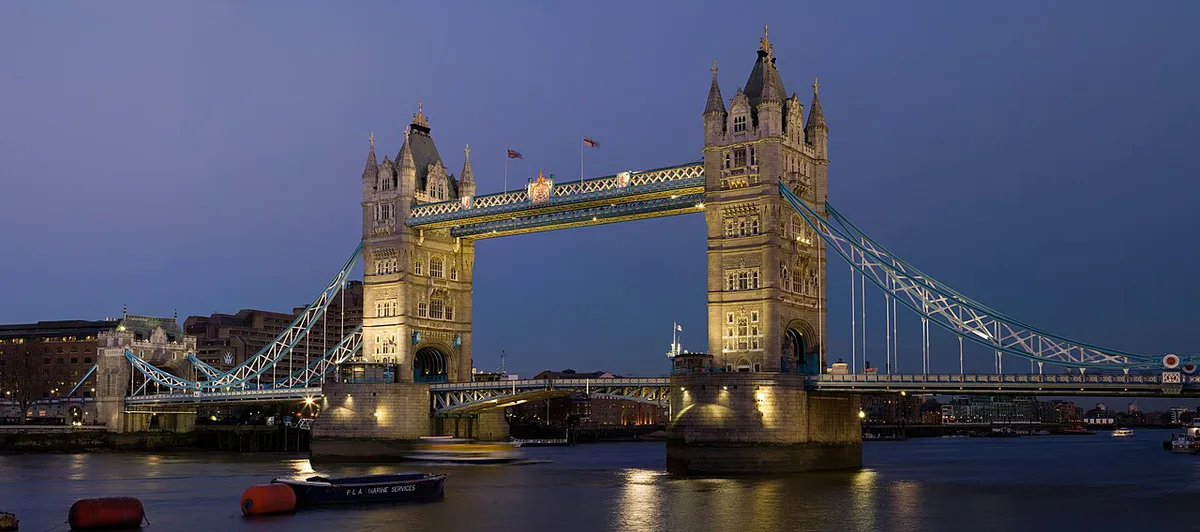
- Tower Bridge: the road-level pavement on the upstream side looks along the river towards the ship. You don't need to enter the bridge's paid exhibition to use the pavement.
- North bank near the Tower of London: looking across the water, you can fit much more of the hull into one photo than you can from close up.
- London Bridge: the downstream side gives a longer view of the ship with Tower Bridge behind her.
For photos of the whole cruiser, start on the north bank or London Bridge. For detail shots, use the south bank or a zoom lens. River level changes with the tide, so the ship sits higher or lower against the embankment at different times of day. Riverside access can be restricted during events or works, so follow any signs and diversions in place when you visit.
HMS Belfast vs other ship and war museums
For ship-based history, Portsmouth and Gosport offer more depth than one London cruiser. Portsmouth needs a day trip, so HMS Belfast wins on convenience. Check each site's current prices before you compare costs.
| Site | Best for | Trade-off |
|---|---|---|
| HMS Belfast | One WWII cruiser in central London | Short stay, limited depth |
| Portsmouth Historic Dockyard | Several historic warships in one place | Travel from London, longer day |
| Royal Navy Submarine Museum, Gosport: Visitor Guide | Submarine history | Separate trip outside London |
| RAF Museum London: Hangars, Getting There & Visit Tips | Air war history in London | Different subject, not naval |
Common mistakes and tips
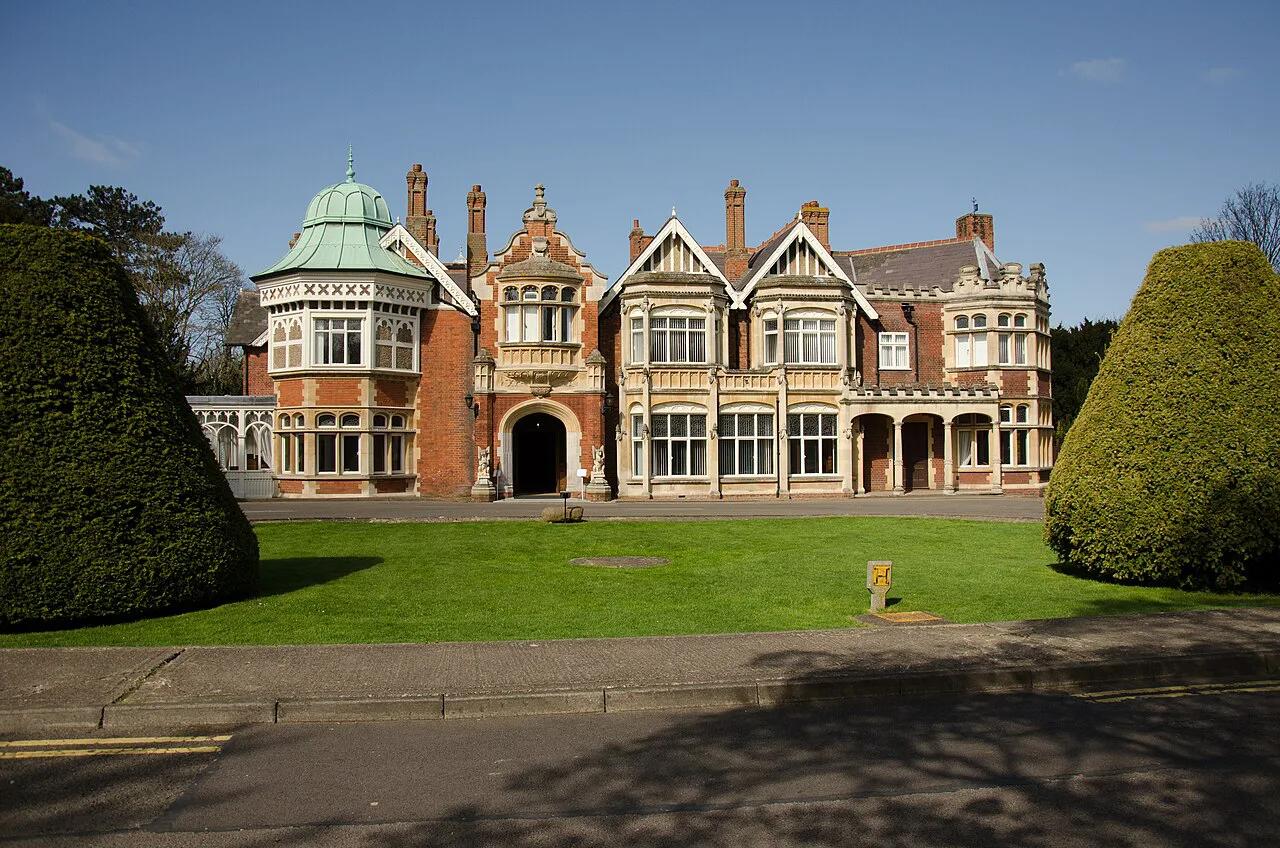
Check the official page for opening times before you set off. Wear flat, grippy shoes because decks and ladders can be slippery. Dress for the weather, since parts of an open ship are exposed. Book ahead if online booking is offered. For a longer WWII day away from London, consider Bletchley Park From London: Train, Tour & Day Plan. Another option is the Tank Museum at Bovington.
Frequently Asked Questions
Is HMS Belfast worth visiting?
Yes, if you want to see a WWII cruiser with a documented record at North Cape, on the Arctic convoys and off Normandy. Skip the lower decks if ladders or tight spaces are a problem.
Keep planning
Guides on the same trip