Chartwell: Churchill's Kent Home Visitor Guide
Visit Chartwell, Winston Churchill's family home in Kent. Why it matters for WW2, how to plan your day, and who it suits best.
In this guide
Last updated November 2026: Chartwell is Winston Churchill's family home near Westerham, Kent, and it is now run by the National Trust. It is the home-front and leadership stop in our guide to WW2 sites in England. Expect a story of 1930s warnings and a house left quiet in wartime, not a battlefield or a bunker.
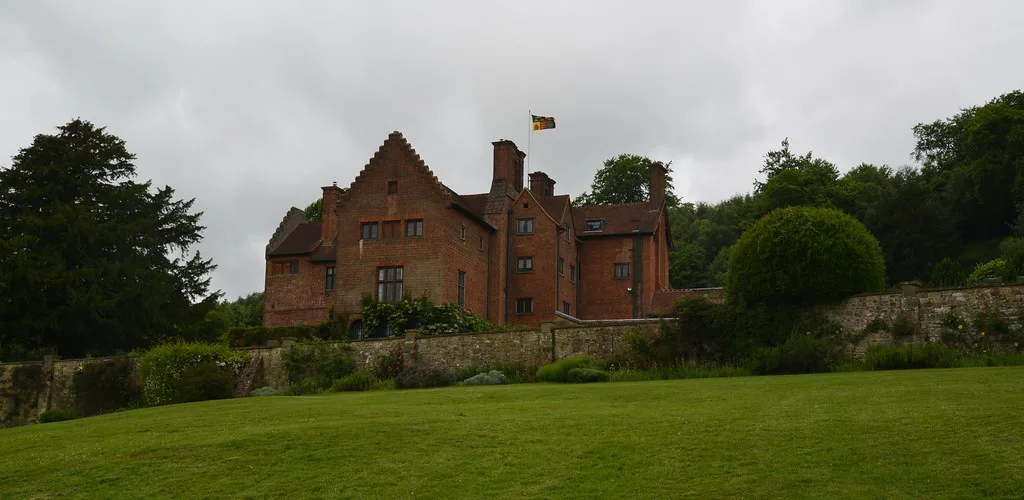
Featured image: Dhowes9, CC BY-SA 3.0, via Wikimedia Commons.
Chartwell at a glance
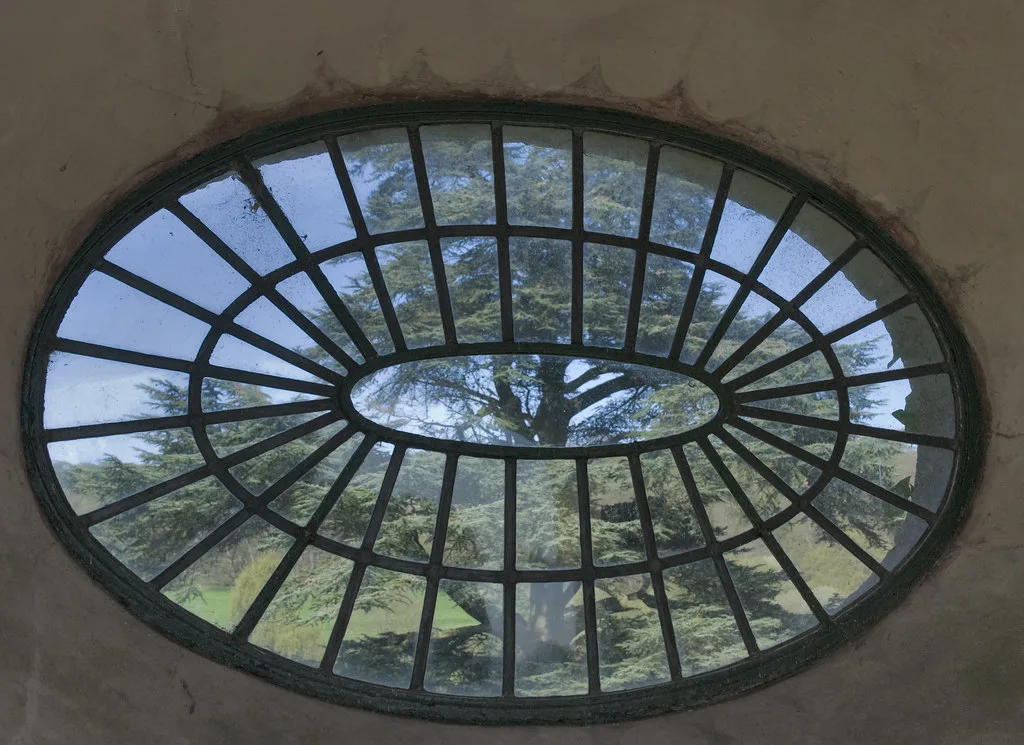
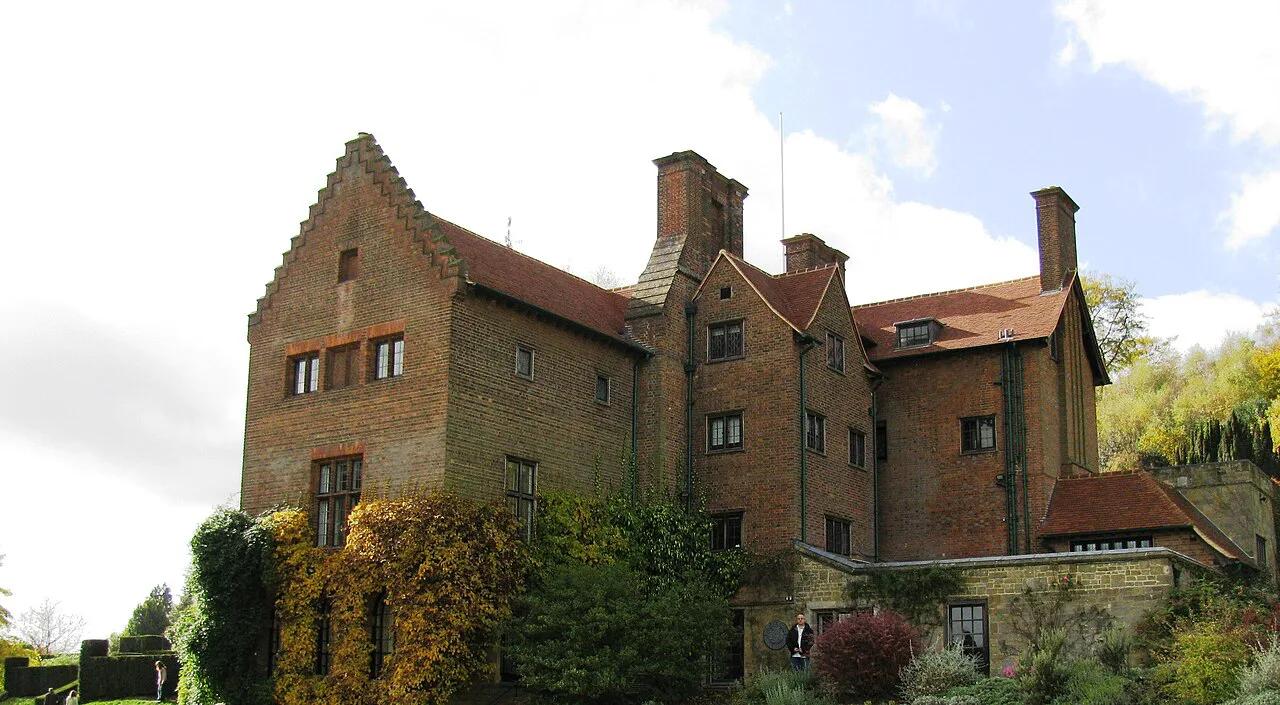
Chartwell sits near Westerham in Kent, in South East England. Winston Churchill bought it in September 1922 and lived there until shortly before his death in January 1965. It opened to the public in 1966 under the National Trust. If you searched for a bank, a school or a golf club of the same name, this page is about the Kent house.
- What it is: a Grade I listed country house with a registered historic garden.
- Role in WW2: a pre-war base for Churchill's warnings and an occasional wartime refuge, not a command post.
- Best for: Churchill readers, house and garden fans, and anyone planning a Kent day out.
- Skip it if: you want battlefields, bunkers or operational history.
- Tickets, hours and parking: set by the National Trust, so read its Chartwell page before you travel.
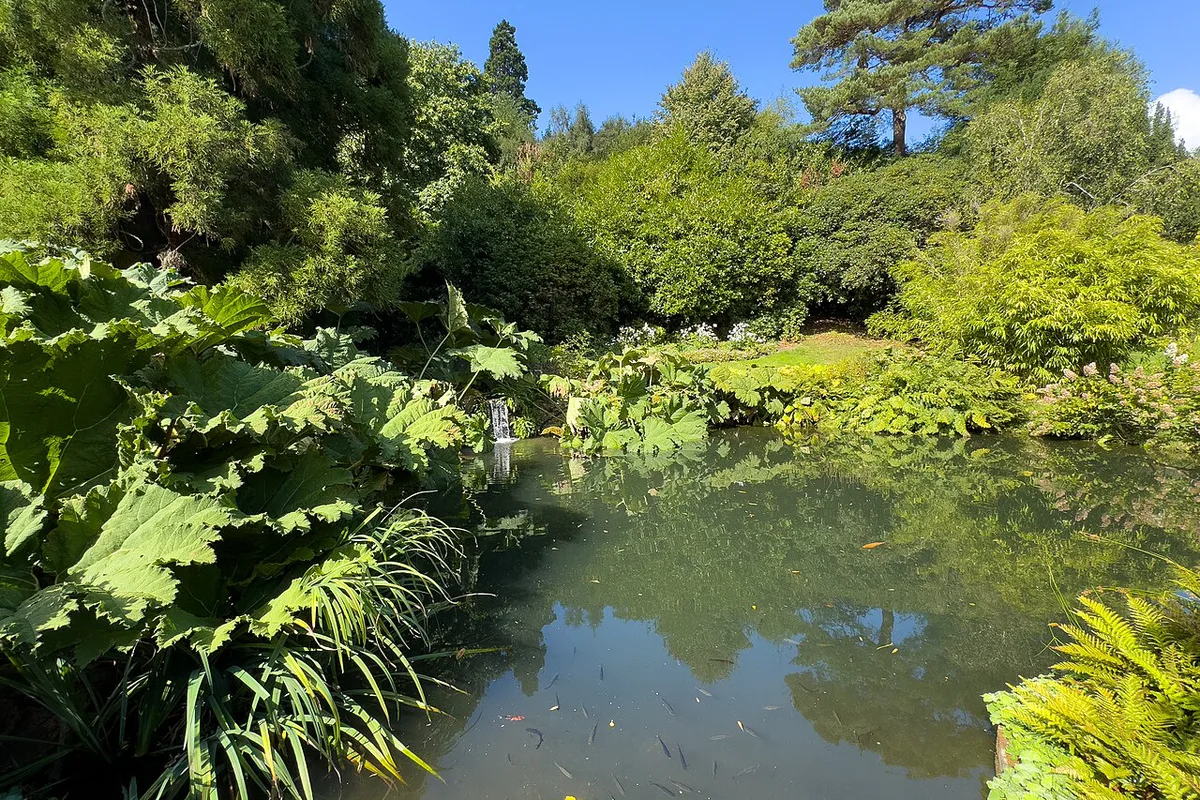
Why Chartwell matters for WW2
Churchill was out of political office for much of the 1930s. Chartwell became the centre of his world during those years. He campaigned there against German re-armament and against the policy of appeasement. He also wrote, painted and built garden walls and lakes with his own hands.
Churchill's house sat largely unused in wartime, but the family came back once he lost the 1945 election. Public visits only began in 1966.
Wartime brought a gap. Chartwell was largely unused during the Second World War, and Churchill made only occasional short visits. The Churchills returned after he lost the 1945 election.
Postwar preservation completes the story. In 1946 the National Trust acquired the house with funds raised by friends led by Lord Camrose. The Churchills kept a life tenancy, and the public could visit from 1966.
So do not picture a war room here. Wartime decision-making belongs to London, where Imperial War Museum London: Visitor Guide gives broader context. HMS Belfast, London: Visitor Guide to the WWII Cruiser adds a naval view on the Thames.
Who briefed and visited Churchill at Chartwell
Chartwell's wartime importance rests largely on the people who came before the fighting started. Out of office, Churchill had no government department behind him, so he relied on contacts, correspondence and conversation to test his case on German rearmament.
- Desmond Morton: a neighbour who ran the government's Industrial Intelligence Centre. He was an important source on Germany's capacity to arm.
- Ralph Wigram: a Foreign Office official who shared his concerns, and information, with Churchill at some risk to his own career.
- Frederick Lindemann: an Oxford physicist and frequent guest who advised on science and statistics, including questions of air defence. He later served as a close adviser in Churchill's wartime government.
- Albert Einstein: he called at Chartwell in the summer of 1933, after the Nazis had come to power in Germany.
Keep these names in mind as you walk through the study and dining room. They turn a comfortable family house into a place where you can picture arguments being prepared: facts gathered, speeches drafted and allies sounded out over meals. It was still not an official intelligence station, and Churchill's influence at this stage came through Parliament, journalism and public speaking. For a wider outline of the house and its owners before your visit, see Wikipedia's Chartwell article.
What to see at Chartwell
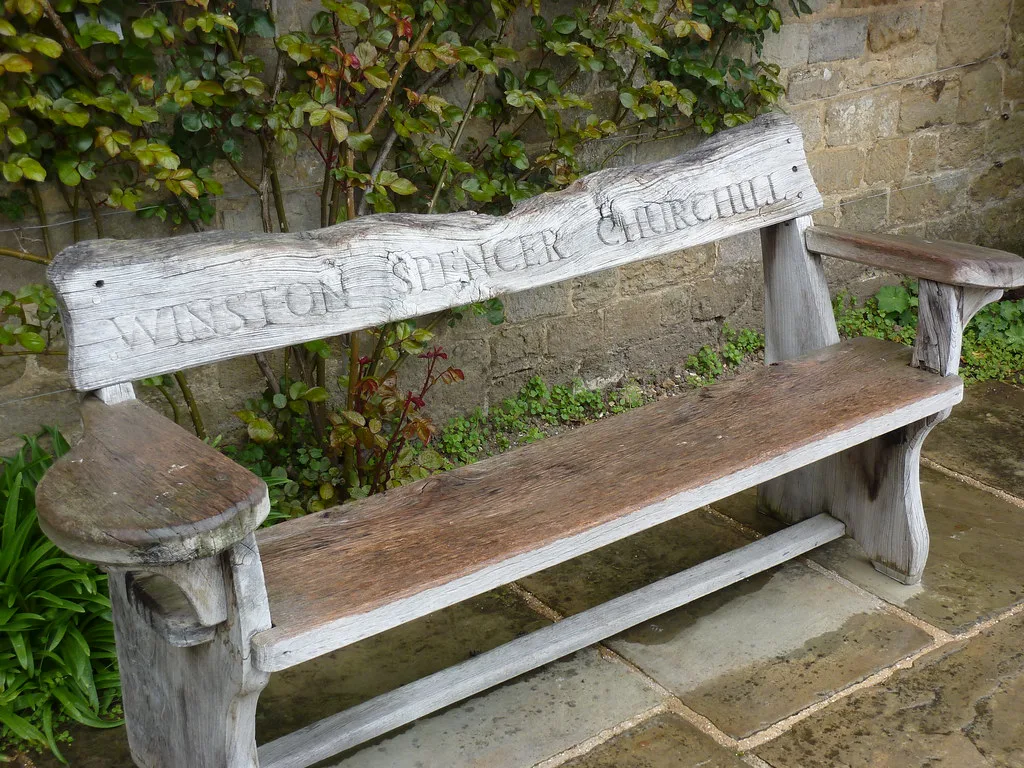
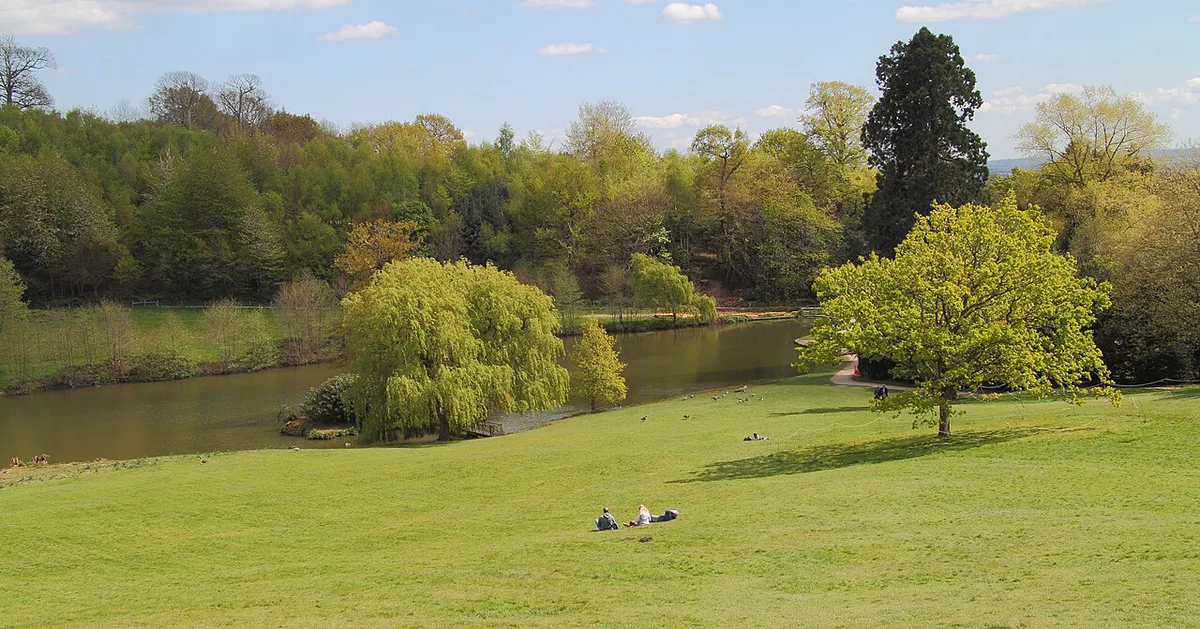
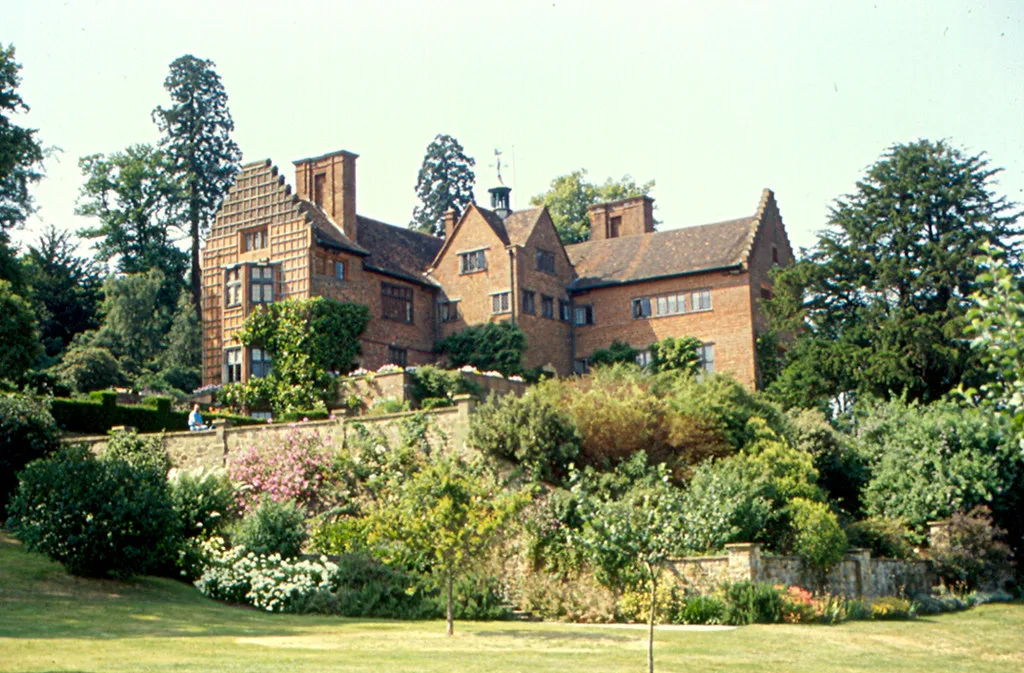
Chartwell is a house, a garden and an estate, so the visit works as a portrait of one man's private life. Architect Philip Tilden rebuilt and extended the house between 1922 and 1924. Churchill's own account of the place stresses the view, and the outlook over the Weald of Kent was the deciding factor in his purchase.
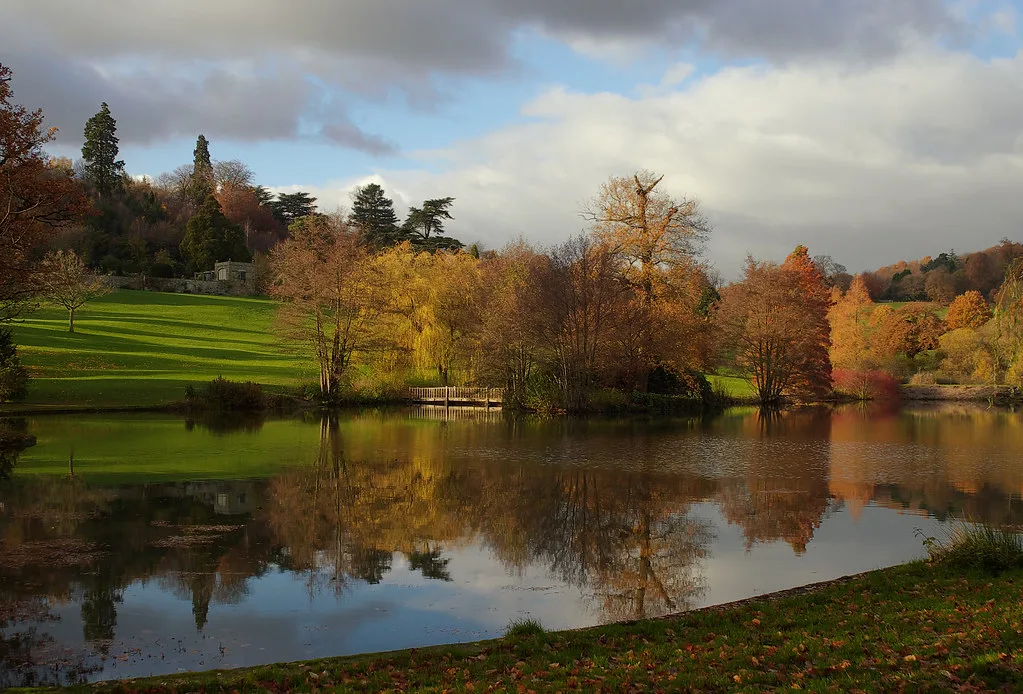
Outdoors, look for the features tied to his 1930s routine. They include the lakes and walls he built, and a garden studio linked to his painting. The garden holds a national registered-garden listing, dated 1 May 1986. The house itself was listed Grade I on 16 January 1975, for its historical significance rather than its architecture.
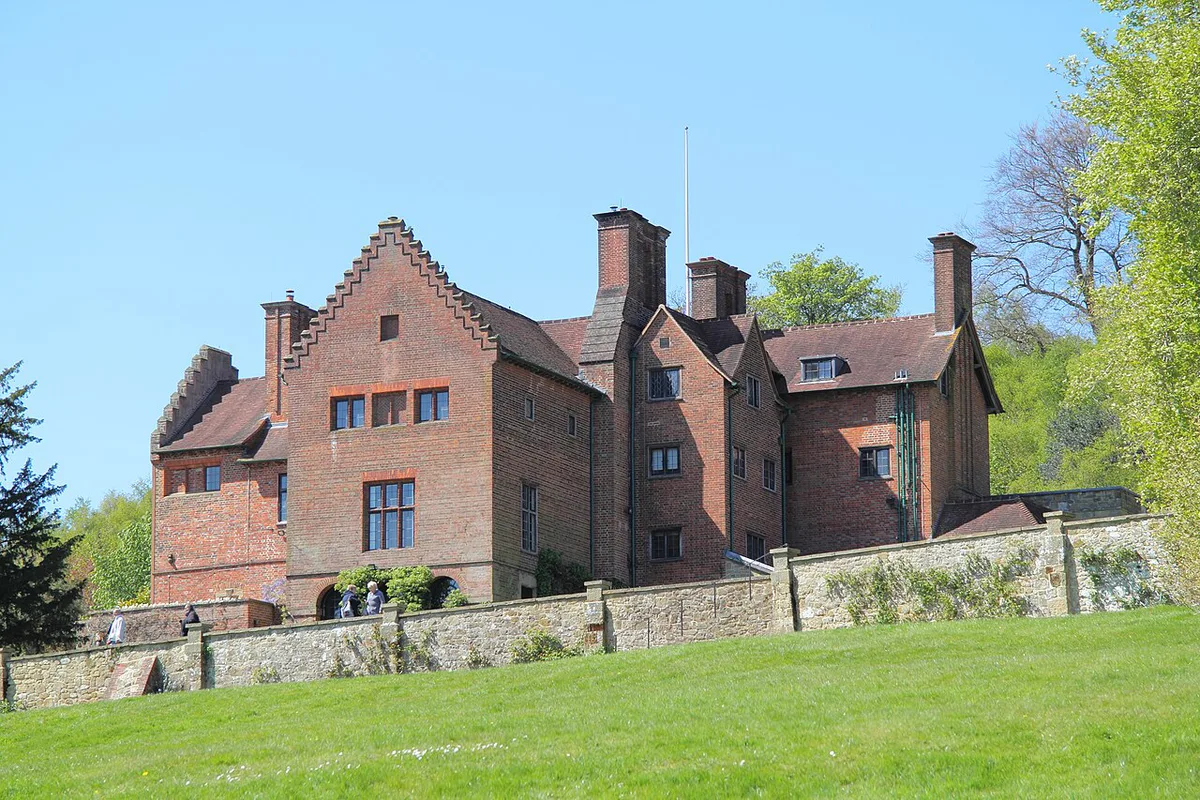
Which rooms and areas are open changes by season. The National Trust Chartwell page is the source for current access and any events.
Rooms and garden details to look for at Chartwell
A short list helps you spot the details that connect the house and grounds to the family. Check which are open on your date before you set your heart on any one of them.
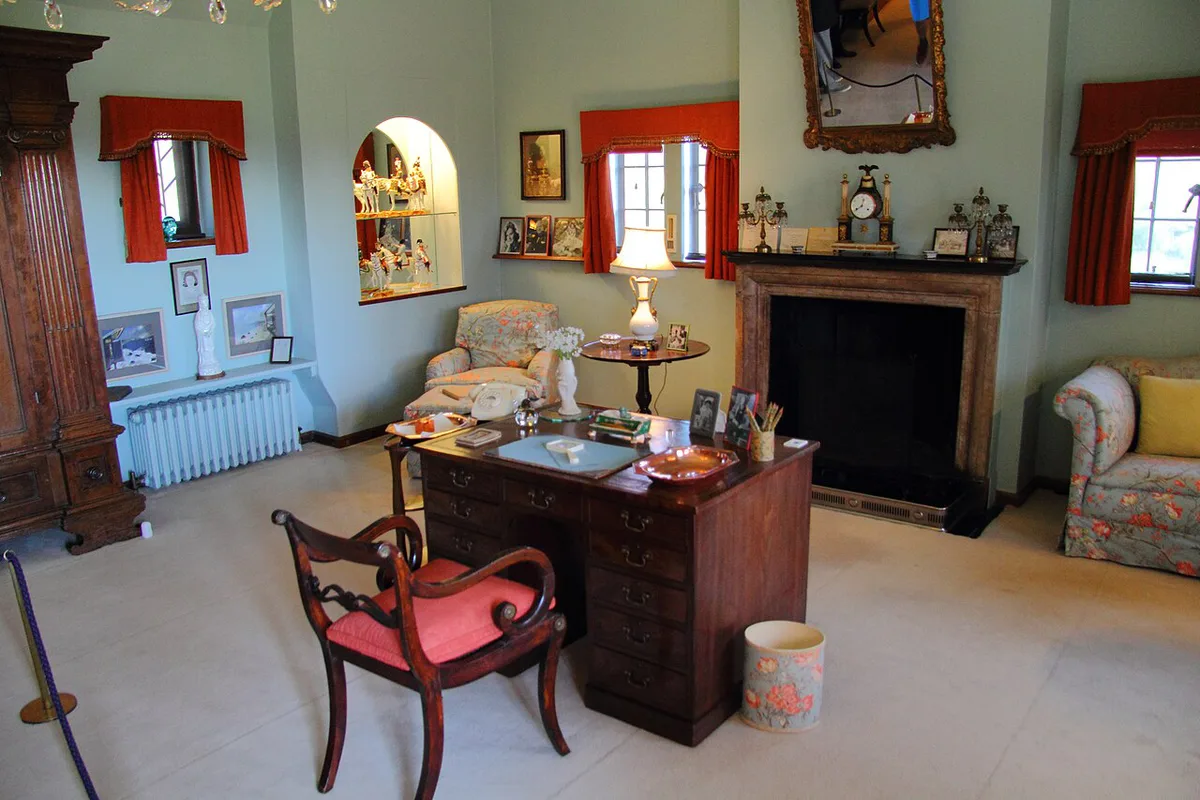
Inside the house
- The study: Churchill's workroom, where he dictated books, articles and speeches, often late into the night.
- The library: look for the model of the Mulberry harbour at Arromanches, a direct link to the Normandy landings of the Second World War.
- The dining room: a bright room facing the garden, where long mealtime conversations were part of the working day.
- Museum displays: gifts, uniforms and personal objects cover parts of his public life well beyond Kent.
In the garden
- The studio: it holds a large collection of Churchill's paintings, so leave time for it rather than treating it as an afterthought.
- The kitchen garden wall: Churchill laid much of the brickwork himself.
- The Golden Rose Walk: the Churchill children gave it to their parents for their golden wedding anniversary.
- The Marycot: a small playhouse associated with Mary, the youngest child, and her father's bricklaying.
- The fish pond: a favourite spot where Churchill liked to sit and feed his fish.
If time is tight, put the study and studio first: one shows how he worked, the other how he stepped away from work. The National Trust's Chartwell page is the place to confirm access to each.
How to plan your visit to Chartwell
Tickets, opening days, timed entry and parking are all set by the National Trust. Use its Chartwell page for current details, and book ahead if it asks for timed slots. A sensible starting plan is a half day for house and garden. Add more time if the weather suits the estate, since the garden is the part most affected by rain and season. The house story works on a wet day, which makes Chartwell a flexible choice for a mixed-weather trip.
Getting to Chartwell from London
Chartwell is a countryside house near Westerham, not a city-centre stop. Driving gives you control of timing and avoids connections. Public transport from London may involve more than one leg, so build in slack. Check National Rail Enquiries for current services, and read the National Trust's travel directions for the final stretch. Do not rely on a route remembered from an older guide.
Is Chartwell worth it?
Chartwell is worth it if the person matters more to you than the military campaign. It is a weaker choice if you want weapons, trenches or codebreaking. This table matches visitor type to fit.
| Visitor type | Verdict | Why |
|---|---|---|
| Churchill history | Yes | His 1930s campaign and postwar story are the heart of the place. |
| WW2 operations | No | It was not a command post and was largely unused in the war. |
| Family with children | Maybe | Gardens and lakes help, but the interpretation is aimed at adults. |
| Garden lover | Yes | A registered historic garden with the Weald of Kent views. |
| Short London stay | Maybe | Plan a full half day with travel, so it can crowd a tight itinerary. |
Combine Chartwell with other WW2 sites
Most sites in this cluster are far from Kent, so treat them as further context rather than same-day pairings. A London-plus-Kent trip can start with Imperial War Museum London and HMS Belfast on a separate day. For codebreaking, see Bletchley Park Visit Guide: Tickets, Time, What to See. For wartime evacuation and home-front themes, read about Tyneham Ghost Village: Opening Times, Access & Visit Guide. Our WW2 sites in England hub lists the full set.
Mistakes to avoid at Chartwell
A few wrong expectations spoil the visit. Fix them before you book.
- Expecting a bunker or war room: Chartwell is a family home.
- Assuming Churchill ran the war from Kent: he did not, and the house was largely unused.
- Arriving without checking tickets and timed entry on the National Trust page.
- Squeezing it into a rushed London day when travel could eat the visit.
Frequently Asked Questions
Who bought Chartwell for Churchill?
Churchill bought Chartwell himself in September 1922. In 1946 friends led by Lord Camrose raised funds so the National Trust could acquire it. The Churchills kept a life tenancy.
What is Chartwell famous for?
Chartwell is famous as Winston Churchill's family home for over forty years. It was the base for his 1930s campaign against appeasement. Visitors also come for the garden and the views over the Weald of Kent.
Keep planning
Guides on the same trip