Bletchley Park Visit Guide: Tickets, Time, What to See
Planning a Bletchley Park visit? See how long to allow, what to see, how to get there from London, and whether to add the National Museum of Computing.
In this guide
Last updated November 2026. Bletchley Park in Buckinghamshire was the wartime home of Britain's codebreakers, and it is one of the key stops on our WWII sites in England route. We think it suits anyone curious about Enigma, the Bombe and the origins of modern computing. This guide covers what to see, how long to allow, tickets, transport and whether to add the neighbouring computing museum.
Featured image: Frankie Roberto, CC BY 2.0, via Flickr.
Is Bletchley Park worth visiting?
Yes, if you want to see where World War II codebreaking happened and not just read about it. In 1938 the head of MI6 bought the estate to house the Government Code and Cypher School. At its peak between 1942 and 1945, roughly 9,000 people worked here. Our view is that it rewards history readers, puzzle and maths fans, and anyone who has seen the films and wants the real rooms. We would shorten or skip it for very young children or for visitors with no interest in history or technology, because much of the experience is reading, listening and imagining. Buildings are dressed to look as they did in the 1940s, so even quiet rooms carry the story.
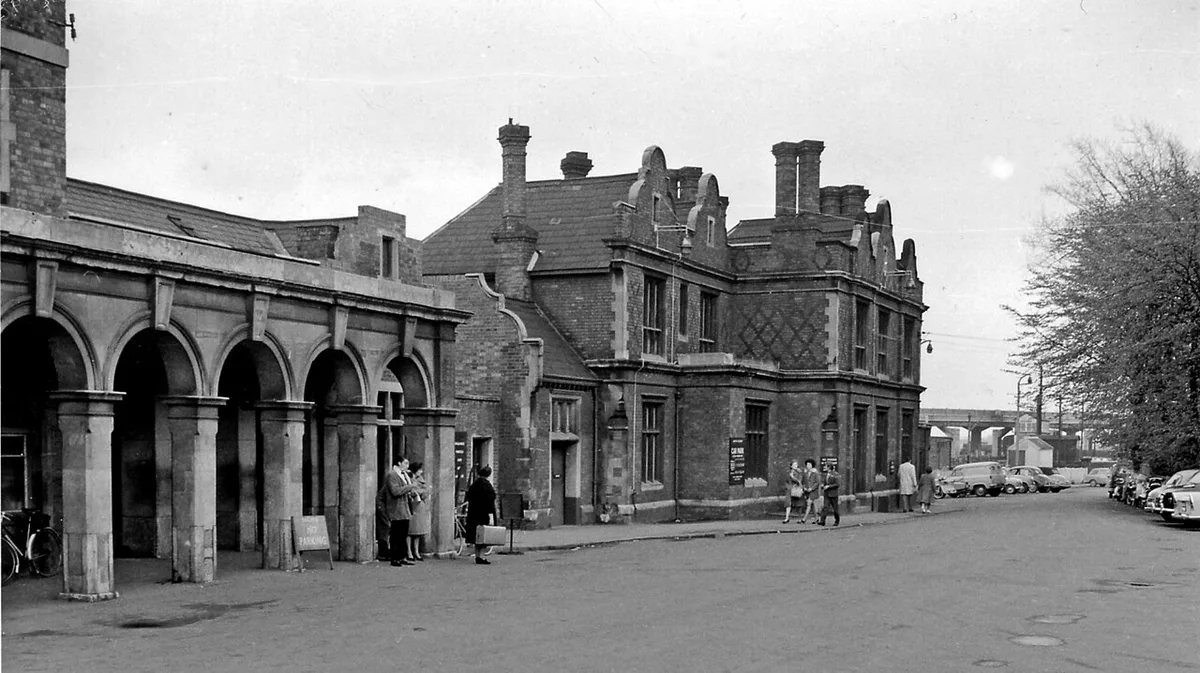
What to see at Bletchley Park
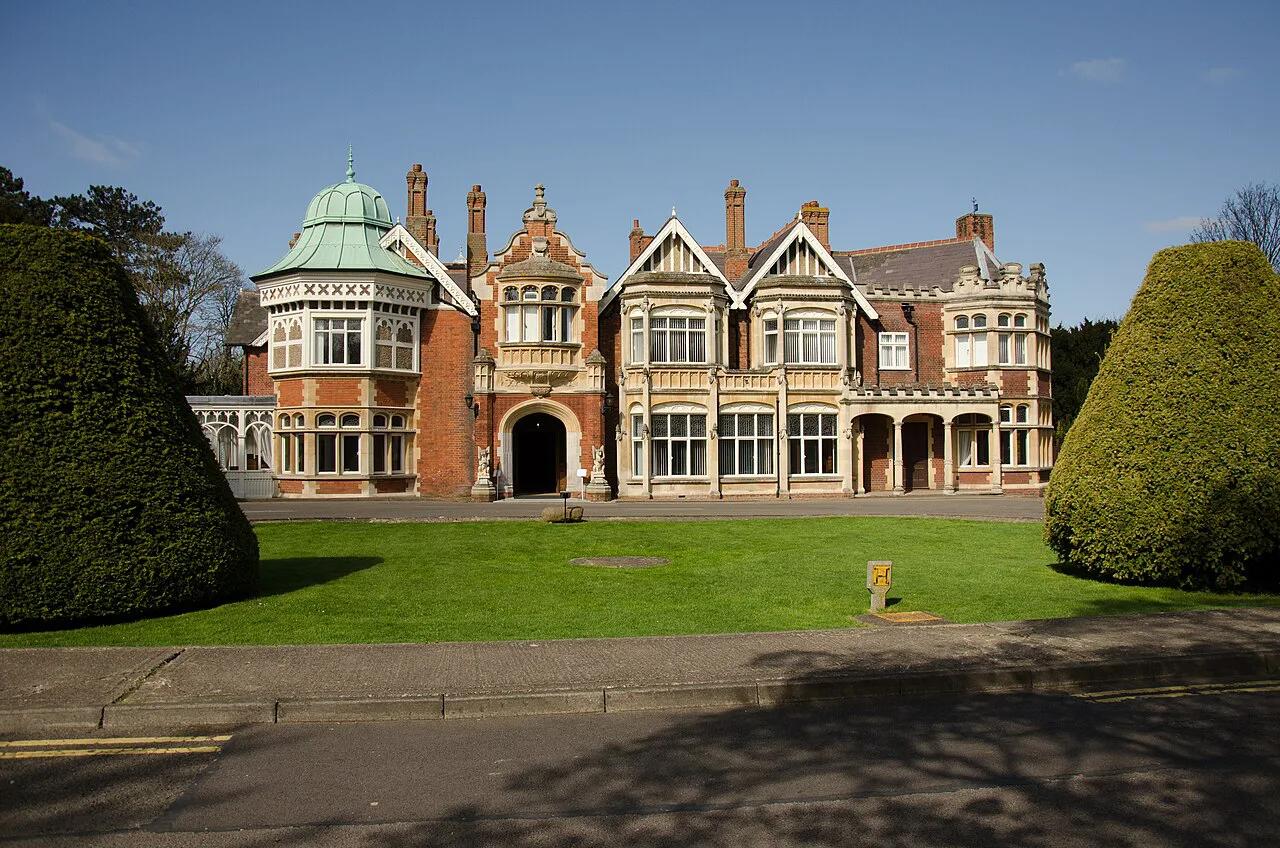
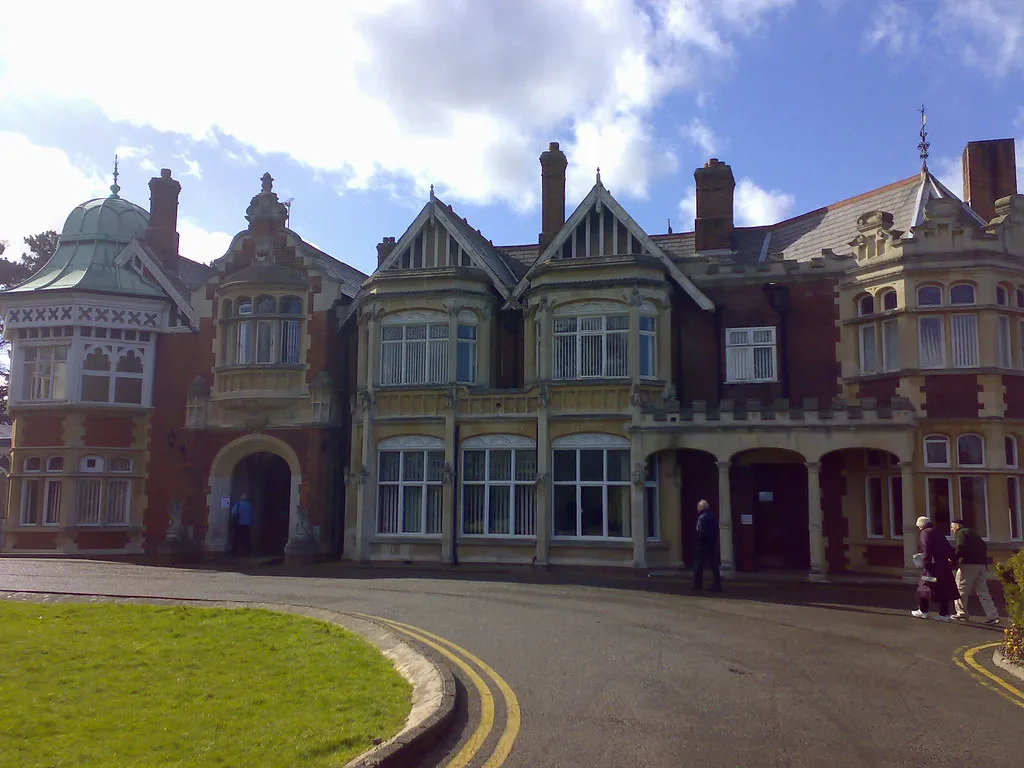
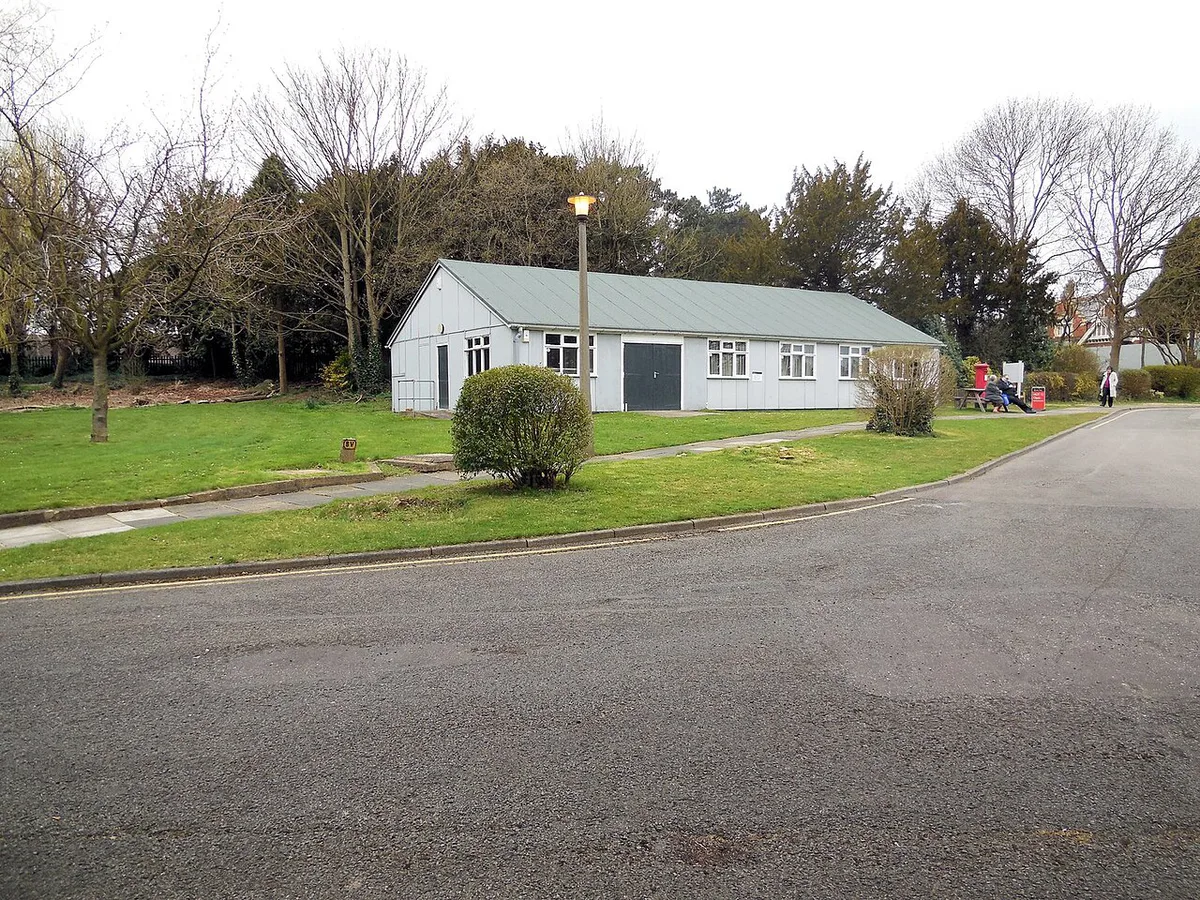
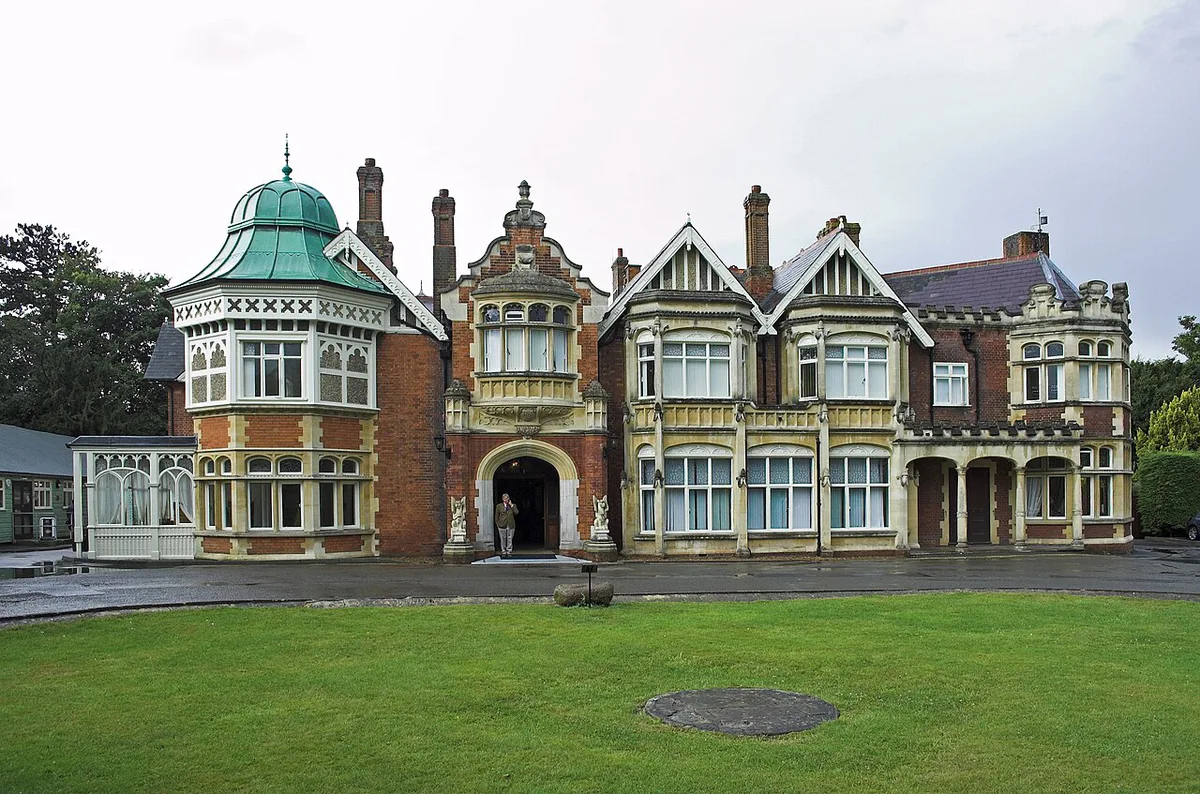
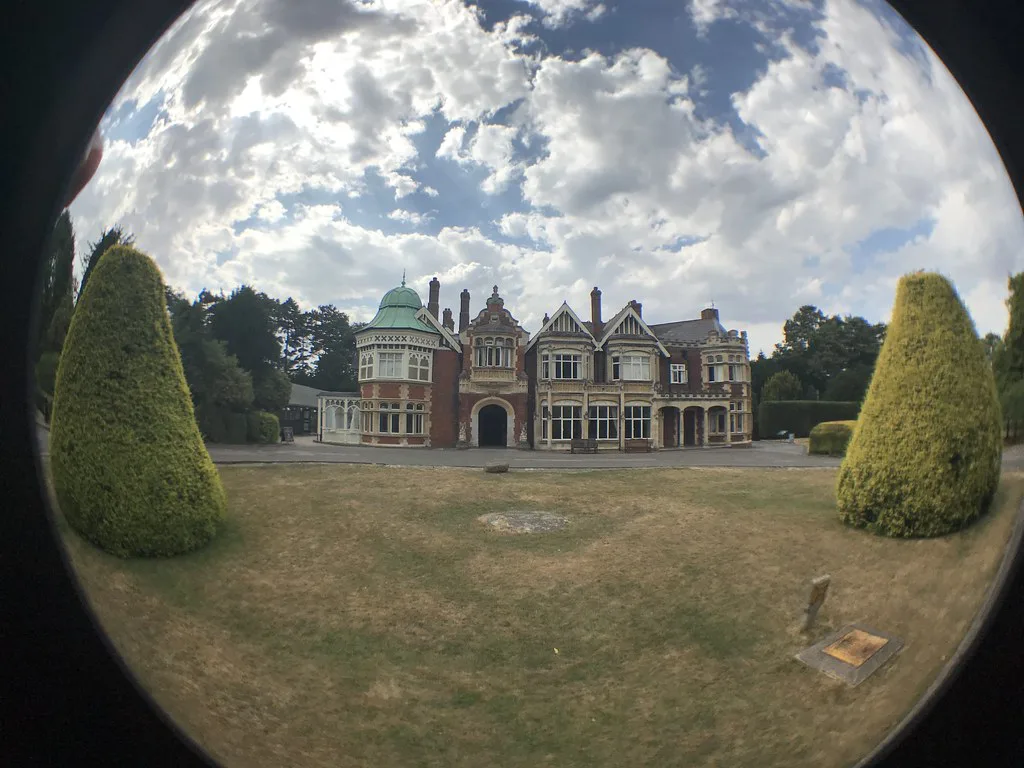
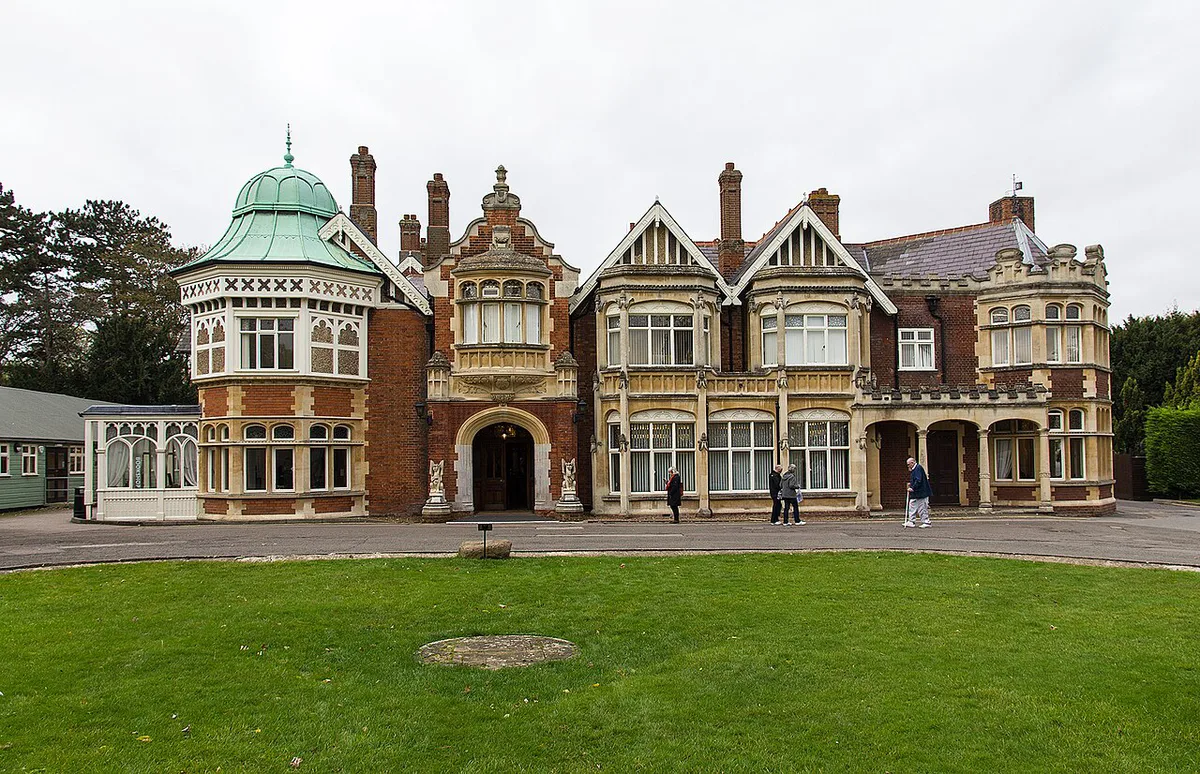
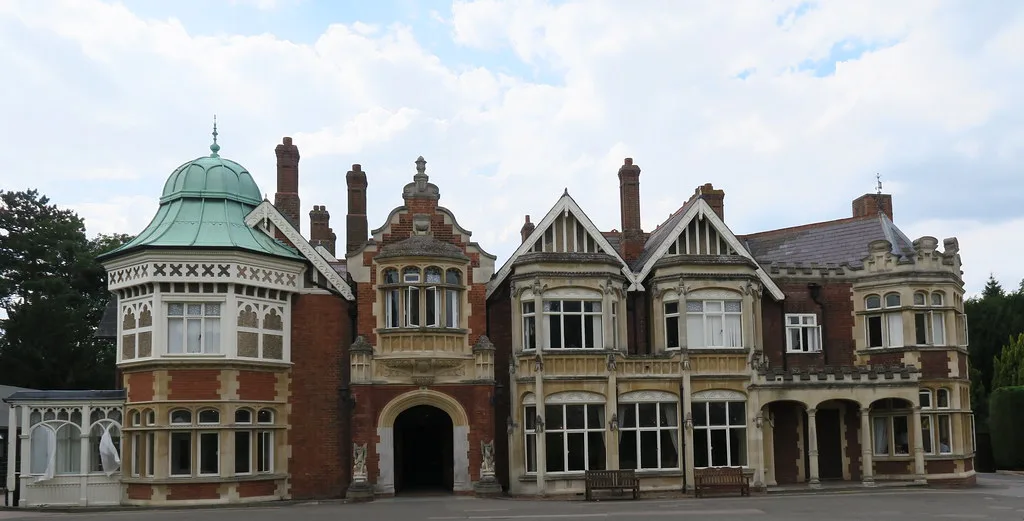
Start at the Visitor Centre (Block C), where you can pick up a multimedia guide with archival audio and photos. From there, the Mansion is the focal point of the estate. Its wood-panelled rooms include a Naval Intelligence office. Beyond it, the wooden and brick huts are where the real work happened. Huts 3 and 6 show how German Army and Air Force Enigma messages were decrypted and translated. Hut 8 was Alan Turing's workplace. Hut 11A holds the Turing-Welchman Bombe exhibition, with a replica that shows how Enigma keys were found. Our pick if time is short is the huts plus Hut 11A, since they carry the core story.
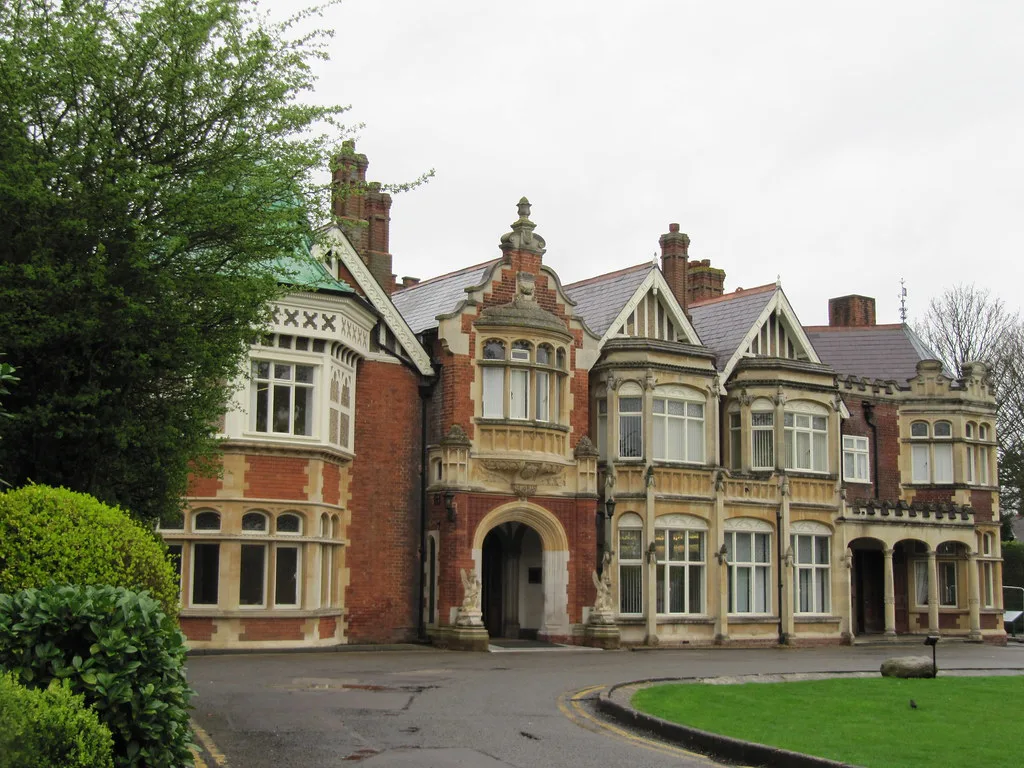
- Mansion: period rooms and the Naval Intelligence office.
- Huts 3, 6 and 8: Enigma decryption, translation and Turing's workspace.
- Hut 11A: the Bombe machine exhibition.
- Block B: a large public display of Enigma machines.
- Block A, the Intelligence Factory: how raw data became battlefield intelligence at the site's wartime peak.
How much time to allow at Bletchley Park
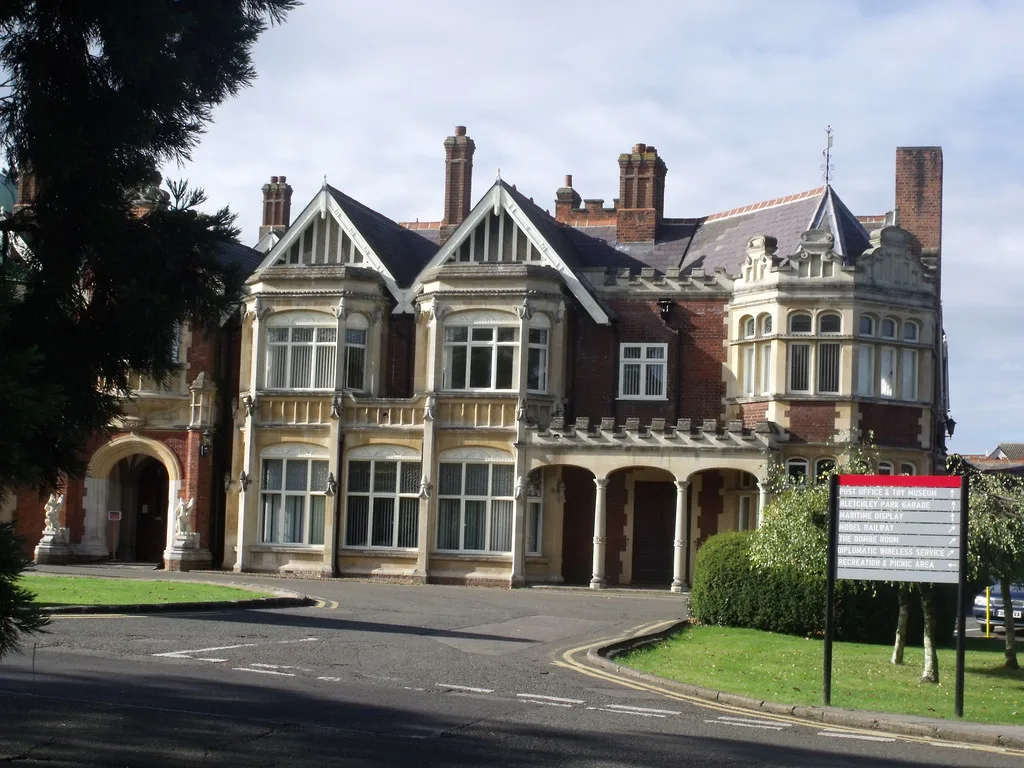
Most visitors need a half day, and a full day suits keen readers who add a guided tour. The official site says whether your ticket can be reused on a second day, so check that page if you plan two shorter visits. Our editorial estimates below are planning guides, not official figures. We would not squeeze the site into much less than three hours, because the huts and exhibitions are spread across the grounds.
| Stop | Why go | Editorial time estimate | Who can skip |
|---|---|---|---|
| Visitor Centre and guide pickup | Orientation and audio guide | 15-20 minutes | Nobody; it sets up the route |
| Mansion | Period rooms, Naval Intelligence office | 30-40 minutes | Visitors short on time |
| Huts 3, 6, 8 and 11A | Codebreaking rooms, Turing, Bombe | 60-90 minutes | Do not skip |
| Block B | Enigma machines on display | 30-45 minutes | Casual visitors |
| Block A, Intelligence Factory | Scale of the wartime operation | 30-45 minutes | Anyone out of time |
Tickets, costs and opening hours
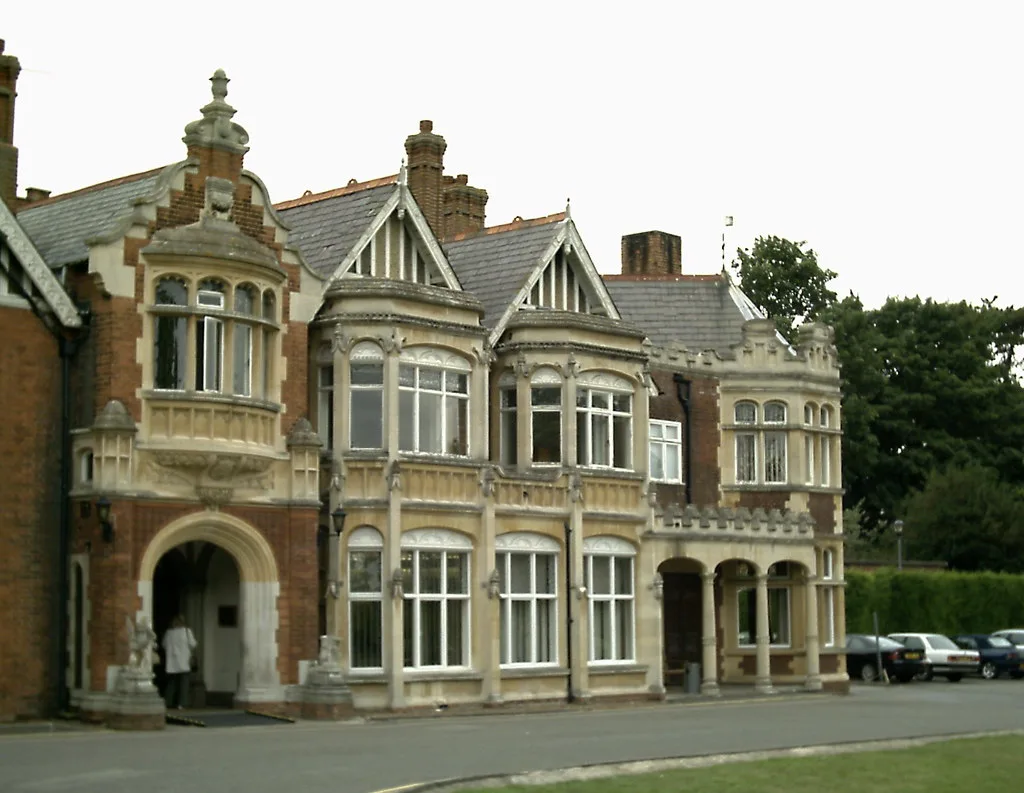
Prices and hours were last checked November 2026 against nothing we could quote with a reliable figure, so we do not print an admission fee here. The official Bletchley Park site lists current adult admission, opening times, accessibility notes and group details. We would book ahead for weekends and school holidays, which are our editorial judgement for the busiest days. Volunteer-led guided tours have been run on a first-come, first-served basis, so ask at arrival about the day's schedule. Private small-group hosted visits take up to six people. A standard hosted visit lasts 3 hours, including a 2.5-hour tailored tour, and groups of up to 30 can book private guided tours.
| Cost component | What to know | Where to check |
|---|---|---|
| Bletchley Park admission | Adult price and any repeat-visit rule | Official Bletchley Park site |
| National Museum of Computing | Separate site with its own admission | TNMOC site |
| Guide upgrades | Multimedia guide and guided tours | Official Bletchley Park site |
| Train fare | Varies by operator and time of day | National Rail Enquiries |
| Food and parking | On-site cafe and parking policy | Official Bletchley Park site |
Bletchley Park and the National Museum of Computing: do you need both?
They are neighbouring sites, not one attraction, and we would not assume one ticket covers both. The National Museum of Computing has a rebuilt Colossus, an early programmable electronic computer. Add it if you care about computing history or want the story to continue past 1945. Skip it if your priority is the Enigma and Bombe codebreaking story, which Bletchley Park itself covers. If you add it, plan a full day and check opening times and admission on its own site.
Getting there from London and by car
Bletchley Park is just over 50 miles north-west of London and can be reached by direct train in under an hour. Trains run from Euston to Bletchley station, and the site is a short walk from there. Check times and any engineering works with National Rail Enquiries. Our full London day-trip plan covers the route step by step. Drivers should look at the official site's parking notes before setting out.
A direct train from Euston covers the just over 50 miles in under an hour, leaving time for the 60-90 minutes the huts need.
Tips, mistakes to avoid and accessibility
Rain is not a problem, since most key spaces are indoors, though you will walk between huts and blocks outside. Three mistakes catch first-timers. They arrive without checking opening hours or timed-entry rules. They underestimate how long the huts take. They assume the computing museum is included. Visitors with mobility needs should read the official accessibility page first, because surfaces and distances between the buildings matter. We would take the multimedia guide if you plan to go self-led.
Where to eat and stay
Check the official site for the cafe, picnic and cloakroom arrangements before you go. Most visitors day-trip from London, and we think that is the simplest plan. If you want a slower trip, stay in Milton Keynes or Bletchley town to be near the gates. Cambridge also works as a base, and Visit Cambridge lists accommodation.
What to visit next: other WWII sites
Bletchley Park's story links to the American partnership: on 8 February 1941, four American intelligence officers arrived to meet the head of the Government Code and Cypher School. Cambridge is close enough to pair with Cambridge American Cemetery: Free Entry, Hours & How to Visit. For aviation, try IWM Duxford or the RAF Museum in London. For London collections, we recommend Imperial War Museum London: Visitor Guide. Naval history is covered at HMS Belfast, London: Visitor Guide to the WWII Cruiser and Portsmouth Historic Dockyard. Armour fans can head to the Tank Museum at Bovington. For Churchill context, visit Chartwell.
Before the 8 February 1941 visit by four American officers, the estate had been bought in 1938, so the partnership came later.
Frequently Asked Questions
Who worked at Bletchley Park during WWII?
Mathematicians, linguists, chess players and many other recruits worked there. At its peak between 1942 and 1945, the workforce grew to roughly 9,000 people. Many of them were women, including members of the WRNS.
Keep planning
Guides on the same trip