Marienborn Border Crossing: Cold War Memorial Guide
Visit the Marienborn border crossing memorial: what remains of the East German checkpoint, how it differs from Alpha, and how to fit it into an A2 road trip.
In this guide
Last updated November 2026: the Marienborn border crossing is now the Marienborn Memorial, the preserved East German checkpoint on the Helmstedt–Marienborn autobahn. It was the largest crossing between East and West Germany and the start of the transit route to West Berlin. Today it works as a stop on the A2 or as a day trip, and this guide covers what survives, how to plan and who should skip it.
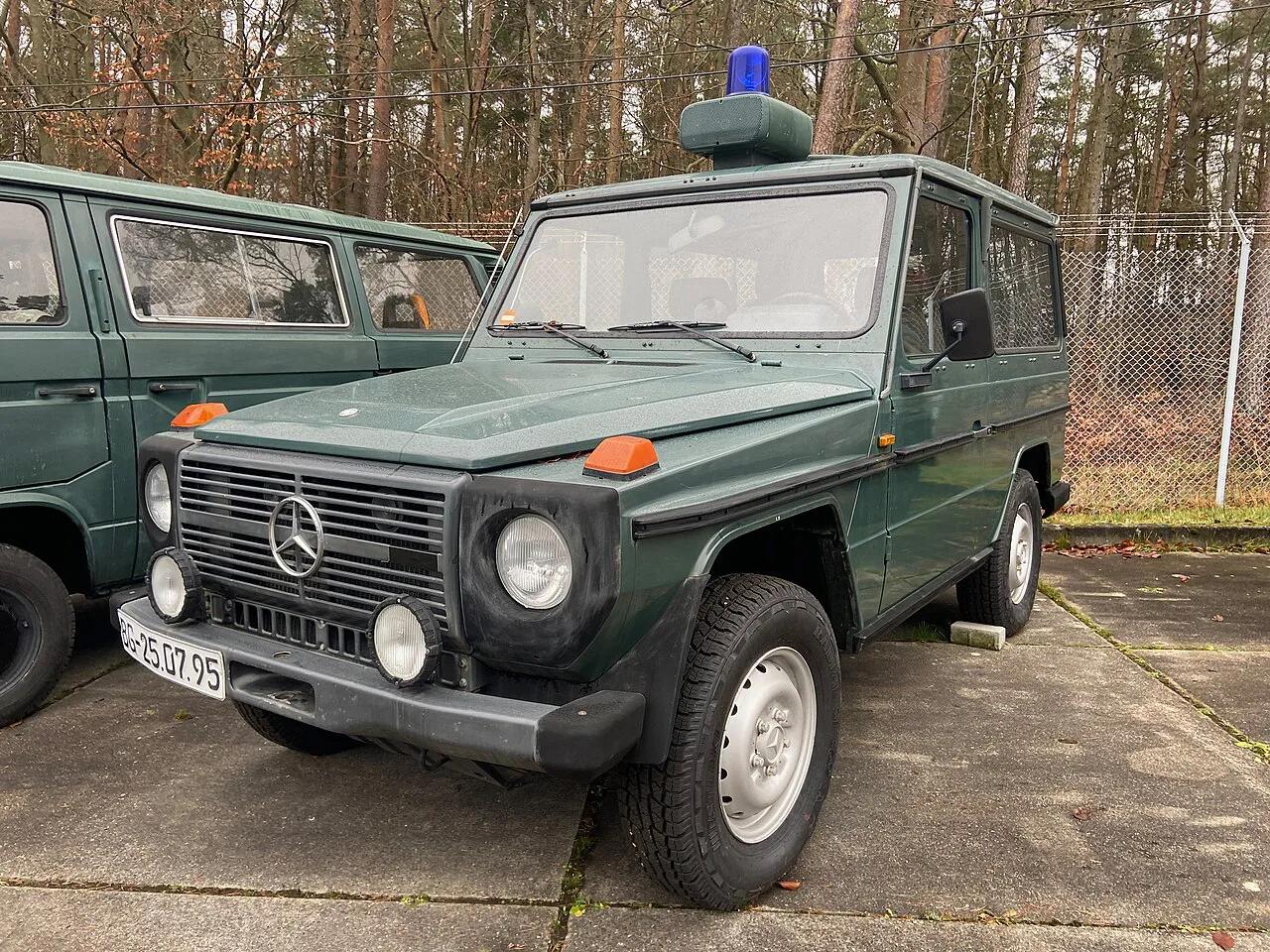
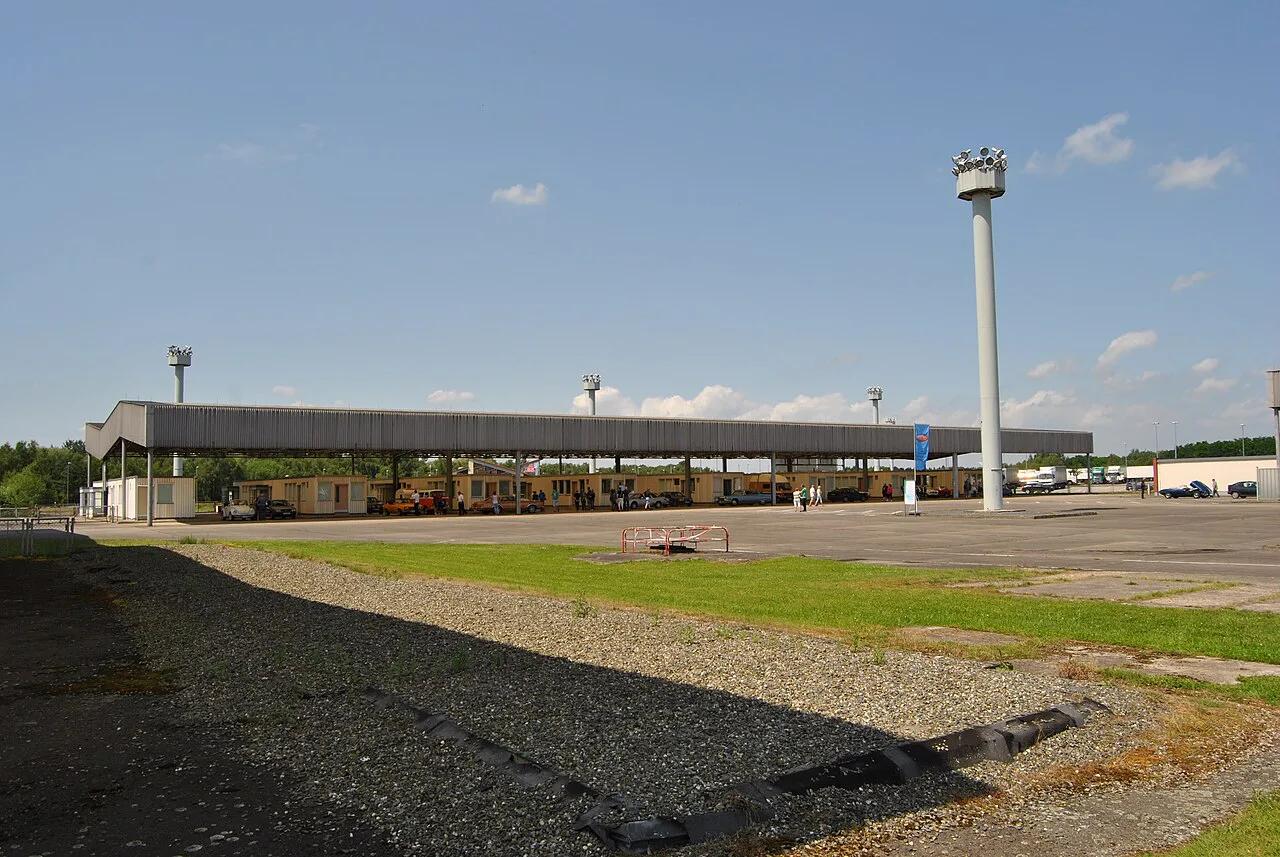
Featured image: kaʁstn Disk/Cat, CC BY-SA 3.0 de, via Wikimedia Commons.
Marienborn at a glance
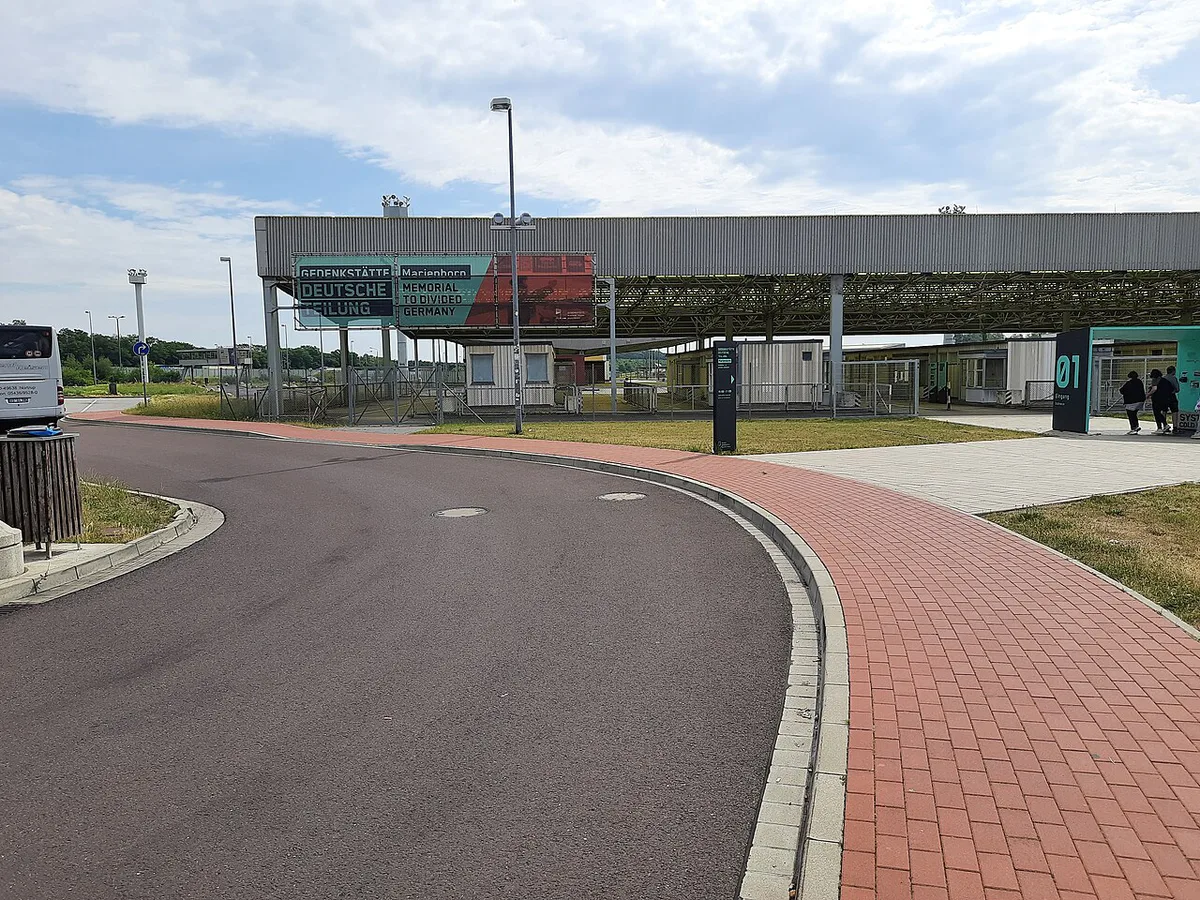
Marienborn (in Saxony-Anhalt) is an outdoor-heavy memorial built around original control buildings. Alpha was the West-allied checkpoint on the Helmstedt side, in Lower Saxony. Marienborn was the East German side, and the two together formed one crossing. The memorial is part of the Saxony-Anhalt memorials network, and the official Marienborn Memorial site is the place for current visitor details.
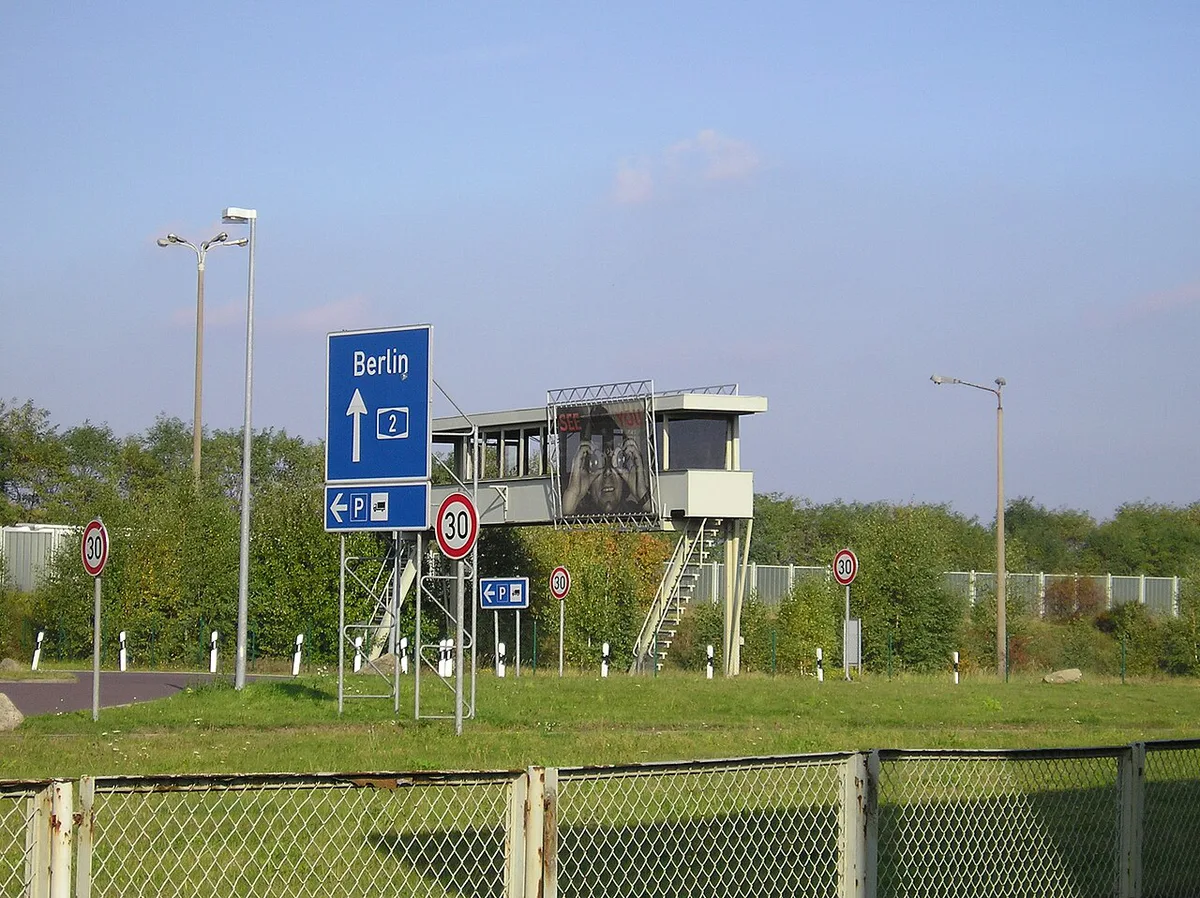
- What it was: the main road crossing on the inner German border, on the route to West Berlin.
- What survives: former passport control, a control house, a control tower and the passport folders and stamps on display.
- Best for: road-trippers on the A2 and readers who want original structures rather than a polished museum.
- Time needed: a short stop is possible, but a full visit with the exhibition takes noticeably longer.
What the Helmstedt–Marienborn crossing was
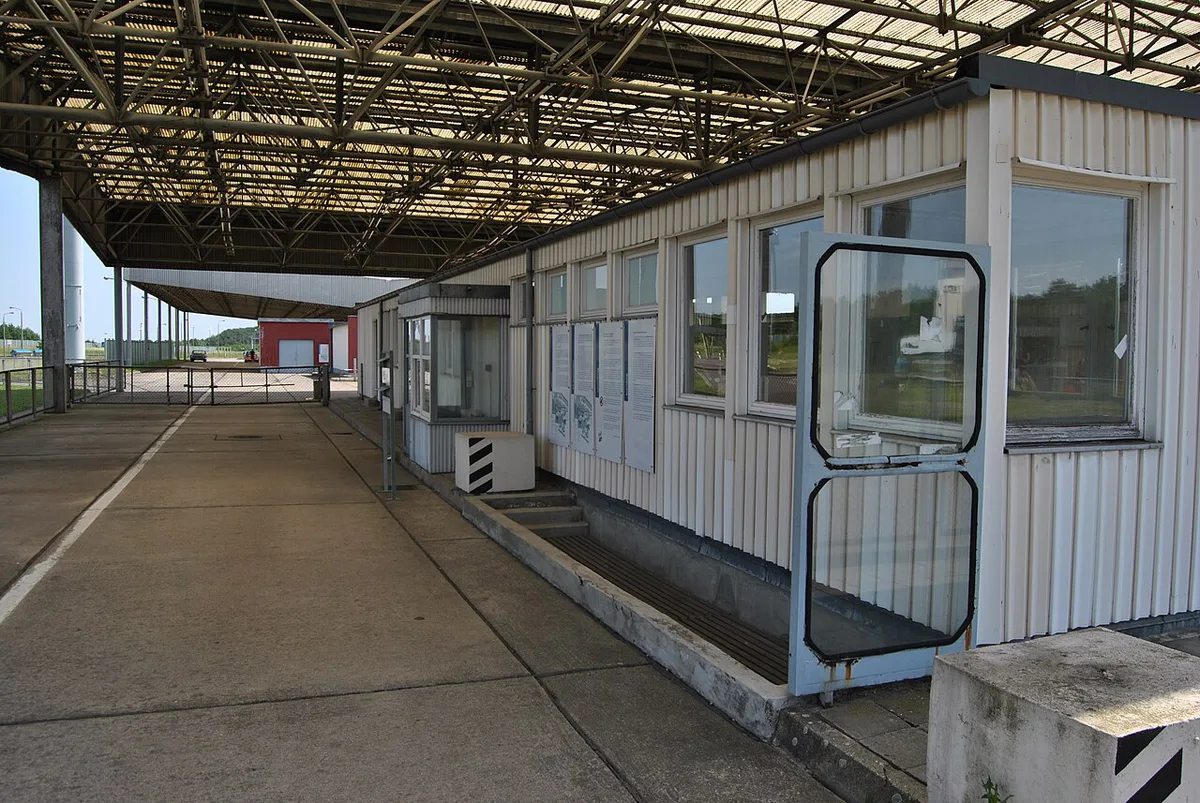
During the Cold War, the Grenzübergang Helmstedt-Marienborn (border crossing) was the most important link between West and East Germany. Travelers from the west drove through the Helmstedt checkpoint, then the East German one at Marienborn, before continuing along the transit route to West Berlin. Alpha, the West-allied checkpoint, sat on the Helmstedt side. Visitor guides cite 34.6 million passengers processed between 1985 and 1989 and about 1,000 staff, including passport and customs officers, border troops and civilian employees. Treat those figures as indicative and read the exhibition for the memorial's own numbers. The Marienborn complex also included a Soviet checkpoint and a border railway station. The crossing opened in November 1989, when the border fell.
Those figures cover 34.6 million passengers processed between 1985 and 1989, a span of only a few years, not the full Cold War.
What you can see at the memorial
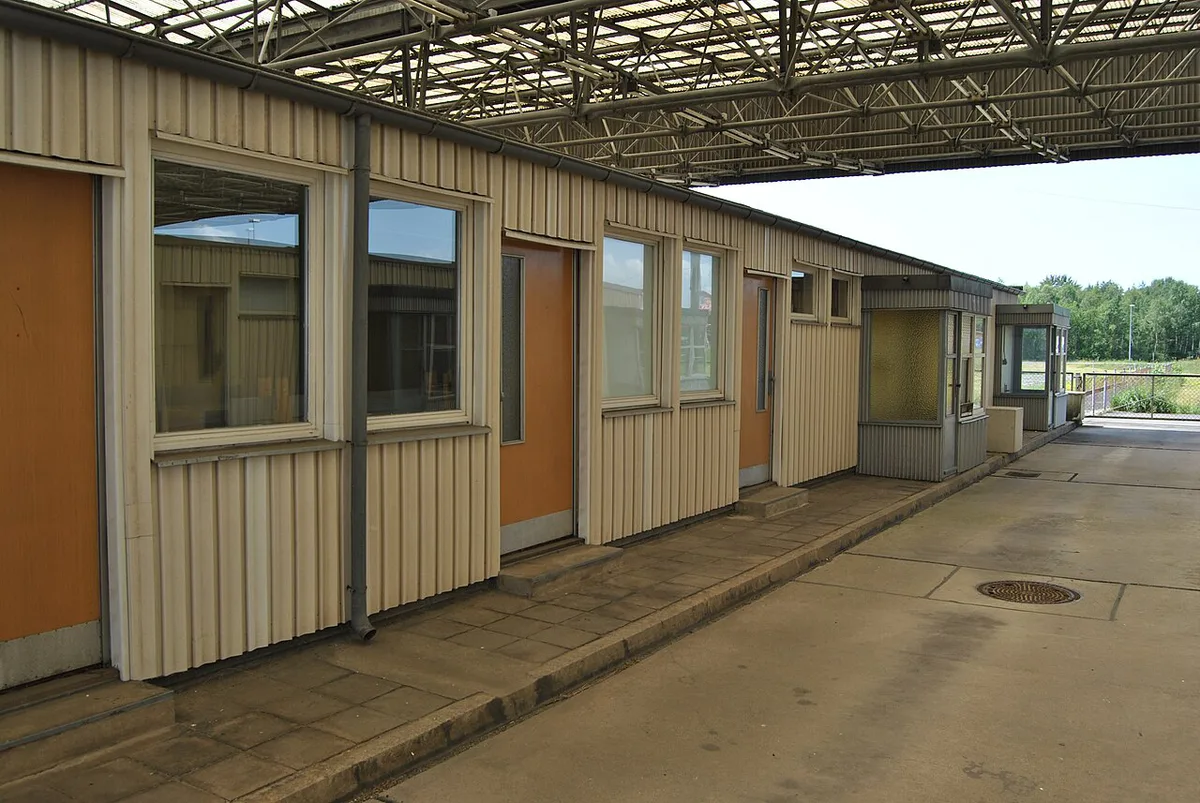
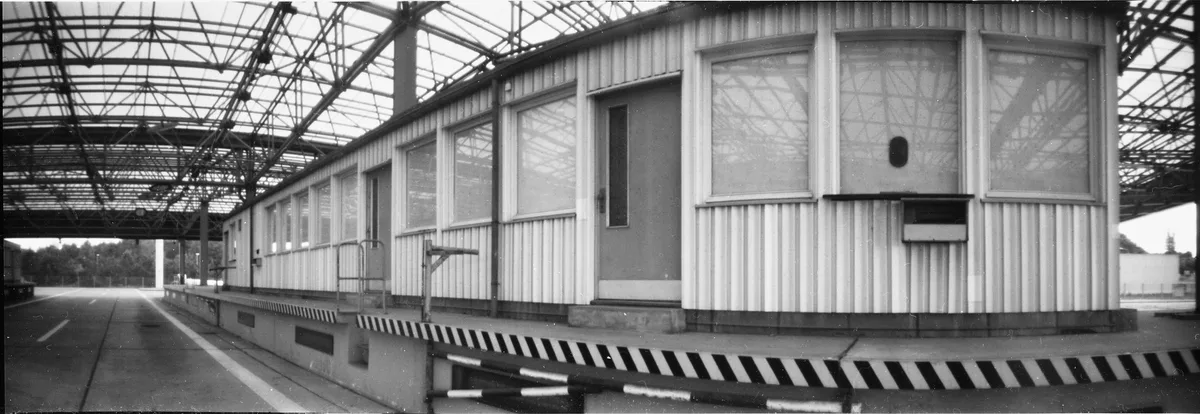
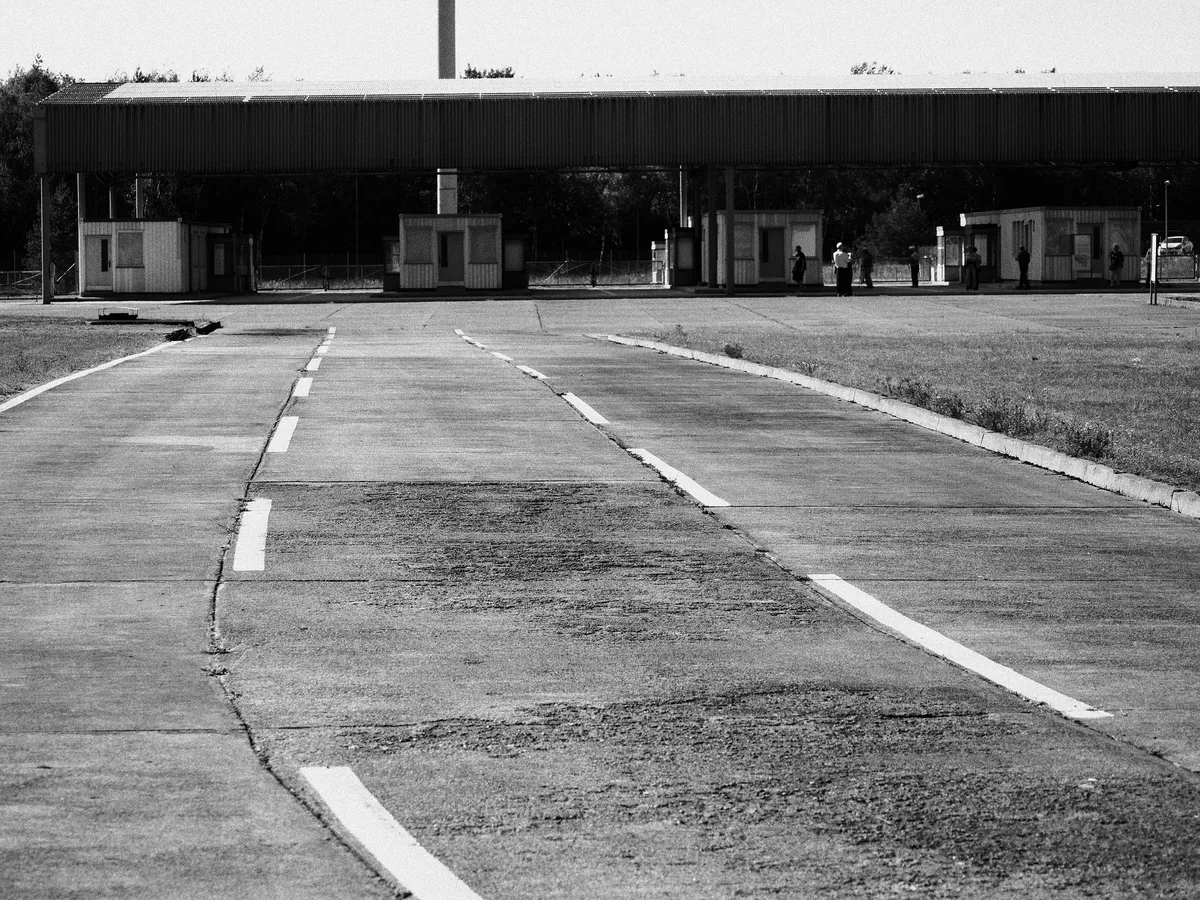
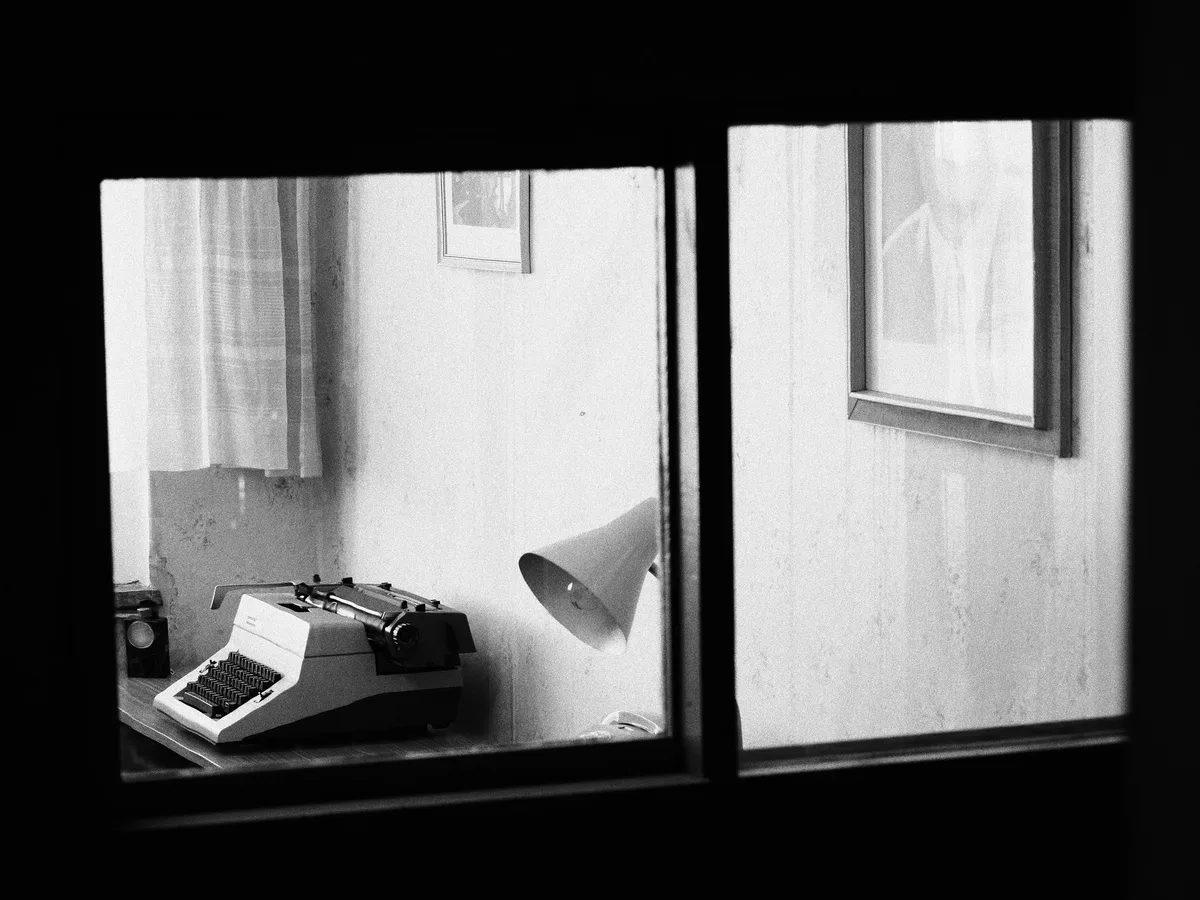
Most of what you see is outside. Former passport control booths stand in rows, with the control house and a control tower nearby. Indoors, the passport folders and stamps show how each traveler was recorded. A permanent exhibition on the crossing, plus two documentary films, covers how the border regime worked. Ask at the entrance which films and exhibition rooms are currently shown. Expect weathered concrete and signage, not a staged reconstruction. This is a place that records state control of movement, so keep voices low and follow any posted visitor rules.
How to get there and plan your visit
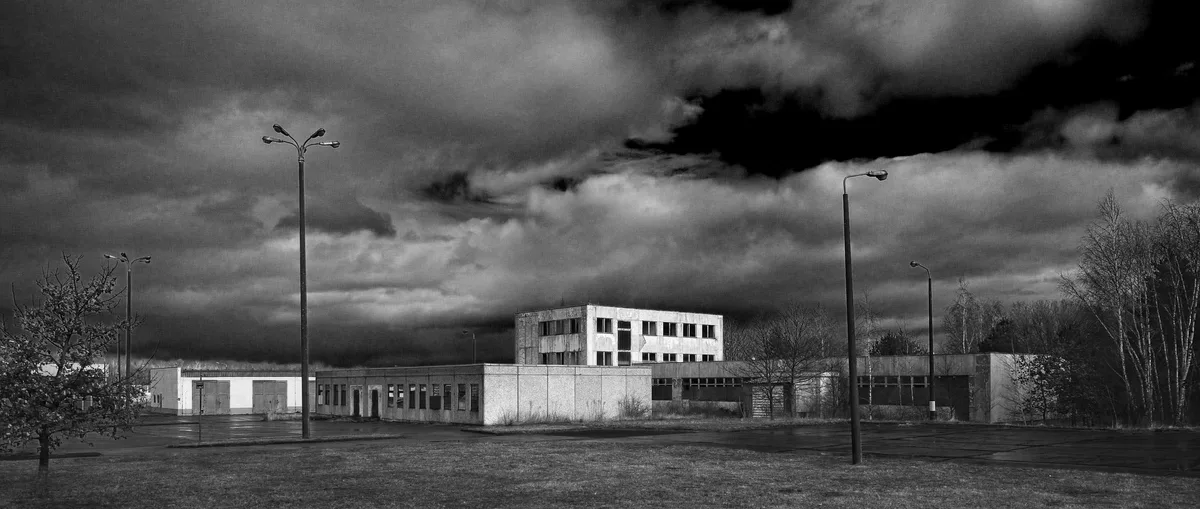
Marienborn is car-oriented. A third-party listing gives the address as An der BAB A2 Süd, 39365 Harbke, so use the official site for the sat-nav point and parking. Rail or bus access is not something to assume, so check current options with the regional operator before you rely on it. Helmstedt, the former Alpha side, is nearby and easy to add as a short stop. For a quick stop, walk the passport-control area and the control tower. For a standard visit, add the exhibition and films. For a deep visit, add Helmstedt for the West-side context.
Plan a Helmstedt stop before or after An der BAB A2 Süd, 39365 Harbke, since Alpha sat on that side.
Hours, tickets and seasonal checks
A third-party listing gives opening hours of 10:00 to 17:00 daily, but it dates from May 2024. Prices and hours checked November 2026 could not be confirmed against a current official schedule. Admission, guided tours, audio guides, accessibility and holiday closures are all listed on the memorial's official site. Check it before you set out, especially around public holidays and winter.
Marienborn vs other inner-German border sites
Each site in this cluster shows a different part of the division. Our guide to Inner German Border Museums: Which to Visit compares more of them. Point Alpha is a separate border site on the Hesse and Thuringia line. Do not confuse it with Checkpoint Alpha at Helmstedt.
| Site | Border type | Original structures | Time needed | Best for |
|---|---|---|---|---|
| Marienborn Memorial | Road crossing and checkpoint | Many original buildings | Short to medium | A2 travelers and checkpoint history |
| Point Alpha: Cold War Border Memorial Visitor Guide | Observation post on the border line | Preserved border installations | Medium | Front-line atmosphere |
| Mödlareuth | Divided village | Wall and border sections | Medium | The divided-village story |
| Iron Curtain Trail sections | Long-distance cycle route | Varies by section | Flexible | Slow travel along the border |
Who should go and who should skip
Go if you are already driving the A2 and want to see how crossing control worked on the ground. Go too if you are building a trip around 7 Cold War Sites in Europe to Visit, by Type. Readers interested in surveillance can pair it with Stasi Museum Leipzig: Runde Ecke & Bunker Guide. Skip it if you want a polished indoor museum, cannot spare a stop off the motorway, or only want Berlin Wall sites. Readers drawn to a different kind of Cold War site can look at Cold War Bunkers in Europe: Which to Visit.
- Mistake to avoid: expecting a single compact museum; most of the experience is walking outdoors.
- Mistake to avoid: assuming the Helmstedt side has the same visitor setup as the memorial.
- Mistake to avoid: relying on public transport without checking current timetables.
Frequently Asked Questions
What was the border between East and West Germany called?
It was known as the inner German border (innerdeutsche Grenze). Marienborn was its largest road crossing.
Could East Germans cross into West Germany?
Crossing was tightly controlled, and checkpoints such as Marienborn were part of that control system. The memorial's exhibition explains how passport checks and stamps worked.
Keep planning
Guides on the same trip