Cold War Bunkers in Europe: Which to Visit
Visitable Cold War bunkers across Europe, grouped by type, with tour, access, and booking trade-offs to help you choose.
In this guide
Last updated November 2026. The Cold War bunkers Europe opens to visitors fall into three groups: government shelters, military forts, and border-zone sites. Germany, England, and Switzerland hold the best-known examples. Our wider Cold War sites overview covers the rest of the continent, and this guide helps you pick a bunker and plan the visit.
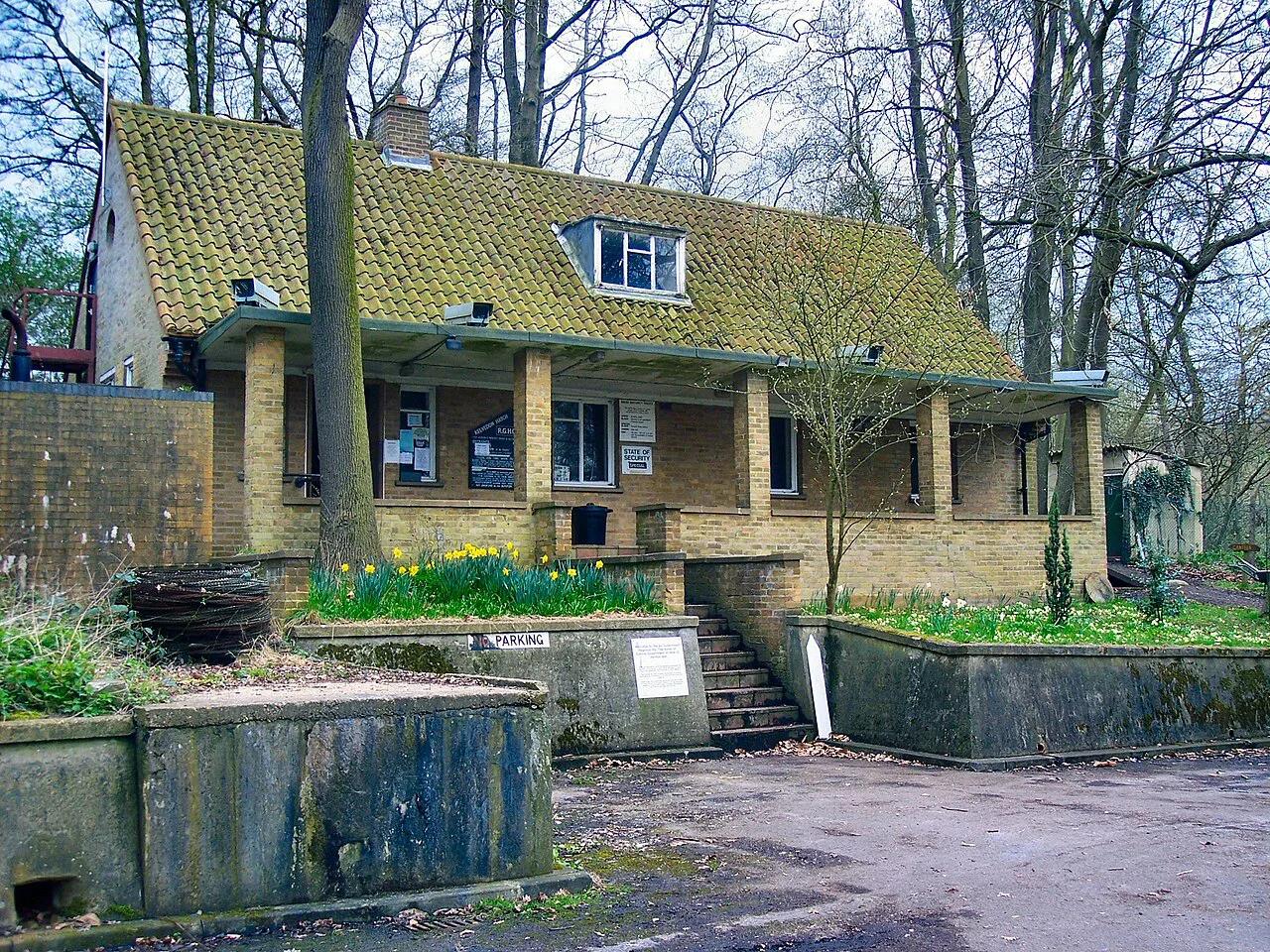
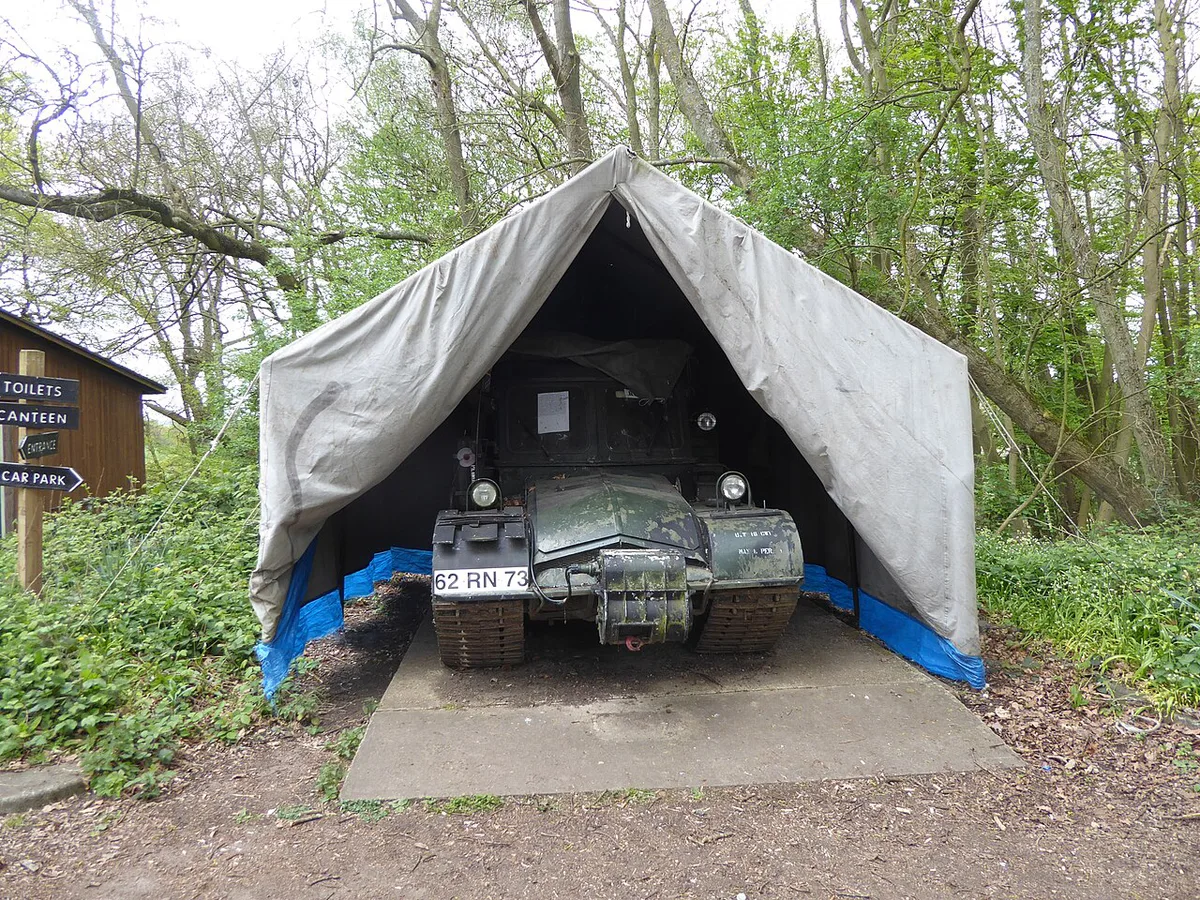
Featured image: Genesisman26 at English Wikipedia, Public domain, via Wikimedia Commons.
Quick answer: the main kinds of Cold War bunker you can visit
Three types cover most of what you can tour. Government and nuclear-shelter bunkers were built to keep officials or civilians alive after an attack. Military forts and mountain fortresses were carved into rock to hide troops and guns. Border-zone sites are not bunkers at all, but they show the frontier the bunkers were meant to defend.
- Government bunker: Germany's relocation bunker near Ahrweiler is the anchor example.
- Nuclear bunker museums: Kelvedon Hatch and Hack Green in England.
- Civil-defence shelter: Sonnenberg in Lucerne, Switzerland.
- Mountain fort: Sasso San Gottardo above Airolo, Switzerland.
- Border and checkpoint sites: Point Alpha, Mödlareuth, and Marienborn in Germany.
Government and nuclear-shelter bunkers
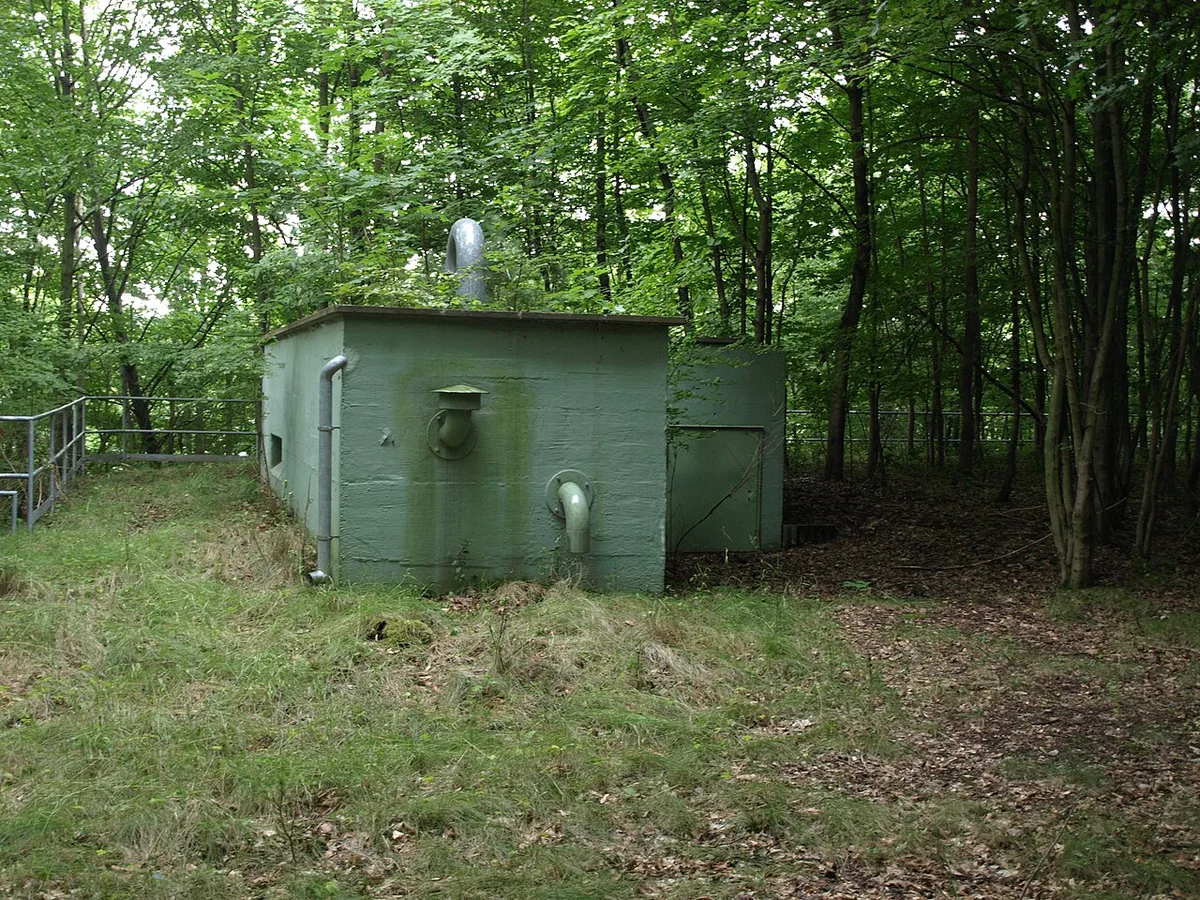
Start with the West German government bunker if you want the clearest picture of how a state planned to survive. The Ahrweiler documentation site publishes its own tour format, languages, and opening dates. Check those before you drive out, because the site runs on tour slots.
England has two nuclear bunkers open as museums. Kelvedon Hatch Secret Nuclear Bunker and Hack Green Secret Nuclear Bunker both preserve their Cold War interiors. Each publishes its own opening calendar, and both are rural, so plan for a car.
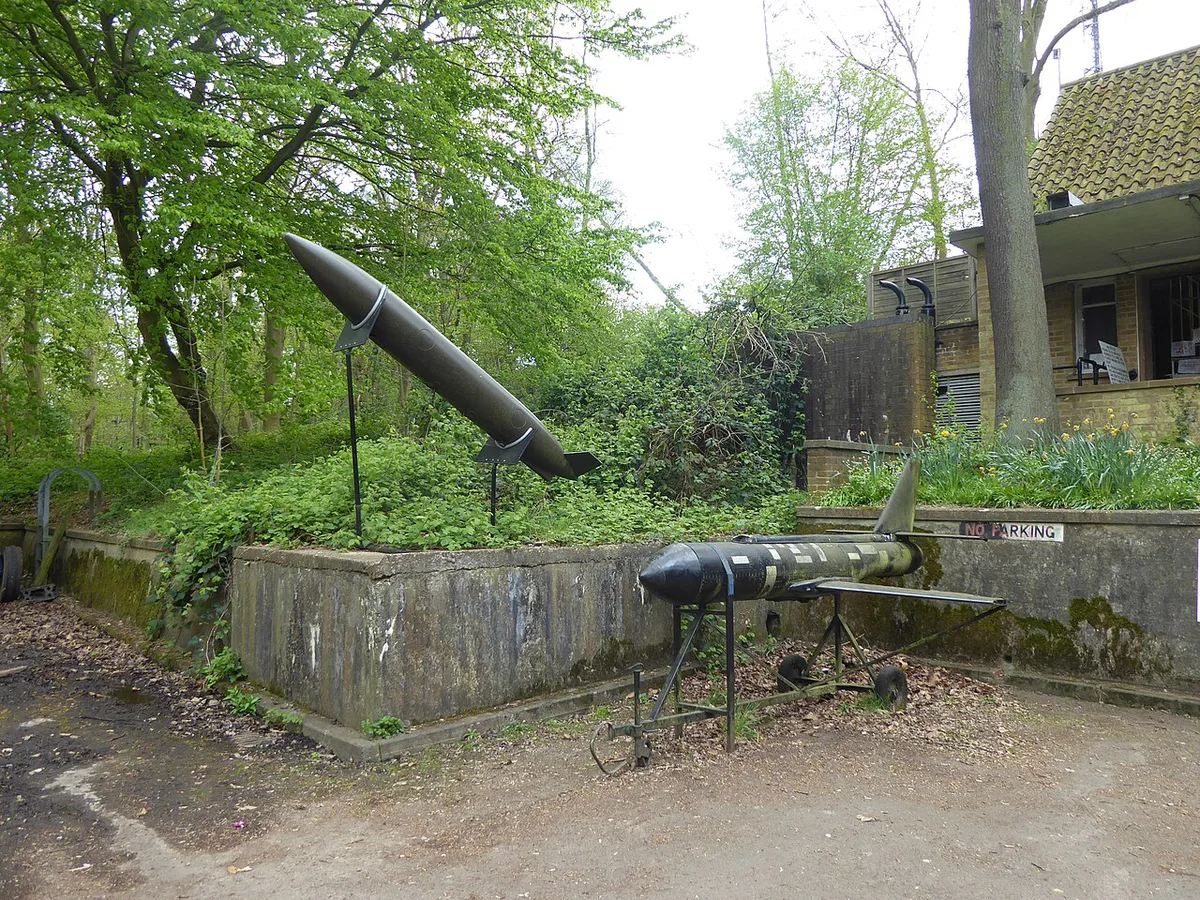
Sonnenberg in Lucerne shows the civil-defence side. It was built between 1970 and 1976. Its design called for four 350-ton gates to seal two motorway tunnels. Those tunnels were meant to shelter 20,000 people, roughly one third of Lucerne's population. Switzerland passed its first shelter-construction laws in 1963, after the Cuban Missile Crisis.
York and Scotland: Two More UK Bunkers to Consider
Consider two more UK sites if Kelvedon Hatch or Hack Green don't fit your route. They also show how bunker roles differed.
- York Cold War Bunker: This was a Royal Observer Corps group headquarters, opened in 1961 and in use until 1991. Its crews were there to report nuclear blasts and track fallout. English Heritage looks after it. It sits in a residential part of York, so it can fit into a city break. Our York Cold War Bunker guide covers this visit in more detail.
- Scotland's Secret Bunker: This site in Fife, near St Andrews, lies beneath an ordinary-looking farmhouse. It was prepared as a protected centre for running government in an emergency, and it is now a museum. Its rural setting makes a car the easiest option.
Choose York for a compact look at the nuclear warning system. Choose the Fife bunker if you are touring eastern Scotland and want to explore a government command site. Check opening days and entry arrangements with each site before you travel, especially outside summer.
If aircraft and air defence interest you as much as shelters, use our guide to RAF Cold War museums to plan that part of a UK trip.
Military forts and mountain fortresses
Sasso San Gottardo, near Airolo, is a fort hidden inside the Gotthard massif. It is now a museum, and it suits visitors who want a guided look at a working military position. Check the operator's site for its season, since mountain sites often close in winter.
Of the estimated 20,000 military bunkers, most are closed or classified, so a named site like Sonnenberg or Sasso is the realistic target.
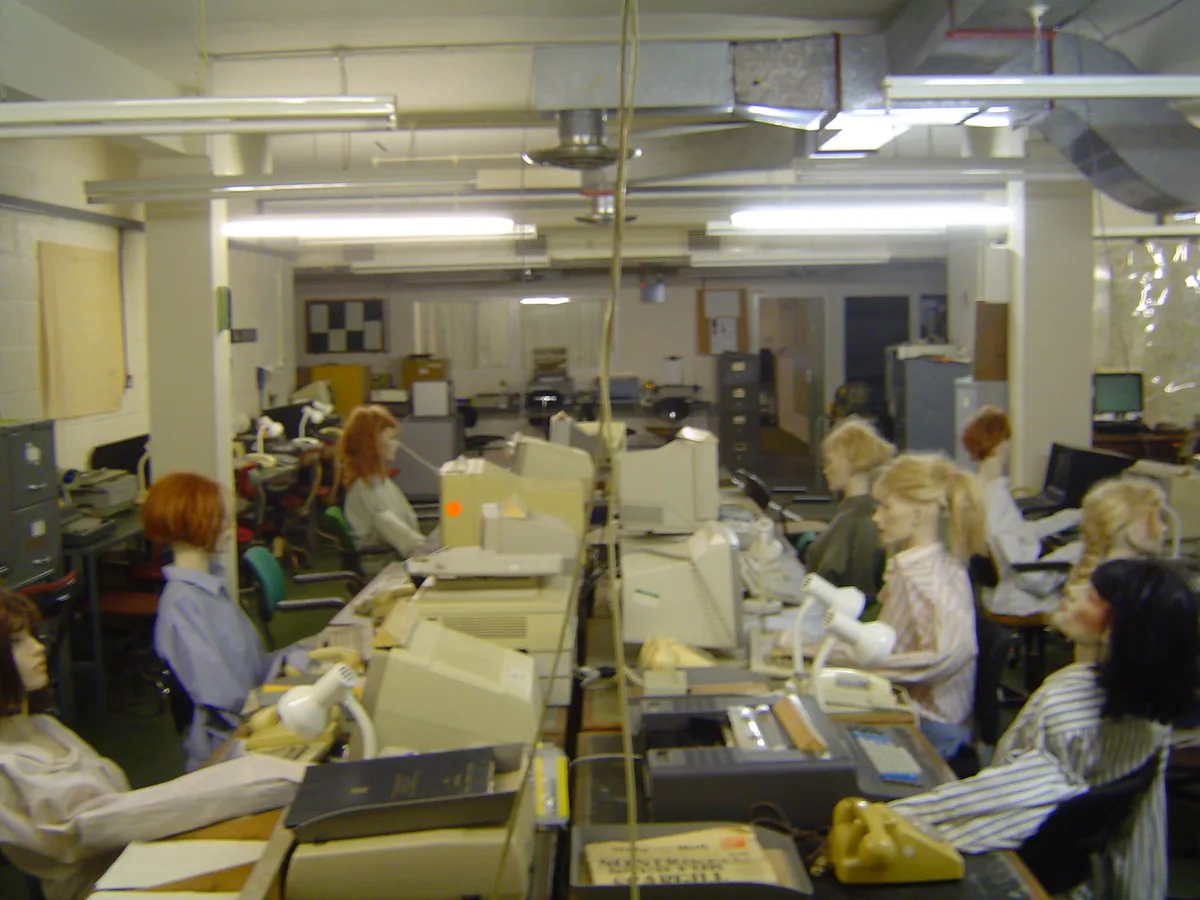
Switzerland has an estimated 20,000 military bunkers and more than 300,000 fallout shelters. Most are closed or still classified. Other named forts, such as Fort Heldsberg, Fort Furggels, and Fort Fuchsegg, mix World War II and Cold War history. Confirm a fort's period and access before you build a day around it.
Border-zone and surveillance sites
These sites show what the bunkers were built against. They are checkpoints and border lines, so treat them as context rather than as bunker tours. Point Alpha: Cold War Border Memorial Visitor Guide is a former observation base on the inner German border, run by the Point Alpha Foundation.
Mödlareuth was a village split by the border, and the Mödlareuth border museum keeps that story. Marienborn was a checkpoint on the autobahn between West Germany and the East. Its memorial site publishes visiting details.
Bunkers Beyond Germany, England, and Switzerland
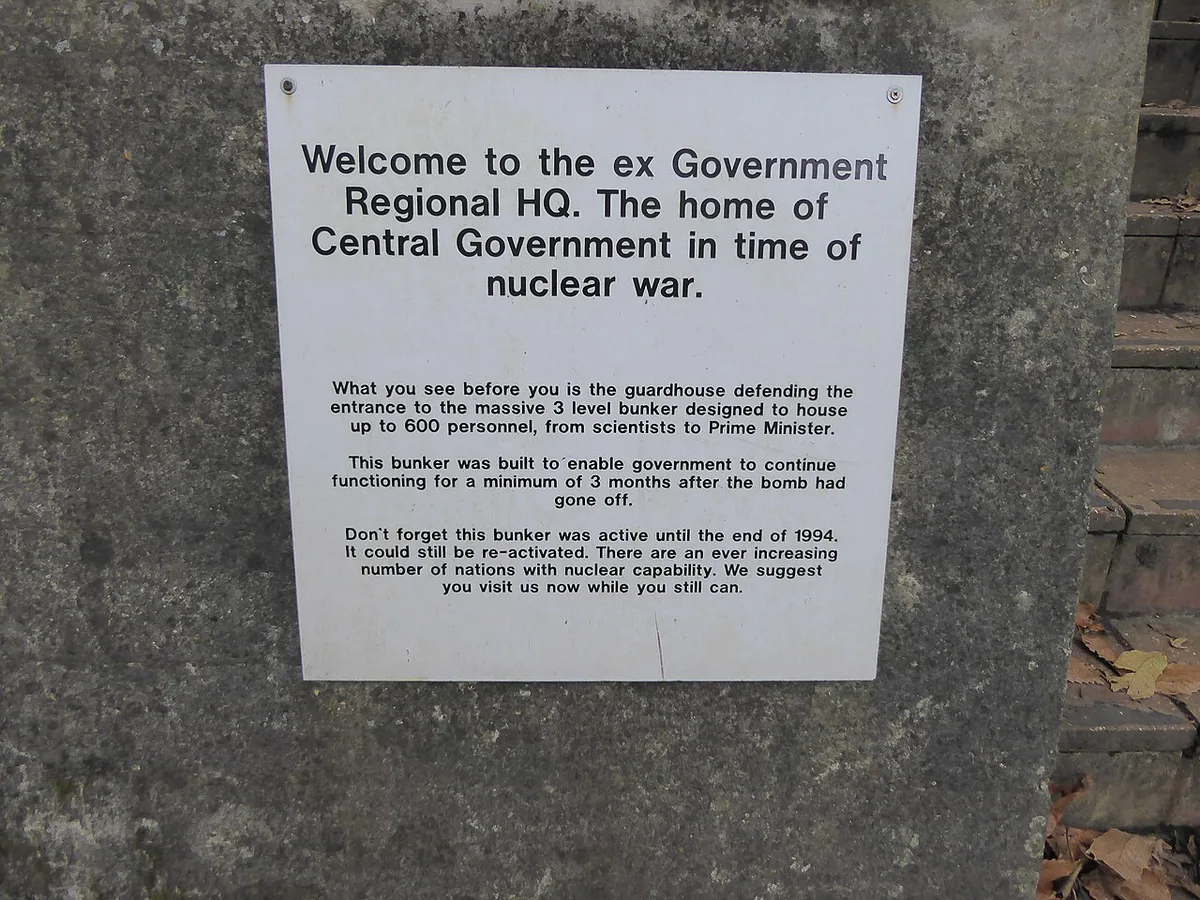
Your trip doesn't have to center on the three countries above. These sites range from government shelters to coastal and missile installations, so check which type you are booking.
| Site | Location | What it was |
|---|---|---|
| REGAN Vest | Rold Skov, Denmark | Secret bunker for the government and head of state |
| Stevnsfort Cold War Museum | Stevns, Denmark | Underground coastal fortress |
| 10-Z Bunker | Brno, Czech Republic | Wartime air-raid shelter later adapted as a nuclear shelter |
| Līgatne Secret Bunker | Līgatne, Latvia | Shelter for Soviet Latvia's leadership, hidden beneath a rehabilitation center |
| Cold War Museum, Plokštinė | Žemaitija National Park, Lithuania | Former Soviet underground missile base |
| ARK D-0 | Konjic, Bosnia and Herzegovina | Nuclear bunker built for Tito and the Yugoslav leadership |
| Bunk'Art 1 and Bunk'Art 2 | Tirana, Albania | Communist-era bunkers turned into history and art museums |
For an easy city visit, start with Tirana. Bunk'Art 2 is in the center near Skanderbeg Square. The larger Bunk'Art 1 is on the city's eastern edge, near the Dajti cable car, so allow extra travel time.
For government survival planning, compare REGAN Vest, Līgatne, and ARK D-0. For military history, look at Stevnsfort or Plokštinė.
These places are spread across the continent, so add the one that fits your existing route instead of trying to link them all. Before booking transport, confirm the current season, whether entry is by guided tour only, and which tour languages are available on your date.
How to choose among Cold War bunkers in Europe
Match the site to what you want to see. Choose Ahrweiler for scale and authenticity, Sonnenberg for civil defence, and Sasso San Gottardo for a mountain fort. Choose a border site if you want landscape and history over tunnels. Skip the underground sites if stairs, cold air, or enclosed spaces are a problem for you.
| Site | Country | Type | Tour format | Best for |
|---|---|---|---|---|
| Government bunker, Ahrweiler | Germany | Government relocation bunker | See official site | State planning and scale |
| Kelvedon Hatch | England | Nuclear bunker museum | See official site | Preserved command rooms |
| Hack Green | England | Nuclear bunker museum | See official site | Cold War interiors |
| Sonnenberg, Lucerne | Switzerland | Civil-defence shelter | See operator | Civilian shelter planning |
| Sasso San Gottardo, Airolo | Switzerland | Mountain fort museum | See operator | Military engineering |
| Point Alpha | Germany | Border observation base | See official site | The frontier itself |
| Mödlareuth | Germany | Divided-village museum | See official site | Border history |
| Marienborn | Germany | Checkpoint memorial | See official site | Transit-route history |
Building a route
Germany's inner border works best as a route. Point Alpha, Mödlareuth, and Marienborn sit on the line of the Iron Curtain Trail (EuroVelo 13): Route and Planning, which is also signed as EuroVelo 13. Add Ahrweiler as a separate trip, since it lies elsewhere in Germany.
Point Alpha, Mödlareuth, and Marienborn lie along EuroVelo 13, and the two-sites-a-day cap means they need at least two days.
Plan two sites per day at most. Rural sites run on fixed slots, and drives between them eat the afternoon. For stops between bunkers, see our guide to German inner-border museums. Our list of Iron Curtain Museums: Which to Visit and How to Choose adds more options.
In Switzerland, group sites by canton. Pair Sonnenberg with other Lucerne stops. Treat Sasso San Gottardo as its own day trip from Airolo.
Costs, tickets, and booking
Each operator sets its own prices, so this page quotes none. Check tour slots, tour languages, group minimums, seasonal closures, and combination tickets on the official site. Book ahead for guided-only sites. Walk-up places are rare, and small groups sell out. Official pages for Mödlareuth and Grenzlandmuseum Eichsfeld list current visiting terms.
Practical tips and mistakes to avoid
Underground temperatures run cool, so bring a warm layer even in summer. Wear shoes with grip, because bunker stairs and tunnels can be steep and damp. Ask the operator about step-free access before you book. Photography rules differ by site, so follow the guide's instructions. Families should check age guidance, and anyone prone to claustrophobia should choose a surface-level border site instead.
The common mistakes are assuming year-round opening and arriving without a booked slot. For related reading, see Stasi Museum Leipzig: Runde Ecke & Bunker Guide and our guide to Cold War sites in Europe.
Keep planning
Guides on the same trip