Iron Curtain Trail (EuroVelo 13): Route and Planning
Plan the Iron Curtain Trail (EuroVelo 13): which sections to ride, how long to allow, Cold War sites, bike logistics and mistakes to avoid.
In this guide
Last updated November 2026: the Iron Curtain Trail is the EuroVelo 13 cycle route that follows the former Iron Curtain from the Barents Sea to the Black Sea. Official material puts the full length at about 10,400 km, so most riders choose one or two sections. If you want the history without the bike, start with our guide to Cold War sites across Europe.
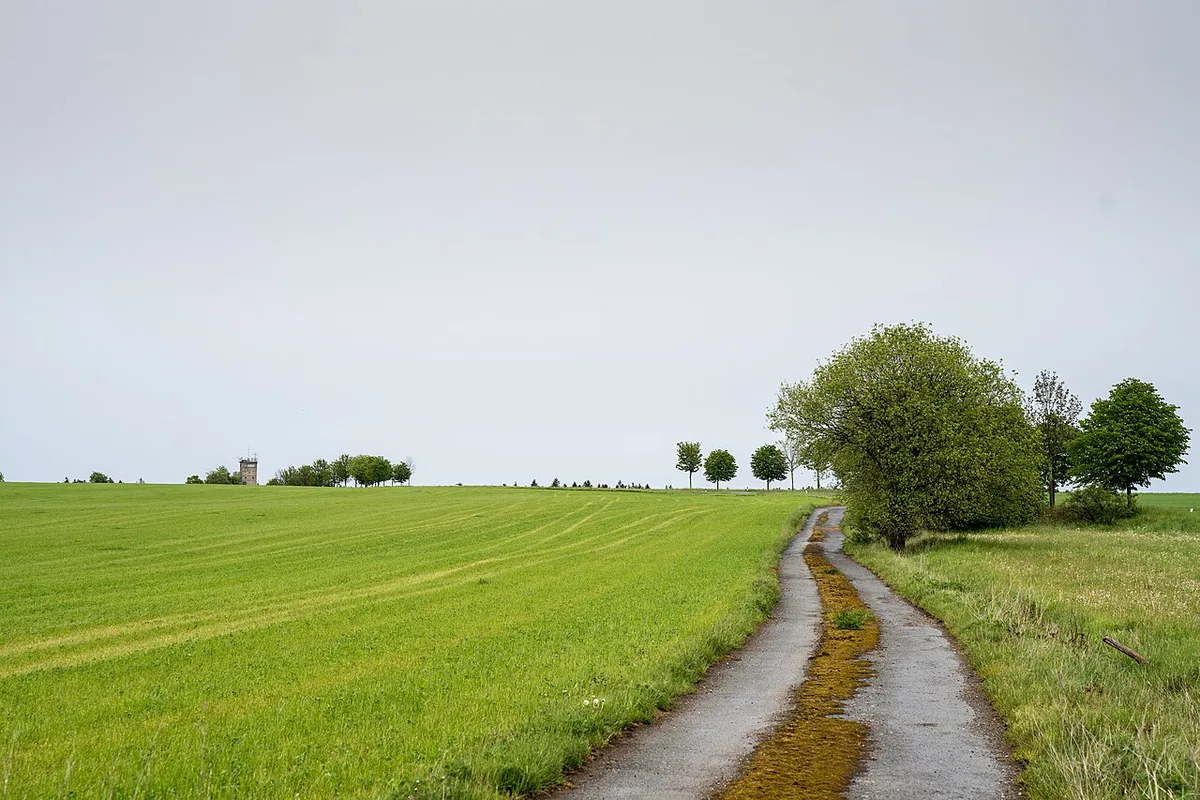
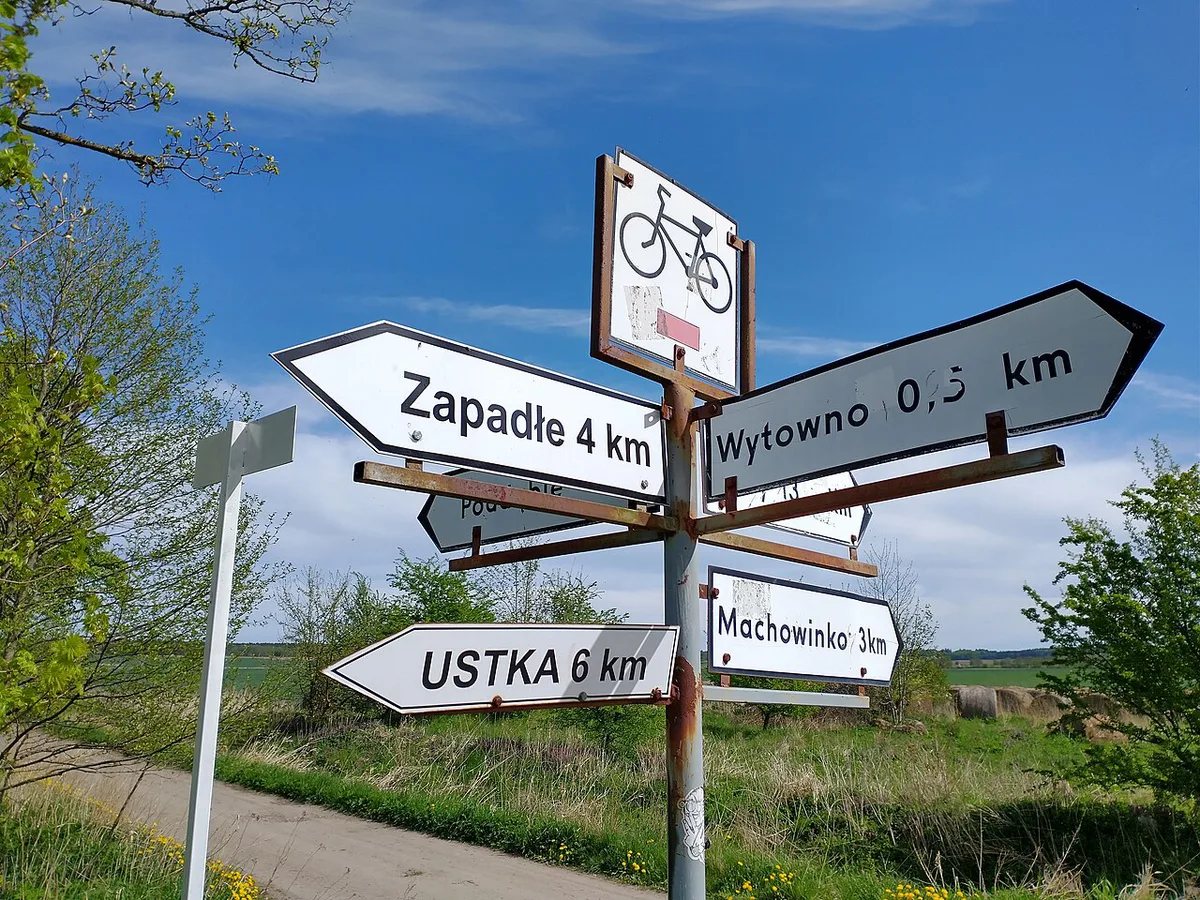
Featured image: MOs810, CC BY-SA 4.0, via Wikimedia Commons.
What the Iron Curtain Trail is (EuroVelo 13)
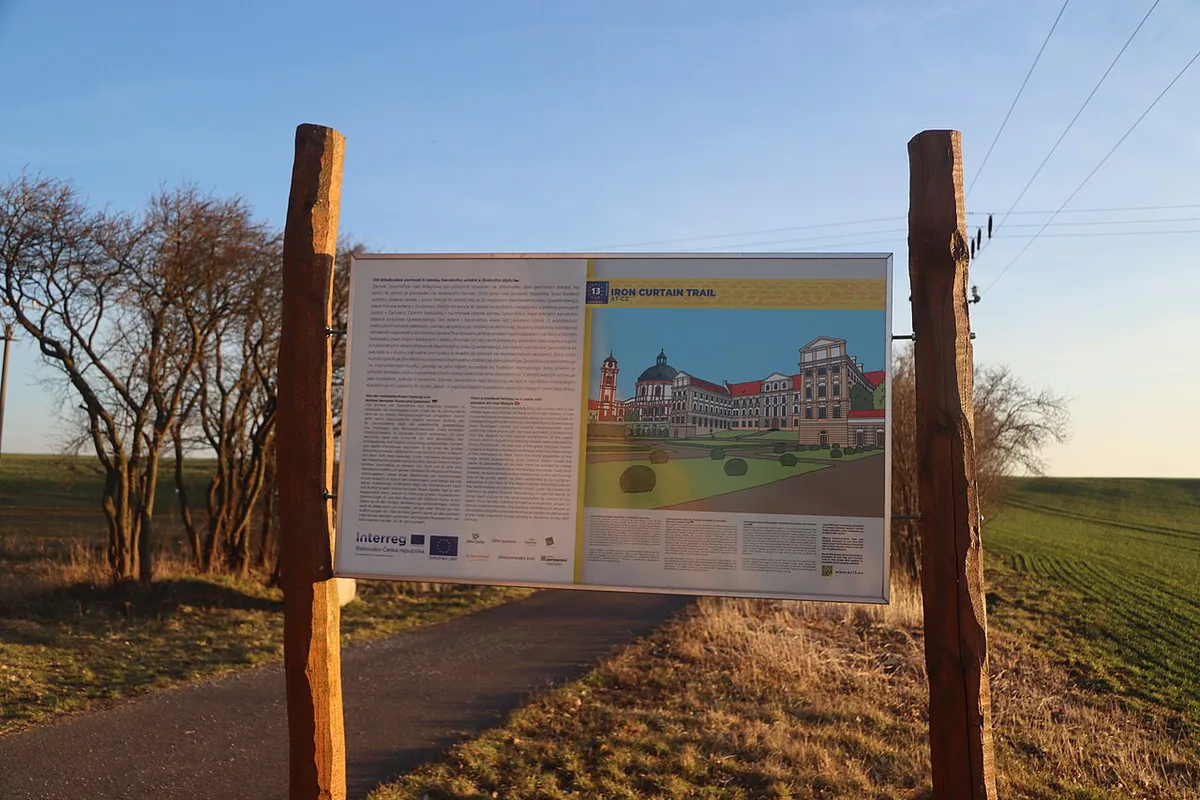
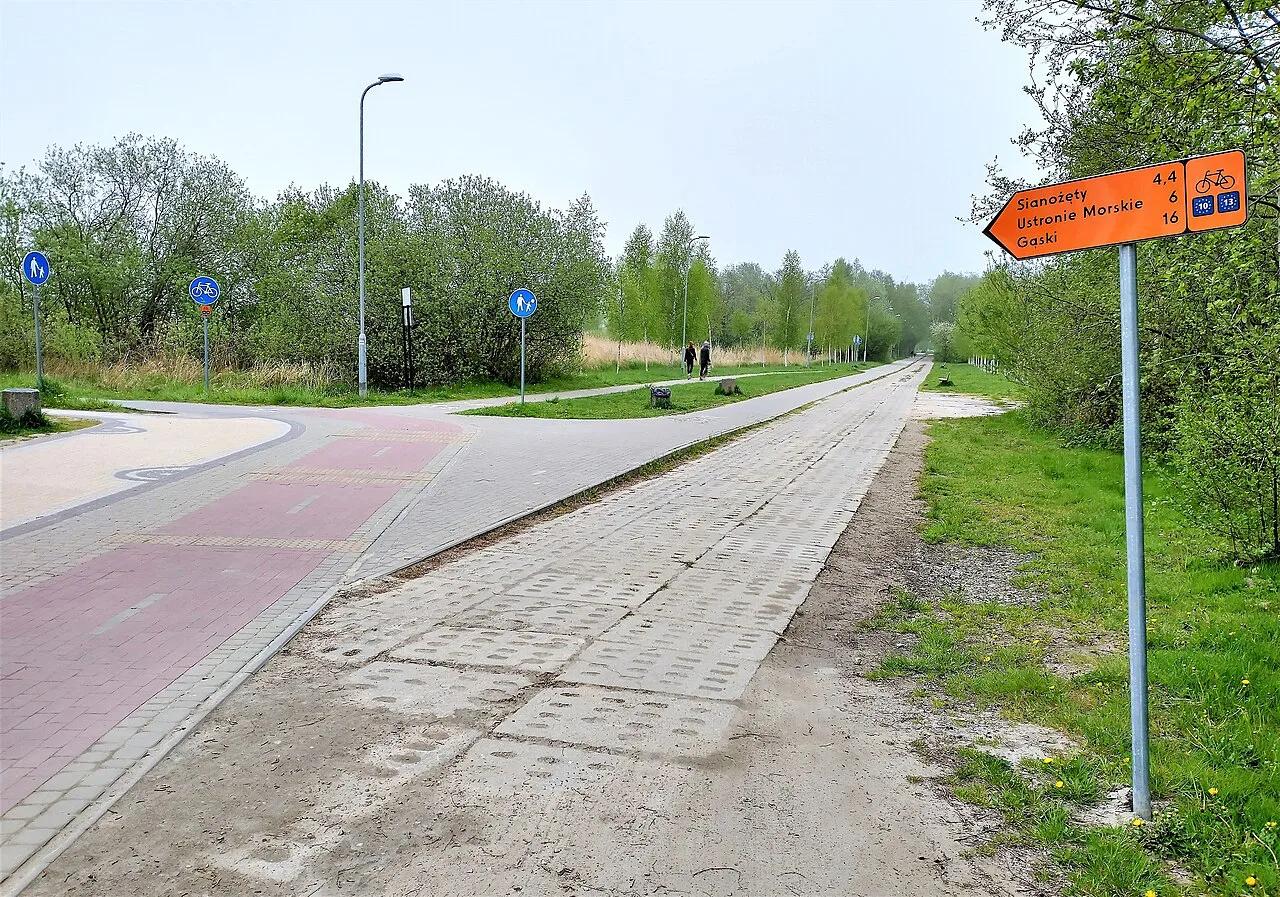
The Iron Curtain Trail is the EuroVelo 13 route, a long-distance cycle path that traces the old Cold War frontier. It starts in the far north of Norway at Kirkenes and ends on the Black Sea coast in Bulgaria. The full length is about 10,400 km, which makes it a multi-month commitment rather than a holiday. Large parts follow bike paths, secondary roads and greenways, though traffic and surface quality change from country to country. Not every stretch is finished or well signed, so check the route status on the official EV13 page before you commit to a section.
- Nordic and Baltic end: Norway, Finland, Estonia, Latvia and Lithuania.
- Russia: a Kaliningrad leg appears on route descriptions, and current rules need checking.
- Poland and Germany: the Baltic coast, then the former inner German border.
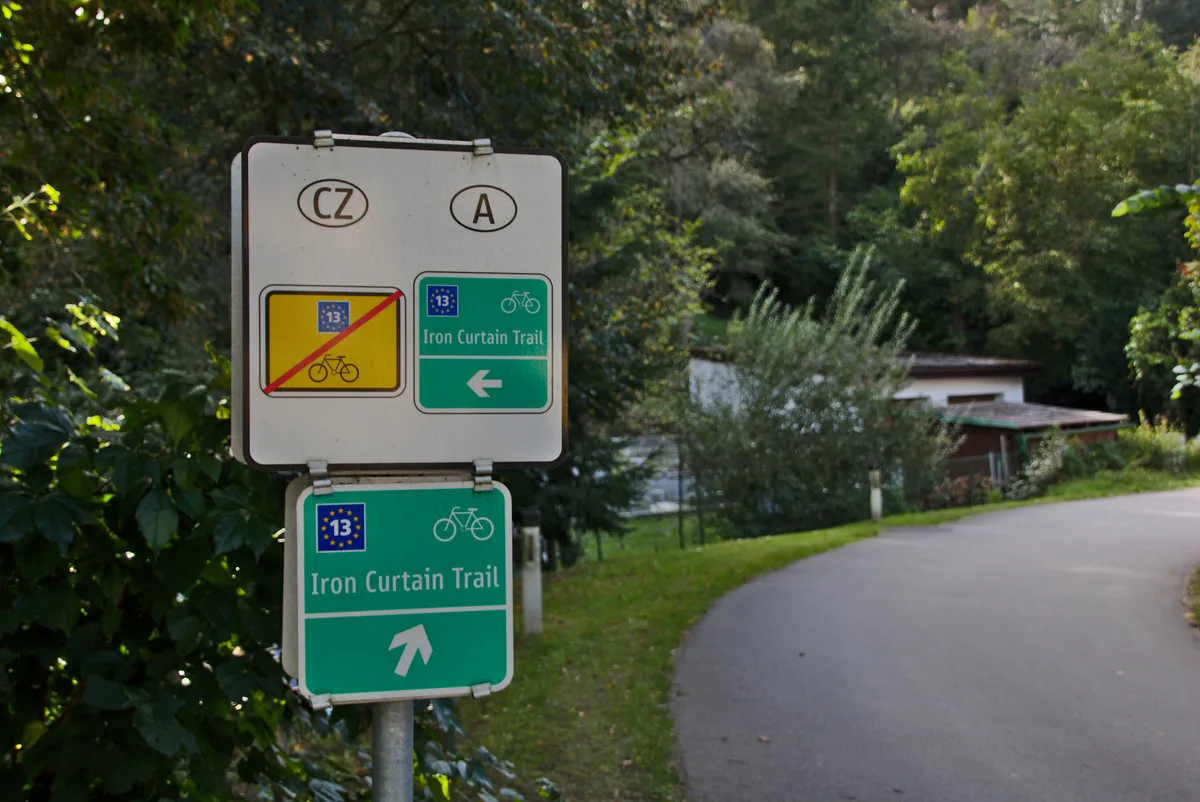
- Central Europe: Czech Republic, Slovakia, Austria and Hungary.
- Balkans and Black Sea: Croatia, Serbia, Romania and Bulgaria, plus North Macedonia on some descriptions.
Which section of the Iron Curtain Trail should you ride?
Pick a section by the kind of trip you want, not by the map. Descriptions of the route differ on whether Slovenia, Greece and Turkey count, so treat the table as a planning guide and read the official country list before you book. Effort levels below are relative, and the official EV13 page is the place to find section lengths.
Against the 10,400 km full route, a one-to-two-week section covers a small slice, so compare effort in the table rather than total length.
| Section | Best for | Effort | Cold War payoff | Main friction |
|---|---|---|---|---|
| Nordic and Baltic | Riders who want forests, lakes and ferry hops | Multi-week | Border-zone landscapes and Baltic independence history | Cold, short season; Russia leg needs a check |
| Baltic coast to Germany | Coastal riding with easy rail links | One to two weeks | Moderate; museums start once you reach Germany | Wind and exposed coast |
| German inner border | First-timers and history travelers | Weekend to one week | Highest; memorials, museums and checkpoints | Choosing between many sites |
| Czech, Austrian and Slovak border | Nature and Green Belt riding | One to two weeks | Watchtowers and bunkers in protected areas | Surface and signage vary |
| Balkans and Black Sea | Experienced tourers with spare time | Multi-week | Lower; the draw is landscape and remoteness | Long climbs, thin services, incomplete sections |
How long to plan for the Iron Curtain Trail
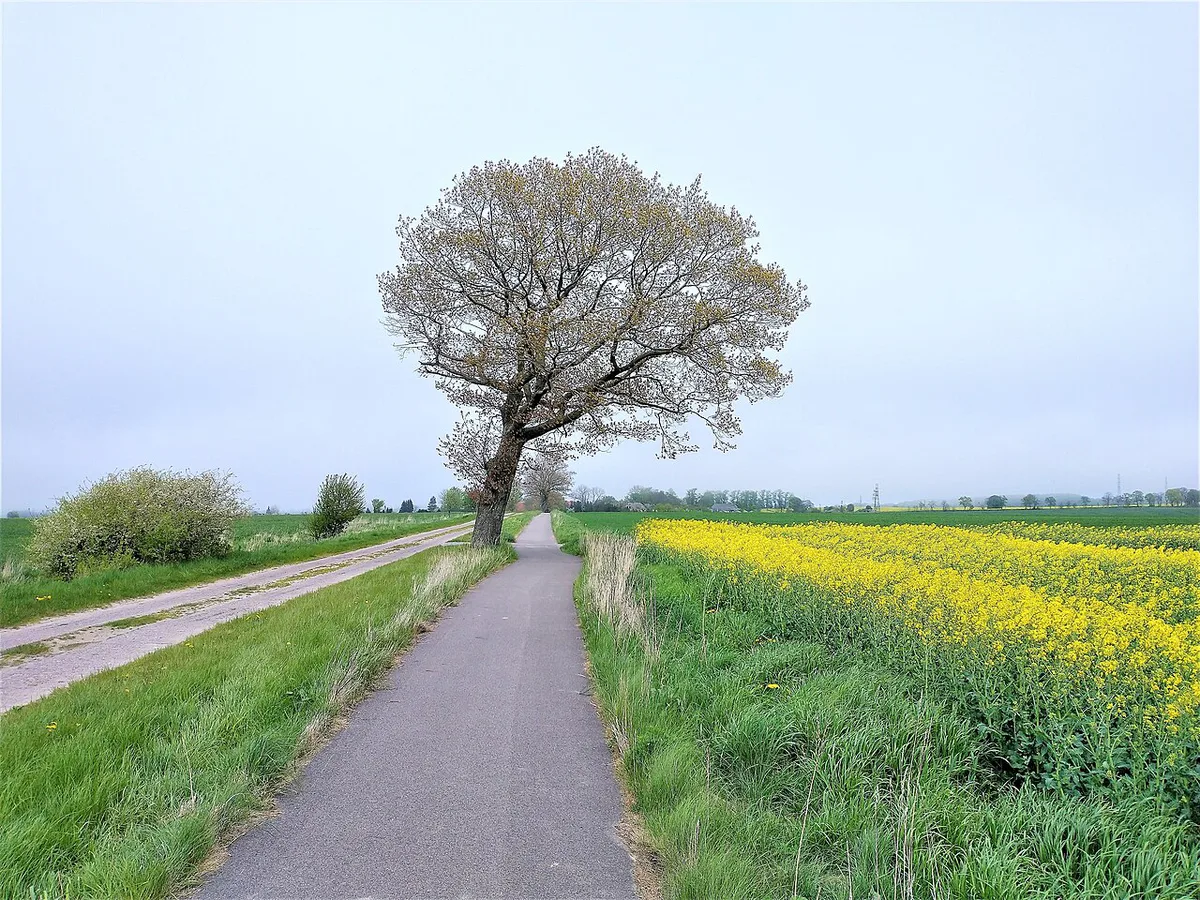
Treat the three planning categories below as a way to size your trip, not as day counts. Riding all 10,400 km needs months of leave, a reliable bike and a plan for gaps in the route. A section of one to two weeks is the realistic choice for most people. A weekend works well when you base yourself near a single memorial and ride short out-and-back loops.
- Weekend: one memorial, one base, short loops on local cycle paths.
- One week: a single section with a start and end station for bike transport.
- Multi-week: a full country or region, with spare days for weather and repairs.
Cold War sites along the route
The German inner border gives the densest cluster of sites. Our guide to inner-border museums in Germany compares them. At Mödlareuth village, the Bavaria–Thuringia border ran through the settlement, and the official museum site lists current opening details. The Point Alpha border memorial is another stop on this stretch, and its foundation website covers visitor information. Further along, the Marienborn checkpoint memorial preserves a former crossing, and the memorial foundation publishes its hours. History travelers interested in the secret police can follow Stasi Museum Leipzig: Runde Ecke & Bunker Guide. Check each site's own page for hours, because they differ by season.
Getting there and bike logistics
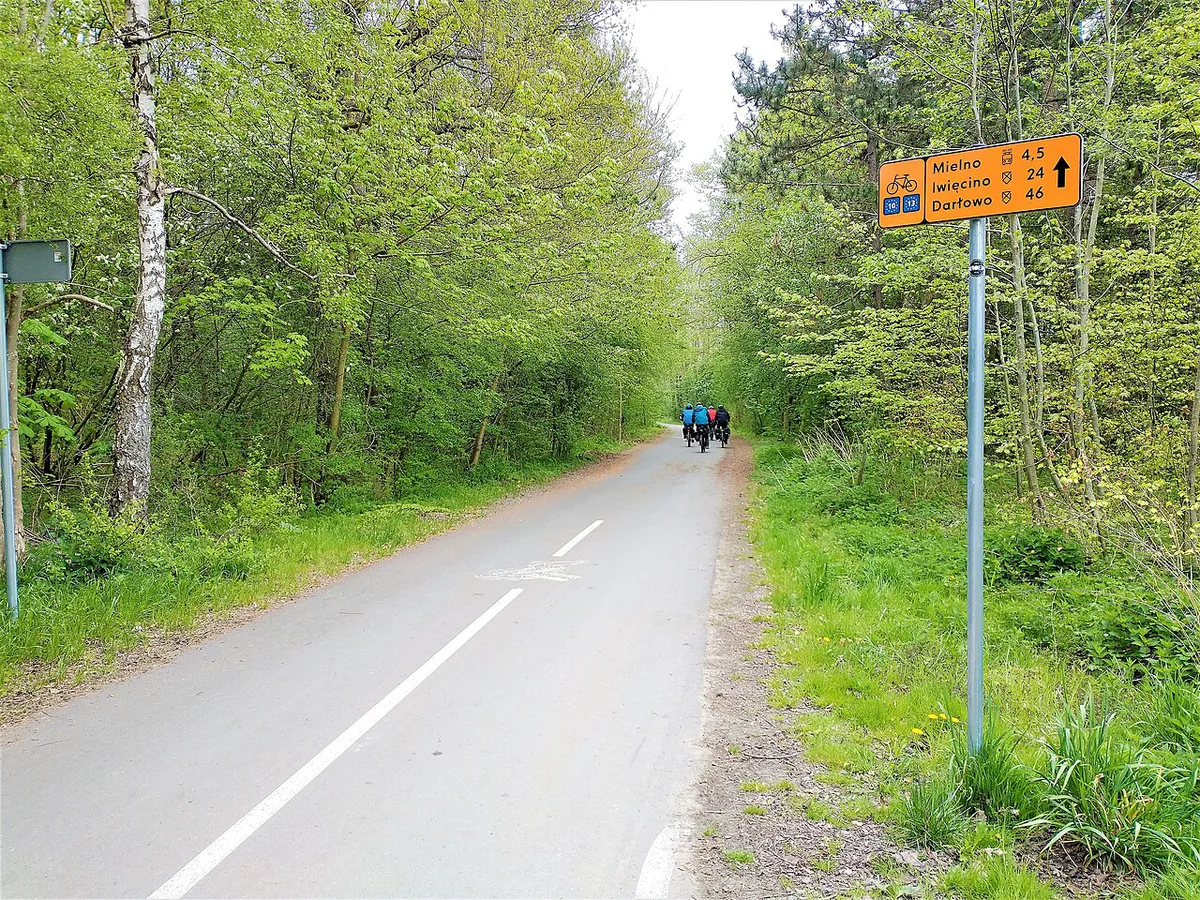
Rail and ferry links decide how easily you can split the route into sections. Bike carriage rules differ by operator and often by train type, so read the operator's own rules before you buy tickets. Ferries cross the Baltic, and one commonly cited link runs between Helsinki and Tallinn. Border crossings inside the Schengen area are simple, but the Russia leg and any non-EU crossing need a current check of government travel advice. Download more than one map source rather than relying on a single GPX file, because signage and completion status differ between sections.
When to go and what to pack
Late spring through early autumn suits most of the route. The far north has a short season, and high ground in the Balkans can stay cold well into spring. Winter riding in the north is a job for specialists. Pack rain layers, a repair kit, offline maps and a paper backup for sections with weak mobile coverage. Southern and low-lying sections are more forgiving, but summer heat can make long climbs harder.
Costs, lodging and booking friction
Four things drive cost: bike transport on trains, ferry crossings, rural lodging and whether you ride your own bike or rent. Rural stretches have fewer beds, so book ahead when your daily distance depends on one village. Lodging is thinner in remote border areas than in towns along the coast. Prices change by season, so use the operators' own sites for current fares. Rental and shipping options are best compared before you fix a start and end point.
Common mistakes and who should skip it
Most planning errors come from treating EV13 as one finished, uniform road. Skip the trail if you want a single base, have limited time or fitness, or only care about museums. In that case, Iron Curtain Museums: Which to Visit and How to Choose is the better starting point.
- Assuming the whole route is signed and paved.
- Ignoring incomplete sections on the official EV13 page.
- Planning the Russia or Kaliningrad leg without checking current rules.
- Cycling in winter in the north or at high altitude.
- Relying on one GPX file instead of cross-checking maps and local signs.
Visiting the Iron Curtain without a bike
You can reach most of the German sites by car or by regional rail plus a short taxi or bus ride. Base yourself in one town and visit two or three memorials in a day. Our Cold War Bunkers in Europe: Which to Visit guide covers sites beyond the route. The Ahrweiler government bunker is a separate detour and is not on EV13. The official bunker site publishes its visit details.
Keep planning
Guides on the same trip