
Historial de la Grande Guerre: Péronne Museum Visit Guide
Visiting the Historial de la Grande Guerre in Péronne? See how it fits with Somme battlefields, with timing, access and who it suits.
In this guide
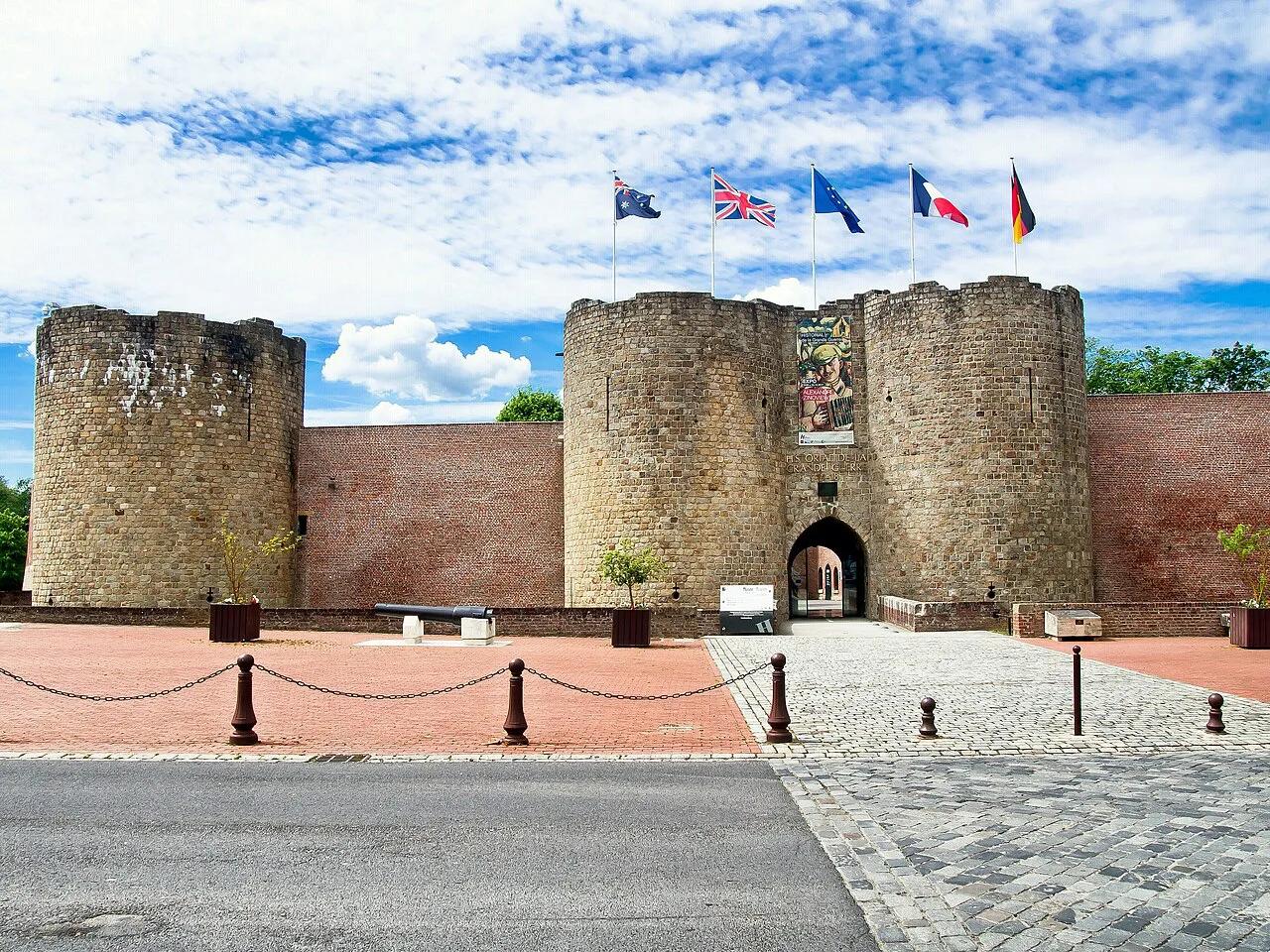
Last updated November 2026: the Historial de la Grande Guerre is the First World War museum in the château of Péronne, in the Somme. It presents the war through a comparative French, British and German view. Use this page to decide where it fits among the 9 Best Somme Battlefields Sites, Routes & Planning Guide.
Featured image: Rolf Kranz, CC BY-SA 4.0, via Wikimedia Commons.
What the Historial de la Grande Guerre is
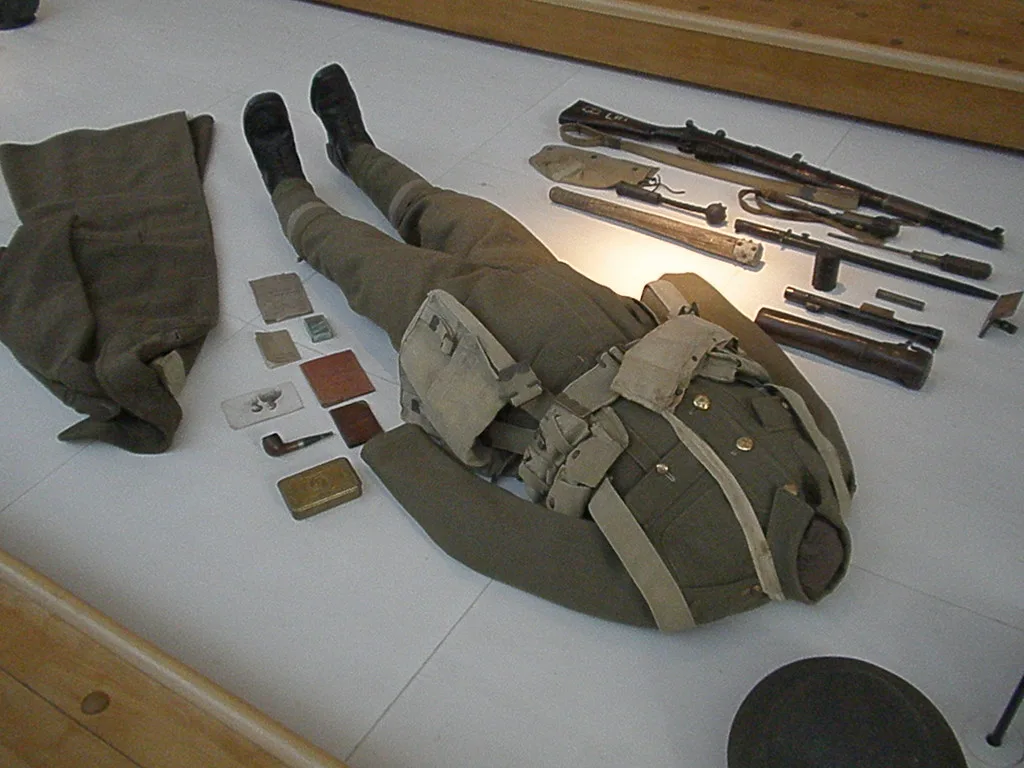
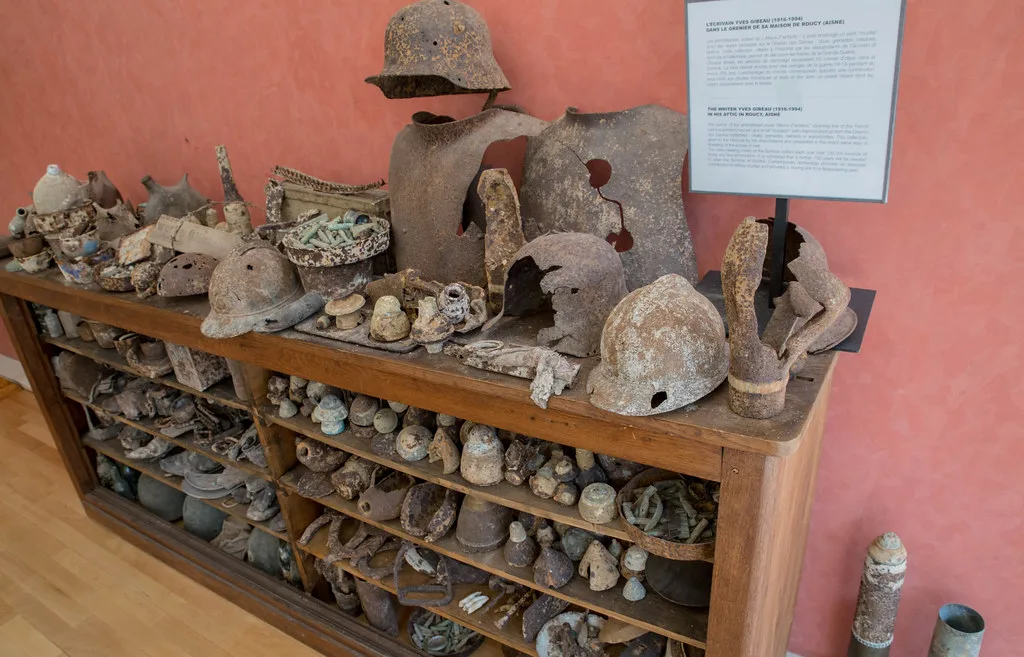
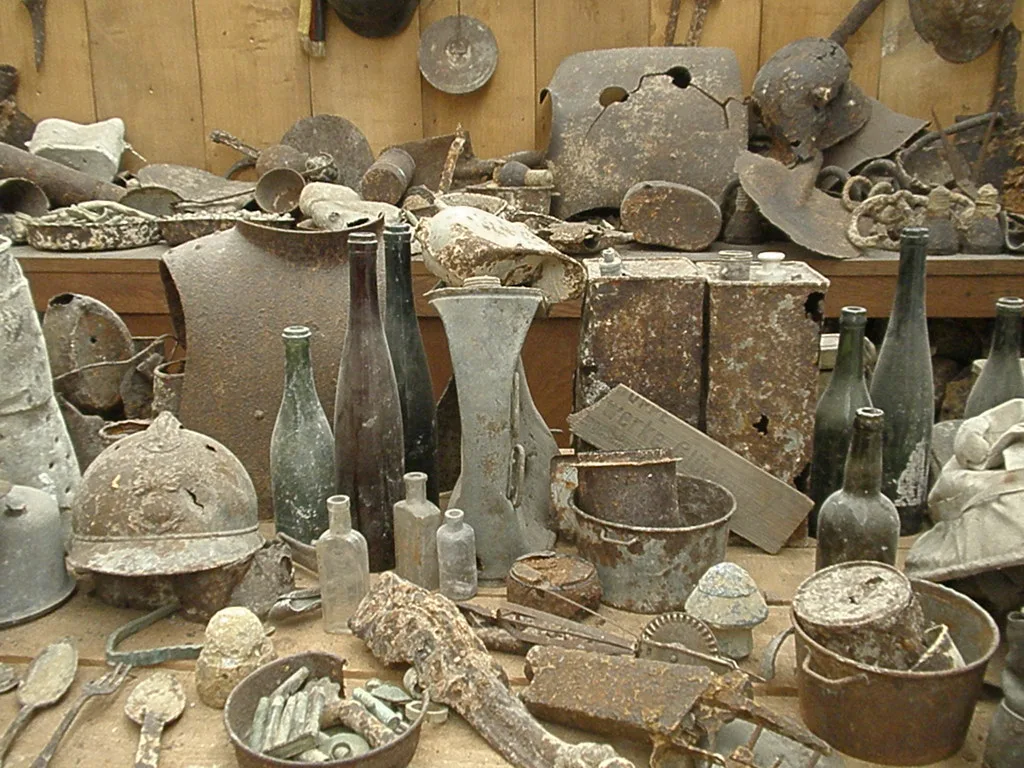
"Historial" blends a Spanish word for history or record with the French name for the First World War, la Grande Guerre. As a place to visit, it means one museum in Péronne. Its approach sets French, British and German experience side by side rather than telling a single national story. That makes it a useful first stop before you walk the open ground. Exhibits, languages, opening days and ticket prices are published on the museum's official website, so check there before you plan around them.
The Great War in brief: why the Somme matters
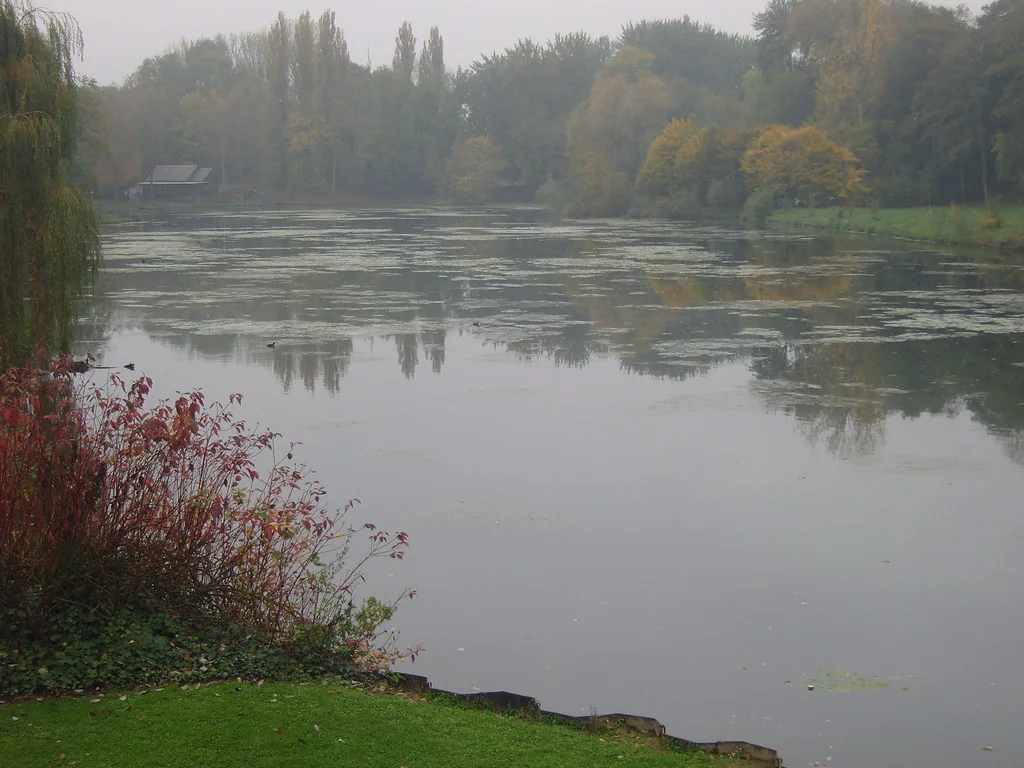
The war ran from 1914 to 1918. In 1916 the Somme became the setting for a major Allied offensive, fought by British, Commonwealth and French forces against German positions. Today the area holds memorials, preserved ground and cemeteries across open farmland. Reading that context first helps the sites make sense. A museum visit before the fields gives you names, units and nations to look for on the ground.
Keep the 1914 to 1918 span in mind, then match the 1916 Somme offensive to the fields you plan to walk.
What the museum offers and who it suits
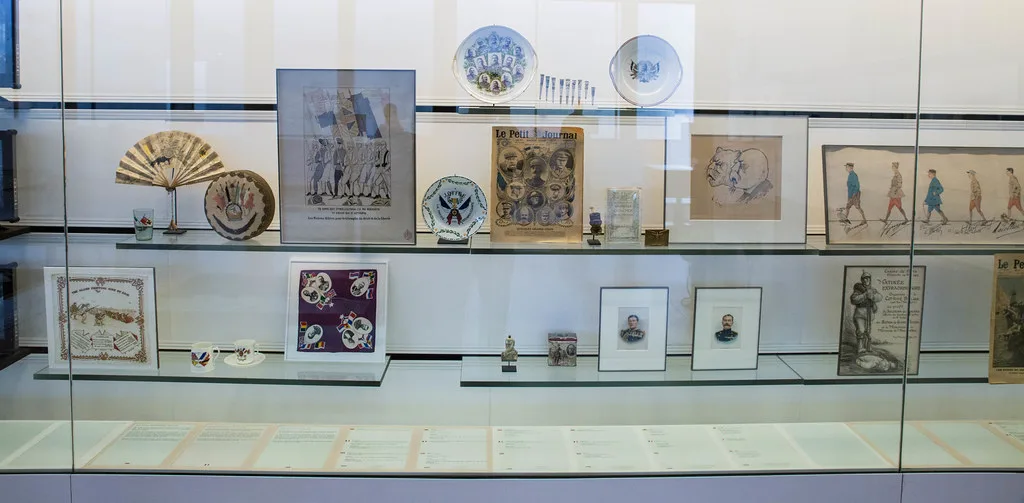
Indoors, you get the war explained across nations, with no dependence on weather. That suits first-time learners, families and anyone short of time. Readers who want a single national story may prefer the open-air sites. Those who want a British-focused museum should look at the Albert museum on the Somme 1916. Albert's museum covers the British experience at the front, while Péronne offers the wider comparison, so they are not interchangeable.
- Best for: first-time visitors, families, rainy days, readers who want French and German context.
- May prefer outdoors: people who want one nation's story, or who come mainly to stand where events happened.
Museum or battlefield? A decision table
Pick by interest and weather. The table compares the Péronne museum with the main open-air sites. Each site has its own guide.
| Place | Setting | What it adds |
|---|---|---|
| Historial de la Grande Guerre, Péronne | Indoor museum | French, British and German perspectives |
| Thiepval Memorial: Visitor Guide to the Somme Memorial to the Missing | Open air | Memorial to the missing of the Somme |
| Lochnagar Crater: Visiting Guide, History & Tips | Open air | Mine crater from the 1916 offensive |
| Beaumont-Hamel | Open air | Preserved trench ground, Newfoundland story |
| Delville Wood Visitor Guide: History, Access and Tips | Open air | South African memorial and museum |
| Ulster Tower, Thiepval: Visiting Guide And Practical Tips | Open air | Memorial to the Ulster Division |
| Villers-Bretonneux | Open air | Australian national memorial |
Plan your time around the museum
Do not try every site in one day. A short visit works best as the museum plus one memorial. A full day can pair Péronne with Thiepval and Lochnagar. Two days let you add the Australian and Canadian-linked sites, or the Circuit of Remembrance. Check driving times on a map before fixing the order, since the sites sit far apart.
- Short visit: museum first, then one memorial.
- Full day: museum, then Thiepval and Lochnagar.
- Two days: museum and Albert on day one, open-air sites on day two.
Tickets, hours and booking
Ticket prices, opening days and seasonal closures change, so read them on the official Historial site before you set out. School groups can fill busy weekdays, so ask about quieter times if you can.
Getting there and getting around
A car is usually the easiest way to reach the scattered Somme sites. Without one, base yourself in Amiens using our guide to the Somme from Amiens. A guided day is another option through Somme Battlefield Tours: Which Format and Route Fit You. Look up train and bus timetables on the rail and regional transit operators' sites, as services to small towns can be limited.
Where to base yourself
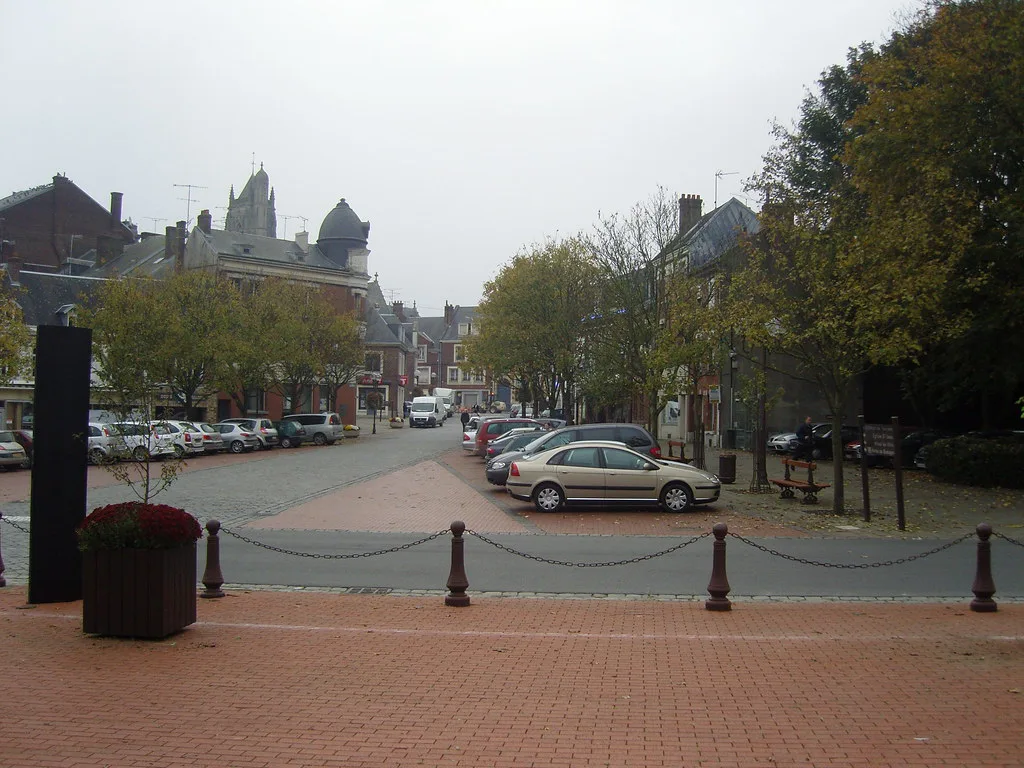
Péronne puts you beside the museum. Albert sits closer to the memorials and the Albert museum. Amiens offers the most evening options and the best rail links. Choose by whether you value access, atmosphere or transport.
Respect and practical tips
Cemeteries and memorials are places of mourning, so keep voices low and stay on paths. Fields can be muddy, and farmland may hold unexploded ordnance, so never leave marked routes. Follow any signs on photography at each site. Wear sturdy shoes and carry rain cover for open-air stops.
- Mistake to avoid: cramming every site into one day.
- Mistake to avoid: planning only open-air stops for a wet day.
- Mistake to avoid: assuming every site is open all year.
For trip-planning details, see Somme Tourisme official site.
Keep planning
Guides on the same trip






