
Delville Wood Visitor Guide: History, Access and Tips
Delville Wood at Longueval is the South African National Memorial on the Somme. Read the July 1916 history, what to see, time needed and how to fit it in.
In this guide
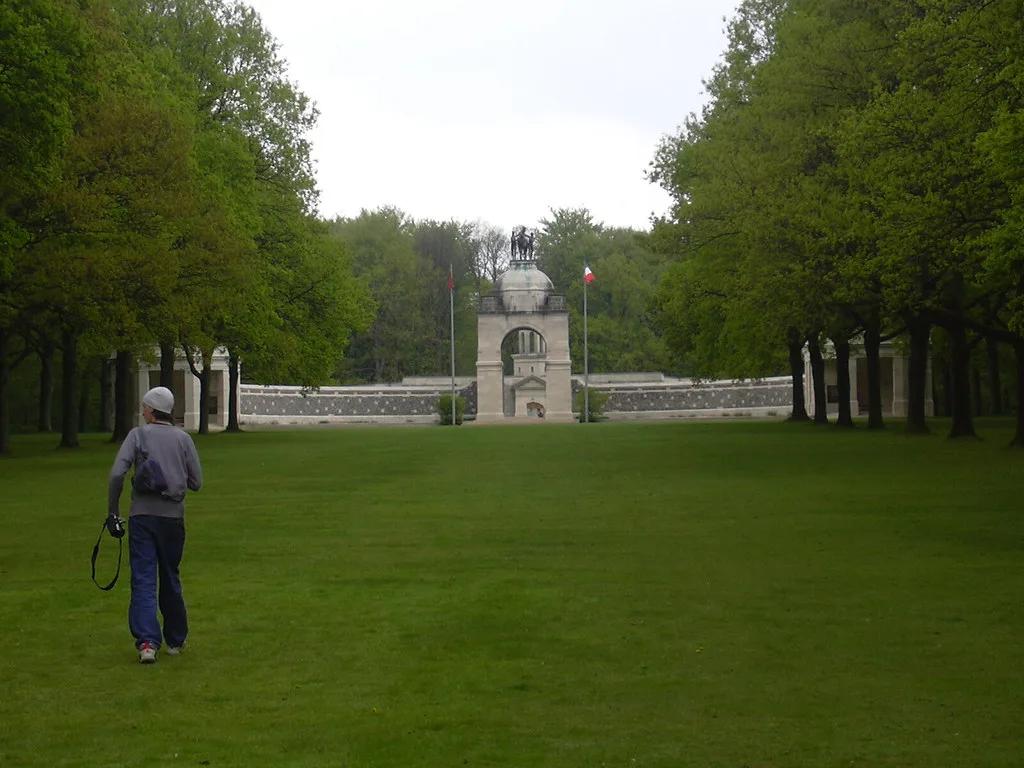
Last updated November 2026: Delville Wood near Longueval is the South African National Memorial and museum on the Somme, commemorating South African forces' fighting in July 1916. It is one stop on the wider Somme battlefield area, and it rewards visitors with a particular interest in South African or Scottish 9th Division history. Allow about an hour for a standard visit, or longer if you want to walk the wood slowly.
Featured image: robjwells, CC BY-SA 2.0, via Flickr.
Delville Wood at a glance
Delville Wood is a 156-acre wood beside Longueval village in the Somme department. In July 1916 the 1st South African Infantry Brigade held it at very heavy cost. Today the site holds the South African National Memorial, a museum, trench remains and a wood replanted with oak and birch. Most visitors on a Somme circuit will want about an hour here.
| Fact | Detail |
|---|---|
| Location | Longueval, Somme, France |
| Size of the wood | 156 acres |
| On site | Memorial, museum, trench remains, replanted wood |
| Fighting over the wood | 15 July to 3 September 1916 (end dates vary by source) |
| Time to plan | About 1 hour for a standard visit (our estimate) |
What happened at Delville Wood in July 1916
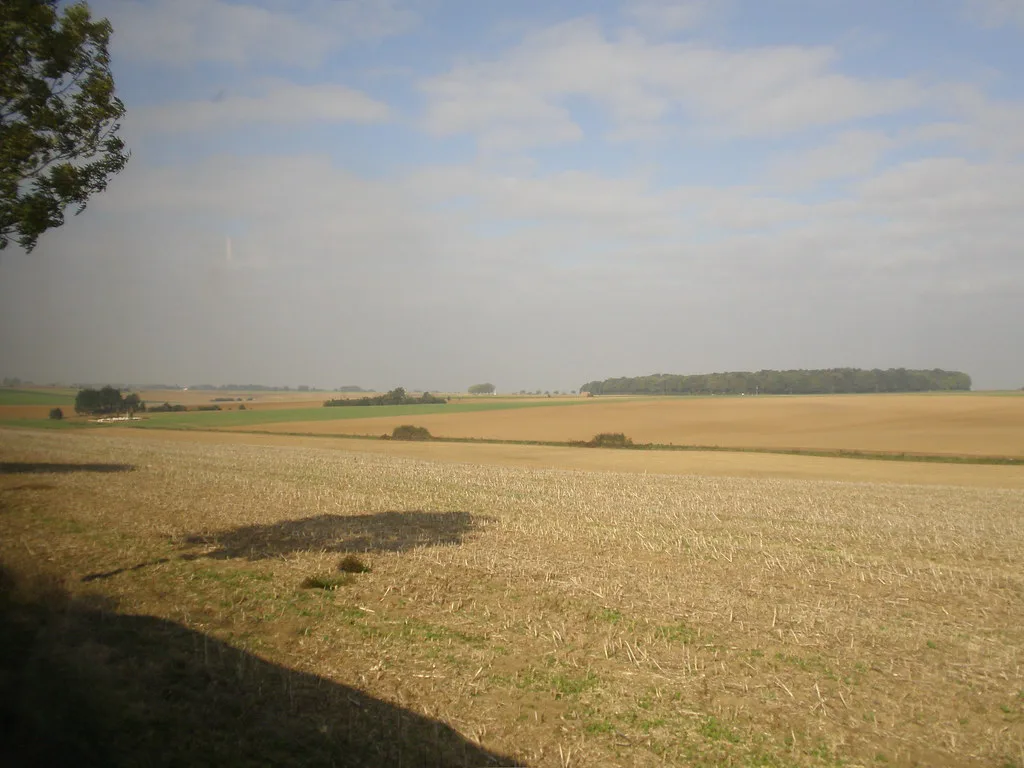
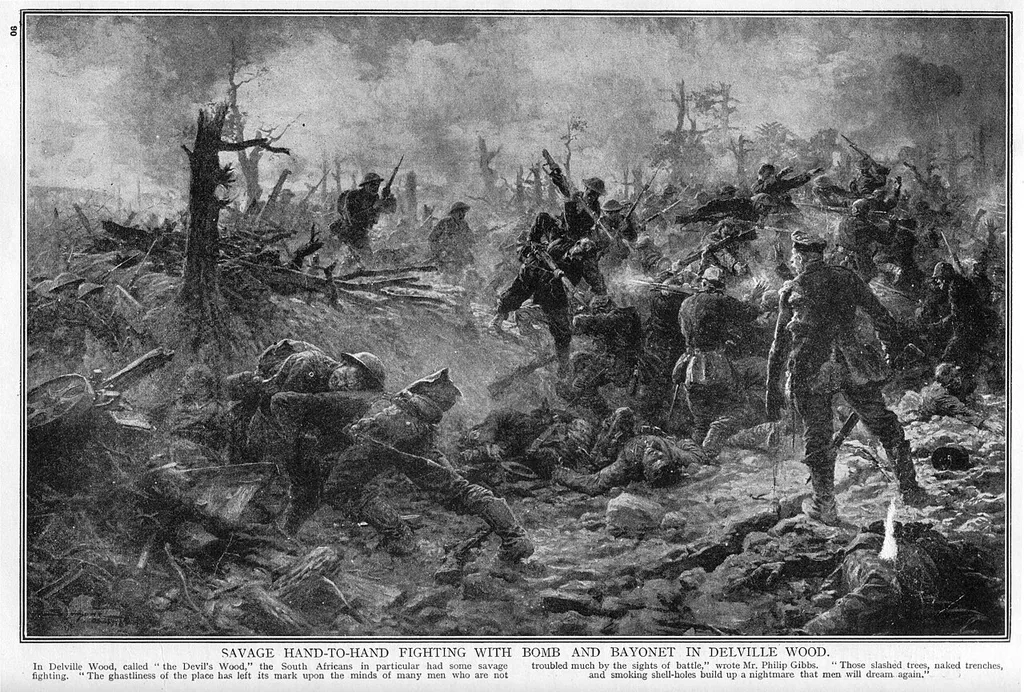
Longueval sits on a ridge at a four-road junction, and control of the wood was essential to holding the village. At 03:35 on 14 July 1916, the 26th and 27th Brigades of the 9th (Scottish) Division attacked the ridge. The South African Brigade began the day in reserve. According to the Delville Wood Trust, the brigade numbered 121 officers and 3,032 other ranks on the morning of 14 July. Only 29 officers and 751 other ranks answered the roll call some days after the battle. Fighting over the wood continued until early September, and sources differ on the exact end date.
- 15 July: South African troops entered the wood at 05:00 under Lt Col Tanner. By noon they held all of it except the north-western part.
- 16 July: Private W.F. Faulds won the Victoria Cross. Bringing up food and water, and evacuating the wounded, became difficult.
- 17 July: a pre-dawn attack on the north-west corner failed. Lt Col Thackeray took command that evening after Tanner was wounded.
- 18 July: a German bombardment began at 08:00 and lasted about seven and a half hours.
- 19-20 July: Thackeray's small group held the south-west corner. The British 3rd Division relieved them at 18:00 on 20 July.
What to see at the South African National Memorial
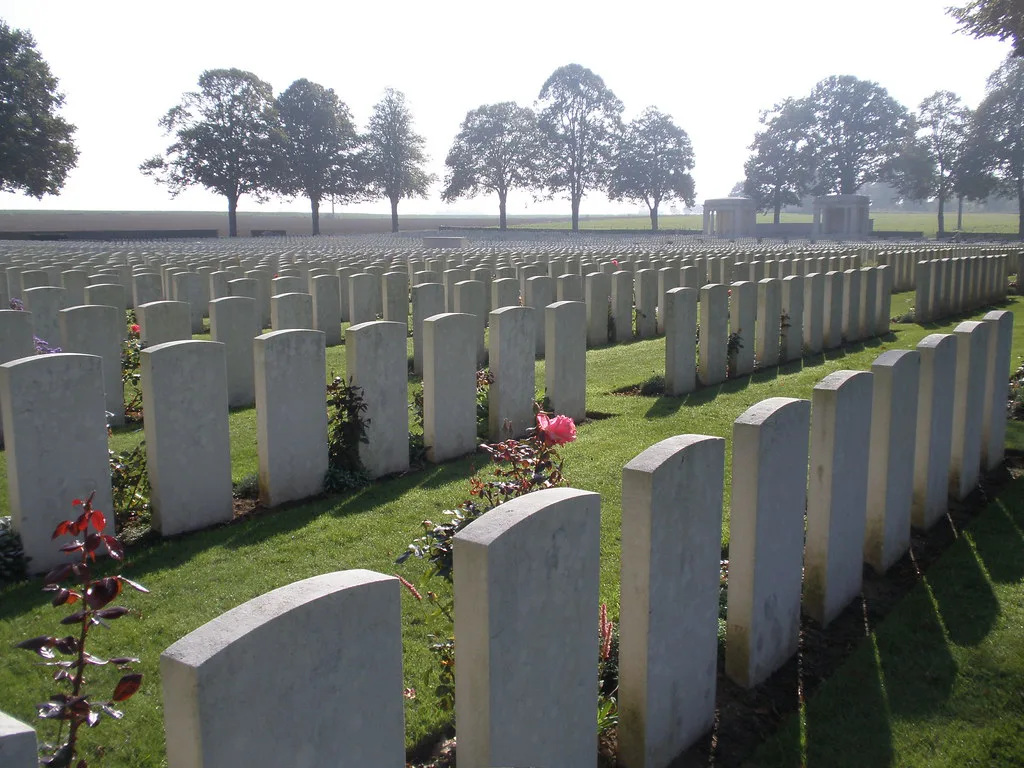
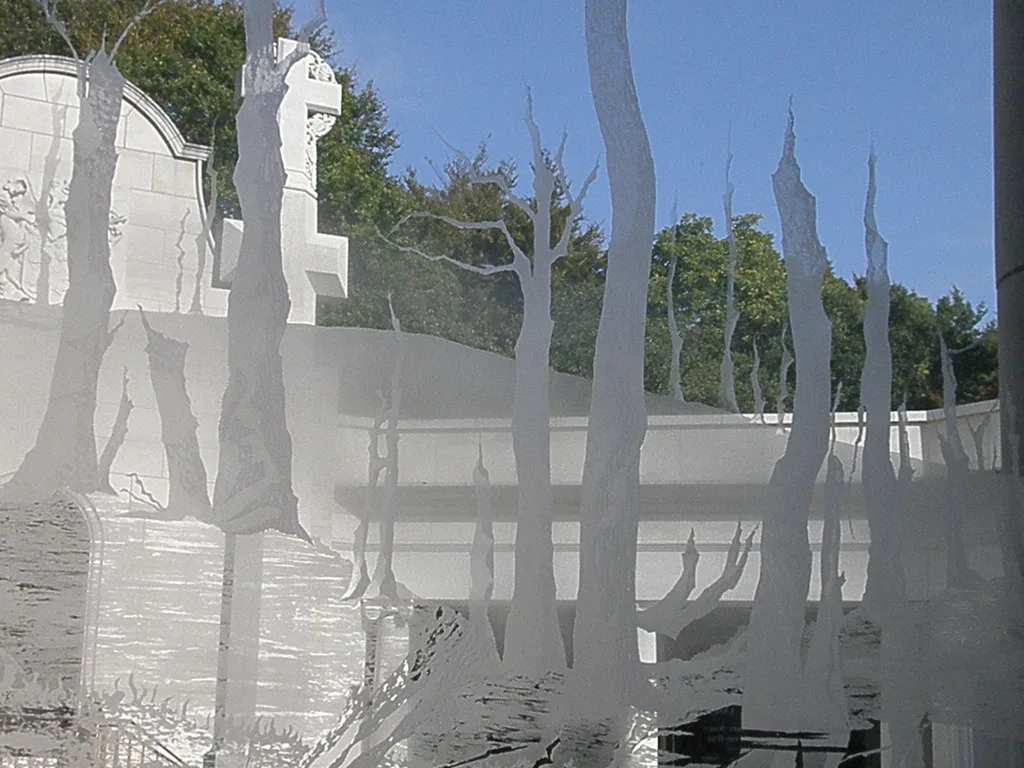
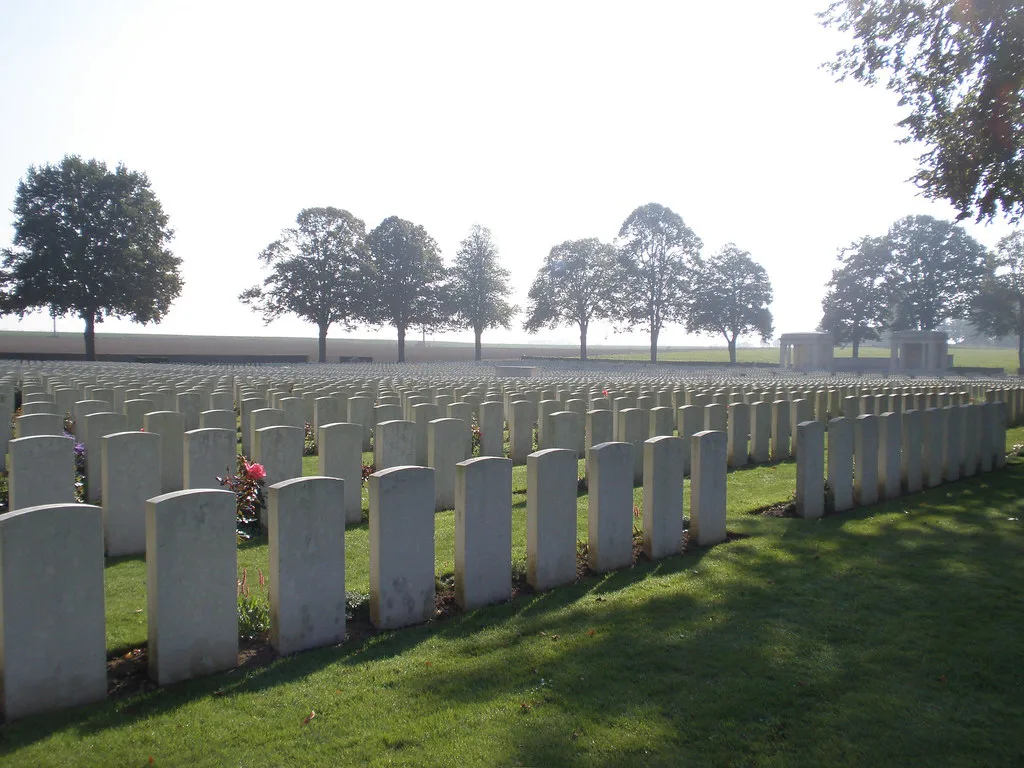
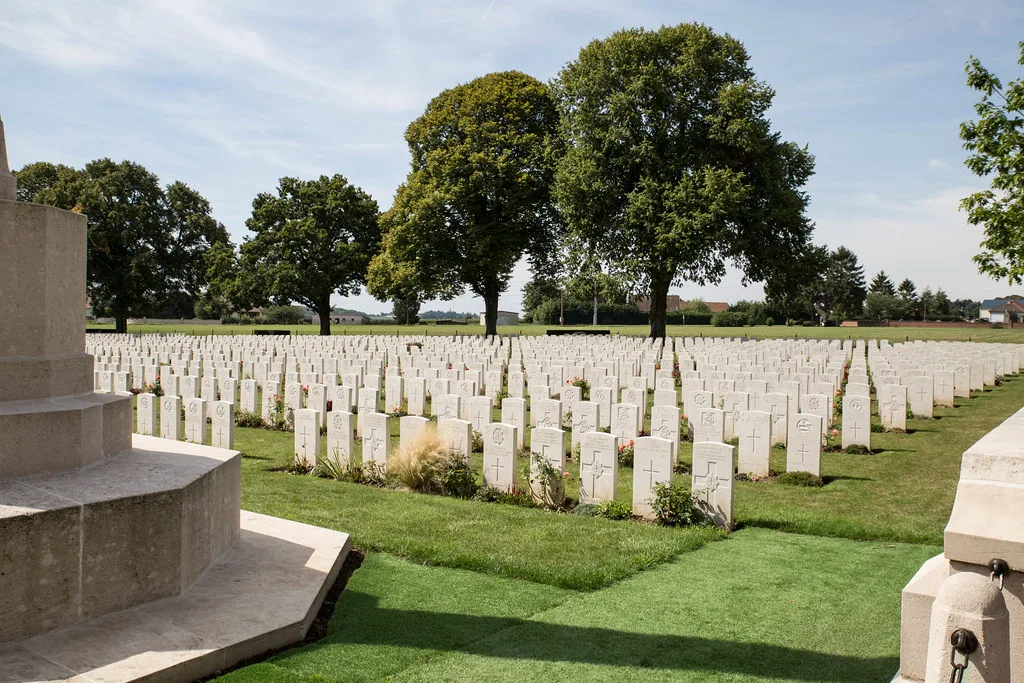
Delville Wood is described as well preserved, with trench remains, a museum and the memorial to the South African Brigade. The South African government replanted the wood with oak and birch. The trees overhead are therefore not the beech and hornbeam that stood here in 1916. In 1916, rides inside the wood carried London street names, such as Princes Street and Buchanan Street. Those names appear throughout accounts of the fighting, and they help you picture where Thackeray's party made its stand.
- South African National Memorial: the reason most visitors come, and the focus of South African remembrance here.
- Museum: part of the site. Opening days are not published in a form we can quote, so plan around the official site.
- Trench remains: the clearest link between the written history and the ground you walk on.
- Replanted wood: 156 acres of oak and birch, so allow time to walk beyond the memorial itself.
- Longueval village: next to the wood, and the village that the fighting was meant to secure.
Opening hours, entry and access rules
Opening days, hours, entry charges and parking are not published in a form we can quote. Check the official Delville Wood site at delvillewood.com, whose menu lists access rules and group reservations (opening details checked November 2026).
How long to allow and who should skip it
These times are estimates for planning, not published figures. Add the museum only once you have found its opening hours.
| Visit type | Rough time | What it covers |
|---|---|---|
| Quick stop | About 30 minutes | Memorial and a short walk |
| Standard visit | About 1 hour | Memorial, trench remains and part of the wood |
| Deep visit | 2 hours or more | Full walk, museum if open, and the village |
- Visit if your interest is South African, Commonwealth or Scottish 9th Division history.
- Visit if you prefer a preserved wood to an open field.
- Shorten it if you only have time for 2-3 Somme stops, unless Longueval is on your route.
- Skip it if you want a staffed, guided narrative on arrival. Book a guided tour instead.
Getting to Delville Wood from Albert and Amiens
Longueval is a village, and we found no public transport listing for it. Self-drive gives the most flexibility, and coordinates of about 50.0278 N, 2.8099 E will help your sat-nav. Read day trips from Amiens for the base-town options. A guide adds the narrative that an unstaffed site cannot, so compare guided tours of the battlefields before you decide. Somme Tourisme is the place to check current local transport.
Pairing Delville Wood with other Somme stops
Delville Wood belongs to the 1916 fighting, so pair it with other 1916 stops. For driving order, use the circuit of remembrance route. The Lochnagar Crater Foundation site also covers its own visiting information.
| Stop | Why pair it |
|---|---|
| Lochnagar mine crater | A mine crater from the opening day of the offensive, 1 July 1916 |
| Memorial at Thiepval | A large Somme memorial for a wider view of 1916 |
| Beaumont-Hamel site | Another preserved 1916 battlefield landscape |
| Ulster Tower memorial | A memorial tied to the 1916 Somme fighting |
| Somme 1916 museum in Albert | A museum for context, alongside the open-air sites |
| Historial museum | Broader context for the whole war |
Mistakes to avoid at Delville Wood
A few planning errors cause most disappointment on this stop.
- Arriving without checking the opening days on the official site.
- Treating the wood as an open park rather than a memorial.
- Underestimating how much ground there is to walk across 156 acres.
- Rushing it between Thiepval and Albert.
- Linking it to other phases of the war: for later-war sites, see later-war sites near Villers-Bretonneux or the American cemetery on the Somme on another day.
Visiting respectfully
Delville Wood is a memorial to a heavy loss of life. Follow the access rules on the official site and any notices posted at the entrance. Keep your voice low near the memorial, and stay on the paths in the wood.
Frequently Asked Questions
Why was it difficult to fight in Delville Wood?
Delville Wood formed a salient that German artillery could fire on from three sides. Wet weather reduced visibility and turned the ground to mud, and the tangle of trees slowed movement. Ammunition shortages and high casualties reduced both sides to piecemeal attacks.
Keep planning
Guides on the same trip





