
Somme 1916 Museum, Albert: Visit Guide & Tips
Planning the Musée Somme 1916 in Albert? See what to expect, how long to allow, tickets, access, and how to fit it into a Somme battlefield day.
In this guide
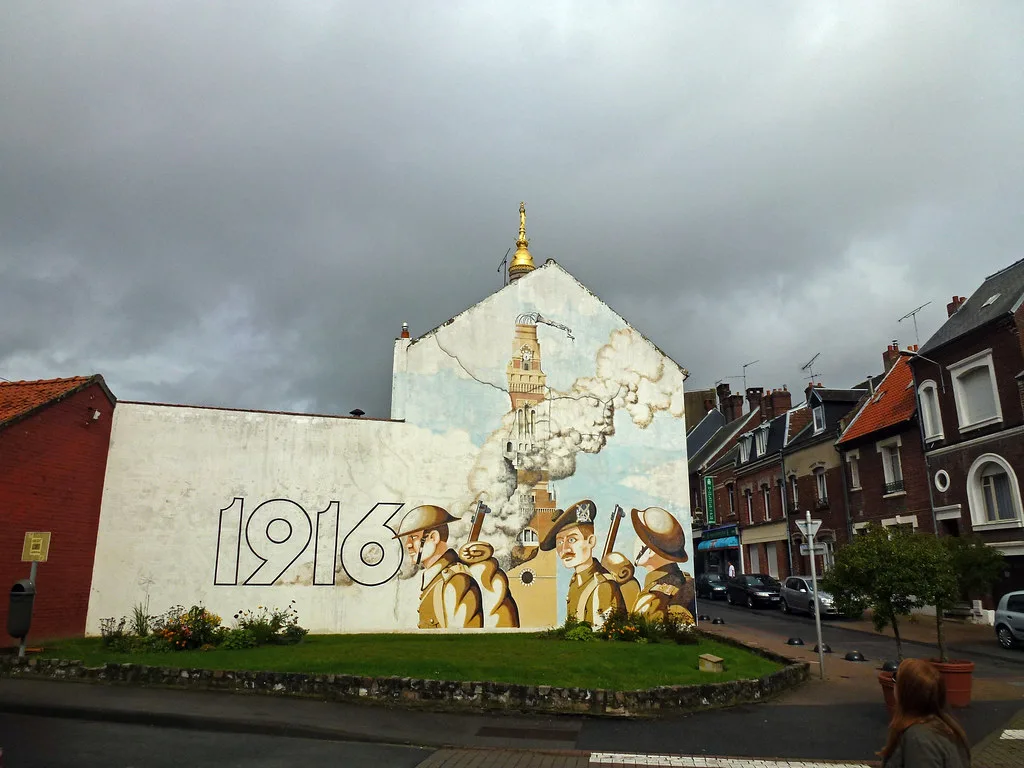
Last updated November 2026: the somme 1916 museum Albert visitors look for is Musée Somme 1916, an underground museum in tunnels beneath the Basilica of Notre-Dame de Brebières. Reconstructed scenes present the war at soldier level, which makes it a sound first stop before the battlefield sites across the Somme. It suits first-time visitors, wet-weather days and families with older children, and it suits claustrophobic or mobility-limited visitors less well.
Featured image: ThruTheseLines, CC BY 2.0, via Flickr.
Somme 1916 museum in Albert at a glance
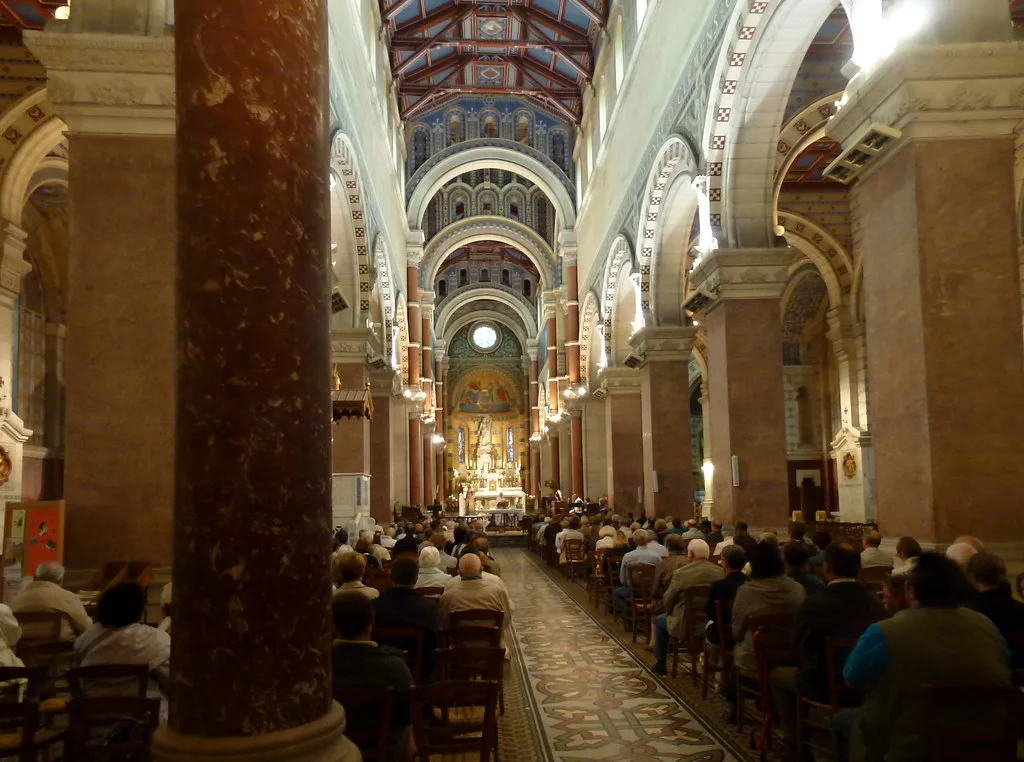
Musée Somme 1916 occupies tunnels under the Basilica of Notre-Dame de Brebières in Albert, in the Somme. Staged alcoves show trench life, with uniforms, weapons and personal objects. Expect a quiet, low-lit visit rather than a lecture hall. Context is its main value. The Battle of the Somme opened on 1 July 1916, and the galleries show the conditions ordinary soldiers lived with around that date. Our verdict: worth the stop if you want context before the fields, and easy to skip if the memorials are your only goal.
- Setting: underground tunnels beneath the basilica in Albert.
- Format: reconstructed scenes in alcoves, with panels explaining each one.
- Best for: first-time Somme visitors, rainy days and families with older children.
- Weaker for: claustrophobia, limited mobility, or a half day meant only for memorials.
- Prices, hours and closures: listed on the official museum site.
What you will see underground
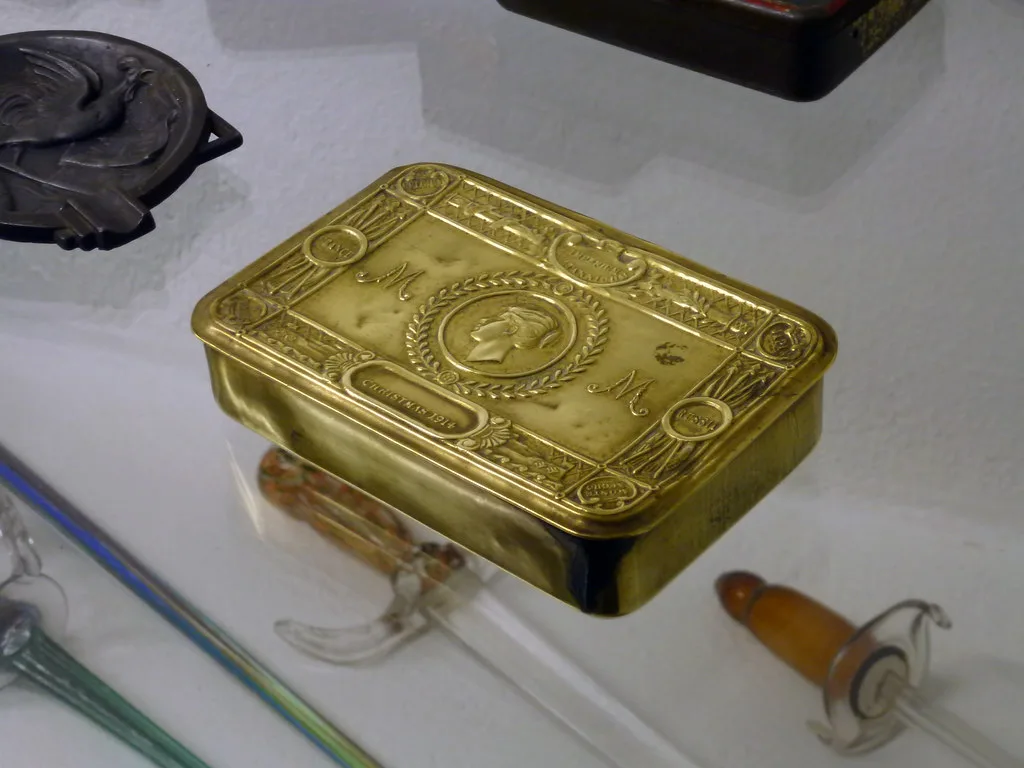
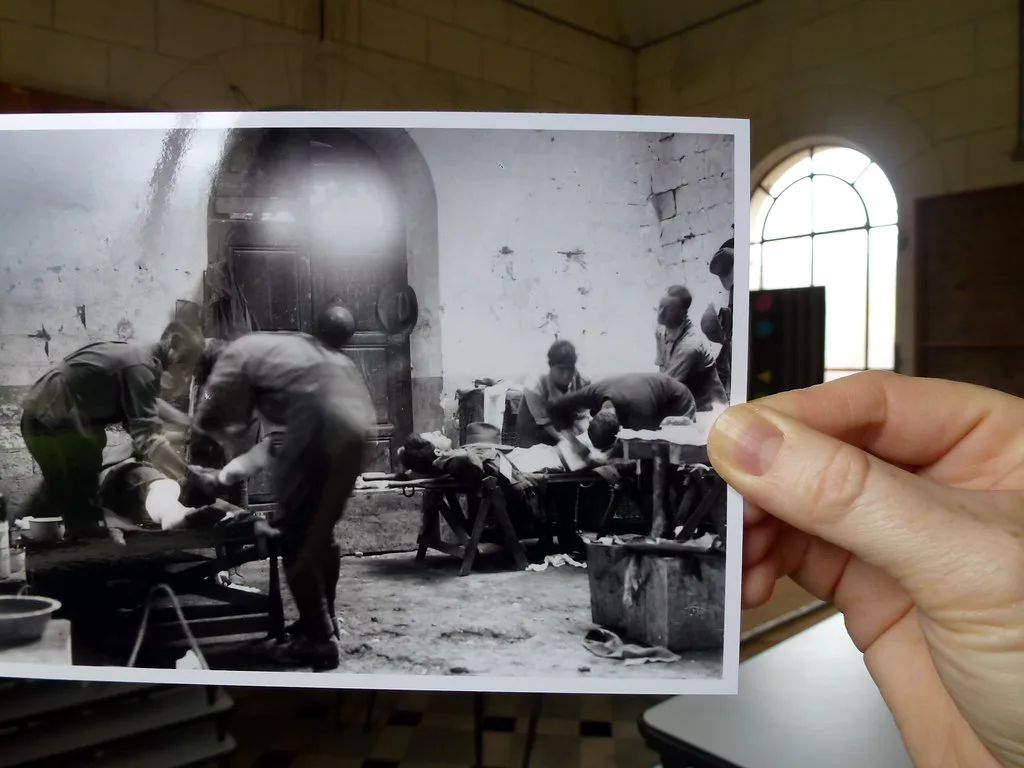
Galleries are laid out to resemble trenches and dugouts. You walk a dim passage past alcoves, each holding a scene from the front, from the tension before an attack to quieter moments between. Uniforms, weapons and personal objects fill the displays. Information panels are reported in English, French, German and Dutch. Documentary films and equipment demonstrations are also mentioned in visitor listings, so ask at the desk what runs on your day. Published descriptions say the tunnels began as a Second World War air-raid shelter, run about 250 m and sit about 10 m below ground. They also say the museum opened on 1 July 1992. Confirm those details on the museum's own website. Many scenes concern men who were killed or wounded. Keep voices low and treat the galleries as a place of remembrance.
How long to allow and when to go
Plan one to two hours underground. That is our estimate, and the museum may suggest its own range. Rain does not change the visit, so this is the natural wet-weather option on a Somme trip. Save the open-air memorials for drier hours. Reception underground may be weak, so save directions and any booking confirmation before you descend. A museum-first day costs part of the morning. With only a half day, choose either the museum or a pair of memorial stops.
Tickets, opening hours and booking
Current prices, opening hours, seasonal closures and booking rules are published on the official Musée Somme 1916 site. Check there on the day you plan to travel.
Getting to Albert and around town
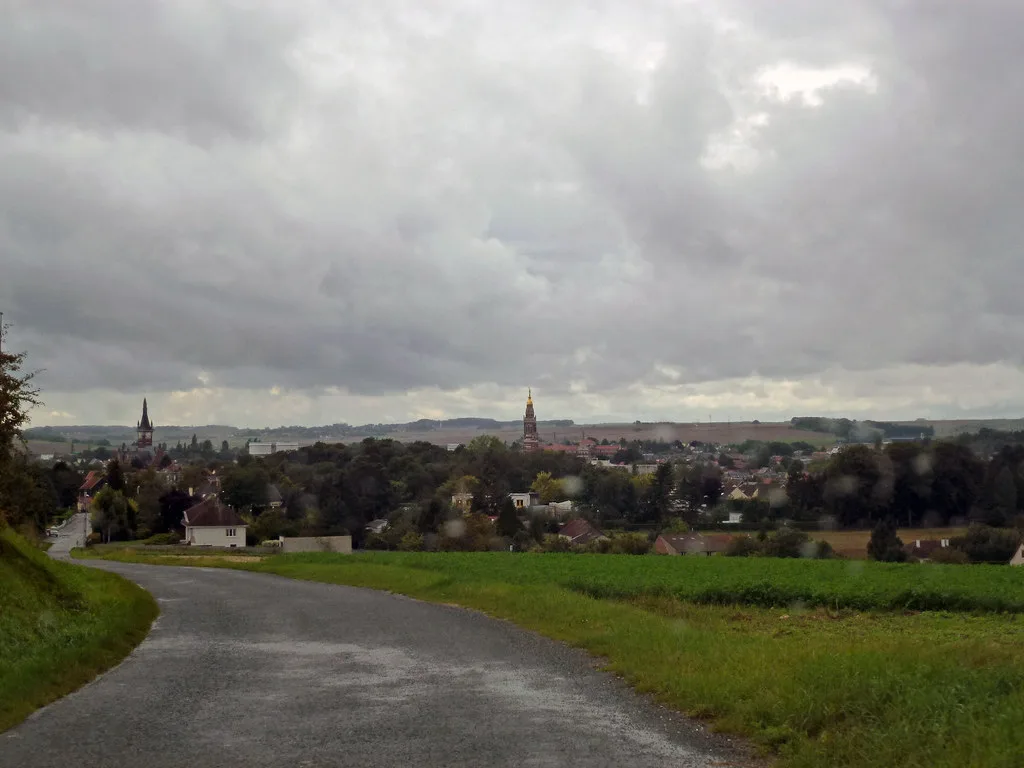
By car, follow signs to Albert and look for parking near the Basilica of Notre-Dame de Brebières. Somme Tourisme publishes current visitor information for the area. Without a car, regional trains serve Albert from Amiens. Our guide to the route from Amiens covers that option. Check the TER timetable on the day, because frequencies change by season. The Amiens tourist office can help with departures and onward plans. From the station, walk into town and aim for the basilica. Trains will not reach the open-air sites, so consider guided Somme battlefield tours if you want more than Albert.
Museum vs Historial vs the battlefields
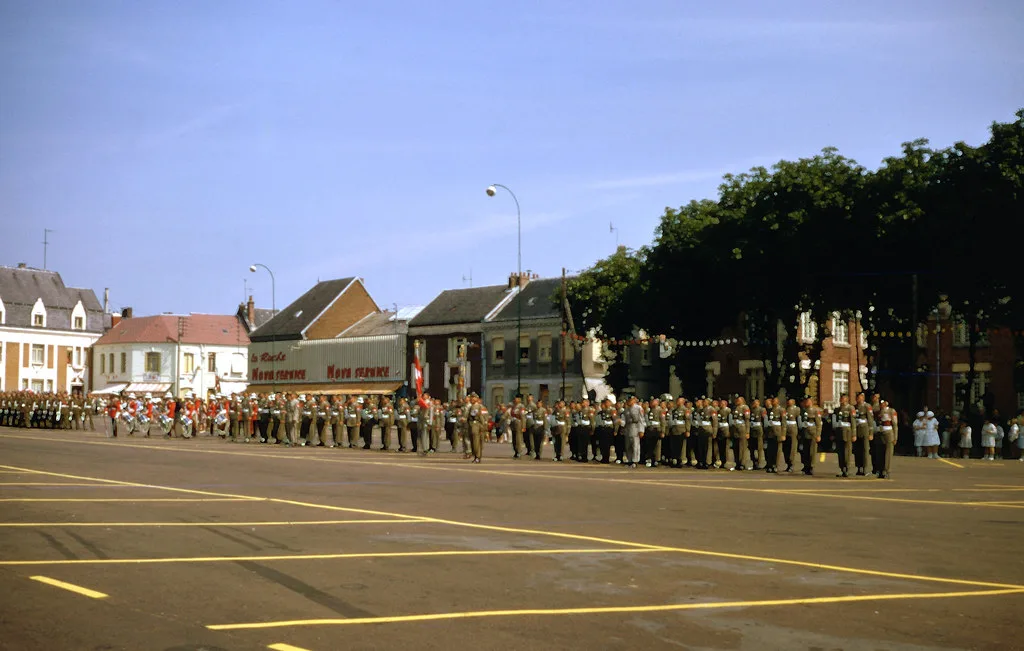
Each kind of site answers a different question. The Albert museum shows trench conditions in a staged setting. The Historial in Péronne is also an indoor museum, and its own site, the official Historial site, lists what it covers. Open-air sites show the ground itself. The table compares them on the points that decide most itineraries.
| Site | Setting | What you learn | Weather dependence | Best for |
|---|---|---|---|---|
| Musée Somme 1916, Albert | Underground tunnels | Trench-level scenes and daily conditions | Low; indoors | Context before the fields; wet days |
| Historial, Péronne | Indoor museum | The war on a wider scale | Low; indoors | Readers wanting the broader story |
| Lochnagar Crater | Open ground | The scale of a mine explosion | High; outdoors | Seeing the landscape itself |
| Thiepval | Memorial site | The missing of the Somme | High; outdoors | Quiet reflection |
| Beaumont-Hamel | Preserved ground | Trench lines in the terrain | High; outdoors | Walking the front line |
Fitting it into a Somme day
Go museum first, then the fields. Context from the galleries makes each memorial easier to read. The Circuit of Remembrance route ties many of these sites together if you drive. Here are two sample sequences.
- Half day, stop 1: Musée Somme 1916 for context, with time in the garden afterwards.
- Half day, stop 2: the Lochnagar mine crater, to see the scale of the ground.
- Half day, stop 3: Thiepval's memorial to the missing, for names and quiet reflection.
- Full day, morning: the museum, then Lochnagar before lunch.
- Full day, afternoon: Thiepval, then Beaumont-Hamel trench ground, where the terrain still shows the front line.
Other things to see in Albert
Allow time around the museum for the town itself. The basilica carries the Golden Virgin, the best-known story in Albert, and the tourist office can point you to where it is told. Albert's town hall is also on the list of local sights. After the underground galleries, a public garden along the Ancre and the old ramparts is reported to sit by the museum exit. It makes a calm place to sit before the next stop. With a full day, add the Villers-Bretonneux stop. The Delville Wood memorial also fits some routes. Another option is the Ulster Tower memorial. The Somme's American cemetery suits visitors with a specific interest. Skip any that do not fit your sequence.
Practical tips and mistakes to avoid
Galleries underground may involve steps or slopes, so ask the museum about access before you travel if mobility is a concern. Families with older children usually get the most from the scenes. Very young children may find the dim passages unsettling. Narrow, low-lit passages can be hard for anyone who dislikes enclosed spaces. Avoid these common mistakes.
- Arriving without checking opening times and seasonal closures on the official site.
- Treating the museum as a substitute for the fields; the ground itself shows the scale.
- Planning too short a stay and rushing the alcoves.
- Relying on phone signal underground for tickets or directions.
- Booking a memorial-heavy half day and then spending most of it indoors.
Keep planning
Guides on the same trip





