
Beaumont-Hamel Newfoundland Memorial: Visitor Guide
Plan a visit to Beaumont-Hamel in the Somme: what to see, how to get there, timing, etiquette and how it compares with nearby sites.
In this guide
Last updated November 2026: Beaumont-Hamel is the preserved Newfoundland Memorial Park on the Somme, marking the Royal Newfoundland Regiment's attack on 1 July 1916. It sits within our Somme battlefields guide and suits half a day or less. We'd go by car, because the trench lines, craters and cemeteries are spread across open, sloping ground.
Featured image: hugh llewelyn, CC BY-SA 2.0, via Flickr.
Quick answer: is Beaumont-Hamel worth visiting?
Yes, and it is our first pick for anyone who wants to read a battlefield rather than just see a monument. Trench lines and shell craters have been kept, so you can see how close the opposing positions were. Newfoundland and Canadian families will find it especially meaningful. We'd steer anyone who wants an indoor, museum-led story towards the Albert Somme 1916 museum instead. Our rough estimate for a visit is one to two hours on site.
What happened here on 1 July 1916
British attacks along the Somme began just after 7:30 a.m. on 1 July 1916. The Newfoundland Regiment attacked at 9:15 a.m., across ground that German positions still covered. The assault lasted about 30 minutes, and the regiment was all but wiped out. It was the regiment's first major action. For Newfoundland, the day became a lasting symbol of sacrifice and a source of identity.
What you can see at the Beaumont-Hamel Newfoundland Memorial
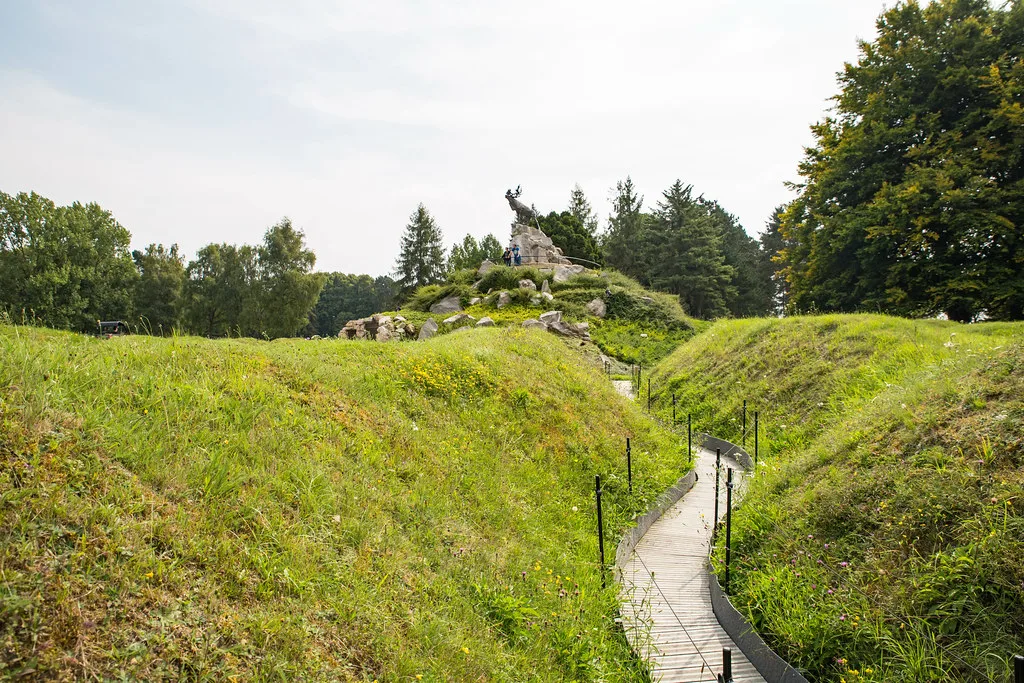
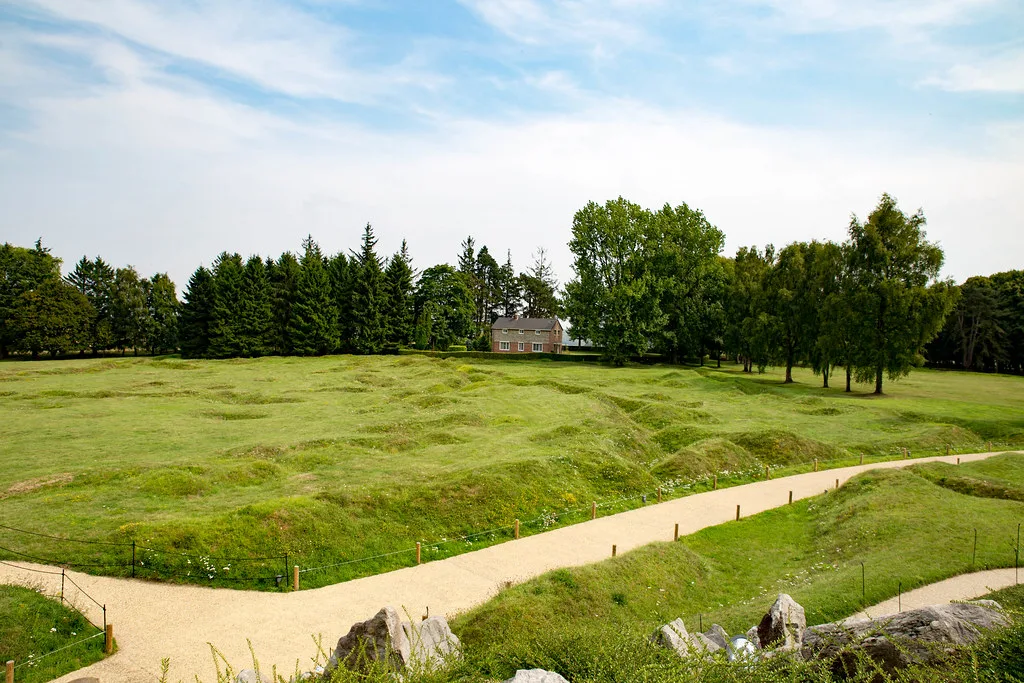
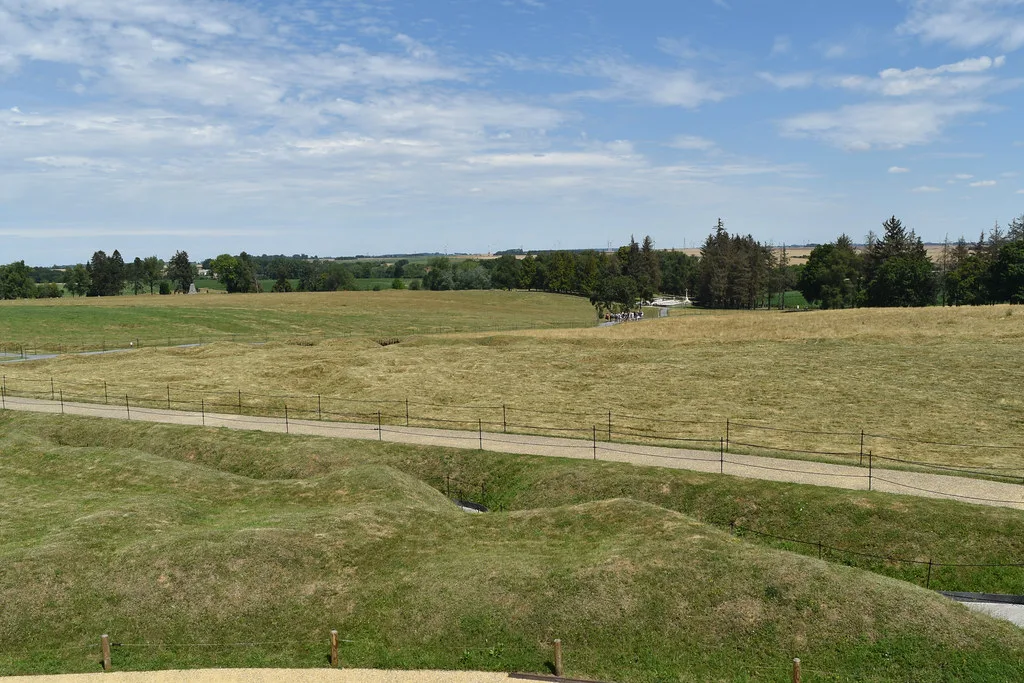
This is the walking order we'd follow. Start at the visitor centre for orientation, then climb to the caribou memorial. Read the terrain as you go: the ground slopes down towards where the German lines lay, and that gradient explains much of what went wrong.
Keep the 9:15 a.m. start in mind when you reach the Danger Tree, so the marker reads as a moment in time rather than a sign.
- Visitor centre: orientation before you walk, if it is open on your day.
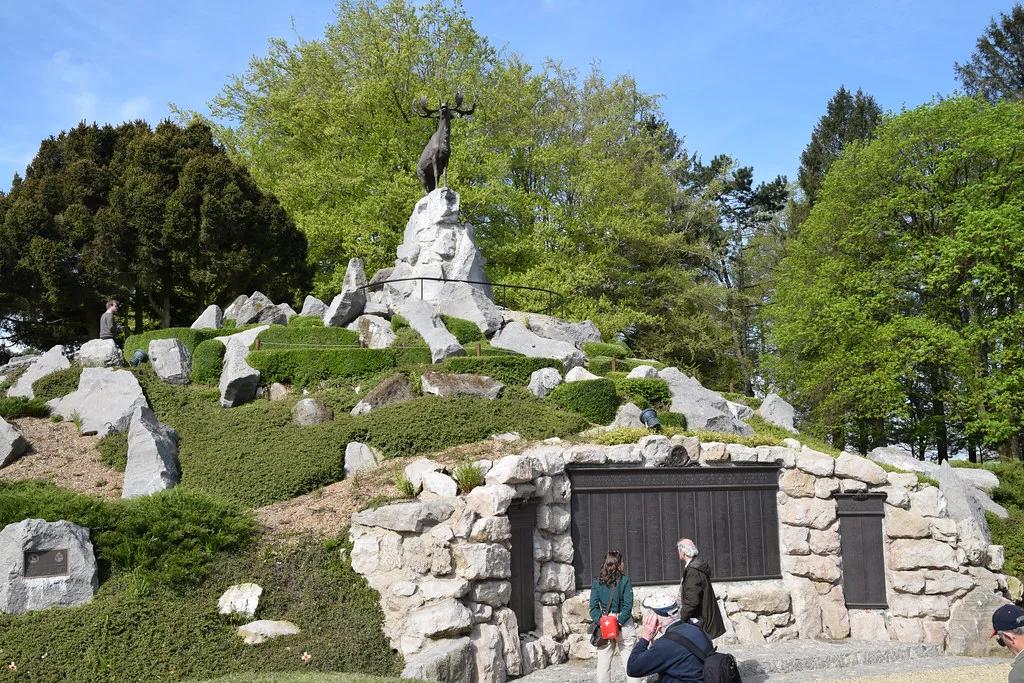
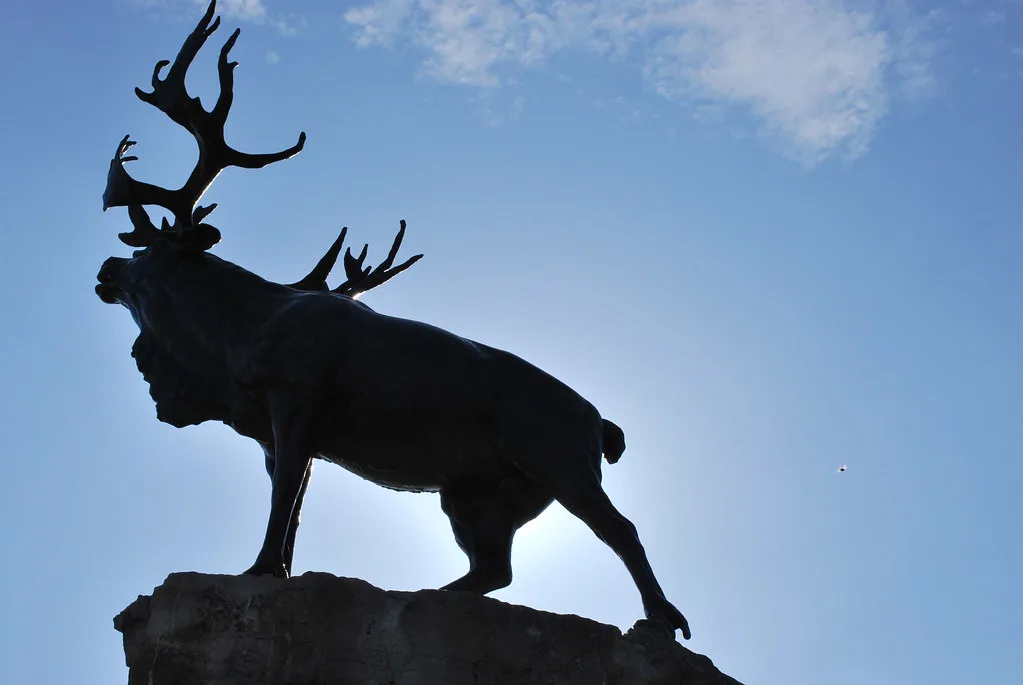
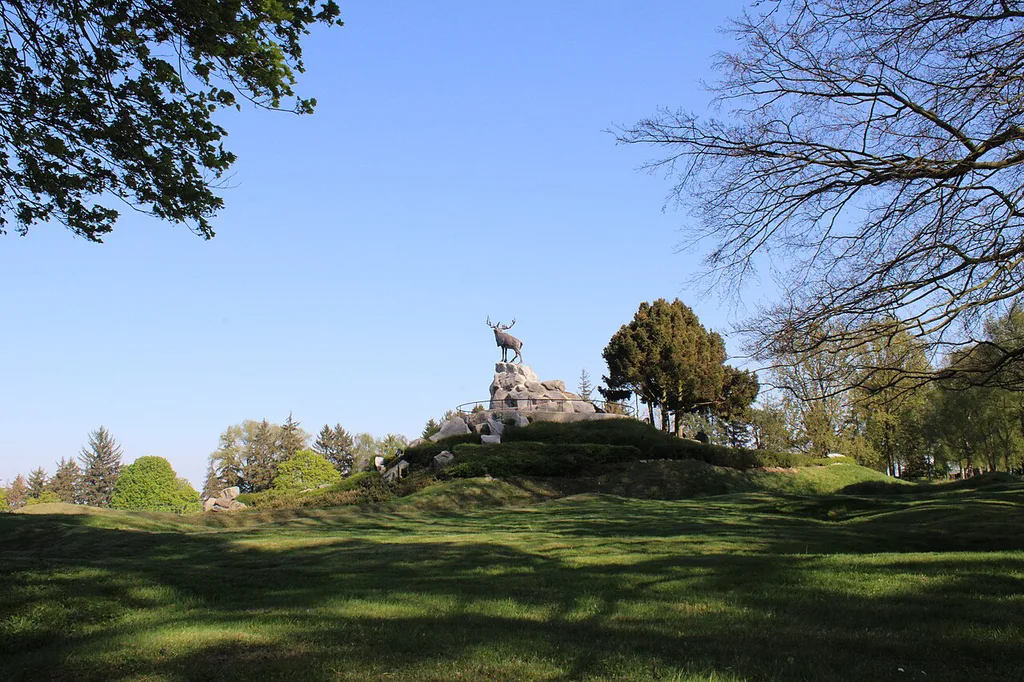
- Caribou memorial: the bronze caribou, the regiment's symbol, stands on a cairn and gives the best view across the ground.
- Preserved trenches and craters: grass-covered now, but the zig-zag lines are still easy to trace.
- Danger Tree: a marker on the open ground where the advance was at its most exposed.
- Y Ravine Cemetery: set in what was once No Man's Land, with a short walk between headstones.
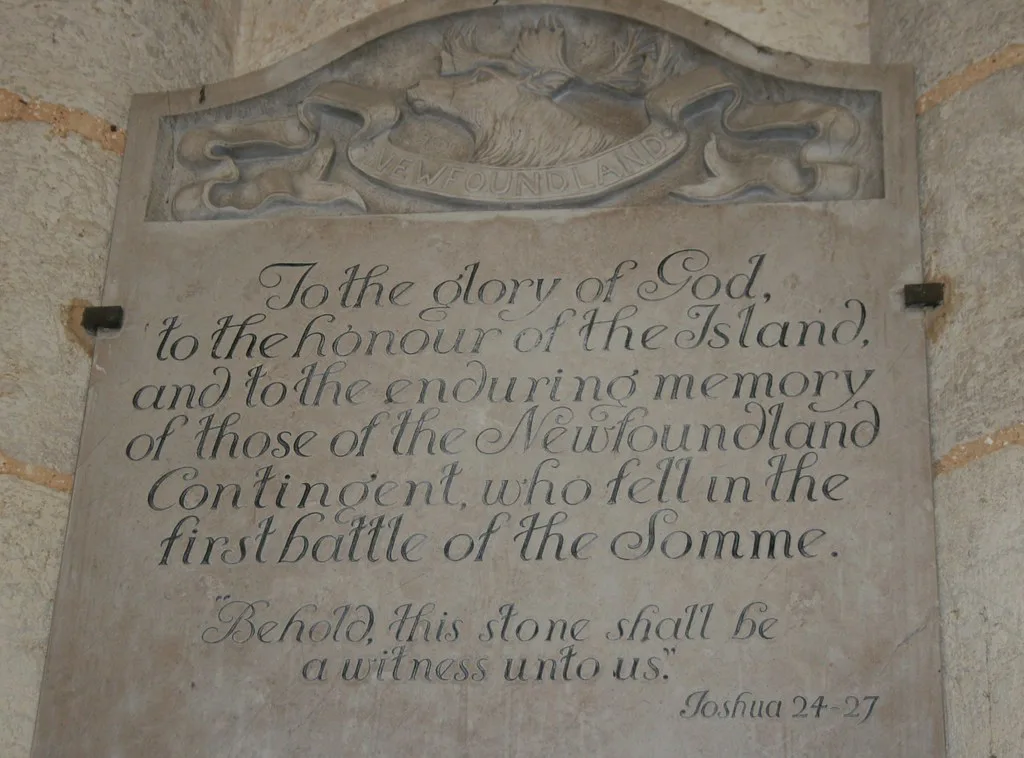
- Memorial plaque: it lists Newfoundlanders with no known graves.
Opening hours, entry and the visitor centre
We have no confirmed hours, entry terms or visitor-centre status to quote for 2026. Check the Veterans Affairs Canada page for the memorial before you travel, and treat any older guide as out of date.
How to get to Beaumont-Hamel
There is no regular public transport, so a car is the simplest option. Use the official address or GPS coordinates rather than a place name, because the site is reached by narrow country lanes. Albert is the usual base for a drive. Our Somme day trip from Amiens covers that starting point. If you would rather not drive, a guided tour or taxi works, and our Somme Battlefield Tours: Which Format and Route Fit You guide compares the options. Somme Tourisme lists local transport and tour options. Confirm the current parking arrangement on the official page.
How long to spend and when to go
Allow one to two hours, which is our estimate. A complete circuit that includes the cemeteries takes longer than a roadside stop. Paths cross grass and can be muddy after rain, so wear sturdy footwear. Dates around 1 July bring remembrance events and likely larger crowds. Visit outside those days for a quieter walk.
Beaumont-Hamel compared with nearby Somme sites
Each site tells a different part of the 1916 story. We rate Beaumont-Hamel highest for the landscape itself. Combine it with one other stop rather than trying all five.
| Site | What you see | Story | Walking effort | Indoor or outdoor |
|---|---|---|---|---|
| Beaumont-Hamel | Preserved trenches, craters, caribou memorial, cemeteries | Newfoundland | Moderate, on grass paths | Mostly outdoor |
| Thiepval Memorial: Visitor Guide to the Somme Memorial to the Missing | Large memorial to the missing | British and South African, with French | Light | Outdoor, with exhibits |
| Lochnagar Crater: Visiting Guide, History & Tips | Huge mine crater | British | Light | Outdoor |
| Ulster Tower, Thiepval: Visiting Guide And Practical Tips | Memorial tower | Ulster Division | Light | Outdoor, with a small interior |
| Delville Wood Visitor Guide: History, Access and Tips | Wooded memorial site | South African | Moderate | Outdoor |
Combining sites and bad-weather options
For a half day, pair Beaumont-Hamel with the nearby Ulster Tower, and check the distance on a map first. For a full day, follow our Circuit of Remembrance Somme: Route, Time & Stops. In heavy rain, the indoor Historial museum in Péronne is a sound fallback, and its official site is at historial.fr.
Etiquette, safety and mistakes to avoid
Stay on the marked paths, where fences keep visitors off the open ground. Unexploded ordnance remains a risk on battlefields, so follow the official guidance. Treat the graves quietly and respectfully. Keep children close near the trenches and craters.
- Skipping a check on whether the visitor centre is open.
- Wearing smooth-soled shoes on muddy grass.
- Leaving the path for a better photograph.
- Treating it as a five-minute roadside stop.
- Planning only this one site for a Somme day.
Where to base yourself
Albert and Amiens are our two suggestions for beds and meals. Albert is closer to the battlefields, while Amiens offers more choice. Check lodging details with the Amiens tourism office.
Frequently Asked Questions
What happened in Beaumont-Hamel?
On 1 July 1916, the first day of the Somme, the Newfoundland Regiment attacked at 9:15 a.m. The assault lasted about 30 minutes, and the regiment was all but wiped out.
Why is Beaumont-Hamel important to Newfoundland?
It was the regiment's first major engagement and its heaviest loss. The site has since become a Newfoundland symbol of sacrifice and a source of identity.
Keep planning
Guides on the same trip





