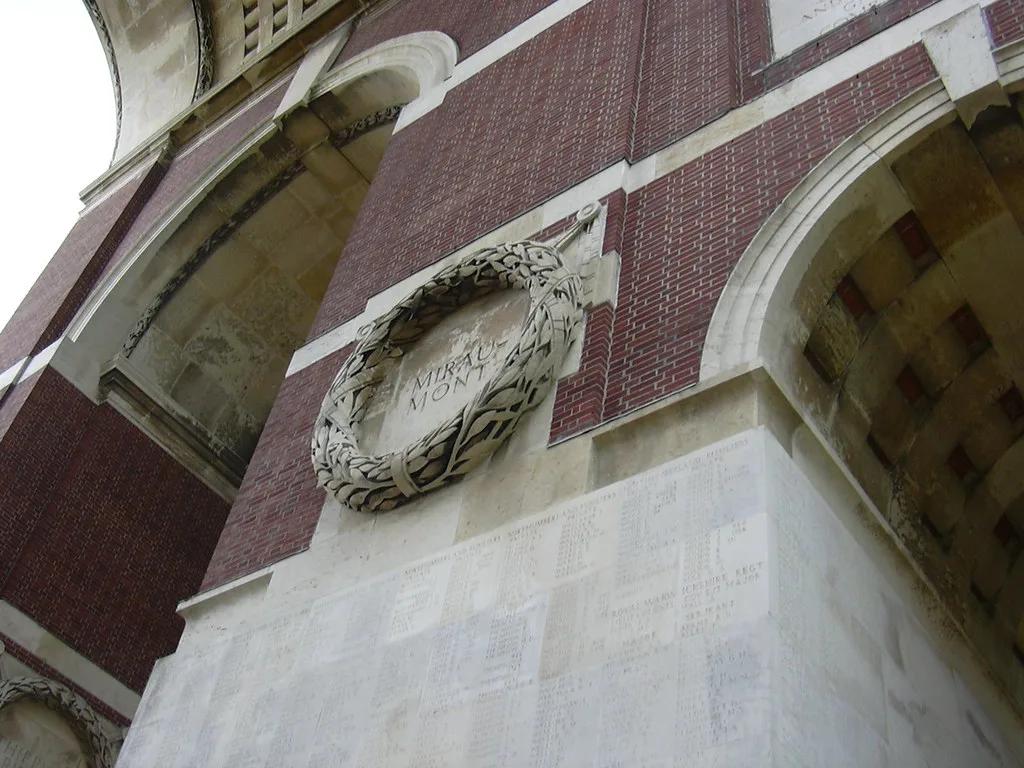
Laying a Wreath at a War Grave: A Visitor's Guide
How to approach laying a wreath at a Commonwealth war grave: what to bring, when to make contact, group or solo tributes, and respectful etiquette.
In this guide
Last updated November 2026: laying a wreath or flowers at a Commonwealth war grave is usually possible during an ordinary, quiet visit. Rules on size, type and arrangements can vary by site, so contact whoever operates it before any large or formal ceremony. This guide covers individuals, families and small groups visiting 6 Commonwealth War Graves Sites in France to Visit First and memorials in Europe.
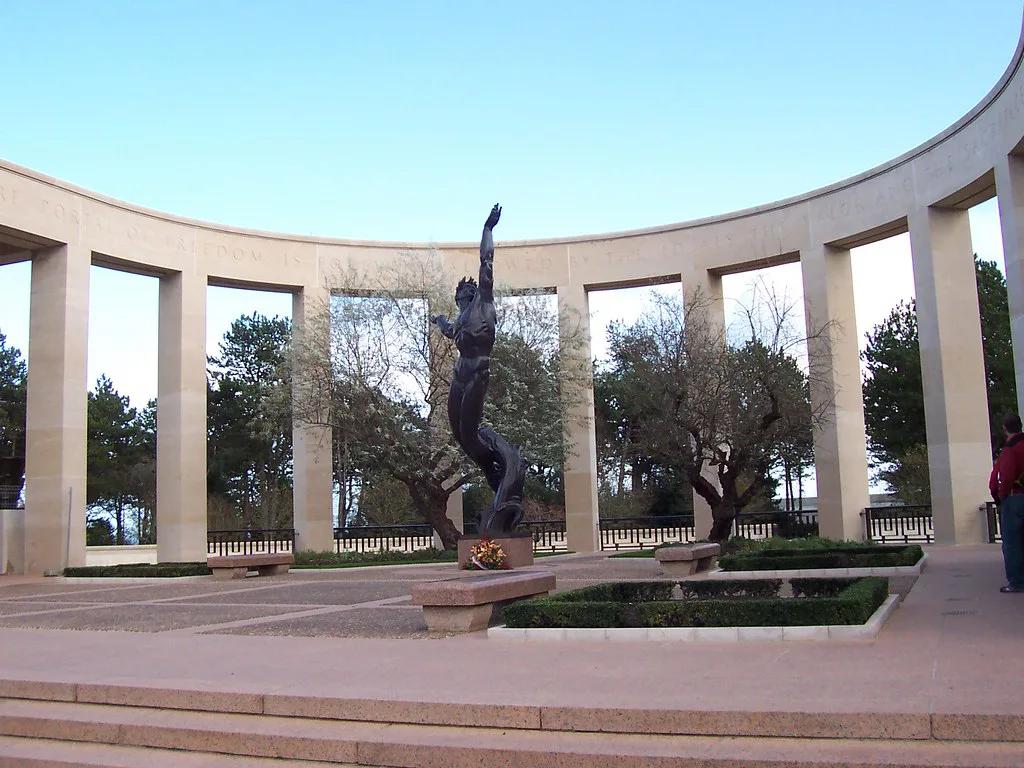
Featured image: 54,000 photos uploaded, CC BY-SA 2.0, via Flickr.
Can you lay a wreath at a war grave?
Usually, yes: a personal tribute can be a wreath, a few flowers or a small poppy cross. No single answer on size or materials should be assumed for every location. For a Commonwealth War Graves Commission (CWGC) site, treat the Commission's current guidance as your starting point.
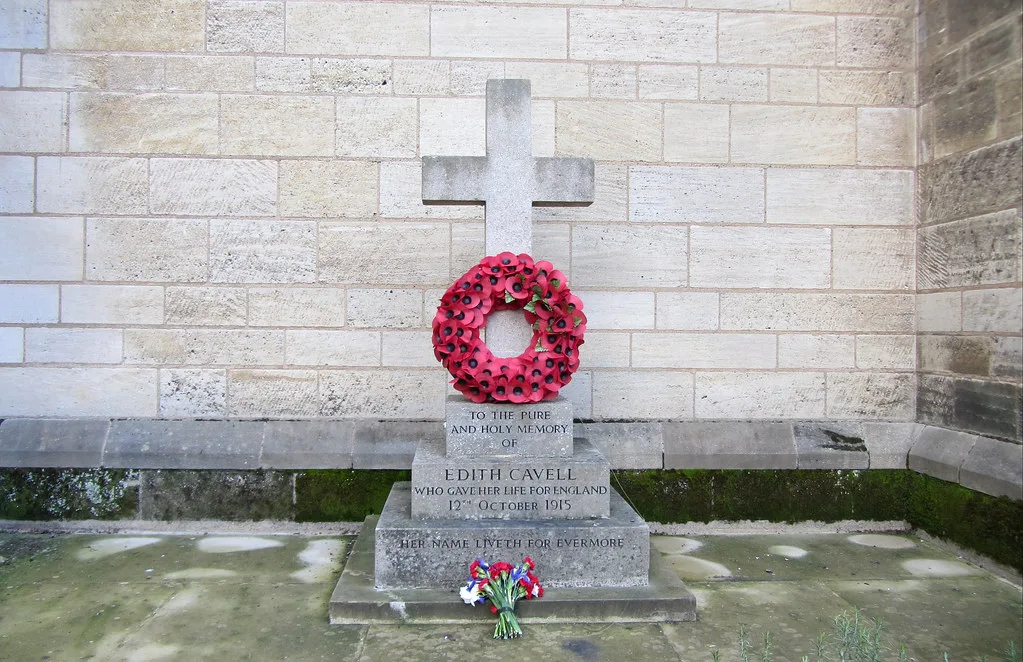
Setting matters too. Your destination may be a standalone war cemetery, a group of graves in a village churchyard or a memorial bearing names. Churchyards and memorials can have local arrangements or customs of their own. Follow posted notices, and ask the CWGC or the site operator about anything they do not cover. National war cemeteries outside the Commission's care may set different rules.
Before you go: find the grave and check the rules
Start with the person, then plan the tribute. Our guide shows how to search CWGC war dead records. Match the name with other details your family holds, such as service number, regiment or date of death. Note whether the record points to a grave or to a name on a memorial, along with any plot or panel reference.
Travelling across the Channel? Our overview of Commonwealth graves in France can help you place the site within a wider trip. Before ordering anything, work through this short list. Prices and opening arrangements are best taken directly from your chosen florist and site operator.
- Grave or memorial located, with its full name and the plot or panel reference
- Current tribute guidance read, including anything on size, materials or fixings
- Visit type settled: individual, small group or formal ceremony
- Season, weather and daylight considered
- Transport planned in both directions
What to bring, and what to leave at home
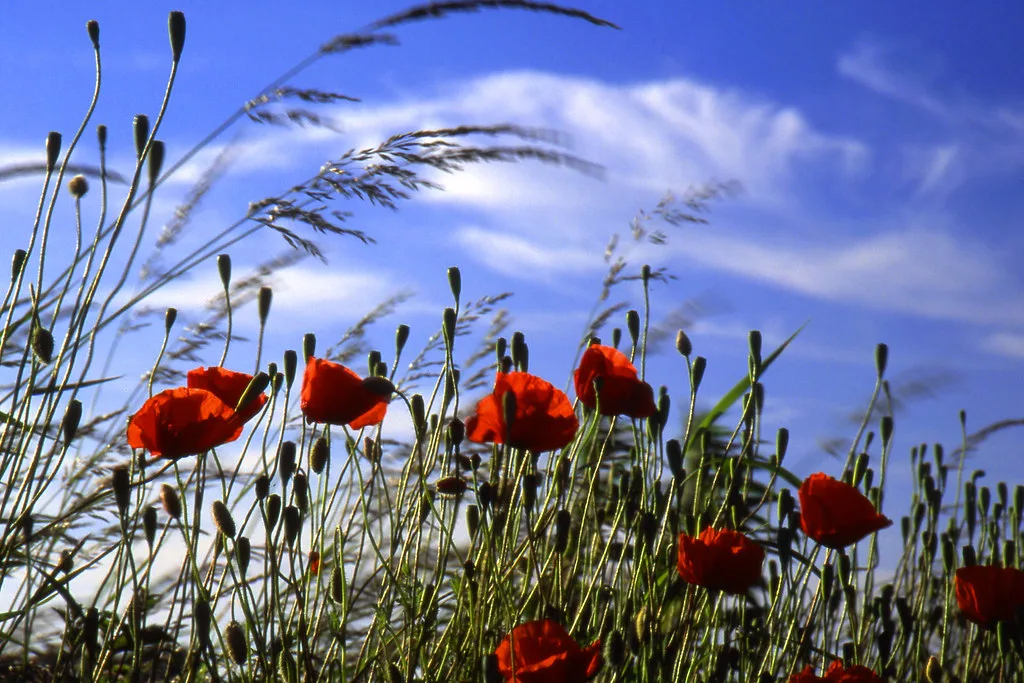
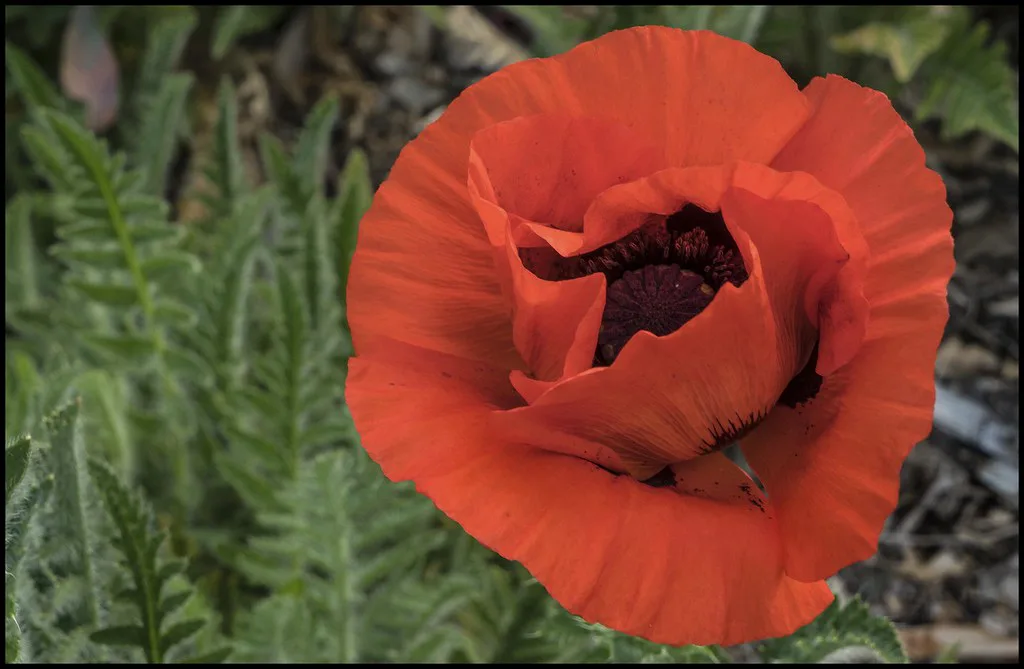
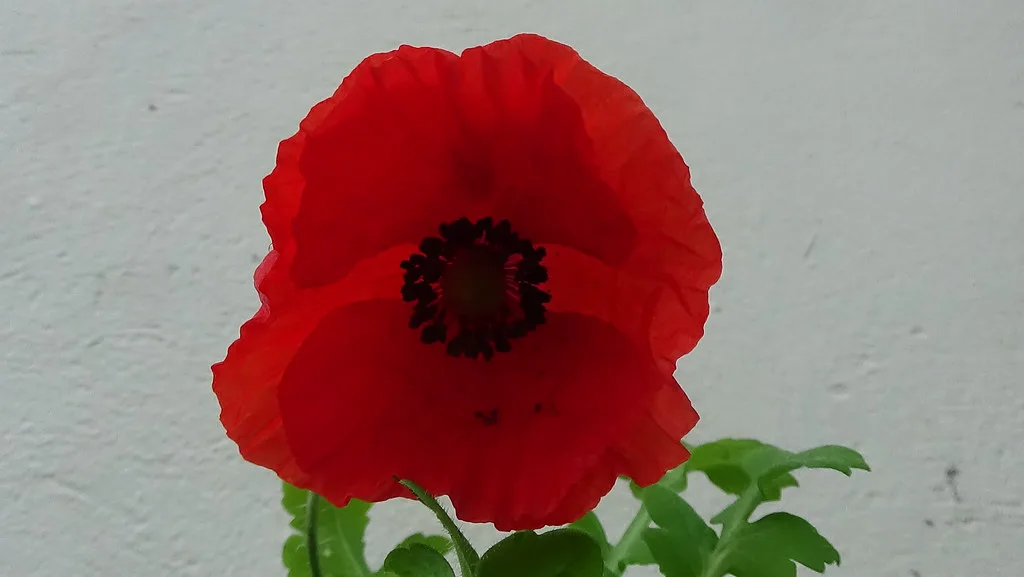
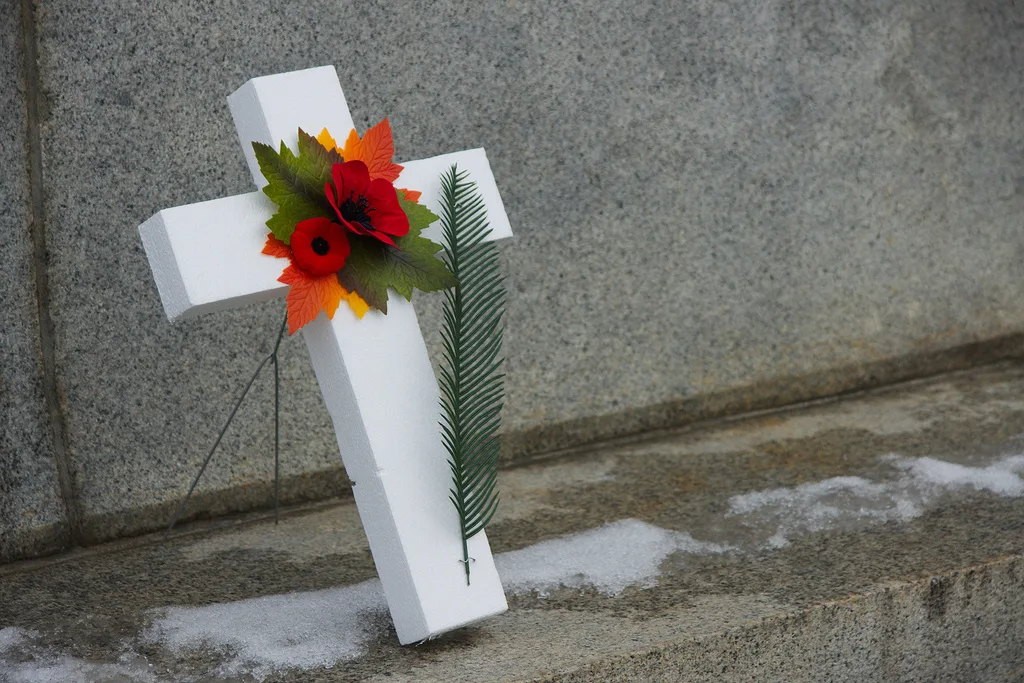
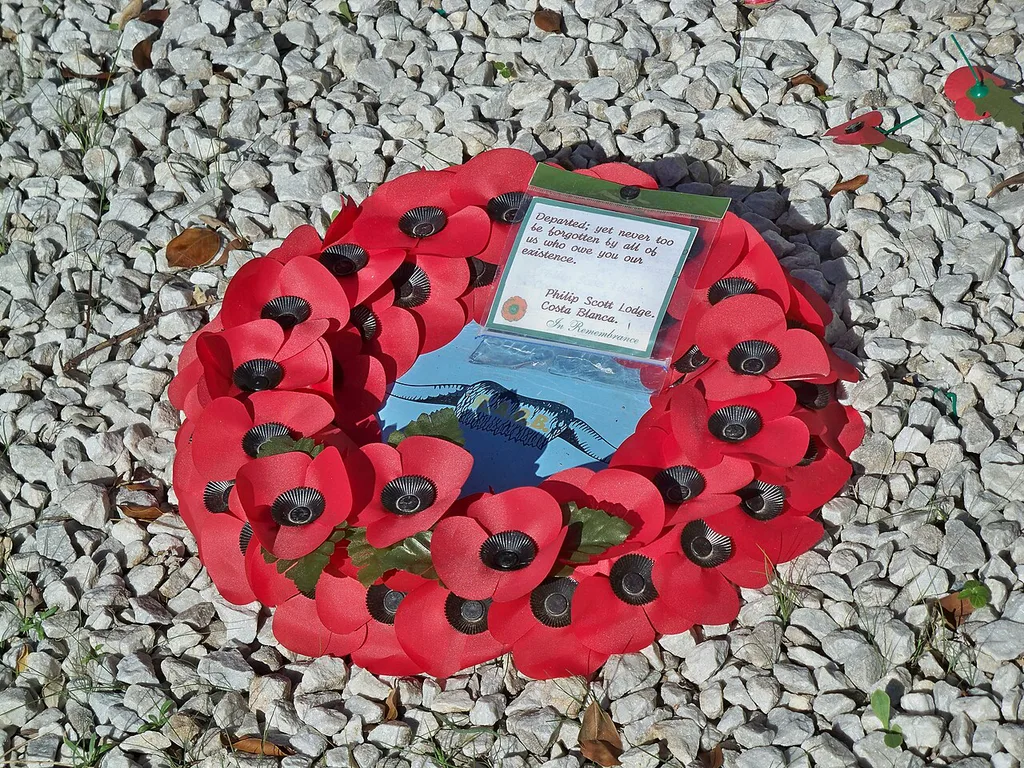
Choose a modest tribute that one person can carry and place without tools. Fresh flowers suit a private visit, while a poppy wreath or poppy cross carries a clear association with remembrance. You can leave a poppy cross as your tribute where the site's rules permit it. For UK poppy tributes, the Royal British Legion is a natural organisation to consult.
Add a short card if you wish, with the person's name, your connection and a brief message. Write in weather-resistant ink and keep private family details off it, since other visitors may read it. Ask about plastic, wire, glass, candles and flags before packing them. Do not expect a tribute to stay in place indefinitely, so photograph it if your family wants a record.
- Bring: a compact wreath, flowers or a poppy cross, plus an optional card
- Bring: the grave or panel reference and footwear suited to wet grass
- Leave behind unless the operator agrees: stakes, adhesives, fixed frames and bulky displays
- Take home: wrapping, ties, florist packaging and other litter
How to lay a wreath respectfully
No elaborate protocol is needed for a private tribute. Walk calmly to the headstone or memorial, using paths and access routes where provided. Set your wreath or flowers gently at the foot of the grave without covering the inscription. Avoid pressing anything into planting or attaching it to the stone.
At a memorial, look for an area already used for tributes and leave names and steps clear. Step back and pause for a moment of silence. You might read the name aloud softly, say a prayer or simply stand quietly. Other people may be mourning nearby, so give them space.
Take photographs discreetly after checking any posted rules. Ask before including other visitors, and keep poses and gestures restrained. Leave existing flowers, crosses and cards where they are, even if yours would fit better in their place.
Individual visit, small group or formal ceremony?
An informal tribute is a quiet act that fits around other visitors. Planned elements such as speakers, music, a standard bearer, invited guests, media or reserved space move a visit towards a formal ceremony. No universal headcount or notice period should be assumed. Contact the operator early if you are unsure, and wait for a reply before inviting people or booking coaches.
School and veterans' groups should name one organiser. Send that person's contact details, the proposed date, expected numbers and a simple running order. Mention mobility needs and vehicles. For an overseas site, ask the CWGC which office or local contact should handle the request. In a churchyard or at a locally managed memorial, also ask who else needs to agree.
| Visit type | Notice needed | Who to contact | What to expect | Who it suits |
|---|---|---|---|---|
| Individual or family tribute | Usually none for a quiet, ordinary visit; site rules still apply | Site operator if you have a question | A brief placement and silent pause, shared space | One visitor or a few relatives |
| Small group | Ask in advance, especially with a reading or large vehicle | CWGC or site operator | A short, low-key visit that keeps paths open | Relatives, friends or a small study group |
| Formal ceremony | Contact in advance and allow time for a reply | CWGC or site operator, plus any local party they identify | An agreed running order, with possible limits on equipment or timing | Schools, veterans' bodies and organised delegations |
Timing, access and getting there
Any meaningful date can suit a private tribute, such as a relative's birthday or the anniversary of a death. Remembrance Day has a strong association with poppies, but organised events may affect access or space. Spring and summer generally offer longer daylight, while autumn and winter call for more care with rain, mud and early dusk.
Access can differ sharply between a churchyard, a rural cemetery and an urban memorial. Check entry arrangements, steps, gates, ground conditions and parking for your exact destination. A car can simplify a rural visit. With public transport, plan the final walk and return journey, and arrange any taxi pickup beforehand.
Visitors heading to northern France can use Somme Tourism for local travel planning. Large sites may require extra time to find a plot or panel. Our list of the Largest Commonwealth War Cemeteries in Europe helps you identify some of them.
Mistakes to avoid when laying a wreath at a war cemetery
Most problems can be prevented before the journey. Keep these points in view, particularly when several people are travelling together.
- Arriving unannounced with a large group or ceremony equipment
- Buying an oversized arrangement before reading the site's guidance
- Using unapproved fixings, or leaving packaging behind
- Moving, rearranging or removing another person's tribute
- Standing or sitting on graves, headstones or memorial features
- Blocking paths, speaking loudly or using amplified sound without permission
- Assuming one cemetery's arrangements apply everywhere
Where to go next
National research can help you connect one grave with other places in a family story. Canadian families can explore Canada's European war sites. Australian visitors have a separate guide to Australian wartime places in Europe. New Zealanders can browse New Zealand remembrance sites. Families tracing Indian service can start with Indian memorials across Europe. Whichever route you follow, settle the exact commemoration site before ordering flowers.
Frequently Asked Questions
What is the laying of a wreath?
It is an act of respect in which a wreath is placed at a grave or memorial to remember those who died. At a war grave, it can be a silent personal gesture or part of an organised ceremony.
What to wear to a wreath laying ceremony?
Follow the organiser's dress guidance where one is given. Otherwise, choose neat, restrained clothing, with weather layers and shoes that can cope with grass or uneven ground.
Keep planning
Guides on the same trip