U-Boat Pens: What They Were and Where to Visit
What U-boat pens were and where to start a visit, from Lorient's Keroman base to Saint-Nazaire, plus how to compare access and plan your trip.
In this guide
Last updated November 2026: U-boat pens were protected bunkers built to shelter and service German submarines. To visit them in France, start with Lorient's Keroman base, where the local tourism office runs tours, or with Saint-Nazaire's submarine base. Access differs between sites and even between parts of one base, so plan around the exact area you want to see.
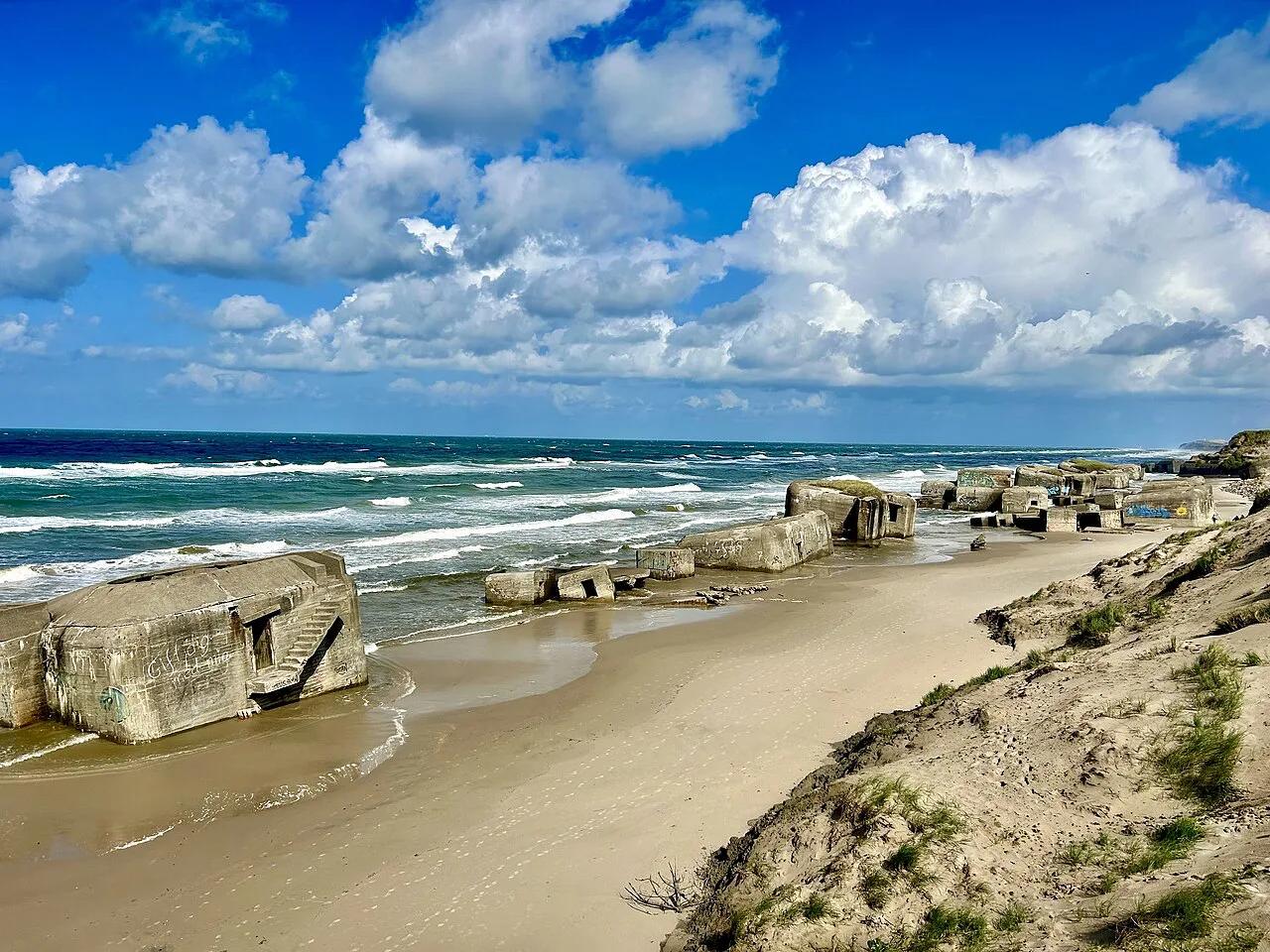
Featured image: Ricola~commonswiki, Public domain, via Wikimedia Commons.
What Were U-Boat Pens For?
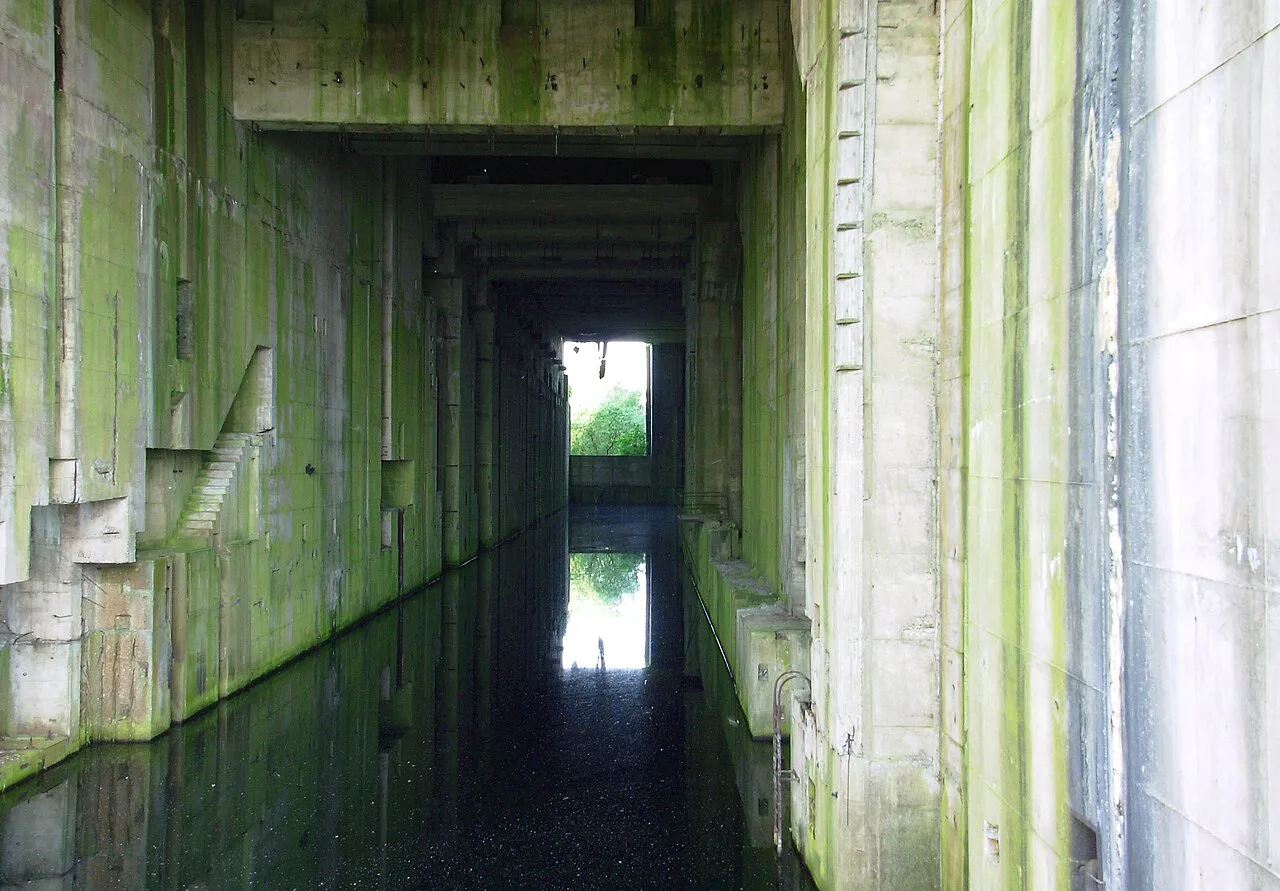
A pen gave a German submarine, or U-boat, a protected place while it was out of open water. Shelter was one part of the job, and servicing was the other. Crews and dock workers needed somewhere to maintain a boat between periods at sea.
That double role helps you read a surviving base. Think of it as a working naval facility with heavy cover, rather than simply a place to hide. As you look around, ask how boats arrived, where they were berthed and which spaces supported repair work. A guide or site display may answer those questions for the building in front of you.
Wartime coastal defences provide wider context, and our guide to the Atlantic Wall is the place to continue. A submarine base and a coastal gun position did different jobs. Don't assume that every pen formally belonged to that defence system.
How Were They Built, and Who Built Them?
Treat construction as a separate story at each base. Design, building stages and wartime damage at one site shouldn't be used to describe another.
Labour belongs at the centre of that story. Look for the site's own account of who did the building work and under what conditions. In particular, see whether it documents forced labour or concentration camp prisoners. Where people suffered or died during construction, approach the structure as a place connected with their loss, as well as a piece of engineering.
Surrounding towns matter too. Ask what the base's wartime presence meant for residents, streets and the harbour. Heritage displays, municipal archives and memorial institutions are stronger places to follow those questions than captions on shared photos or videos.
Follow any visitor conduct rules published for the site. At places of remembrance, keep voices low and consider whether a photograph is appropriate.
Surviving U-Boat Pens Compared
A standing structure isn't automatically open to visitors. Exterior viewing, self-guided entry, guided visits and museum use are different kinds of access. Some parts of a harbour structure may also be restricted. Use this short selection to decide what to research next; it isn't a complete survey. “Unconfirmed” doesn't mean free, open or accessible.
| Site | Starting point | Access and booking | Best fit | Main limitation |
|---|---|---|---|---|
| Lorient, France | Keroman base, including Keroman III and the Cité de la Voile Éric Tabarly area | Local tourism office runs tours; booking terms and areas covered unconfirmed here | Readers who want a tour option | Access to every part of the base should not be assumed |
| Saint-Nazaire, France | Submarine base | Interior areas, tour format and booking unconfirmed here | Readers building a visit around Saint-Nazaire | Check which spaces your visit includes |
| Bunker Valentin, Germany | Separate case from the French bases | Current access and booking unconfirmed here | Readers comparing different submarine-related bunkers | Should not be treated as interchangeable with an operational pen |
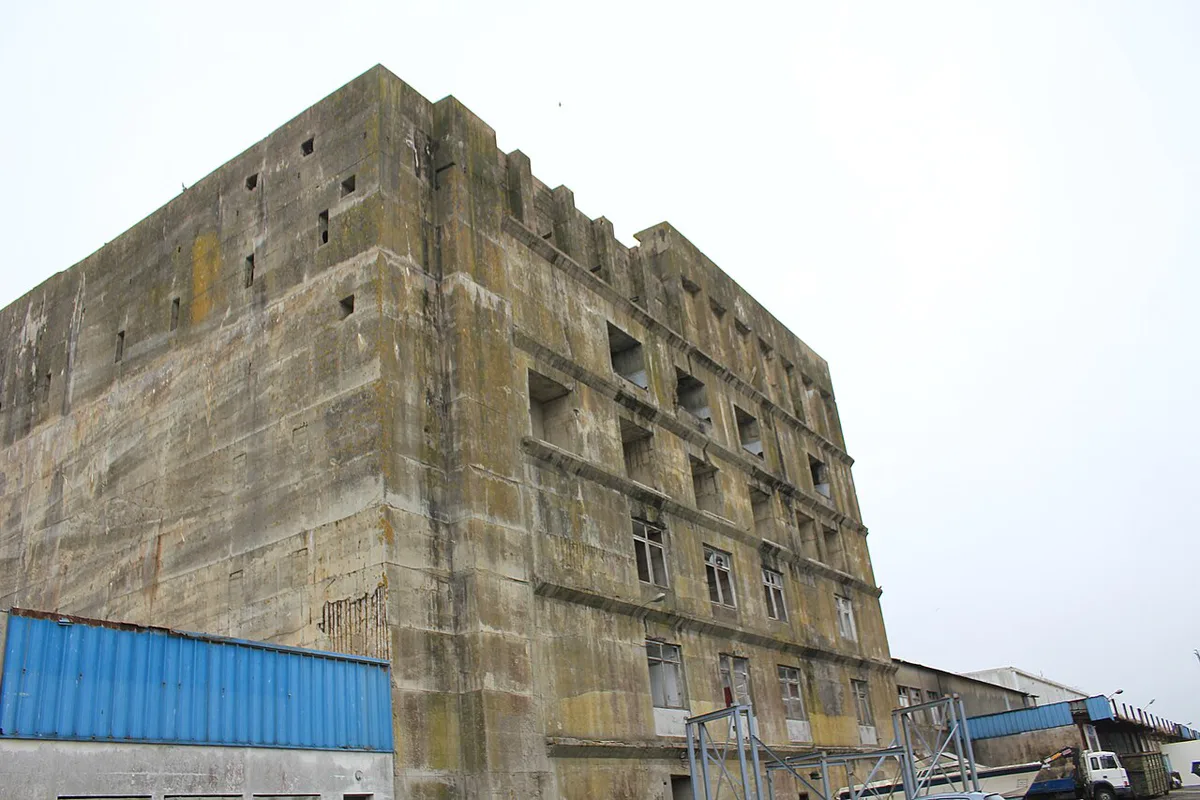
U-Boat Pens in France: Lorient and Saint-Nazaire
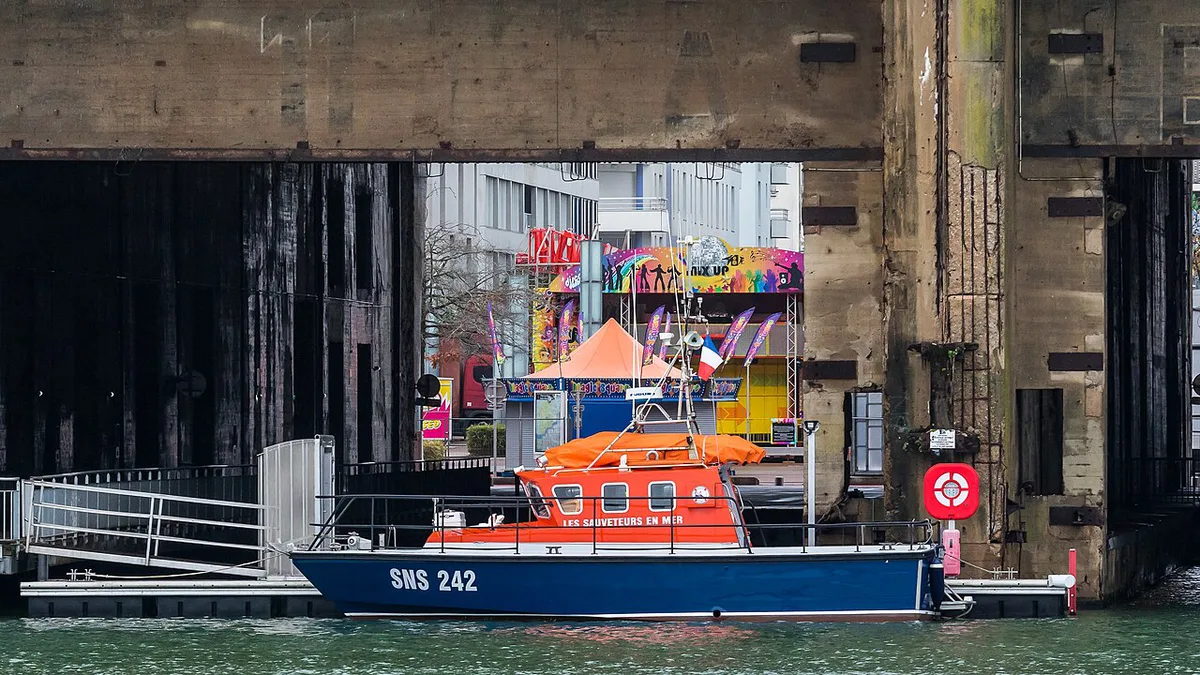
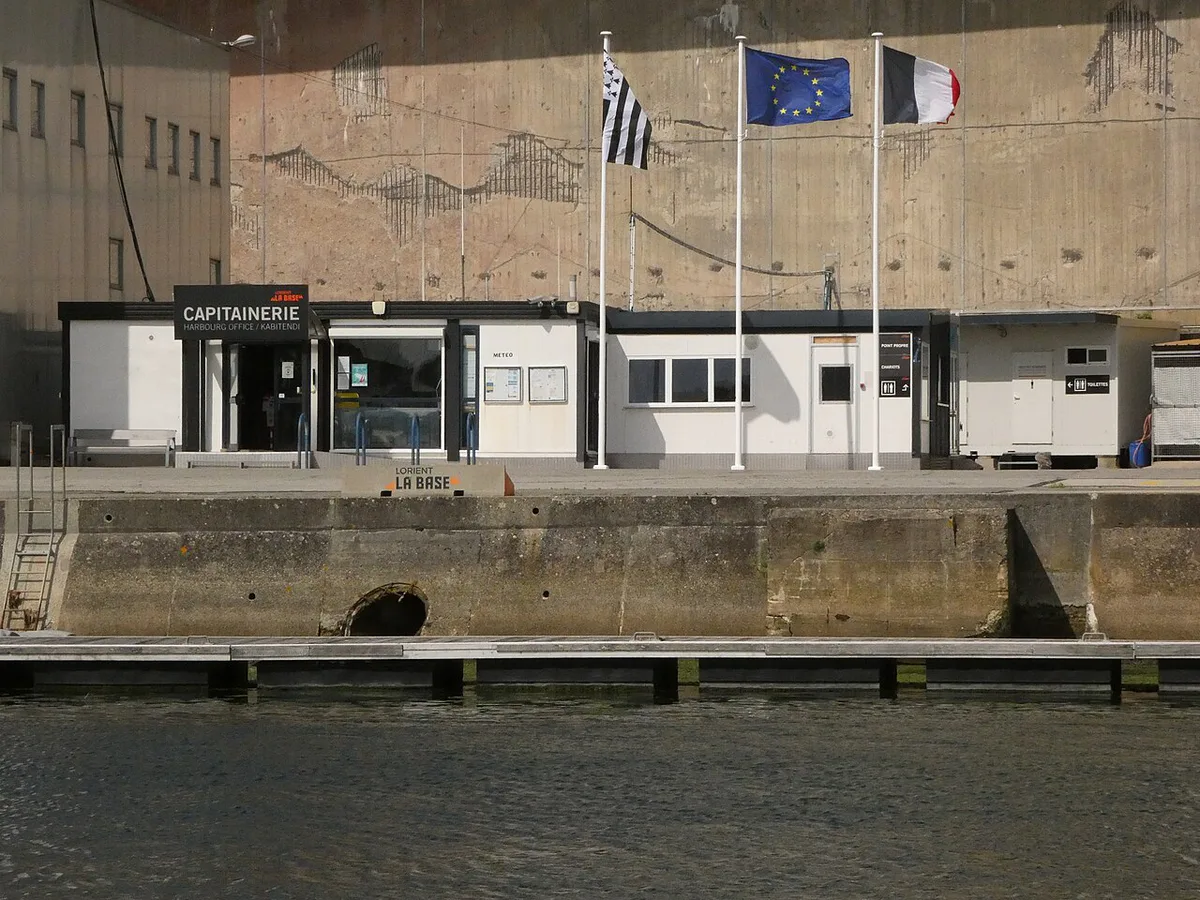
Lorient is the clearer starting point if you want a tour. At the Keroman base, focus your planning on Keroman III and the area around the Cité de la Voile Éric Tabarly. Tours are run by the local tourism office. Before choosing one, find out which structure it enters, what stays outside the route and which language the guide uses. A visit elsewhere in the area shouldn't be assumed to include Keroman III.
Saint-Nazaire's submarine base is the other French choice to put on your shortlist. Use Saint-Nazaire Tourisme as your starting point for local visit information. Look separately for access to the building, any interior displays and any guided programme. Seeing the exterior and entering a particular space may involve different arrangements.
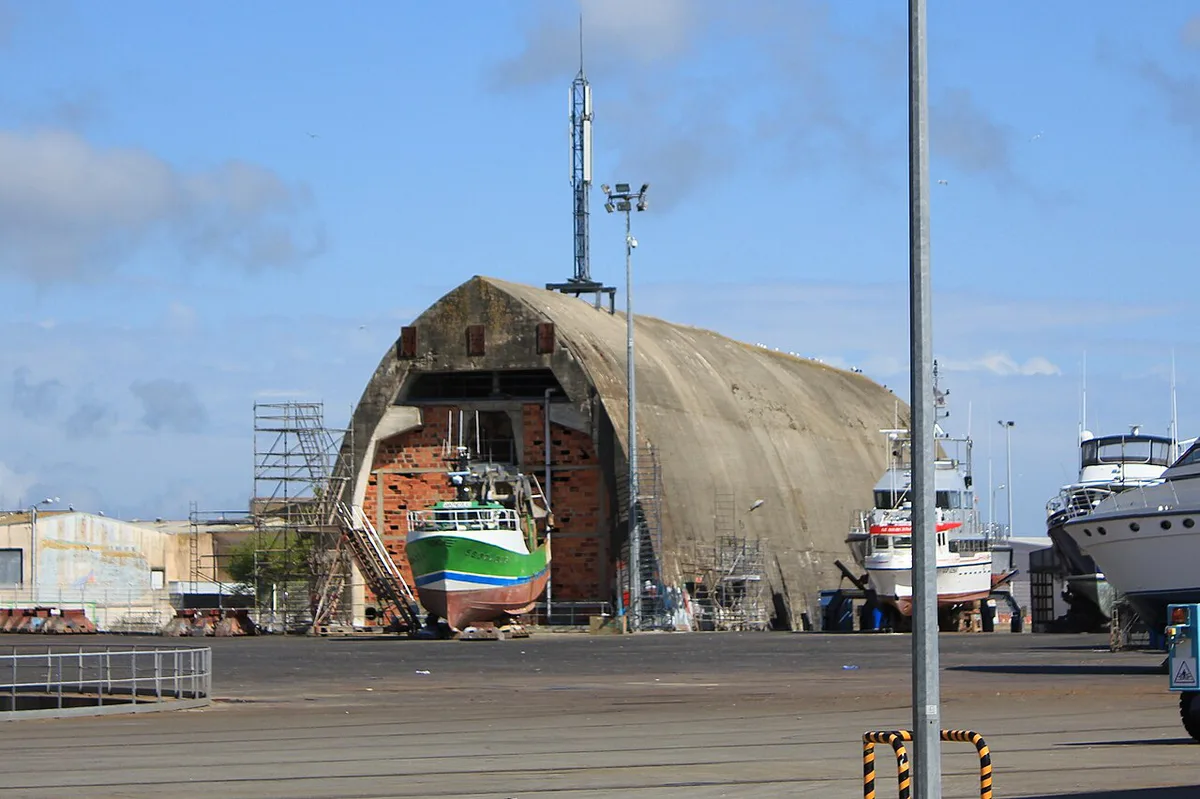
To extend your route along the coast, browse our French Atlantic Wall sites. Check the geography before combining stops, because sharing a wartime theme doesn't make two places an easy day together.
Bunker Valentin and Sites Beyond France
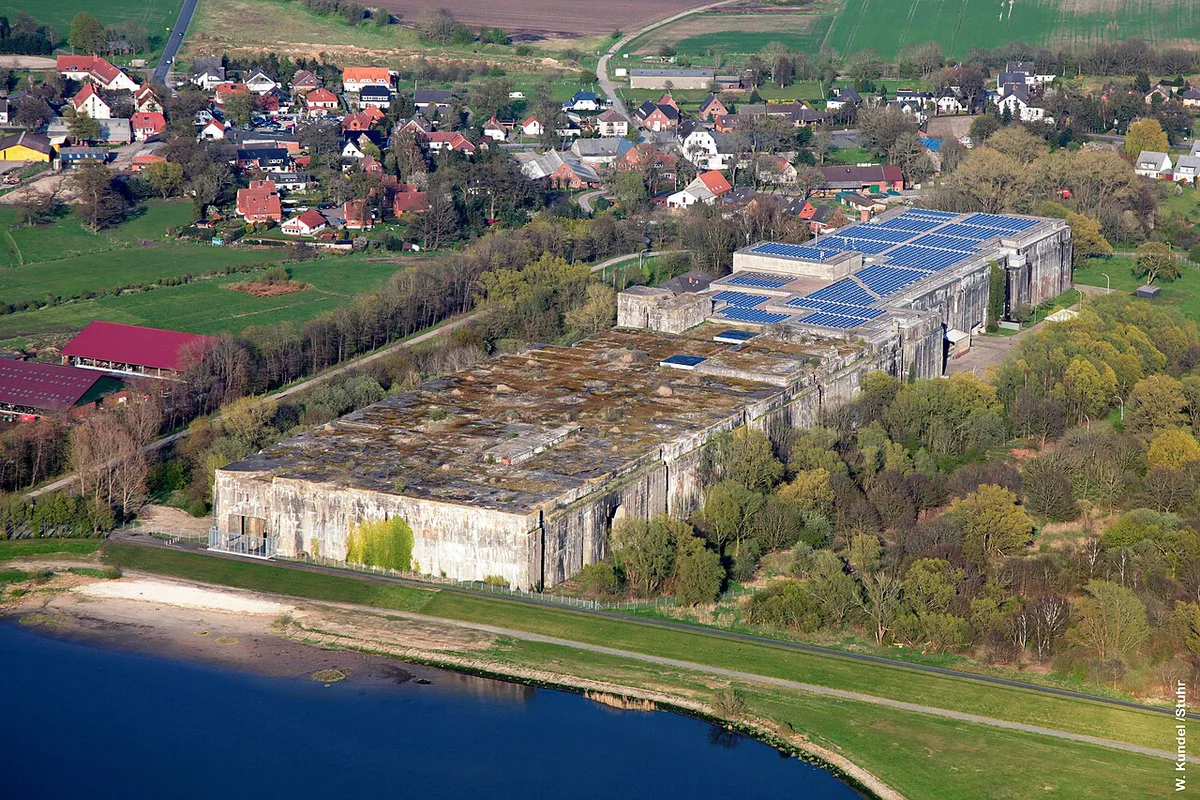
Bunker Valentin in Germany needs its own explanation. Before comparing it with Lorient or Saint-Nazaire, establish its intended wartime function and how far construction progressed. Its labour history and present use also deserve separate attention. A large concrete shell connected with submarines shouldn't automatically be read as an operating pen. Continue with our Bunker Valentin guide when planning around that site.
Elsewhere in Europe, apply the same tests to any structure described as a U-boat bunker. Establish whether you're looking at an intact building, partial remains, unfinished work or the location of something demolished. Then identify its current use. Military or commercial activity can limit where you may go.
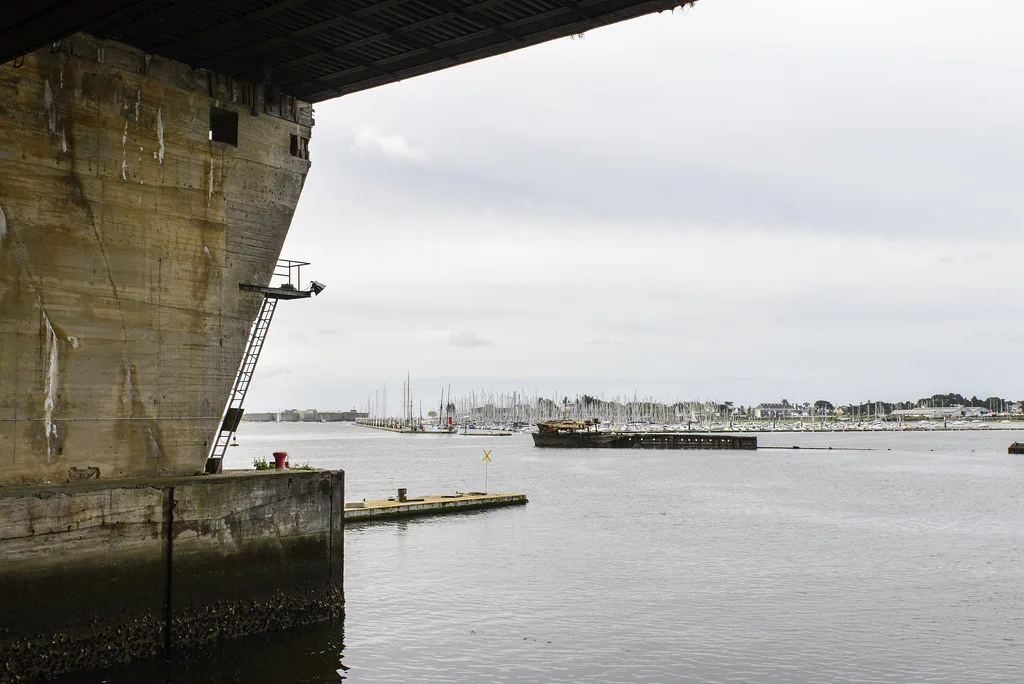
Other wartime structures can broaden a trip, but they aren't substitutes for submarine pens. For a Danish coastal defence subject, read about Hanstholm Bunker Museum: What to See and Visitor Guide. Missile and secret-weapon history has its own set of V-weapon sites. Anti-aircraft architecture is covered through wartime flak towers.
Which U-Boat Pens Should You Visit?
Choose by the experience you need, then match it to confirmed access. No single base suits every reader, and building size alone won't tell you how much you can see.
- Tour-focused visit: begin with Lorient's Keroman base and match the tour route to the areas you most want to see.
- Saint-Nazaire itinerary: consider its submarine base, after identifying which parts you can reach during your visit.
- Submarine history: favour a visit with clear interpretation of how boats were sheltered and serviced.
- Large-scale architecture: an exterior stop may be enough if you don't need interior access.
- Interior access essential: investigate Lorient's tours first, and travel only once the included spaces meet your needs.
- Comparison across types: research Bunker Valentin separately instead of treating it as a duplicate of the French bases.
- More bunker choices: compare other WW2 bunkers open to visitors.
Costs, Access and How Long to Allow
Budget admission, guided tours and transport as separate costs. Get current charges from Lorient's local tourism office or the operator of your chosen site; a guided visit and an outside view may not cost the same.
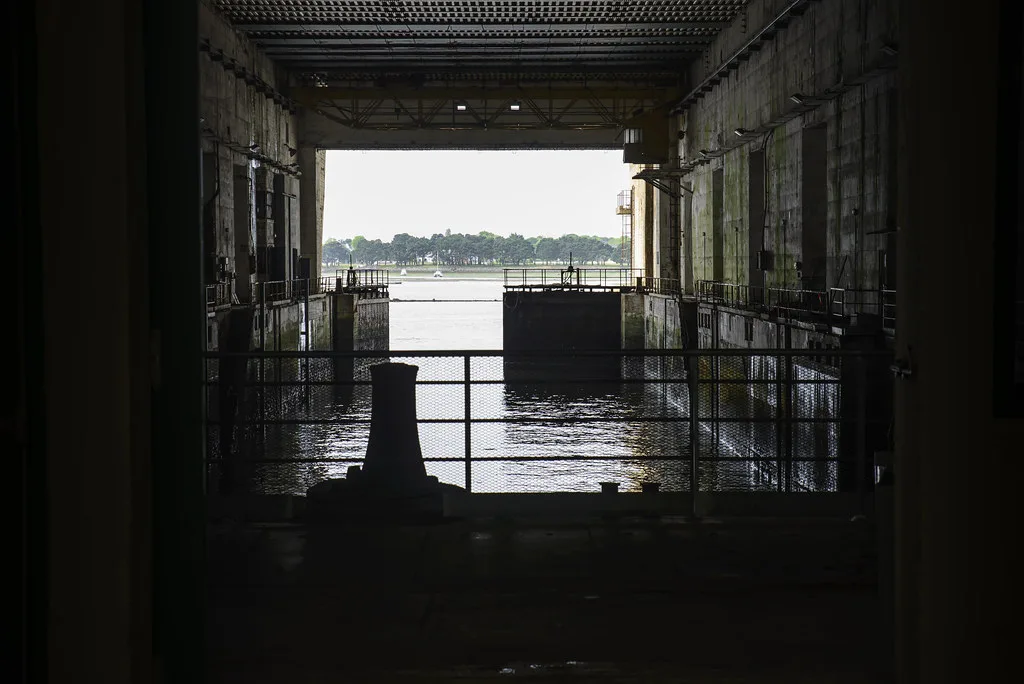
A detour makes most sense when the available access matches your interest. If you only want to see the structure's scale, a shorter exterior stop may fit a wider route. For interpretation or interior spaces, arrange the day around the confirmed visit. Compare public transport with driving using your actual arrival point, final walk and return journey. Skip a dedicated trip if entry is essential but remains unconfirmed.
- Date and access: match opening arrangements to your travel day, including seasonal or weather restrictions.
- Tour: note booking rules, meeting point, guide language and spaces included.
- Mobility: ask about steps, uneven or wet surfaces, seating, toilets and step-free routes.
- Conditions: find out about lighting, temperature and any clothing or footwear rules.
- Transport: plan the final leg and your return before booking a timed visit.
- Boundaries: stay out of closed, military, commercial or otherwise restricted areas, even if an entrance looks open.
- Submarine displays: treat any museum submarine as a separate item until its location and ticket coverage are clear.
Frequently Asked Questions
Do Germans still call submarines U-boats?
German speakers use the word U-Boot, short for Unterseeboot, meaning an undersea boat. It can refer to submarines generally. In English, U-boat usually means a German submarine, especially in the context of the world wars.
Keep planning
Guides on the same trip