V2 Rocket Sites in Europe: Where to Visit
Compare V2 rocket sites in Europe by wartime role. Start with northern France, then see how German history and English impact locations differ.
In this guide
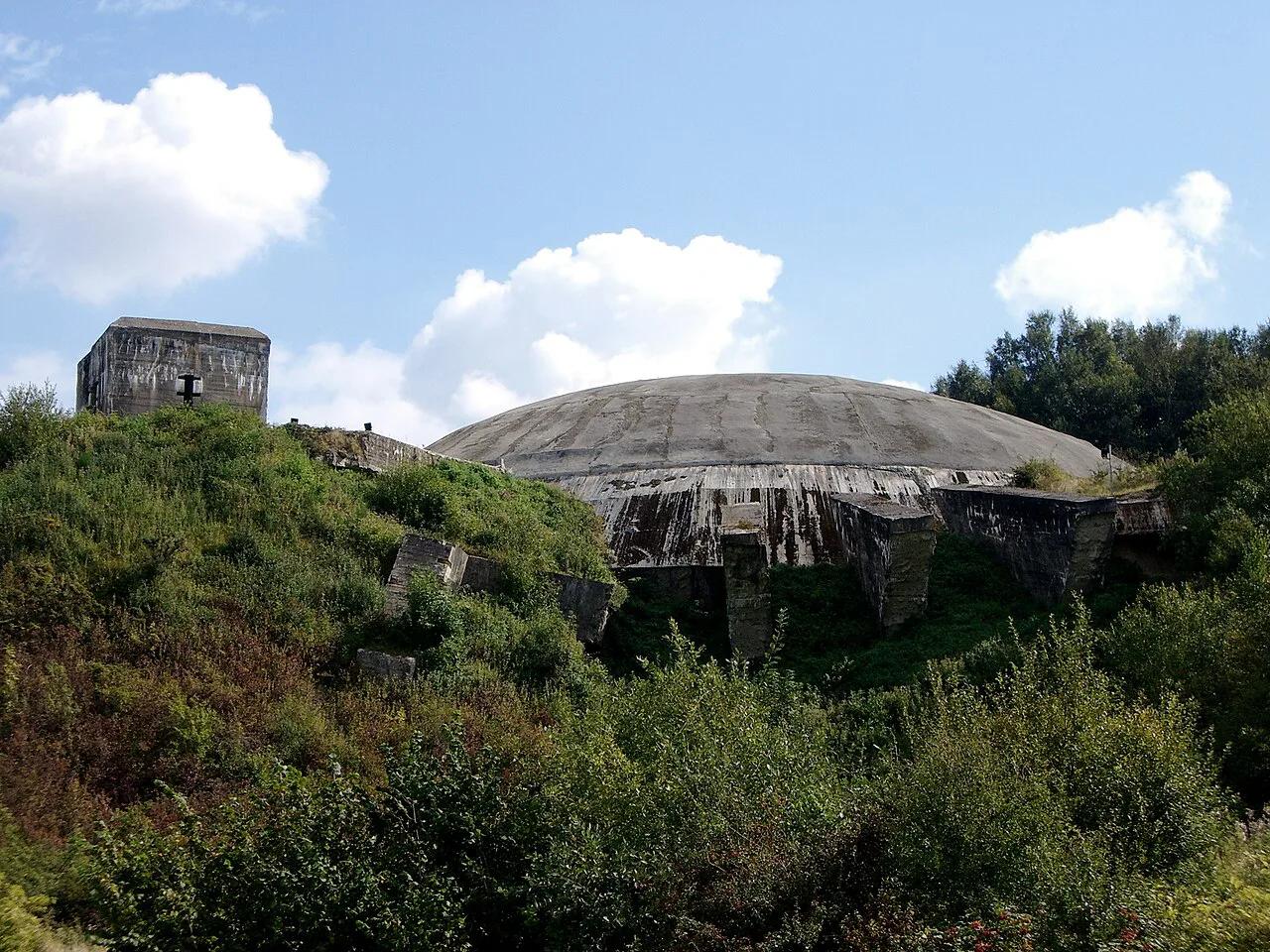
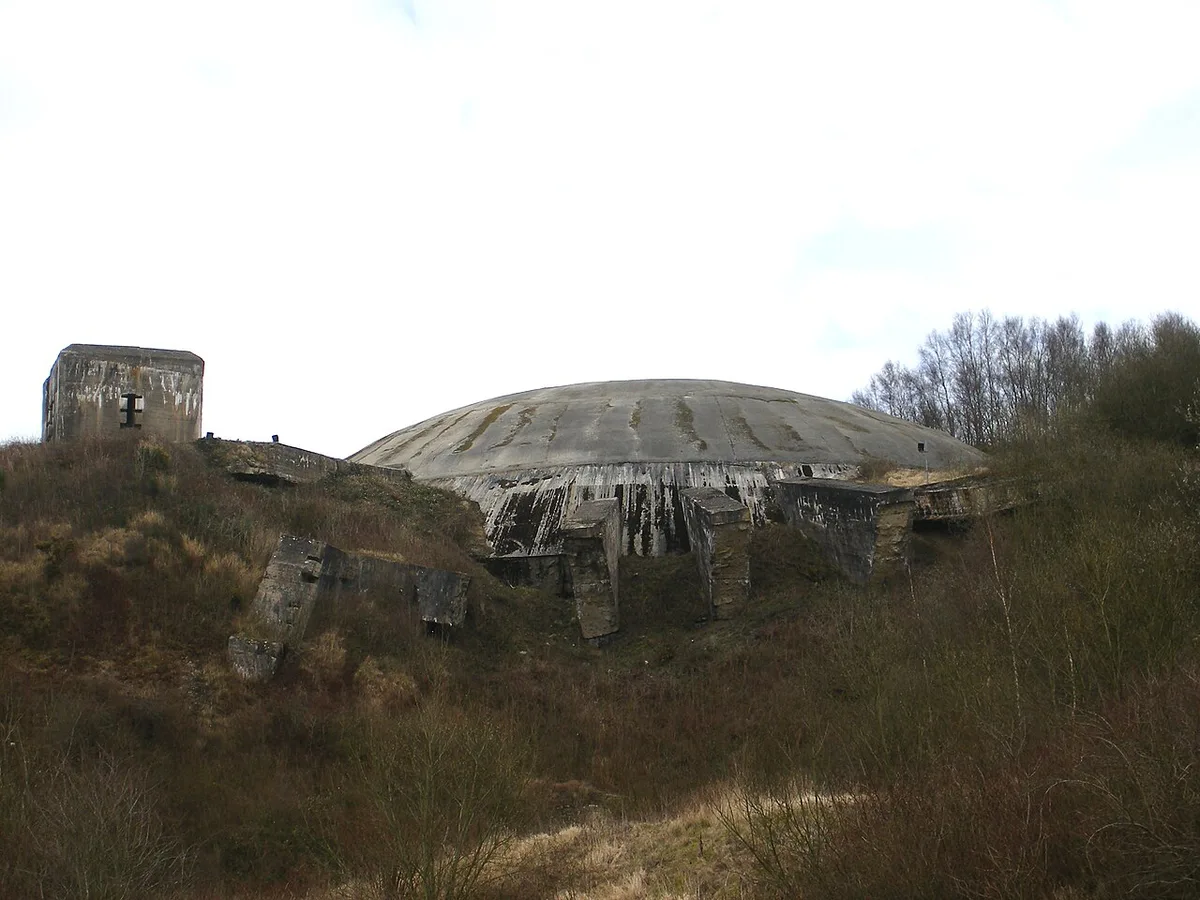
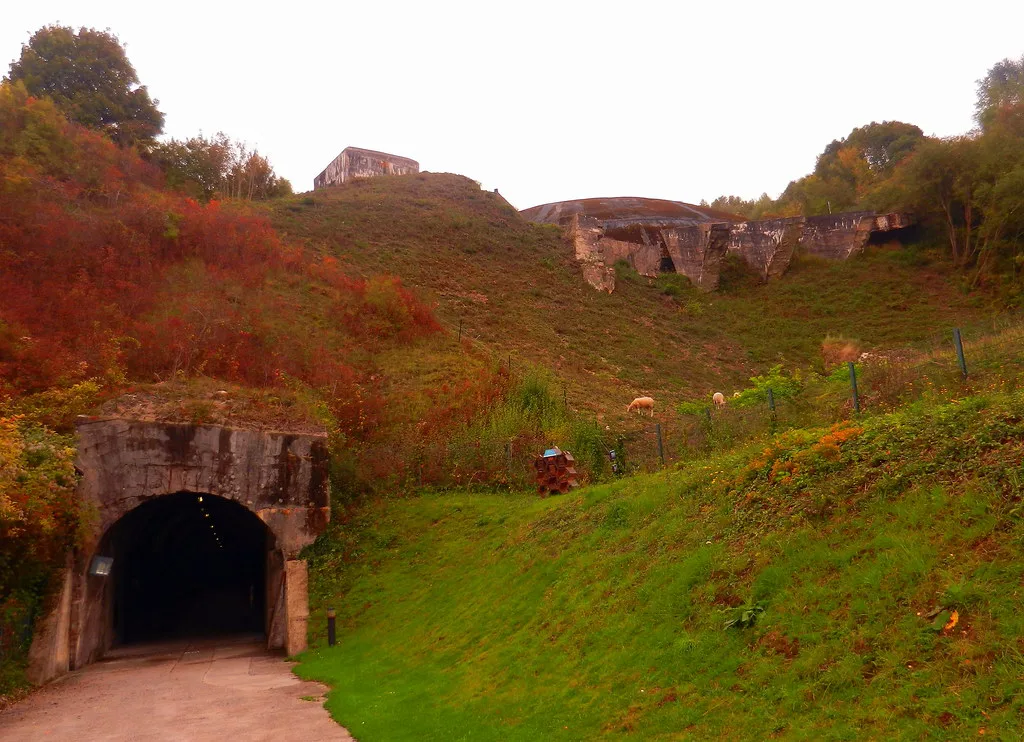
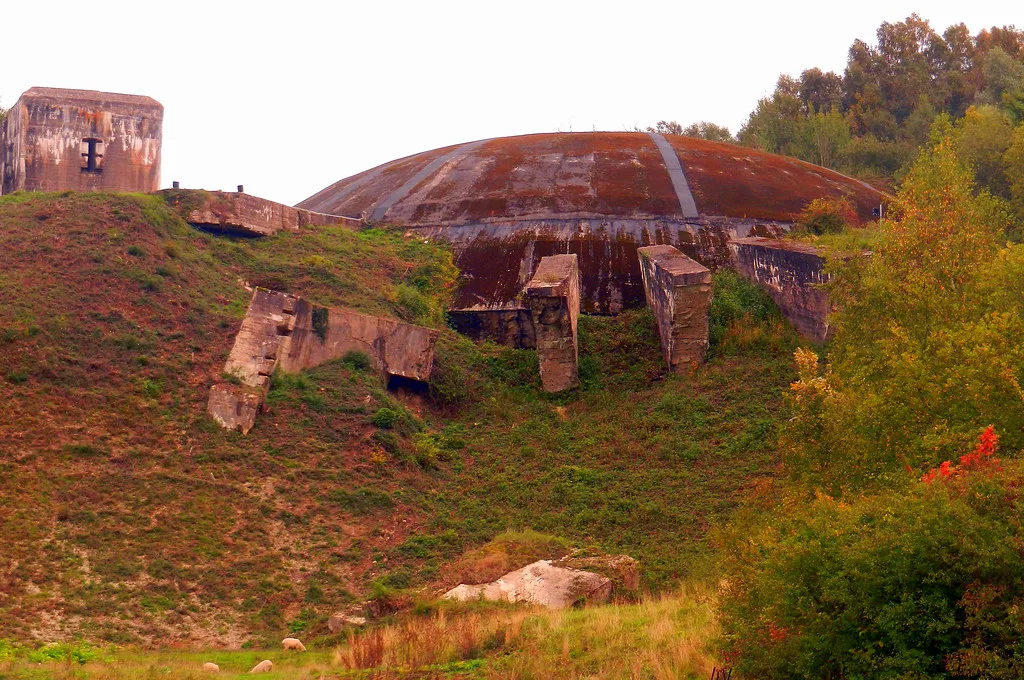
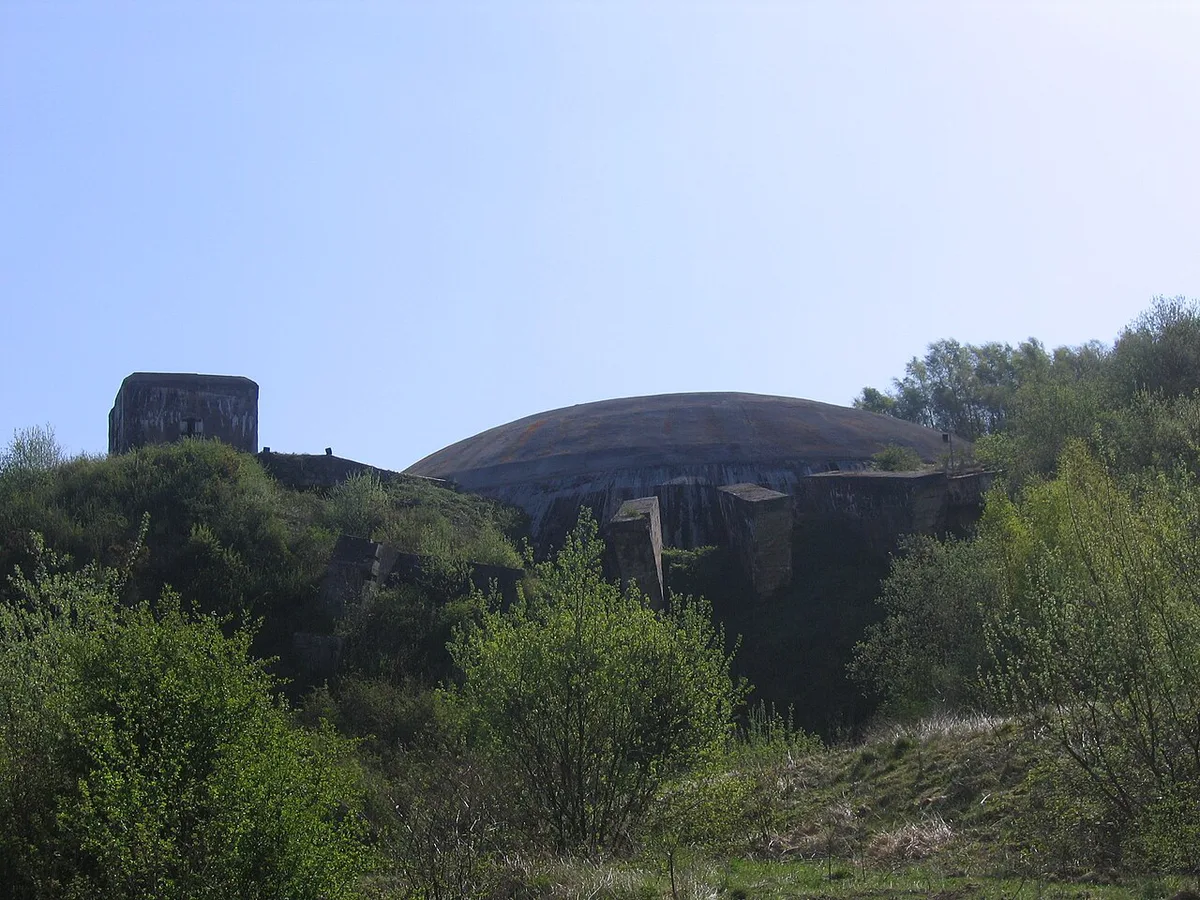
Last updated November 2026: for v2 rocket sites you can visit, start in northern France with La Coupole at Helfaut-Wizernes and the Blockhaus d'Éperlecques. La Coupole, a V-2 launch and storage complex, is now a museum and planetarium, while Éperlecques is the other main V-weapon visit in our editorial assessment. Development, production and impact locations tell different parts of the story, so choose by wartime role before planning a route.
Featured image: Clare Wilkinson, CC BY 2.0, via Wikimedia Commons.
V2 Rocket Sites Compared
Begin with La Coupole if you want a V-2 complex with a museum visit today. Add Éperlecques if a second northern French V-weapon site fits your route. For research into how the rocket was developed or built, look to Peenemünde and the Nordhausen area in Germany. Platt in England is an impact location on farmland, so it belongs in the history rather than on your itinerary.
| Site | Country | Link to the V-2 story | What it means for a visitor | Best for |
|---|---|---|---|---|
| La Coupole, Helfaut-Wizernes | France | Launch and storage complex | Museum and planetarium | A first V-2 visit |
| Blockhaus d'Éperlecques | France | V-weapon site | Visitable site with an official website | A second northern French stop |
| Peenemünde | Germany | Development and testing | Check the official museum for displays and access | Development history |
| Mittelbau-Dora Memorial, near Nordhausen | Germany | Production and forced labor | Place of remembrance; check tunnel access with the memorial | Remembrance and forced-labor history |
| Platt, near Maidstone | England | 1945 impact location | Not a visitor attraction | Understanding where a rocket fell |
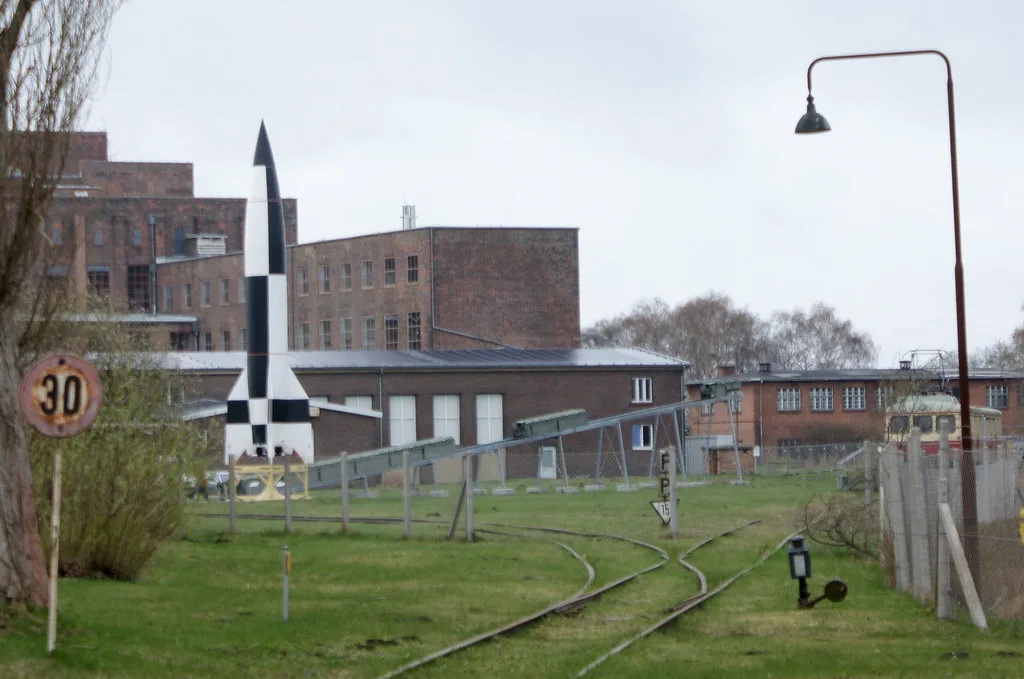
- Large wartime sites: start with La Coupole, then consider Éperlecques.
- Development history: research Peenemünde.
- Forced labor and remembrance: plan around the Mittelbau-Dora Memorial.
- Impact history: read about Platt without visiting the field.
V2 Sites in Northern France
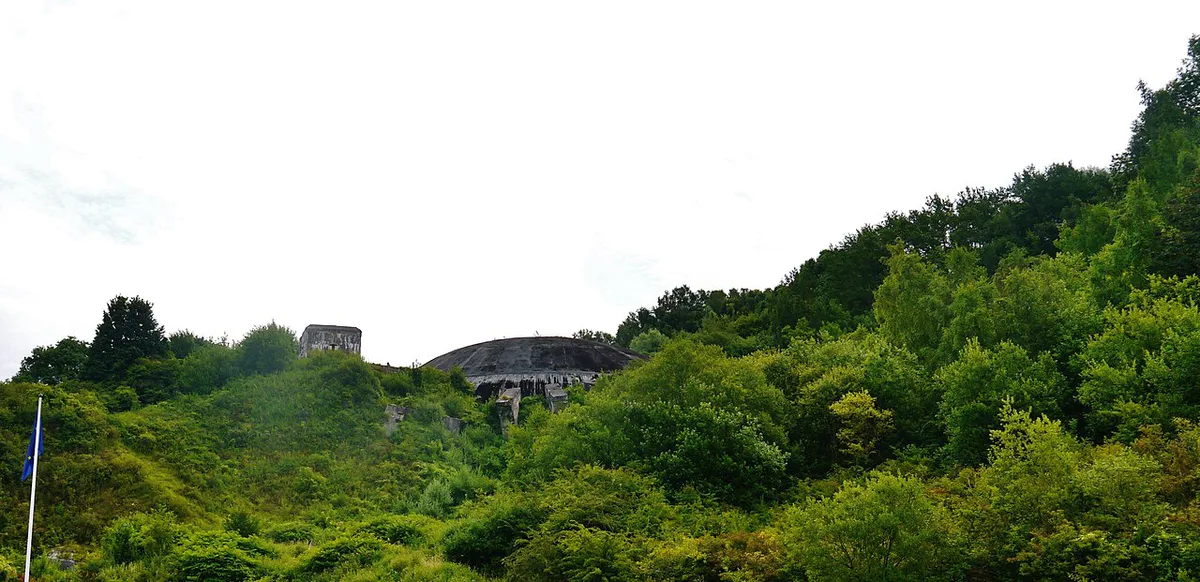
These 2 places make the most natural pairing in this guide. Compare their opening calendars and the journey between them before promising yourself both in 1 day. If your wider trip follows German coastal defenses, our guide to French Atlantic Wall sites can help with separate stops. Keep the V-weapon visits distinct in your planning, because their subject is different from a coastal gun position.
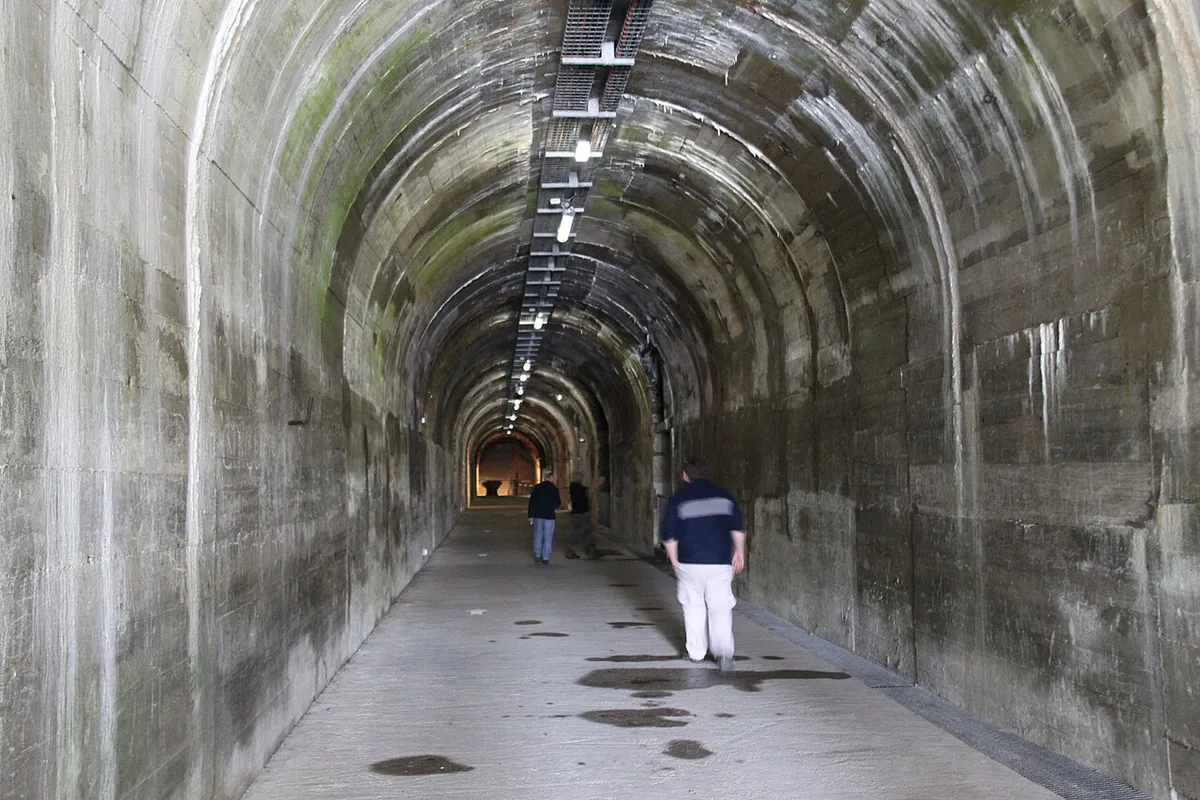
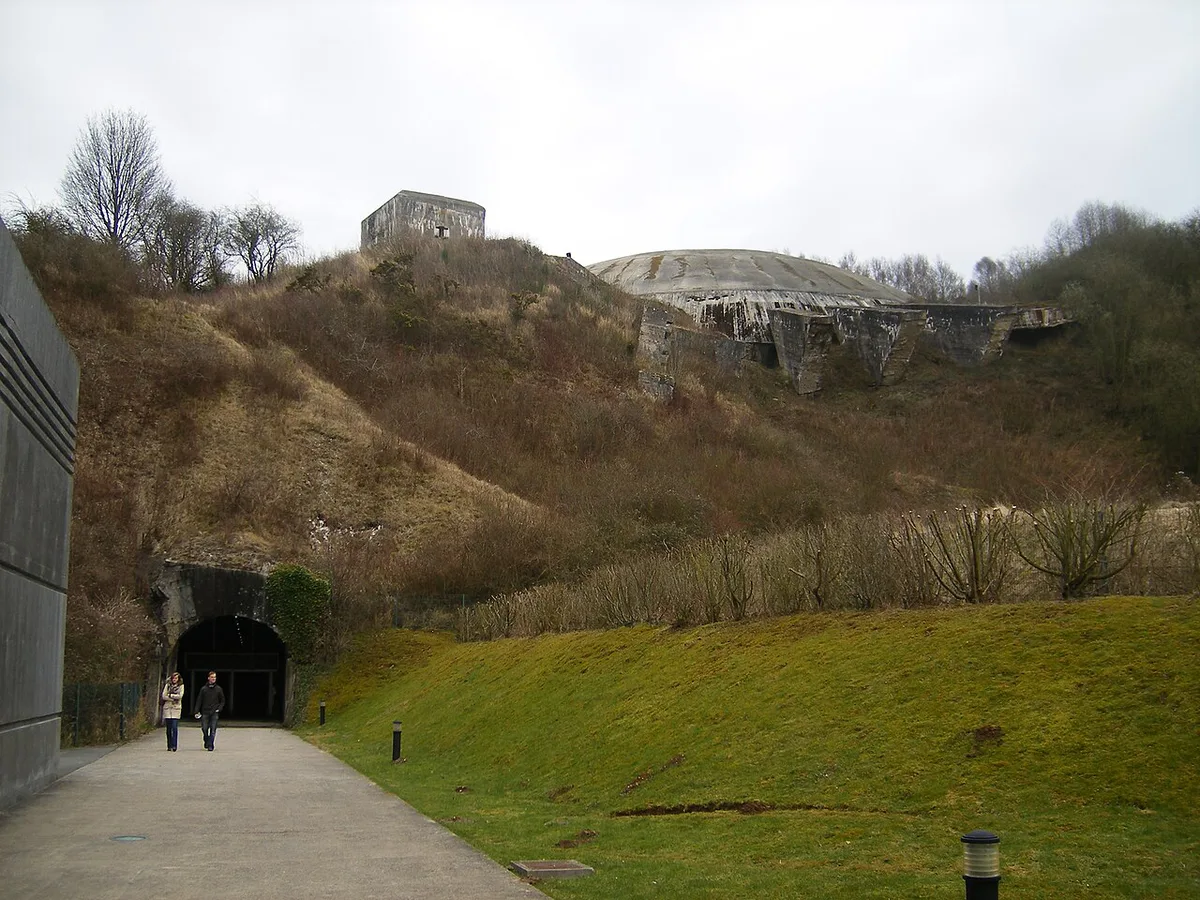
- La Coupole, Helfaut-Wizernes: this former V-2 launch and storage complex now operates as a museum and planetarium. Choose it first for a visit tied directly to the rocket. If your only interest is outdoor ruins, review the museum program before booking.
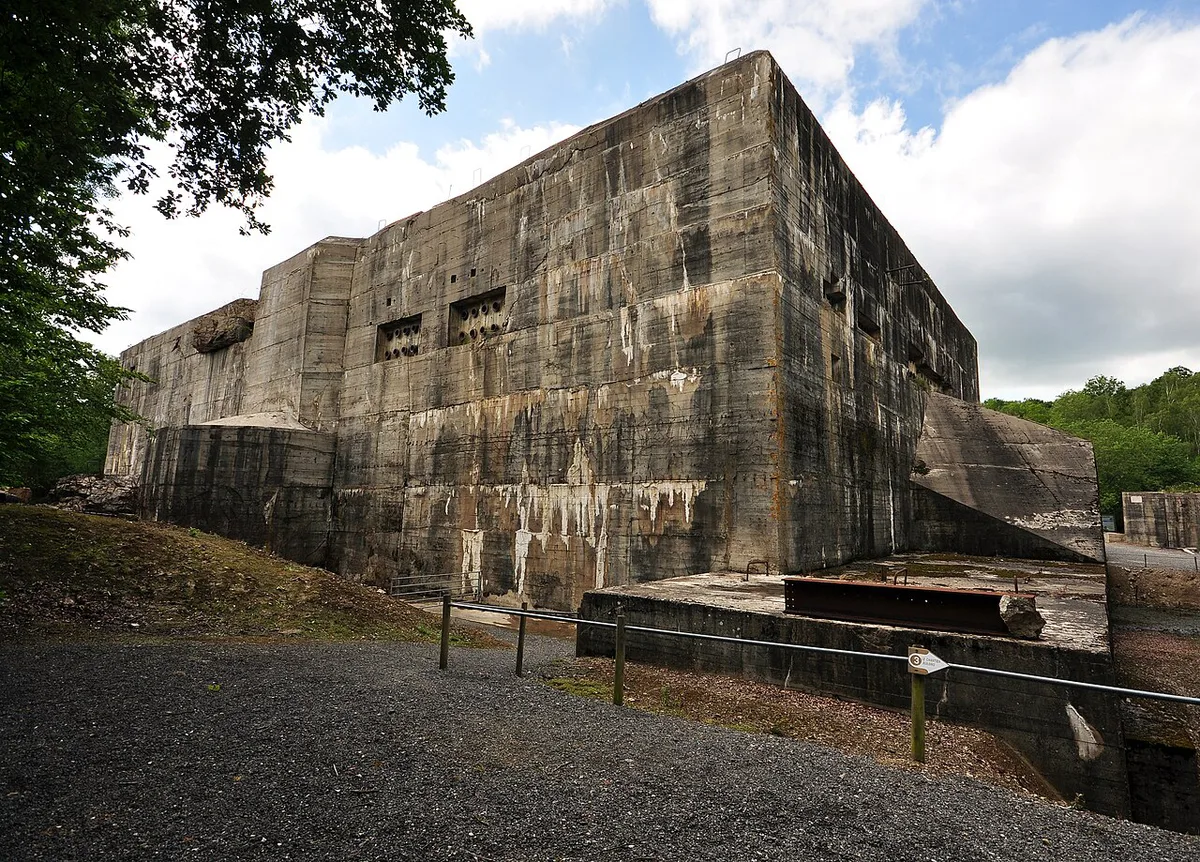
- Blockhaus d'Éperlecques: use the Blockhaus d'Éperlecques official site to plan this V-weapon visit. Read its account of the site's intended and actual use. You may skip it if you have time for only 1 stop and want the V-2 complex at La Coupole.
Development and Forced-Labor Sites in Germany
Treat Germany as a separate part of your planning rather than an automatic extension of a French day trip. Peenemünde is the place to research V-2 development and testing. Mittelbau-Dora, near Nordhausen, centers the visit on a harsher part of the story. Forced laborers died in connection with V-2 production, and their experience should not be treated as background to rocket engineering.
Space.com reported in 2021 that historians had placed later V-2 construction in tunnels near Nordhausen, under Wernher von Braun's direction. Researcher Sean Welch argued that Nordhausen was only an assembly line. In his reading, factory codes on recovered parts point to a wider supply network.
At the memorial, read its visitor conduct rules before arrival and follow staff directions. Quiet, restrained behavior is appropriate at a place of mourning. For related but separate history, read about forced labor at Bunker Valentin, Bremen: History and Visitor Guide. That site was not part of the V-2 program.
- Peenemünde: choose it for development history. Ask the official museum what its displays cover and which outdoor remains are accessible. Skip it if your priority is the French launch-complex story.
- Mittelbau-Dora Memorial: choose it to understand production alongside the people forced to work. Confirm tunnel access and booking conditions with the memorial. It may not suit a visit focused only on military hardware.
V2 Launch and Impact Locations
Launch geography extends beyond museum sites. Dutch launch history includes the area around The Hague, but this guide does not recommend a particular marker or surviving launch position there. Do not assume that a street or park connected with a launch has anything visible to explain it. Research an exact, publicly accessible memorial through a local archive or heritage body before making a special journey.
Specialists spent 4 days excavating at Platt, a reminder that the field is not open for casual visits.
In England, the first V-2 hit London on September 7, 1944. Another rocket fell near Platt, a village near Maidstone, around midnight on February 14, 1945. It struck what was then an orchard, far enough from houses that no one was physically hurt. One elderly woman later said the blast had damaged her hearing, according to researcher Sean Welch.
<em>Space.com's</em> article of October 11, 2021, described the land as open farmland. Conflict archaeologists Colin and Sean Welch spent 4 days excavating the crater in September 2021. Their team recovered more than 1,760 lb of metal, with the deepest remains more than 14 ft underground. This was specialist excavation, not an invitation to enter private land, metal detect or search for relics.
Skip locations with only a documented event and no public interpretation if you want something substantial to see. Where civilians were harmed, treat any memorial as a place of remembrance.
V-1 or V-2? Check Before You Go
V-weapon is the broader label, so it does not by itself identify a V-2 site. Before adding another location, check which weapon its operator or heritage record names. According to Space.com, the V-1 flew at roughly the speed of contemporary fighter aircraft. Royal Air Force pilots learned to shoot these flying bombs down or knock them off course. Its noisy pulse-jet engine also gave people some chance to hear it approaching. By contrast, the V-2 was a supersonic rocket whose approach could not be heard in time as a warning.
| Feature | V-1 | V-2 |
|---|---|---|
| Type | Pulse-jet flying bomb | Supersonic rocket |
| First hit on London | June 13, 1944 | September 7, 1944 |
| Warning from approach | Its engine could be heard | No audible warning of its approach |
| Interception | Some were shot down or diverted | Space.com says it flew too high and fast to intercept |
Planning Your V-Weapon Site Visit
Build a French trip around La Coupole and Éperlecques, then decide whether each deserves its own half or full day after seeing the operators' visit guidance. Leave Germany as a separate leg unless your confirmed journey times make a combined trip realistic. Without a car, work backward from each entrance using current rail and local-transit timetables, including the return trip. A car may simplify a paired visit, but compare the actual public transport route before renting one.
Squeezing both French sites in 1 day leaves little room, so plan each as its own half or full day.
For 2026 admission, parking and tour charges, use each operator's current visitor information. Apply the same check to seasonal closures, last entry and advance booking.
Underground or large-structure visits can involve access limits. Ask about stairs, walking distances, temperature, mobility access, guided-only areas and age rules before paying. For other kinds of fortification, browse visitable wartime bunkers. If scale and concrete construction interest you most, compare the history of German U-boat pens as a separate subject.
- With room for 1 stop: put La Coupole first for its direct V-2 connection and museum.
- With more time in northern France: assess Éperlecques as the companion visit.
- For forced-labor history: give Mittelbau-Dora its own unhurried visit.
- For marker-only research: travel only after confirming public access and something you can meaningfully see.
How V2 Sites Fit Into the War
Germany deployed V-weapons late in a war it was losing. Nazi propaganda called them revenge weapons. Their story connects military technology with attacks on civilians and the abuse of forced labor. After the war, American forces took captured V-2s to the United States, where they informed early rocket and space work.
That later chapter should not displace the wartime history at the places you visit. Occupied-coast defenses offer another part of the wider setting, explored in our Atlantic Wall guide. A V-weapon complex should still be understood according to its own purpose rather than treated as a coastal defense.
Frequently Asked Questions
Was a V-2 rocket ever shot down?
Space.com's account says V-2s flew too high and fast to intercept. That differs from the V-1, which Royal Air Force pilots learned to shoot down or divert.
Who invented V2 rockets?
Wernher von Braun is the German rocket scientist closely associated with the V-2, although a weapon program should not be reduced to 1 person's work. He was a member of the SS and later worked in the US space program. His engineering career cannot be separated from the history of forced labor in V-2 production.
Keep planning
Guides on the same trip