Peenemünde Visitor Guide: History, Tickets and Planning
Plan a visit to Peenemünde: what the museum and site cover, the V-2 history, tickets, getting there, and how long to allow.
In this guide
Last updated November 2026: Peenemunde, written Peenemünde in German, is the Historical Technical Museum on the Baltic island of Usedom. It stands on the site of the Army Research Center where the V-2 rocket was developed. This guide covers the history, what you can see, tickets, transport and etiquette, and it belongs to our overview of 10 WW2 Sites in Germany: Best Places by Region.
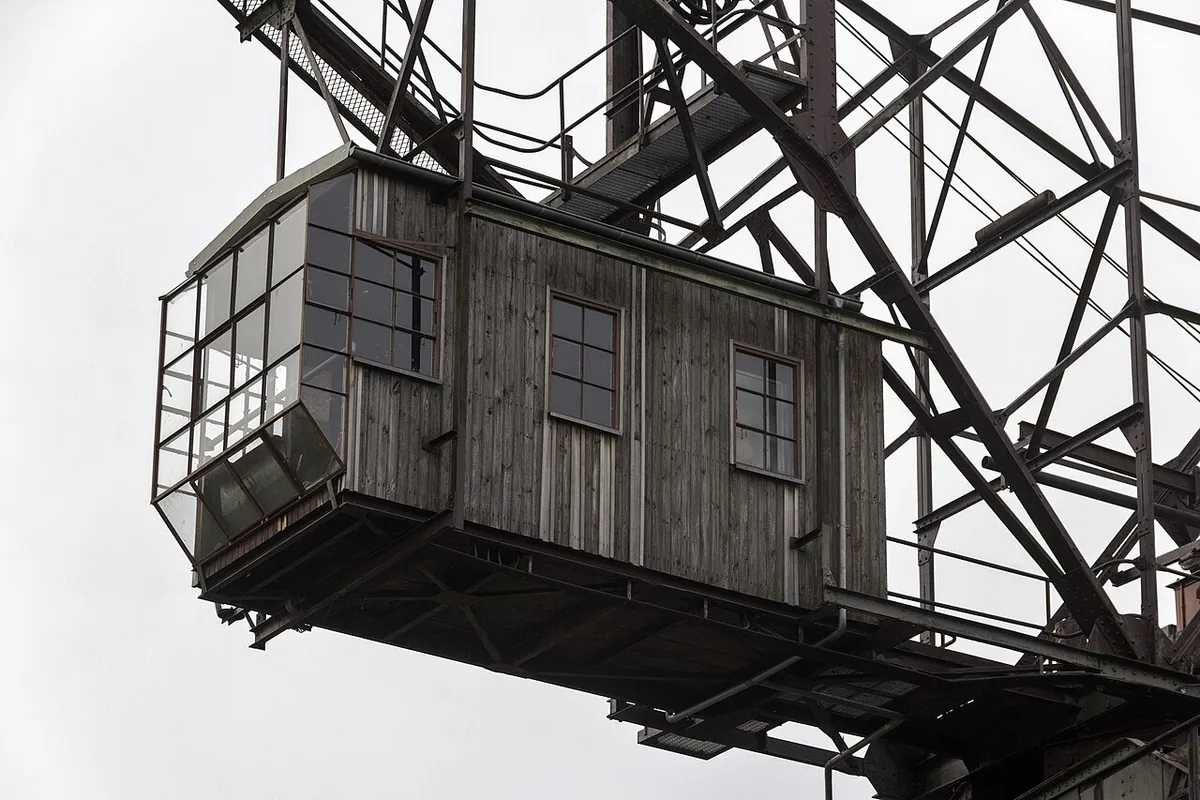
Featured image: Siarhei Besarab, CC BY-SA 4.0, via Wikimedia Commons.
Peenemunde at a glance: what it is and who should visit
Peenemünde lies in Mecklenburg-Vorpommern, on the island of Usedom. The museum is the main reason to come. It presents the engineering history of the V-2 and the wider site around it. A visitor report describes an area of about 25 km² with buildings from the 17th to the 20th century. Not all of that is open to visitors, so read the museum's own site map before you plan your route. Peenemünde is the rocket and technology entry in our cluster. It is a different kind of stop from a fortification, a battlefield or a memorial.
- Go if you care about WWII technology, the origins of spaceflight, or industrial and military heritage.
- Go if you want to understand how a weapons program relied on forced labor.
- Skip or shorten if you want a conventional memorial or battlefield.
- Skip or shorten if you are on a day trip with very little time.
A short history: from research site to V-2 production
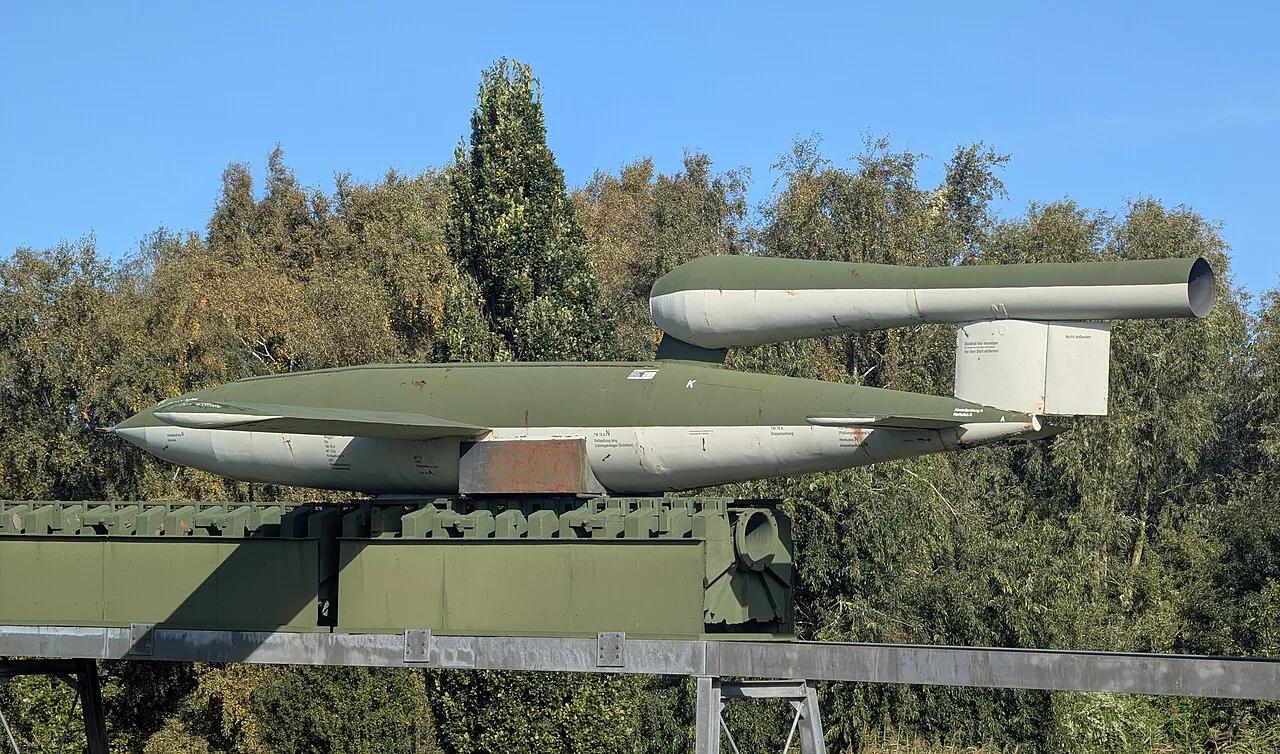
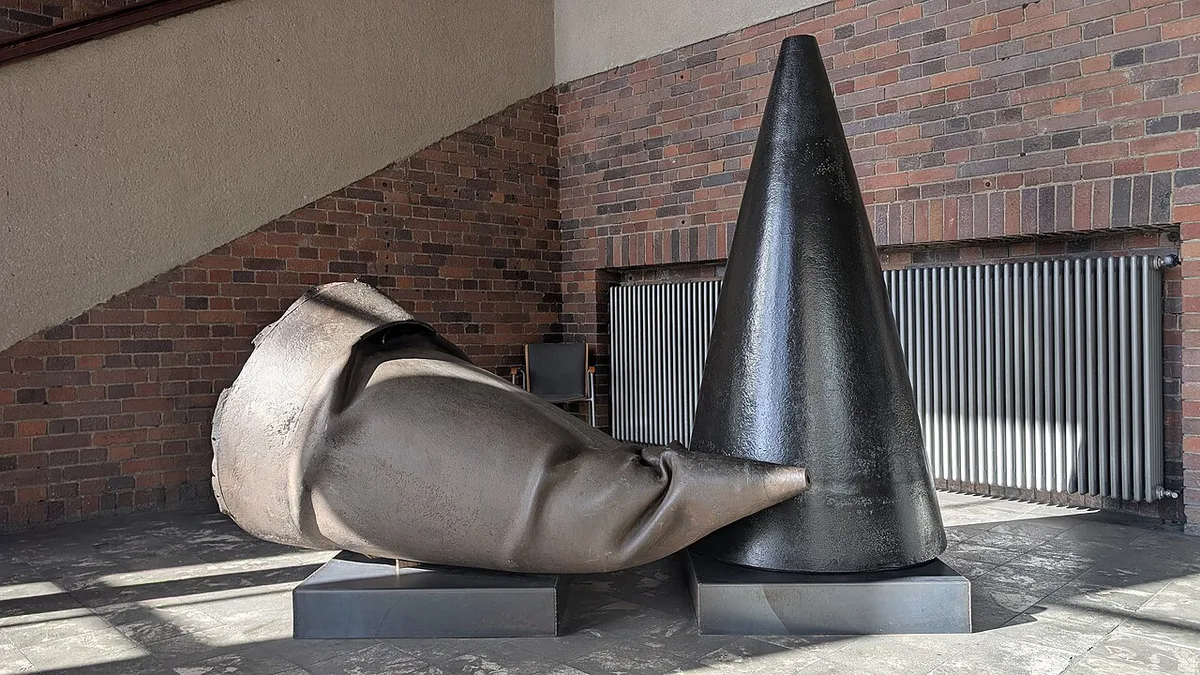
Peenemünde was an Army Research Center where the V-2 rocket was developed. Wernher von Braun is the engineer most often linked to the program. From 1943, V-2 rockets were built in large numbers in underground production facilities. That production relied on forced and slave labor, and the rockets were used against civilian targets. An Allied bombing raid in 1943, known as Operation Hydra, struck the site. The museum's own history pages are the best place to check exact dates, figures and casualties before you quote them.
After the war: where the V-2 engineers and technology went
The Peenemünde story didn't end with Germany's defeat. The Allies wanted the rocket know-how, and its people and hardware were divided between rival powers. This helps explain why the site appears in accounts of both spaceflight and the Cold War arms race.
- United States: Wernher von Braun and a group of colleagues surrendered to American forces and were later brought to the US under the programme known as Operation Paperclip. Von Braun went on to work on US Army missiles and later led the development of NASA's Saturn V Moon rocket.
- Soviet Union: Soviet forces occupied Peenemünde. The Soviets also recruited and then deported German rocket specialists, among them Helmut Gröttrup, and used V-2 technology as a starting point for their own missiles.
- Britain and France: Both also studied captured German rocket technology and took an interest in the people who understood it.
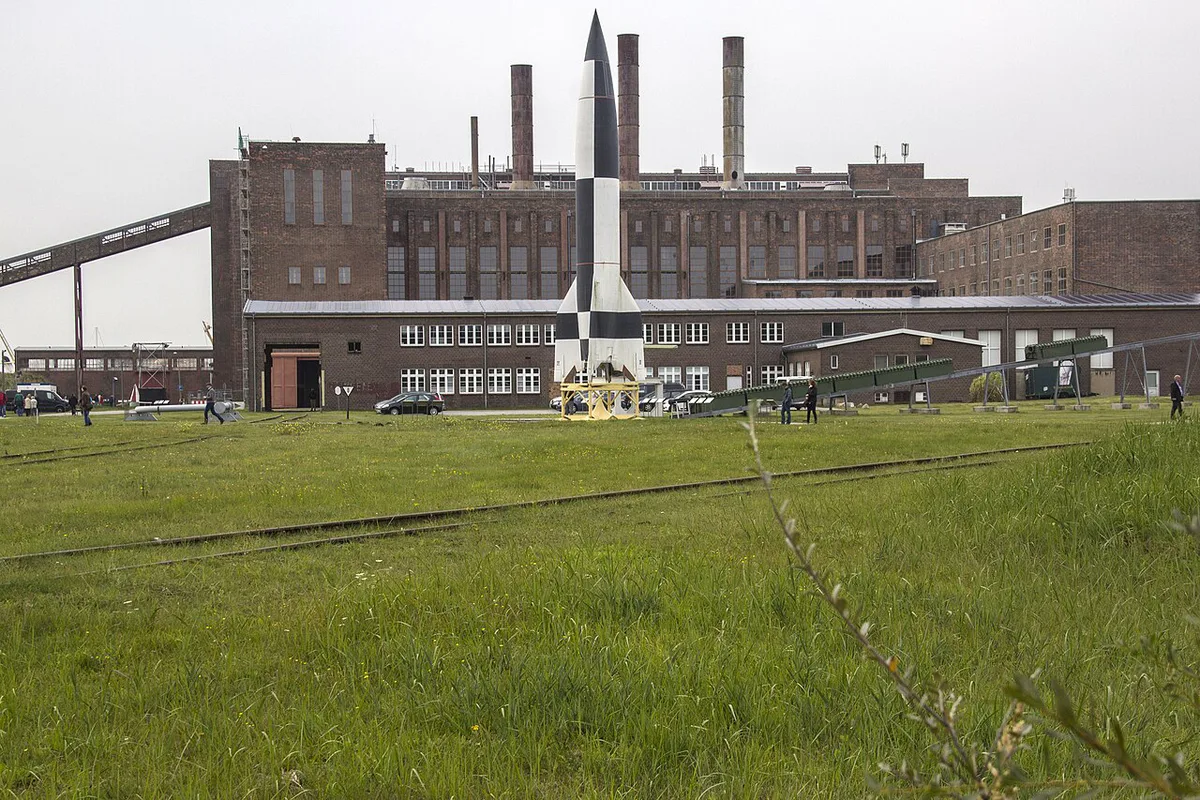
- The site itself: Many installations were demolished. The area later served the East German military, which kept much of it closed to ordinary visitors. The museum grew up after German reunification, with the former power station as its main setting.
As you go round, keep both outcomes in view. Technical work associated with Peenemünde fed into space launchers and into long-range military missiles. Neither line of development cancels out how the V-2 was built or what it was used for. The later careers of some engineers also raise a fair question to take into the exhibition: how much did their technical value shape the way their wartime roles were judged afterwards?
What you can see at the museum and the monument landscape
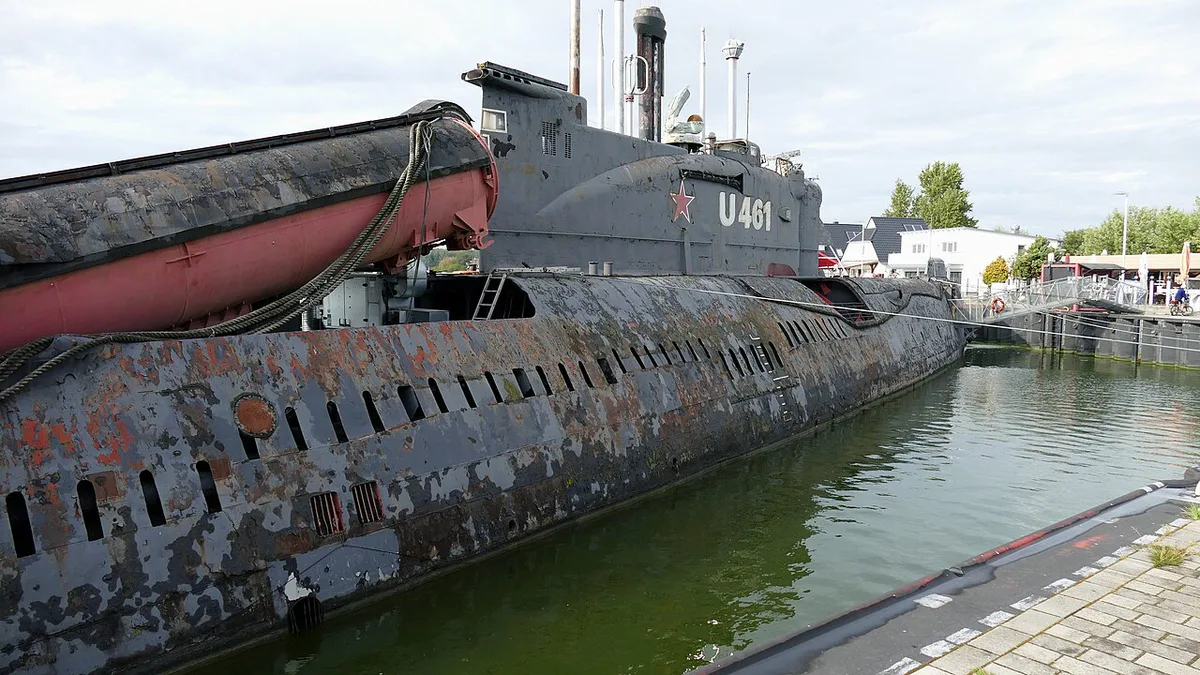
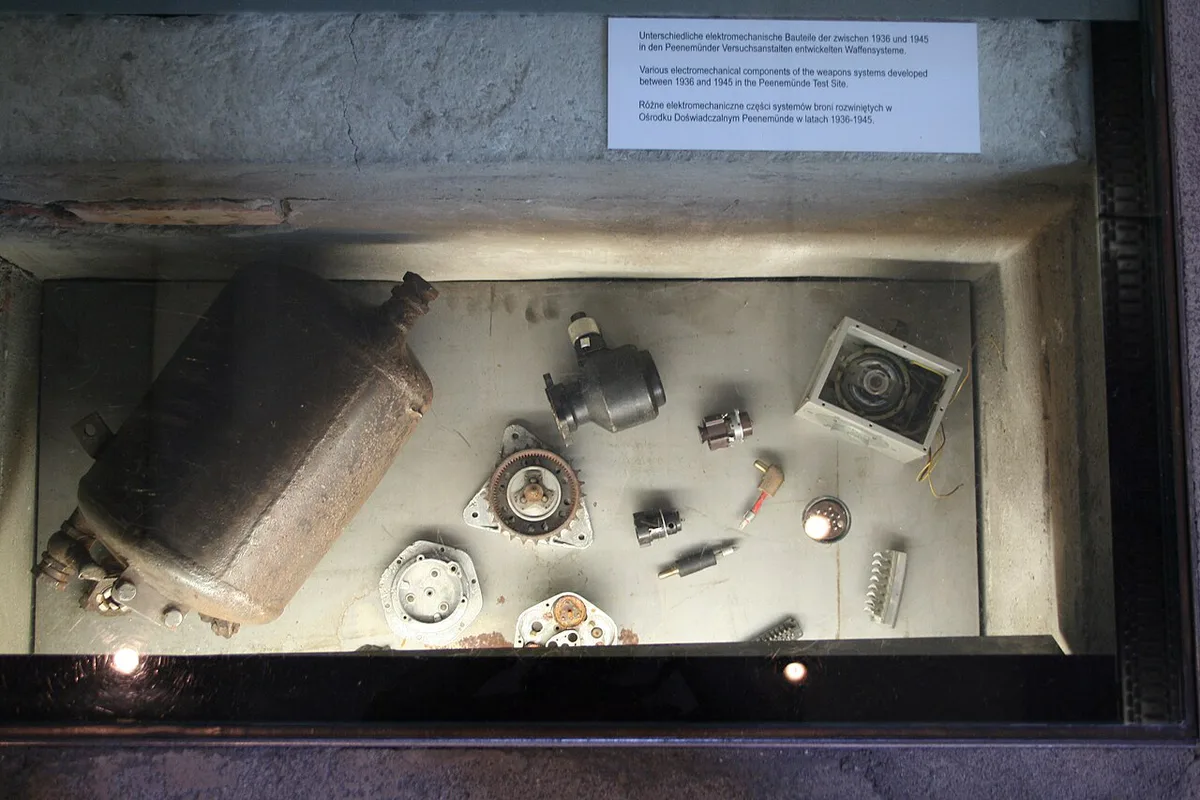
The museum is the core of the visit. Beyond it, the site is presented as a monument landscape, called the Denkmal-Landschaft on the museum's website. The ruins of the experimental works are among the largest preserved industrial monuments of this scale in Germany. Look at the museum's official site for the current list of exhibits. Check there too which areas the ticket covers and which lie outside it. Do not assume that every building on the old research site is open. The museum is also separate from any submarine attraction in the area, so do not treat the two as one visit.
Tickets, opening hours and what's included
An older visitor report mentioned about €10 for adults. Prices change, so treat that only as a rough guide and read the current rate on the museum's website. Opening hours also change by season. Check them, the last entry time and any closed days there before you set out. Ask the museum about family tickets, concessions, audio guides and languages, since those details are set by the museum and not by this guide. Prices and hours were last looked at in November 2026.
Getting there and how to plan the day
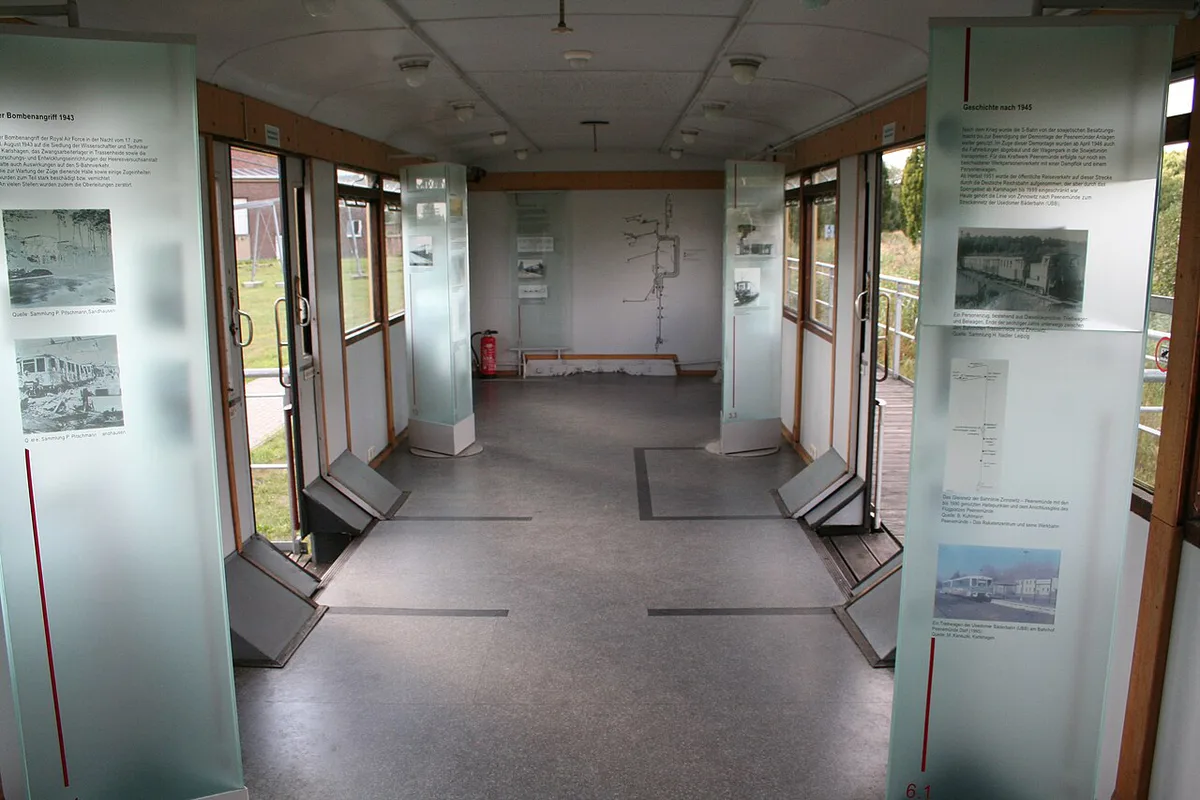
Peenemünde is in the north-west of Usedom, so most visitors base themselves on the island or arrive from the mainland. A car gives the most flexibility on the island. Public transport depends on the Usedom rail line and local buses, and timetables change each season. Use the Deutsche Bahn journey planner and the operator's page for the exact connection. Check the museum's site for parking, charges and accessibility. Readers coming from Berlin or from Szczecin in Poland should plan the full journey on a timetable tool first. Start early, because the site is large and you will walk between areas.
How long to allow, and what to pair it with on Usedom
Allow at least half a day if you want the museum and a look at the surrounding site. A quick visit works if you only want the main exhibition. A full visit suits you if you want the monument landscape as well. The museum's site says how its areas are organized, so use it to decide before you arrive. For more Baltic coast history, Prora on Rügen is the closest thematic neighbor. Readers routing from Berlin can pair the trip with Seelow Heights: Visit the 1945 Battlefield from Berlin, east of the capital.
With about 25 km² to cover, leave time for the monument landscape, not just the main exhibition.
Mittelbau-Dora: the other half of the V-2 story
Peenemünde explains how the rocket was developed. To see where its underground mass production took place, you need to go to the Mittelbau-Dora concentration camp site near Nordhausen in Thuringia. After the air raid on Peenemünde, V-2 assembly was concentrated in tunnels in the Kohnstein hill. Prisoners were forced to enlarge and work in them, at first also sleeping underground in appalling conditions.
About 60,000 prisoners passed through the Mittelbau-Dora camp system, and around one in three did not survive. Their work and suffering extended beyond rocket production to construction projects and other armaments work, so not every death was tied directly to the V-2.
Planning a visit to both
- Treat it as a separate trip. Nordhausen is in central Germany, far from Usedom, so don't try to combine the two in one day.
- Check tunnel access first. Only a small part of the tunnel system can be visited, and access is generally tied to guided tours. Confirm times and available languages with the memorial before you travel.
- Allow time above ground. The former camp grounds and the exhibition give essential context to what you see in the tunnels.
- Dress for the conditions. The tunnels are cold all year, so bring a warm layer even in summer.
If you can only visit Peenemünde, look for the material on forced labor and the Mittelbau works as you go through the exhibition. It connects the engineering on display with the people made to build the weapon.
Context and etiquette: forced labor, civilian toll, and tone
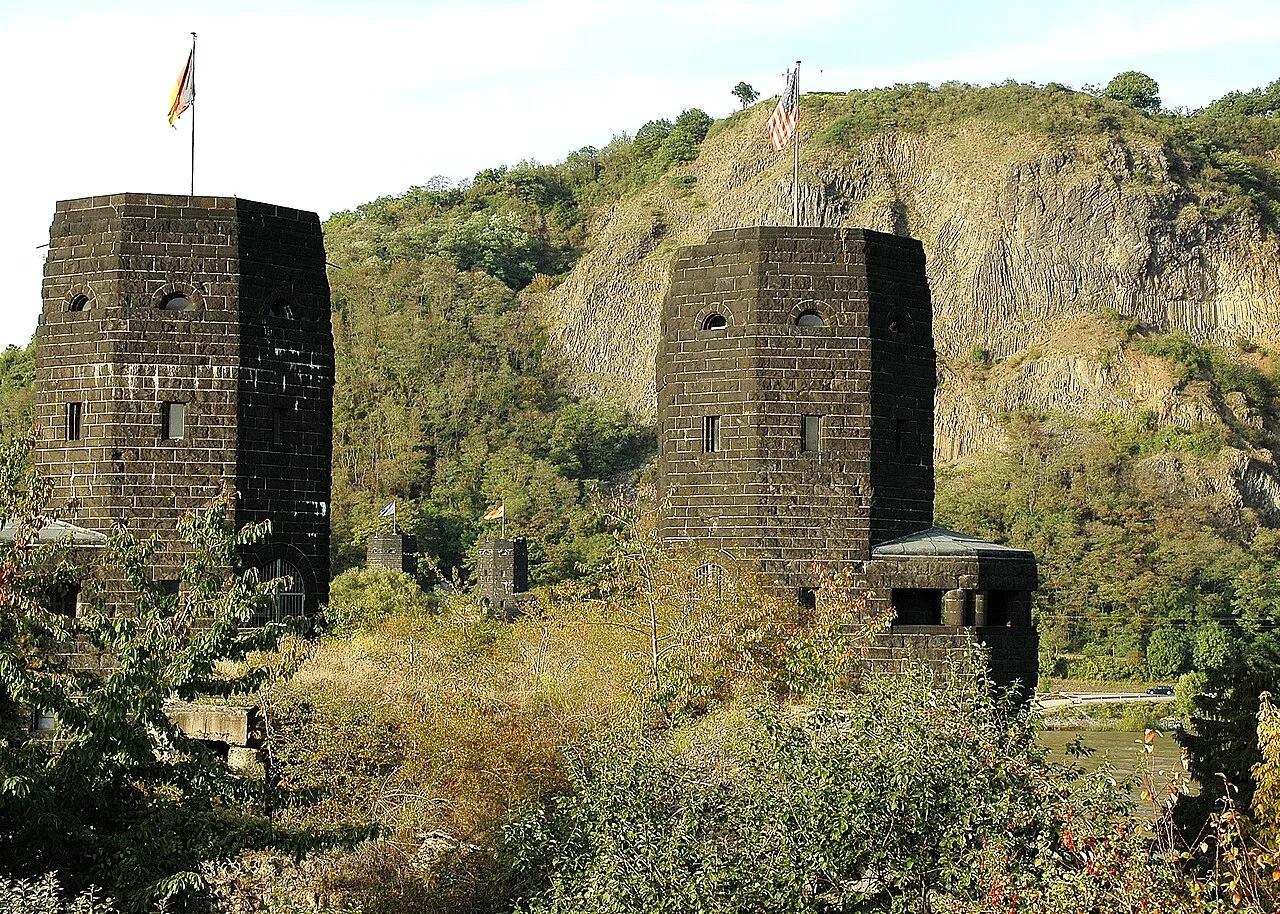
Treat Peenemünde as a place where engineering and human suffering are inseparable. Many of the people who worked here were forced laborers, and the weapons killed civilians. Keep your voice low in exhibitions, and follow the museum's published rules on photography and conduct. Dogs and accessibility are also covered on the official site. For the human cost of the war, read our guide to German War Cemeteries: Visiting, Finding Graves, Etiquette. Readers interested in other Nazi-era documentation sites can continue with Wewelsburg. Obersalzberg Documentation Center: Hours, Access & Visit Guide is another good next stop. For fortifications and battlefields, try the Siegfried Line (Westwall) Today: What Remains and Where to Visit. Another option is the Remagen Bridge: What Remains, Museum & Visiting Guide.
From 1943 on, V-2s relied on forced and slave labor in underground plants, so plan to read that history alongside the exhibits.
Keep planning
Guides on the same trip