Seelow Heights: Visit the 1945 Battlefield from Berlin
What happened at the Seelow Heights in April 1945, what you can see today, and how to visit from Berlin: access, time needed and respectful-visit tips.
In this guide
Last updated November 2026. The Seelow Heights are a ridge east of Berlin in Brandenburg, where the Soviet assault on the Oder front opened on 16 April 1945. Today the Gedenkstätte Seelower Höhen memorial and museum site marks the battle, and this guide covers what happened, what to see and how to plan a visit. It also links to our wider guide to other WWII sites in Germany.
Featured image: Tsungam, CC BY-SA 4.0, via Wikimedia Commons.
Seelow Heights at a glance
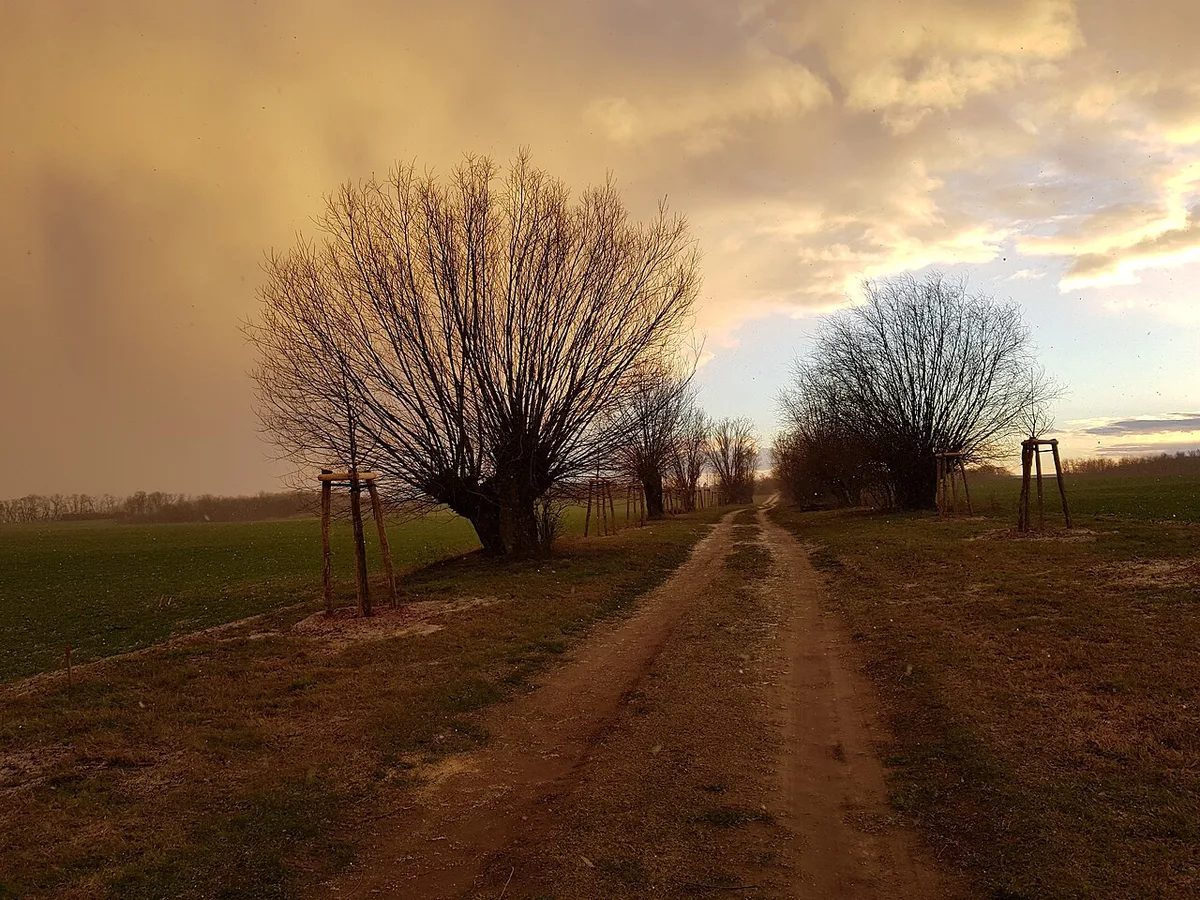
Seelow Heights suits readers tracing the final weeks of the war in Berlin and the Eastern Front. It is a memorial landscape, not a sightseeing cluster, so skip it if you want a polished attraction day. Plan a half day from Berlin, or a shorter stop if you are pressed for time.
- What it is: the ridge above the Oder lowland, site of the battle that opened the Soviet advance on Berlin
- Date: 16 April 1945
- Where to go: the Gedenkstätte Seelower Höhen memorial and museum site
- Best for: military-history readers and older teens
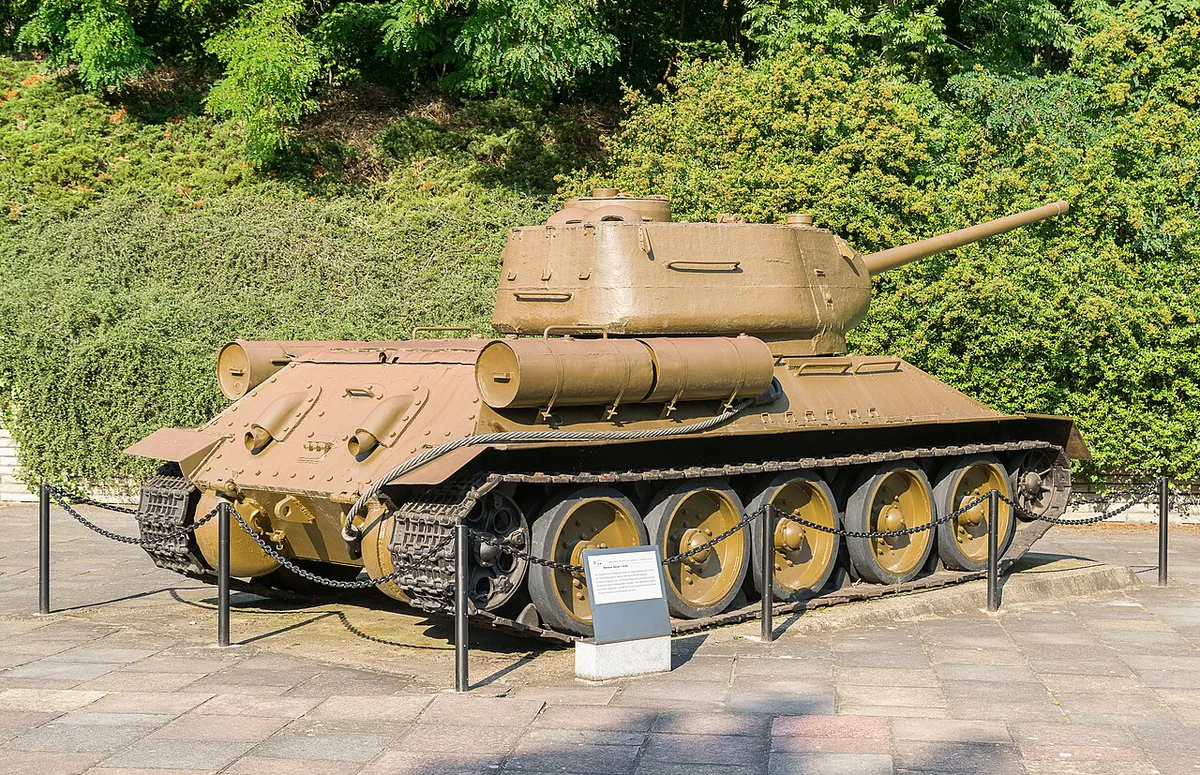
What happened at the Seelow Heights in April 1945
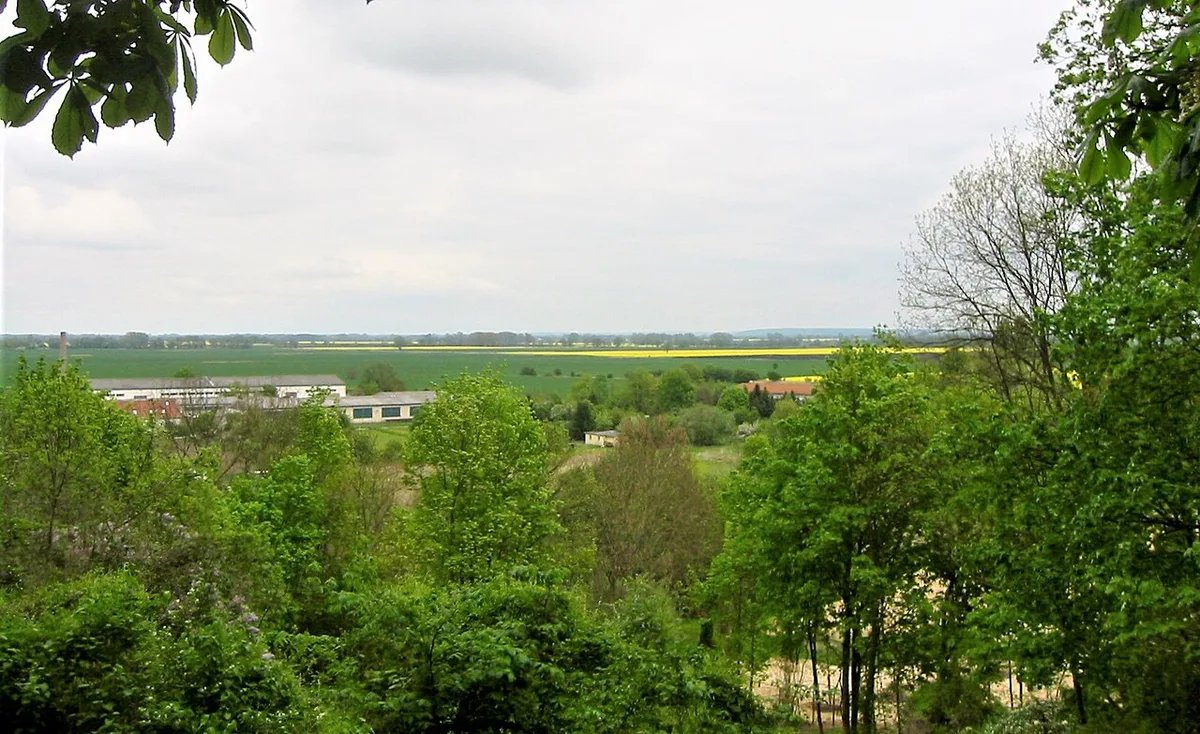
The Soviet 1st Belorussian Front attacked from the Küstrin bridgehead on the Oder. Artillery preparation began in darkness at about 5 a.m. on 16 April 1945, and searchlights lit the advance. German defenders held the ridge above the river, which slowed the assault on the first day. Spring flooding left the lowland soft, and few usable roads crossed it. From the heights, defenders could watch the whole bridgehead. Fighting continued for days before the way to Berlin opened. Accounts of numbers and unit names conflict, so this guide leaves out casualty totals and order-of-battle detail. The museum is the better place to read the full account.
From the Oder to Berlin: How the Offensive Unfolded
The attack on the ridge was one part of a wider Soviet offensive. Marshal Georgy Zhukov's 1st Belorussian Front struck towards Seelow. On the same day, Marshal Ivan Konev's 1st Ukrainian Front attacked across the Neisse River farther south. These dates help place what you see at the memorial within the larger drive on the German capital.
| Date | Stage of the offensive |
|---|---|
| 16 April | The assaults across the Oder front and the Neisse begin |
| 18–19 April | Soviet forces break through the defences around the Seelow Heights |
| 20 April | Soviet artillery begins shelling Berlin |
| 25 April | Soviet forces complete the encirclement of the city |
| 2 May | The Berlin garrison surrenders |
The delay at the ridge mattered within the Soviet command too. Zhukov committed his tank armies early, while the breakthrough was still incomplete, which added to congestion on the approaches. Meanwhile, Konev's advance made quicker progress, and Stalin allowed part of his force to turn north towards Berlin.
For more background before your visit, Wikipedia's overview of the Battle of the Seelow Heights is a useful starting point. As you read, keep the ridge battle distinct from the later fighting inside Berlin and in the country to its south-east.
What you can see today
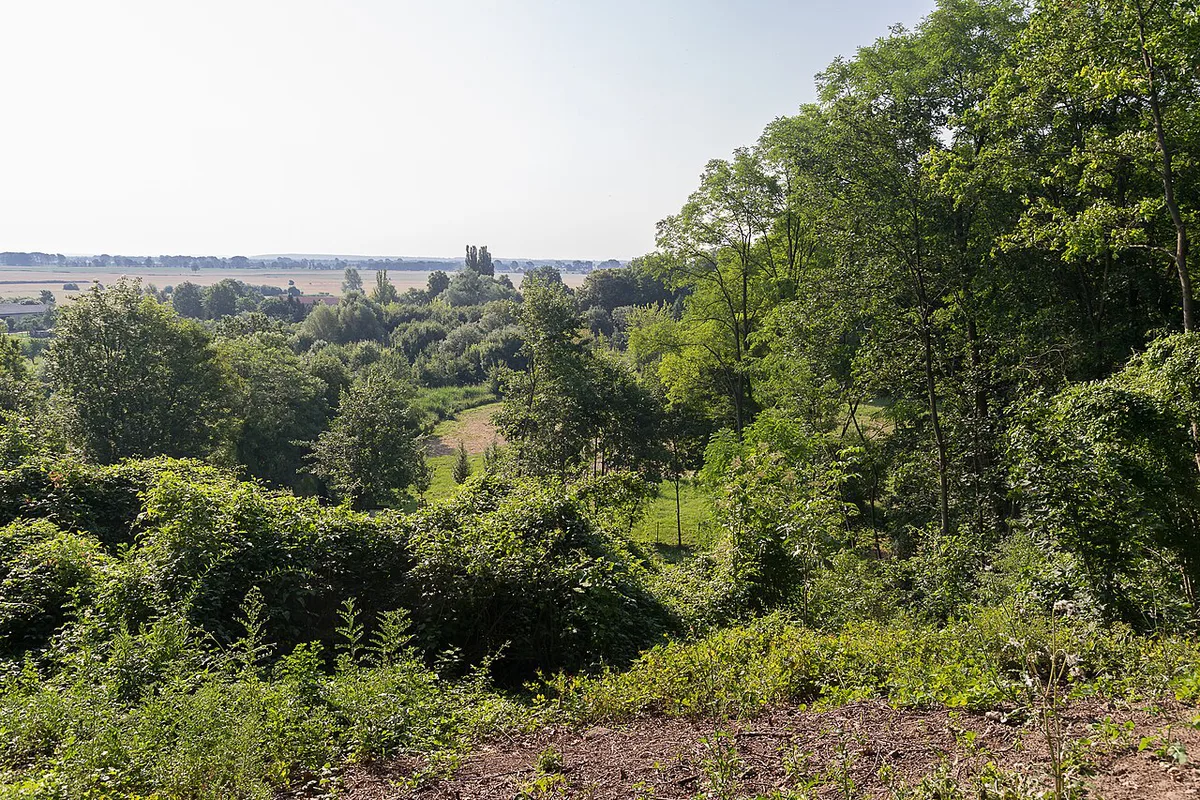
The memorial and museum site on the ridge is the main reason to come. Its own website lists the current exhibition, memorial areas and any viewpoints. Look out over the Oder lowland and you can see why the ridge mattered: it commands the flat ground below. Exhibits may be in German, so check language options before you go.
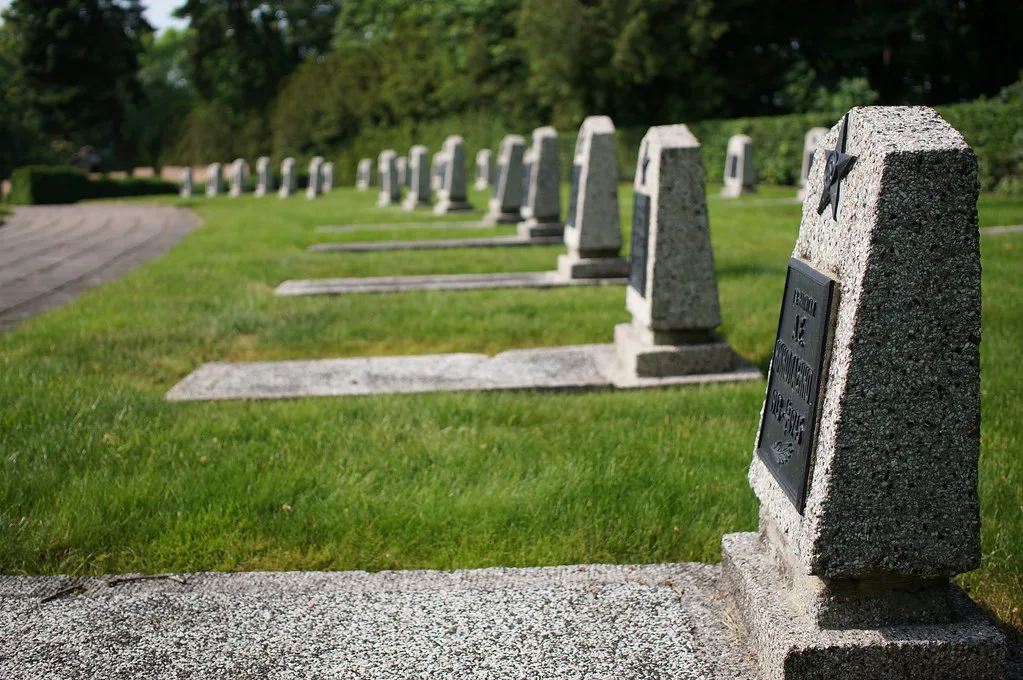
The Soviet Memorial, War Graves and Outdoor Displays
The grounds are worth exploring as well as the indoor exhibition. The address to use for route planning is Küstriner Straße 28a, 15306 Seelow.
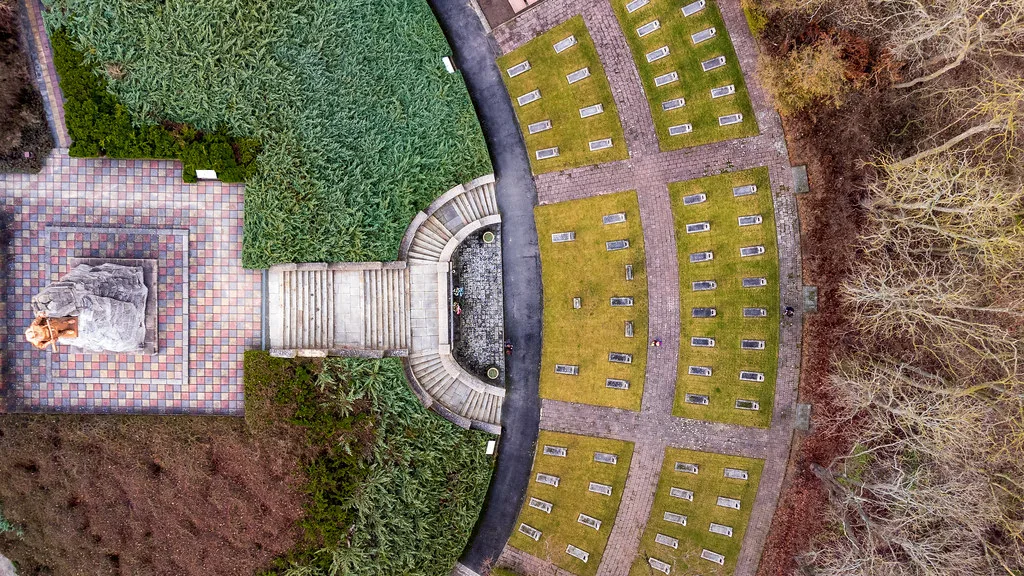
- Soviet soldier monument: The large bronze figure of a Red Army soldier is the site's best-known landmark. It is associated with the sculptor Lev Kerbel and was unveiled in November, only months after the battle.
- Soviet war graves: Burials beside the monument make this a cemetery area as well as a viewpoint. Treat it accordingly when taking photographs.
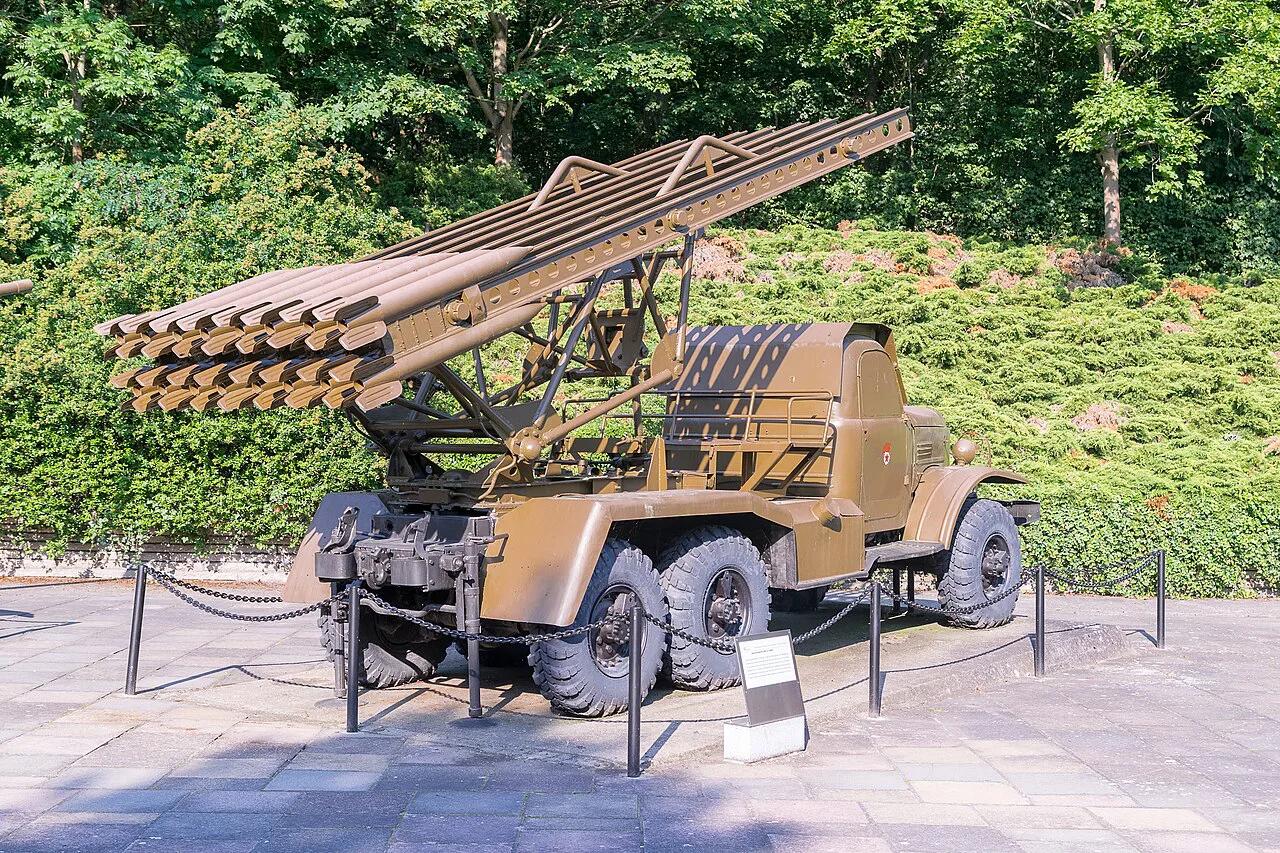
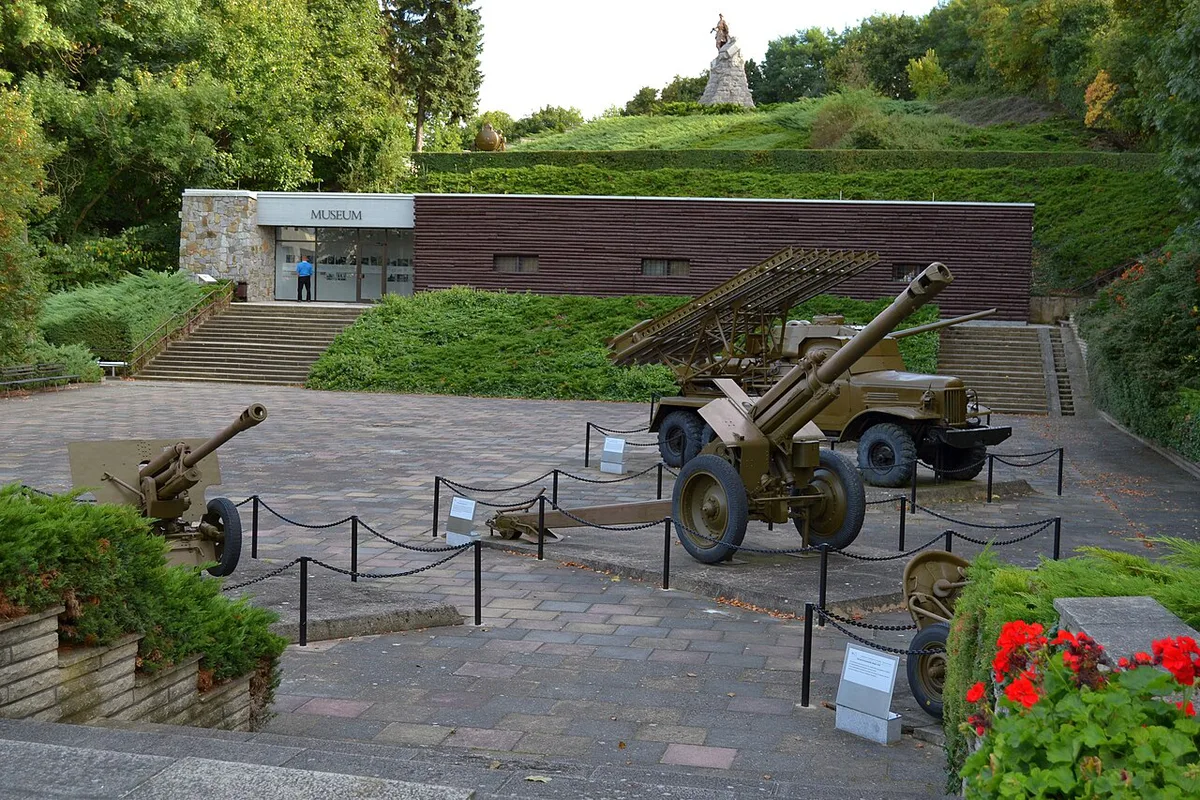
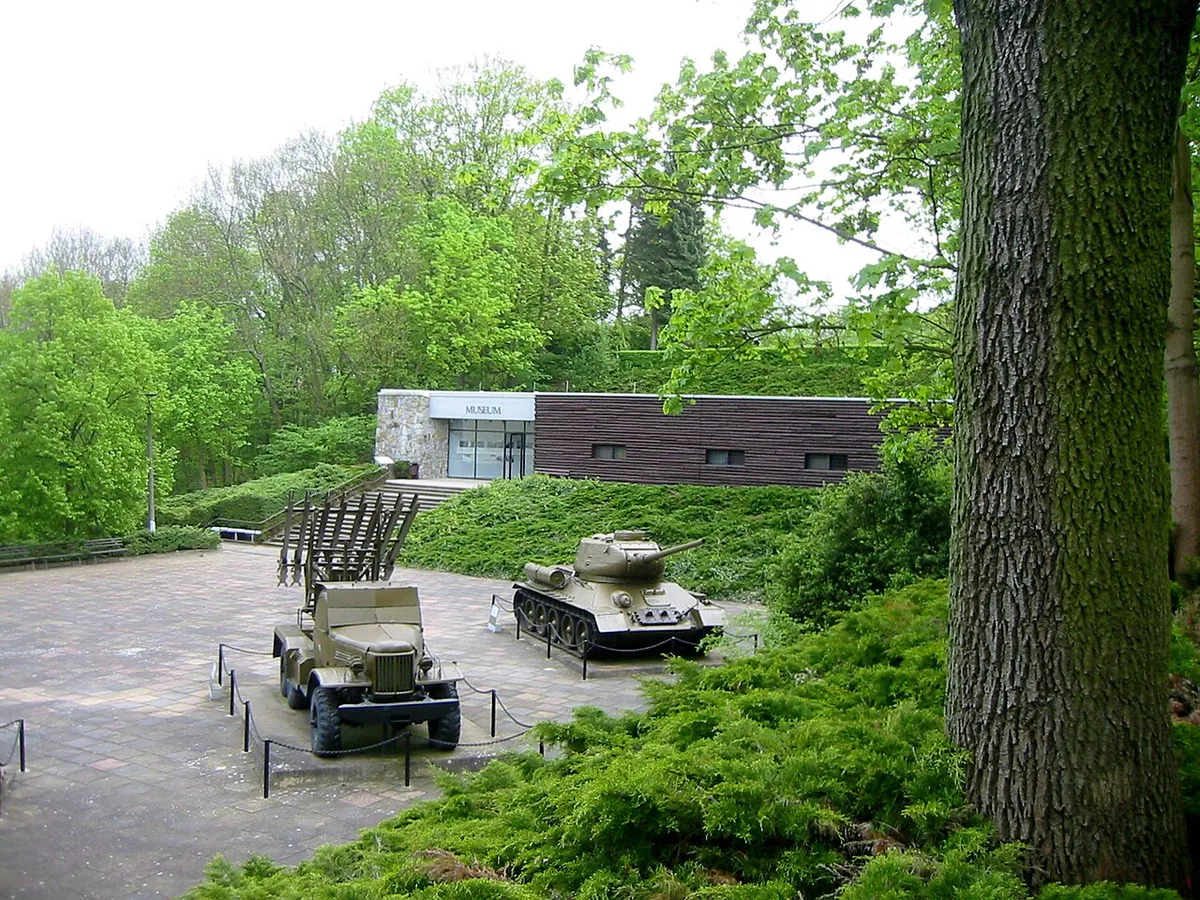
- Military hardware: The open-air display features Soviet equipment, including artillery, a T-34 tank and a Katyusha rocket launcher.
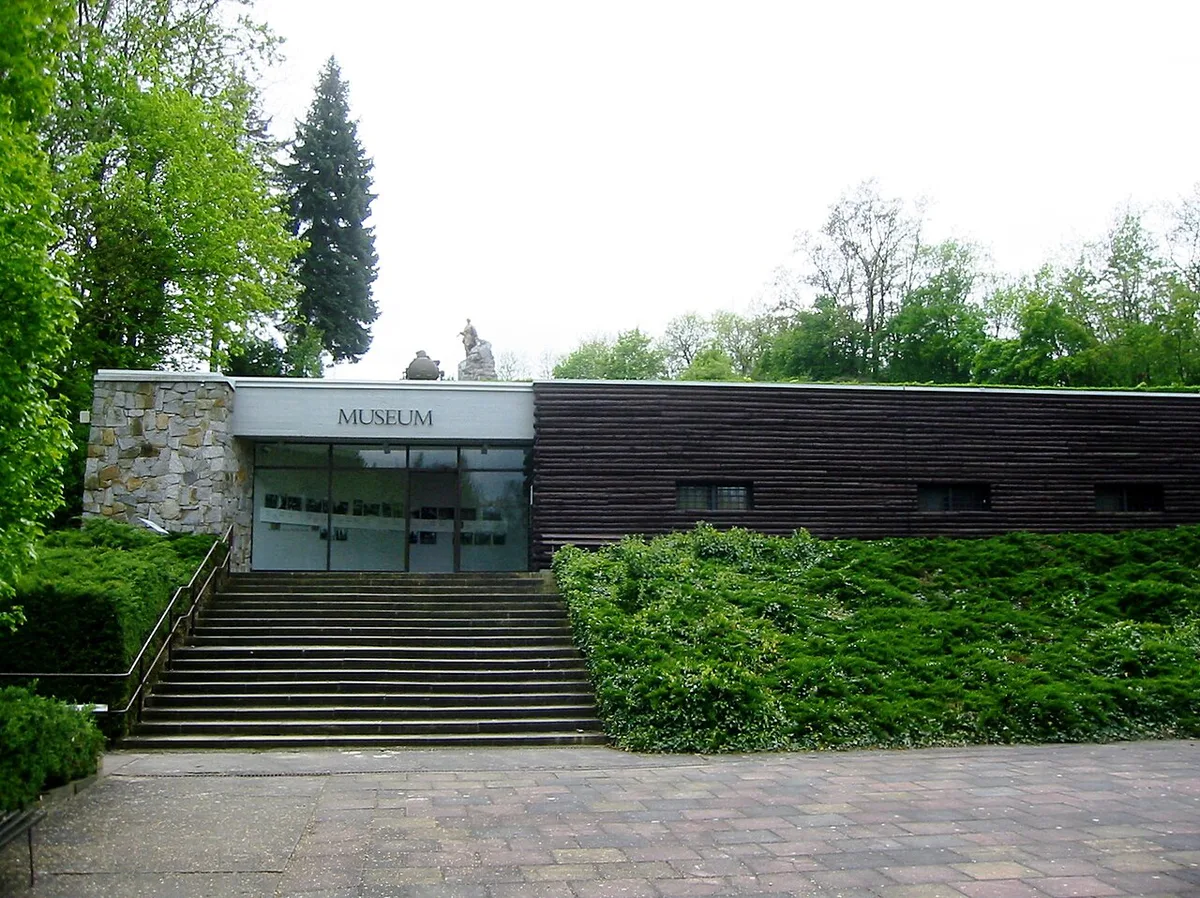
- Museum building: The museum was added in the East German period, in the early 1970s, well after the monument.
That sequence is useful when you look around. The monument reflects the immediate Soviet commemoration of the victory, while the museum was established under the East German state, when remembrance of the battle carried a strong political message. As you go through the site, compare the language and imagery of the older memorial elements with the way the current exhibition explains the fighting and its human cost.
Displays can be moved, restored or temporarily closed. If a particular object is your main reason for making the trip, confirm with the memorial site before you travel.
How to get there from Berlin
Seelow lies east of Berlin in Brandenburg, and both car and public transport are options. We have no verified timetable or journey time to quote. Check Deutsche Bahn and VBB for current regional connections and the last stretch to the memorial.
Opening hours, tickets and accessibility
Hours, admission and step-free access are set by the museum and can change by season. The official site is the only reliable source for them, so read it before you leave.
Time plan and what to expect on the ground
Allow a short visit or a half day, depending on how much of the exhibition you read. The site is open ground on a ridge, so wear sturdy shoes and dress for wind. Spring brings mud, and winter brings early dusk.
| Visit length | What to cover |
|---|---|
| Short stop | Memorial area and viewpoint |
| Half day | Museum exhibition plus the memorial grounds |
| Longer trip | Pair it with other eastern Germany sites, such as Dresden's wartime history |
- Short stop: memorial area and viewpoint
- Half day: museum exhibition plus the memorial grounds
- Longer trip: pair it with other eastern Germany sites, such as Dresden's wartime history
- Mistakes to avoid: expecting a town attraction cluster, skipping the opening days and underestimating uneven ground
Visiting respectfully
Seelow Heights is a place of remembrance for many dead on both sides. Soviet and German memory of the battle differ, and some memorials carry political meaning. Follow any conduct rules posted on site, and keep voices low near graves and memorials. The Volksbund Deutsche Kriegsgräberfürsorge cares for German war graves. Our guide to war cemeteries across Germany explains how to visit them with care. For a Western Front contrast, see the Remagen bridge story.
If you only have 1 to 2 hours
A 1 to 2 hour stop can still make sense if Seelow Heights is one part of a Berlin 1945 itinerary. Start at the memorial area and take time to look across the Oder lowland. The view helps explain why the ridge mattered to the defenders.
Then visit the museum exhibition if it is open. It provides the context that is difficult to see from the landscape alone. The Soviet attack began at about 5 a.m. on 16 April 1945. The low ground below the ridge was affected by spring flooding, while limited roads constrained movement.
Keep the visit focused rather than trying to turn it into a full-day attraction. Check opening arrangements before travelling, especially if the museum is central to your visit. Wear shoes suitable for uneven outdoor ground and allow extra time if conditions are wet.
Keep planning
Guides on the same trip