6 Concentration Camp Memorials in Germany: Visitor Guide
Which former Nazi concentration camps can you visit in Germany? Compare six memorials by region, access from major cities, time needed and visitor etiquette.
In this guide
Last updated November 2026: the former concentration camps in Germany are now memorials and museums, and most are open to the public. This guide compares six of them by region, access and what remains on site, so you can choose where to begin. Every one is a place of mourning, so it also covers pacing and conduct.
Featured image: Roland.h.bueb, CC BY-SA 3.0, via Wikimedia Commons.
Which Concentration Camps in Germany Can You Visit Today?
Germany has no single national memorial. Separate foundations care for former camps, and each site sets its own hours, tours and rules. Six are compared below, spread from the Berlin region to Bavaria. Dachau and Buchenwald are major sites with their own guides and sit outside this one.
A few terms help when you read the memorial websites. A concentration camp held people without trial for terror, political repression and forced labor. Extermination camps, created from 1941 to murder people on a mass scale, lie outside this guide. Subcamps were satellite sites tied to a main camp, often placed beside factories or quarries. Early camps were improvised in 1933 and 1934 in factories, schools and castles, and about 70 were set up in 1933 alone.
Compare the Memorials at a Glance
Use this table to match a site to your base city and your energy for the day. Time estimates are planning guidance, not official figures. Hours and fees are not listed here because each memorial publishes its own current terms. Prices and hours checked November 2026: entry and tour options differ by site, so read the official page before you travel.
| Site | Region | Nearest base city | Travel approach | Time to allow | What remains | Best fit |
|---|---|---|---|---|---|---|
| Sachsenhausen | Brandenburg, in Oranienburg | Berlin | Regional transport; check VBB | Most of a day | Purpose-built camp grounds and surviving buildings | First visit from Berlin |
| Ravensbrück | Brandenburg | Berlin | Public transport or car; check VBB | Half day | Memorial grounds and exhibitions | Focus on women's persecution |
| Neuengamme | Hamburg area | Hamburg | Public transport from the city | Half day | Large grounds with exhibitions | Day trip from Hamburg |
| Bergen-Belsen | Lower Saxony, near Celle | Hanover | Train plus local connection, or car | Half day to most of a day | Open landscape, grave fields, documentation centre | Quiet, reflective visit |
| Flossenbürg | Bavaria, near the Czech border | Nuremberg region | Car is simplest | Half day | Memorial site beside a former quarry | Remote site with depth |
| Mittelbau-Dora | Central Germany | Regional base varies | Plan transport ahead | Half day or more | Memorial focused on forced labor | Readers of forced-labor history |
6 Concentration Camp Memorials in Germany to Visit
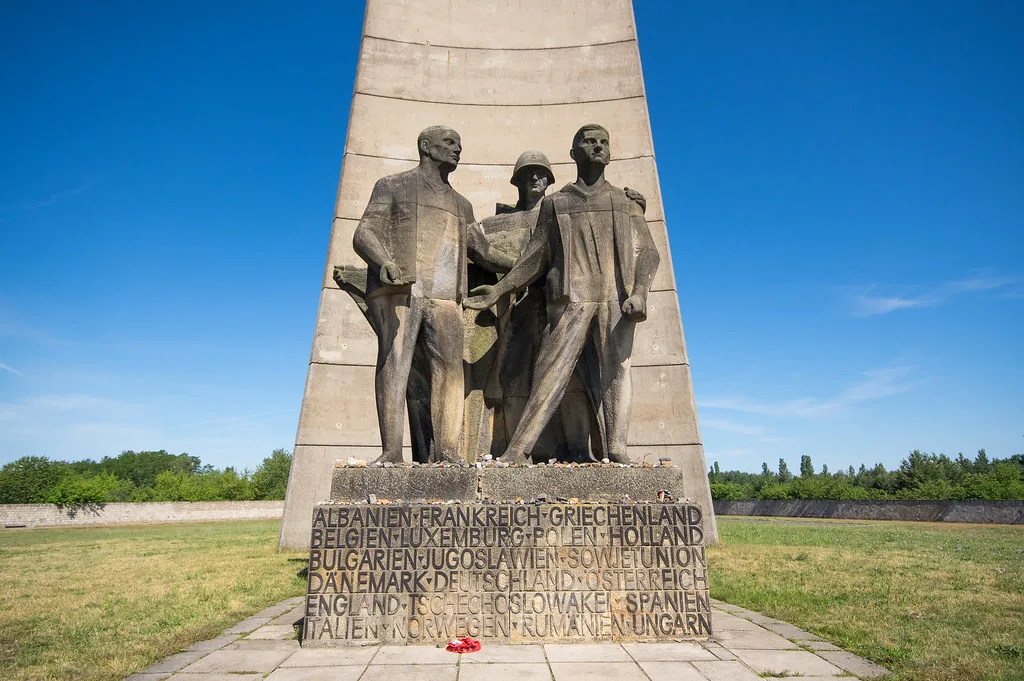
Each entry below names the foundation or memorial that publishes visiting terms. Read its page for current hours, tours and entry conditions before you go.
1. Sachsenhausen Memorial, Oranienburg
Sachsenhausen opened in September 1936 and was purpose-built, which makes it one of the clearest places to see how the SS designed a camp. Oranienburg lies north of Berlin, and the Brandenburg Memorials Foundation runs the memorial. Prisoners were forced to work at a brickworks run for an SS company, and the grounds let you follow that history on foot. Our Sachsenhausen memorial guide covers the site in detail.
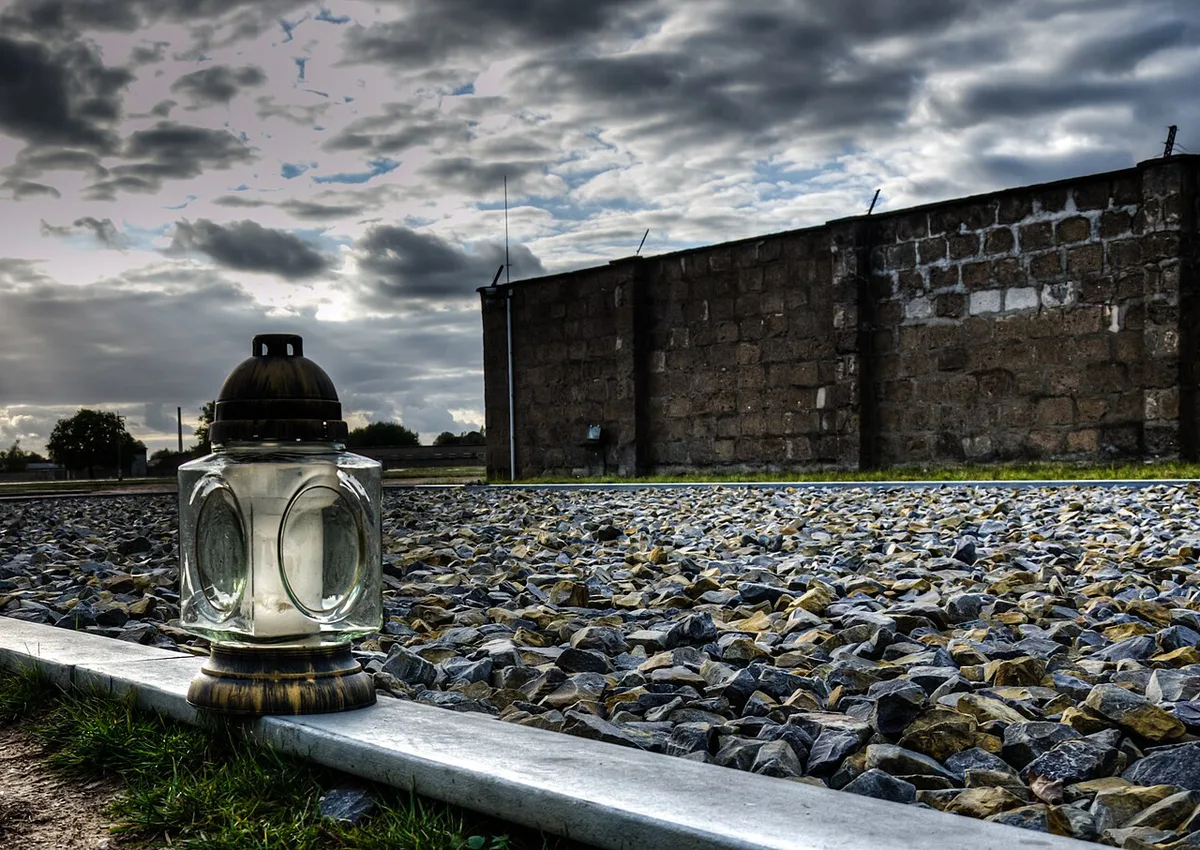
For routes and timing, read about getting there from Berlin. Local information is available from Oranienburg tourism. Best for a first visit when you have most of a day. Skip it on a crowded itinerary, since the site rewards unhurried time.
2. Ravensbrück Memorial
Ravensbrück opened in May 1939 as the first purpose-built camp for female prisoners. Its history is a distinct part of the camp system, so the visit centers on women's experiences of persecution and imprisonment. The Ravensbrück Memorial publishes its own visiting information, including exhibitions and programs.
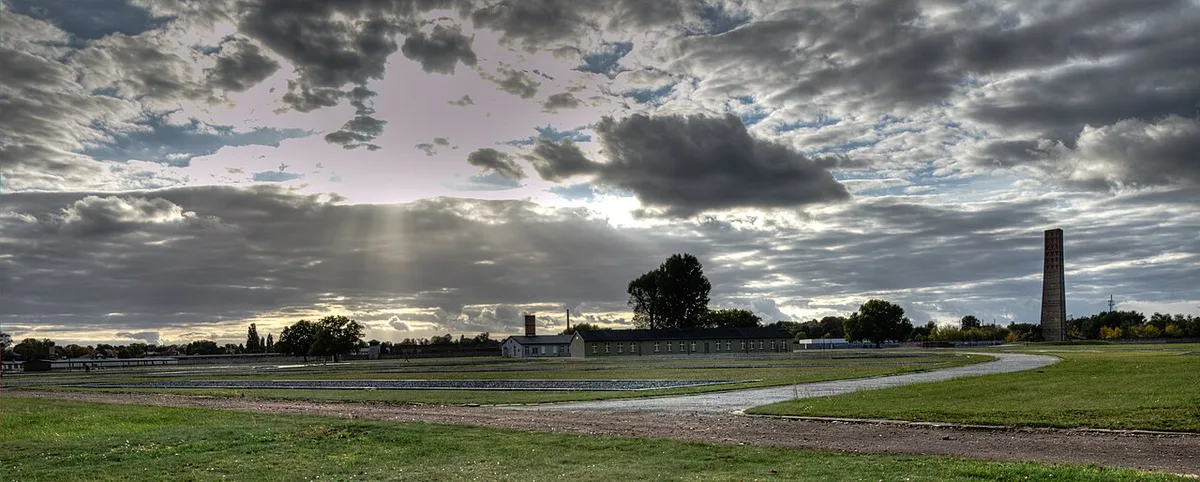
Our Ravensbrück memorial guide explains the layout and what to see. Check VBB for Brandenburg public transport options, or plan a drive. Give it its own half day rather than pairing it with another site. Skip it if you have time for only one Berlin-region memorial and want the broadest overview, which Sachsenhausen offers.
3. Neuengamme Concentration Camp Memorial, Hamburg
Neuengamme opened in early 1940 outside Hamburg and was set up around a brickworks, so forced labor shaped the camp from the start. The Neuengamme Concentration Camp Memorial publishes its exhibitions, guided programs and visitor information. Our Neuengamme memorial guide covers the grounds and the route from the city.
Hamburg makes the easiest base, and a half day is a realistic plan. Best for travelers already in Hamburg who want a day trip without a long transfer. Skip it if you want a compact site, because the grounds reward walking and reading.
4. Bergen-Belsen Memorial, near Celle
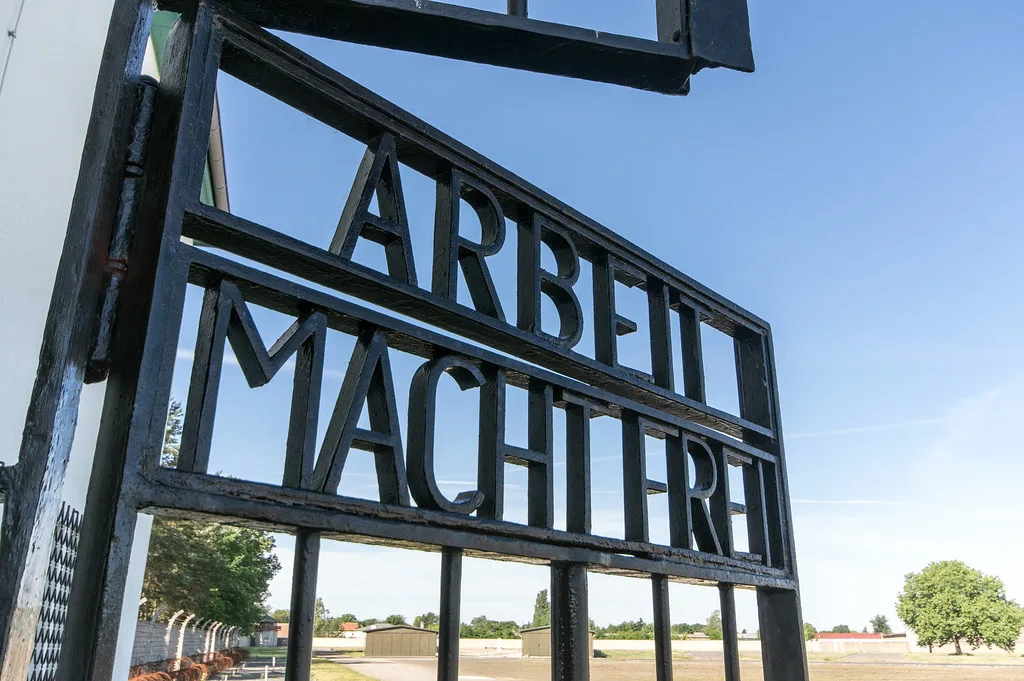
Bergen-Belsen lies in Lower Saxony near Celle, and the Lower Saxony Memorials Foundation publishes the visiting information. Expect open landscape, grave fields and a documentation centre rather than preserved barracks. Our Bergen-Belsen memorial guide explains what to see and how the site is arranged.
If you are based in Hanover, read about the trip from Hanover before you set out. Allow a half day at minimum, and more if you want to read the exhibition closely. Best for a quiet, reflective visit. Skip it if you want much surviving camp architecture.
5. Flossenbürg Concentration Camp Memorial
Flossenbürg opened in May 1938 near the Czechoslovak border, beside a quarry that supplied the SS company that profited from prisoner labor. The Flossenbürg Concentration Camp Memorial publishes its hours, tours and programs. The Bavarian Memorials Foundation is the wider institution behind Bavaria's memorial sites.
Our Flossenbürg memorial guide covers the grounds and the exhibition. This is a remote site, so a car from the Nuremberg region is the simplest approach. Best for travelers who want depth over convenience. Skip it if you rely on public transport and have a single free day.
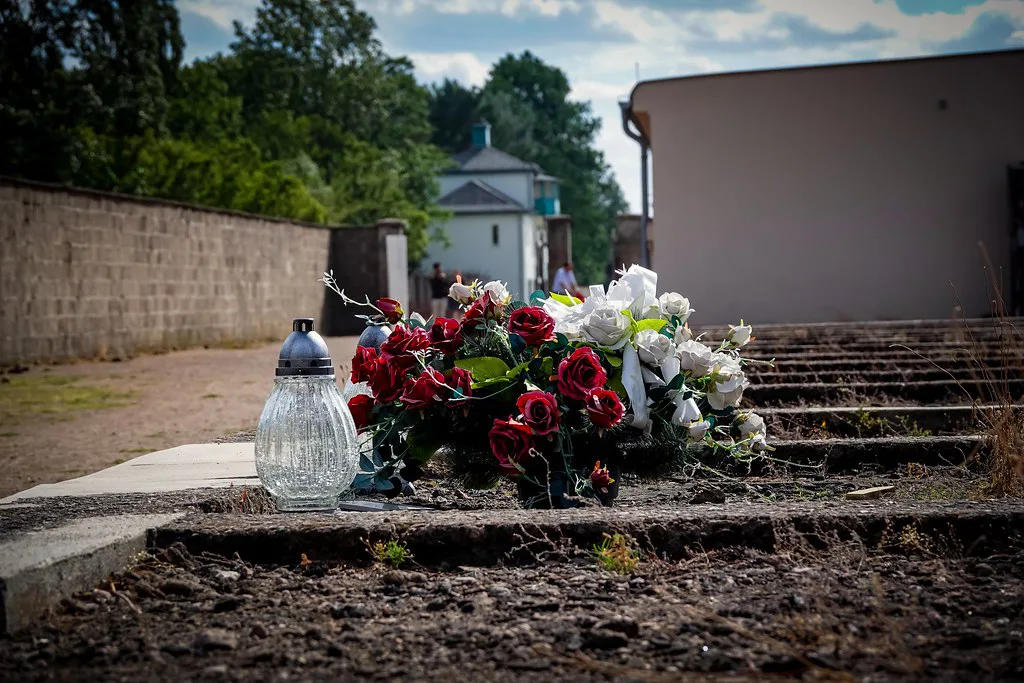
6. Mittelbau-Dora Memorial
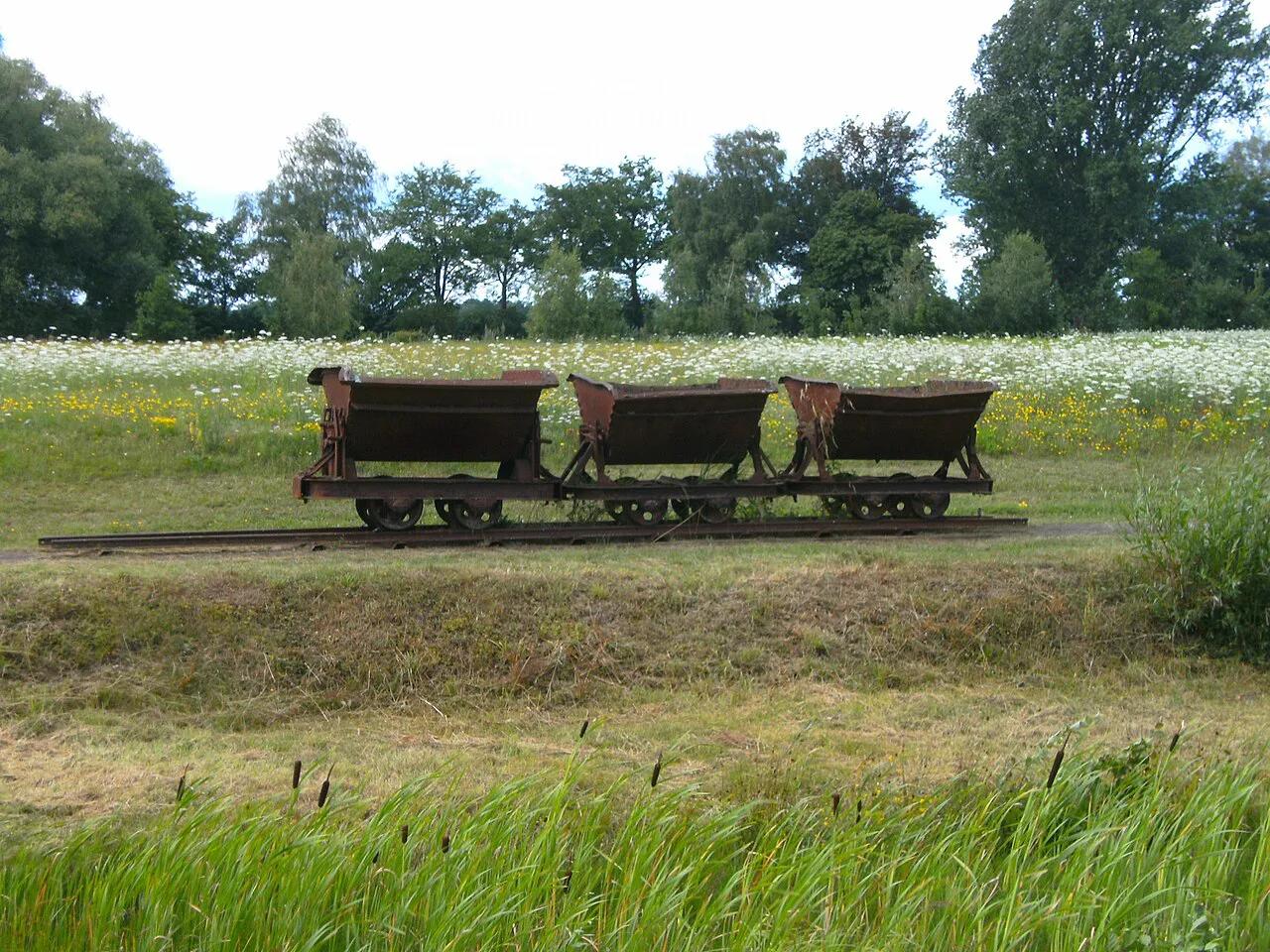
Mittelbau-Dora is known for forced labor in underground armaments production. It suits readers who want to understand how the camp system served the war economy, not only its early terror. Our Mittelbau-Dora memorial guide explains the site, the exhibition and the practical details.
The memorial lies in central Germany, and transport needs planning in advance. Allow half a day or more. Best for visitors with a particular interest in forced labor. Skip it if you have no way to arrange transport.
Related Sites: Wannsee Conference House and Hadamar
Two further memorials explain the wider system of persecution. Neither is a concentration camp.
The Wannsee Conference House: Visitor Guide to the Memorial (Berlin) is a museum and education site in Berlin, set in the villa where the Wannsee Conference took place. It is a document-based visit about how the persecution of Jews was organized.
The Hadamar Memorial: Visitor Guide to the Killing Centre Site commemorates a killing center of the Nazi "euthanasia" program. Add either to your plans if you want context beyond the camps themselves.
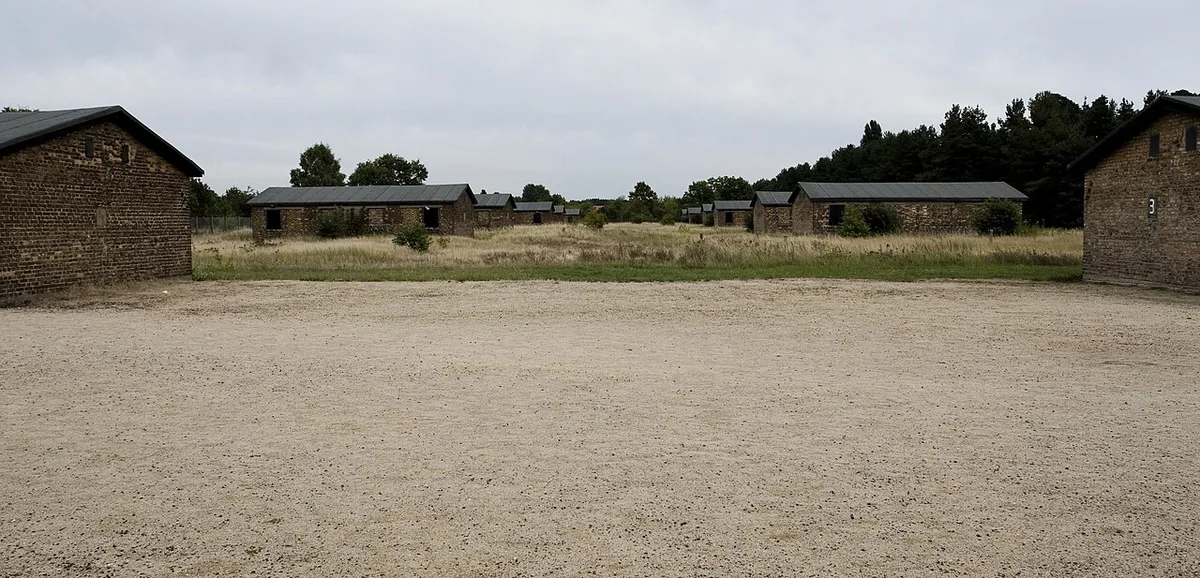
Choose by Situation
Match your starting point to one memorial, then add a second only on another day.
- One day from Berlin: Sachsenhausen, with its foundation's visitor page open on your phone.
- A focus on women's history: Ravensbrück, on its own half day.
- One day from Hamburg: Neuengamme, which needs no overnight stay.
- A quiet, reflective site: Bergen-Belsen, ideally from Hanover or Celle.
- A remote site and a car: Flossenbürg, from the Nuremberg region.
- Forced labor and the war economy: Mittelbau-Dora, with transport booked in advance.
Planning a Visit Without Rushing
Plan one memorial per day. A second site the same day leaves little room to absorb either one. Winter days are short, so start early between November and February and check the closing time for the last entry.
Public transport reaches the Berlin and Hamburg sites more easily than Flossenbürg or Mittelbau-Dora. For Brandenburg routes, use the VBB Berlin-Brandenburg transport planner. Many memorials offer guided tours or audio guides, but terms differ, so read each official page.
Avoid these common mistakes:
- Rushing: arriving late in the day leaves too little time to read the exhibitions.
- Combining several sites in one day.
- Arriving without checking opening hours or tour times.
- Treating the memorial as a photo stop.
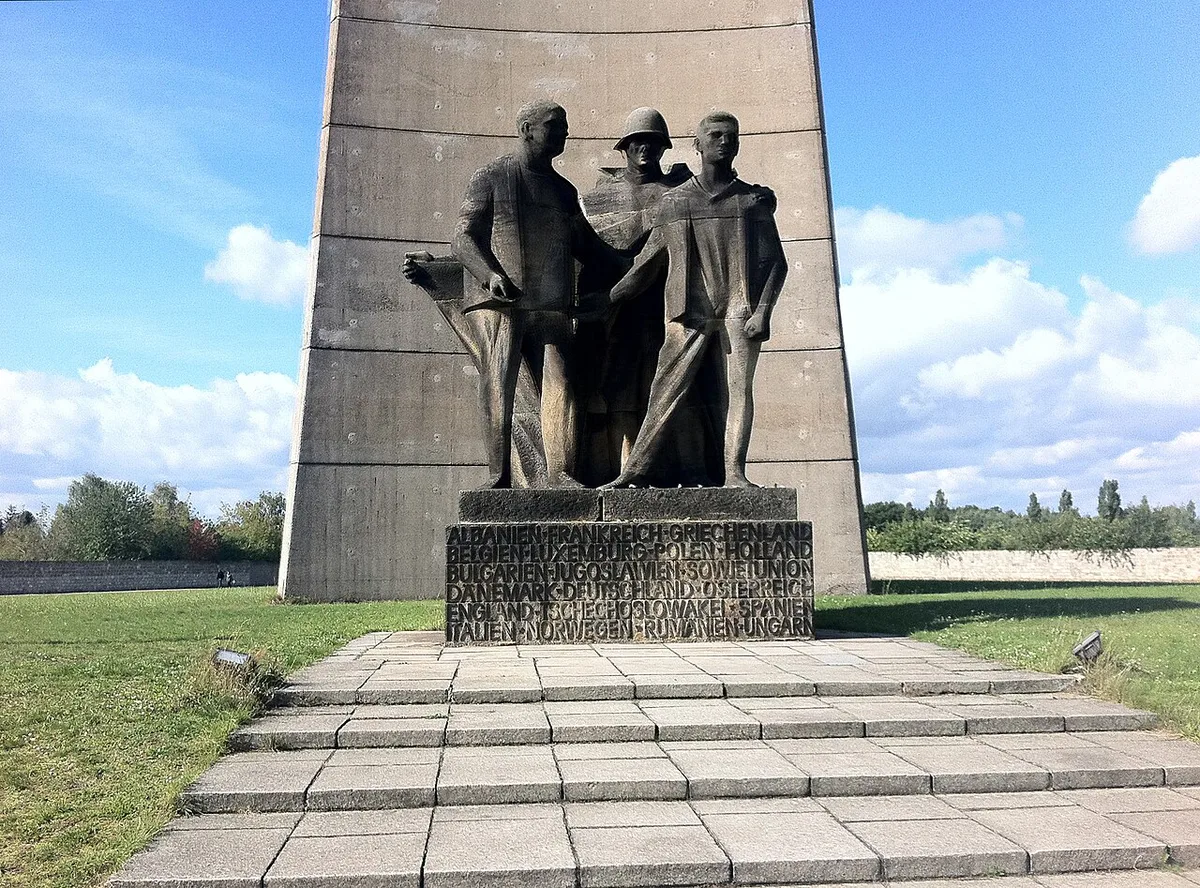
Visitor Etiquette and What to Expect
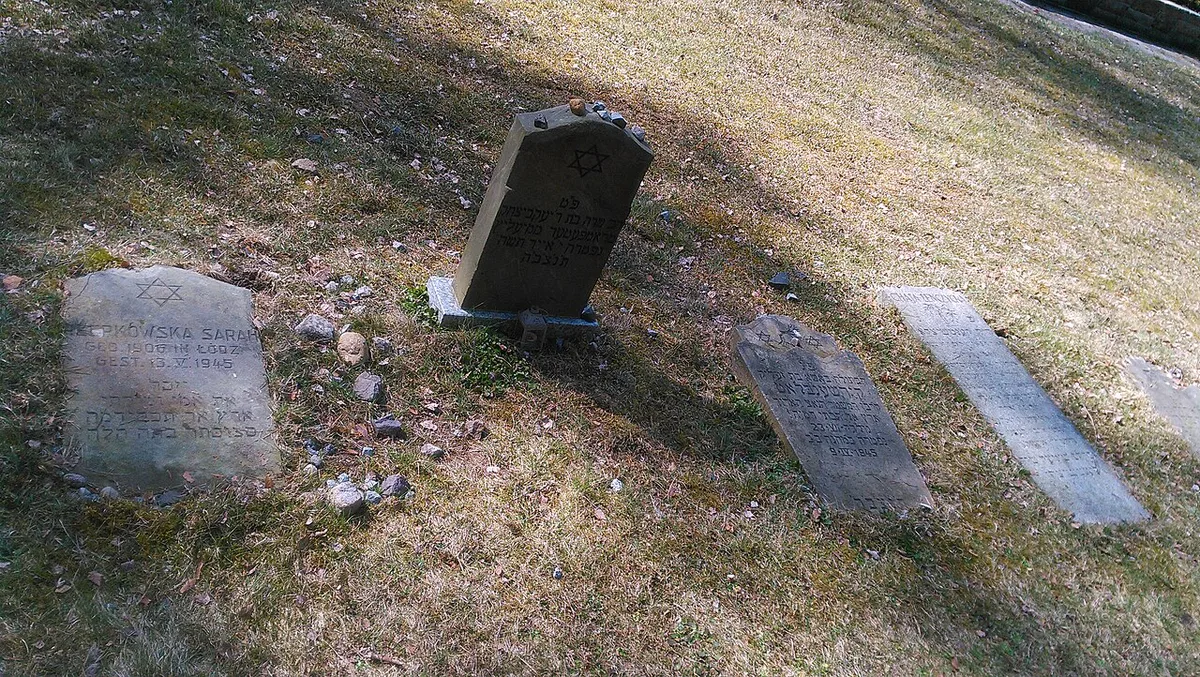
Treat each site as a cemetery and a place of mourning. Speak quietly, dress modestly and follow posted signs. Photography rules vary by site and by area, so read the visitor guidelines on the memorial's own website.
Expect exhibitions with documents, personal testimony and photographs of suffering. Some visitors need breaks between rooms, and the open grounds allow that. Families should read each memorial's age guidance first. Many sites run programs for school groups, and the foundations' pages describe them. Check each memorial's accessibility page if you use a wheelchair or have limited mobility.
Understanding the History First
Adolf Hitler became chancellor on 30 January 1933, and the first camps opened within weeks. By 1934 the SS had taken over the camps run by the SA, and a model developed at one early camp spread to the others. From 1936 the SS opened purpose-built camps such as Sachsenhausen, followed by Flossenbürg in 1938 and Ravensbrück in 1939.
Historians count more than a thousand camps and subcamps across Germany and occupied Europe. Estimates put about 1.65 million people among the registered prisoners, and about a million died during imprisonment. Camps were liberated in 1944 and 1945, while death marches killed hundreds of thousands. Each memorial above covers its own part of this history in depth.
Explore More Guides
Keep planning your trip with these guides.
Guides
- Bergen-Belsen Memorial
- Sachsenhausen Memorial and Museum
- Sachsenhausen from Berlin: Train, Tickets & Visit Guide
- Ravensbrück Memorial
- Neuengamme Memorial Visit Guide
- Flossenbürg Memorial Visit Guide
- Mittelbau-Dora Memorial Visit Guide
- Bergen Belsen from Hanover: Transport Options and Day Plan
- Hadamar Memorial: Visitor Guide to the Killing Centre Site
- Wannsee Conference House: Visitor Guide to the Memorial (Berlin)
Keep planning
Guides on the same trip