Hadamar Memorial: Visitor Guide to the Killing Centre Site
Plan a visit to the Hadamar Memorial in Hesse: history, what you see, getting there from Limburg and Frankfurt, and respectful visiting tips.
In this guide
Last updated November 2026: the Hadamar Memorial in Hesse stands on the grounds of a former psychiatric hospital where patients were murdered in the Nazi "euthanasia" programme. Its operator is the Landeswohlfahrtsverband Hessen, the Public Welfare Association of the state of Hesse. Our guide covers the history, what the museum offers, how to reach the town from Limburg and Frankfurt, and how to behave on site.
Featured image: Volker Thies (Asdrubal), CC BY-SA 3.0, via Wikimedia Commons.
What the Hadamar Memorial Is
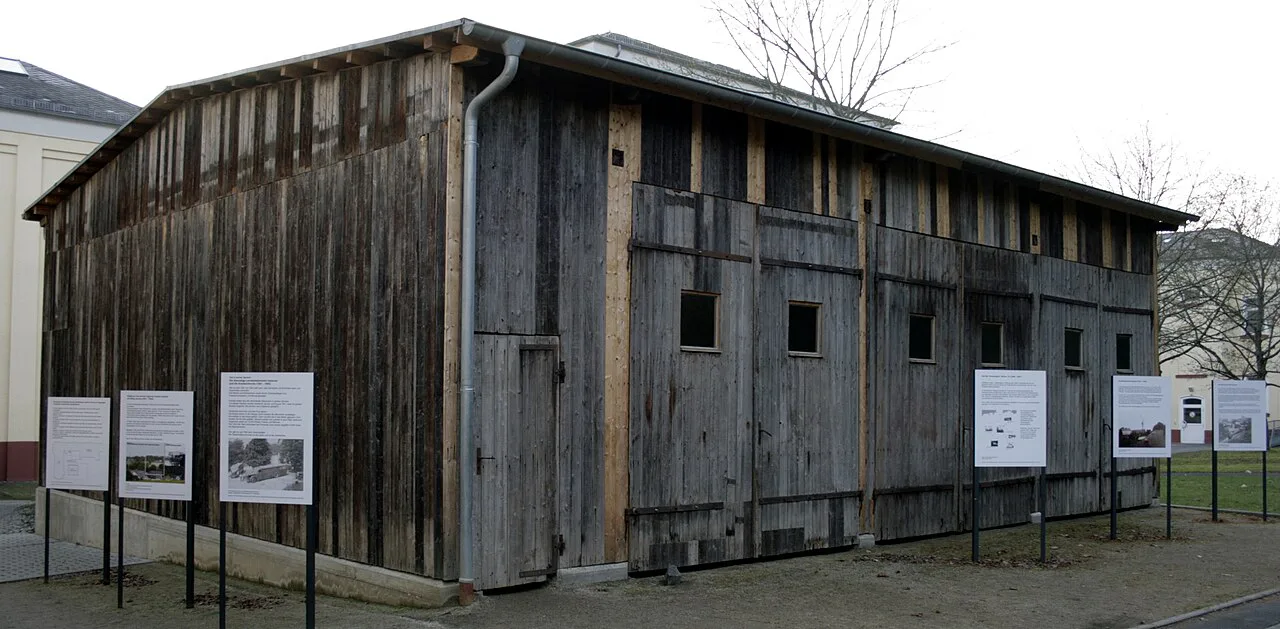
Hadamar was a Nazi "euthanasia" killing centre, not a concentration camp. Between 1941 and 1945, nearly 15,000 people were murdered there, according to the official memorial site. Victims included mentally ill and disabled people, from the old to the young, men, women and children. They were brought from across Germany and from several other European countries. Today the Hadamar Memorial Museum stands next to a working psychiatric clinic. Treat the visit as a visit to a place of remembrance, not as sightseeing.
- Operator: Landeswohlfahrtsverband Hessen (LWV Hessen)
- Location: the town of Hadamar in Hesse, about 8 km from Limburg an der Lahn
- Period of the killings: 1941 to 1945
- Number of victims: nearly 15,000, as stated by the memorial
- Type of site: memorial museum beside a psychiatric clinic, not a camp
A Short History of the Hadamar Killing Centre
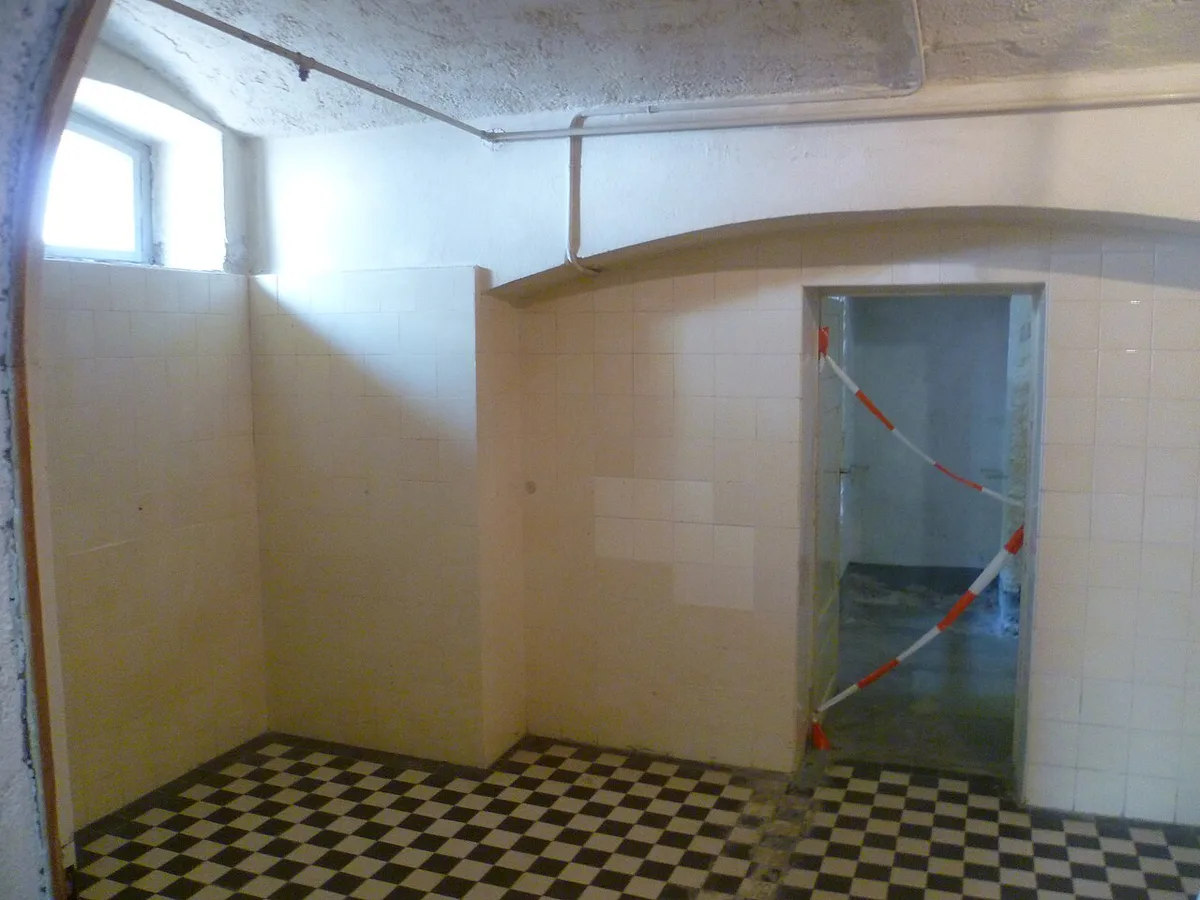
Official history pages trace the building from a correctional institution (1883–1906) to a state sanatorium (1906–1933). Nazi-era killing began in a place that had already served as a public institution for decades. Hadamar was the last of six facilities set up for Aktion T4, the Nazi "euthanasia" programme. Killings began in January 1941 and used a gas chamber. Families received falsified letters about the cause of death.
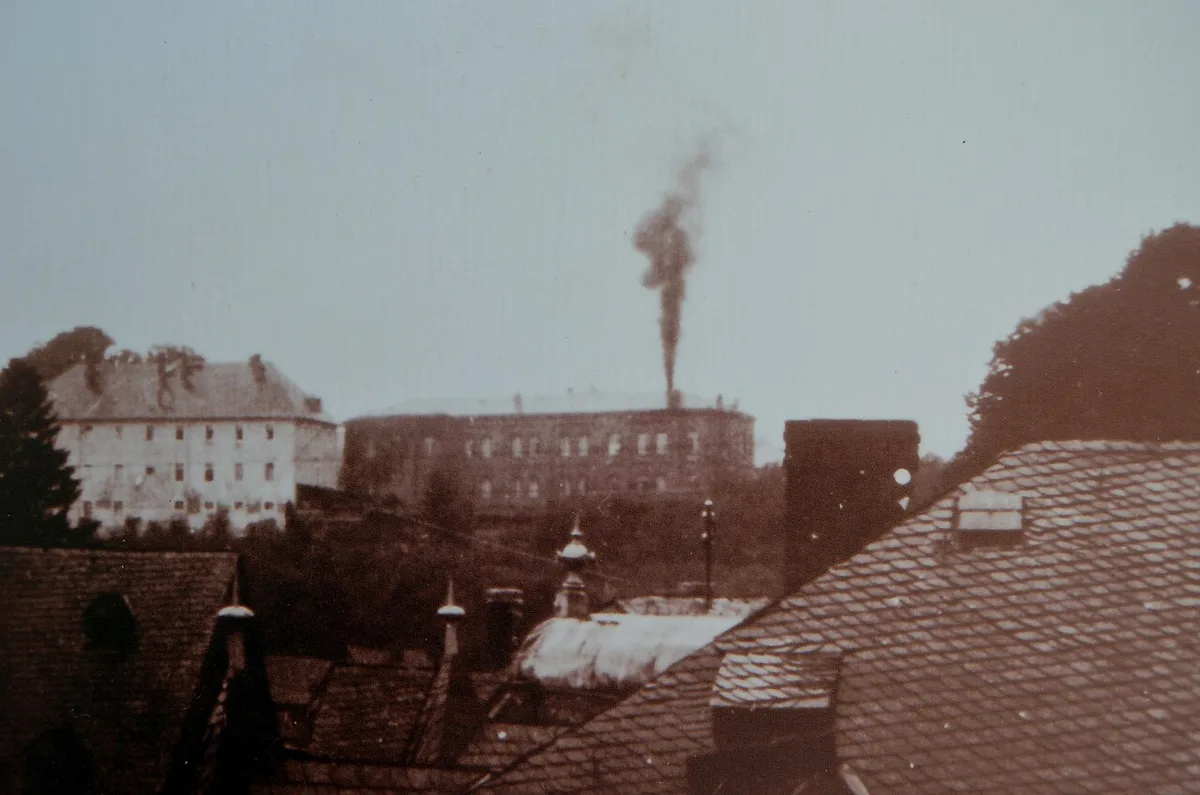
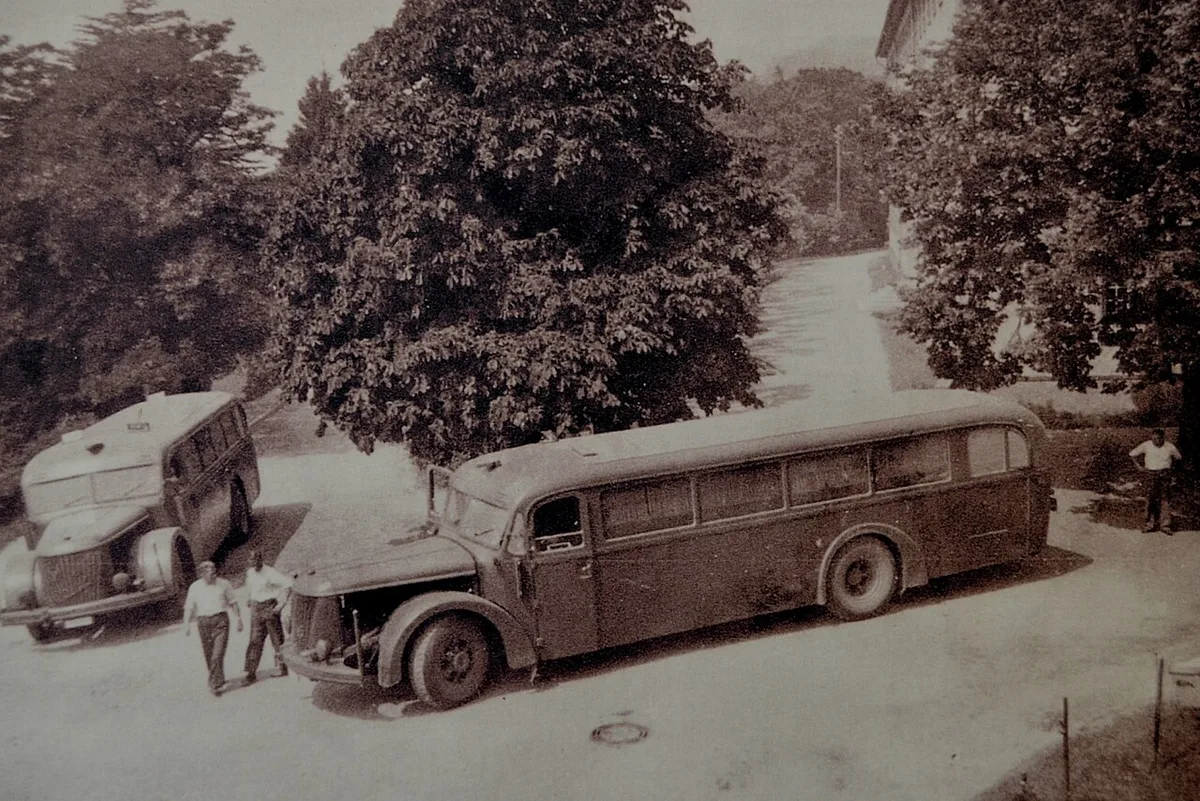
Local people knew what was happening. In a letter dated 13 August 1941, the Bishop of Limburg described buses arriving in Hadamar and smoke rising from the chimney. Jan Erik Schulte, the museum's director, quotes that letter in a 2022 Vatican News interview. T4 was officially halted in August 1941.
Killing resumed in August 1942 in a decentralised phase. Doctors and staff at the institution carried it out without central direction from Berlin, and the gas chamber had been dismantled. Victims died through overdoses of medication, neglect and starvation. Many were forced labourers from Poland and the Soviet Union, and Dr Schulte adds that people from Italy and France were also killed here.
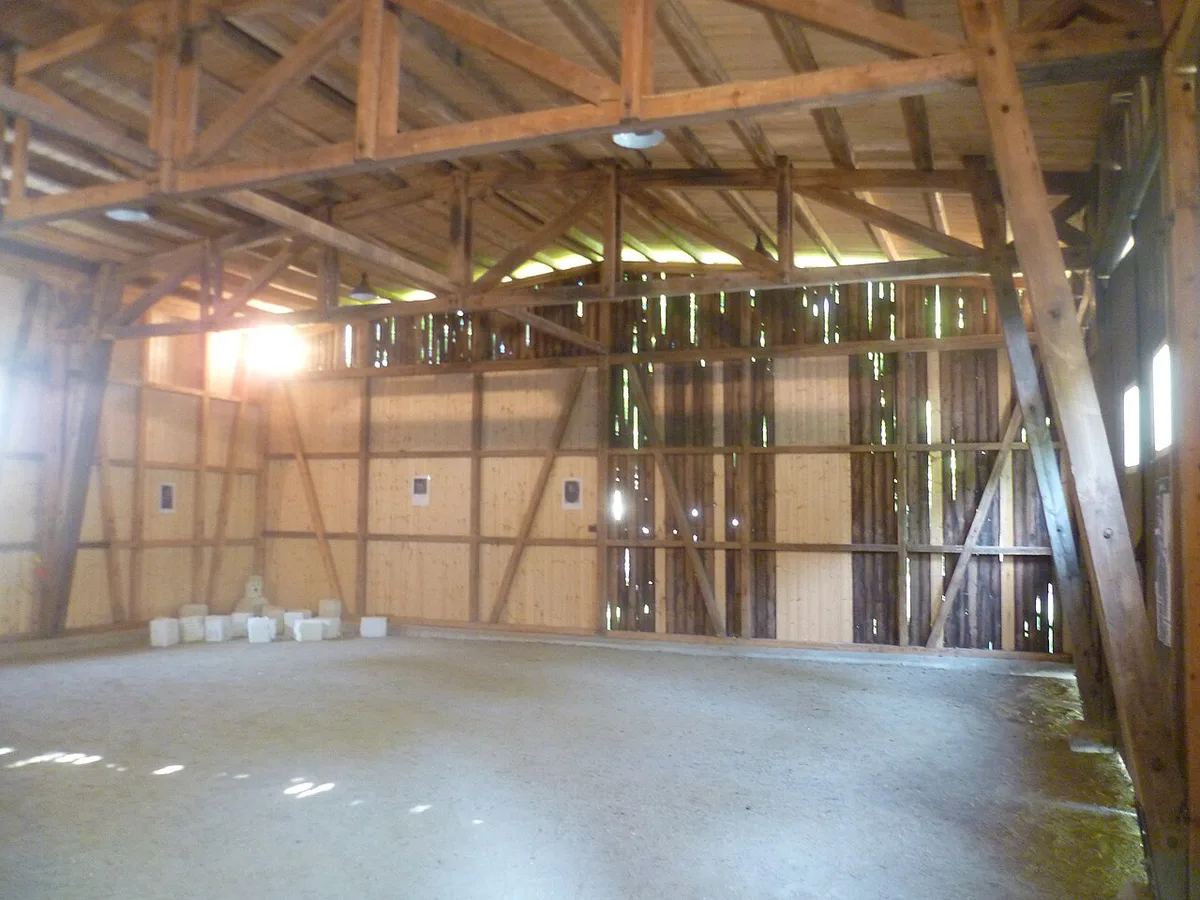
US troops liberated the town on 26 March 1945, ending the killings. A US military court in Wiesbaden held the Hadamar Trial from 8 to 15 October 1945. Defendants faced charges over the murders of forced labourers from Poland and the Soviet Union. German courts later tried staff over the murders of German patients.
What the Hadamar Memorial Museum Offers
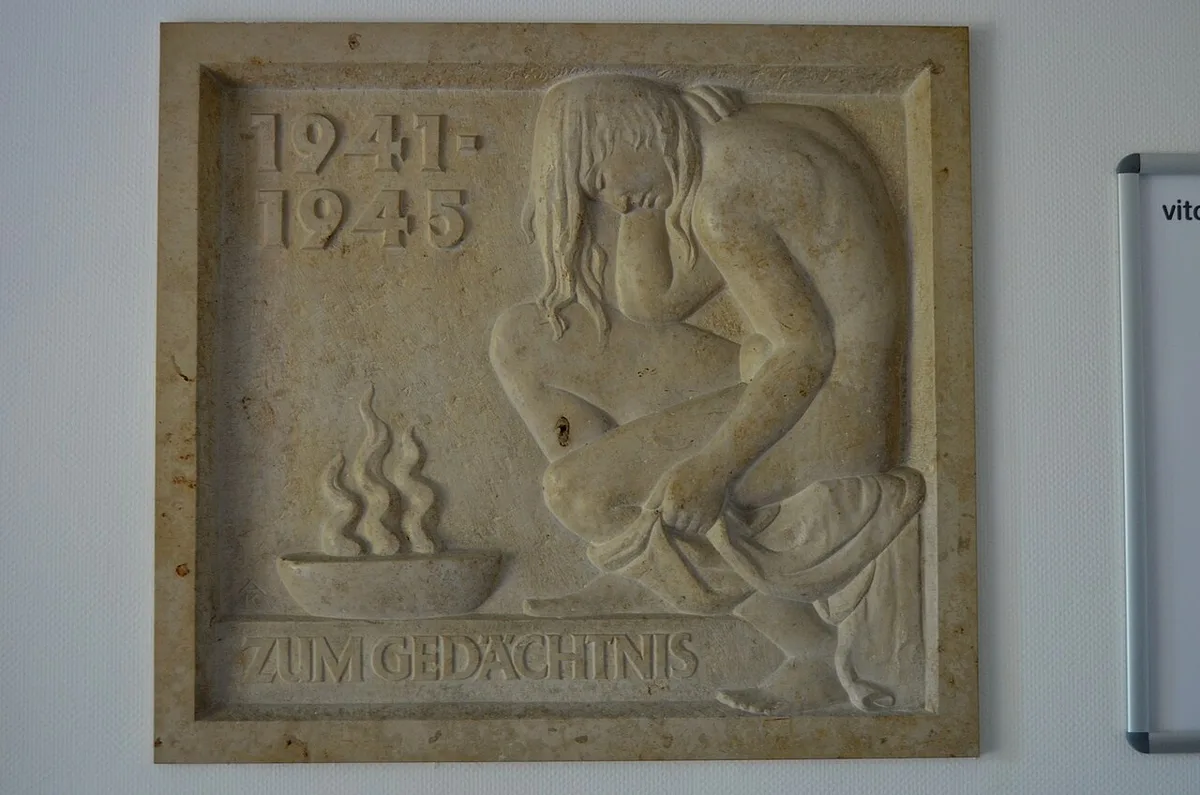
According to its own site, the memorial museum combines commemoration, education and research. Visitors can see the exhibitions and the historical site itself. A memorial to the victims is part of the grounds, and the museum also offers digital services. Groups can use educational services, and the site explains how to apply for funding to visit a memorial.
Researchers can ask about the archive, the library and the estate of Ernst Klee. Those resources are listed under the museum's research pages.
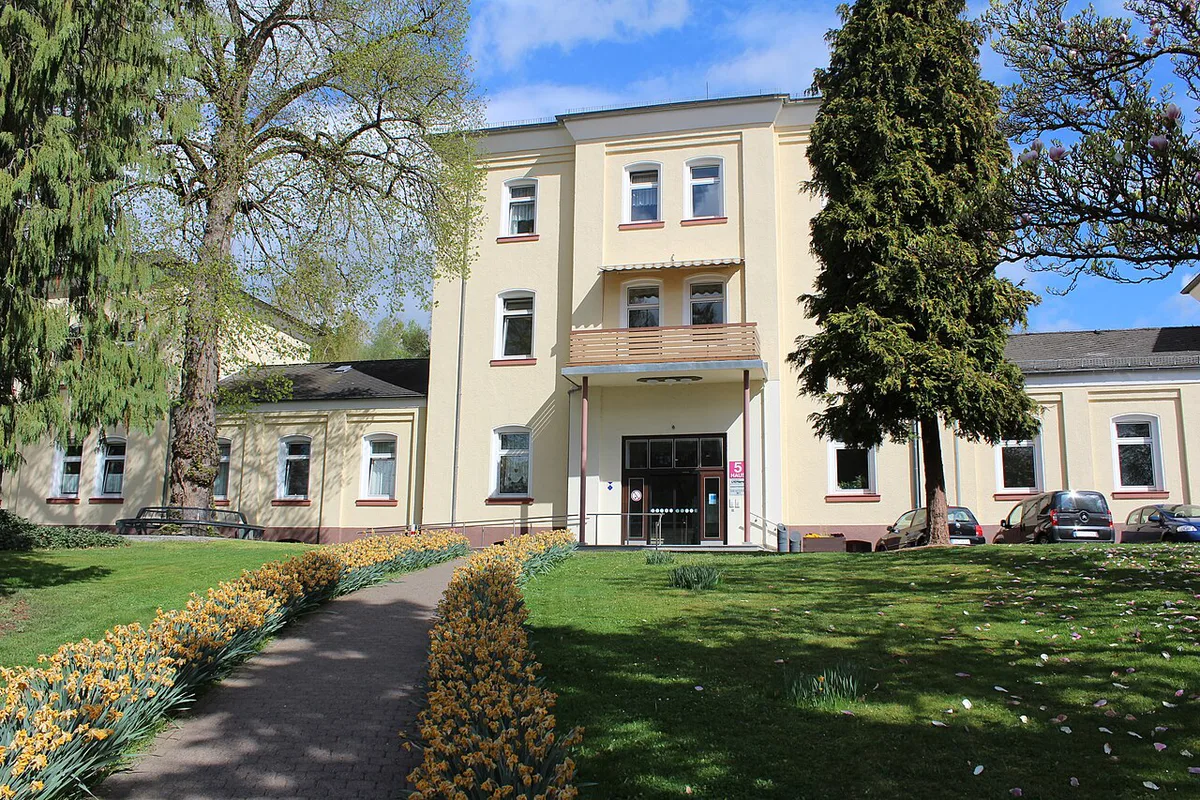
Because the grounds are shared with a psychiatric clinic, patients and staff are present around the memorial. Keep that in mind when you move around the site.
Planning a Visit to the Hadamar Memorial
Opening days, admission, tours, accessibility and the photography rule are published on the museum's general information page. Those details change, so read them there before you travel. Plan roughly half a day including travel from Limburg; that is an editorial estimate, not an official figure.
Only about 8 km from Limburg an der Lahn, the town is quick to reach, but budget roughly half a day for the memorial and travel.
- Opening days and hours
- Admission fees, or free entry
- Guided versus self-guided visits, and group booking
- Accessibility, and whether exhibitions are available in English
- Rules on photography and any guidance for children
Getting to Hadamar from Limburg, Frankfurt and Wiesbaden
Hadamar lies about 8 km from Limburg an der Lahn, a distance given in the Bishop of Limburg's 1941 letter. Limburg is the practical base for the final leg.
From Frankfurt or Wiesbaden, split the trip into two legs. First travel to Limburg station, then continue to Hadamar on the connection shown in the current timetable. Check Deutsche Bahn and the regional transit operator for both legs, since fares and journey times are not listed here. If you drive, look up parking in the directions section of the official site.
Combine Hadamar with Limburg an der Lahn for a day trip. Visit the memorial first while your attention is fresh. Then use Limburg for a meal and quiet time before the return to Frankfurt or Wiesbaden.
- Leg 1: Frankfurt or Wiesbaden to Limburg an der Lahn (check the current timetable)
- Leg 2: Limburg to Hadamar, about 8 km (check regional transit or driving directions)
- Return: allow time to decompress in Limburg before heading back
Hadamar Compared With a Concentration Camp Memorial
Hadamar differs from camp memorials in who was killed and what remains. Victims were mainly patients and disabled people, not prisoners held in a camp system. There is no camp layout to walk. Expect a smaller, more intimate site.
If you want a camp memorial instead, the Bergen-Belsen camp memorial is one option. Another is the Sachsenhausen camp memorial. A third option is the Neuengamme camp memorial. These pages cover camps, not "euthanasia" sites, and each stands on its own.
| Question | Hadamar Memorial | Concentration camp memorial |
|---|---|---|
| Victim groups | Patients, disabled and mentally ill people, plus forced labourers | Prisoners held in the camp system |
| Type of site | Former psychiatric hospital, now a memorial museum beside a working clinic | Former camp grounds with a memorial and museum |
| Layout | Hospital setting, no camp layout | Camp grounds to walk |
| Scale | Smaller and more intimate | Usually larger grounds |
| Visit length and logistics | Half a day with travel from Limburg (editorial estimate); check the official site | Varies by site; check each memorial's own site |
| Best suited to | Visitors who want to understand the "euthanasia" crimes in Hesse | Visitors who want the history of a specific camp |
Who Should Visit the Hadamar Memorial, and Who May Skip It
Content is distressing. It covers medical killing, and children were among the victims. Ask the museum about age guidance before bringing children or teenagers.
Consider a visit if you want to understand how Nazi persecution targeted disabled and mentally ill people. Relatives of victims also come, Dr Schulte says, from the United States, across Europe and from South America. Skip the visit if you only need a quick stop between train connections, because the site asks for time and attention.
Visitor Etiquette at the Hadamar Memorial
Speak quietly and move slowly. Patients and staff of the clinic share the grounds, so keep away from clinical areas and do not photograph people. Photography rules are set by the museum, so read them on the official site before taking any picture. Follow any signs and staff instructions. Leave memorial elements untouched.
Why Hadamar Matters Today
Dr Schulte, the museum's director, told Vatican News in 2022 that remembering the victims is the basis for understanding how dictatorships work. He pointed to the way people were pushed outside society and treated as less than human. Learning those mechanisms, he argued, helps people recognise similar rhetoric today. Most visitors, he said, come alone out of interest or because they are in the region. Some are relatives, and groups from Israel visit on commemoration or educational tours.
Mistakes to Avoid at the Hadamar Memorial
Avoid these errors when planning the day.
- Treating the memorial as a quick photo stop
- Arriving without checking opening days on the official site
- Expecting a camp layout, when Hadamar was a hospital
- Calling Hadamar a concentration camp
- Assuming Limburg and Hadamar are one stop, when they are about 8 km apart
Placing Hadamar in Germany's Memorial Landscape
Hadamar is one memorial among many in the country. For the wider picture, start with Germany's concentration camp memorials. These guides cover camp sites and the planning of Nazi persecution, not "euthanasia" centres.
- Nazi planning from Berlin: the Wannsee conference villa
- Northern Germany: a Bergen-Belsen day trip from Hanover
- Near Berlin: a Sachsenhausen day trip from Berlin
- Women's camp: the Ravensbrück women's camp memorial
- Bavaria and the Czech border: the Flossenbürg camp memorial
- Central Germany: the Mittelbau-Dora camp memorial
Keep planning
Guides on the same trip