Flossenbürg Memorial Visit Guide: Getting There, Hours & History
Plan a respectful visit to the Flossenbürg KZ-Gedenkstätte in Bavaria: how to get there, what to see, how long to allow, and the history behind it.
In this guide
Last updated November 2026: Flossenburg, spelled Flossenbürg in German, is a concentration camp memorial and museum in the Upper Palatinate village of the same name, near the Czech border. Dietrich Bonhoeffer was executed at the camp in April 1945. Admission is free, and the address is Gedächtnisallee 5, D-92696 Flossenbürg. For wider context, see our overview of German camp memorials.
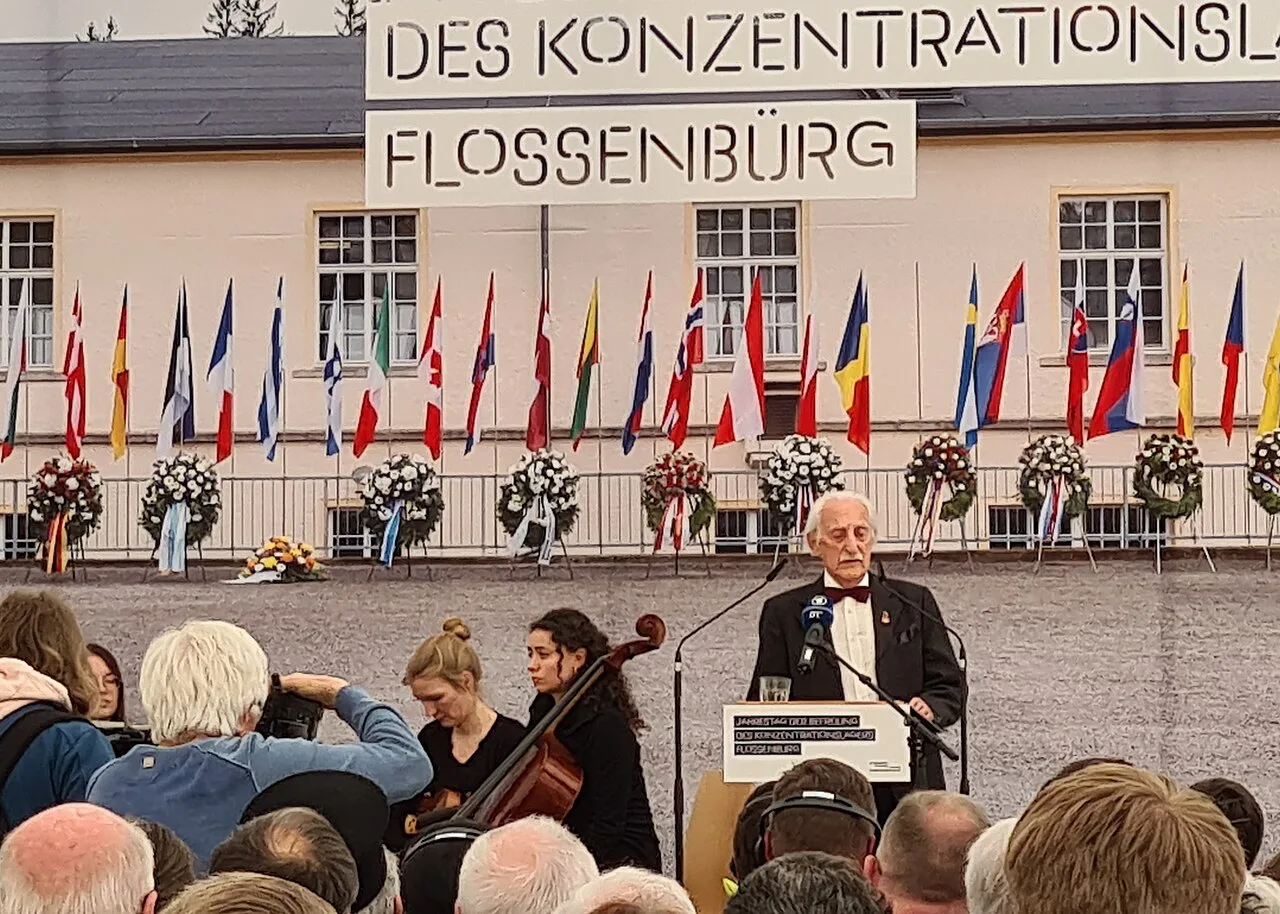
Featured image: Kim2Kim, CC BY-SA 4.0, via Wikimedia Commons.
Is Flossenburg worth visiting? Who it suits
Flossenbürg suits visitors who want depth rather than a quick stop. It is a memorial, museum and cemetery, not an attraction. Two permanent exhibitions cover the camp's history and its aftermath. Two groups of readers tend to get the most from a visit. The first is anyone interested in German resistance to Hitler, because Bonhoeffer and other men linked to the 20 July 1944 assassination attempt were executed here. The second is anyone who wants to see a camp that was deliberately built in a remote quarry landscape instead of beside a city. The content is heavy and the site is quiet. Teenagers and adults can take it in, but the memorial's own visitor information is the place to check guidance on children before you bring them. First-time visitors to German camp memorials may find a site close to a big city easier to reach, and the comparison near the end of this guide sets out the options.
Getting to Flossenbürg and where to stay
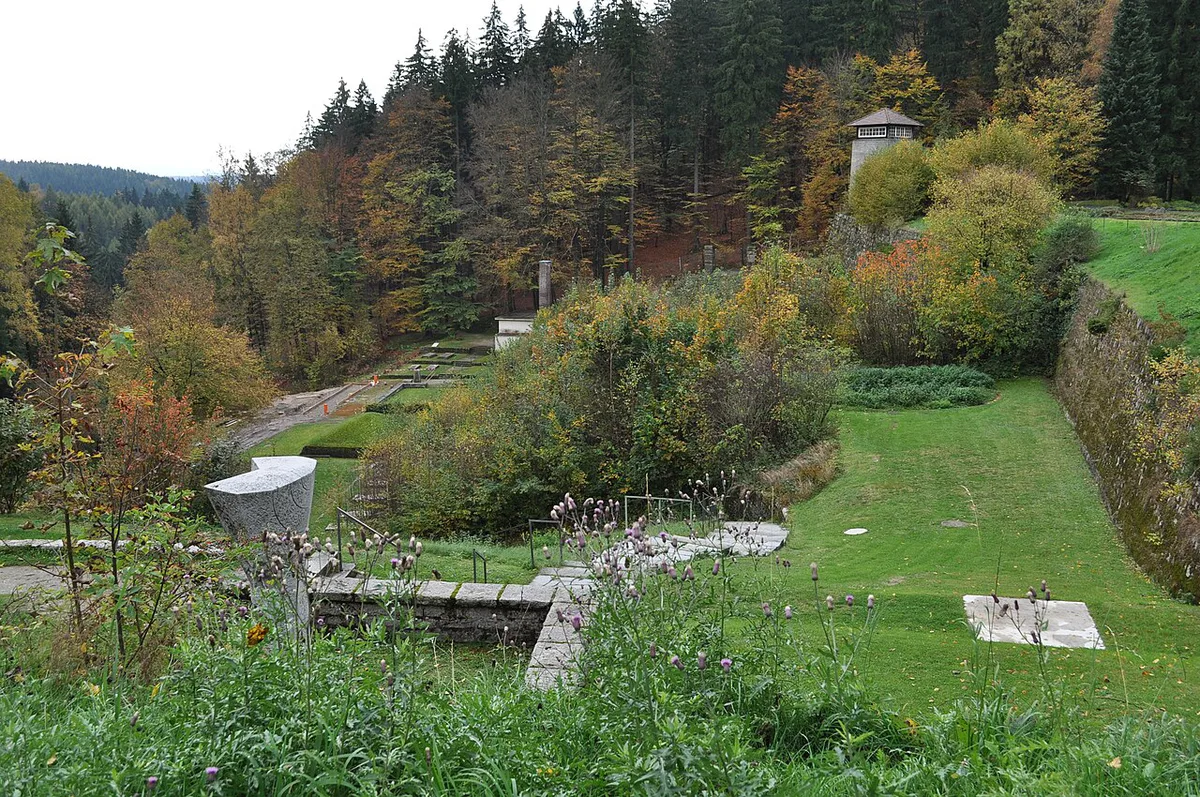
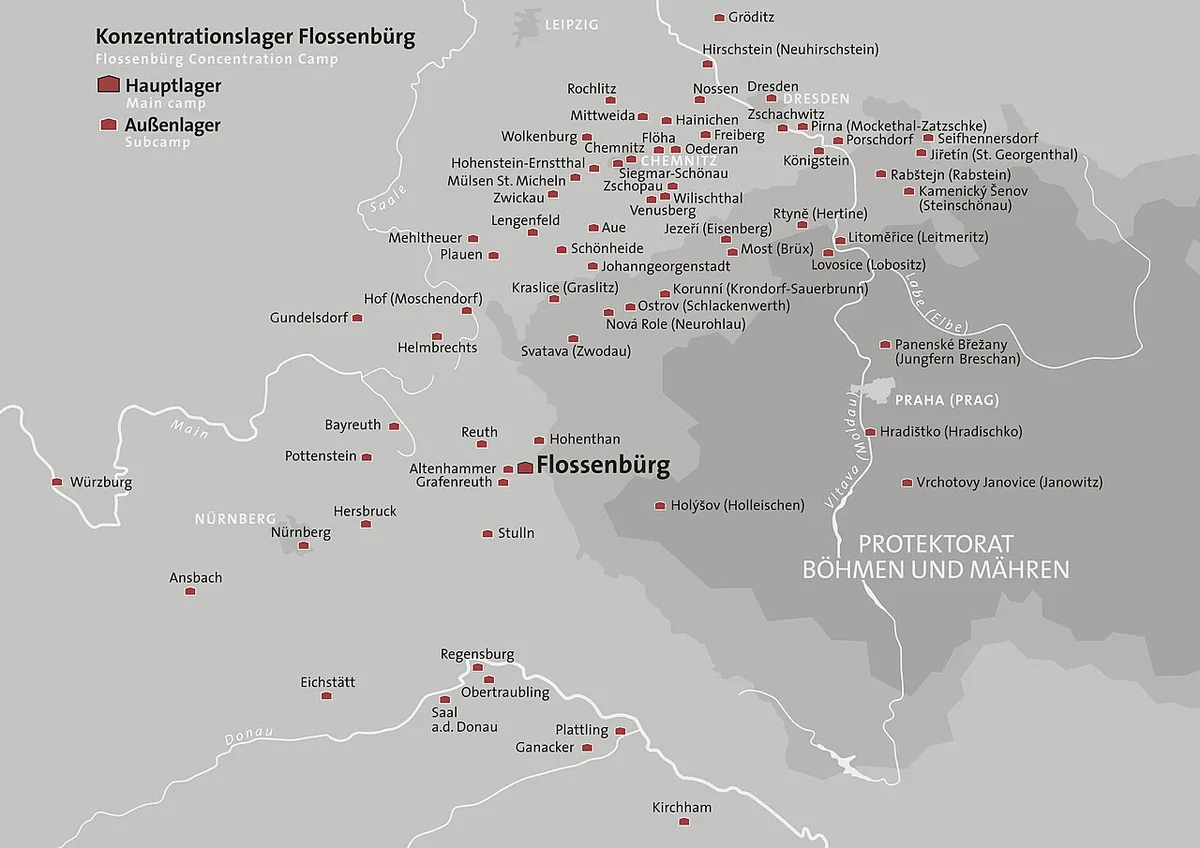
Flossenbürg is remote by design. The SS chose the site in March 1938 because of nearby granite quarries, and it placed the camp in the Upper Palatine Forest instead of beside a rail junction. At the time the village had about 1,200 inhabitants. That history still shapes the journey today. Driving is the simplest option, and the memorial's coordinates are 49.7356°N, 12.3558°E. Without a car, build the trip in a journey planner such as DB Navigator, with Gedächtnisallee 5 as the destination. Remote sites usually need a final bus or taxi leg, so confirm that a return connection runs after the memorial closes at 17:00. The memorial lists a museum café and an education center but no lodging. Book a bed in a nearby town or a larger city and treat the memorial as a day trip. The Czech border is close, and the camp's subcamps reached into western and northern Bohemia. Some visitors therefore pair the memorial with a Czech leg, but plan that border crossing and its transport separately.
Opening hours, admission and tours
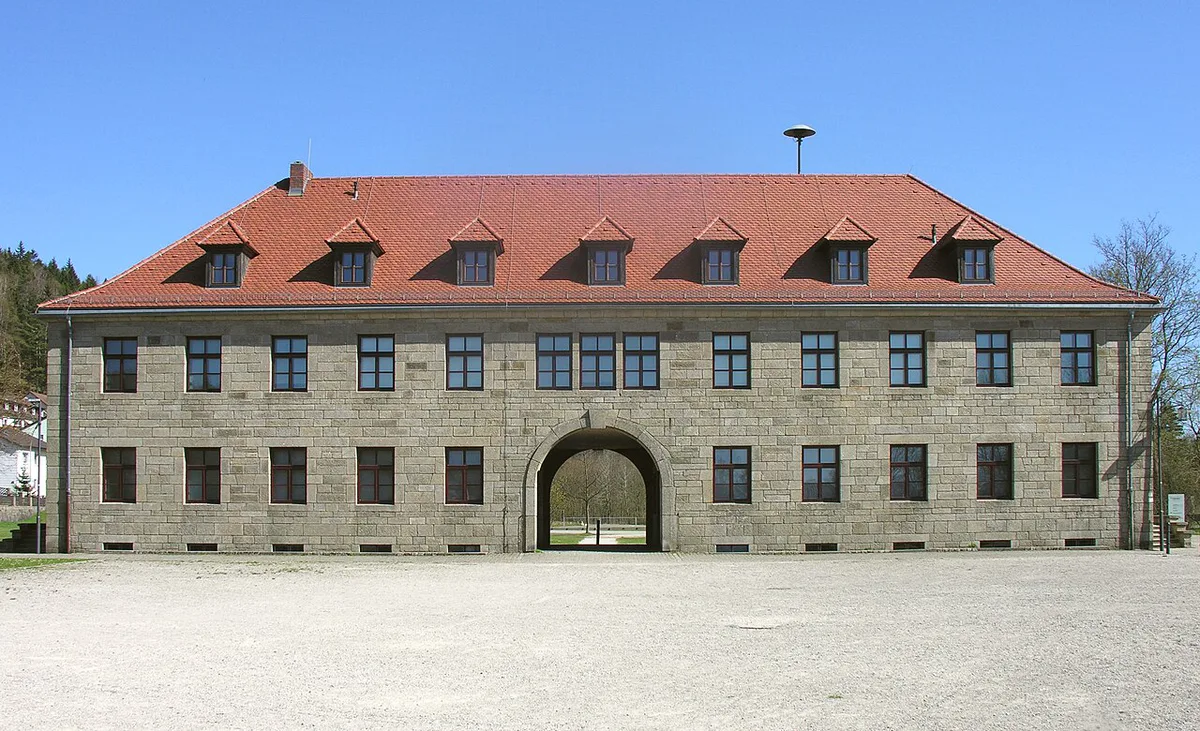
The official memorial site showed opening hours of 09:00 to 17:00 and free admission when this guide was checked in November 2026. Seasonal hours and holiday closures can differ, so read the live "Visit" page before you travel. The office phone number is +49 9603-90390-0. The memorial runs public guided tours and educational programs, with a booking page for groups and individuals. One public tour in German was listed for 28.11.2026 at 14:00. The site is published in seven languages, including English, and an English newsletter is available. Whether an English tour runs on your date is shown at booking. The memorial operates under the Bavarian Memorials Foundation.
- Opening hours and the latest entry time on your date
- Public tour dates and whether an English-language tour is offered
- Group booking rules, if you travel with a class or association
- Accessibility information for the exhibitions and grounds
- Photography rules and age guidance for children
What you will see on site
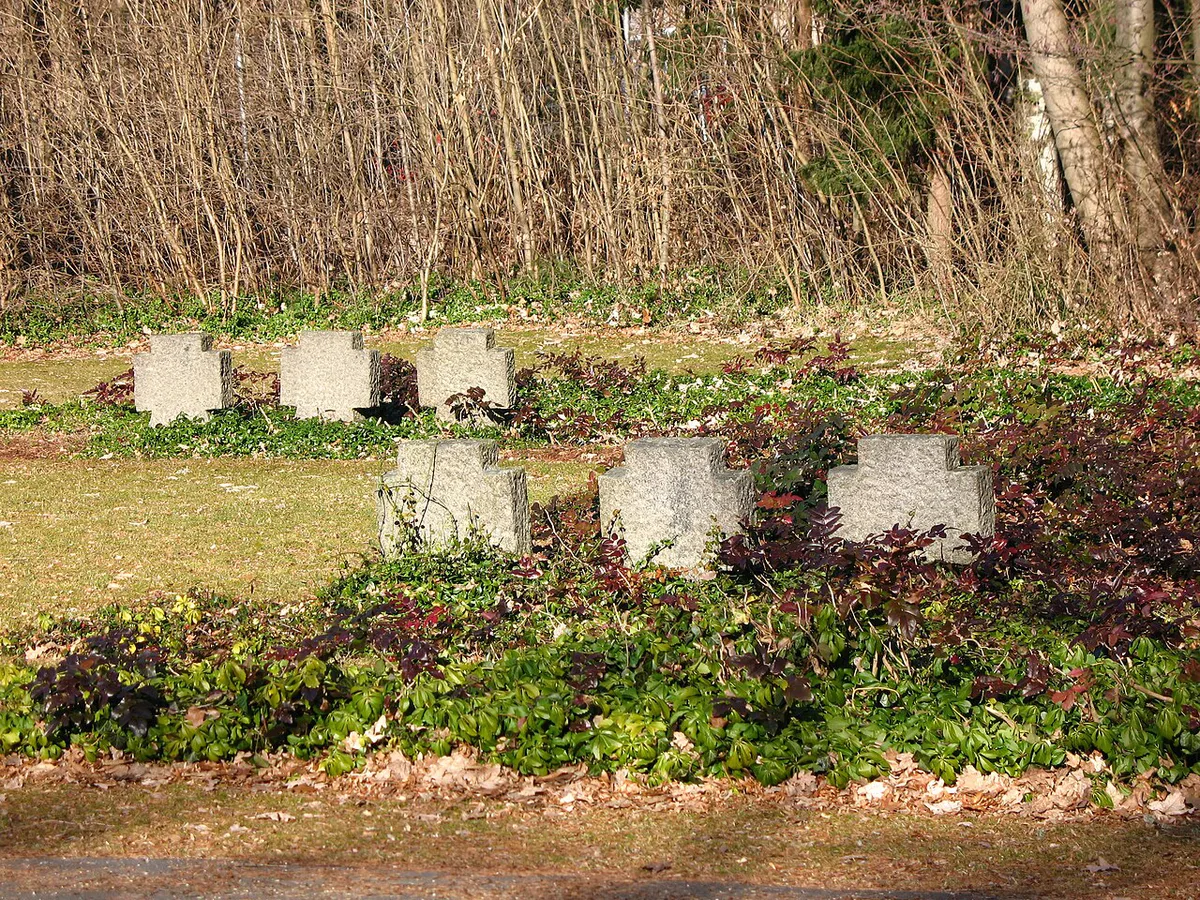
The memorial describes itself as a museum, cemetery, place of remembrance and place of learning. Two permanent exhibitions explain the history of the Flossenbürg concentration camp and its aftermath. The cemetery is part of the site and is a place of mourning. An education center and a museum café complete the facilities. The camp was repurposed for other uses after the war, and the memorial and museum opened in 2007. Because of that later use, treat the grounds as a historic landscape that you read with the help of the exhibitions. The memorial's exhibition pages describe what survives and what has been reconstructed or interpreted.
Plan your time at the memorial
Allow at least two hours for the exhibitions alone. A half day gives you room for the cemetery and grounds without rushing. A full day suits visitors who join a guided tour or an educational program. These durations are planning suggestions, not official figures. A sensible order for a first visit is one exhibition first, then the grounds and cemetery, then a pause at the café. Do not schedule a second major stop straight afterwards. The remote location and the emotional weight both make a packed day a poor fit.
| Time budget | What it covers | Best for |
|---|---|---|
| 2 hours | Exhibitions only | A fixed timetable or a tight connection |
| Half day | Exhibitions, cemetery and grounds | Most first-time visitors |
| Full day | Adds a guided tour, café break and quiet time | Researchers, history groups and repeat visitors |
History in brief
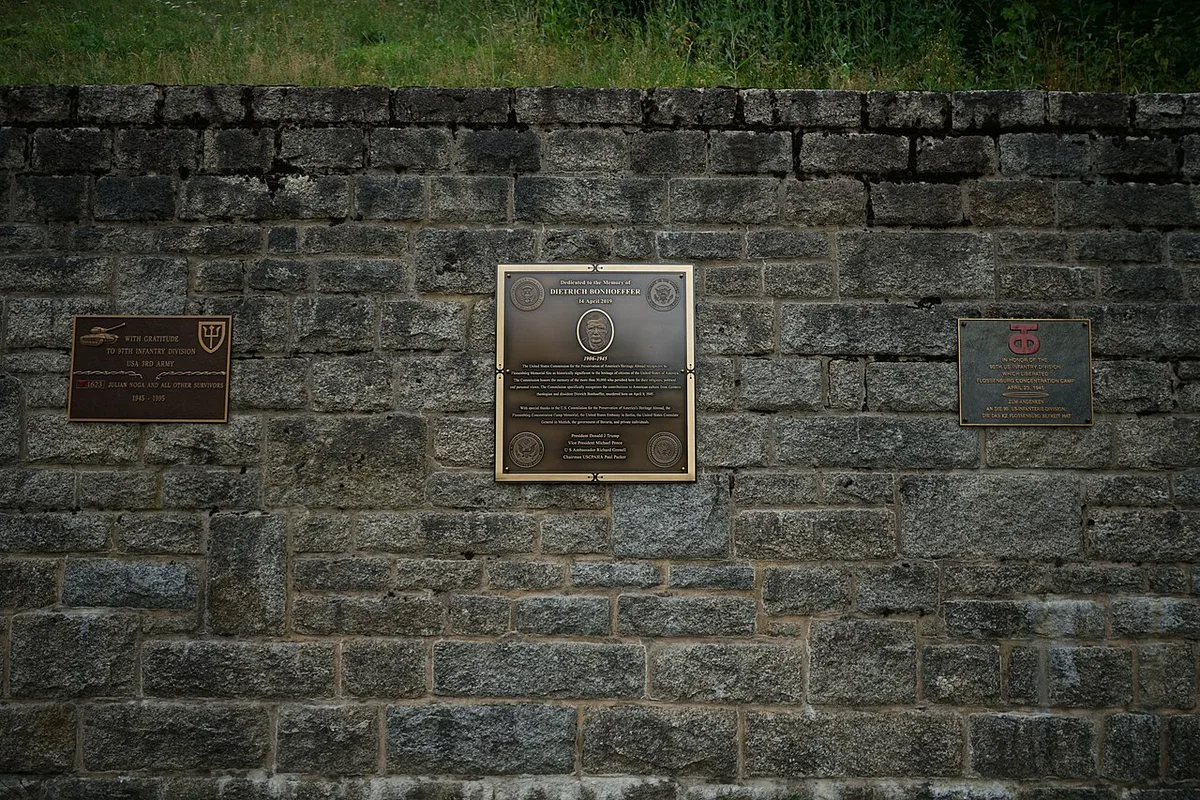
The SS built Flossenbürg in May 1938 near the Czech border to exploit prisoners' forced labor in granite quarries. The stone fed Nazi building projects. The first prisoners came from Dachau, and a transport of 100 arrived on 3 May 1938. In 1943 most prisoners switched to producing Messerschmitt Bf 109 fighter aircraft and other armaments. The camp grew a large network of subcamps in Bavaria, Saxony and Bohemia. Sources differ on its exact size, and one account says about 80% of prisoners were held in subcamps by April 1945. Wikipedia puts the number of prisoners who passed through the camp and its subcamps at 89,964 to 100,000. Holocaust.cz gives about 100,000. About 30,000 died, according to both accounts. Early in 1945 a group of special prisoners (Sonderhäftlinge) arrived, including members of the military resistance. Seven prominent German opponents of the regime were executed in the final days, among them Wilhelm Canaris and Dietrich Bonhoeffer. Check the memorial's own history pages for the exact dates and names. The first death march left on 17 April 1945, heading for Dachau. US forces entered the camp on 23 April 1945. Holocaust.cz reports about 1,600 prisoners found alive, while another reference gives 1,500. After the war, administrators, guards and others were tried in the Flossenbürg trial.
- 3 May 1938: first prisoners arrive from Dachau
- 1943: armaments production, including Bf 109 parts, takes over from quarrying
- 17 April 1945: first death march leaves for Dachau
- 23 April 1945: US forces enter the camp
- 2007: memorial and museum open
Visiting respectfully
Treat the whole site as a cemetery. Keep your voice low, dress simply and follow staff instructions. Photography rules are set by the memorial, so read them on the official visit page before you take out a camera. Avoid treating the memorial as a quick stop between sights. Skip social-media posing and any behavior you would not show at a graveside. Give yourself time to leave without rushing, because the material can be hard to absorb. If you travel with young people, talk through what they will see beforehand and agree on a signal for taking a break.
Researching a relative or going deeper
The memorial offers a Book of the Dead, an online archive and biographies of prisoners on its website. Start there if you are tracing a relative. The biographies answer who the prisoners were, why they were held and what became of them. Educational programs and guided tours are bookable for researchers who want a structured visit. Contact the memorial first, because staff can point you to the right records.
Other German concentration camp memorials
Flossenbürg sits at one end of the access spectrum. Our guide to Sachsenhausen Memorial and Museum: History and Visitor Guide covers a site in Oranienburg that works well as a day trip from Berlin. Readers choosing a day trip from the capital can use our Sachsenhausen day trip plan. In Lower Saxony, our Bergen-Belsen guide describes another site, and the Hanover route explains how to reach it. For other camps, see Neuengamme, Ravensbrück and Mittelbau-Dora. Victims of the Nazi "euthanasia" program are remembered elsewhere, for example at Hadamar. For how persecution was organized, see the Wannsee Conference House: Visitor Guide to the Memorial (Berlin).
| Memorial | Setting | Planning angle |
|---|---|---|
| Flossenbürg | Remote Upper Palatinate village | Plan transport carefully; half day or more |
| Sachsenhausen | Oranienburg | Day trip from Berlin |
| Bergen-Belsen | Lower Saxony | Day trip from Hanover |
Keep planning
Guides on the same trip