Ravensbrück Memorial: Visit Guide from Berlin
How to visit the Ravensbrück women's camp memorial from Berlin, what you will see, how long to allow, and the history in context.
In this guide
Last updated November 2026: ravensbruck, properly written Ravensbrück, was the main Nazi concentration camp for women, in operation from 1939 to 1945 near Fürstenberg/Havel, about 90 km (56 miles) north of Berlin. Today it is the Mahn- und Gedenkstätte Ravensbrück, a memorial and museum run by the Brandenburg Memorials Foundation. Most visitors come on a day trip from Berlin, and the sections below cover the route, the time budget, what remains on site and the history in context.
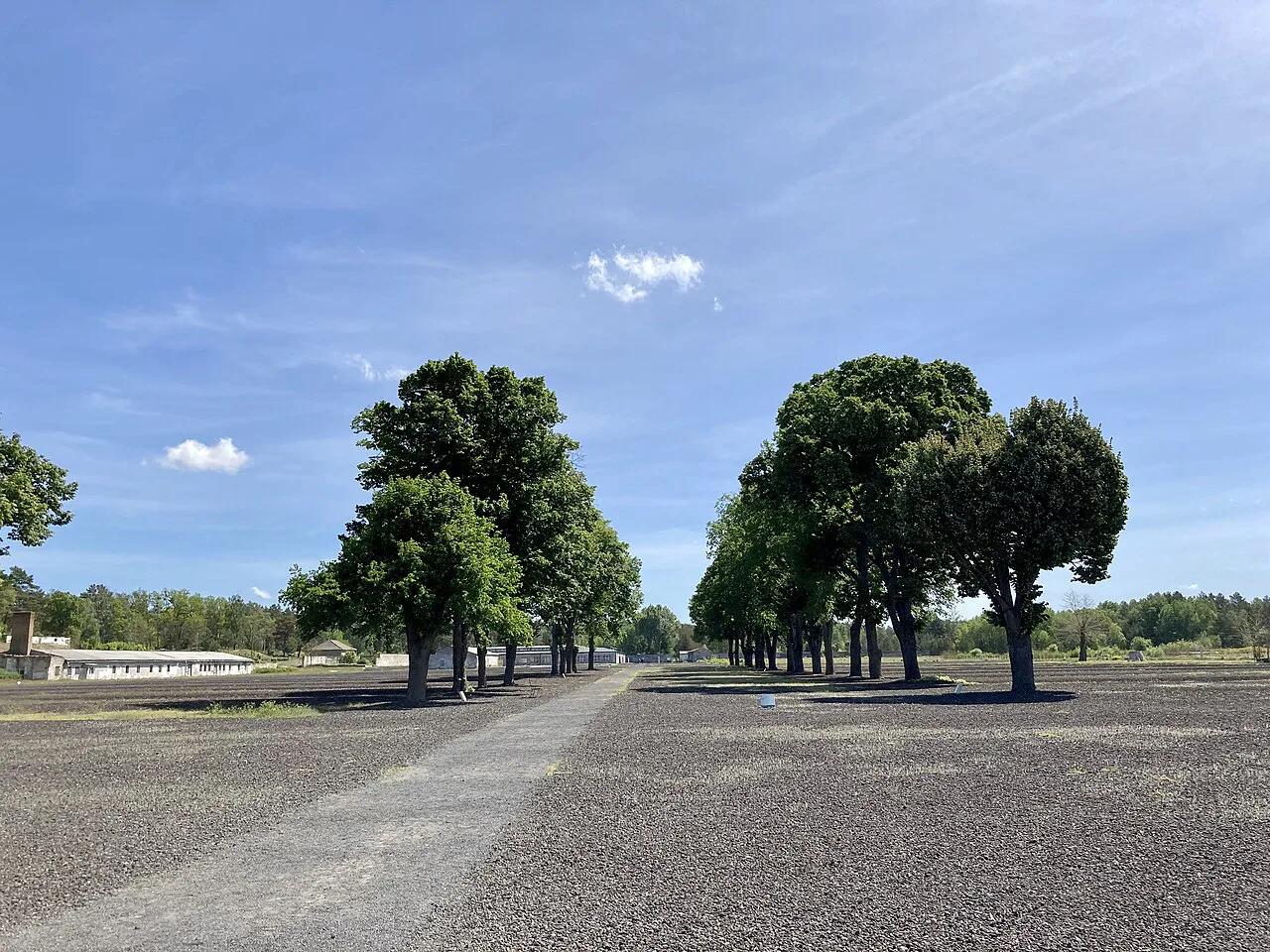
Featured image: Keijdo, CC0, via Wikimedia Commons.
Ravensbrück at a glance
Ravensbrück opened in spring 1939, when the first women were transferred from Lichtenburg concentration camp. Between 1939 and 1945, the SS registered approximately 120,000 women and children, 20,000 men and 1,200 adolescent girls, according to the memorial's history pages. Prisoners came from more than 30 nations. Other sources give different totals, so each figure in this guide is attributed.
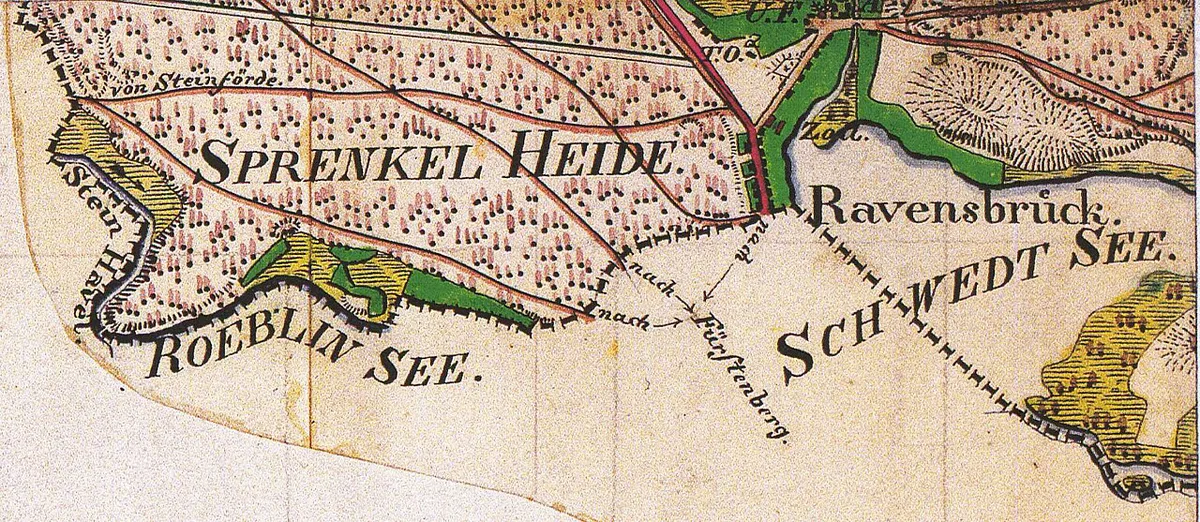
- Location: Fürstenberg/Havel in Brandenburg, about 90 km north of Berlin.
- Camp years: 1939 to 1945, with a men's camp added in April 1941 and a youth camp for girls and young women opened in June 1942.
- Who was held: political prisoners, Jewish women, Sinti and Roma women, Jehovah's Witnesses and Polish women, among others.
- Operator: the Brandenburg Memorials Foundation, which also lists the Sachsenhausen Memorial and Museum among its sites.
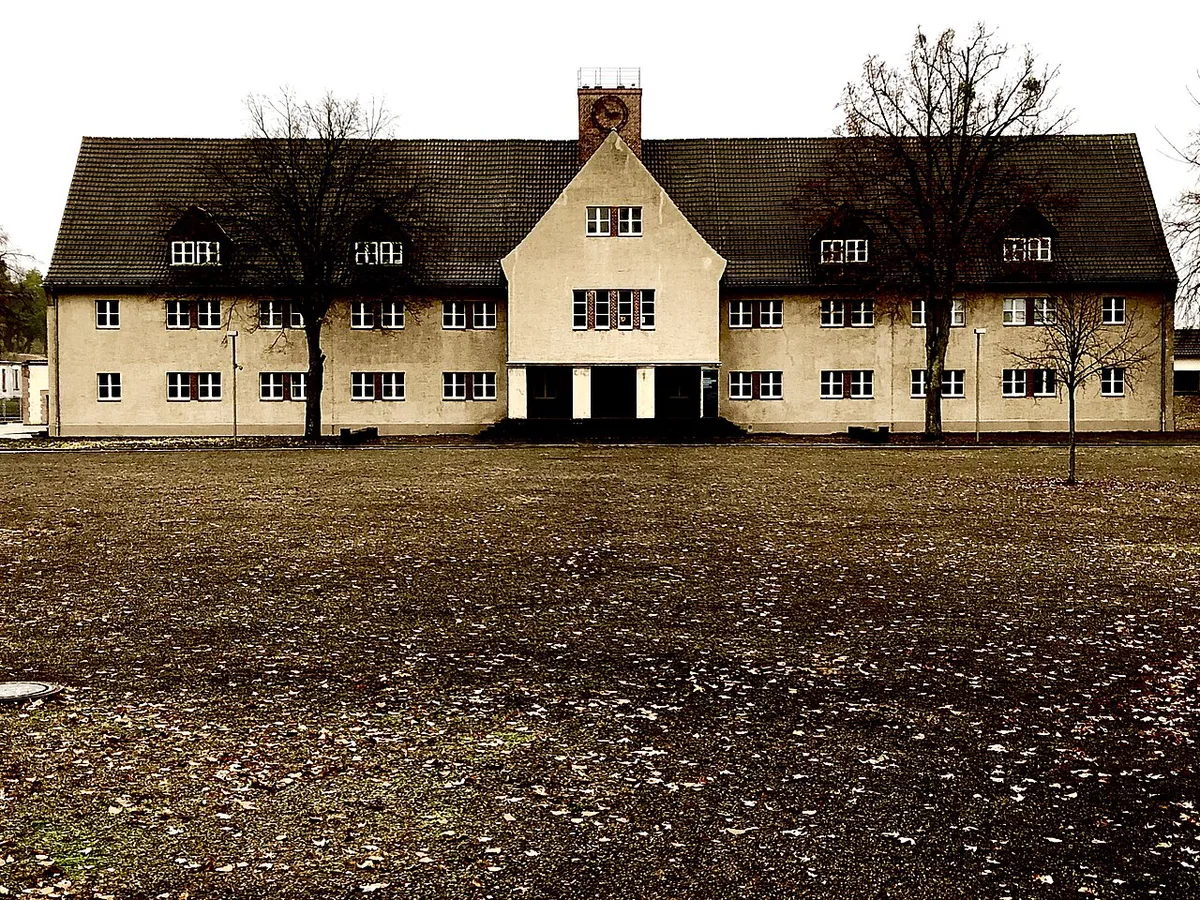
- What remains: the camp wall, the crematorium zone, the Schwedtsee shore and the national memorial of 1959.
Getting to Ravensbrück from Berlin
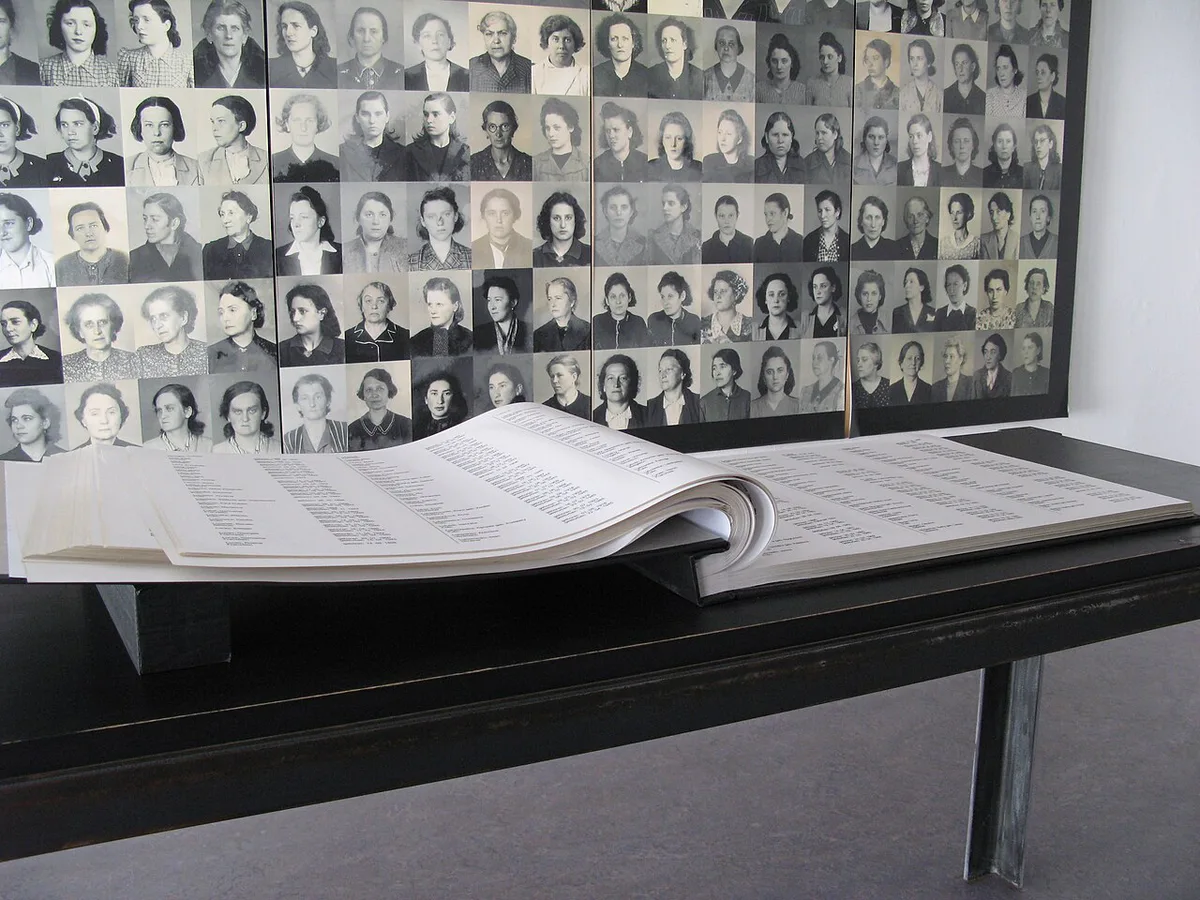
Fürstenberg/Havel lies about 90 km north of Berlin, which makes Ravensbrück a full-day trip rather than a short detour. Rail and road are the two main options, and neither has a fixed door-to-door time that holds across seasons. Look up current departures on the VBB journey planner, then confirm the last stretch on the memorial's visit page. Enter Fürstenberg/Havel as your destination station. Memorial grounds occupy the former camp site beside Schwedtsee lake, so expect a walk from the station or a bus or taxi ride. Return trains matter more than outbound ones, so note the last departure back to Berlin before you set out. Most visitors return to Berlin for the night, so lodging near the site rarely enters the plan.
| Option | What to check | Best for |
|---|---|---|
| Train plus walk | Current timetable and the walking distance from Fürstenberg/Havel station | Travelers who prefer rail and have time to spare |
| Regional train plus bus or taxi | Local bus connection or taxi availability at the station | Anyone short on time or energy for the last stretch |
| Car | Parking at the memorial and the route north from Berlin | Small groups and flexible schedules |
| Guided tour from Berlin | Operator, language and whether memorial entry is included | Readers who want context without planning logistics |
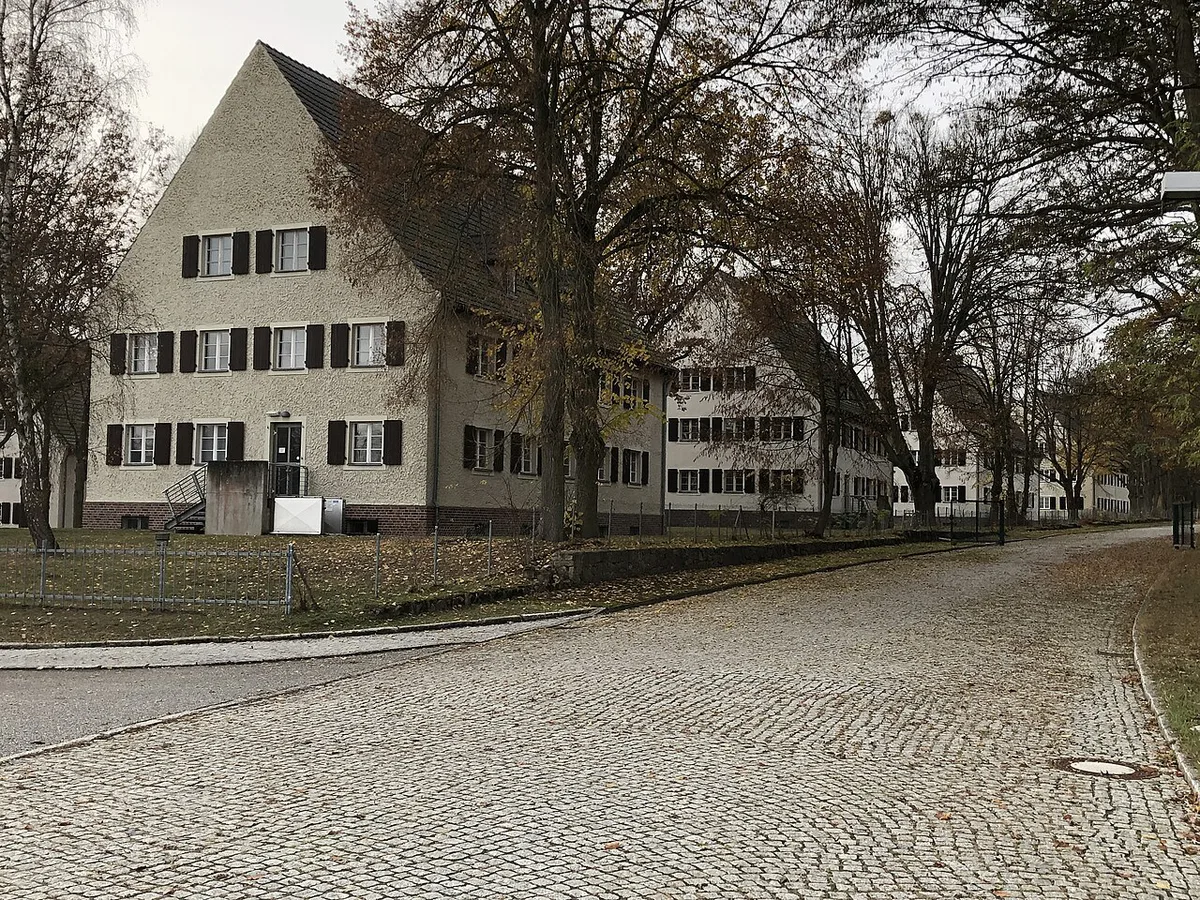
Opening hours, admission and what to book
Hours, admission and tours change by season, so this guide gives no fixed figure. Read current times, weekly closing days and group-booking steps on the official Ravensbrück Memorial site.
What you will see on site
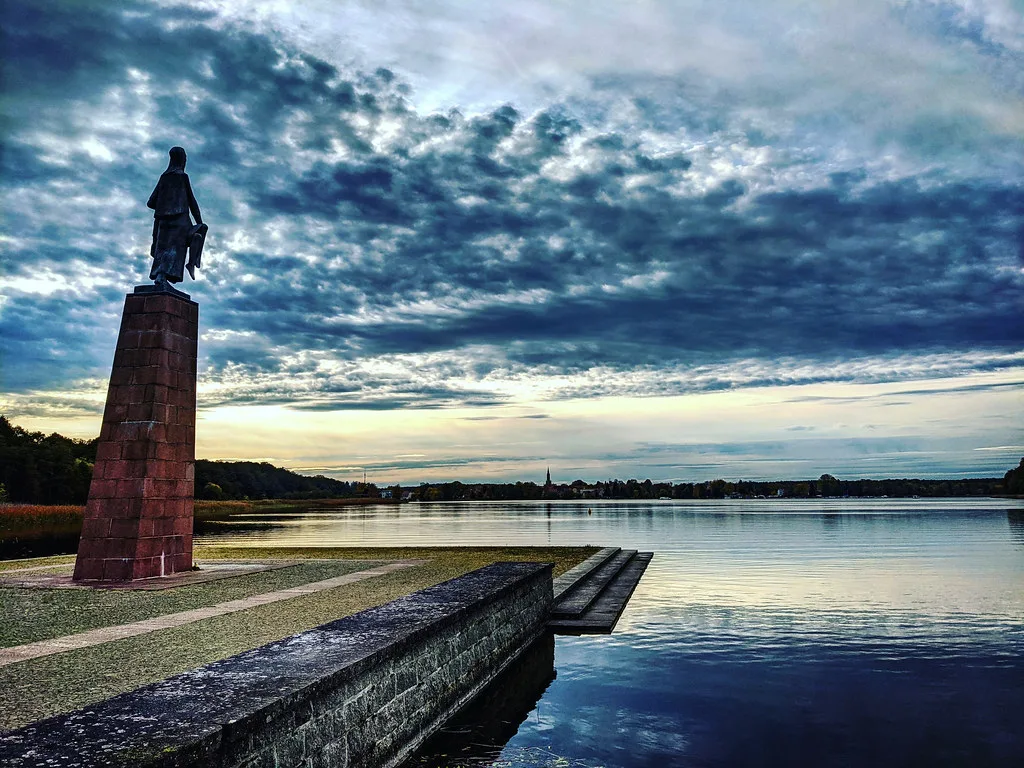
Visitors walk the grounds of the former women's camp, which sat on the edge of a small village between forest and Schwedtsee lake. In 1954, the sculptor Will Lammert was commissioned to design the memorial between the crematorium, the camp wall and the lake. Lammert died in 1957, and the Ravensbrück National Memorial opened on 12 September 1959 on 3.5 hectares (about 8.6 acres) between the wall and the shore. His sculpture Tragende (Woman with Burden) was shown at that opening in a scaled-up version made under Fritz Cremer's supervision. Exhibition access varies, so use the memorial's visit pages to see what is open on your date.
Expect a compact site: the national memorial covers 3.5 hectares between the camp wall and Schwedtsee, while the camp ran from 1939 to 1945.
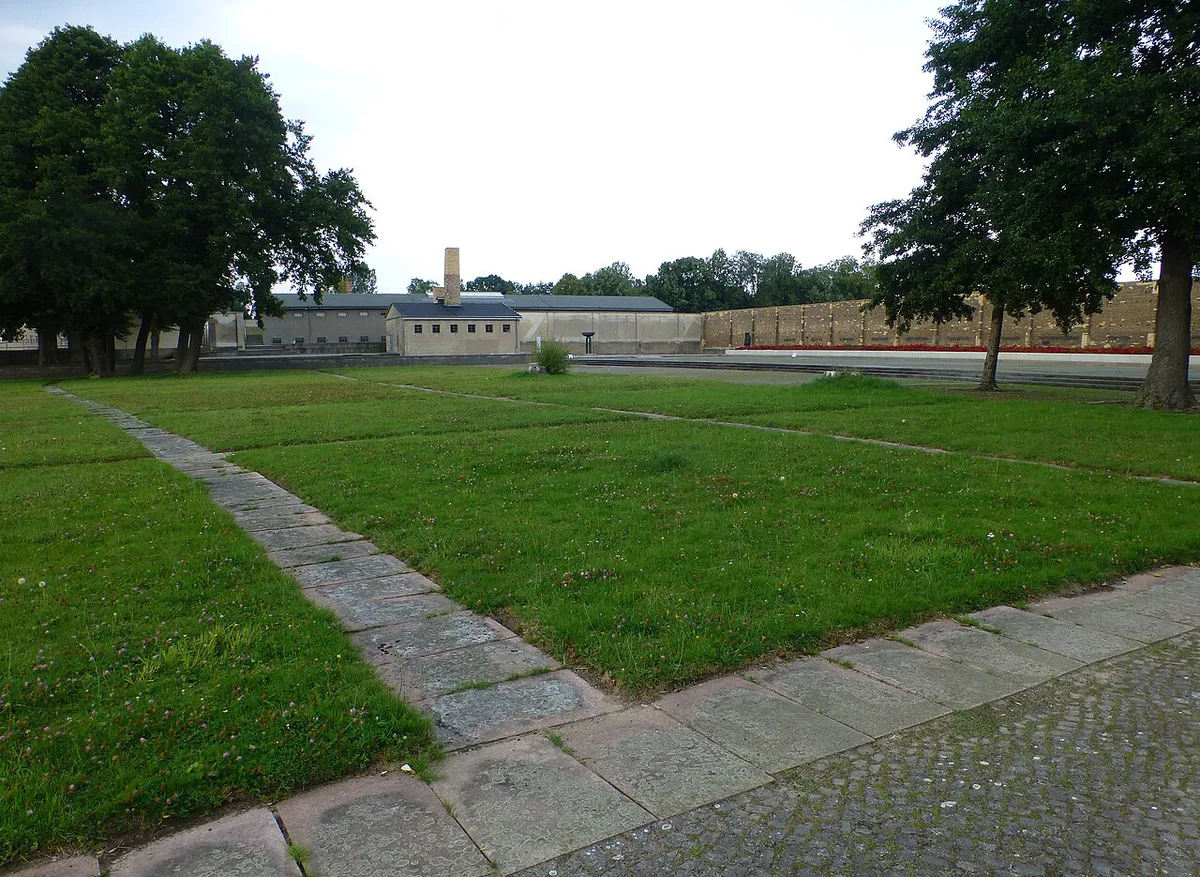
- Camp wall and former camp area: the boundary of the women's camp, where barracks once stood and where prisoners were counted and sent to work.
- Crematorium zone: the SS built a crematorium in 1943, and in early 1945 installed a provisional gas chamber in a hut beside it.
- Schwedtsee lakeshore: the memorial area between the camp wall and the water, with Lammert's sculptures of women.
- Uckermark area: the site of the youth camp for girls and young women, opened in June 1942 next to the main camp.
- Exhibitions and further memorials: the memorial describes its exhibitions and other commemorative sites, including the Tolerance Monument, on its visitor pages.
How long to allow and how to plan the day
Allow 2 to 3 hours for a focused visit to the grounds and the main exhibitions. A half day suits readers who want to read in depth and spend time on the lakeshore. Journey time from Berlin comes on top, so the whole trip fills most of a day. First-time visitors do well with the shorter plan. History-focused readers should take the half day. Families and school groups should ask the memorial about group booking and guided options before choosing a date. Readers tracing a relative can contact the memorial's archive and the Arolsen Archives before travelling, since archive access has its own rules.
Fürstenberg/Havel sits about 90 km north of Berlin, so a focused visit of 2 to 3 hours still means a full day once you add the journey.
| Time budget | Best for | What fits |
|---|---|---|
| 2 to 3 hours | First-time visitors | Grounds, main exhibition, crematorium zone, lakeshore |
| Half day | History-focused readers, school groups | Exhibitions in depth, memorial sculptures, a quiet pause by Schwedtsee |
| Combined with another memorial | Only with verified transit times | Not recommended as the default plan |
- Mistake to avoid: arriving without checking exhibition closures on the official site.
- Mistake to avoid: underestimating the walk from the station.
- Mistake to avoid: visiting on a weekly closing day or a public holiday.
- Mistake to avoid: leaving too little time before the last train back to Berlin.
A short history to frame the visit
Construction began in November 1938 on Heinrich Himmler's order, and the first prisoners arrived in spring 1939. Ravensbrück grew into the largest women's concentration camp in the German Reich. In April 1941, the SS added a men's camp under the women's camp commandant. June 1942 saw the opening of the adjacent Uckermark youth camp for girls and young women.
Forced labour shaped daily life. Inside the camp wall, an industrial yard held sewing, weaving and braiding workshops. Outside the perimeter, Siemens & Halske built 20 workshops where prisoners worked from late summer 1942. By the end of the war, the SS had set up more than 40 satellite camps, according to the memorial, though other sources count between 34 and 70.
Conditions worsened as numbers rose. One school case study from the Wiener Holocaust Library puts the population at about 5,000 in June 1941 and as many as 50,000 by January 1945. Rations fell, disease spread, and a typhus epidemic broke out in January 1945.
Tens of thousands of prisoners were murdered or died from hunger, illness or medical experiments, the memorial states. Around 1,900 prisoners judged unfit for work were killed under the '14 f 13' programme. In early 1945, the SS installed a provisional gas chamber in a hut next to the crematorium. Memorial historians put the number gassed between late January and April 1945 at approximately 5,000 to 6,000. Other reference works give lower estimates, including about 2,200. Some give 130,000 to 132,000 prisoners in total, a count that differs from the memorial's categories.
Death march and liberation
With the Red Army approaching in March and April 1945, the SS evacuated the camp. According to the memorial, the International, Swedish and Danish Red Cross evacuated around 7,500 prisoners to Sweden, Switzerland and France. Commandant Fritz Suhren then forced more than 20,000 remaining prisoners to march northwest in several columns. Yad Vashem gives about 25,000 marched out toward Mecklenburg. Wiener Holocaust Library materials describe most columns heading 70 km north toward the Malchow sub-camp. On 30 April 1945, the Red Army liberated the camp. Around 2,000 sick and weakened prisoners remained, the memorial says, while Yad Vashem gives about 3,500. Liberation did not end the suffering, and many survivors died in the following weeks, months and years. Ask the memorial which exhibition sections cover the evacuation and liberation.
Who was held here: prisoner groups and notable survivors
Each prisoner wore a colored triangle marking the reason for her arrest. Political prisoners formed the largest group and wore red. Jehovah's Witnesses wore purple, and Jewish women wore yellow. Black marked women the SS labeled 'asocial', a category that included Sinti and Roma women. Yad Vashem reports that more than 14,000 Jewish women arrived from August 1944, compared with about 2,000 earlier. Polish women formed the largest national group, and many arrived after the 1944 Warsaw Uprising.
Corrie ten Boom, arrested in Haarlem for sheltering Jews, survived and wrote The Hiding Place. Germaine Tillion, a French prisoner, published her eyewitness account in 1975. Olga Benario, a German Jewish communist, was held in the early years and was among the dead. SOE agents Violette Szabo, Denise Bloch, Lilian Rolfe and Cecily Lefort were executed at the camp. Each name stands for one of many thousands, and survivor testimony deserves careful, unembellished reading.
- Sarah Helm, Ravensbrück: a full-length history of the camp.
- Germaine Tillion, her eyewitness account of the camp, published in 1975.
- Corrie ten Boom, The Hiding Place: a survivor's memoir.
- Rochelle Saidel, The Jewish Women of Ravensbrück Concentration Camp: a study of Jewish prisoners.
Trials and remembrance after 1945
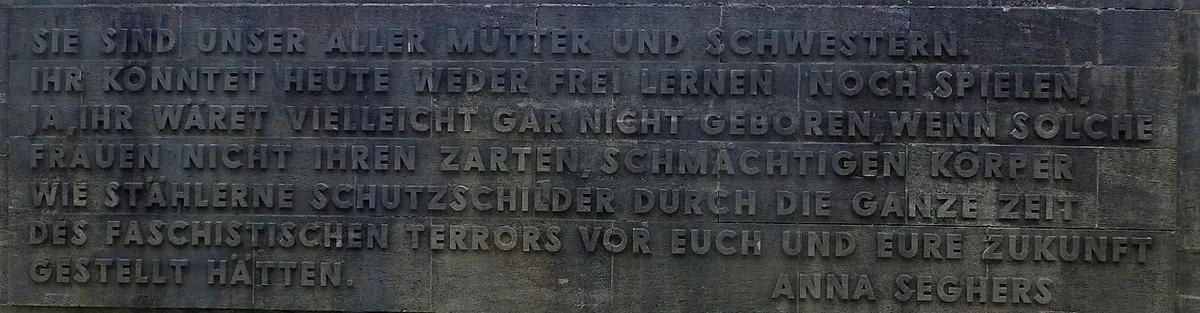
Soviet forces ran a hospital for the remaining prisoners, and in June 1945 the camp became a Soviet military base. Allied courts in Hamburg tried staff at the Ravensbrück trials from 1946 to 1948. Sixteen defendants were sentenced to death. East Germany opened its national memorial in 1959, the smallest of the GDR's three national memorials. Since reunification, the site has been run as a memorial and museum under the Brandenburg Memorials Foundation. Read the memorial's account of early commemoration for the years from 1945 to 1959.
Visiting respectfully
Ravensbrück is a place of mourning for tens of thousands of women, children and men. Keep your voice low, follow staff instructions and read the visitor rules the memorial publishes online. Photography, dress and bag rules are set by the memorial, so read them before arrival. Teenagers and school groups can prepare with a short, factual explanation of the camp's history beforehand, because the exhibitions address violence, medical experiments and murder. Emotional preparation helps adults too: read the history section above first, and leave time for a quiet walk by Schwedtsee afterward. Accessibility details belong to the memorial, so ask about step-free routes before you travel.
Combine with other memorials
Treat one memorial as a full day. No verified transit timing supports visiting two sites in one day, so this guide does not recommend it. Sachsenhausen camp memorial is the other Berlin-area day trip and the better-known site. Our Sachsenhausen day-trip guide covers its route. Ravensbrück suits readers who want the women's-camp story, and neither site is less important than the other. Berlin-based readers building a themed itinerary can add the Wannsee Conference villa. For the wider picture, see our overview of Germany's camp memorials. Other memorials in Germany have their own guides.
| Question | Ravensbrück | Sachsenhausen |
|---|---|---|
| Focus | Women's concentration camp, 1939 to 1945 | See our Sachsenhausen guides |
| Distance from Berlin | About 90 km north | See our Sachsenhausen guides |
| Best for | Readers focused on the women's-camp story | Readers wanting the better-known site |
| Time budget | 2 to 3 hours focused, plus travel | See our Sachsenhausen guides |
- Bergen-Belsen memorial: a camp memorial run by the Lower Saxony memorials foundation.
- Bergen-Belsen day trip from Hanover: route and planning for that site.
- Neuengamme concentration camp memorial: a former camp memorial with its own visitor guide.
- Flossenbürg camp memorial: a Bavarian memorial run by the Bavarian Memorials Foundation.
- Mittelbau-Dora camp memorial: a camp memorial linked to forced labour.
- Hadamar euthanasia memorial: a memorial to victims of the Nazi 'euthanasia' killings.
Keep planning
Guides on the same trip