Neuengamme Memorial Visit Guide: Hours and Getting There
Plan a visit to the Neuengamme concentration camp memorial in Hamburg: free admission, opening hours, how to get there, what you will see and how long to allow.
In this guide
Last updated November 2026: Neuengamme was the main Nazi concentration camp in northwest Germany, and the KZ-Gedenkstätte Neuengamme memorial now occupies the site in Hamburg's Bergedorf district. Admission to the exhibitions is free, and this guide covers opening hours, transport, what stands on the grounds and how to prepare. For comparison with other sites, see our overview of German camp memorials.
Featured image: Sören Brandes, CC BY 2.5, via Wikimedia Commons.
Plan your visit to Neuengamme Memorial
Neuengamme Memorial sits at Jean-Dolidier-Weg 75, 21039 Hamburg. Per the official memorial website, the exhibitions are open Monday to Friday from 9:30 a.m. to 4 p.m. On Saturday, Sunday and holidays they open from 10 a.m. to 5 p.m. They close on 24, 25 and 31 December and on 1 January. Admission is free. Hours were checked in November 2026. Hamburg's city tourism page lists on-site parking. Allow a half day, because the grounds cover 600,000 square metres and the exhibitions are in separate buildings.
- Address: KZ-Gedenkstätte Neuengamme, Jean-Dolidier-Weg 75, 21039 Hamburg
- Weekday hours: 9:30 a.m.–4 p.m.
- Weekend and holiday hours: 10 a.m.–5 p.m.
- Closed: 24, 25 and 31 December and 1 January
- Admission: free
- Parking: on-site, per Hamburg's tourism page
Getting to Neuengamme from Hamburg
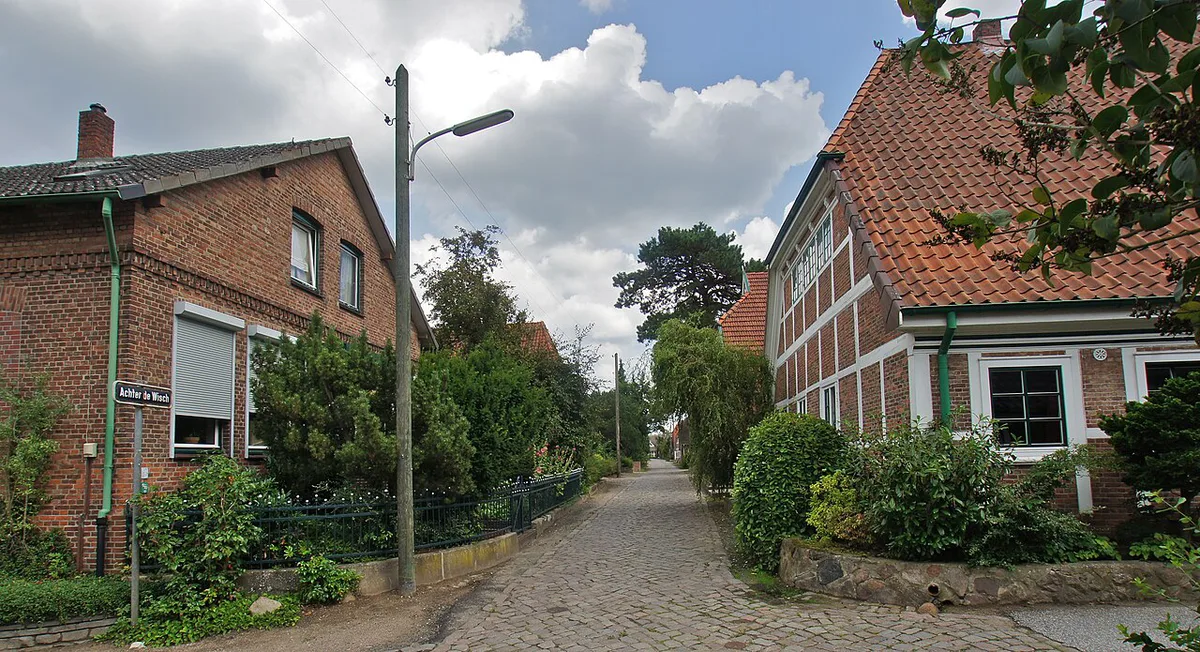
The grounds lie about 15 km southeast of central Hamburg, in the Bergedorf district. Two routes are realistic: public transport or a car. For public transport, enter Hamburg Hauptbahnhof and Jean-Dolidier-Weg 75 into the HVV journey planner. It gives current lines, transfers and fares for your travel date. Bergedorf is the district to look for when you plan the connection. A car is simpler with children or limited mobility, and the memorial has on-site parking. Check the memorial's visit page for any coach or bus rules.
| Option | Effort | Best for | Check before travelling |
|---|---|---|---|
| Public transport (HVV) | Transfers likely; walking at the end | Solo visitors and budget trips | Live journey planner for your date |
| Car | Direct; parking on site | Families, mobility needs, tight schedules | Memorial's visit page for parking rules |
What happened here: a short history
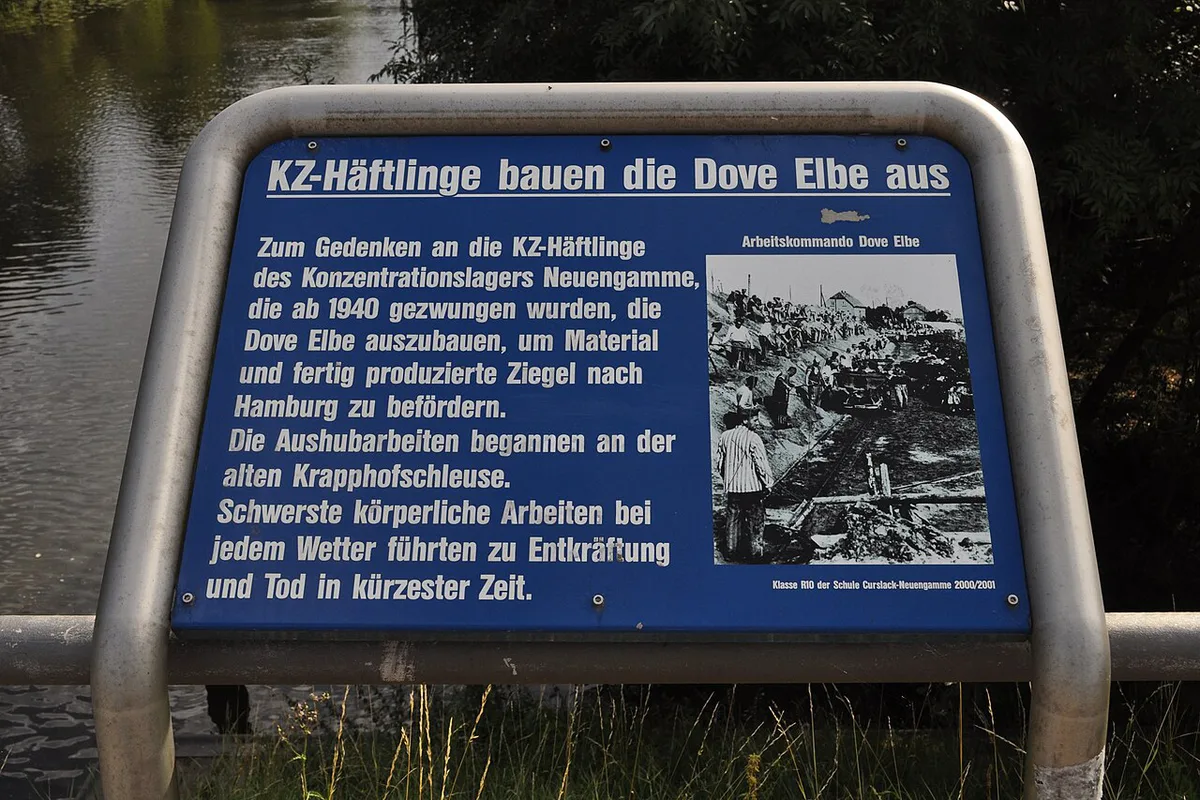
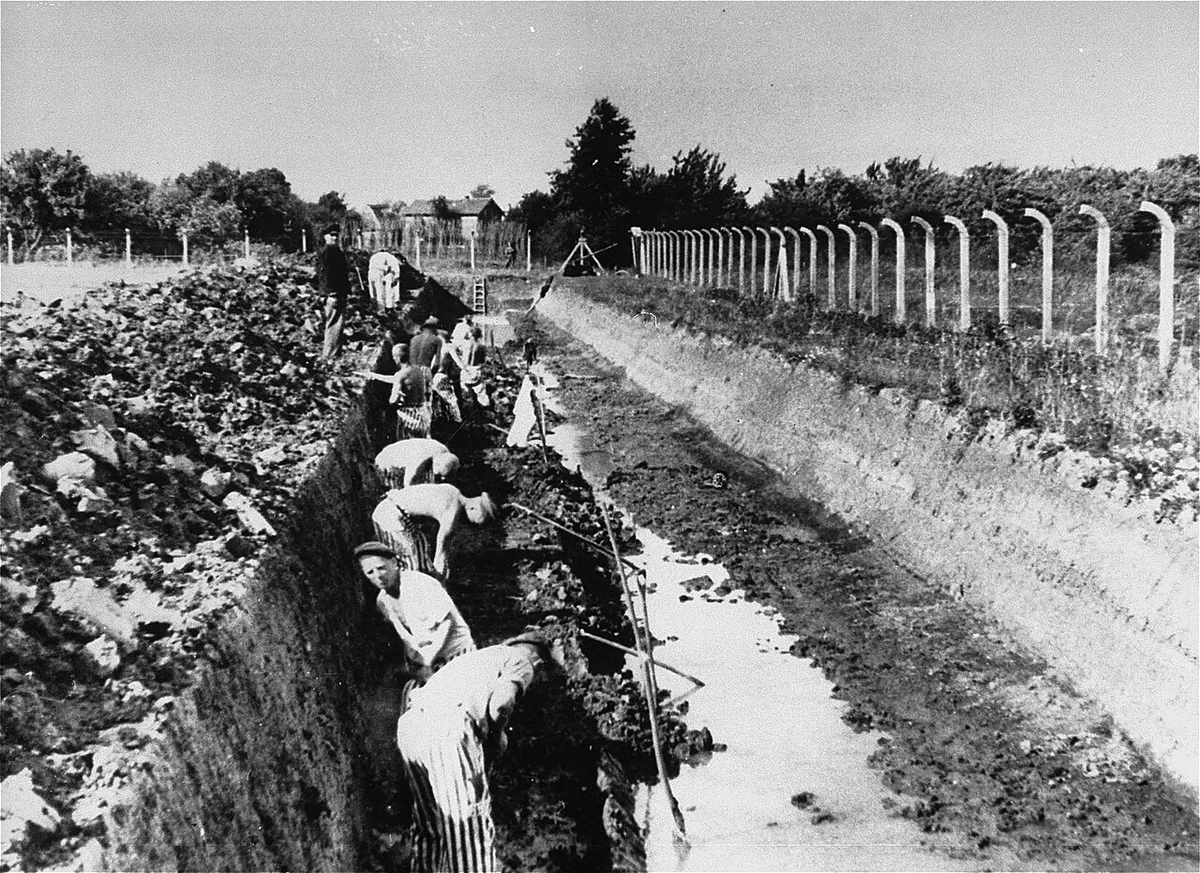
In 1938 the SS bought a disused brick factory in the Neuengamme district of Hamburg. At the end of that year, the camp began as a subcamp of Sachsenhausen. Our guide to the Sachsenhausen Memorial and Museum: History and Visitor Guide covers that parent camp. In early summer 1940 Neuengamme became an independent camp. It stayed the main concentration camp in northwest Germany until 1945. Prisoners came from across occupied Europe and were forced to labour in brickmaking, canal building and armaments production. More than 85 subcamps spread across northern Germany. The memorial states that at least 42,900 people died in the main camp, in the subcamps, on the death marches and when prisoner ships were bombed. Some subcamp prisoners were marched to Bergen-Belsen, which our Bergen-Belsen guide describes. In late April 1945 thousands of prisoners were loaded onto ships in Lübeck Bay. The RAF bombed the Cap Arcona and other ships on 3 May 1945, unaware prisoners were aboard. Casualty figures for that attack vary between sources. The SS left the main camp on 2 May 1945, and British troops arrived the next day. Later the British used the site for internment, and from 1950 Hamburg ran prisons on the grounds. The site became the memorial in 2005.
What you will see on the grounds
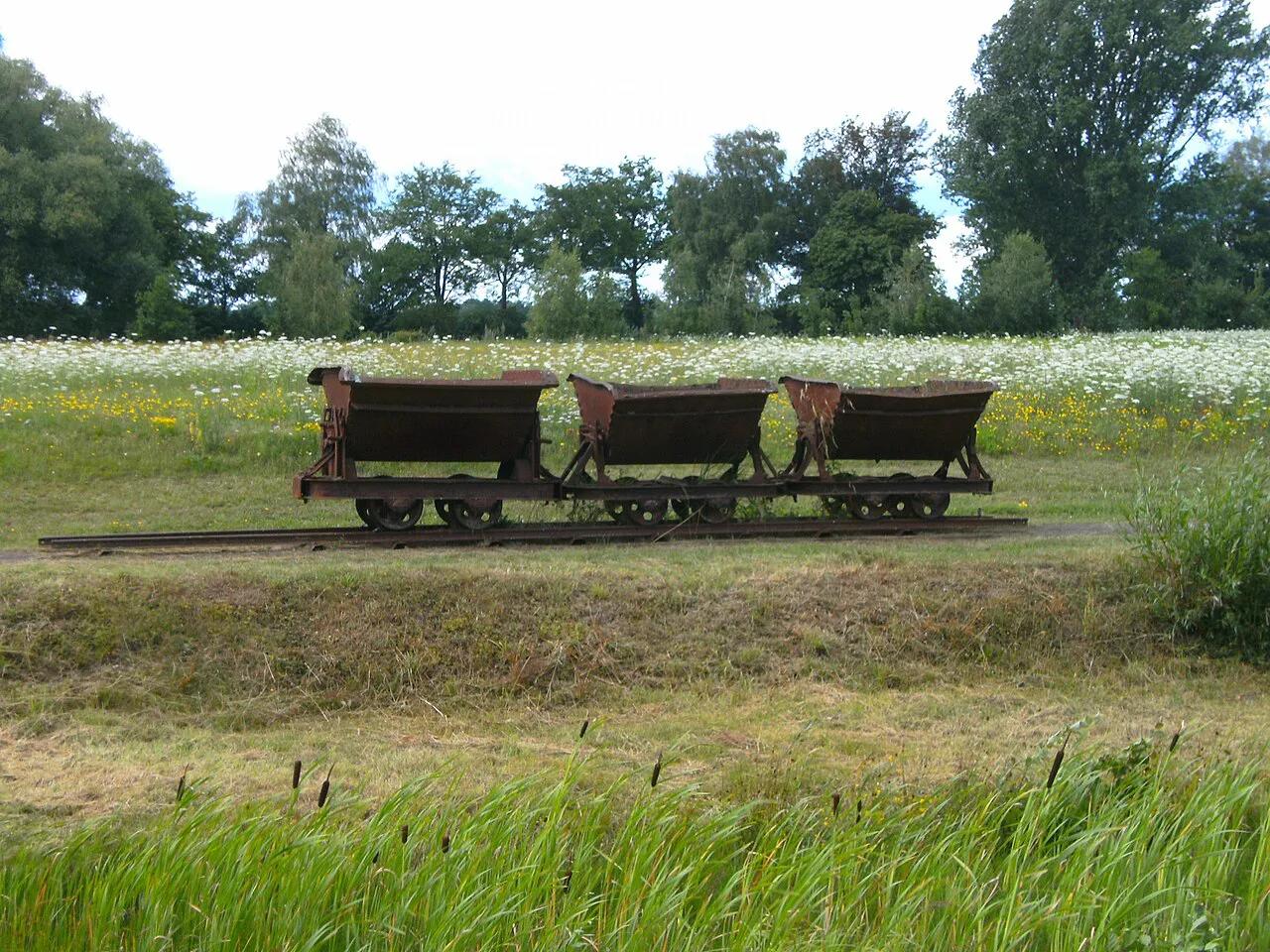
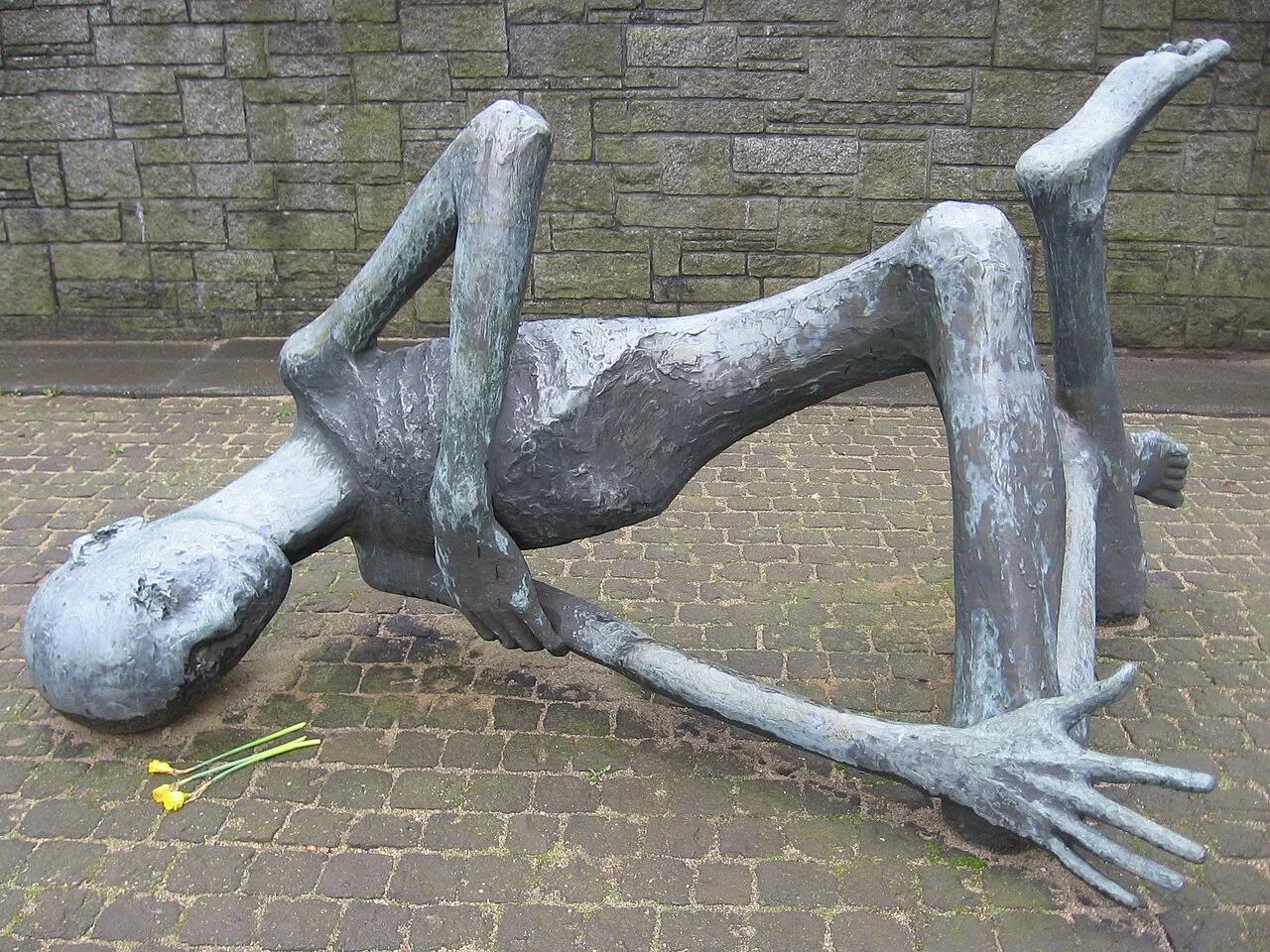
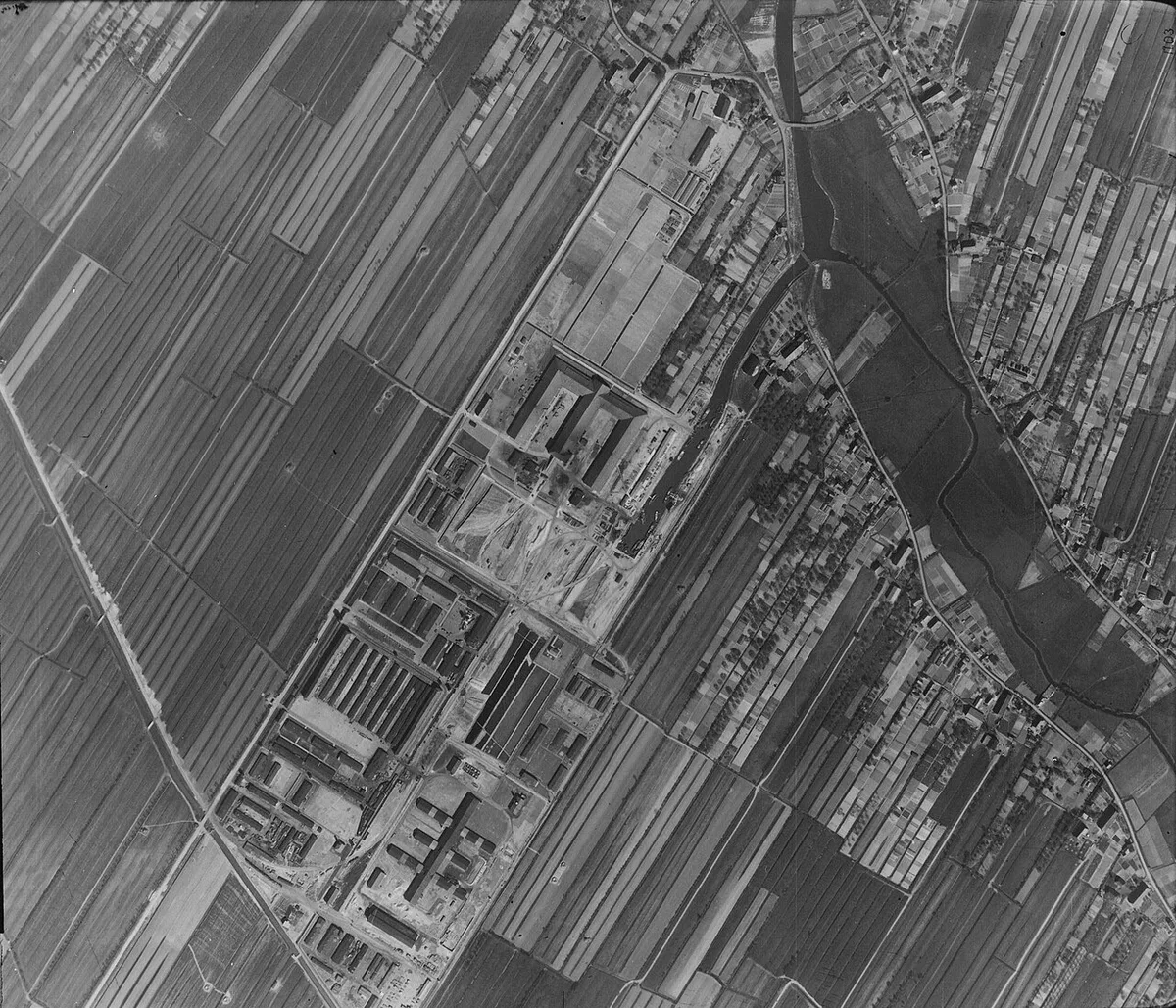
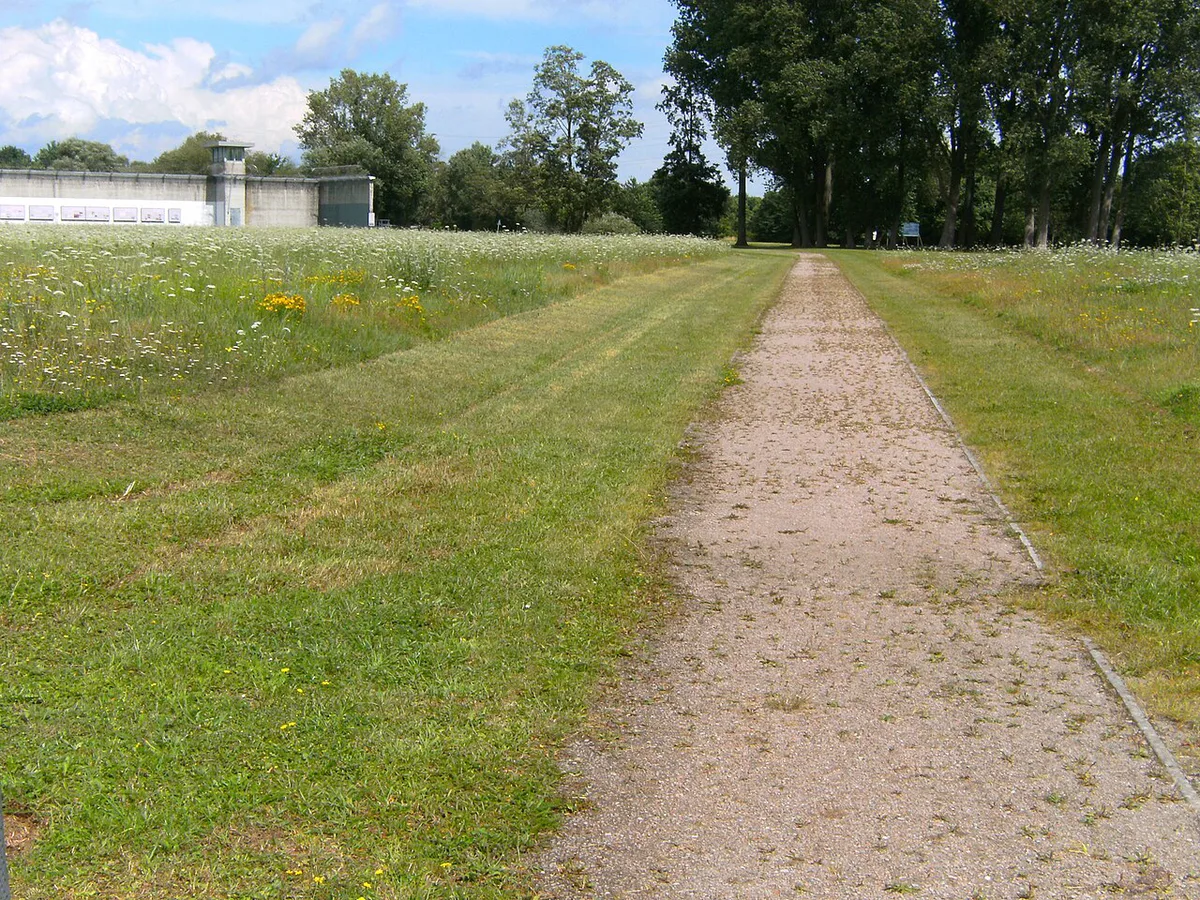
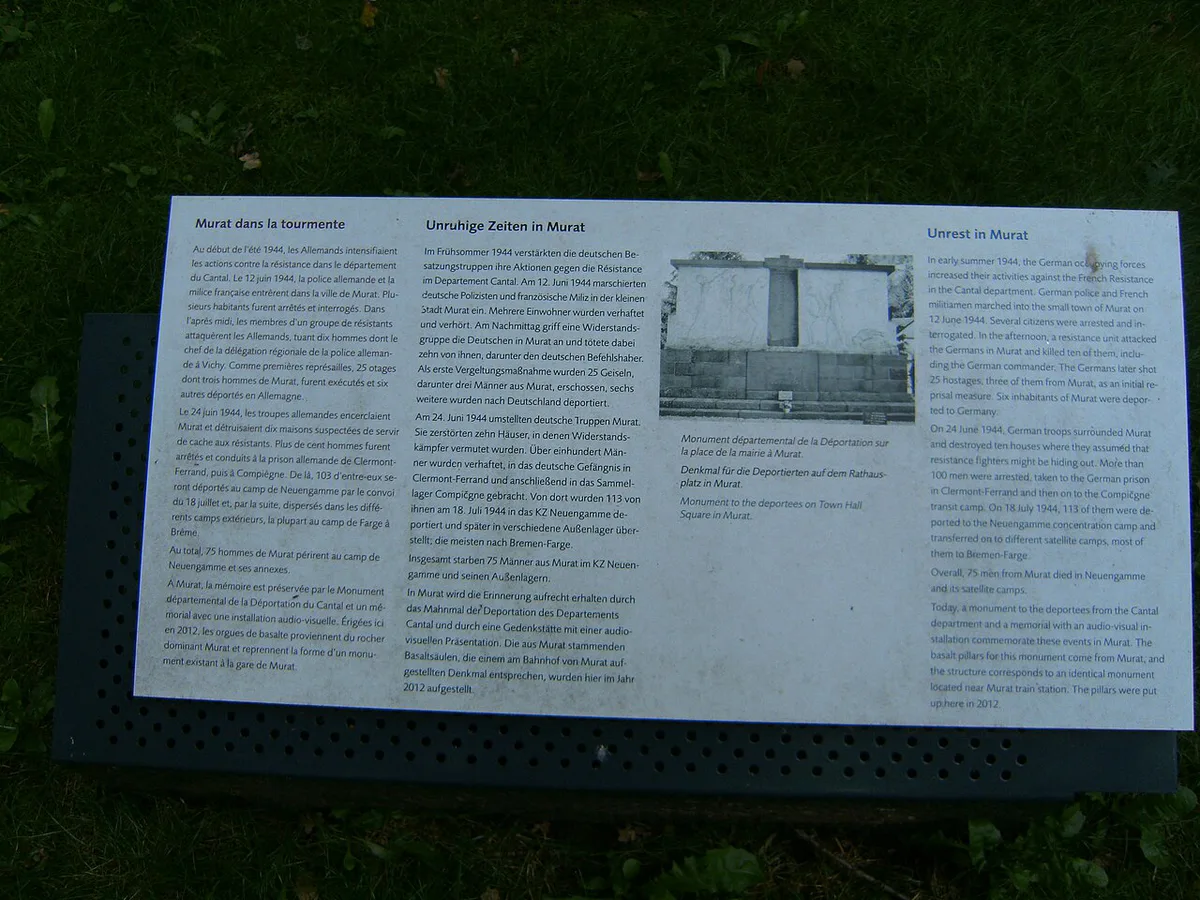
Fifteen brick buildings survive, according to Hamburg's tourism page. Only outlines mark where the wooden barracks stood. Former factory buildings now house exhibitions, exchange and research. The main exhibition, "Traces of History", is in a former cell block. A second exhibition on SS crimes occupies a former car park. Memorials on the grounds include monuments raised by former prisoners, among them the international memorial. A sculpture garden is also part of the site. Much of what you see is the postwar prison, which changed or replaced the camp. That layered history is part of the story, so read the information boards on the way.
Plan for the 600,000 square metres of grounds, which hold a postwar prison layer as well as camp remains, so read the boards as you walk.
- Former cell block: "Traces of History" main exhibition
- Former car park: exhibition on SS crimes
- Brick buildings: 15 survive
- Barracks: outlines only
- Memorials and sculpture garden: on the grounds
Exhibitions, guided tours and research tools
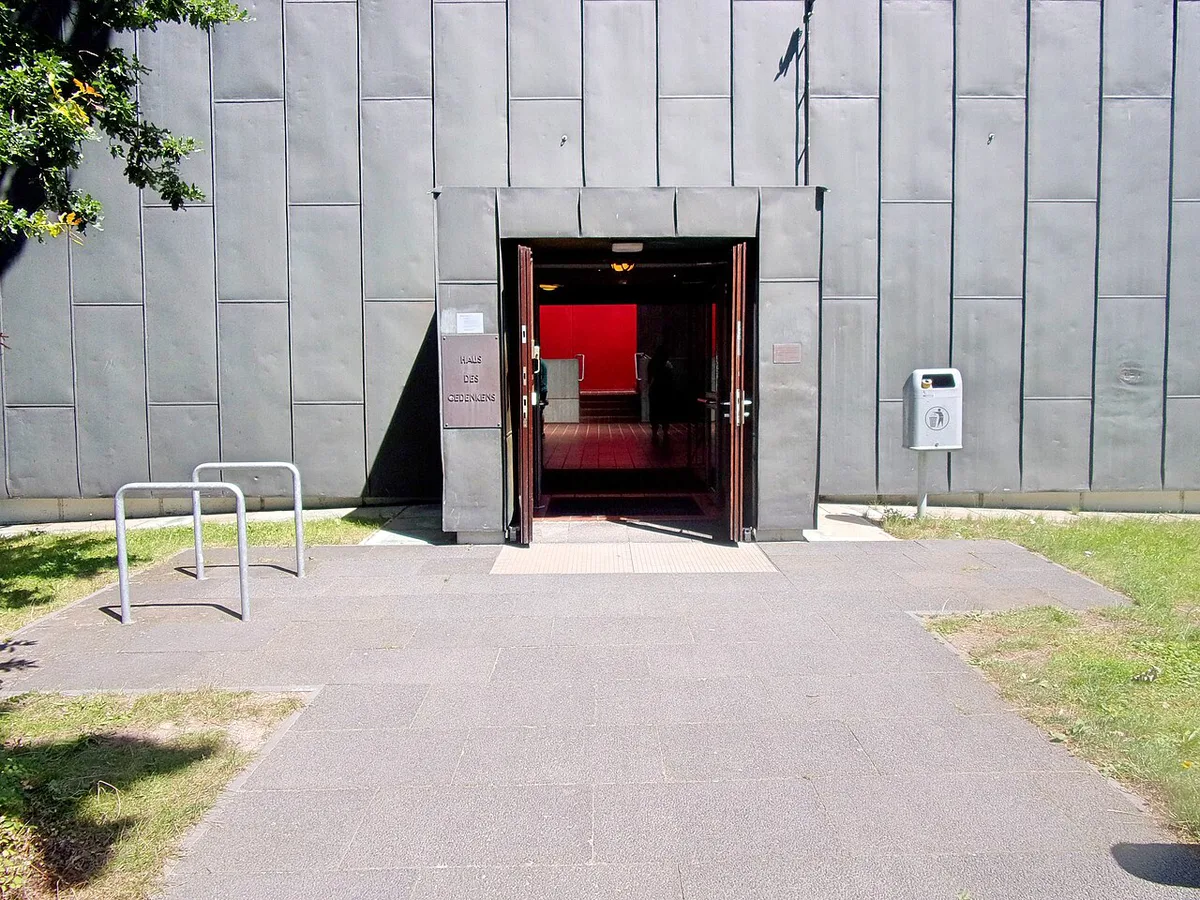
The exhibitions are free and on site. The memorial's history pages describe a death register, a library, an archive and an open archive, plus an interactive map of the camp. A virtual exhibition and media library exist in German. Guided tours are mentioned by Hamburg's tourism page. Languages and booking arrangements change, so ask the memorial before you travel. If you are researching a relative, visitors can search the memorial's records for prisoner names. Write to the archive using the contact details on the official history page. Give the full name, birth date and any camp or subcamp you know. Archives hold only part of the original paperwork, because documents were destroyed at the end of the war.
Other remembrance sites in Hamburg
Neuengamme is not the only Hamburg site tied to Nazi persecution. The Stadthaus Remembrance Site in central Hamburg is run under the same foundation. Visitors sometimes confuse it with the camp grounds. The memorial's history pages also list further memorials across Hamburg. Check the Stadthaus opening details separately, because they differ from the camp's.
Who this visit suits and how to approach it
First-time visitors, school groups, researchers and descendants all use the site. The content is distressing, so older teenagers are generally better prepared than young children. Decide in advance how much time you want for each exhibition. Rushing the cell block exhibition undermines it. Behave as you would in a cemetery: speak quietly and do not pose for casual photographs. Ask staff about photography rules and step-free access at the entrance, since the memorial's pages do not state them here. Compared with a day trip to Bergen-Belsen from Hanover, Neuengamme is closer to a big-city base and needs less transfer time. A visit to Sachsenhausen from Berlin: Train, Tickets & Visit Guide is a similar half-day trip.
- Mistake: confusing Neuengamme with the Stadthaus site in central Hamburg
- Mistake: arriving without checking hours or holiday closures
- Mistake: underestimating transit time from central Hamburg
- Mistake: rushing through the exhibitions
Combining Neuengamme with other German memorials
Neuengamme works well alongside other camp memorials if you plan separate days. Each site covers a different part of the camp system. Our German memorials overview helps you sequence them. Check each site's own hours before you set a route.
| Memorial | Location | Best for |
|---|---|---|
| Neuengamme | Hamburg-Bergedorf | Northwest Germany's main camp, subcamps, postwar prison layer |
| Sachsenhausen | Oranienburg, Brandenburg | Neuengamme's parent camp |
| Bergen-Belsen | Lower Saxony | Destination of subcamp death marches |
| Ravensbrück | Brandenburg | Women's camp history |
| Flossenbürg | Bavaria | Granite quarry camp in the south |
| Mittelbau-Dora | Thuringia | Underground armaments production |
| Hadamar | Hesse | Nazi euthanasia killing centre |
Where to stay and eat
Neuengamme is a half-day visit, so stay in Hamburg or in Bergedorf, the district around the memorial. Hamburg offers more transport options. Bergedorf shortens the trip back to the grounds. A café or food on site is not confirmed here. Plan to eat before or after your visit.
Base yourself in Bergedorf if the site is 15 km southeast of central Hamburg, because that shortens the trip back.
Keep planning
Guides on the same trip