Bergen-Belsen Memorial: Visiting Guide, History, Getting There
Plan a respectful visit to the Bergen-Belsen Memorial: hours, free entry, how to get there from Hanover, what to see, and the history in brief.
In this guide
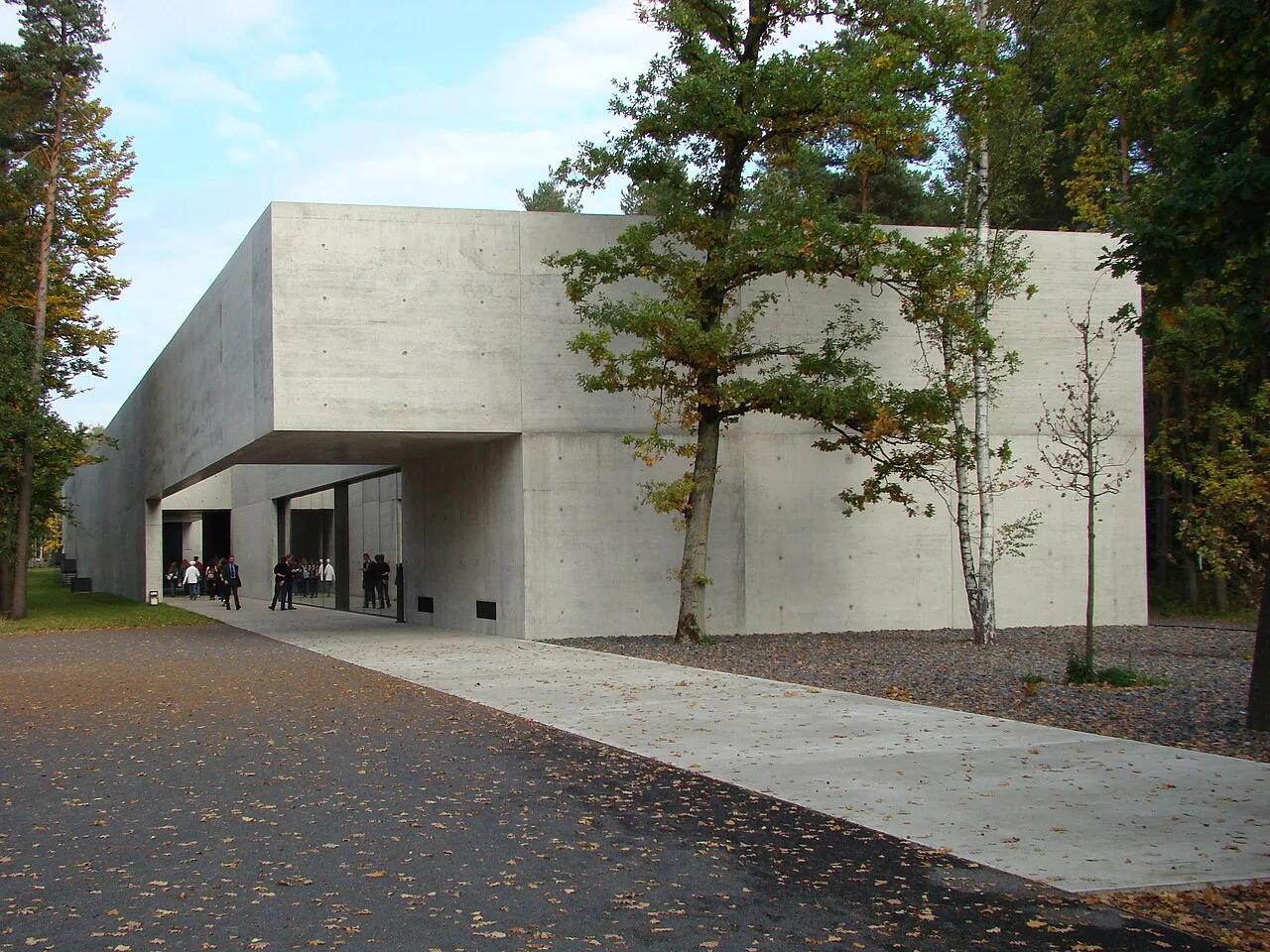
Last updated November 2026: Bergen-Belsen was a prisoner-of-war camp and later a concentration camp on the Lüneburg Heath, near Bergen and Celle in Lower Saxony. Today it is a memorial with a Documentation Centre, not a museum attraction, and a visit is a solemn history visit. Entry is free, and this guide covers hours, rules, transport and how to pair the visit with other memorials across Germany.
Featured image: Hajotthu 11:53, 13. Okt. 2008 (CEST), CC BY-SA 3.0, via Wikimedia Commons.
Bergen-Belsen at a glance
The Bergen-Belsen Memorial is run by the Lower Saxony Memorials Foundation. The grounds are open every day, and the Documentation Centre holds the permanent exhibition. Hours depend on the season: 10:00 to 18:00 from April to September, and 10:00 to 17:00 from October to March. Entry is free.
| Detail | Information |
|---|---|
| Location | Near Bergen and Celle, Lower Saxony |
| Operator | Lower Saxony Memorials Foundation |
| Entry | Free |
| Hours, April to September | Daily 10:00 to 18:00 |
| Hours, October to March | Daily 10:00 to 17:00 |
| Outdoors | Historic camp grounds, memorials and memorial signs, cemetery |
| Indoors | Documentation Centre with exhibition, library, bookshop and museum café |
| Winter note | Documentation Centre closed during the Lower Saxony Christmas holidays; grounds stay open |
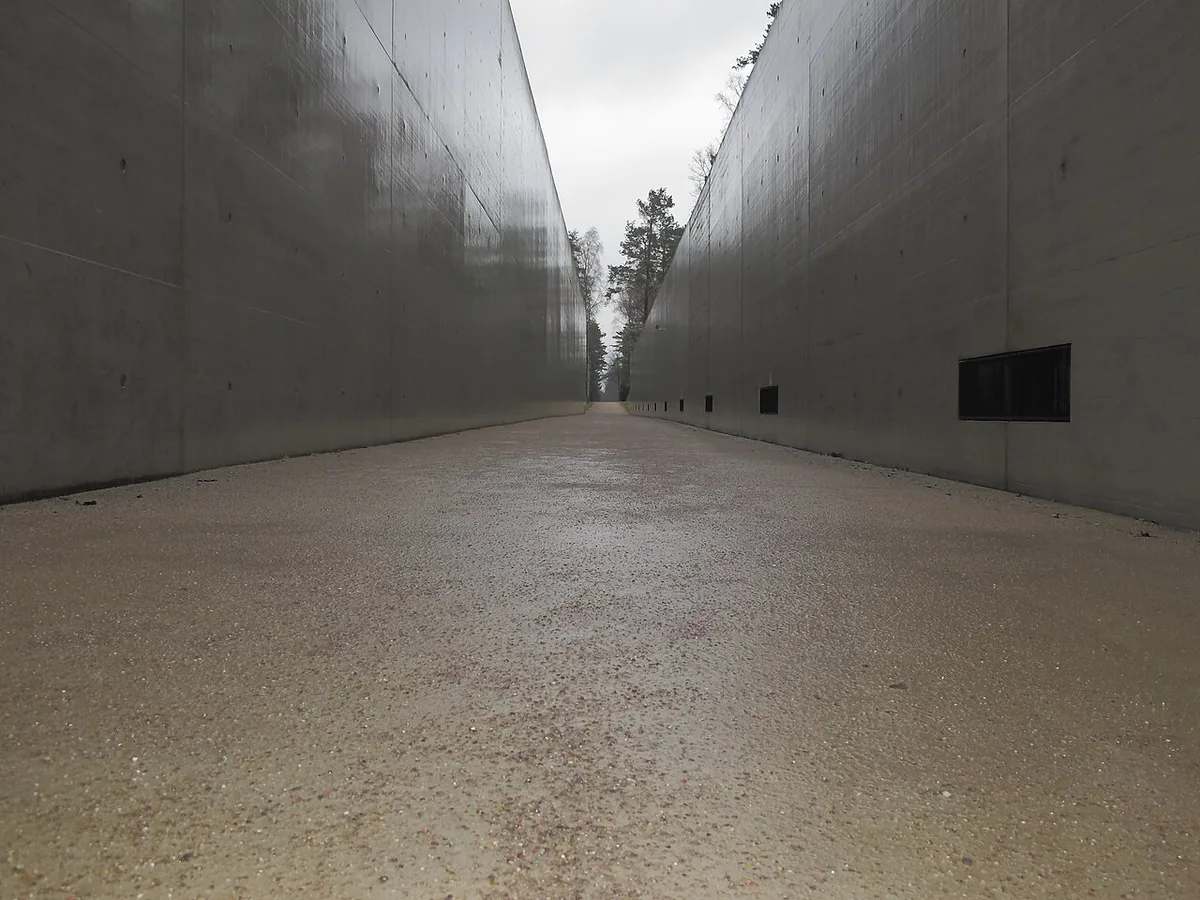
A brief history of the camp
The Wehrmacht set up a prisoner-of-war camp here in 1940, in barracks at the edge of the Bergen military training area. In 1943 the SS took over part of the site as an "exchange camp" for Jewish hostages. A "recovery" camp for sick prisoners followed. As camps in the east were evacuated, the site became overcrowded, and many people died there in early 1945. British forces liberated the camp on 15 April 1945. Anne and Margot Frank died at Bergen-Belsen in early 1945. A displaced persons camp was set up nearby after liberation. Totals for prisoners and deaths vary by source, so the memorial's own exhibition and publications are the best reference for figures.
What you will see at the memorial
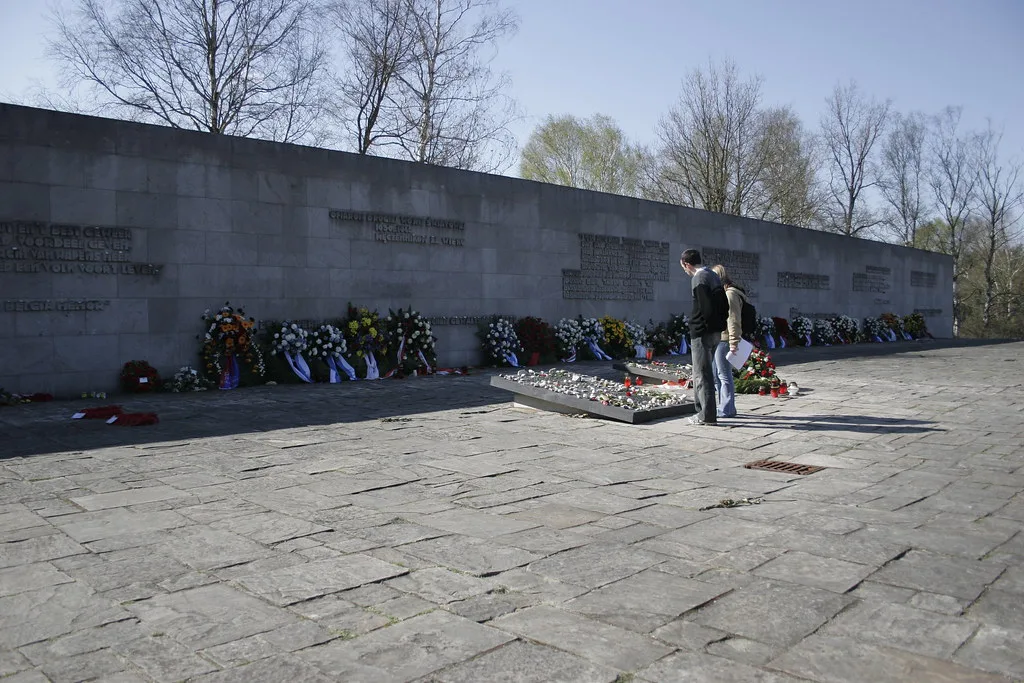
Most of what remains is outdoors. The historic grounds hold memorials and memorial signs, along with the cemetery. Walking is on paths in all weather, so plan for the conditions on the heath.
- Historic camp grounds: memorials and memorial signs mark where the camp stood.
- Cemetery: a place of mourning, where quiet and respect are expected.
- Documentation Centre: the permanent exhibition on the camp's history.
- Library and bookshop: reading and research resources, and publications from the memorial.
- Museum café: a place to sit down between the grounds and the exhibition.
- Guided tours and events: offered by the memorial, so check the Bergen-Belsen Memorial official site for current bookings.
Key memorials, Anne Frank's stone and what survives
Don't expect to see rows of prisoner barracks. British forces burned down the camp huts after evacuating them, partly to stop the spread of typhus. Today the landscape is open heath and woodland, with mass graves, memorials and traces of the site. See the Documentation Centre as well as the grounds, because the exhibition helps explain what the open land no longer shows.
Places to find on the grounds
- Mass graves: raised earth mounds hold the remains of many of the dead. Stay on the paths and do not climb or sit on them.
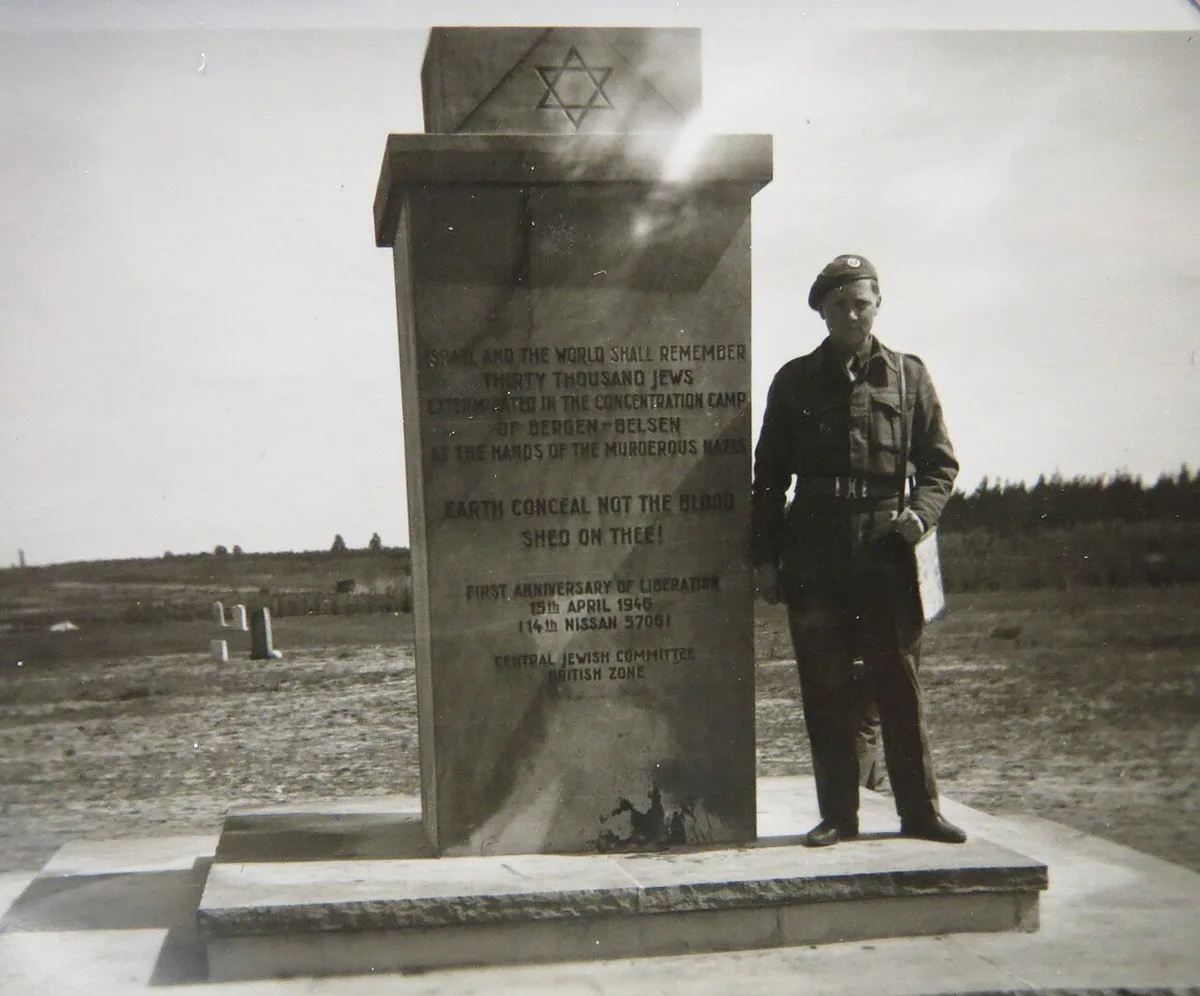
- Jewish Memorial: survivors dedicated this focus of Jewish remembrance around the first anniversary of liberation.
- Wooden cross: Polish survivors put up a cross in the months after liberation to commemorate their dead.
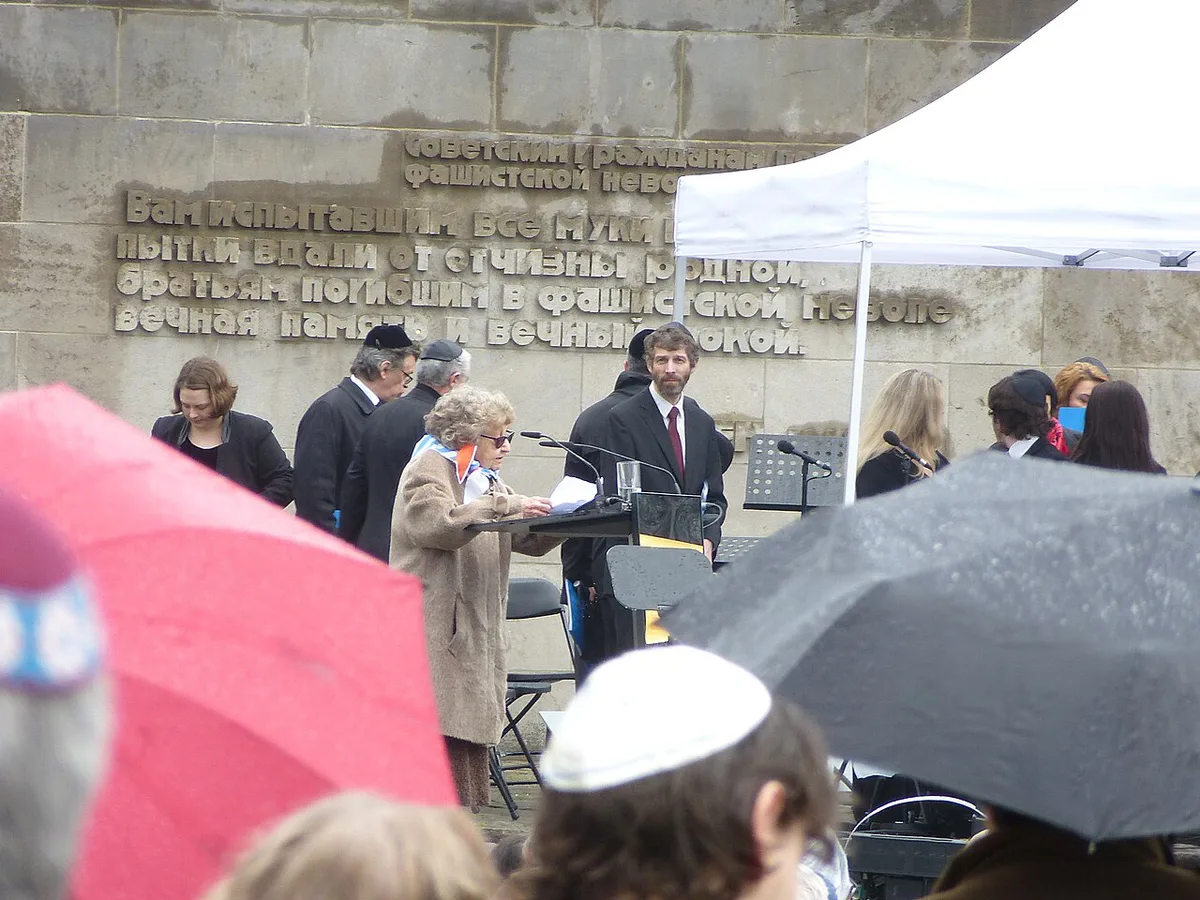
- Obelisk and inscription wall: the international memorial carries inscriptions in several languages.
- House of Silence: a later building set aside for quiet reflection and personal remembrance.
- Memorial stone for Anne and Margot Frank: this is a symbolic gravestone. It does not mark the exact place where the sisters are buried, which is not known. Visitors often leave small stones or other tokens of remembrance.
Sites away from the main grounds
The prisoner-of-war cemetery at Hörsten is separate from the former camp grounds. Many of those buried there were Soviet prisoners, whose suffering belongs to the earlier part of the site's history.
The loading ramp, also away from the main memorial, is where transports arrived. From there, prisoners generally had to continue to the camp on foot, although some were taken by truck. If you want to see either place, check its location on the memorial's map and plan the transfer and extra time before you set out. Do not assume that both are a short walk from the Documentation Centre.
Opening hours, entry and visitor rules
Hours run from 10:00 to 18:00 in April to September and 10:00 to 17:00 in October to March. In winter, daylight and the 17:00 close are tight, so arrive early. Entry is free. The visitor rules below come from the memorial's own regulations.
- No bicycles, scooters, e-scooters, skateboards or rollerblades on the grounds. Bicycle racks are in the car park.
- No motorised vehicles on the grounds, except wheelchairs and walking aids.
- Lockers for backpacks and large bags are near the toilets in the Documentation Centre. Large bags are not allowed in the exhibitions.
- Dogs are not allowed in the buildings, the cemetery or the historic camp grounds. Assistance dogs are the exception.
- Toilets are in the Documentation Centre entrance area and behind the administration building. Accessible toilets and a changing table are in the Documentation Centre.
How to get there
The site is rural, so the last leg may need a bus or taxi. From Hanover, the Hanover day-trip route sets out the journey in detail. Celle and Bergen are the nearest towns and the usual bases. Look up the current route on the memorial's "Plan your visit" page and with the local bus operator before you travel. Timetables change, so check the day's connections in advance.
| Option | Flexibility | Last stretch | Day-trip fit |
|---|---|---|---|
| Car | Highest; set your own hours | Direct, with parking on site | Good from Hanover or Celle |
| Public transport | Tied to timetables | May need a bus or taxi | Workable with early planning |
How much time to allow
These are editorial guidance estimates, not official figures. Grounds are large, and weather affects pace. The route from Hanover shows how a visit fits into one day. Winter hours cut the usable time, so plan around the 17:00 close.
| Option | Time (guidance) | Includes | Suits |
|---|---|---|---|
| Grounds only | About 1 to 1.5 hours | Memorials, signs, cemetery | A visitor short on time |
| Grounds plus exhibition | Half a day | Documentation Centre and walk | A history reader or older teens |
| Add a tour or the library | Full day | Guided tour, library, café | A group or a research-minded visitor |
Visiting with respect and planning around it
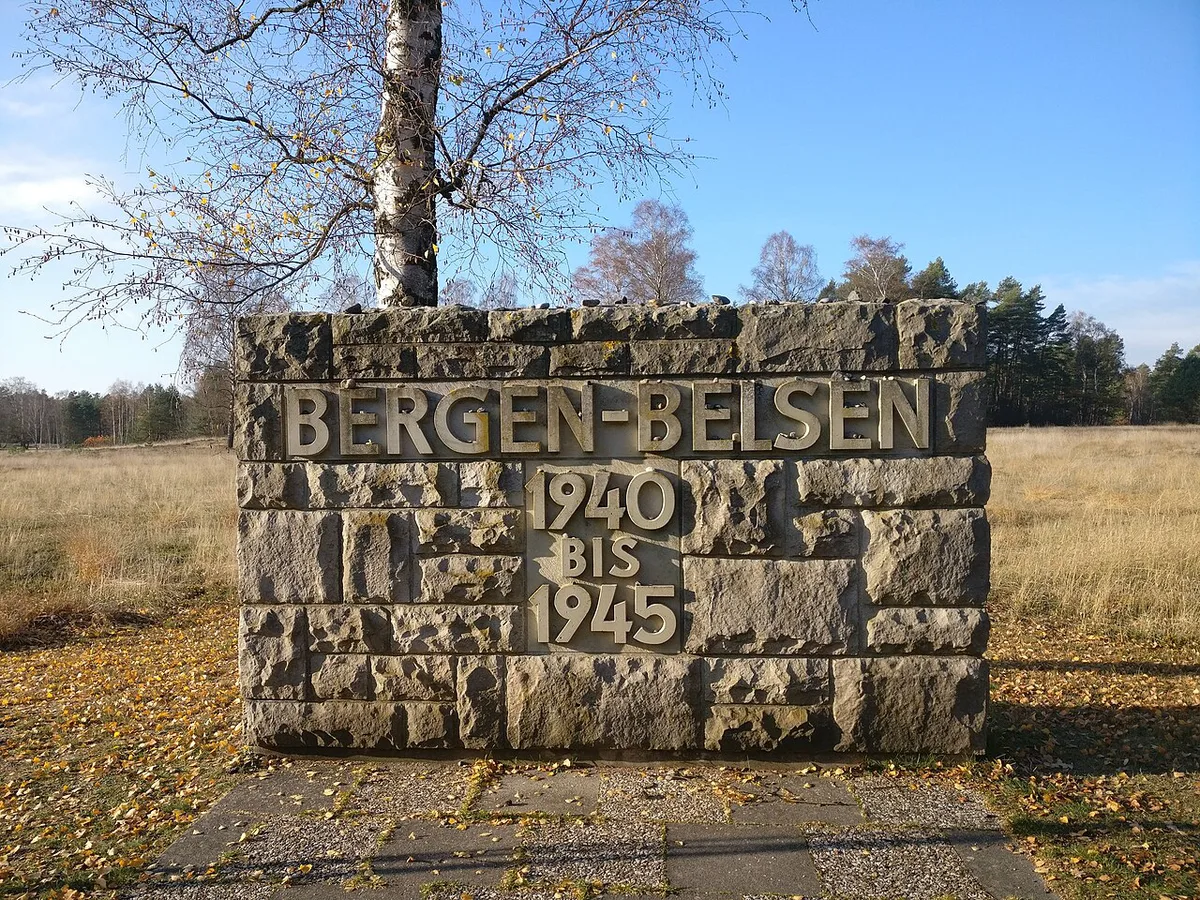
Bergen-Belsen is a place of mourning, and quiet conduct is expected, especially at the cemetery. Photograph with discretion and avoid posed or casual shots on the grounds. For children and teenagers, read the memorial's own guidance on age suitability before you go. Wear weatherproof clothing, since most of the visit is outdoors. The museum café is on site, and Bergen and Celle offer more food options. Allow time afterwards to absorb what you have seen, because the emotional weight of the day is easy to underestimate.
Combining Bergen-Belsen with other memorials
Other sites in the same network show how different camps are presented. Neuengamme near Hamburg is the closest comparable site in northern Germany. The Neuengamme memorial's own site lists current visiting details. The Mittelbau-Dora memorial is another regional pairing, and Mittelbau prisoners were moved to the Bergen area in April 1945. To compare how a different camp is presented, see the Sachsenhausen Memorial and Museum: History and Visitor Guide. Berlin-based visitors can use the Sachsenhausen day trip from Berlin. The Ravensbrück memorial offers a further comparison. Do not try to combine two sites in one day, since each deserves unhurried time.
Keep planning
Guides on the same trip