Dresden WW2: Bombing History & Sites to Visit Today
Plain-language answer on the 13-15 February 1945 raids on Dresden, plus the rebuilt landmarks and museum to visit, with tips on timing and etiquette.

In this guide
Last updated November 2026: Dresden WW2 history centers on the Allied air raids of 13-15 February 1945. Today you can see the rebuilt Frauenkirche and the Bundeswehr Military History Museum. This guide suits travelers interested in civilian bombing history and reconstruction, and it fits into a wider 10 WW2 Sites in Germany: Best Places by Region route.
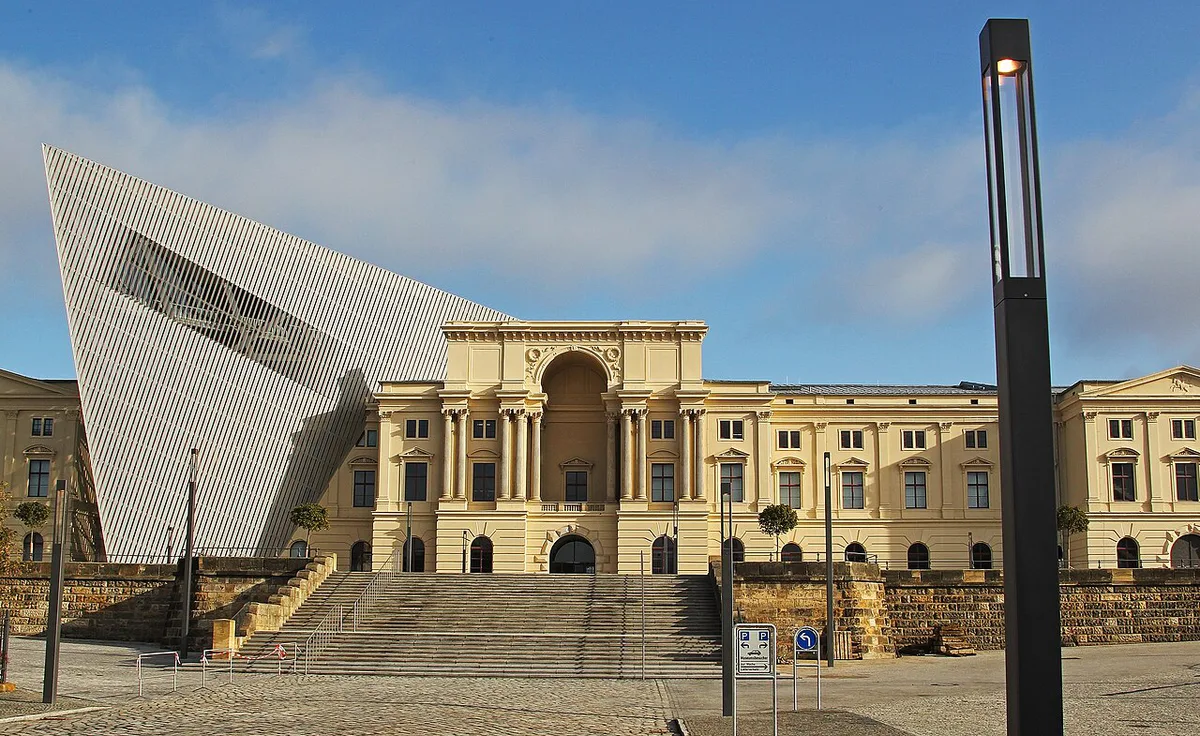
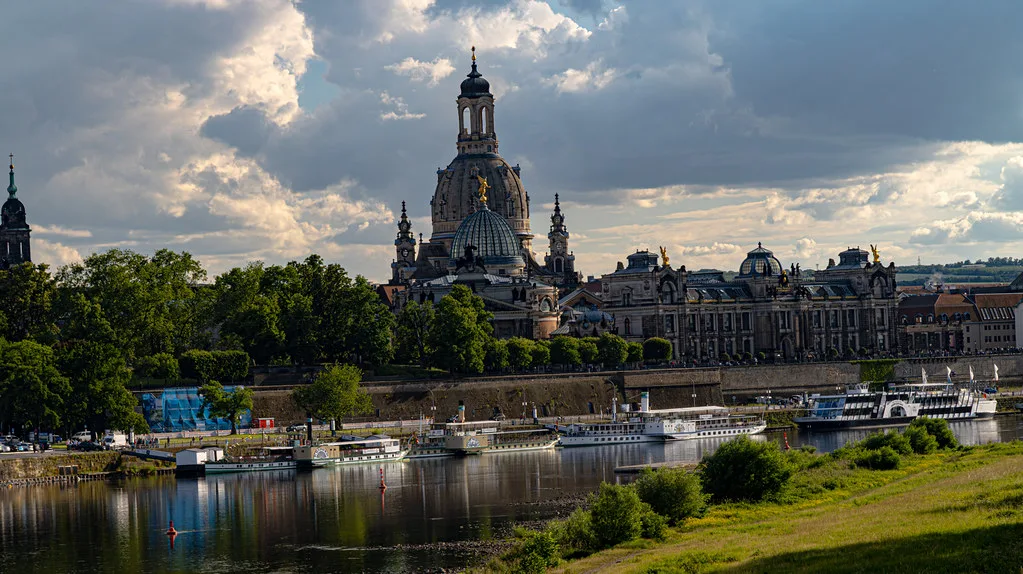
Featured image: J. Strauß, CC BY-SA 3.0, via Wikimedia Commons.
What happened to Dresden in WW2
Dresden was bombed by the British Royal Air Force and the United States Army Air Forces. The raids began on 13 February 1945 and continued over three days. Published estimates of the dead run from about 25,000 to 35,000, and the exact figure is still disputed. Historians also debate whether the city was a justified military target. Dresden was a rail and road crossroads, and that role features in most explanations. Treat both the toll and the rationale as open questions rather than settled facts.
Why Dresden looks the way it does today
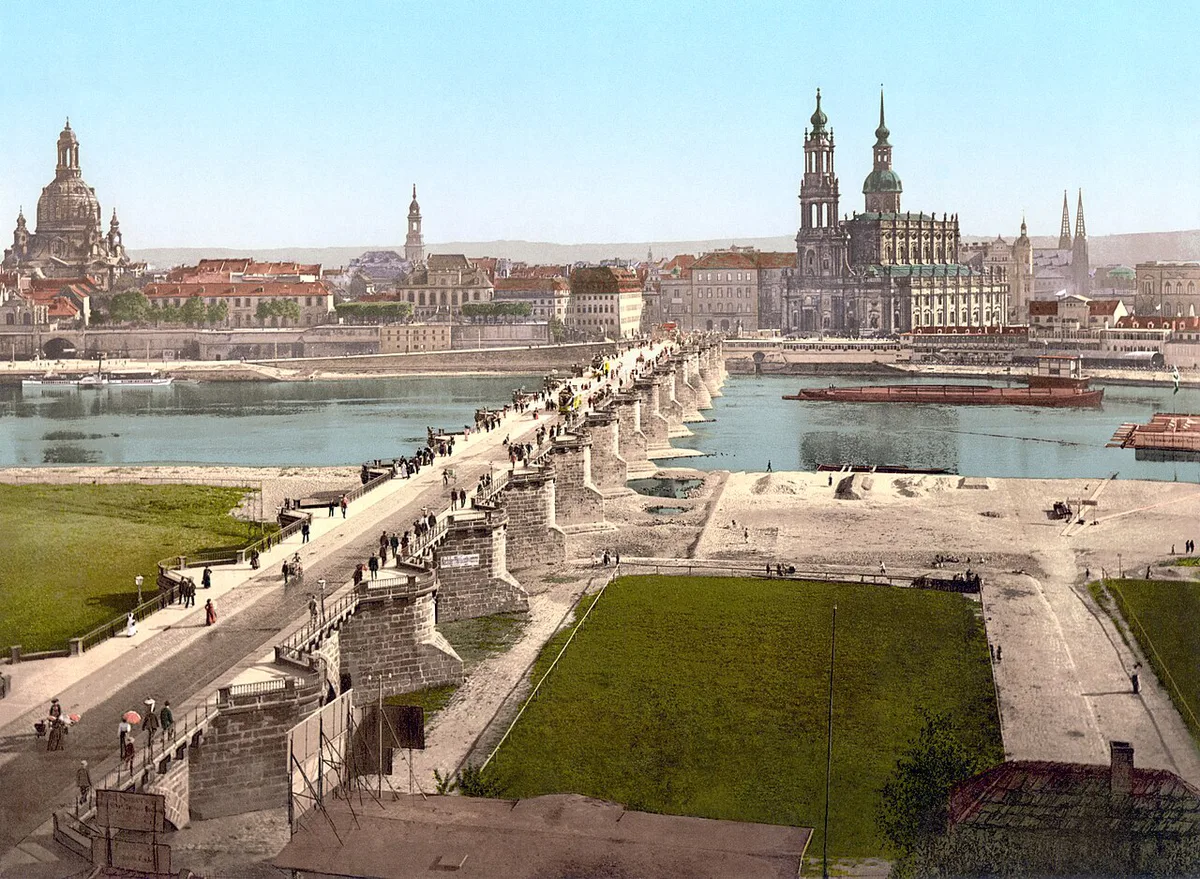
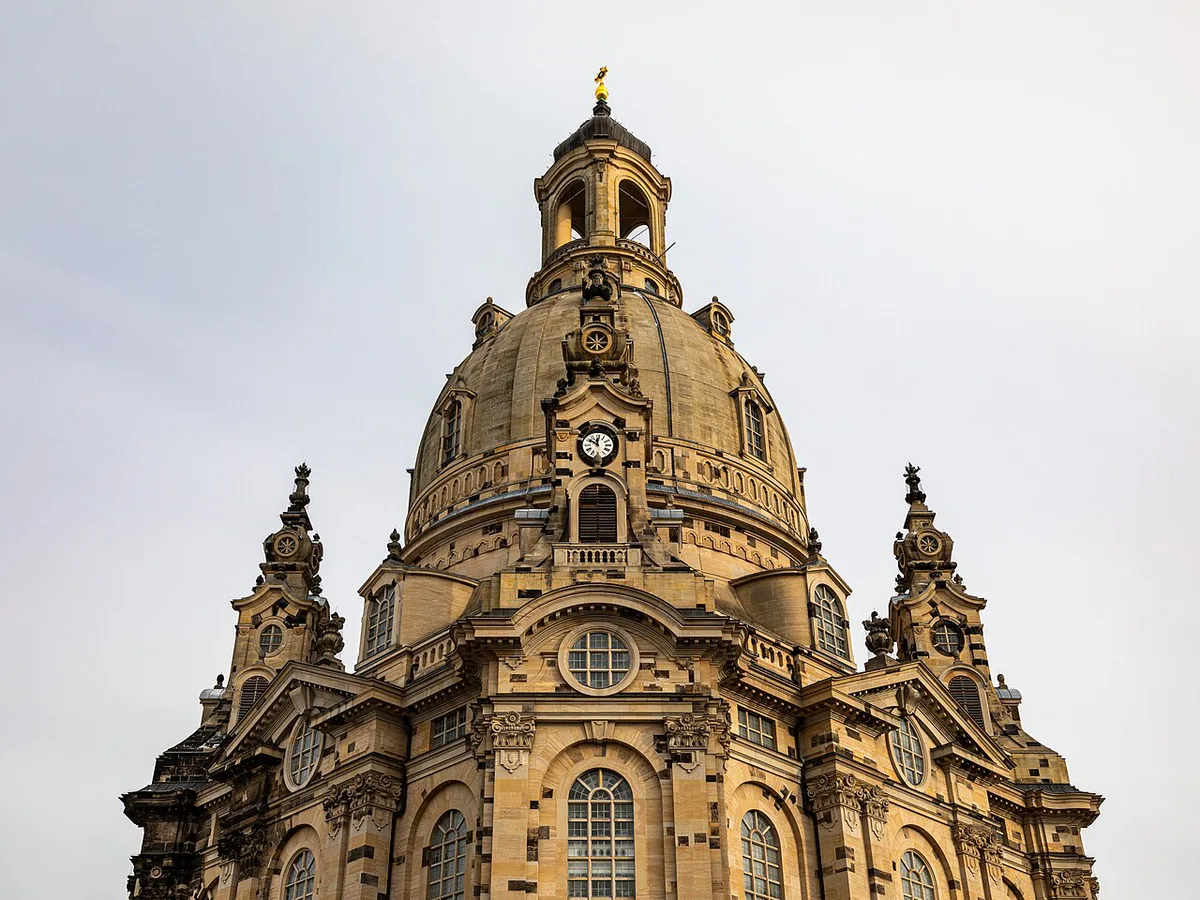
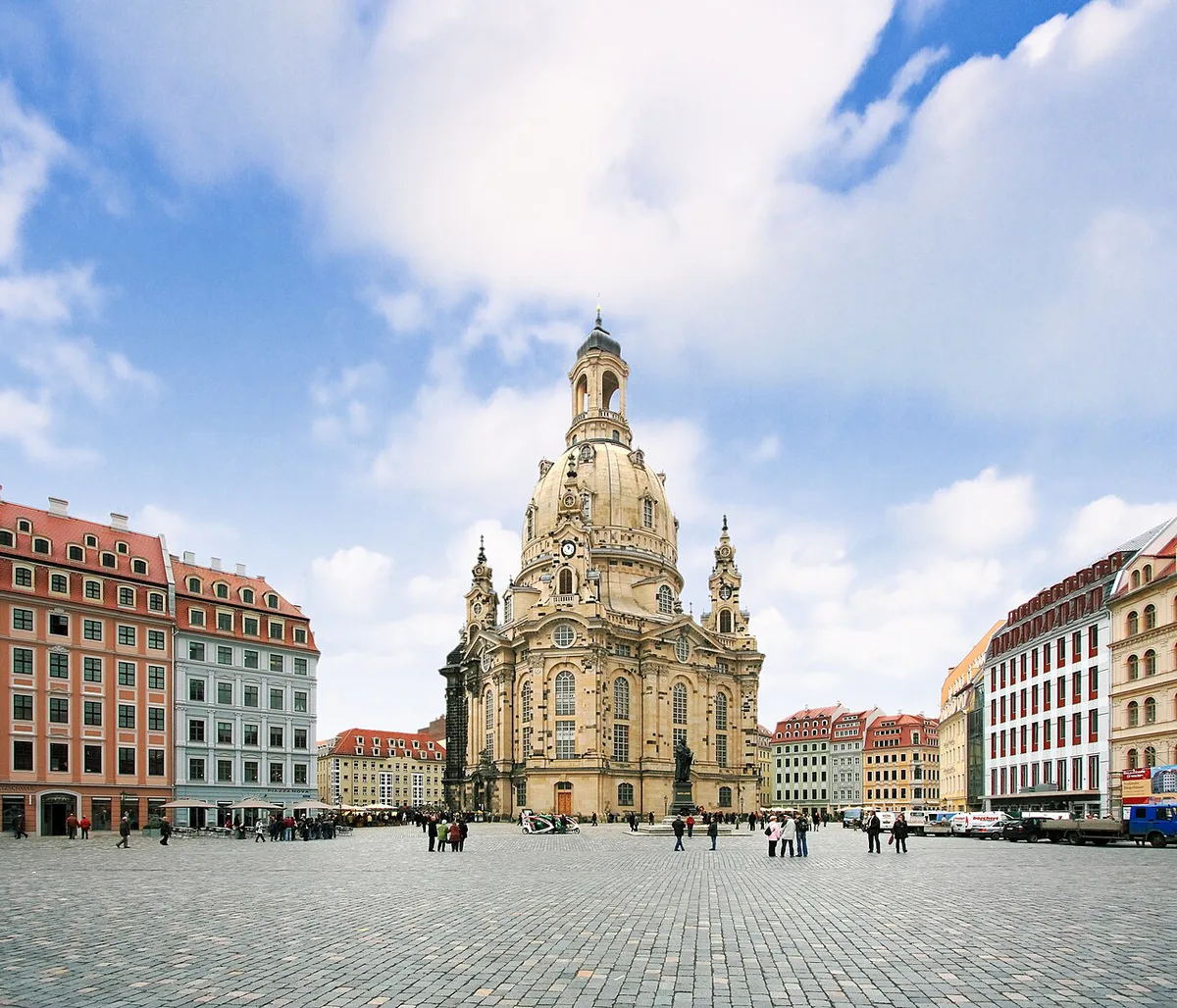
Most of the central city was destroyed in the raids, so what you see now is largely a story of rebuilding. The Frauenkirche is the clearest example. It stands today as a symbol of reconstruction after the February 1945 raids. Read the skyline as a mix of rebuilt landmarks and postwar replacement, not as an untouched old town. Each site's own information is the best guide to what is original and what is new.
WW2 sites to visit in Dresden

Dresden is a short list rather than a battlefield circuit. Two sites anchor a visit, and both are in the city itself.
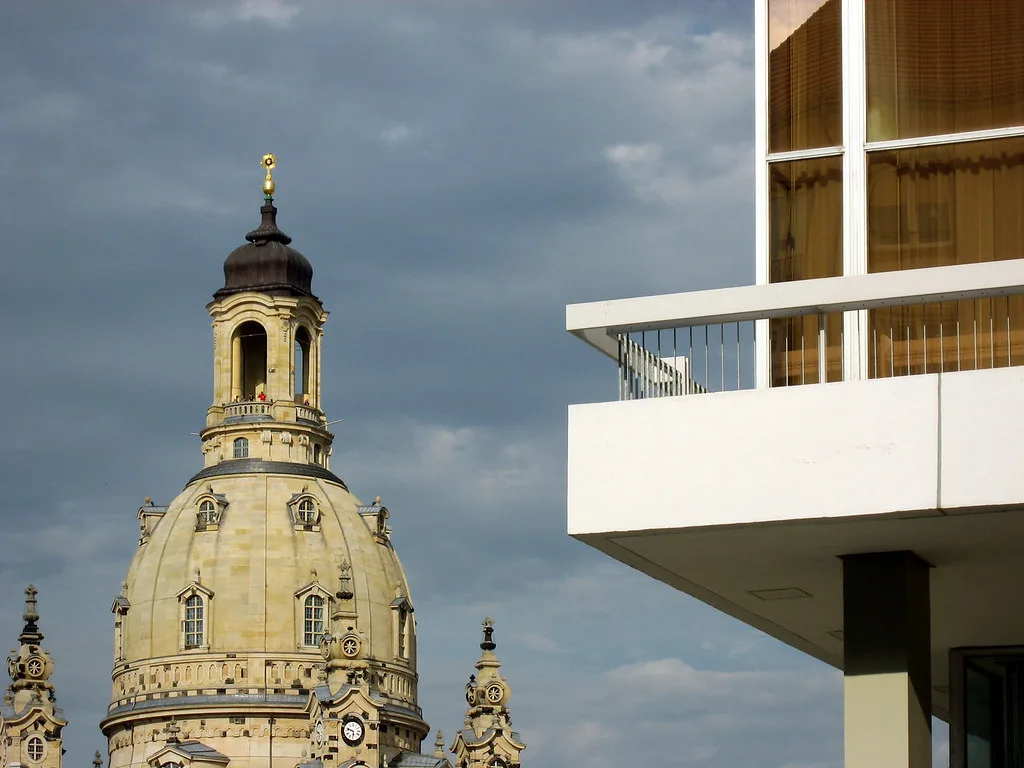
- Frauenkirche: the rebuilt church, best for understanding reconstruction and remembrance. It shows the aftermath rather than the raids themselves.
- Bundeswehr Military History Museum: the city's main military history museum. Its official site lists current exhibitions, opening hours and ticket details.
How much time to plan in Dresden
Official sources publish no single route for this theme, so plan by interest rather than by a fixed schedule. Use the table to match your time to the sites.
| Plan | Best for | What to skip |
|---|---|---|
| Short stop | Frauenkirche exterior and the rebuilt center | The museum |
| Half-day | Frauenkirche plus the Military History Museum | Extra sightseeing unrelated to the war |
| Full day | Both sites at an unhurried pace, with time for reflection | Nothing essential; avoid rushing the museum |
Tickets, hours and getting there

Ticket prices and opening hours change, and this guide does not quote them. Check the museum's official site for current details. The German National Tourist Board lists general travel information for Dresden. Rail is the simplest way to arrive, and a base near the center keeps both sites within reach.
Visiting with sensitivity around 13 February
Dresden was a mass-casualty site, so treat memorials as places of remembrance. Keep voices low and follow any posted photography rules. Expect crowds and ceremonies around the 13 February anniversary. The date has also drawn extremist gatherings in the past, so check local news and official guidance if you plan to visit that week. Many travelers choose a different week for a quieter visit.
Who should skip it, and how to fit it into Germany
Skip Dresden if you want fortifications, front lines or tank terrain. It is a civilians-and-rebuilding story. For another heavily bombed city, compare Hamburg's WW2 sites. For a prisoner-of-war story in Saxony, see Colditz Castle: WW2 POW Camp, Tours and Getting There. Battlefield-minded travelers should look at Seelow Heights: Visit the 1945 Battlefield from Berlin on the Berlin approach. For victim and war-grave context, read about German War Cemeteries: Visiting, Finding Graves, Etiquette. A day in Dresden pairs well with Leipzig's Battle of Nations Monument, though that monument belongs to a different era.
Planning a respectful visit around 13–15 February
The anniversary period needs more planning than an ordinary city break. The raids began on 13 February 1945 and continued until 15 February. Commemorations are most likely around those dates, so allow extra time for changed access, crowds, and quiet reflection.
Start by checking the official information for the Frauenkirche and the Bundeswehr Military History Museum before setting out. Their notices are the best source for any temporary changes. Do not treat remembrance events as sightseeing opportunities.
Dresden’s loss is measured in estimates of roughly 25,000 to 35,000 deaths. That uncertainty is part of why the anniversary remains sensitive. Keep conversations discreet, follow staff instructions, and respect any photography restrictions.
If you prefer a calmer visit, choose another week. You can still understand reconstruction at the Frauenkirche and explore wider military history at the museum without competing with commemorative events.
Keep planning
Guides on the same trip