Monument to the Battle of the Nations, Leipzig: Visitor Guide
Visiting the Monument to the Battle of the Nations in Leipzig: what's inside, whether to climb, how to get there, tickets and how long to allow.
In this guide
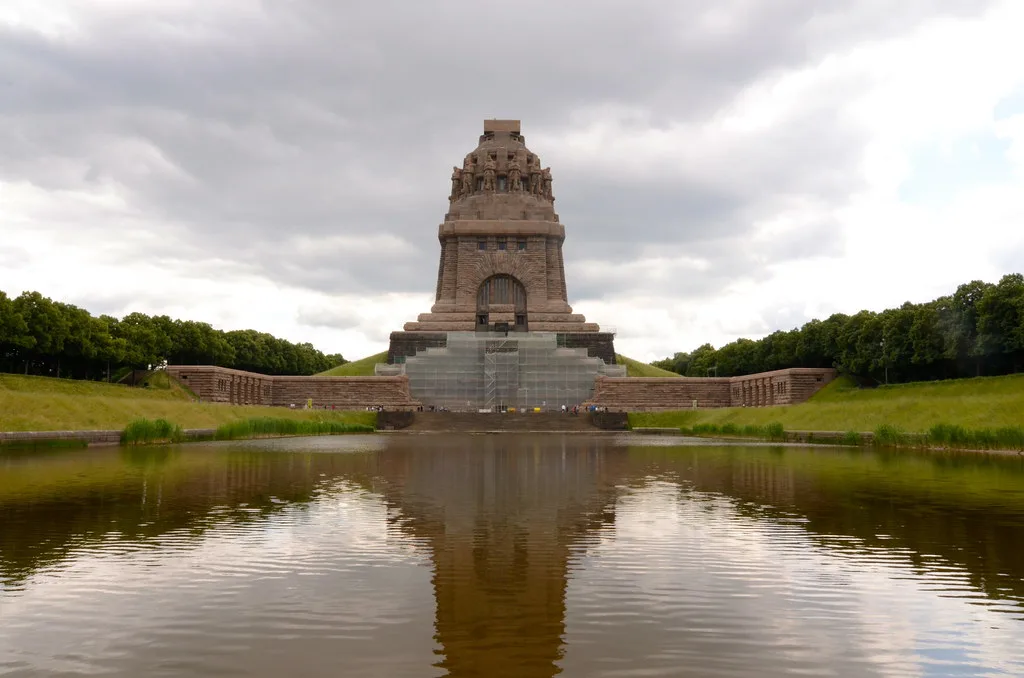
Last updated November 2026. The Monument to the Battle of the Nations (Völkerschlachtdenkmal) in Leipzig commemorates the 1813 Battle of Leipzig, and it was completed in 1913. Visitors can go inside and climb to a viewing platform above the city. This guide covers what you will see, who should go and how to plan the visit.
Featured image: Yschelle, CC BY-SA 4.0, via Wikimedia Commons.
What the Monument to the Battle of the Nations Is
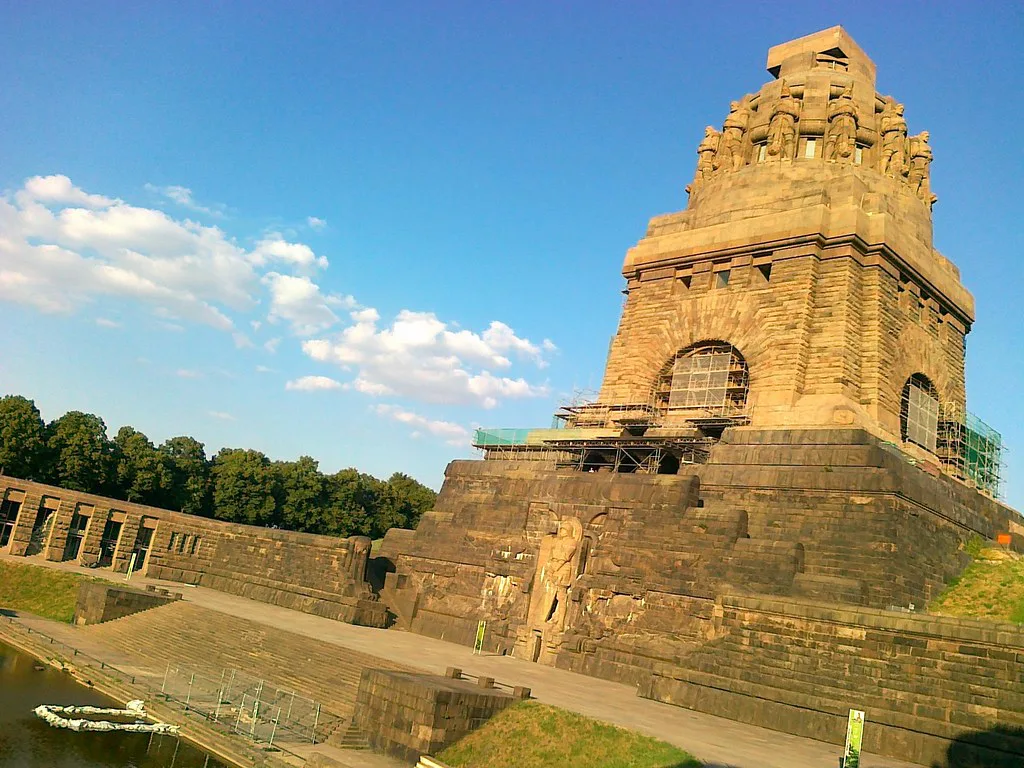
The Völkerschlachtdenkmal stands in Leipzig and marks the Battle of Leipzig of 1813, also called the Battle of the Nations. Napoleon's French army fought the allied forces of Prussia, Austria, Russia and Sweden there. The allied victory marked a decisive turn against Napoleonic dominance in Europe.
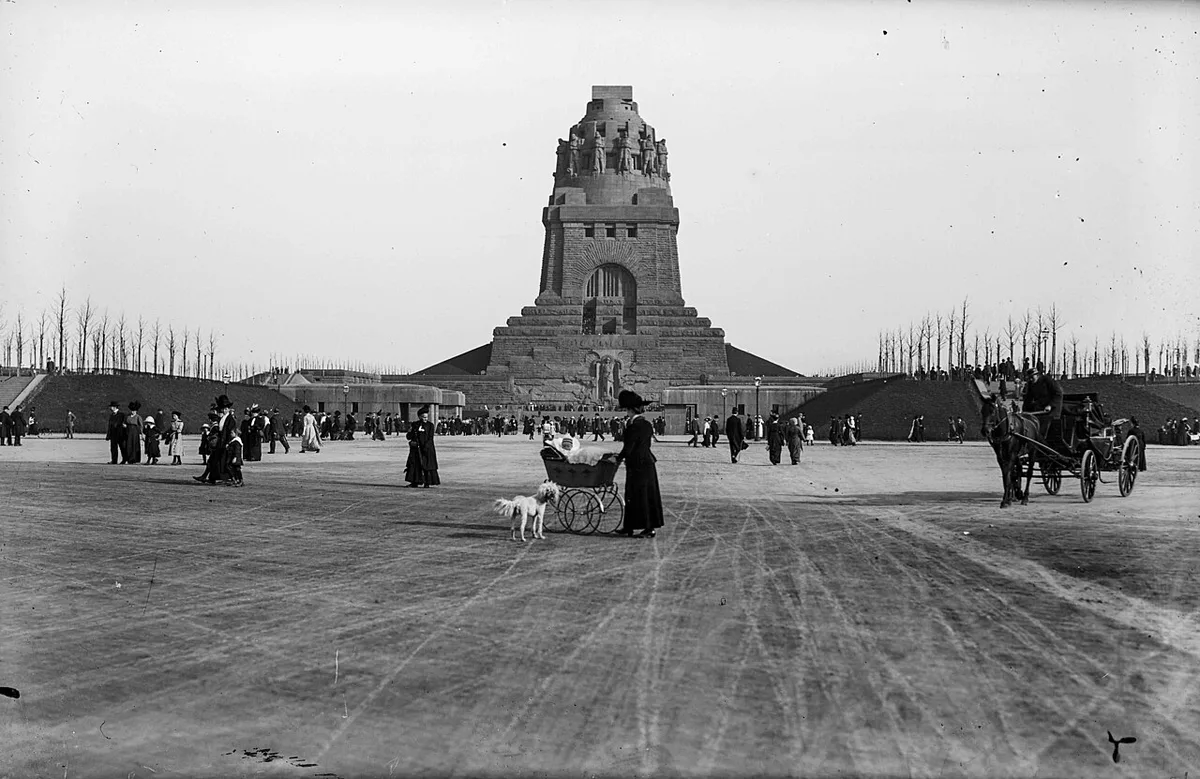
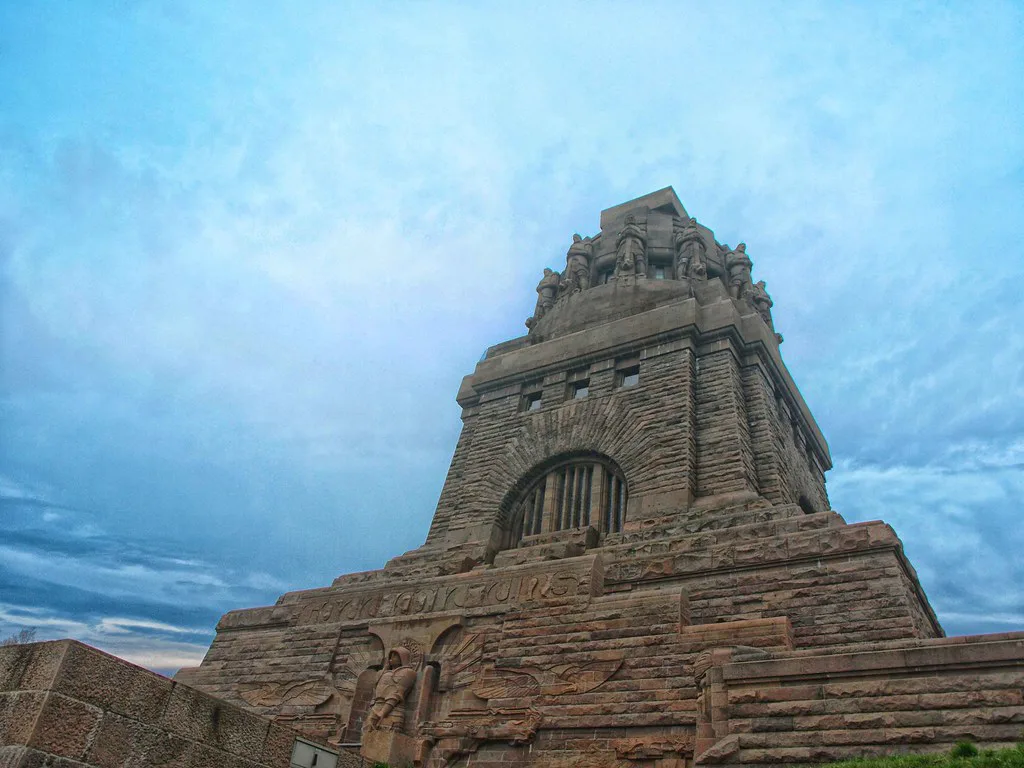
The monument was completed in 1913, a century after the battle. The architect was Bruno Schmitz, and the structure stands 91 m tall. Its sculptures carry patriotic and heroic themes, so it reflects how Germany remembered 1813 in the early 20th century. It is a nationalist-era memorial, and visitors should read it as a product of its time.
The 1813 Battle of Leipzig: What to Know Before You Go
Reading up on the battle first makes the memorial easier to understand. The main fighting ran from 16 to 19 October 1813 in and around Leipzig. It involved around half a million soldiers or more, and the dead and wounded numbered in the tens of thousands. Totals differ between accounts.
- 16 October: Heavy fighting took place on several fronts, including south of the city and at Möckern to the north. Neither side won a decisive result overall.
- 17 October: There was a relative lull, and further allied forces moved up.
- 18 October: The larger allied armies pressed in on Napoleon's positions. Some Saxon units, until then on the French side, went over to the allies during the fighting.
- 19 October: The allies stormed Leipzig as the French retreated west. A bridge over the Elster was blown too early, cutting off many of Napoleon's troops. The Polish commander Józef Poniatowski, newly made a Marshal of France, drowned while trying to get across the river.
This was not simply a contest between French and Germans. Napoleon's army included Polish, Italian and German contingents, so German soldiers fought on both sides. Keep that in mind when you look at the national story told by a monument opened on 18 October 1913. The Battle of Leipzig overview on Wikipedia is a useful starting point for the commanders and troop movements.
Is It Worth Visiting? Who Should Go and Who Can Skip It
The monument suits some visitors far better than others. Use the two lists below to decide.
- Go if you care about Napoleonic history, monumental architecture or memorial culture.
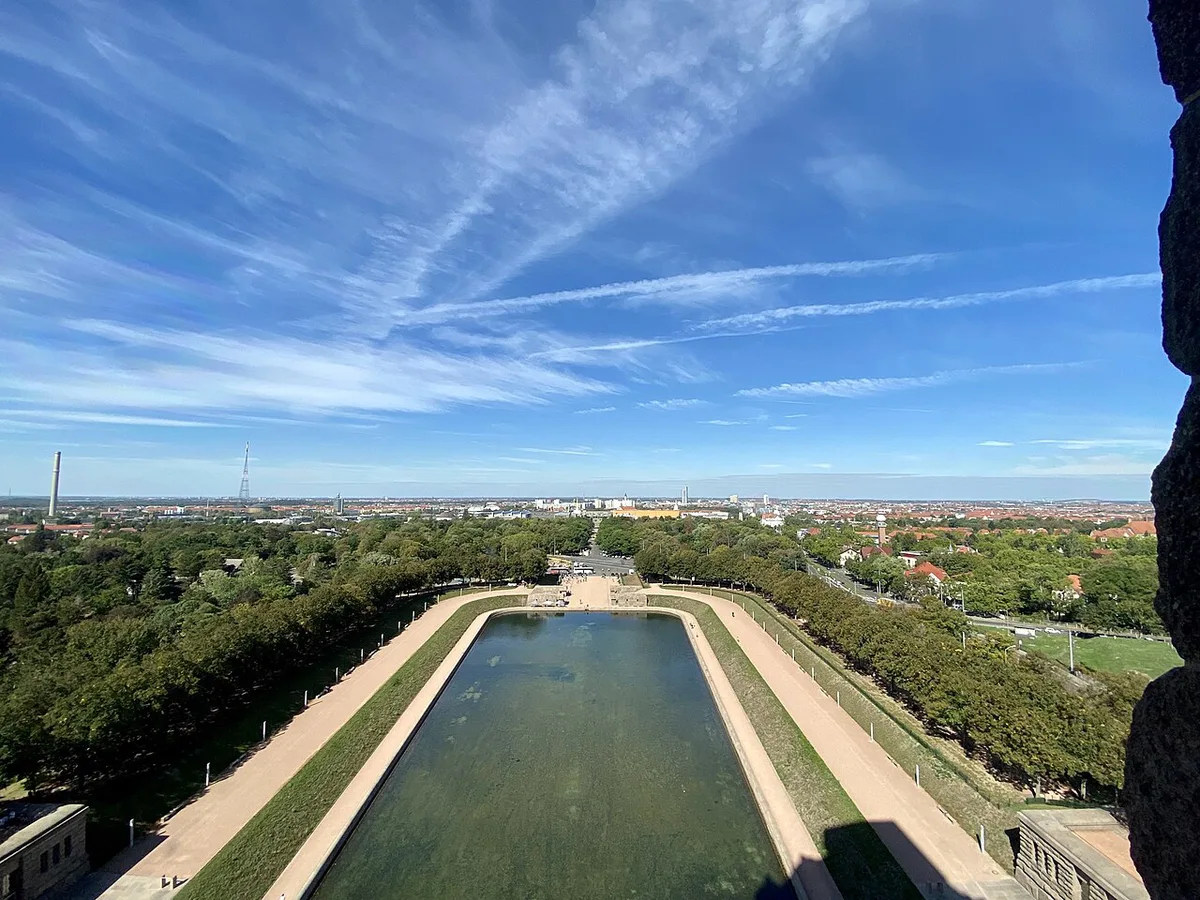
- Go if you want a panoramic view over Leipzig and the land around it.
- Go if you have a half-day free and can handle stairs.
- Skip or limit to the exterior if you have limited mobility and the official site does not confirm a suitable route.
- Skip if you have a very short layover and only time for the city centre.
What to See Inside and at the Top
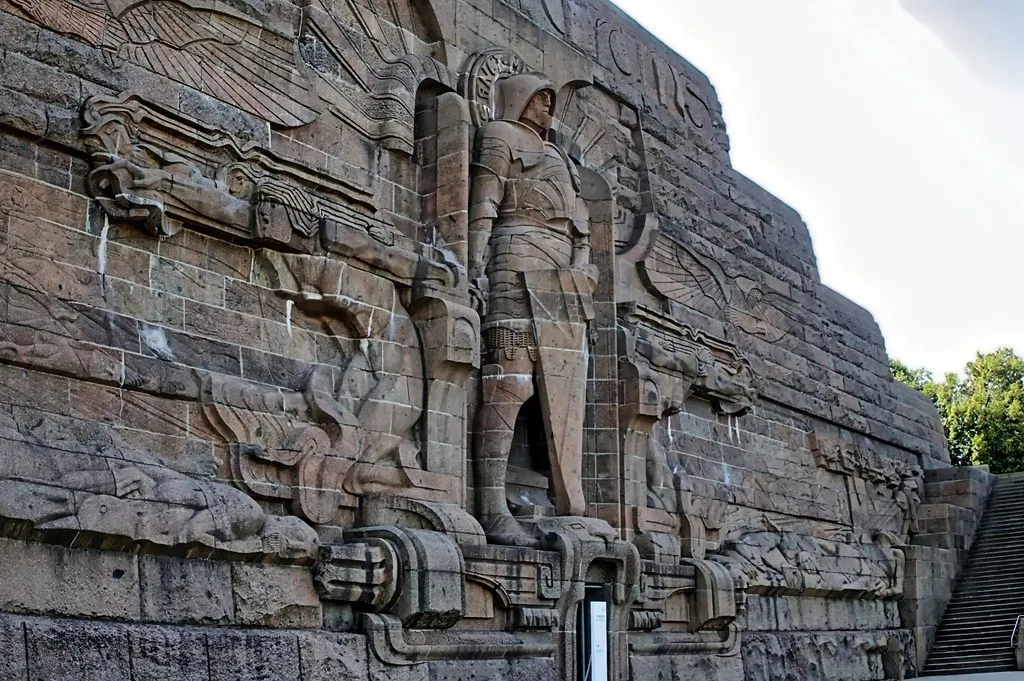
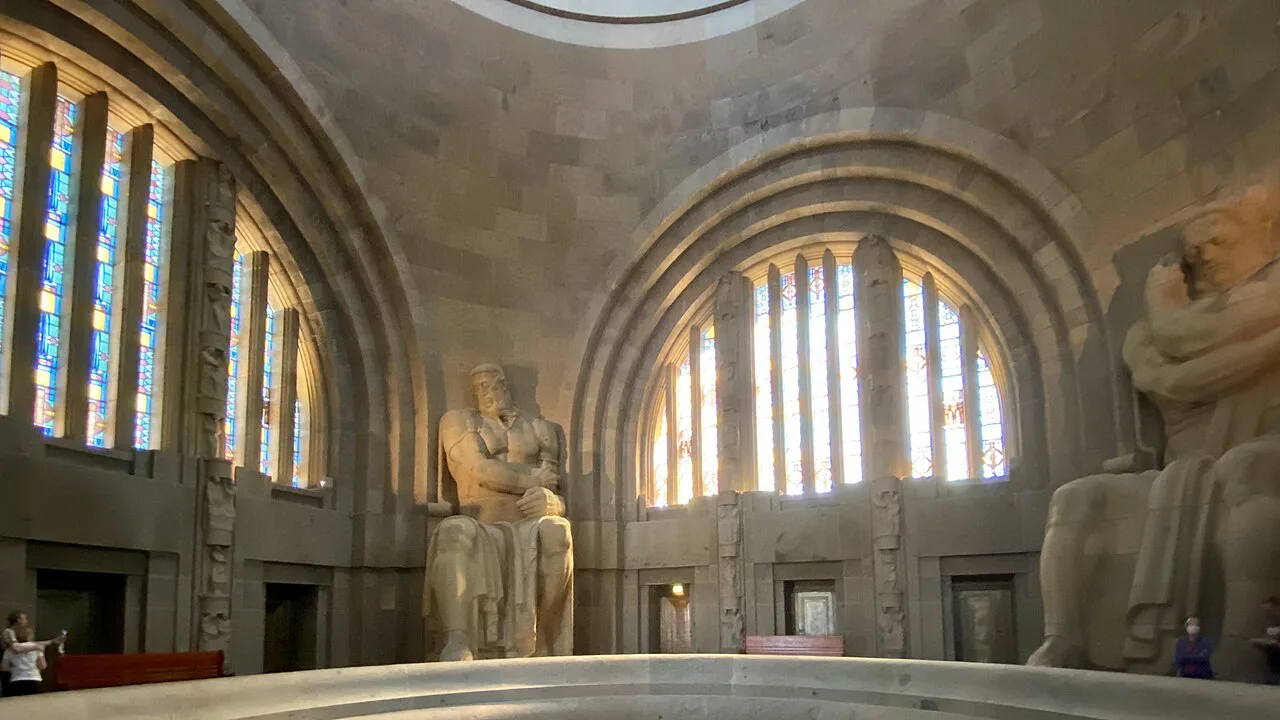
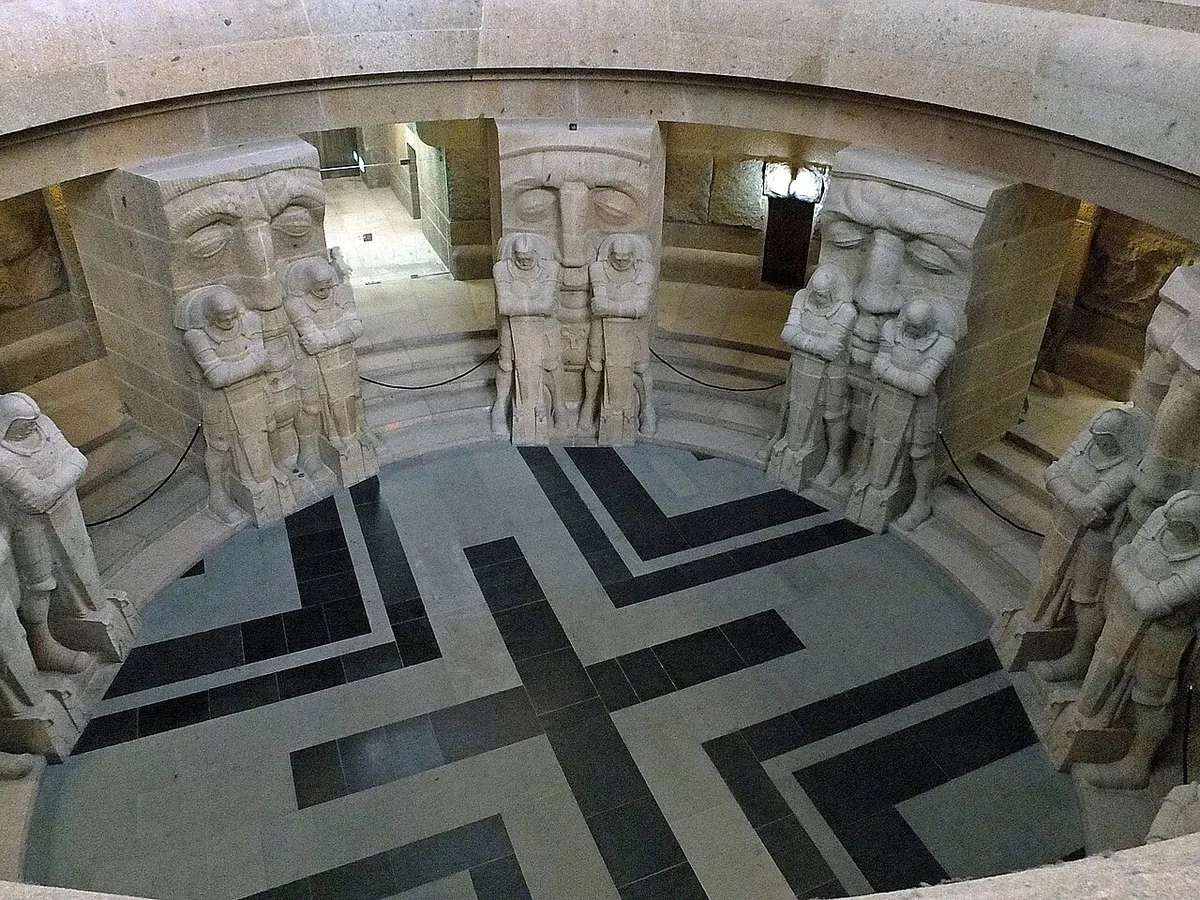
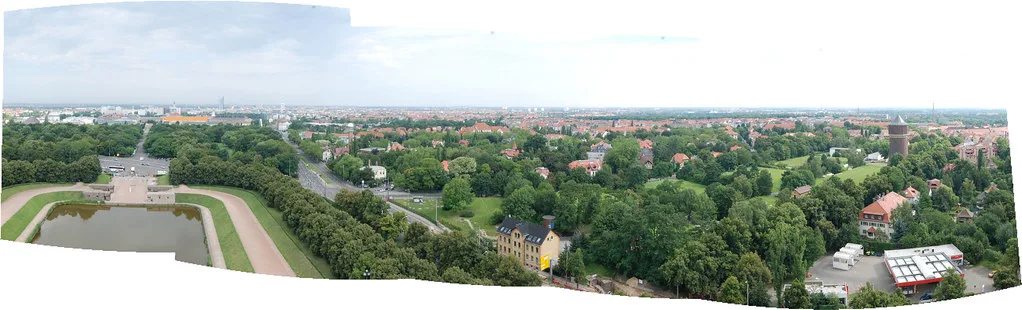
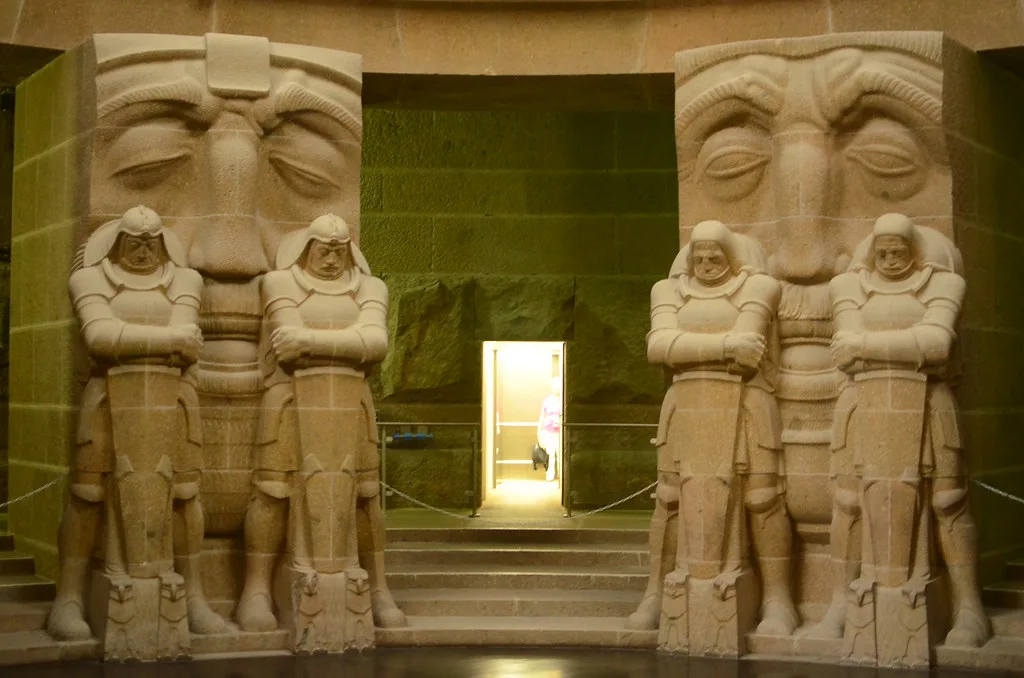
Inside, you will find a central crypt and a hall of fame that honour the fallen soldiers. Large stone sculptures sit throughout the structure. At the top, an observation platform gives panoramic views of Leipzig and the surrounding area.
Expect a monument rather than a battlefield museum. It does not reconstruct the fighting, so read up on the 1813 campaign beforehand if you want that context. The official monument website describes the interior and any exhibitions currently on show.
Tickets, Opening Hours and Booking
Prices, seasonal hours, last entry and any separate tickets for the climb are set by the operator and can change. Check the official Völkerschlachtdenkmal site for current figures before you travel.
Getting There and How Long to Allow
The monument lies in Leipzig, and the city's tram and rail network is the usual way to reach it. Current routes and timetables are published by the local transit operator and Deutsche Bahn, so check both on the day.
Allow a half-day for a full visit with the climb. A quick exterior look takes far less. Build in extra time if you plan to linger in the crypt or at the platform.
| Visit style | Time (estimate) | What you get |
|---|---|---|
| Exterior only | Short | Scale of the monument and its sculptures |
| Inside, no climb | Moderate | Crypt, hall of fame and interior sculpture |
| Inside plus climb | Longest | Interior and the panoramic platform view |
Taking Tram 15 from Central Leipzig to the Monument
For most visitors without a car, tram line 15 is the simplest choice. It links the area around Leipzig Hauptbahnhof, the main station, with the Völkerschlachtdenkmal stop in the southeast of the city. From the stop, finish the trip on foot. Allow roughly half an hour from the station to the entrance to cover the ride, the walk and a short wait.
- Address for map apps and taxis: Straße des 18. Oktober 100, 04299 Leipzig.
- Direction: Check the destination on the front of the tram and the stop list on the platform before boarding.
- Tickets: Buy a valid local public transport ticket and check whether it needs to be validated. If you plan several rides that day, compare a day ticket with single fares. Transport tickets and monument admission are separate purchases unless a pass explicitly says otherwise.
- Disruptions: Look up your journey with the local operator, LVB, on the day, as engineering works can divert trams or bring in replacement buses.
- Cycling: You can also ride out from the centre. Plan the route in a cycling map app and bring a lock.
If you use a wheelchair or push a stroller, check step-free boarding for your journey as well as access at the monument. A level tram ride does not mean that every floor or viewing level can be reached without stairs, so ask the monument's staff which areas you can get to before you set out.
Best Time to Visit and Practical Checks
Clear weather matters most, because the platform is about the view. Morning or late-afternoon light helps if you want photographs of the stonework. Check the forecast before you commit to the climb.
A few checks avoid wasted trips:
- Arrive well before closing so you do not miss last entry.
- Do not assume the platform is open in poor weather.
- Allow for the stairs, and ask the operator about lifts, lockers and bag rules.
- Look for closures or events on the official site.
Other Leipzig Places to Combine
Central Leipzig has sights that pair well with a morning at the monument. Candidates include Thomaskirche, Nikolaikirche, the Old Town Hall (Altes Rathaus), the Bach Museum and the Panometer. Check each one's own site for hours.
If you are building a wider route, our guide to 10 WW2 Sites in Germany: Best Places by Region covers the twentieth-century history. For memorial culture more broadly, see German War Cemeteries: Visiting, Finding Graves, Etiquette.
Frequently Asked Questions
What does the Völkerschlachtdenkmal symbolize?
It commemorates the 1813 Battle of Leipzig and the allied victory over Napoleon. Built for the 1913 centenary, its sculptures carry patriotic and heroic themes. It reflects how the battle was remembered in early 20th-century Germany.
What is Leipzig known for?
Leipzig is known for sights such as Thomaskirche, Nikolaikirche, the Old Town Hall, the Bach Museum and the Gewandhaus Concert Hall. The Monument to the Battle of the Nations is its best-known memorial.
Keep planning
Guides on the same trip