Prora Guide: History, Visiting Tips & What to See
Plan a visit to Prora on Rügen: what's left of the KdF resort, the documentation centre, getting there, and whether to stay or day-trip.
In this guide
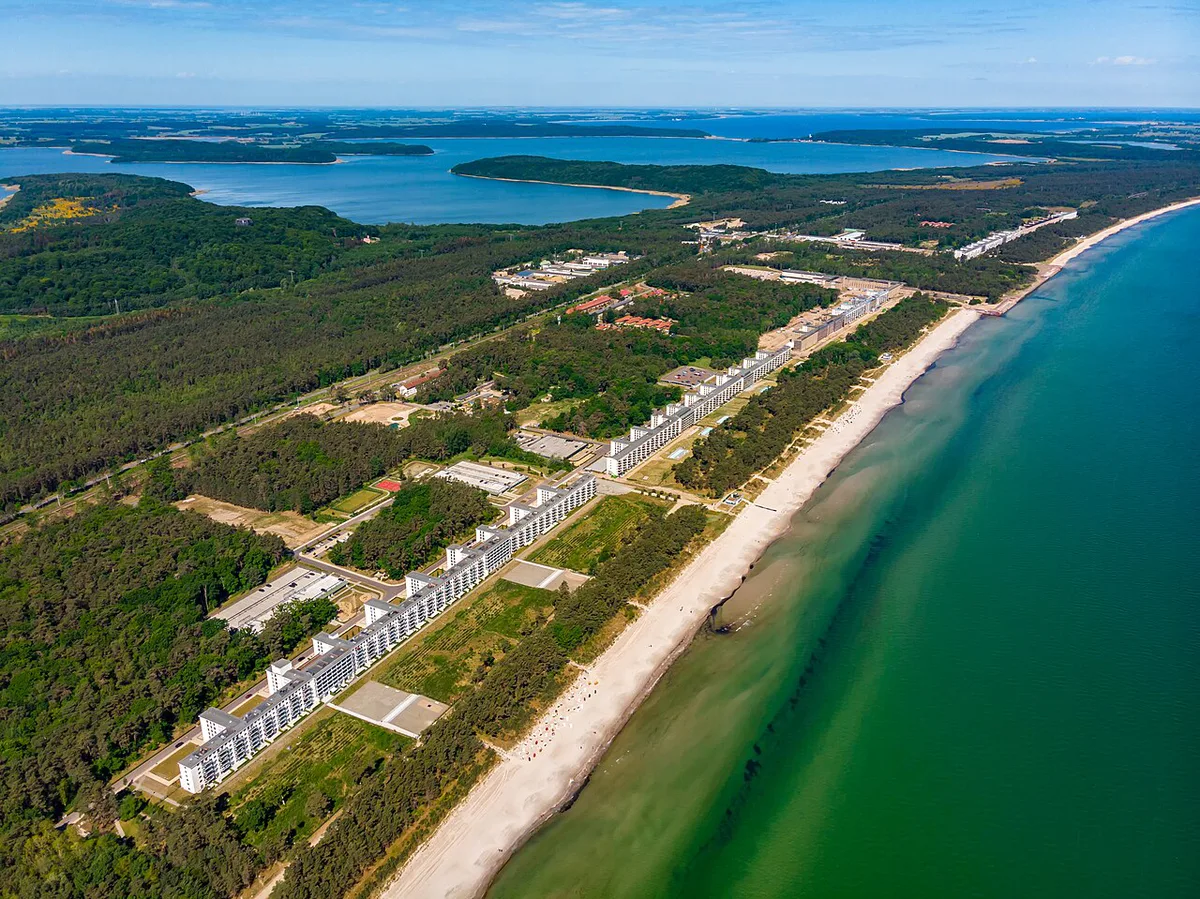
Last updated November 2026: prora is the Nazi-era "Strength Through Joy" seaside complex on Rügen's Prorer Wiek bay, and it never hosted a holiday guest. Today its frontage of roughly 4.7 km holds a documentation centre, a youth hostel, hotels and holiday apartments. Our national overview of wartime sites places it alongside Germany's other Nazi-era locations.
Featured image: Matti Blume, CC BY-SA 4.0, via Wikimedia Commons.
What Prora Is: The Quick Answer
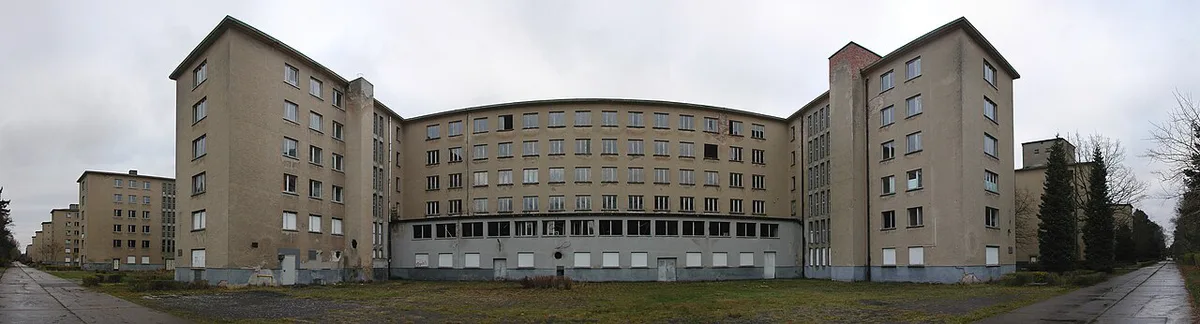
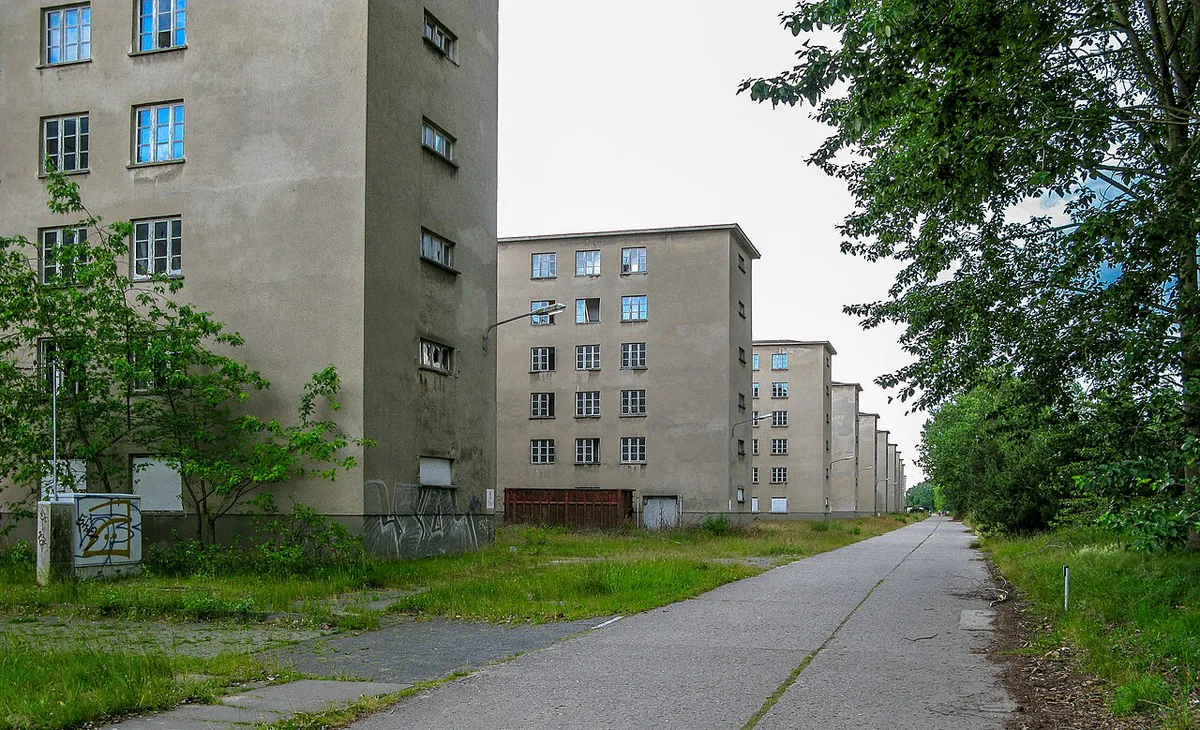
Prora is a row of eight residential blocks on Rügen's Prorer Wiek bay. Kraft durch Freude (KdF, "Strength Through Joy") built it as a mass seaside resort. According to the Prora documentation centre, each block was almost 500 m long, and the plan called for 20,000 beds. Every room had to face the sea, and a festival hall had to hold 20,000 people.
War began in 1939, and all construction stopped. No KdF holidaymaker ever stayed. Instead, police battalions trained there in 1940 and 1941, and a military hospital opened in 1944.
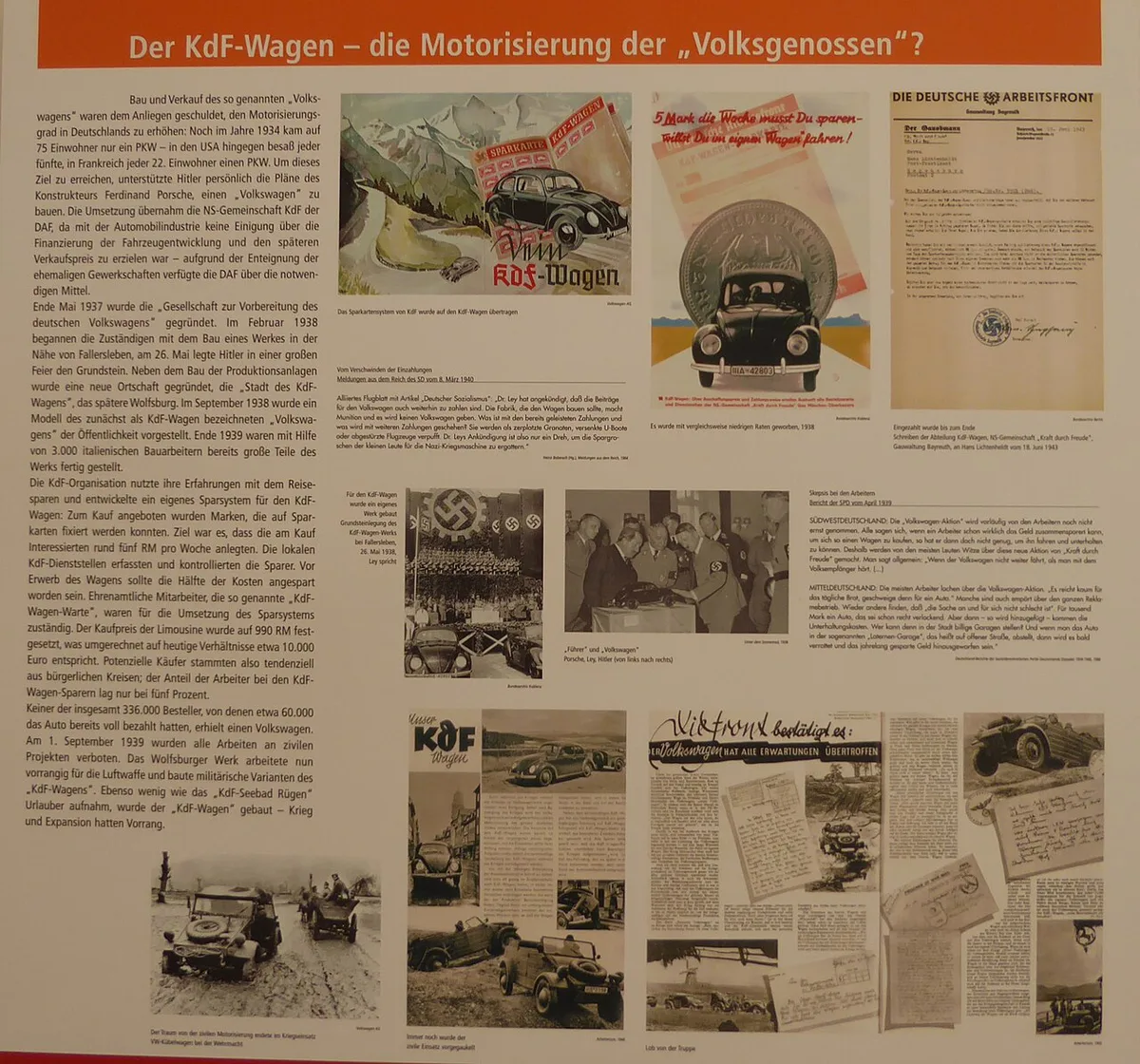
Soviet troops took over in May 1945. East Germany's army, the NVA, later used the site as a restricted military area until 1991. Since 1994 the complex has been a protected historic monument. Hotels, apartments and a youth hostel now sit beside the documentation centre.
We'd frame Prora as a place to understand how leisure served the Nazi state. We would not treat it as a ruin to explore.
Is Prora Worth Visiting? Who It Suits
Fit depends on what you want from the day. Time estimates in the table are our editorial judgement, not sourced figures.
| Visitor type | What to do | Time to allow (editorial estimate) |
|---|---|---|
| History-focused day tripper | Documentation centre, guided tour if available, then walk the frontage | 3 to 5 hours |
| Beach holidaymaker | Stay in a renovated block, then add one visit to the exhibition | Half a day of the stay |
| Architecture enthusiast | Walk or cycle the 4.7 km row and view the northern ruins from outside | 3 to 4 hours |
| Family with children | Beach first, a short exhibition visit, then the Natural Heritage Centre | A full day |
| Wheelchair user | Contact the hostel or hotel about barrier-free units, then ask the documentation centre about access | Plan around confirmed access |
From KdF Resort to Barracks to Hotels: A Short Timeline
History here moves fast, so a dated list helps. Klotz won the design competition, and the documentation centre says Hitler allegedly chose his plan. Erich zu Putlitz planned the central festival hall, which was never built.
Hamburg residents made homeless by Allied bombing were housed in some blocks, a story that links to Hamburg's wartime sites. Building firms were reassigned to war-critical work in 1939. Reports say many workers went to Peenemünde, the rocket site on the Baltic coast.
- 1936: an architectural competition drew eleven participants, and Clemens Klotz's design won.
- 2 May 1936: the foundation stone was laid, with Robert Ley giving the main speech.
- April 1938: construction began with the foundations.
- Summer 1939: the main blocks stood as unfinished structures, then war stopped all work.
- 1940–1944: police battalions of about 800 men trained here, young women trained as naval communications assistants from 1942, and a military hospital opened in 1944.
- 1945–1949: Soviet troops occupied the site, some blocks were demolished, and refugees were housed here until 1949.
- 1949–1990: police units, then the People's Police (KVP) from 1952 and the NVA from January 1956, used the blocks as barracks.
- 1991–1994: the Bundeswehr left in 1991, and the complex became a protected monument in 1994.
- 2005–2011: Block III was sold in 2005, Blocks I and II in 2006, and the youth hostel in Block V opened in 2011.
- 2012–2024: construction resumed in 2012, the first apartments were occupied in 2014, and renovation reached most blocks by 2024.
What You Can See at Prora Today, Block by Block
Renovation has changed Prora more than most visitors expect. Its official history page lists the status of each block as of 2024.
| Block | Status | What it holds |
|---|---|---|
| Block I | Fully renovated by 2024 | Hotel and apartments (2019 report) |
| Block II | Fully renovated by 2024 | Prora Solitaire hotel, apartments, shops and cafes (2019 report) |
| Block III | Mostly completed by 2024 | Mix of renovated and unrenovated sections (2019 report) |
| Block IV | Fully renovated by 2024 | Holiday lets, apartments and assisted living (2019 report) |
| Block V | Hostel opened 2011; southern part under renovation since 2023 | Youth hostel (402 beds in 96 rooms, per Wikipedia) |
| Block VII | Ruins, sold to an investor in 2004 and resold in 2020 | No construction allowed under current planning rules |
Prora Documentation Centre: Exhibition, Tours, Hours
Hours below come from the centre's own page, checked November 2026. Closing at 16:00 in November, January and February leaves a short window. December 1–25 is closed entirely, so a pre-Christmas trip needs a different plan.
Exhibition title MACHTUrlaub plays on Macht (power) and macht Urlaub (takes a holiday). Guided tours in English run upon request, so ask before you travel. An older report found exhibition texts in German only and noted an English-language catalogue at reception.
We won't quote a ticket price that we can't source. The official Prora site lists current rates, tour times and booking.
| Period | Opening hours |
|---|---|
| January 4–31 and February | Daily 10:00–16:00 |
| March–October | Daily 10:00–18:00 |
| November | Daily 10:00–16:00 |
| December 1–25 | Closed |
| December 26–January 3 | 10:00–16:00 |
How to Get to Prora and Get Around
Rügen is reached from Stralsund by a dam and bridge carrying the B96. Drivers cross at Stralsund and follow the B96 and B196 east. Older reports describe two rail stops, Prora Nord and Prora Ost, with hourly regional trains from Stralsund taking about 45 minutes. Another account from 2019 adds that the tourist resort railway stops at the former KdF camp. Timetables and stop names may have changed since, so check the Deutsche Bahn planner before you go.
Distances inside the site are large. Frontage runs roughly 4.7 km, so most visitors cycle. A 2019 report places a bike rental in Block II. Binz's promenade was extended to Prora in 2018, according to the same report, which makes a ride from Binz straightforward.
| Option | Best for | Trade-off |
|---|---|---|
| Train | Day trippers without a car | Fixed timetable; stop names and frequency need a current check |
| Car | Reaching the north end or carrying luggage | Access is restricted in parts of the complex, and car parks sit at several points |
| Bicycle from Binz | Seeing the whole 4.7 km frontage | Promenade can be busy in summer |
| Walking the frontage | Photography and slow reading of the architecture | Long distances; the northern ruins stay off limits |
Where to Stay: Prora vs Binz vs Elsewhere on Rügen
Rooms at Prora were described in 2019 as less expensive than comparable Binz stays. That report came from a trip sponsored by the Prora Solitaire hotel, so treat it as one view. Its beach was also called less crowded than Binz's. Binz suits travellers who want the established resort town; Prora suits those who want the beach and the history together.
Accommodation types listed in 2019 include Block II holiday apartments of 28 to 120 m² and a youth hostel with 402 beds in 96 rooms. Some units in both were described as barrier-free, so wheelchair users should confirm details with the operator.
Staying in a renovated Nazi-era block divides opinion. Local voices have criticized tourism here too, and a Prora historian argued in 2008 that the site's past made it inappropriate for tourists. Visitors in 2019 reported both discomfort and relief that the complex was kept. We don't think there is one right answer. Our advice is to read the exhibition first, then decide.
Beach and Nature Add-Ons
Prora's beach is a long flat sand strip running from Binz toward the ferry port. Buildings stand roughly 150 m back from the water. Lifeguard towers and a promenade were added by 2019.
A Natural Heritage Centre sits about a 15-minute cycle ride from the blocks, according to 2019 reporting. Visitors reached a treetop path with a 40 m observation tower, reported as wheelchair accessible. Opening times and entry costs were not confirmed for 2026, so look up the centre's own page before cycling out.
Suggested Prora Itineraries (Half-Day, Full Day, Overnight)
Durations below are our estimates, not sourced figures.
- Half-day (about 3 to 4 hours): visit the documentation centre in its opening window, then walk the frontage from the centre toward the northern ruins and view them from outside.
- Full day (about 6 to 8 hours): do the exhibition and a guided tour in the morning, cycle the 4.7 km row after lunch, then add the beach or the Natural Heritage Centre.
- Overnight: arrive by afternoon, see the exhibition in the next morning's opening hours, and keep the evening for the beach and promenade toward Binz.
Common Mistakes to Avoid
Most errors come from outdated expectations.
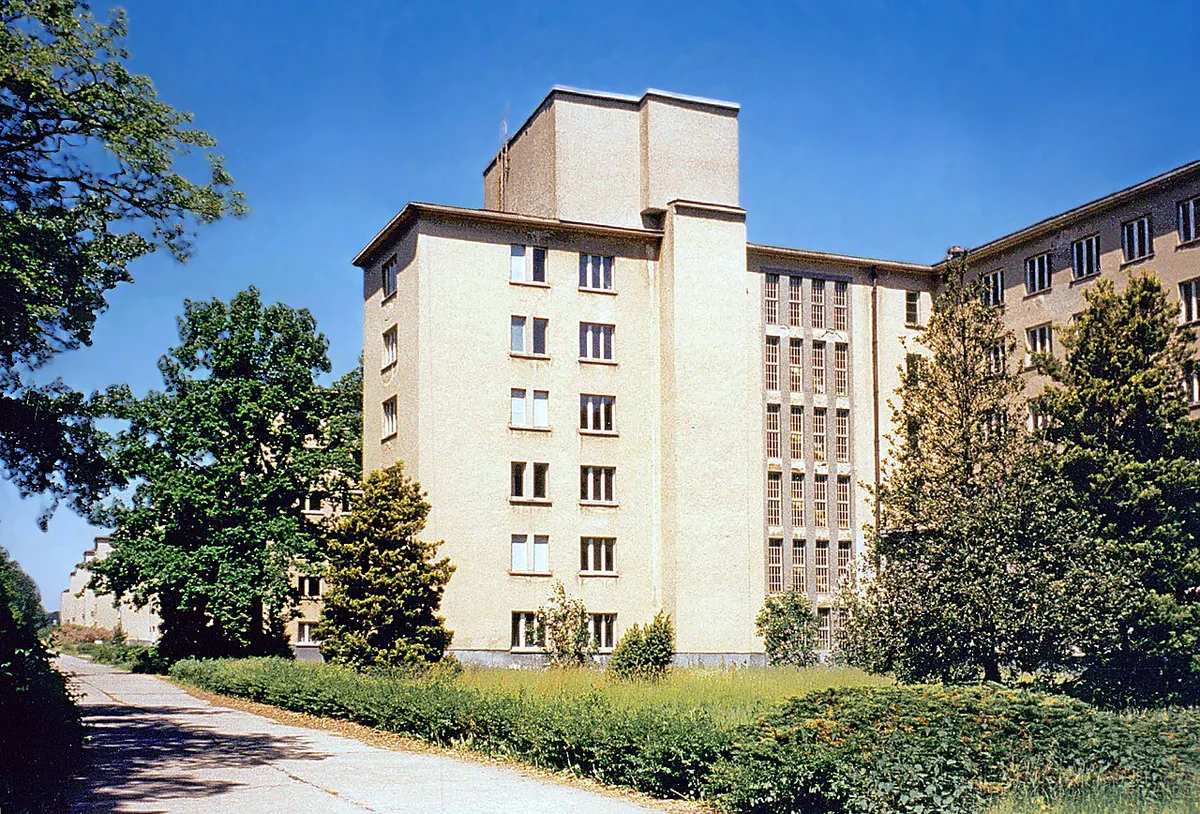
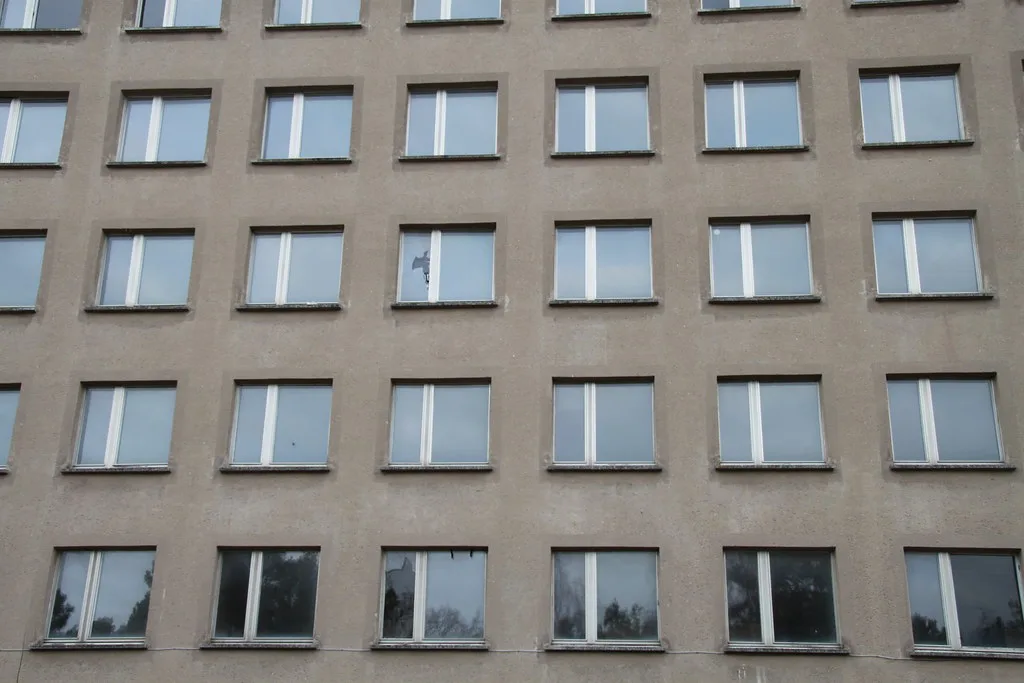
- Expecting a ruin: Blocks I, II and IV were fully renovated by 2024, and the white facades look like a modern resort.
- Arriving in December: the documentation centre is closed December 1–25.
- Planning a late winter day: January, February and November hours end at 16:00.
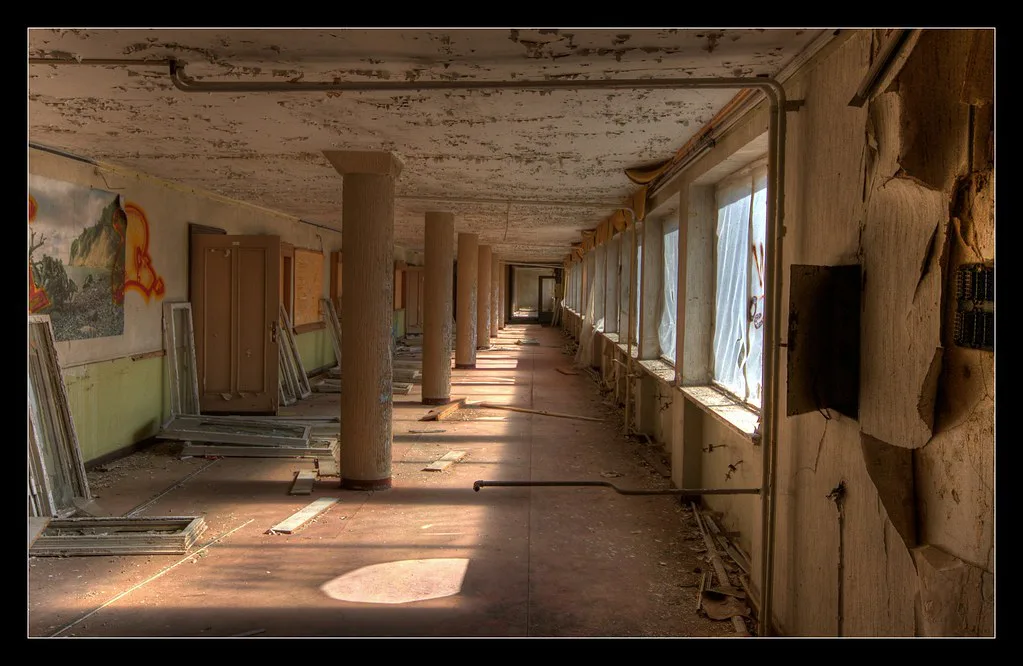
- Entering unsecured ruins: the northern concrete frames are unstable and dangerous.
- Skipping the exhibition: without it, the site reads as a hotel row and not as a Nazi leisure project.
- Assuming English tours run daily: English guided tours are offered upon request.
Combine Prora With Other WW2 Sites
Pair Prora with Peenemünde's rocket history, a Baltic coast site where transferred builders reportedly ended up. Museum details are on the Peenemünde museum site. Obersalzberg's exhibition is the closest format match, a history display on a site once tied to Nazi leaders. Wewelsburg adds another documentation visit in Germany; start with our Wewelsburg guide. For remembrance and burial grounds, see war cemeteries in Germany. Browse the full list on our Germany hub.
Frequently Asked Questions
Is Prora the longest building in the world?
Sources describe a row of about 4.7 km, or 4.5 km in other accounts. We can't confirm a world ranking. We'd call it a very large Nazi-era complex.
Where was Hitler's seaside resort?
It was Prora, on Rügen's Prorer Wiek bay between Binz and Sassnitz. KdF began building it in 1936, and it never opened as a resort.
Keep planning
Guides on the same trip