Wewelsburg Castle: SS History, Museum & Visitor Guide
What to know before visiting Wewelsburg Castle: its 1609 origins, SS history, the memorial exhibition, and how to plan the trip from Paderborn.
In this guide
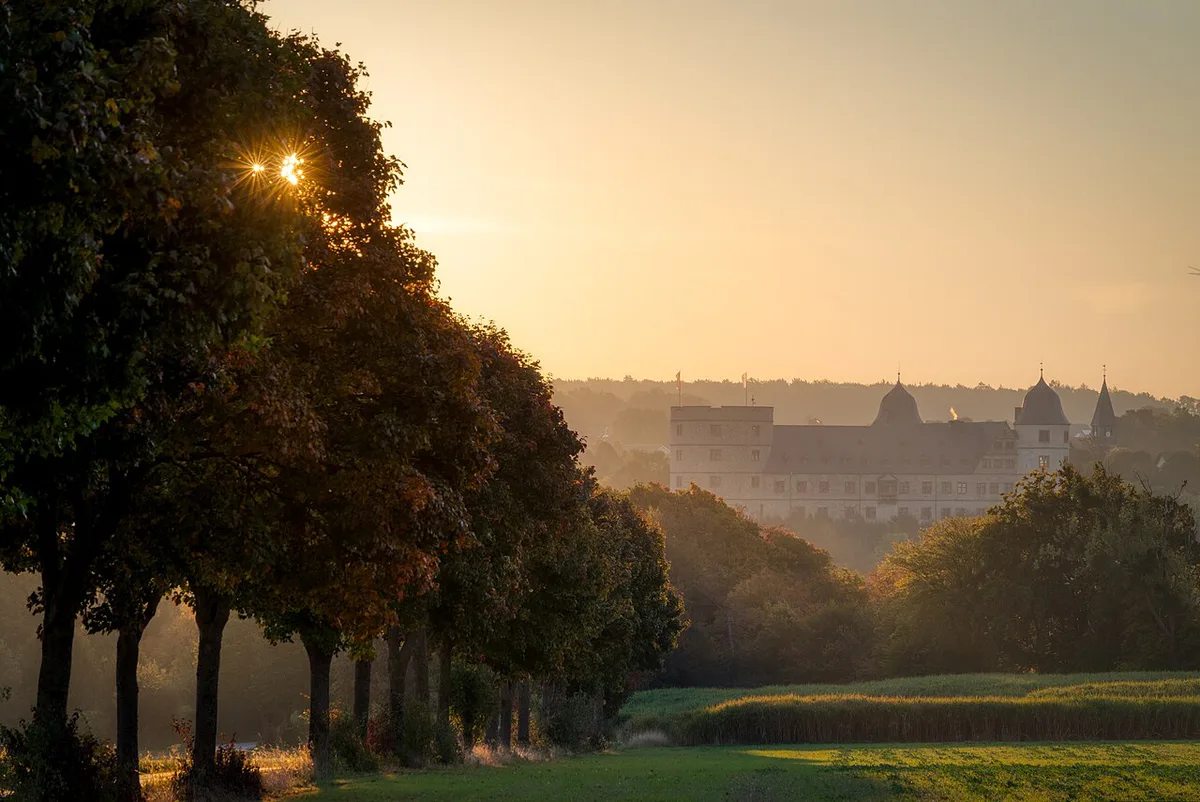
Last updated November 2026: Wewelsburg is a triangular castle near Paderborn, completed in 1609, with two distinct layers of history. Prince-Bishop Dietrich von Fürstenberg built it, and Heinrich Himmler's SS later turned it into an ideological center. Today it houses museums, a memorial exhibition and a youth hostel, and this guide explains what each part offers. It also sets Wewelsburg within the wider WW2 sites across Germany.
Featured image: Wolfram Czeschick, CC BY-SA 3.0, via Wikimedia Commons.
What Wewelsburg Is
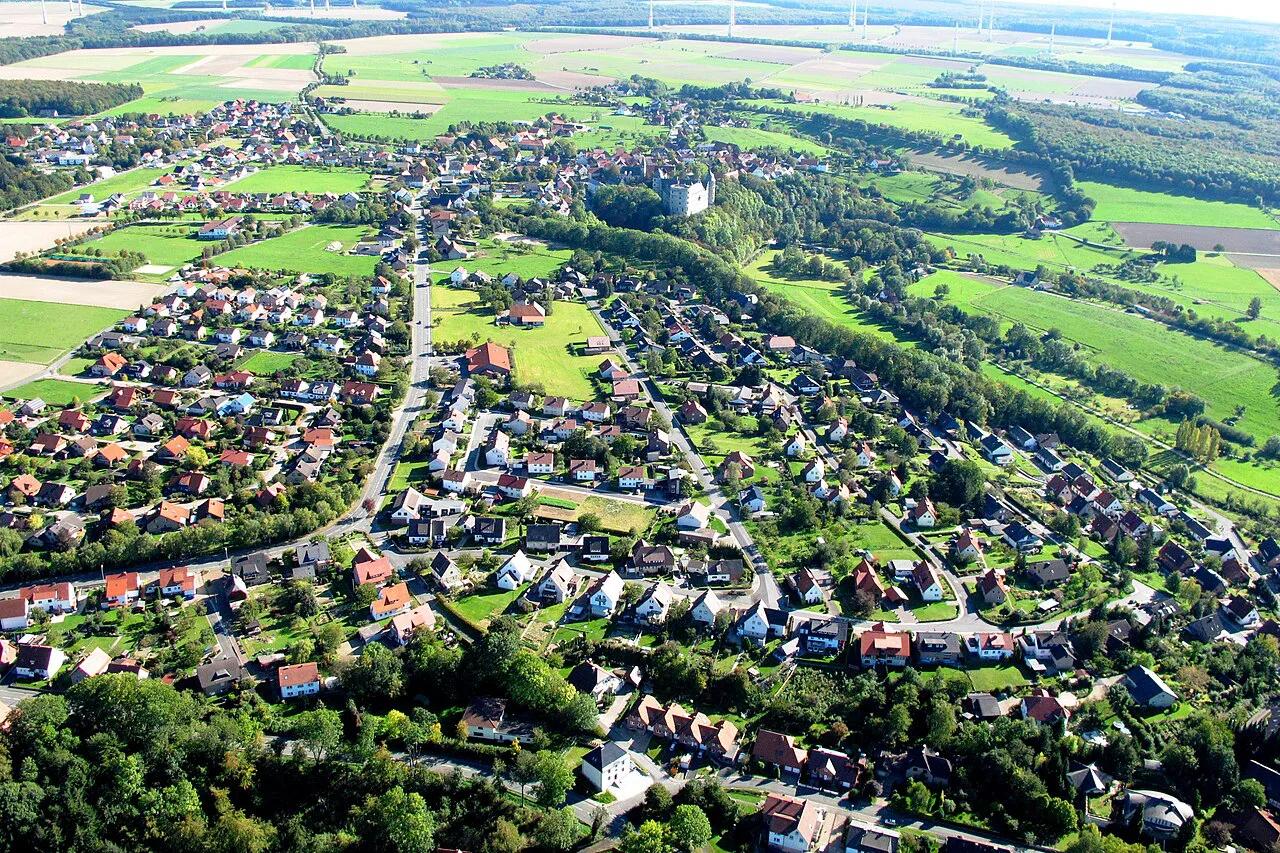
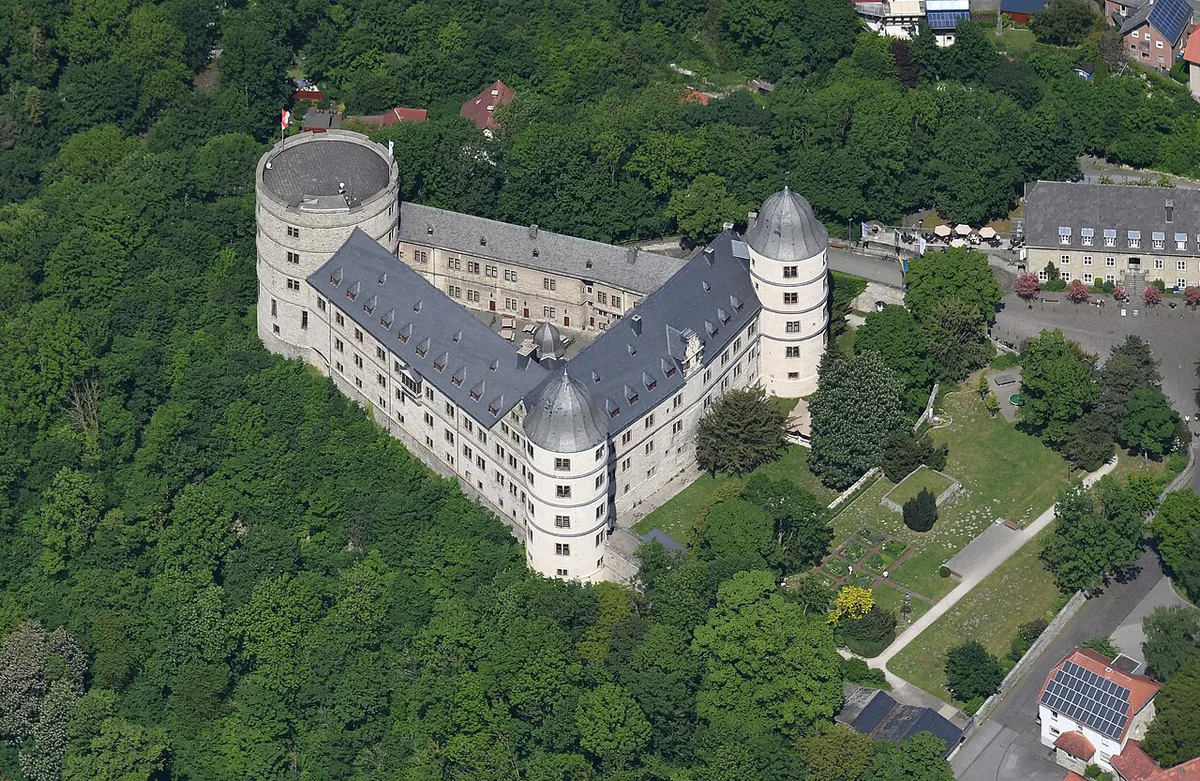
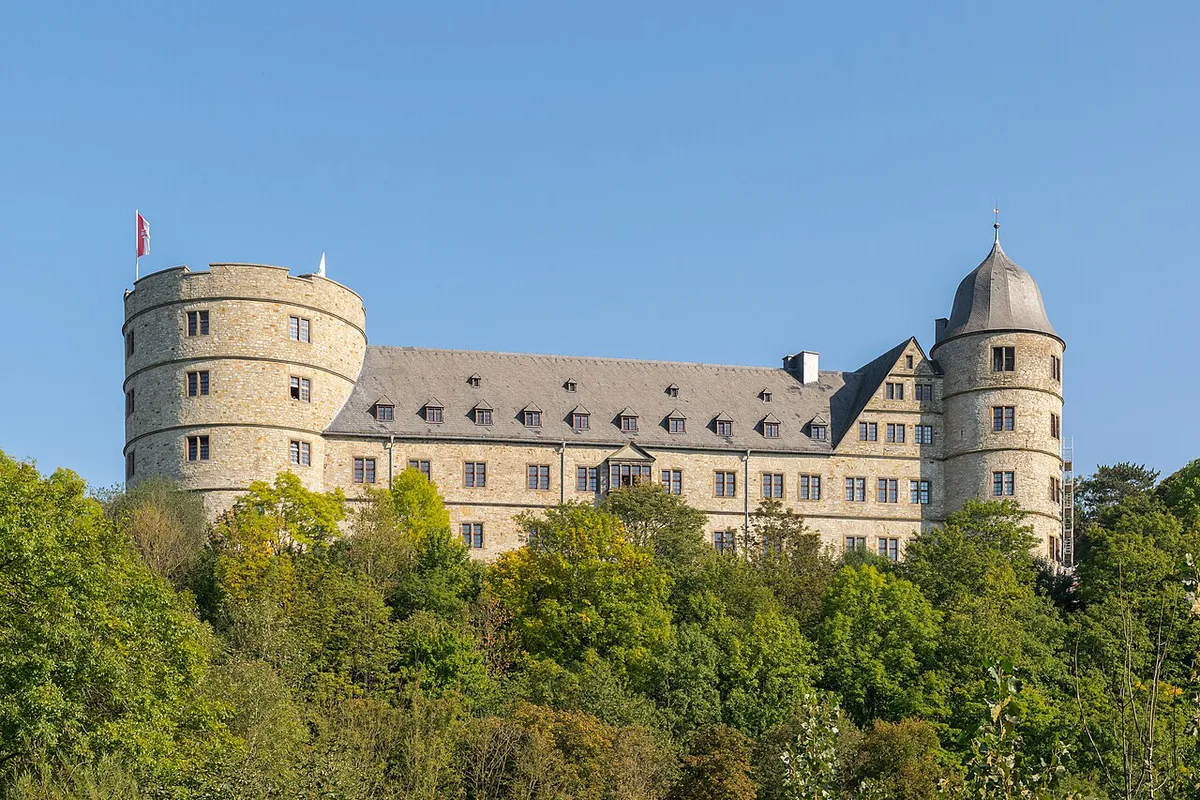
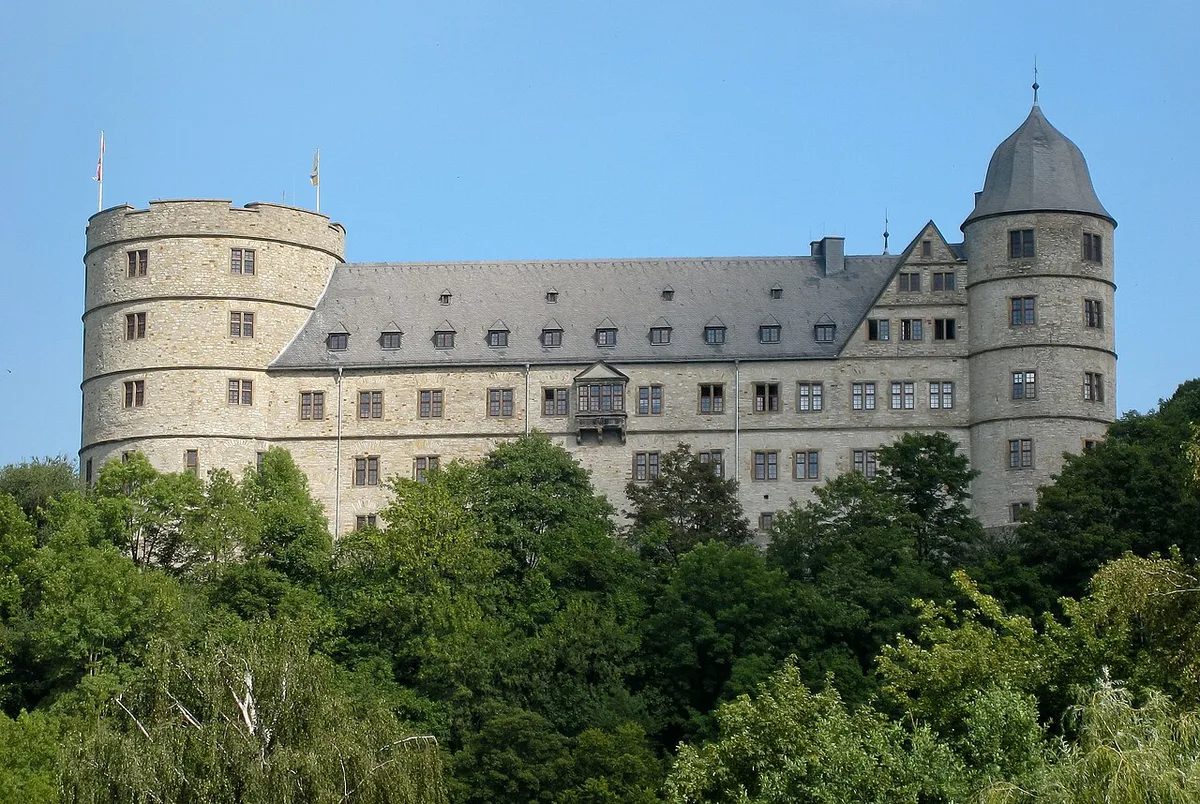
Wewelsburg is a village in the municipality of Büren, in the district of Paderborn, North Rhine-Westphalia. Its castle has a triangular floor plan and incorporates a medieval tower structure. Visitors come for two reasons. Some want the architecture and regional history of a prince-bishop's residence. Others want to understand how the SS used the building between 1933 and 1945. Both stories are told on site, and neither is a conventional castle experience.
From Prince-Bishop's Castle to SS Site: A Short History
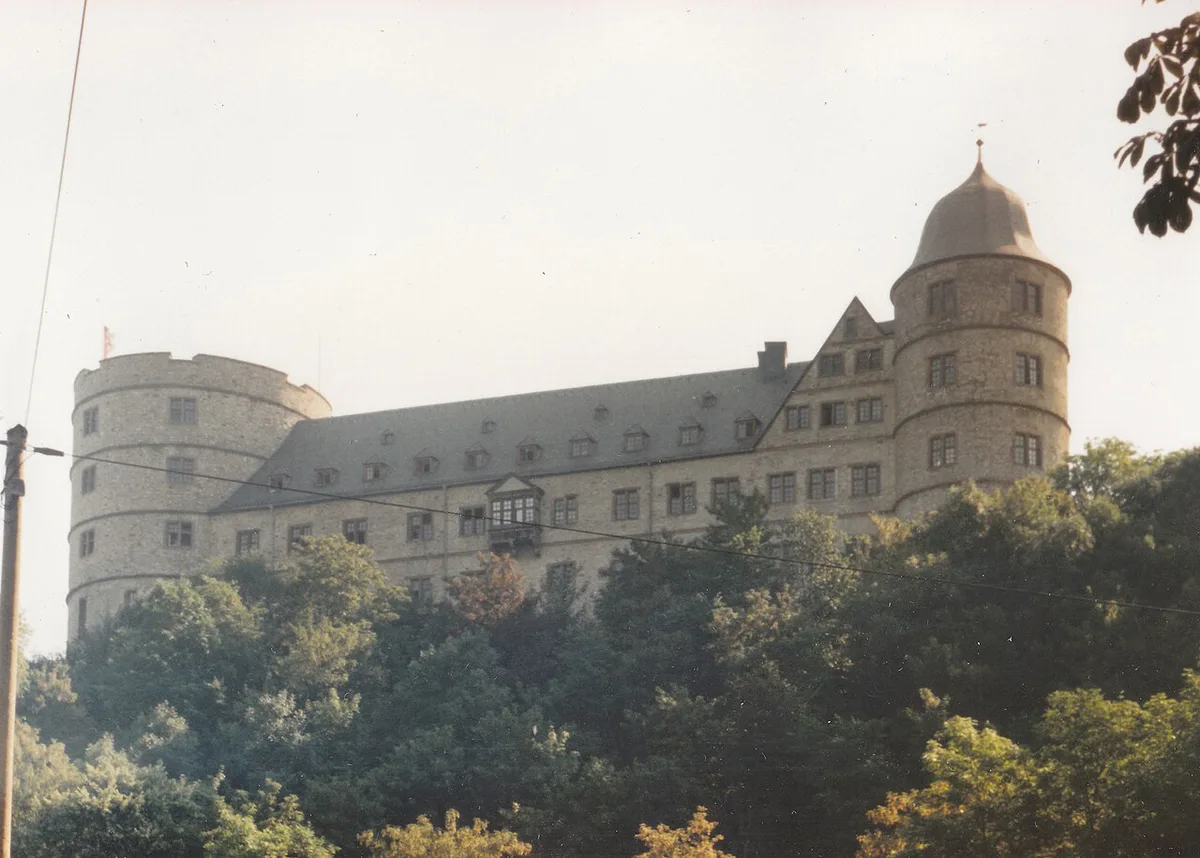
Dietrich von Fürstenberg, Prince Bishop of Paderborn, completed the castle in 1609. An inscription above the main portal points to his aims: asserting sovereignty and advancing the Counter-Reformation in his territory. By the 19th century the building was dilapidated. Karl Friedrich Schinkel proposed turning it into an artificial ruin, and the poet Annette von Droste-Hülshoff wrote ballads about it. In the Weimar Republic, the Catholic youth movement held regional events here.
- 1609: castle completed under Prince Bishop Dietrich von Fürstenberg.
- 1933 to 1945: Heinrich Himmler and the SS take over the site and plan an ideological center.
- Niederhagen: a concentration camp was set up to supply labor for the construction work.
- 1945: the SS blew up the building, causing extensive damage.
- After the war: the castle was reconstructed and resumed its earlier role as a youth hostel.
What You Can See Today: SS Exhibition, Historical Museum, Memorial
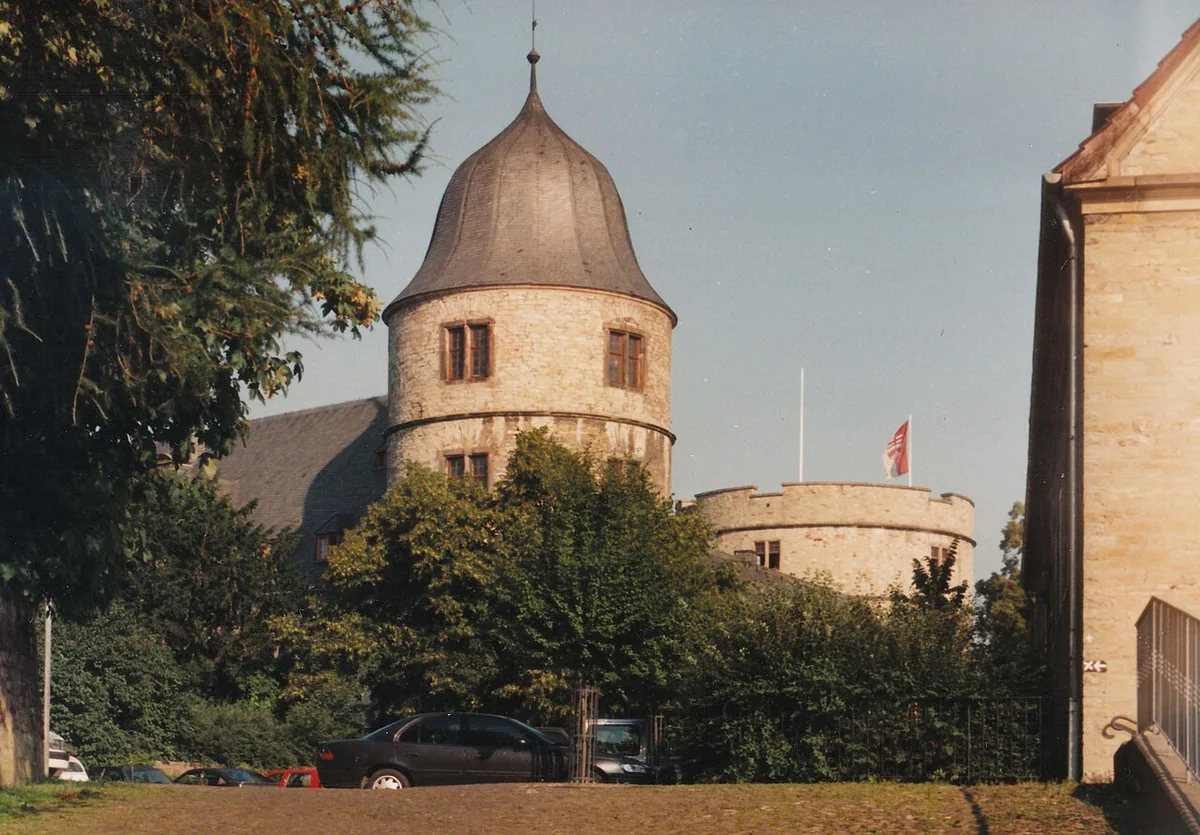
The reconstructed castle houses the Historical Museum of the Prince Bishopric of Paderborn. That collection covers the 1609 builders and the region's earlier history. The neighboring former guardhouse holds the permanent exhibition on the SS and the castle, which also serves as a memorial to the victims of the Niederhagen camp. Published accounts give 1,285 prisoners murdered during construction. The museum's own material is the authority for victim figures and for the current exhibition concept. Exhibition details are on the official Kreismuseum Wewelsburg site. The popular "occult castle" and "Himmler's Camelot" tropes are best treated as documented SS ideology and propaganda. The exhibition interprets that history soberly, and visitors should expect documentation rather than mystery.
Niederhagen Camp: The Prisoners and the Memorial Site
The Niederhagen camp is central to understanding Wewelsburg, and its story extends beyond the castle walls into the village. Prisoners brought here for the SS building project did heavy labour, including quarry and construction work, with inadequate food and clothing amid systematic abuse.
Niederhagen began as a detachment tied to the Sachsenhausen camp system and later became a concentration camp in its own right. About 3,900 people are commonly reported to have been imprisoned at Wewelsburg. They included Jehovah's Witnesses, Soviet prisoners and people persecuted on other political or racial grounds. The main camp was wound up midway through the war, but a small group of prisoners was kept in the village until American troops arrived in the war's final weeks.
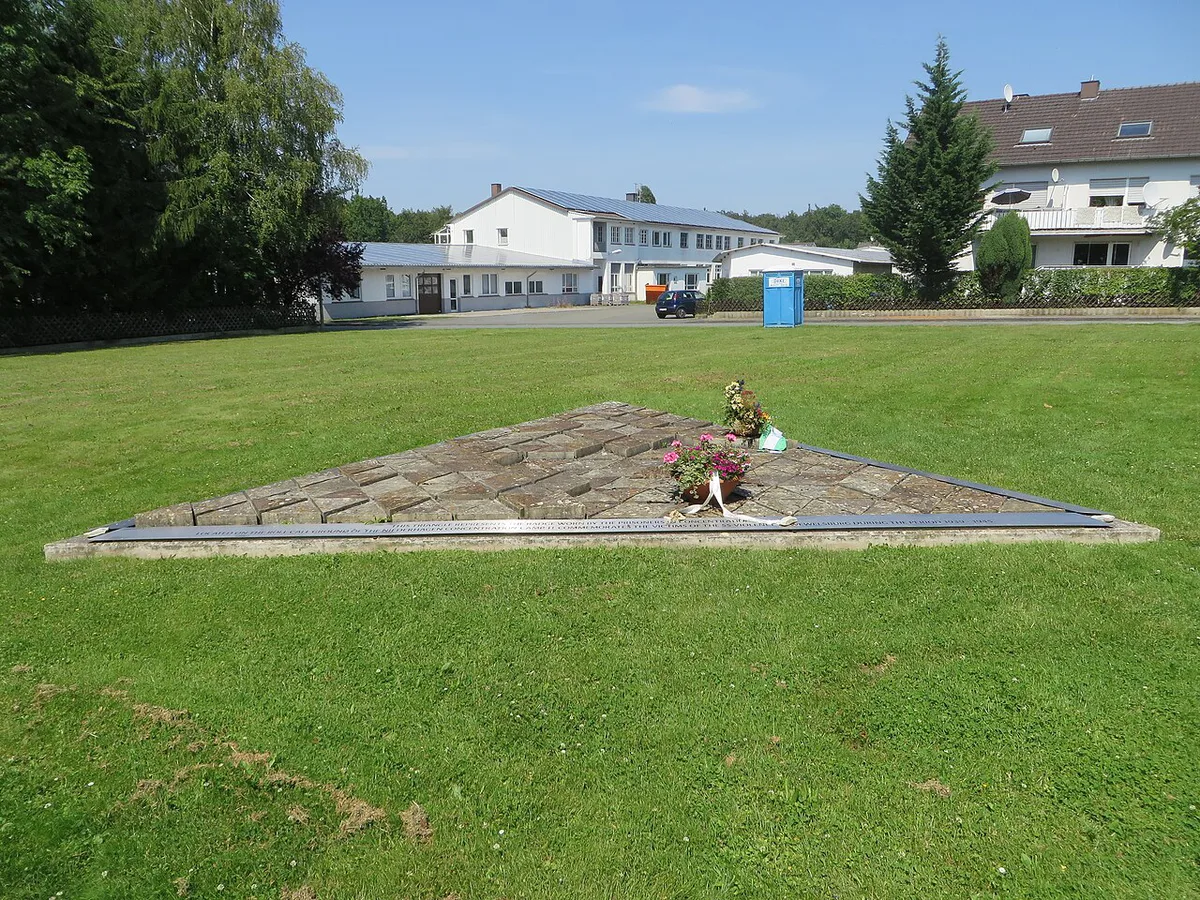
The former camp area lies apart from the castle, and much of it has since been absorbed into everyday village use, including housing. A memorial now marks the former roll-call square. Its design draws on the triangle, the shape of the cloth badges that the SS forced prisoners to wear to classify them.
If you want to include it in your visit:
- Ask museum staff for directions to the memorial and any available information on surviving traces of the camp.
- Visit after the guardhouse exhibition, when you will have the background on the camp and the people held there.
- Remember that this is a residential area. Stay on public ground and don't photograph private homes or residents.
The North Tower Rooms and the "Black Sun" Floor Symbol
Many visitors arrive with questions about the North Tower. The SS remodelled it as part of far larger building plans that were never completed. Two rooms are especially well known:
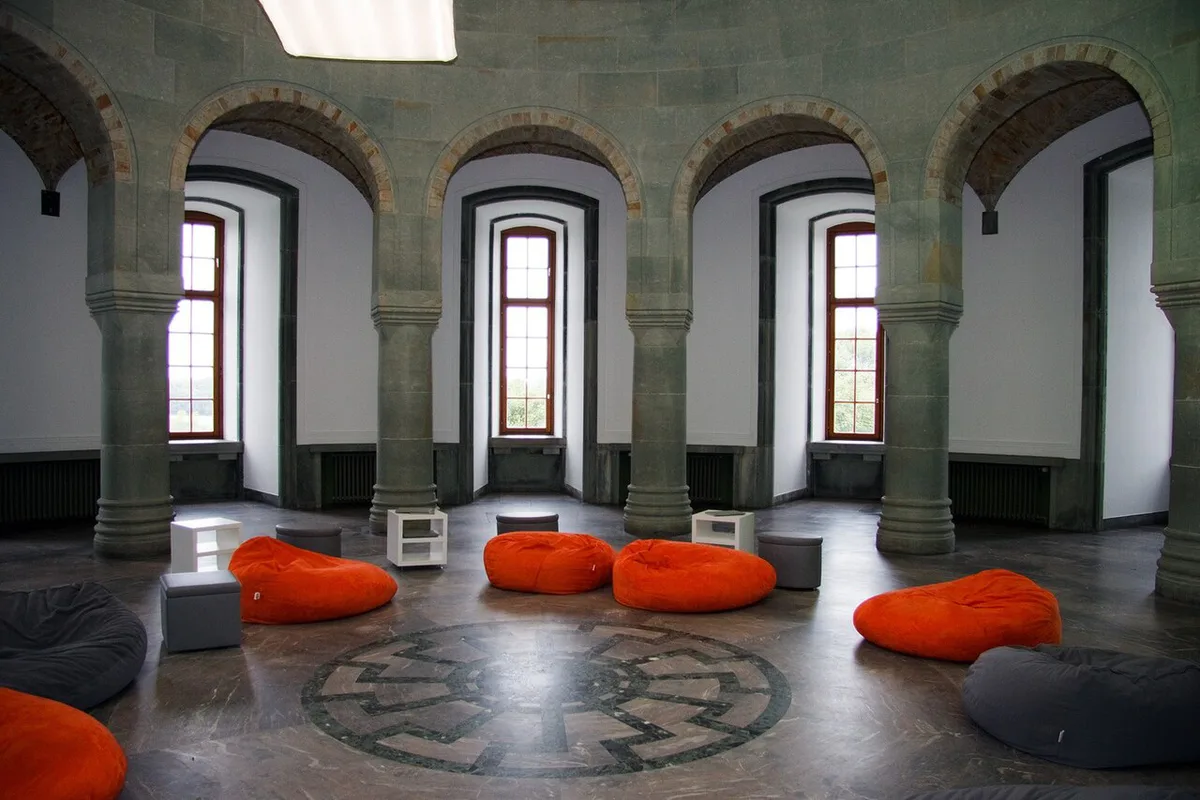
- The so-called Obergruppenführersaal (SS generals' hall): a ground-floor room ringed by pillars, with a dark twelve-spoked sun wheel set into the pale floor.
- The vault below, often called the crypt: a domed stone chamber with a sunken circle at its centre and twelve low plinths around the wall.
The design shows the symbolic role the SS intended for the building. It does not show that the rituals described in popular stories took place. Be wary of accounts of secret ceremonies or an SS "Grail" cult in these rooms that offer no documentary evidence.
The name "Black Sun" was attached to the floor ornament after the war. There is no known evidence that the SS called it that. Far-right groups later adopted the motif as a coded symbol. For that reason, avoid wearing or displaying it, and don't treat the floor as a backdrop for posed photos or "energy" rituals.
See the rooms together with the SS exhibition, which gives them their historical context. Access and photography rules can differ from those in other parts of the castle, so check the official museum website or ask at the desk before you plan your visit around the tower.
Is Wewelsburg Worth Visiting? Who It Suits and Who Should Skip
Wewelsburg suits travelers who already follow Nazi-era history and want to see how the regime used a historic building. It also suits architecture fans interested in a triangular Renaissance plan. Skip it if you want a conventional castle visit with period rooms and gardens. Skip it too if you are looking for occult sensationalism, which the memorial does not offer.
- Treat the guardhouse exhibition as a memorial to camp victims. Keep voices low and avoid jokes or poses.
- Follow the venue's photography rules, which are posted on site and on the official website.
- Do not expect a single ticket to cover everything. Museum, exhibition and hostel run as separate offers.
- Leave Nazi imagery and gestures out of photos and social posts.
Tickets, Opening Hours and Booking
Ticket prices, opening hours, guided tours and group booking rules change by season. This page does not list figures that could go stale. Check the official museum website for current times, accessibility information and languages of the exhibition text.
Victim totals such as 1,285 come from published accounts, so confirm figures with the museum before quoting them in a post.
Getting There and Planning Your Time
Paderborn is the usual base for a day trip, and Bielefeld works too. Check Deutsche Bahn and the regional bus timetable for the last leg to the village. A car is simpler for timing but not essential. Allow time for the exhibition first, then the Historical Museum and the grounds. Overnight stays are possible in the youth hostel inside the castle, so book through the hostel's own channel.
| Option | What you get | Where to confirm cost and time |
|---|---|---|
| SS exhibition only | Guardhouse exhibition and memorial | Official museum site |
| Exhibition plus Historical Museum | Nazi-era history and the 1609 castle story | Official museum site |
| Guided tour | Guided interpretation of the site | Official museum site |
| Overnight stay | Hostel rooms inside the castle | Hostel booking page |
Combining Wewelsburg With Other WW2 Sites in Germany
The closest thematic match is the Obersalzberg Documentation Center: Hours, Access & Visit Guide, which also examines how the regime used a place. For another castle with a wartime story, see Colditz Castle: WW2 POW Camp, Tours and Getting There. The victims' perspective continues at German War Cemeteries: Visiting, Finding Graves, Etiquette. These sites are far apart, so plan them as separate trips. Further afield, Peenemünde covers rocket development on the Baltic coast.
Keep planning
Guides on the same trip