Hanstholm Bunker Museum: What to See and Visitor Guide
Plan a Hanstholm Bunker Museum visit: what to see at the WWII site, plus tickets, seasonal hours, railway checks and access questions.
In this guide
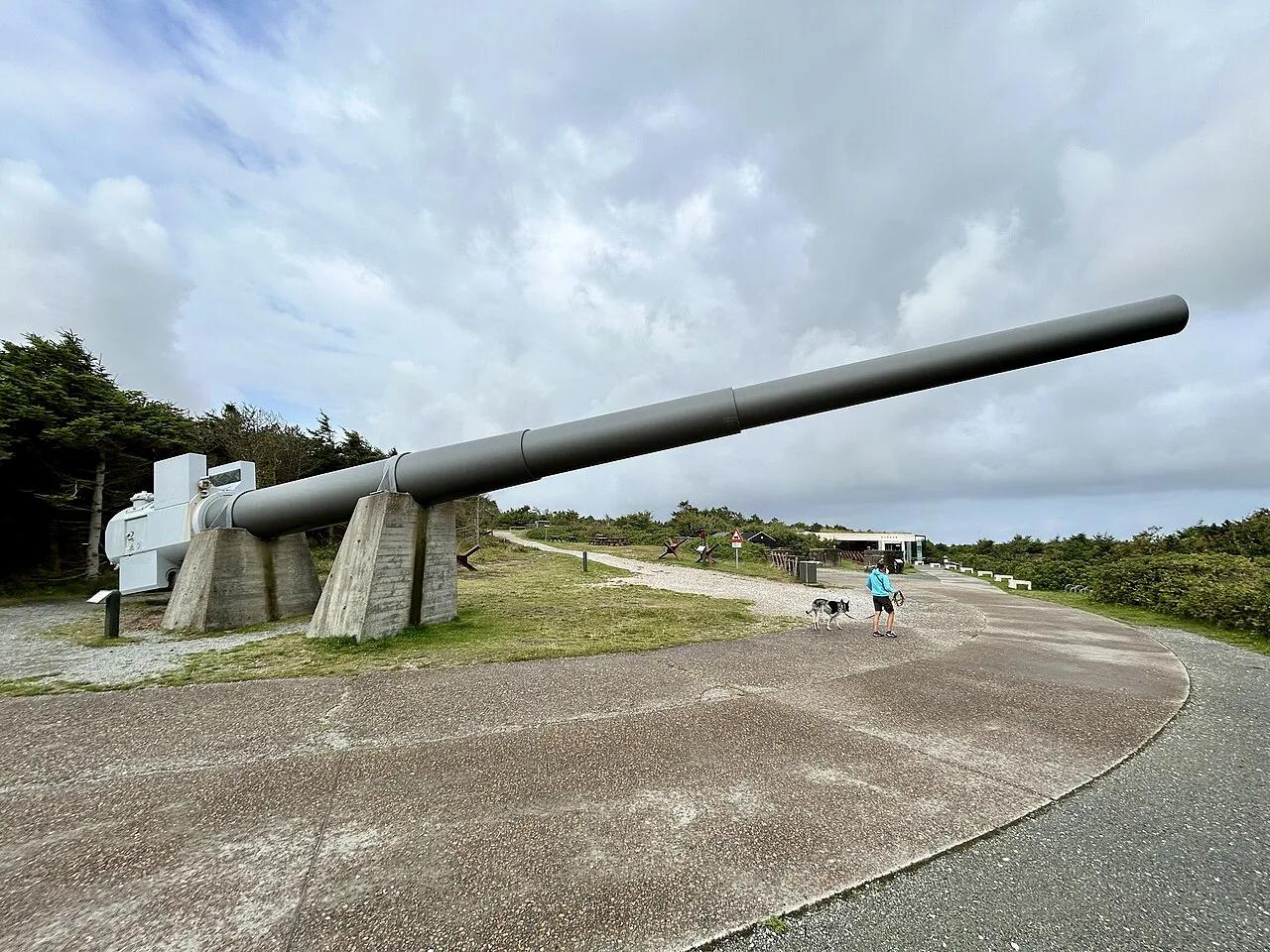
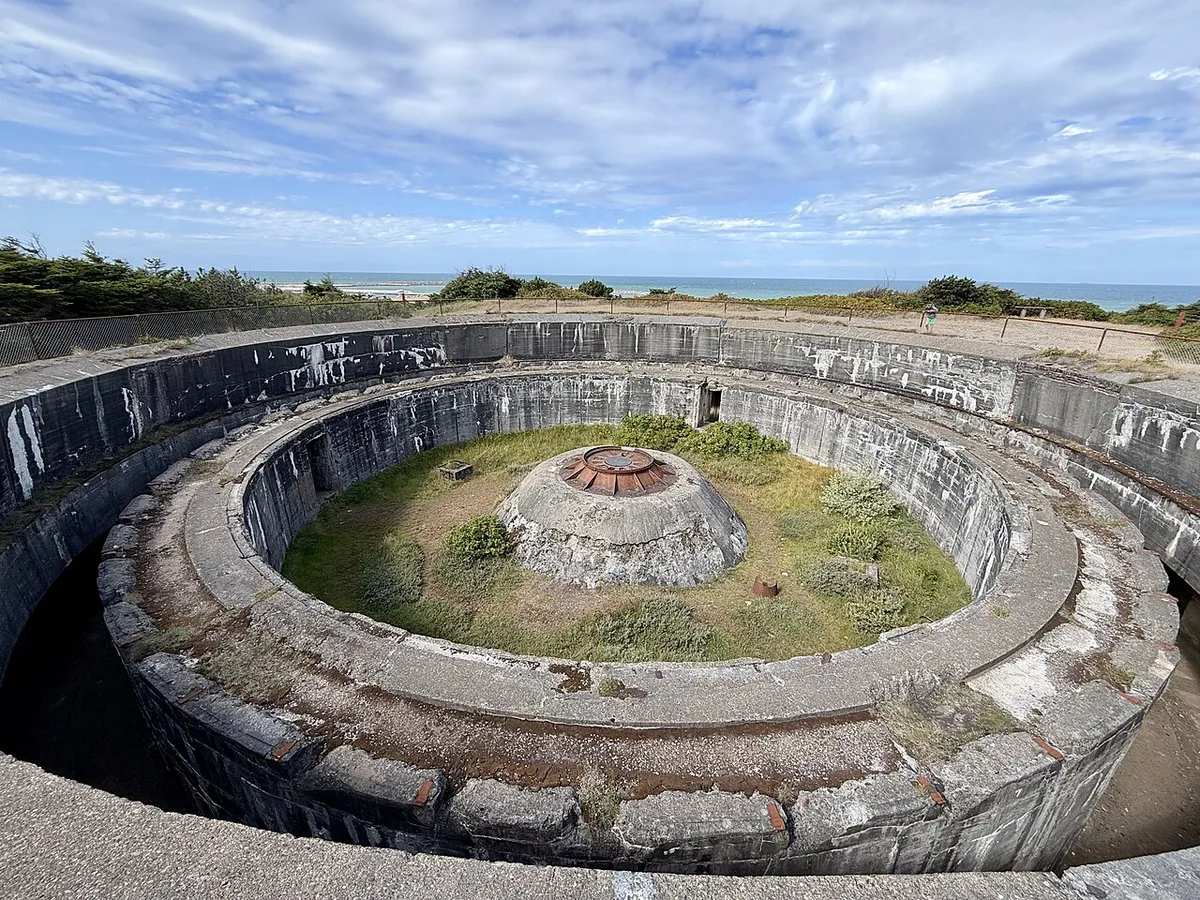
Last updated November 2026: the Hanstholm bunker museum on Denmark's northwest Jutland coast is built around a former German coastal artillery battery within the Atlantic Wall. Its main draw is a large museum bunker where several rooms have been returned to their original appearance. Before you travel, check opening hours for your exact date and whether the old ammunition train is running.
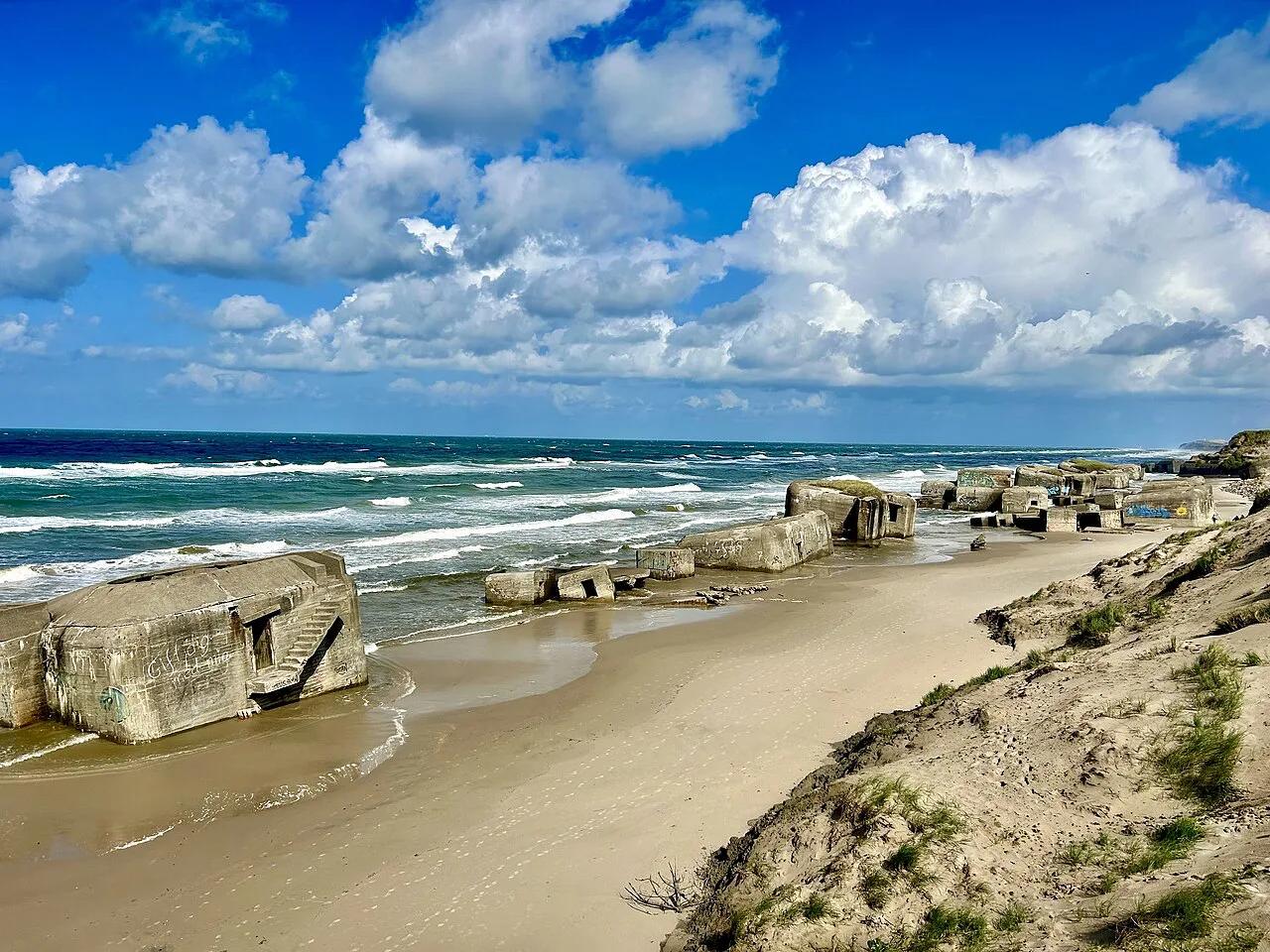
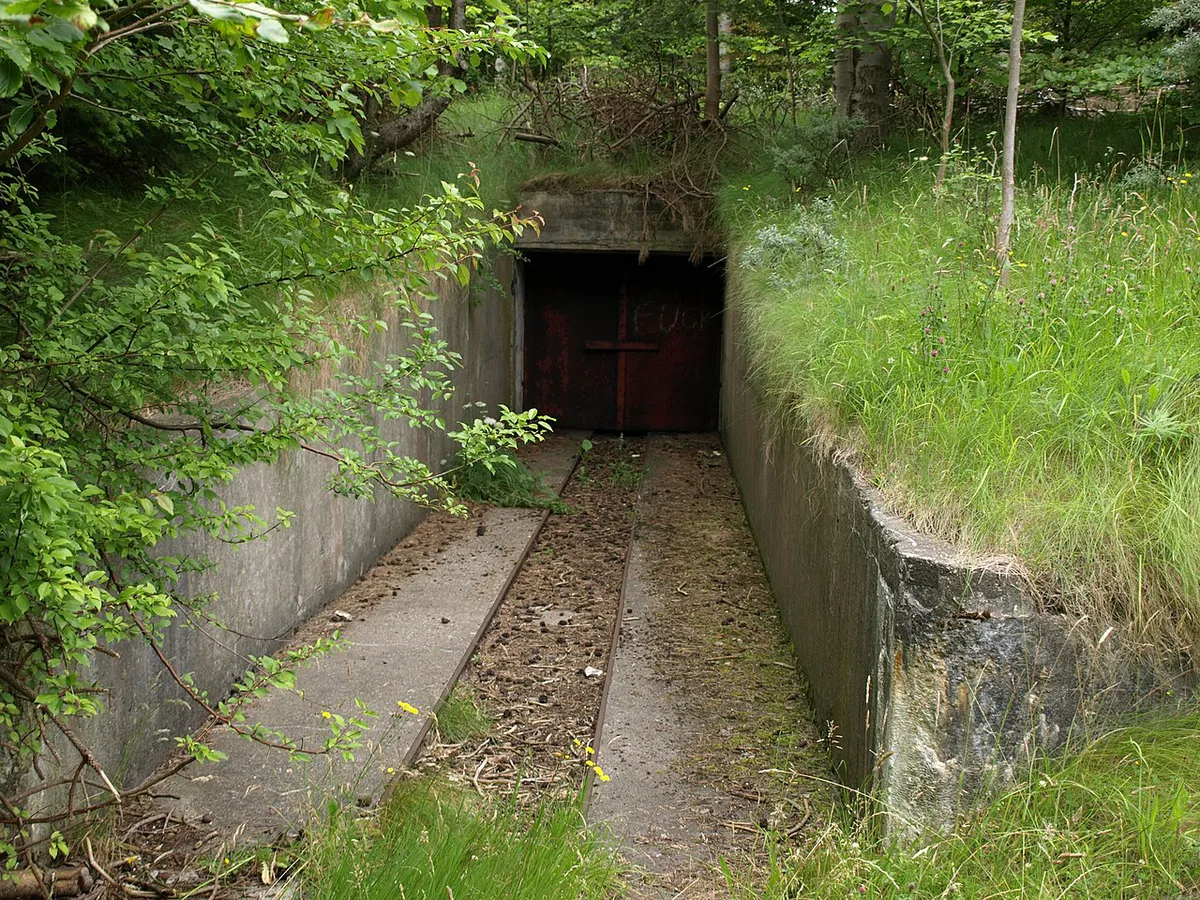
Featured image: Olgierd Rudak, CC BY-SA 4.0, via Wikimedia Commons.
Is Hanstholm Bunker Museum Worth Visiting?
Yes, in our editorial assessment, if you want to understand a Second World War fortification from the inside. A museum bunker of about 2,500 m² (roughly 26,900 sq ft) gives the visit its focus. Exhibitions add context about people and weapons, while the outdoor area connects the interiors to the wider battery. Think harder about the journey if your interest depends on one feature, such as riding the railway. The same applies if you need step-free access, because you should first establish which areas you can reach. Travelers hoping to enter many separate fortress bunkers should also adjust their expectations. A museum visit and access to other surviving structures are different things.
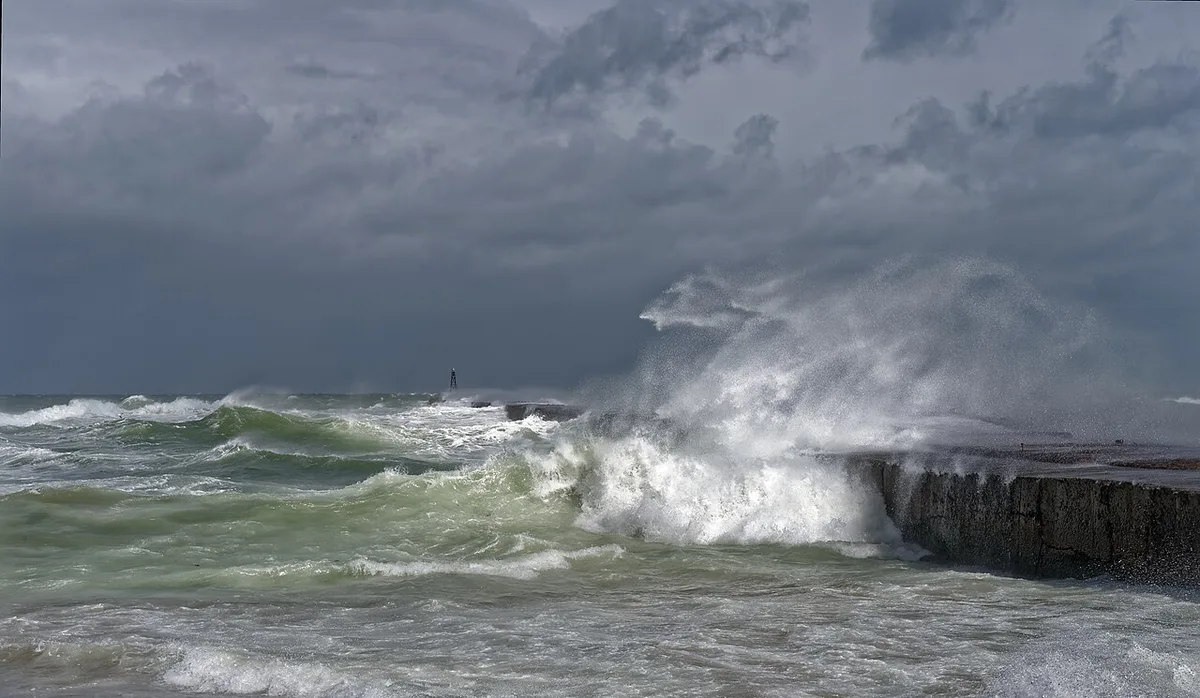
What to See at the Museum Bunker
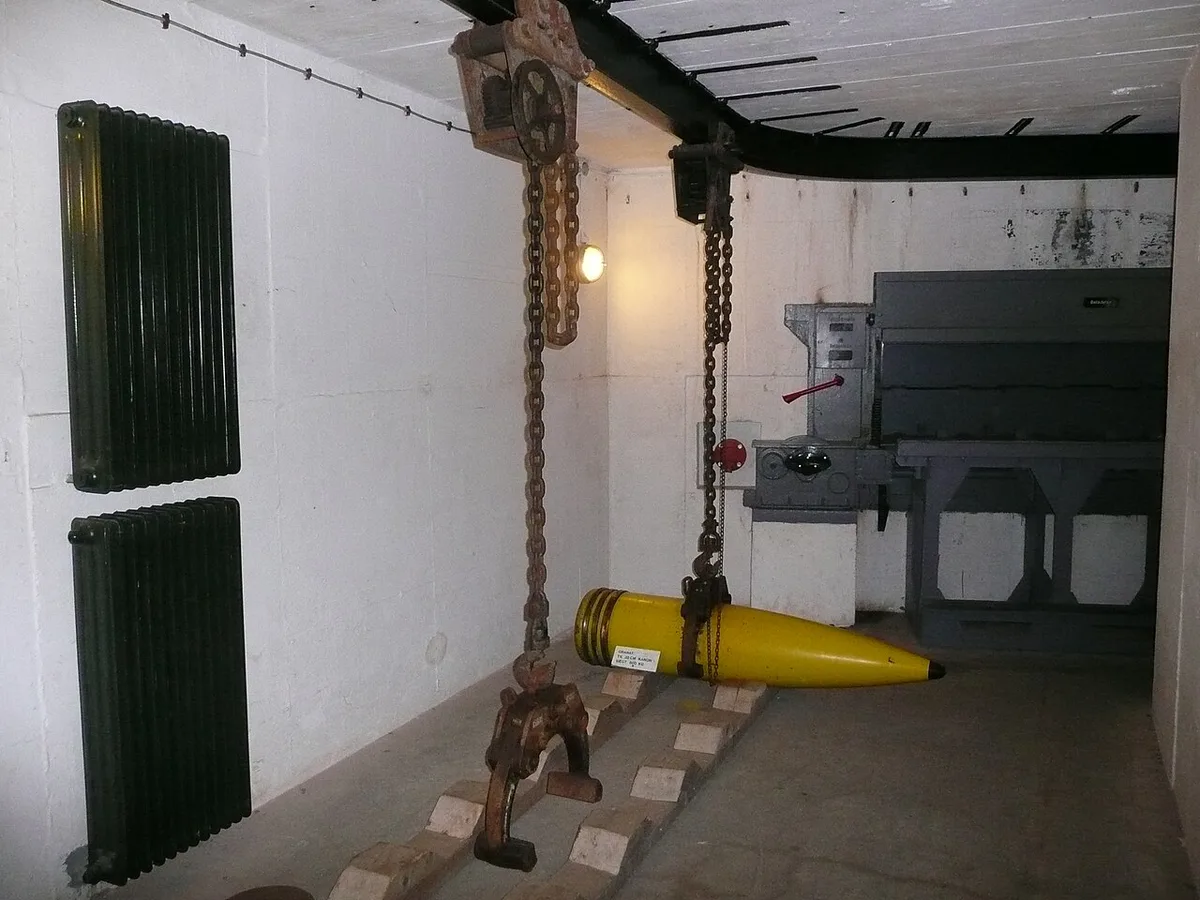
Start your planning with the museum bunker. Its restored rooms show how soldiers lived and carried out their duties. Described features include a gun installation, ammunition rooms and crew quarters. Special exhibitions are also housed inside. Seeing working spaces alongside living quarters helps explain the building as both a military position and a place where crews spent their time. Read the displays with that wartime setting in mind. If particular rooms or exhibition languages matter to you, ask the museum about the current visitor route.
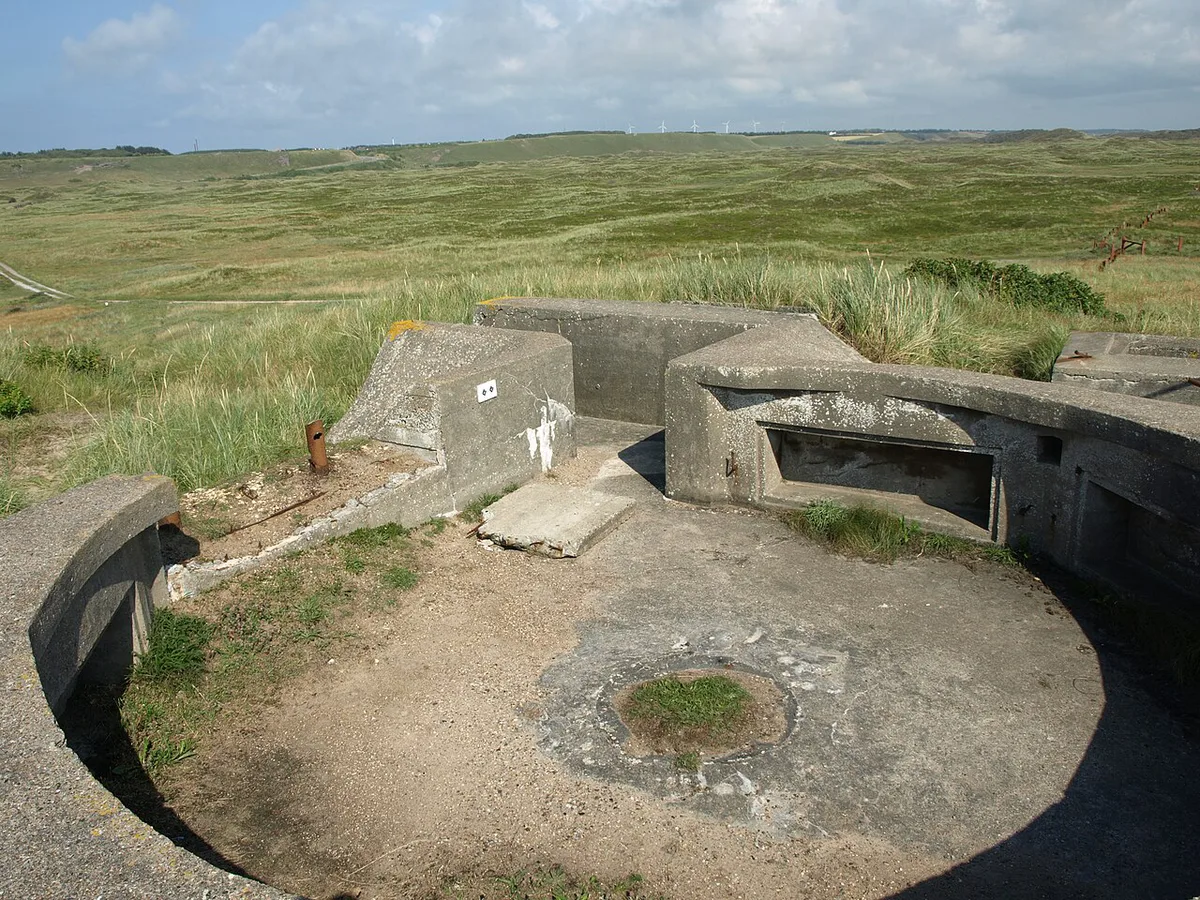
- Gun installation: part of the museum bunker's military fabric.
- Ammunition rooms: spaces connected with supplying the battery.
- Crew quarters: a view of the soldiers' daily surroundings.
- Restored rooms: several have been returned to their original appearance.
Documentation Centre, Outdoor Area and Railway
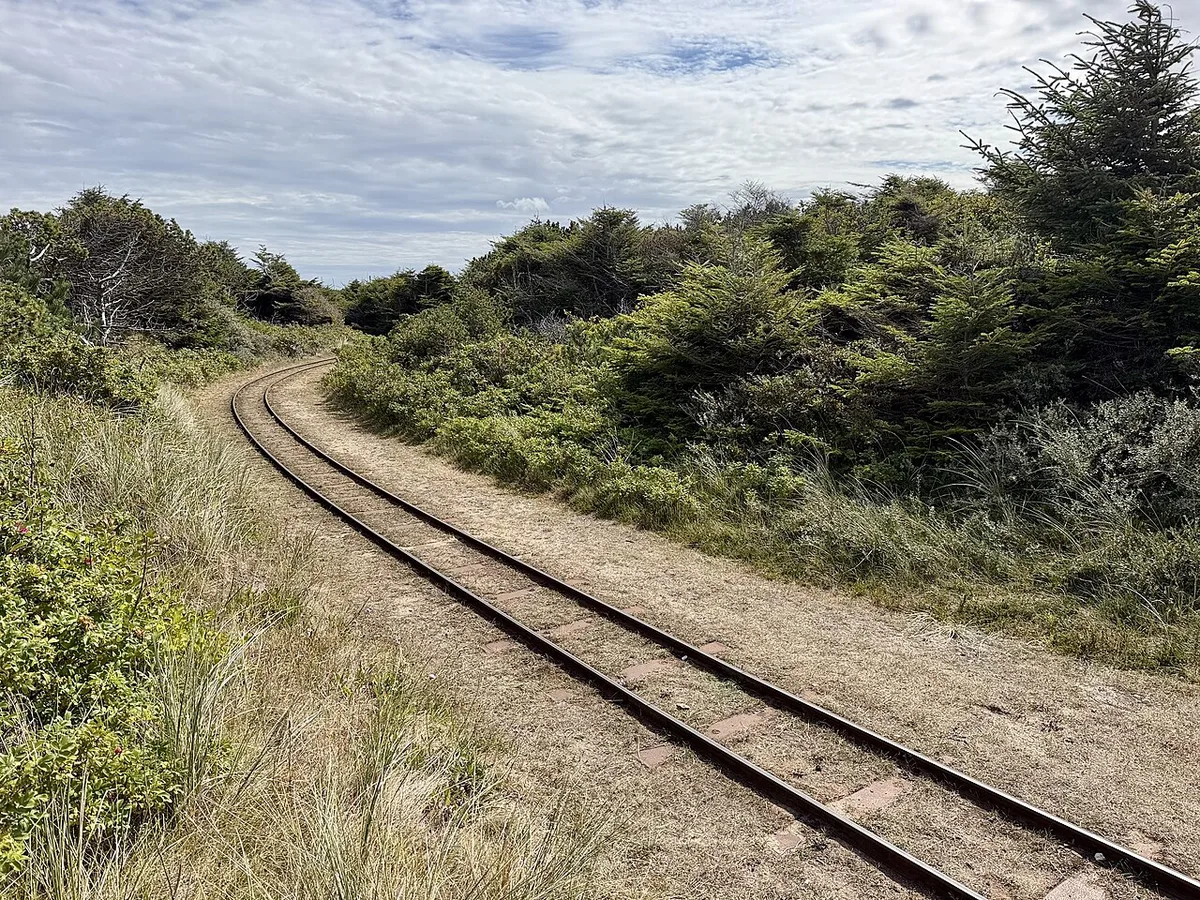
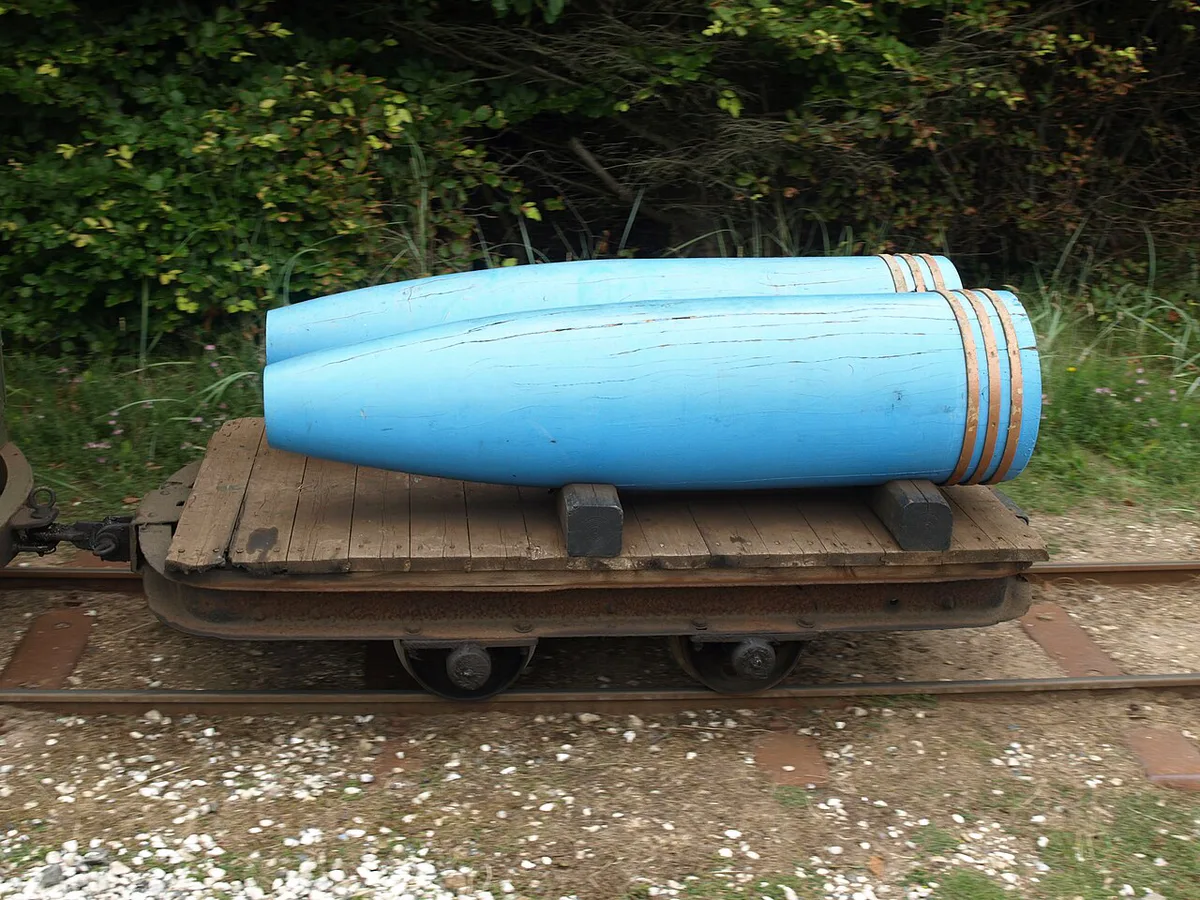
A documentation centre sits on top of the bunker. Its described subjects include people who lived in and around the bunkers, plus the weapons that armed Atlantic Wall positions. An exhibition titled “Enemy and Neighbor – Hanstholm occupied” has been listed there, covering life in the fortress during the Second World War. If that display is your priority, ask whether it is still showing. Outside, the museum has an open-air area and an old ammunition train. VisitDenmark's description says the train runs through some of the large bunkers in the battery every day in summer. That is not a promise of year-round service. Operating dates, departure times, boarding arrangements and any separate fare are not given here. Find out those details before making the ride central to your trip. Do not assume that one ticket or timetable covers every part of the site.
Hanstholm Fortress and the Atlantic Wall
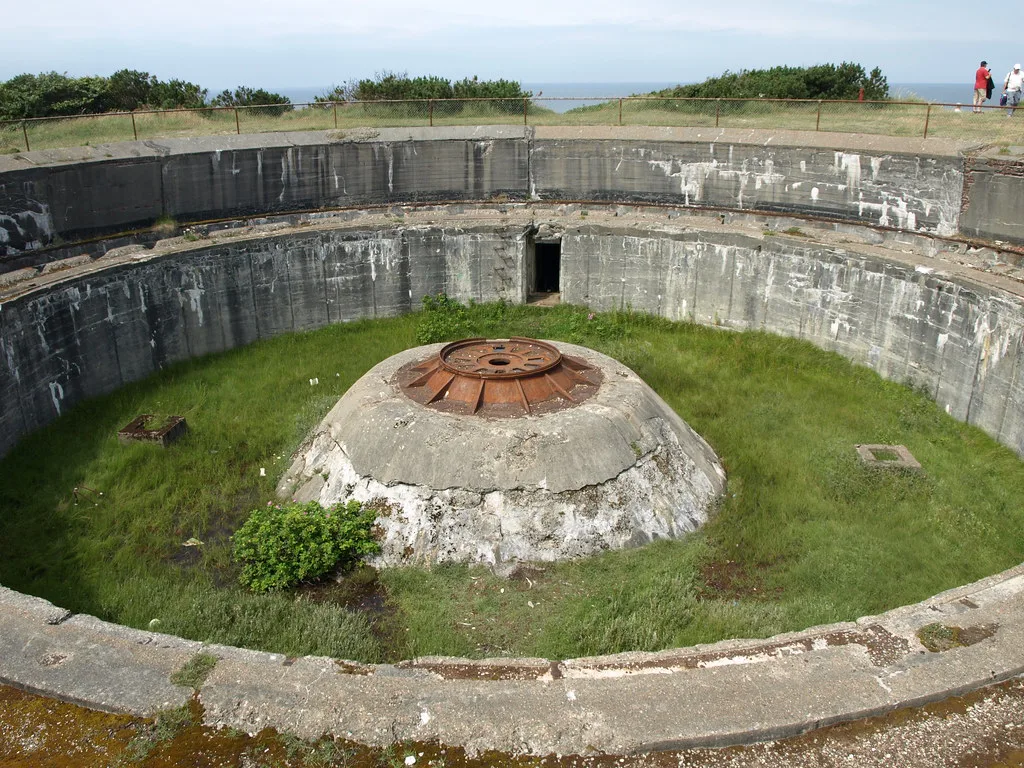
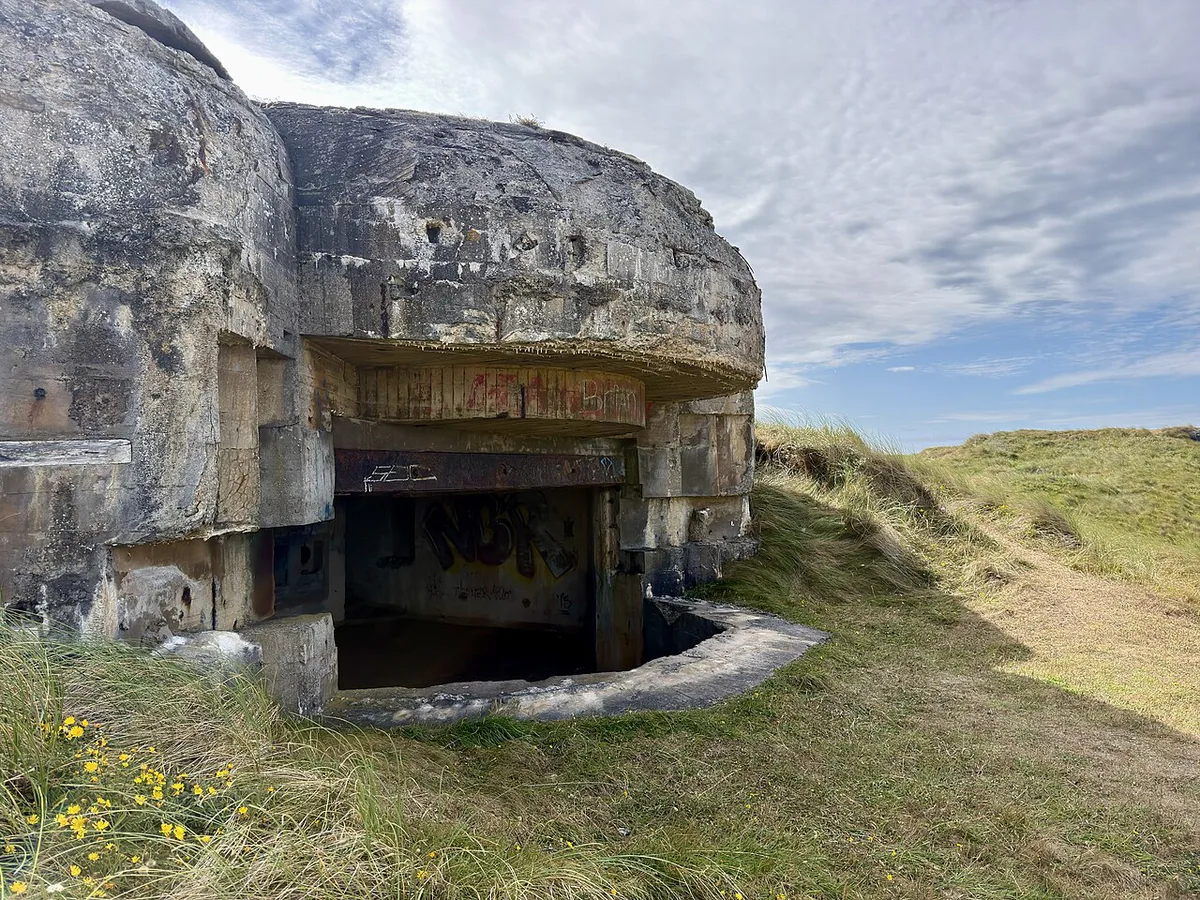
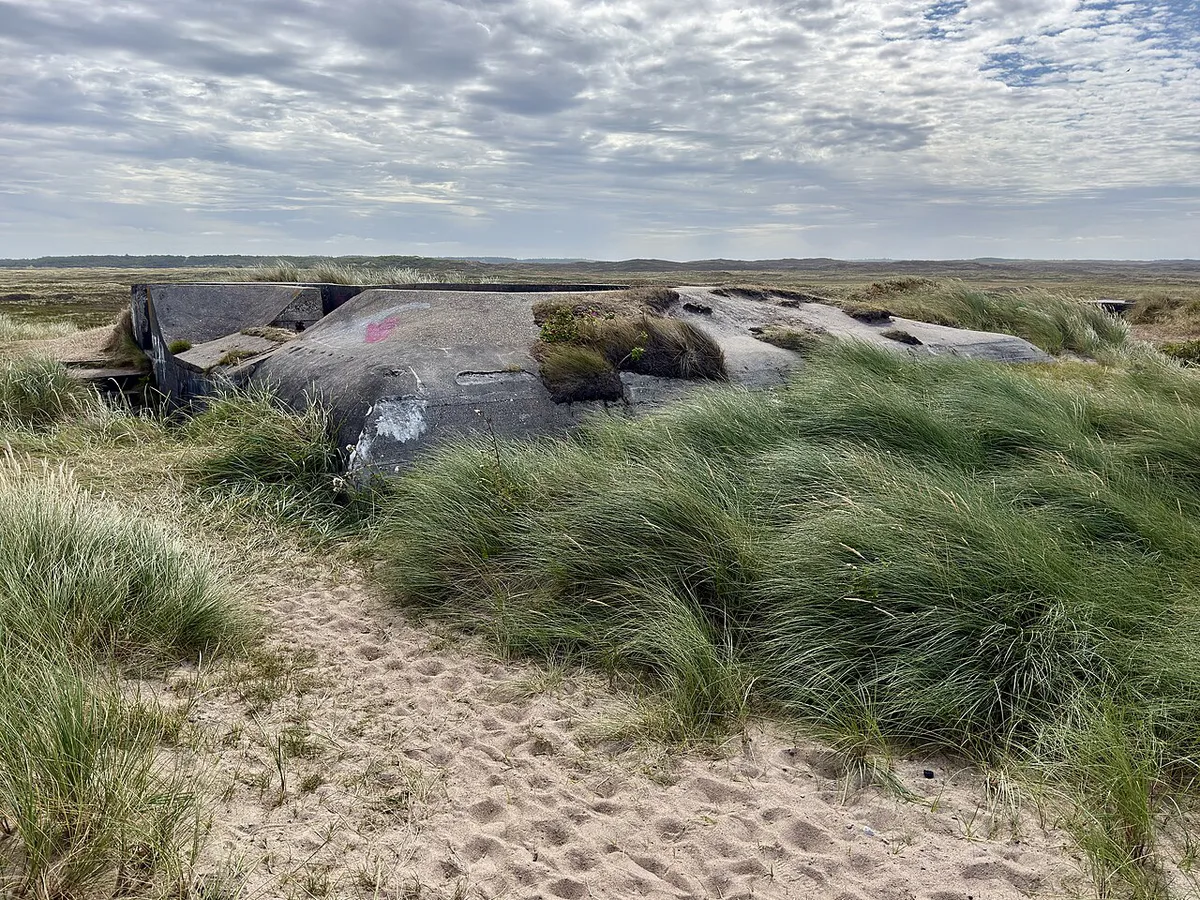
Hanstholm's museum interprets part of a much larger military landscape. According to the museum, more than 450 concrete bunkers were built within Hanstholm Fortress during the Second World War. Most are now more or less hidden. That figure describes wartime construction, not the number you can enter today. The surrounding area can still give an impression of how the fortress was laid out. Our guide to the Atlantic Wall provides wider context for the coastal defense system. Readers planning a separate journey can also explore Atlantic Wall Sites in France: Where to Visit. Those French places are not a nearby side trip from Jutland.
Out of more than 450 concrete bunkers, open entry is the exception, as the 2025 lighthouse walk's two normally locked armored-dome bunkers showed.
Hanstholm Bunker Museum Tickets and Opening Hours
Listed adult admission is DKK 110, and visitors aged 0–17 enter free. Reduced rates apply to seniors or pensioners and to students. Treat these amounts and the seasonal hours as published listings rather than a guarantee for your 2026 or later visit. The museum can confirm current rates, holiday exceptions, last admission and what your ticket includes. No hours for November through January appear in the seasonal schedule below. That gap does not show that the museum is closed, so get its opening status for your exact winter date before setting out.
Students pay DKK 65 with a valid student card, but don't assume one ticket covers the ammunition train, which may carry a separate fare.
| Visitor | Listed admission |
|---|---|
| Adult | DKK 110 |
| Age 0–17 | Free |
| Senior or pensioner (one listing specifies age 65+) | DKK 90 |
| Student (one listing requires a valid student card) | DKK 65 |
- February 1 through May: 10:00–16:00.
- June through August: 10:00–17:00.
- September 1 through October 31: 10:00–16:00.
- November through January: hours not listed in this schedule.
Planning Your Visit: Time, Arrival and Access
No official visit length is available here. As an editorial suggestion, build a shorter visit around the museum bunker. For a fuller one, add the documentation centre, outdoor area and an operating train if it suits you. Use Molevej 29, 7730 Hanstholm, as the museum address. You can reach the museum by phone at +45 97 96 17 36 or by email at hanstholm@museumthy.dk. Public transport stops, return services, cycling routes and museum parking are not established here. Plan both directions with current local travel information, especially outside the summer season. Visit Denmark's tourism website is a starting point for wider trip research. Ask the museum directly about stairs, surfaces, step-free routes, accessible toilets and train boarding. Families should also ask about supervision rules and activities. Questions about indoor temperature, bags, strollers, dogs, photography, food and payment methods are worth raising if they affect your day. Follow the site's posted visitor rules and treat its wartime history with respect.
| Check before you go: your priority | What it helps you decide | What to find out |
|---|---|---|
| Interiors and wartime daily life | Whether the museum bunker is your main reason to visit | Open rooms, route and interpretation languages |
| Occupation history | How much time to leave for the documentation centre | Current exhibitions and languages |
| Riding the railway | Whether your visit should depend on the train | Operating date, departures, fare and boarding access |
| Families | Whether the site suits your children | Stairs, surfaces, supervision rules and activities |
| Limited mobility | Which areas you can realistically visit | Step-free routes, toilets, parking and train boarding |
| Outdoor remains | What you can see beyond the museum bunker | Permitted routes, closures, signs and ground conditions |
| November–January travel | Whether to commit to the journey | Opening status on your exact date |
Can You Explore Other Bunkers Nearby?
Do not treat the wider fortress as one open museum. For outdoor remains, stay on permitted routes, obey closures and signs, and do not enter unmanaged or locked bunkers. A self-guided look outdoors is different from a scheduled tour with authorized access. One curator-led lighthouse walk took place on the schedule for May 14, 2025, from 19:00 to 21:00. Listed as free, it included 2 well-preserved bunkers with armored domes that were normally locked. That date has passed, and no repeat date is given here. Ask the museum about current guided events rather than planning around that walk. For other places with wartime fortifications, browse our guide to WW2 bunkers open to visitors.
- Do not assume every Hanstholm bunker is open to the public.
- Do not assume the ammunition train runs during every visit.
- Do not treat the May 2025 lighthouse walk as a regular tour.
- Do not assume the lighthouse event meeting point provides museum parking.
Keep planning
Guides on the same trip