
Camp des Milles Memorial: Visit Guide and Planning
What Camp des Milles was, what you see inside, how long to allow, and how to get there from Aix and Marseille, with 2026 rates and hours.

In this guide
Last updated November 2026: Camp des Milles is a former tile factory near Aix-en-Provence that served as a French internment camp and then a deportation camp from 1939 to 1942. It is now a memorial museum open to the public. This guide suits readers who want a serious, well-paced visit and the practical details to plan it, including a wider route through WWII sites in France.
Featured image: voyages provence, CC BY 2.0, via Flickr.
Camp des Milles history: what happened at Les Milles, 1939 to 1942
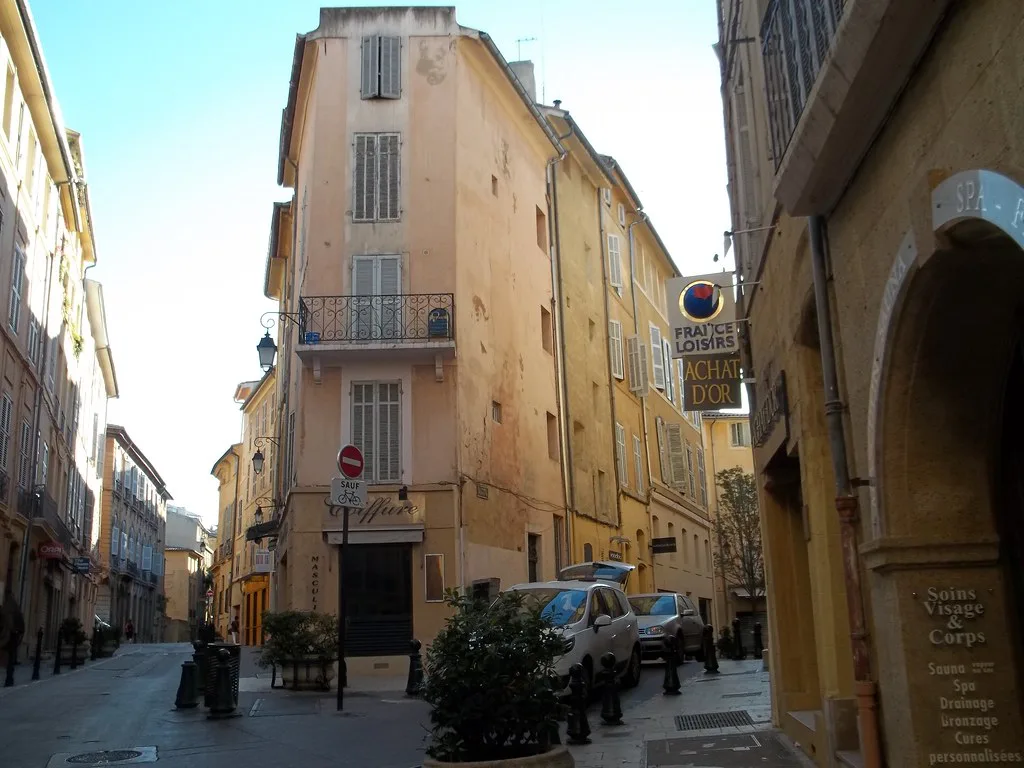
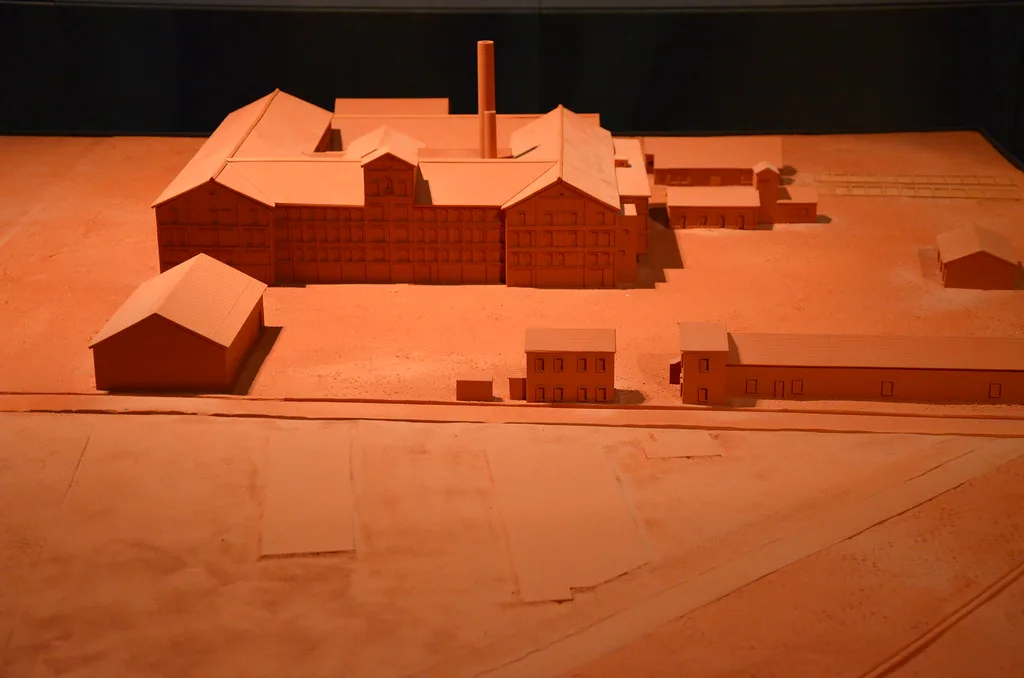
The Site-Mémorial du Camp des Milles occupies a tile factory in the Les Milles district of Aix-en-Provence. According to the official memorial site, about 10,000 people of 38 nationalities were interned here. More than 2,000 Jews were deported from the camp to Auschwitz via Drancy. The memorial divides the camp's story into three periods. Each one changed who was held here and why.
- September 1939 to June 1940, Third Republic: an internment camp for people classed as "enemy subjects", many of them refugees from Nazi Germany.
- July 1940 to July 1942, Vichy regime: a transit and internment camp for people labelled "undesirables".
- August to September 1942, Vichy and the "final solution": Jews deported to Auschwitz via Drancy.
What you see inside: the history, remembrance and reflection areas
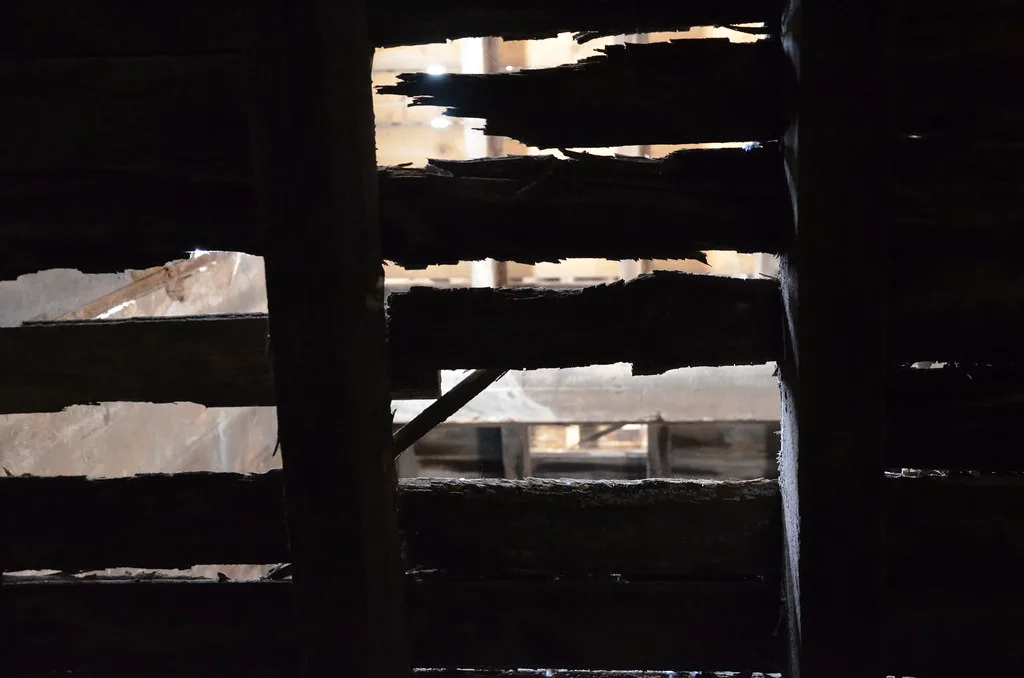
The visit moves through three areas, and the building itself is part of the exhibition. In the history area, displays explain the threats that escalated across Europe between 1919 and 1939. Further rooms trace the Vichy regime, the internment camps and the Holocaust through individual lives. For wider context on the regime, see our overview of Vichy France. The remembrance area is a tour over three floors that brings you into direct contact with preserved internment spaces. You pass the places where internees slept and parts of the building where some people hid and survived. Illustrations and paintings left on the walls are described by the memorial as fragile testimonies, brought to light by archaeologists. The reflection area comes last. The memorial calls it unique for a memorial site because it presents scientific research on how human behaviour can lead to genocide and how it can be resisted. Films, audio archives and interactive displays trace those events from their beginnings. The route ends at a "Wall of Just Acts", which documents acts of resistance and rescue. Expect more reading and listening here than in a typical museum. A permanent exhibition created by Serge Klarsfeld and the Association des Fils et Filles des Déportés Juifs de France documents the 11,400 Jewish children deported from France to Auschwitz, using original documents. A student research paper from the University of Notre Dame argues that the memorial's framing stresses resistance and presents responsibility through ideologies rather than named individuals. That is one interpretation, and you can weigh it against what you see.
Art made behind the wire: the painting gallery
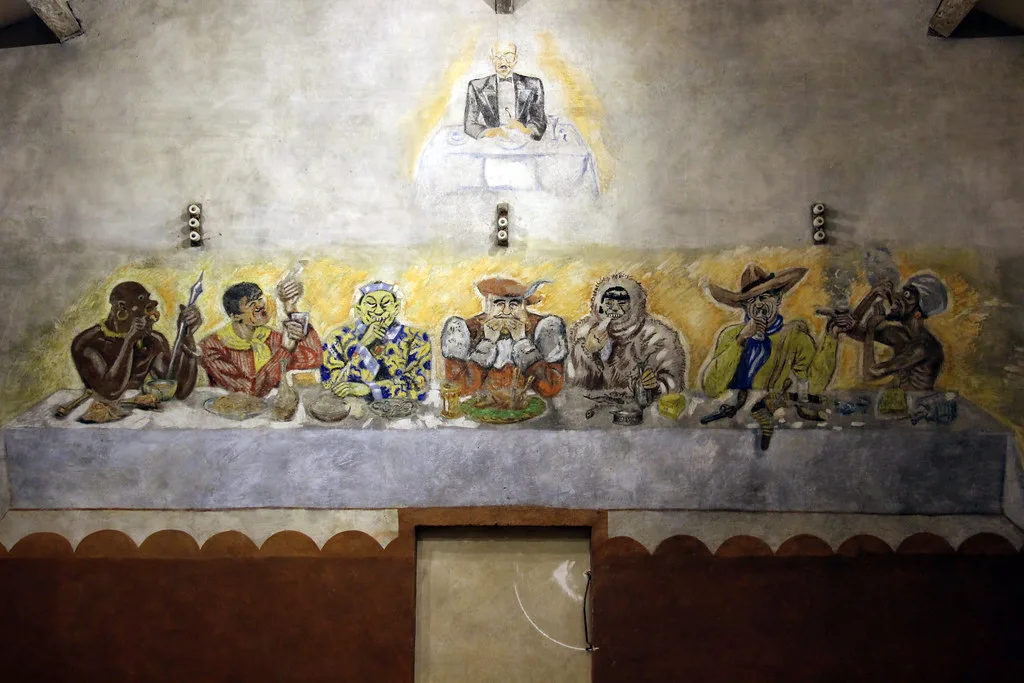
Camp des Milles is sometimes called the "camp of artists" because many interned painters, writers and intellectuals worked here. The memorial counts more than 400 pieces created in the camp, and some are on display today. Max Ernst, Hans Bellmer and Lion Feuchtwanger are among the names it lists. The painting gallery sits in the former guards' canteen. It shows murals painted by interned artists in 1940 and 1941, restored and opened to the public. Treat them as testimony rather than decoration. The memorial describes the wall paintings elsewhere in the building as fragile, so keep to marked routes and avoid touching any surface.
Path of the Deported and the Wagon of Remembrance
The Path of the Deported follows the route once taken by Jewish men, women and children to the deportation convoys bound for Auschwitz. A Wagon of Remembrance marks the exact location where these deportations took place. According to the memorial, the last convoys left in August and September 1942. Many visitors find this the quietest part of the visit. Allow a few minutes here without checking your phone or the time, and keep conversation low out of respect for others.
Camp des Milles tickets, hours and audioguide
Rates and hours below come from the Aix-en-Provence tourism office booking page and were checked in November 2026. The site is open daily from 10:00 to 19:00, with last entry at 17:30. It closes on 1 January, 1 May and 25 December. Adult entry is €14. The ticket includes temporary exhibitions. Pets are not allowed. Audioguides cost €4.50 and come in German, English and French. Confirm the 2026 rates on the memorial's own information page before you travel.
| Ticket | Price | Who it covers |
|---|---|---|
| Adult | €14 | Standard entry |
| Reduced | €11 | Seniors 65 and over, ages 9 to 18, students under 25, disabled visitors |
| Family pass | €40 | 2 adults and 2 children aged 9 to 18 |
| Audioguide | €4.50 | Add-on in German, English or French |
| Free entry | €0 | Under 9s, veterans, journalists, City Pass Aix holders (tickets issued on site) |
Getting to Camp des Milles from Aix-en-Provence and Marseille
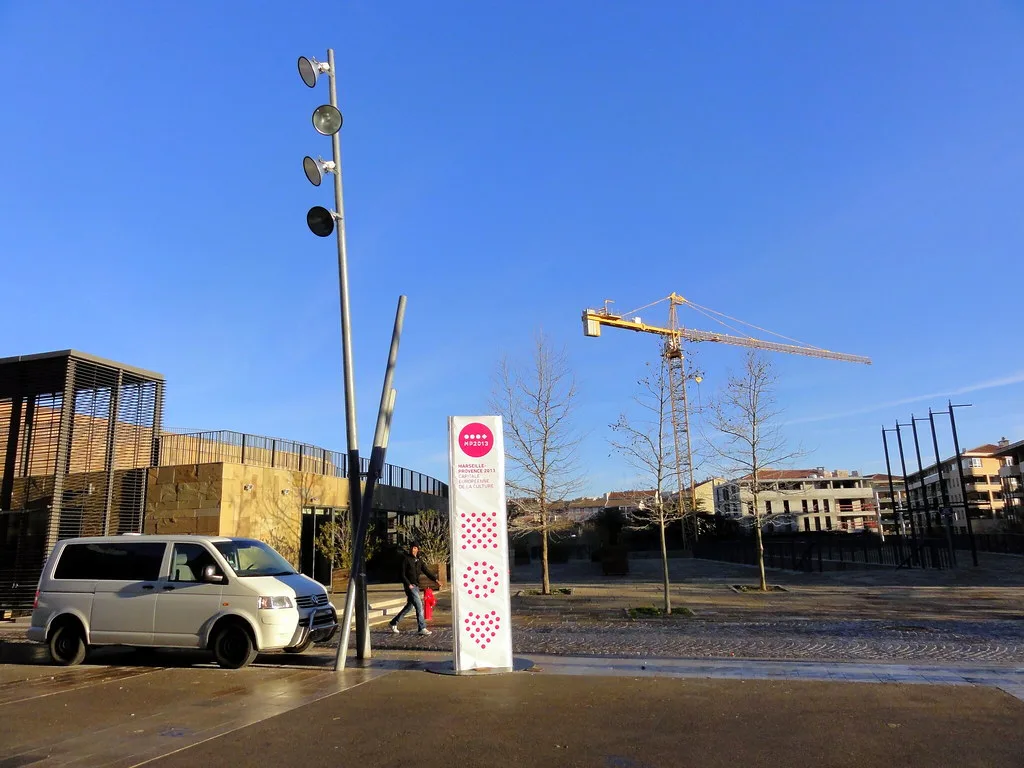
The memorial's address is 40 chemin de la Badesse, Aix-en-Provence. On-site parking is available, which makes a car the simplest option from either city. By public transport, Aix bus line 4 runs Monday to Saturday and line 18 runs on Sundays only. Check current routes and timetables on aixenbus.fr, because Sunday service differs from weekdays. From Marseille, plan the trip to Aix first and then continue by bus or car. Use a current route planner for the connection rather than relying on a fixed travel time. If you stay overnight, base yourself in Aix-en-Provence or Marseille.
| Option | Best for | Trade-off |
|---|---|---|
| Car | Flexible arrival, easy parking on site | You drive yourself and need a parking plan for the day |
| Bus line 4 | Weekday and Saturday visits | Not running on Sundays |
| Bus line 18 | Sunday visits | Sundays only, so check the timetable first |
How long to allow and how to plan the day
The tourist office gives about 2 hours as the baseline for a visit. An audioguide and the reflection area can stretch that, and the content is heavy. Arrive well before the 17:30 last entry. Do not plan a tight schedule around it. Afterwards, choose something quieter, such as a walk in Aix-en-Provence, rather than a packed afternoon of sightseeing.
| Visitor | What to prioritise | Trade-off |
|---|---|---|
| First-time visitor | History area, remembrance area, then the reflection area | Covers the full story, but is emotionally demanding |
| History-focused traveller | Audioguide plus the painting gallery and the children's exhibition | Needs more than the 2-hour baseline |
| Family with teens | Family pass and a pause between areas | Discuss the content beforehand |
| Short Aix day trip | Go early and allow the full visit | Leaves little room for other stops |
- Arriving after the 17:30 last entry.
- Assuming Sunday buses match weekday service.
- Skipping the audioguide language check at the desk.
- Expecting a light afternoon.
Is the visit right for children and first-time visitors?
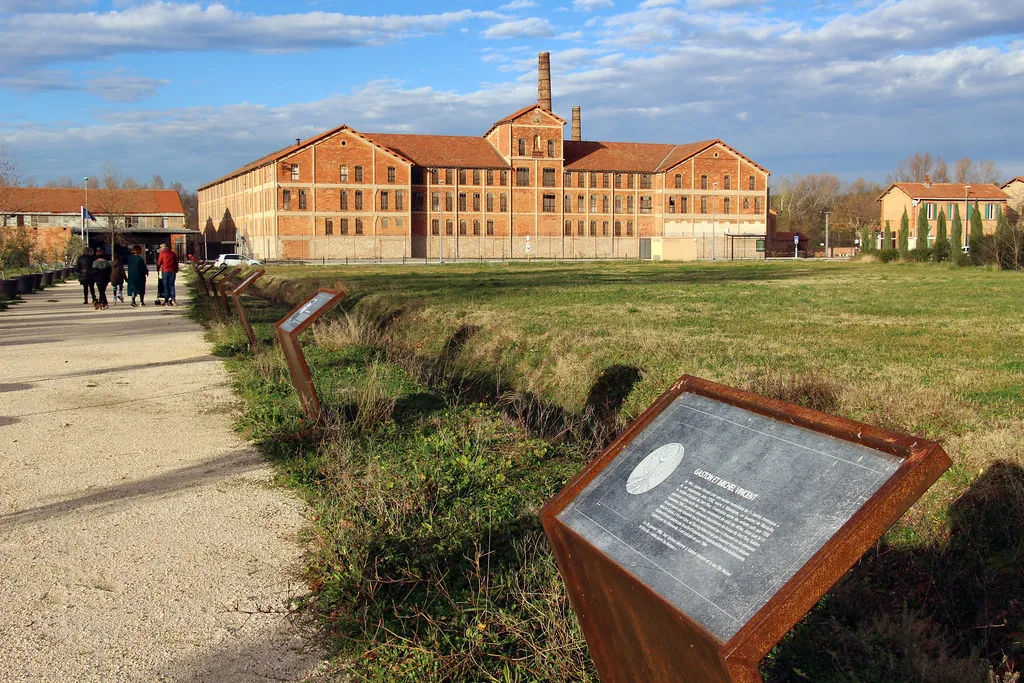
The family pass covers children aged 9 to 18, and children under 9 enter free. Free entry does not mean the content suits every age. The internment spaces and the story of deported children are serious. Parents should read the memorial's own guidance on age suitability before deciding. For teenagers, a short talk beforehand about what the site was helps. First-time visitors without background can follow the three-period outline in the history area. The building is preserved, with original internment spaces and wall paintings. Its own description says it is the only large internment and deportation camp in France still intact and open to the public.
Combining the visit with other WWII sites in France
Camp des Milles sits in Provence, so the closest thematic fit is the 1944 landing area. Our guide to the Provence landing sites of 1944 covers that history. The American cemetery in the Rhône valley is a further stop on that route. For another French memorial, the preserved ruins at Oradour-sur-Glane lie far from Provence, so treat that as a separate trip. Resistance history is covered in our museums of the Resistance guide. Camp des Milles works best as a standalone morning or afternoon, not squeezed between other stops.
Keep planning
Guides on the same trip





