
Visiting Oradour-sur-Glane: Martyr Village Guide
Plan a respectful visit to Oradour-sur-Glane: what happened on 10 June 1944, how the ruins and museum work, getting there, time needed and etiquette.
In this guide
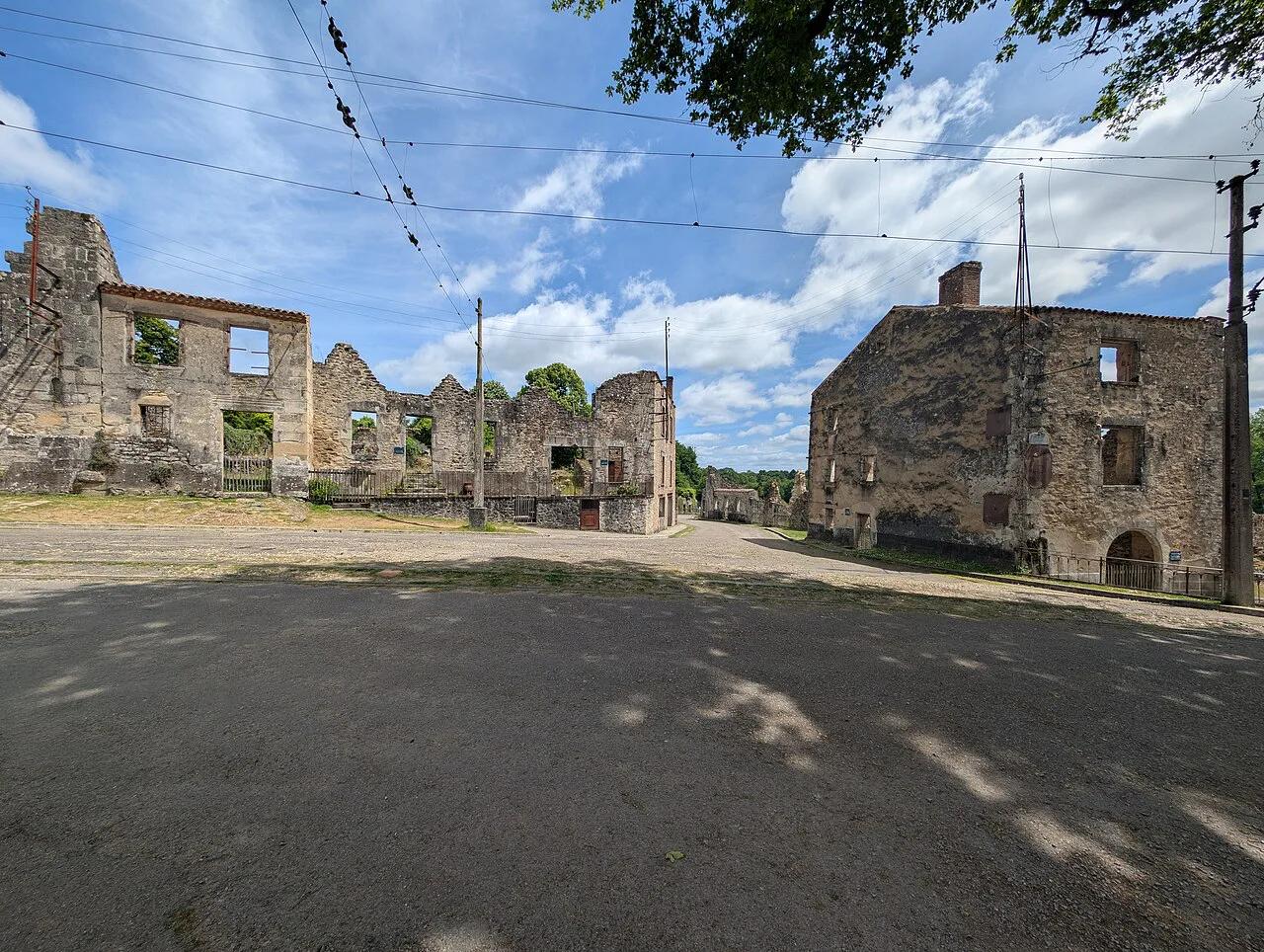
Last updated November 2026: Oradour-sur-Glane is the Haute-Vienne village destroyed on 10 June 1944, left as it was and run as a memorial, with the Centre de la Mémoire museum beside the ruins. It lies near Limoges in Nouvelle-Aquitaine and is a place of mourning, not an attraction. This guide covers how a visit works, how to get there, how long to allow and how to behave on site. It also sits inside our wider guide to WW2 sites in France.
Featured image: Sten van Houwelingen, CC BY-SA 4.0, via Wikimedia Commons.
What Oradour-sur-Glane is, in brief
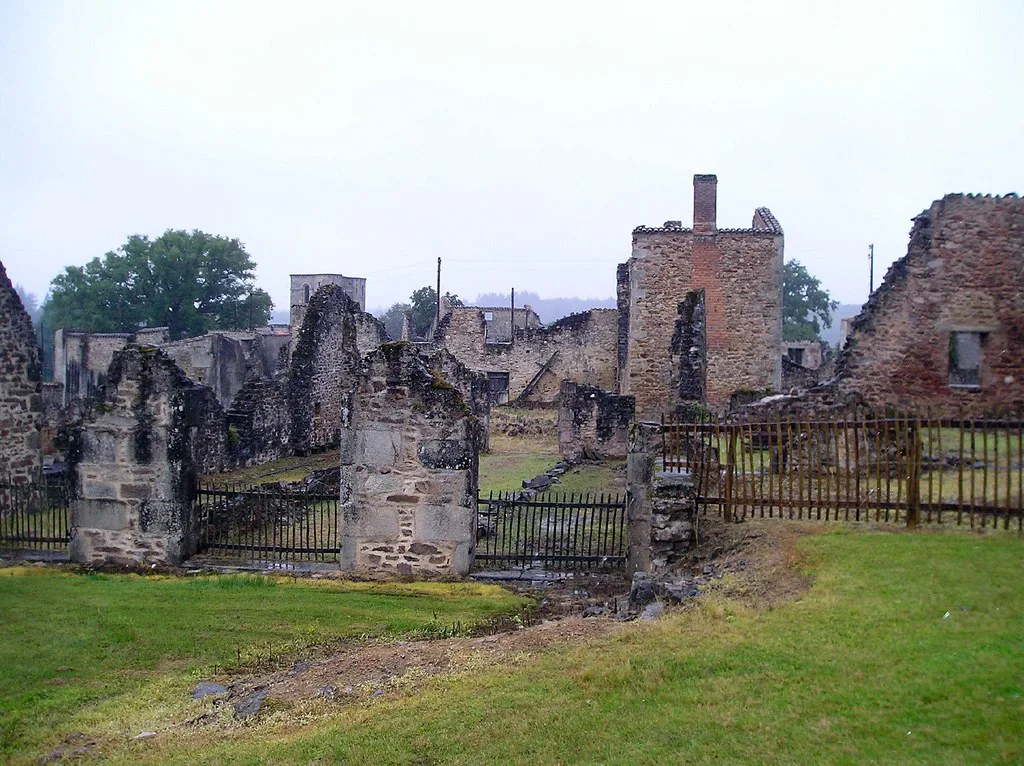
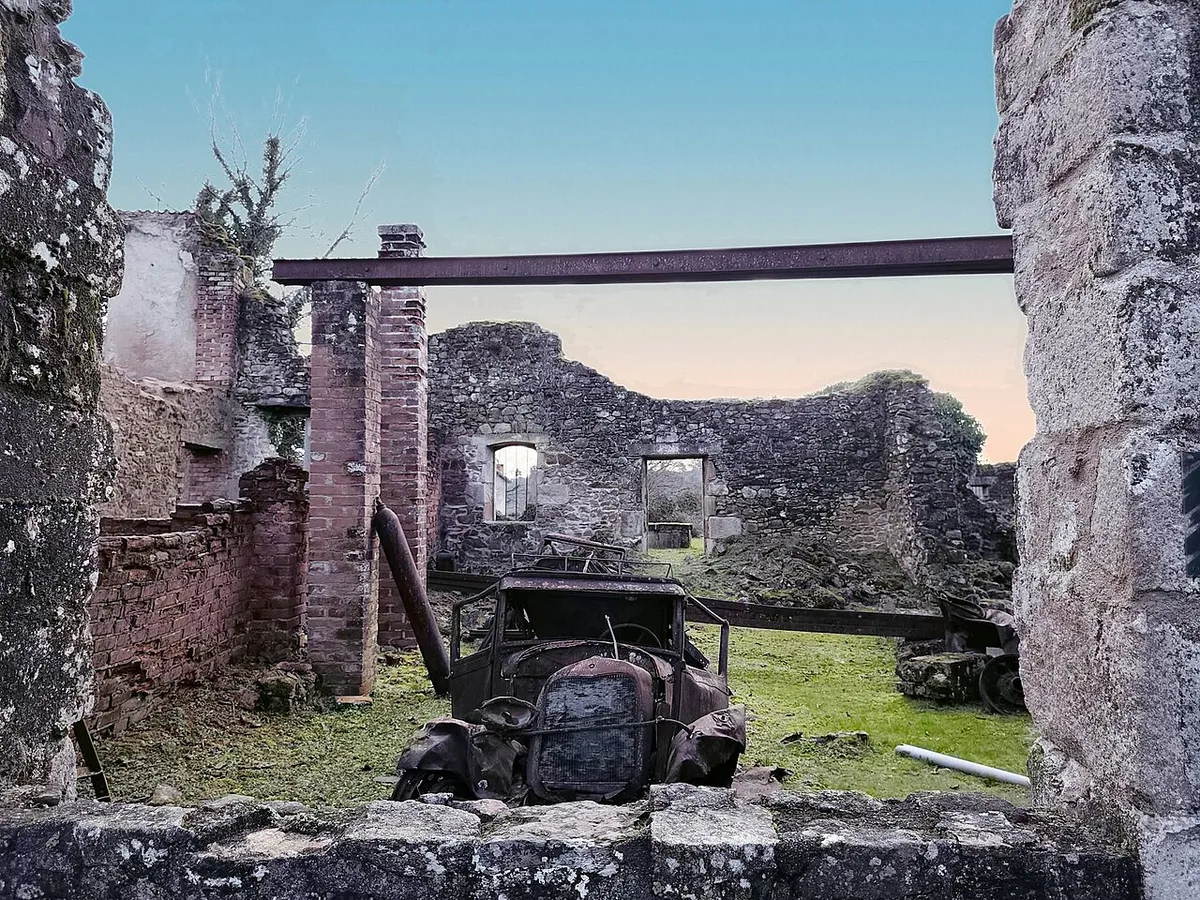
On 10 June 1944, four days after D-Day, soldiers of the 2nd SS Panzer Division Das Reich destroyed the village and killed 642 of its inhabitants, including 207 children. Survivors were few, and published counts differ depending on how escapees are defined. The motive remains uncertain. One account holds that the troops meant to target Oradour-sur-Vayres and reached the wrong village. After the war, Charles de Gaulle ordered the ruins preserved as a permanent memorial. A new village was built next to them and carries the same name. Burned-out walls, rusted vehicles and the church shell stand as they were left. For the full history and the testimonies, read our guide to the Centre de la Mémoire d'Oradour.
What happened to those responsible for the massacre
Many visitors leave asking whether anyone was held to account. Justice was limited and remains a painful part of Oradour's story.
A French military court in Bordeaux heard the case more than eight years after the massacre. Many of the accused were absent. The 21 men in the dock included 7 Germans and 14 men from Alsace, a French region that Nazi Germany had annexed. All but one of the Alsatians said they had been forced into German service, and the court treated that one volunteer differently.
The verdicts split opinion in France. Many people in Alsace saw the conscripts as victims of the annexation, while families in Limousin wanted them punished for their part in the killings. Within days of the judgment, the French parliament passed an amnesty that freed the forcibly conscripted men. The decision caused deep anger in Oradour.
Senior responsibility was largely left untried. Adolf Diekmann, who led the battalion involved, was killed in the Normandy fighting only weeks after the massacre. Heinz Lammerding, the commander of the Das Reich division, was never extradited from West Germany to France. Decades after the killings, an East Berlin court sentenced a former platoon leader, Heinz Barth, to life imprisonment. He was later released.
Official gestures of remembrance came much later. German President Joachim Gauck visited the ruins with French President François Hollande, and President Frank-Walter Steinmeier later attended commemorations there with President Emmanuel Macron. For a wider outline of the events and legal aftermath, see the Wikipedia account of the Oradour-sur-Glane massacre.
Visiting Oradour-sur-Glane: how the ruins and memory centre work
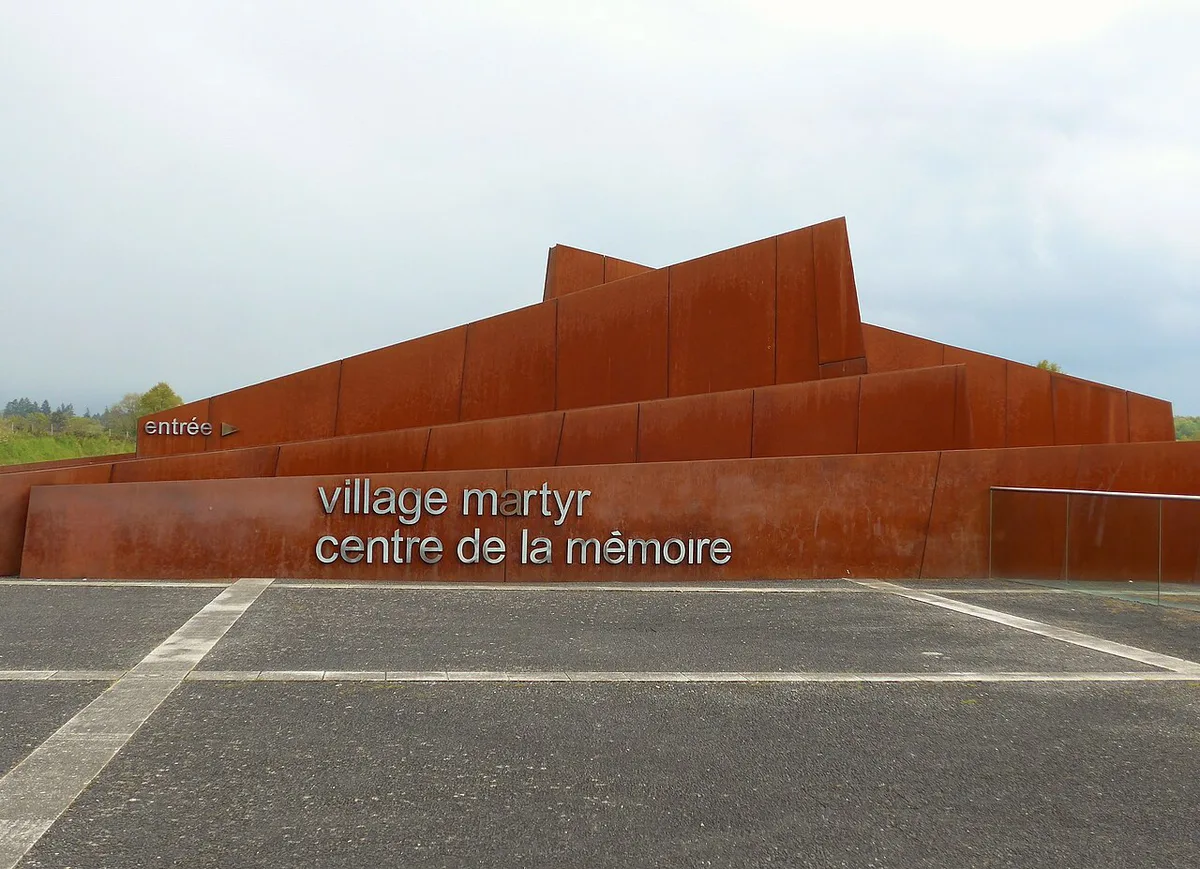
A visit has two parts. The memory centre sits adjacent to the historic site and gives the documentary context. The ruins are the village itself, walked on foot. Most visitors begin with the museum, then walk the ruins, because the exhibition explains what you are about to see. Ticket prices, combined entry and the audio guide languages change over time, so read them on the official Centre de la Mémoire website before you travel. Our museum guide covers the exhibition in more detail.
| Part | What you get | Best for |
|---|---|---|
| Ruins | The preserved streets, church and burned buildings, walked on foot | Everyone who wants to see the site itself |
| Memory centre | Documents, testimony and the historical explanation | Visitors who want context before walking the ruins |
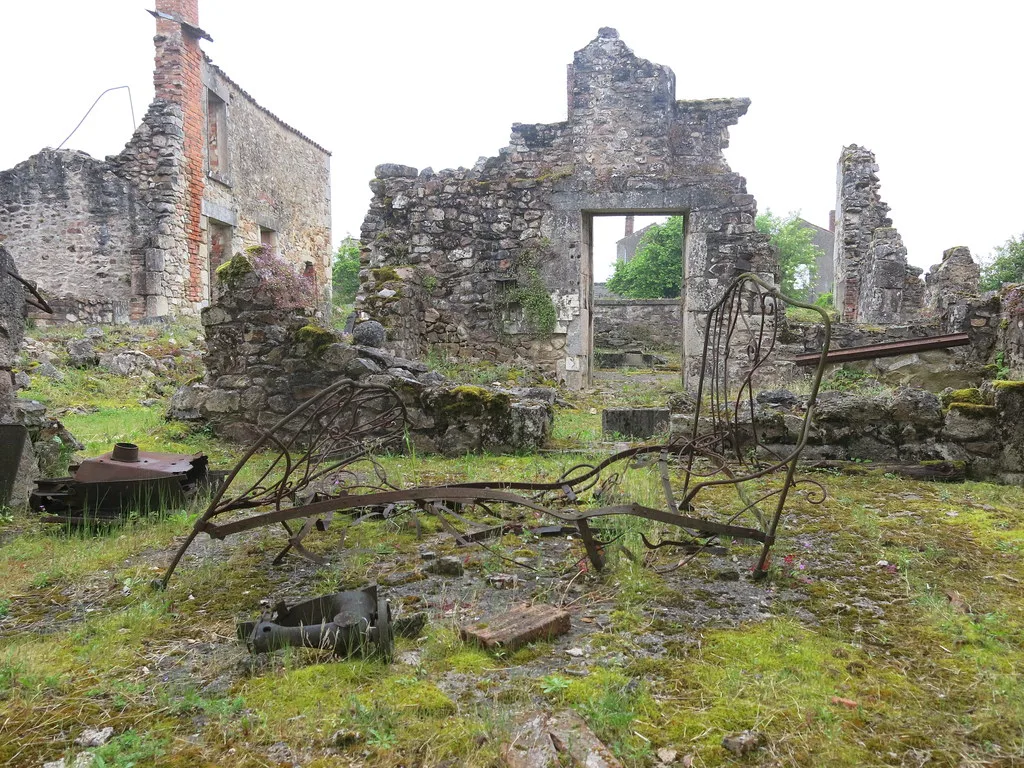
What to look for as you walk the ruined village
Knowing what a few places meant helps you read the ruins. Follow the route and access signs on the day, since some areas may be closed for conservation or safety.
- The fairground (Champ de Foire): soldiers assembled the villagers on this open space, then separated the men from the women and children.
- The barns, garages and other buildings: the men were divided into groups, taken to several enclosed places and shot. Markers identify places of execution. A handful of men escaped from the Laudy barn, among them Robert Hébras, who spent much of his later life bearing witness.
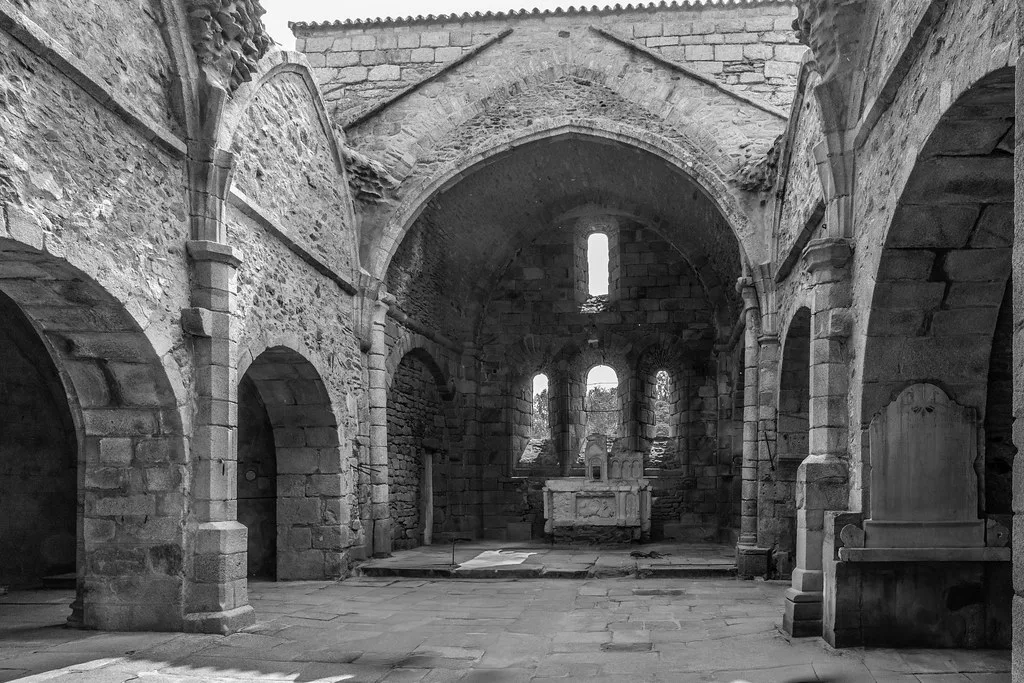
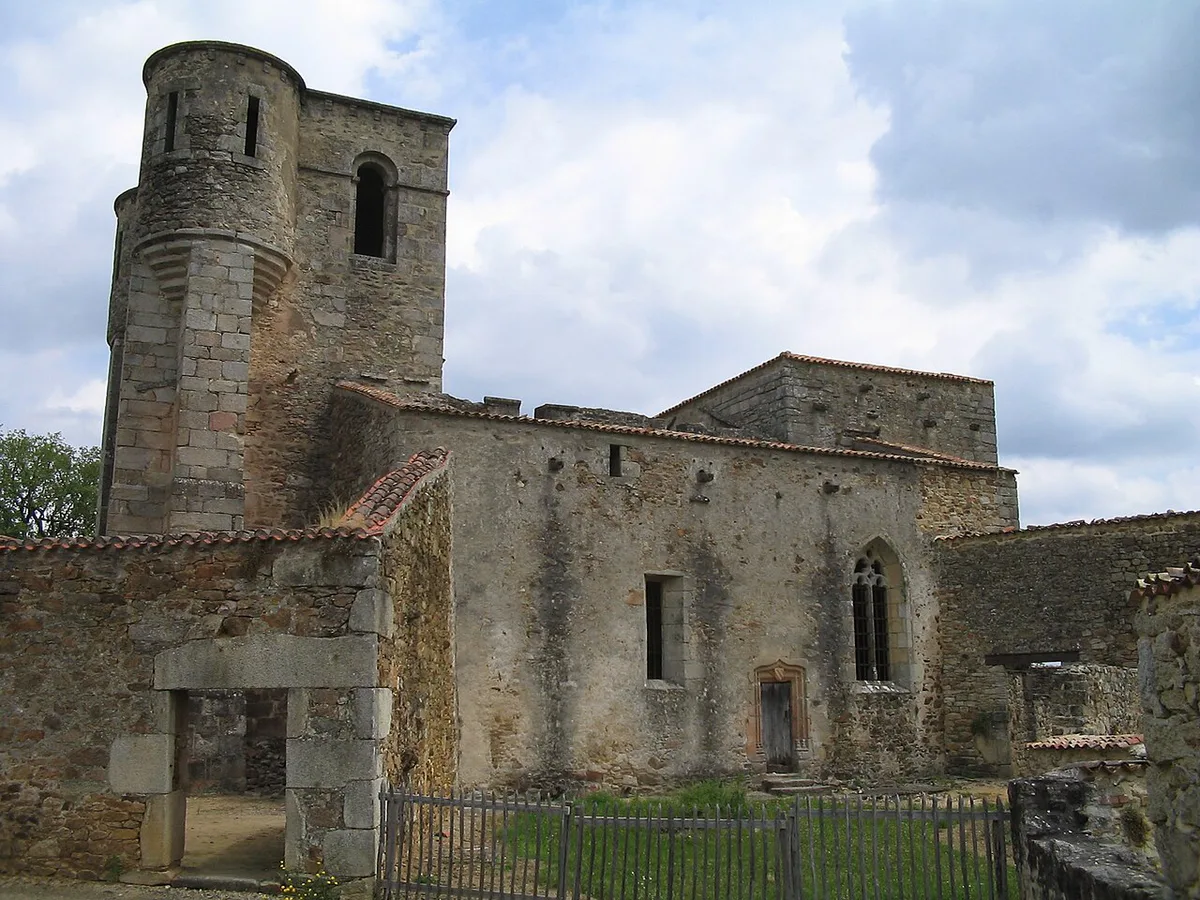
- The church: women and children were locked inside before the building was attacked and set on fire. Marguerite Rouffanche, who escaped through a window behind the altar, was the only woman to get out of the church alive.
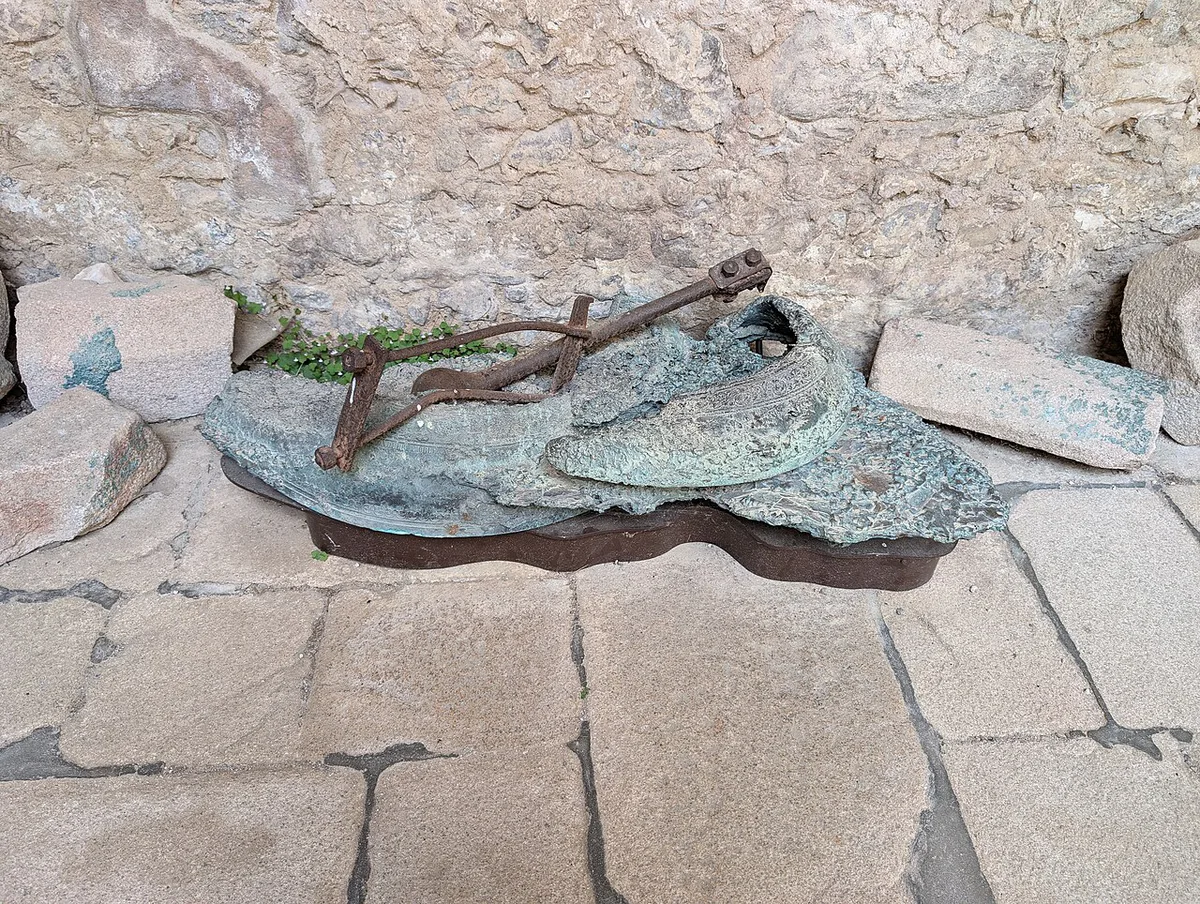
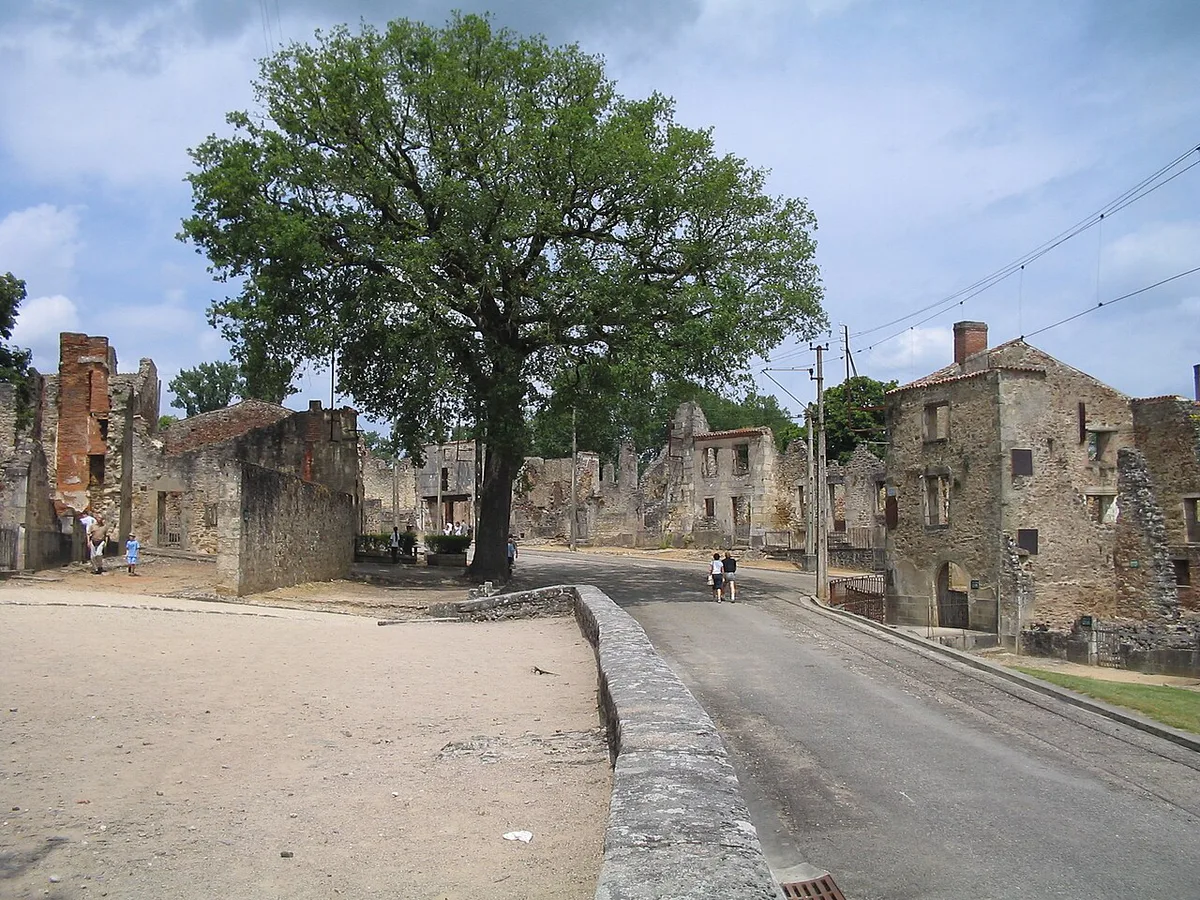
- Everyday traces: tram rails, shop and trade signs, rusted cars and household objects show that this was a working village with links to Limoges.
- The cemetery and memorials: victims' remains and family commemorations make this one of the most solemn parts of the visit. Allow quiet time here, and give space to anyone who may be visiting relatives' graves.
You do not need to see every building. If time or energy is limited, ask staff which route takes in the church, the fairground and the cemetery, and whether all three are currently accessible.
Getting there and getting around
Oradour-sur-Glane lies in Haute-Vienne, with Limoges the nearest large city. A car is the simplest option, because it gives you control over timing and parking. Without a car, check the current TER and local bus timetables from Limoges and plan your return journey first. If no direct service fits, a taxi from the nearest station is the fallback. Distances and drive times vary by route, so use a live route planner on the day.
- Mistake to avoid: arriving without checking the opening hours and the last return transport, since a missed connection can strand you in a small town.
- Driving: park at the visitor car park and walk to the entrance; check the official site for current parking details.
- Public transport: confirm the timetable with the operator before you set out.
How much time to plan
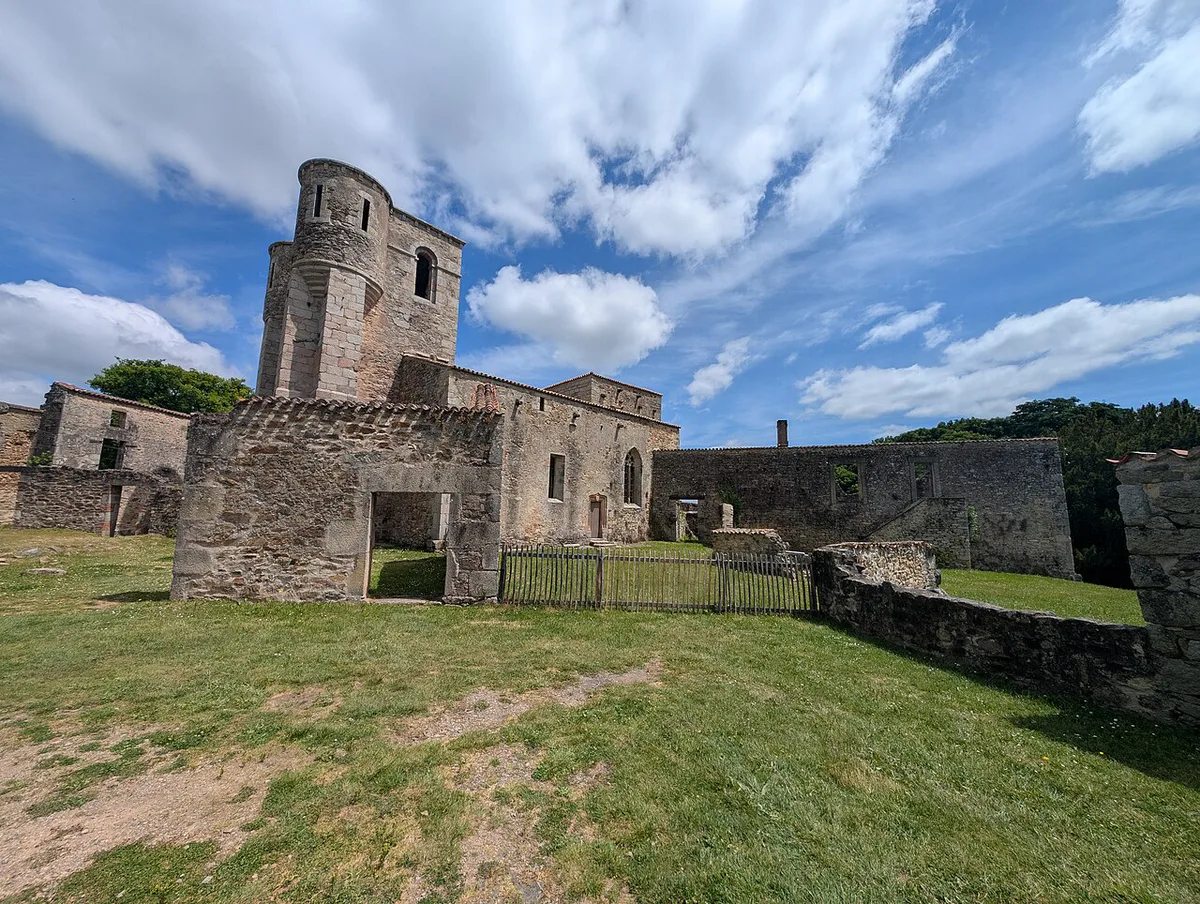
Allow a short visit for the ruins alone, longer for ruins plus the museum, and about half a day if you add other stops nearby. Opening hours change by season, and the site is exposed in summer heat, so carry water and a hat. Winter hours can be shorter, so check the official hours before you set a start time. Arriving early leaves room to take the museum slowly and to stand quietly in the ruins without rushing.
Etiquette and what to expect on site
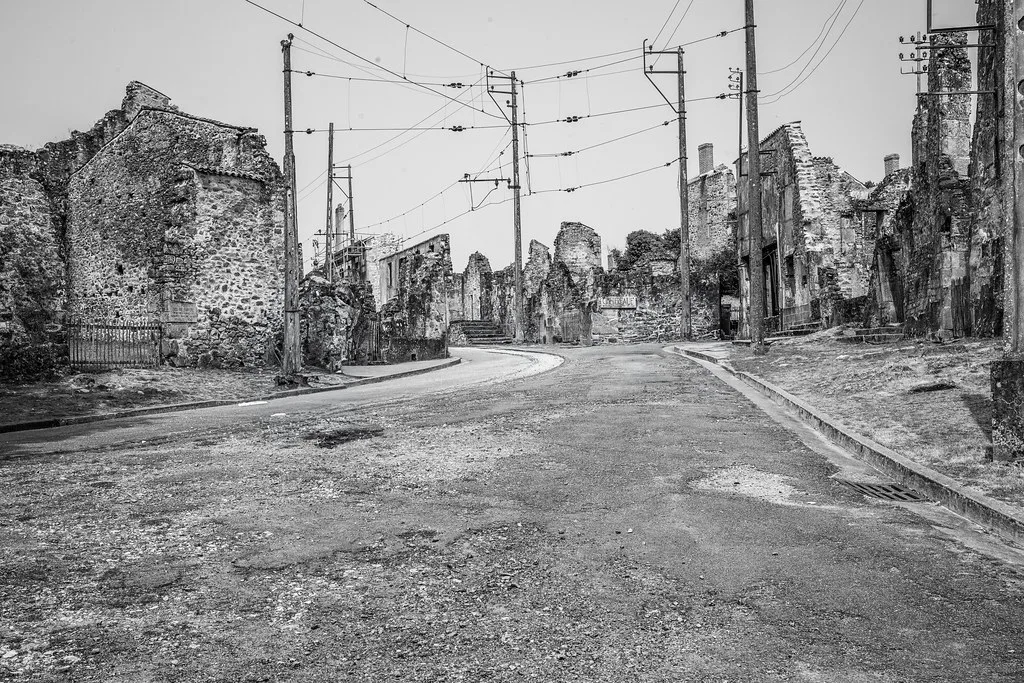
Treat the ruins as a cemetery. Speak quietly, dress modestly and keep phones silent. Follow the signs posted on site, which ask visitors not to enter or touch fragile structures. Photography rules are published by the memorial, so read them at the entrance and before any wide-angle shooting of the ruins. Keep selfies and posed pictures out of the village. Some visitors find the walk distressing. Take breaks, step outside the ruins if you need to, and ask staff for help if you feel unwell.
Who should adapt the visit
Children need preparation, since 207 of the victims were children. Ask the museum about age guidance, and tell younger visitors in advance what the ruins are. The ground is uneven, so visitors with limited mobility should check access details with the memorial first. If you are not ready for the exhibition, you can walk the ruins alone and skip the museum, or the other way round. Pick the part that fits your emotional readiness, and give yourself time afterwards to sit quietly.
Combining Oradour with other WW2 sites
Many WW2 sites in France lie far from Haute-Vienne, so choose by theme rather than by distance. For the Resistance thread, start with our overview of French Resistance Museums: Which to Visit and Where (France Guide). The reprisals that followed Resistance activity continue in the Vercors Resistance Memorial: Visit Guide and Nearby Sites story. The Vercors tourism office lists practical details for that area. To follow the occupation and persecution thread, read about Vichy France. Then read about Camp des Milles Memorial: Visit Guide and Planning. Another site of reprisal and execution is Mont-Valérien near Paris.
Where to stay and eat
Limoges makes the practical base, with the widest choice of hotels, restaurants and rail connections. A smaller town nearby suits a quieter stay if you have a car. Book accommodation and meals through current listings, and plan lunch away from the memorial itself.
Keep planning
Guides on the same trip






