
Vercors Resistance Memorial: Visit Guide and Nearby Sites
What the Vercors Resistance Memorial is, how to plan a visit, and which nearby 1944 sites and stelae are worth your time.
In this guide
Last updated November 2026: the Vercors resistance memorial most visitors mean is the Mémorial de la Résistance en Vercors at Vassieux-en-Vercors. Small stelae across the massif, such as the one at Vachères-en-Quint, mark individual fights from July 1944. Our guide to WWII sites in France shows where the Vercors fits in the wider national picture.
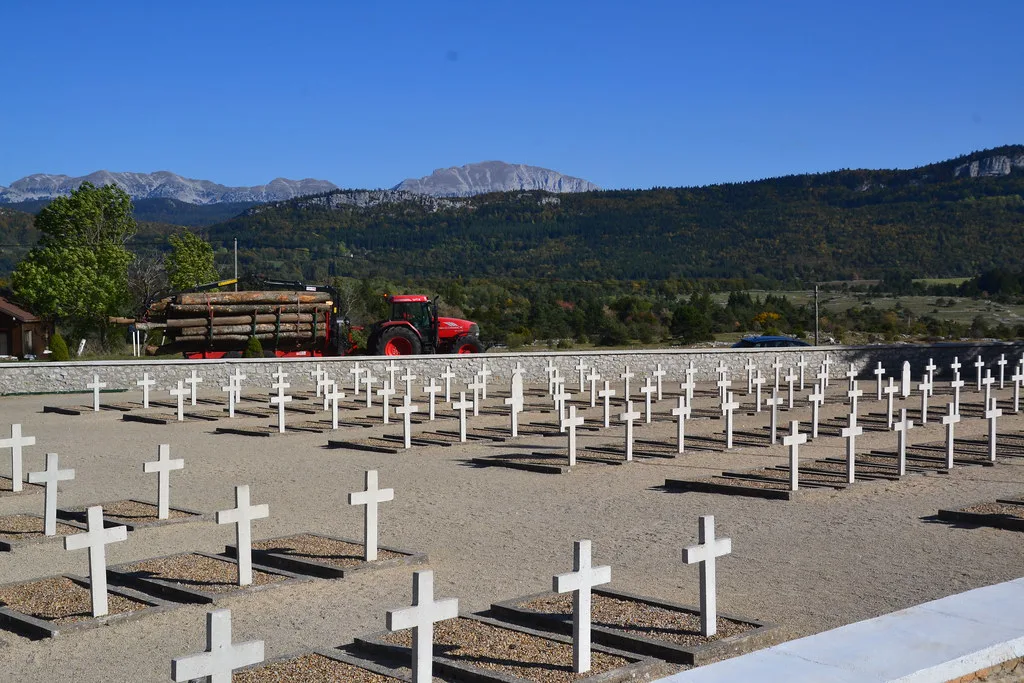
Featured image: David.Monniaux, CC BY-SA 3.0, via Wikimedia Commons.
Vercors resistance memorial: which site do you mean?
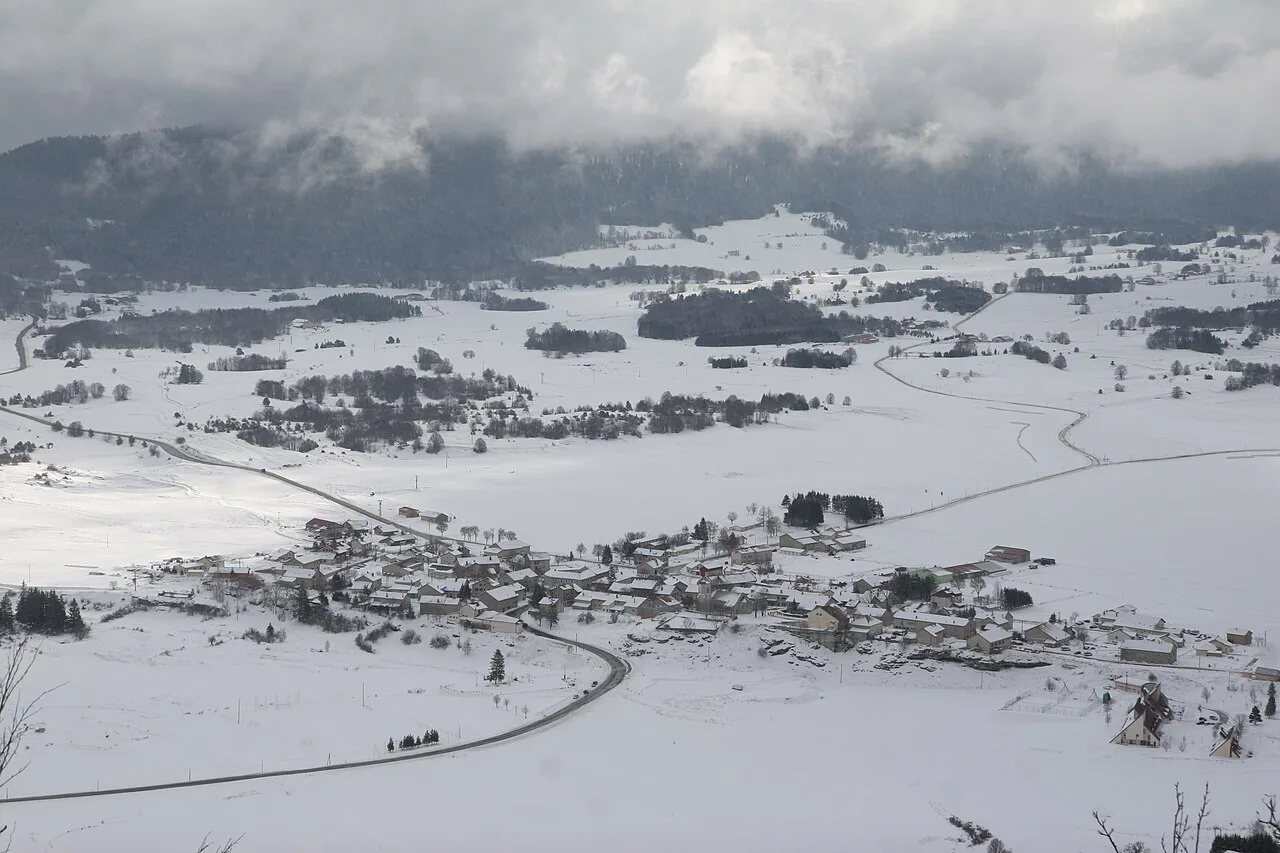
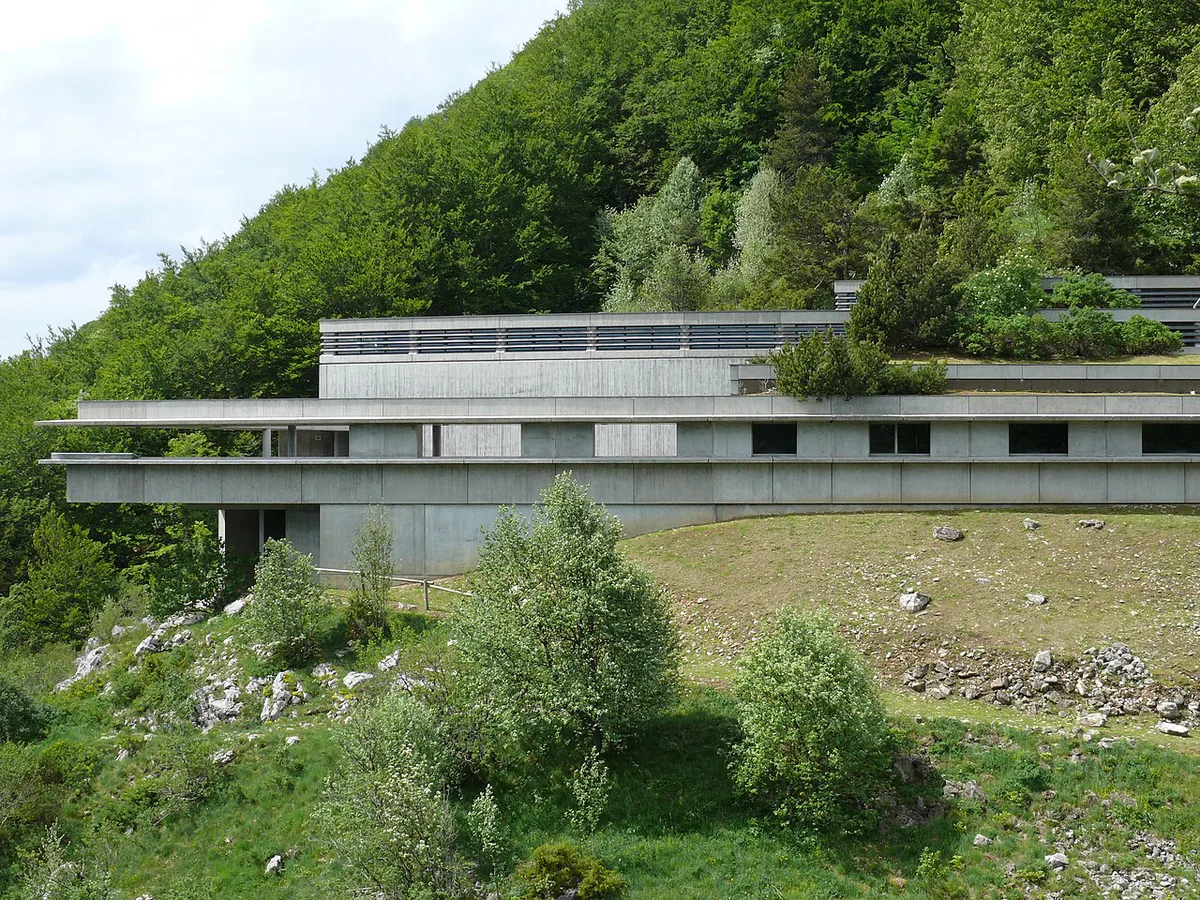
Three different things share this search term. The first is the Mémorial de la Résistance en Vercors, the main memorial site at Vassieux-en-Vercors. Next to it sits the Nécropole nationale de la Résistance at Vassieux, a national cemetery for those who died in the fighting. The second is the set of small stelae, plaques and monuments scattered through the massif. The third is the history itself, the 1944 episode known as the République du Vercors. Start with the memorial at Vassieux, then use the smaller sites to follow the story across the landscape.
| Site | What it is | How to visit |
|---|---|---|
| Mémorial de la Résistance en Vercors | Main memorial site at Vassieux-en-Vercors | The principal visit |
| Nécropole nationale de la Résistance | National cemetery at Vassieux for those who died in the fighting | Visit as a place of mourning |
| Village stelae and plaques | Monuments scattered through the massif | Free, unstaffed stops with a short inscription |
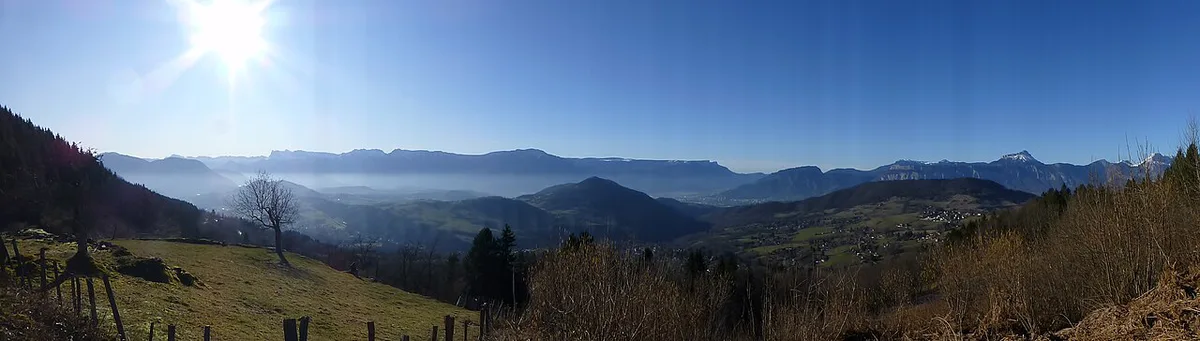
- Mémorial de la Résistance en Vercors: the principal visit, at Vassieux-en-Vercors.
- Nécropole nationale de la Résistance: a cemetery at Vassieux, to be visited as a place of mourning.
- Village stelae and plaques: free, unstaffed stops with a short inscription.
The 1944 story in brief
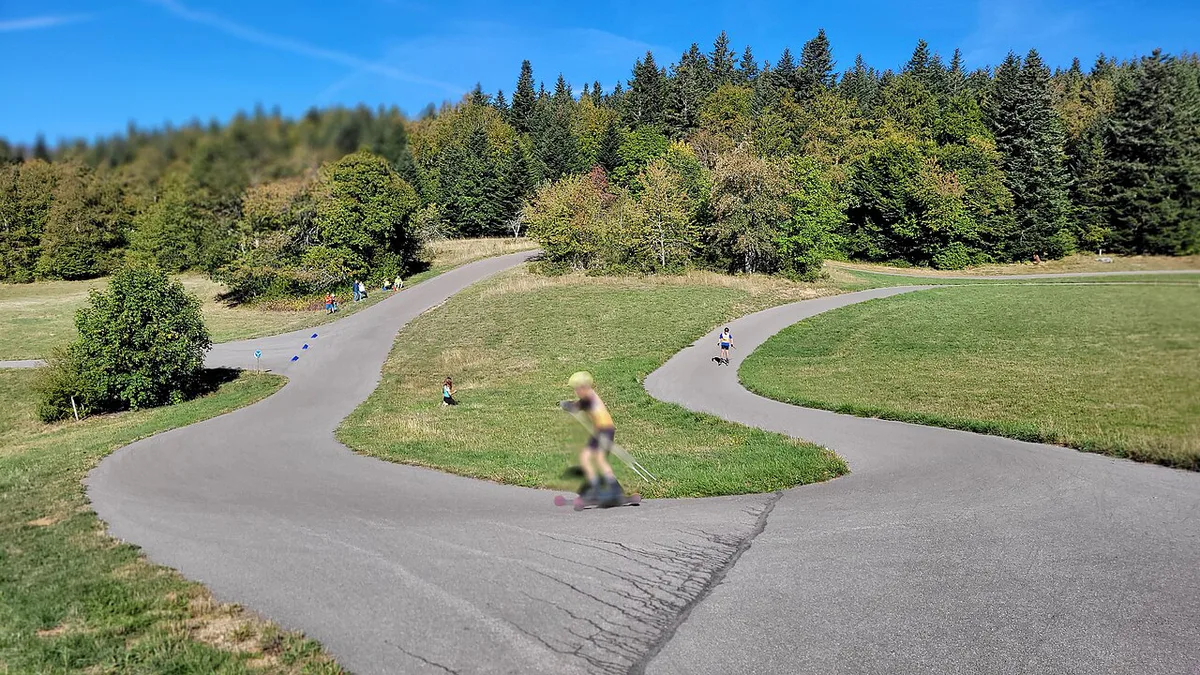
In 1944 the Vercors plateau sheltered maquis groups of the French Resistance, and the episode became known as the République du Vercors. A German offensive against the massif began at the end of July 1944. On 21 July, an airborne unit was dropped near Vassieux-en-Vercors. Ground troops encircled the plateau and moved toward Saint-Martin-en-Vercors and Saint-Agnan-en-Vercors, where the maquis had its main command posts. Local fights along the access routes, like the one at the Tourettes bridge, belong to those same days.
Plan stops in date order: the airborne drop near Vassieux came on 21 July, before the 27 July bridge fight at Pont des Tourettes.
Planning your visit: hours, tickets and access
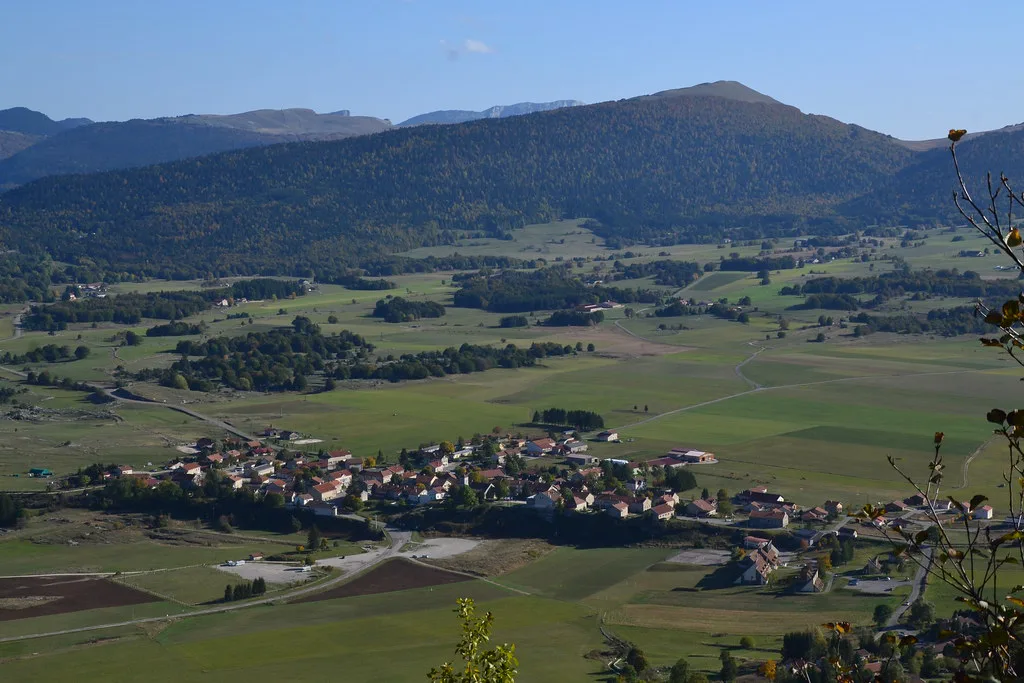
Opening days, ticket prices and seasonal closures for the memorial change from year to year. Check the Vercors tourism office for current details before you drive up the mountain roads.
Smaller sites in the massif: the Vachères-en-Quint stele
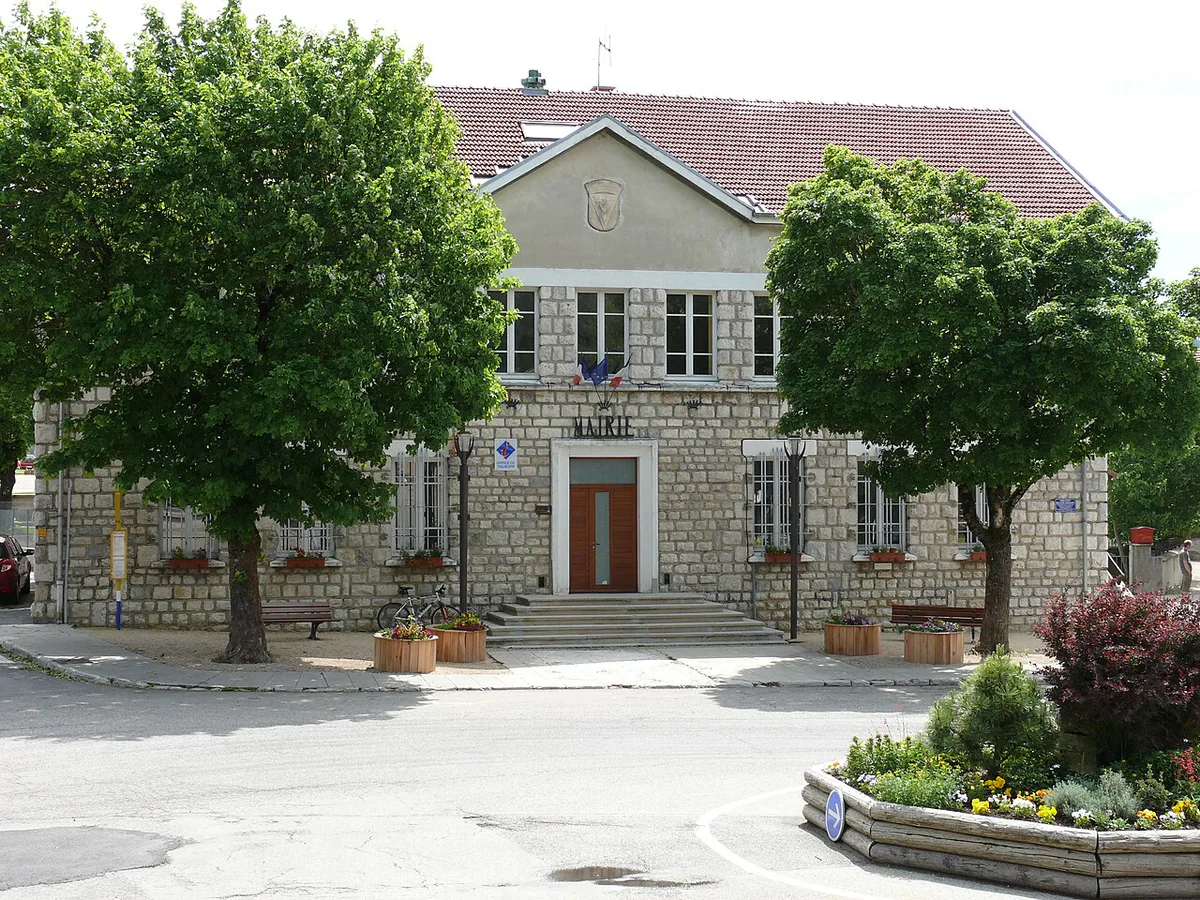
A stele is a quiet roadside or village stop with no staff and no exhibit. The one at Pont des Tourettes, 26150 Vachères-en-Quint, shows what that looks like in practice. Its inscription honors a German anti-fascist known as Rudolf, who was killed on 27 July 1944. It also names two French patriots, Paul Brozille, 31, and Louis Vialet, 18, from Portes-les-Valence. That morning, at 7:00 a.m., a German company attacked the Tourettes bridge in the commune of Saint-Andéol. The Perrin company blew up the bridge and retreated, and Rudolf stayed behind to cover them. After he ran out of ammunition he was captured and executed. The German column then moved toward the Marignac pass. There, Brozille and Vialet were captured and executed, and the Bertrand farm was burned for sheltering Resistance fighters. Biographical notices for the men are held by Le Maitron.
- Treat each stele as a grave marker: keep voices low and leave nothing behind.
- Locate it on a map before you set out, since small monuments are easy to miss.
- Public transport rarely reaches such sites, so plan for a car.
Getting there and who should go
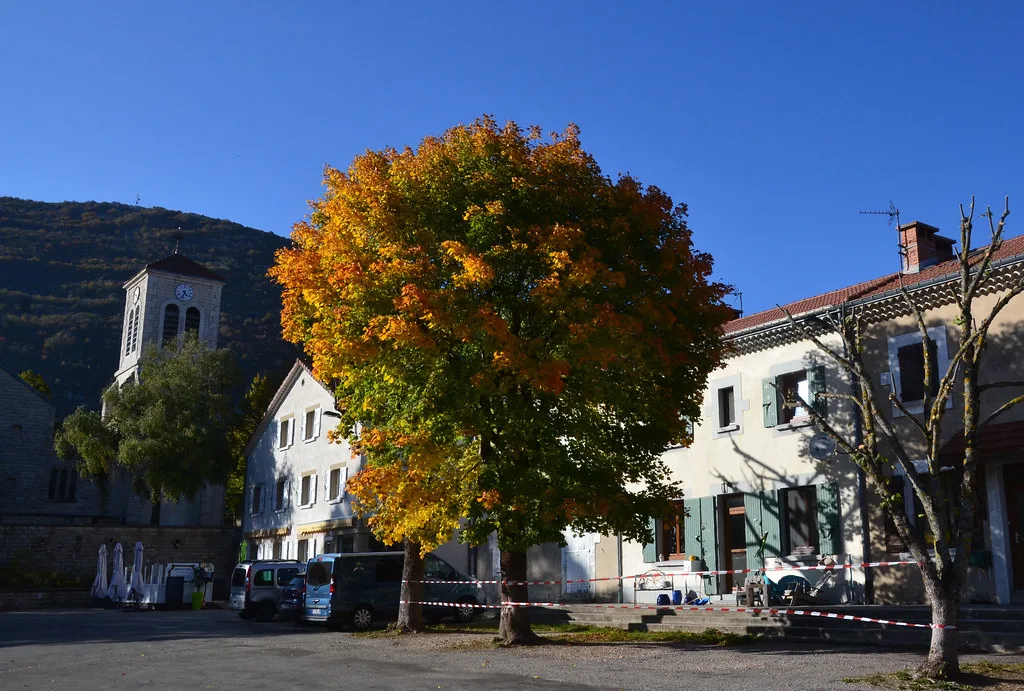
The Vercors is a mountain massif, so roads are slow and conditions change with the season. The Parc naturel régional du Vercors is the place to look for access information. Without a car, expect to see the main memorial at best, and not the village stelae. History-focused visitors gain the most, because the sites connect through the 1944 events. Families can visit the memorial, but the cemetery and stelae call for quiet and care. Short-stay travelers should pick Vassieux alone rather than rushing a loop on tight timing.
Without a car, Vassieux is the realistic stop; the Pont des Tourettes stele at 26150 Vachères-en-Quint needs one.
Where to go next in France's WWII landscape
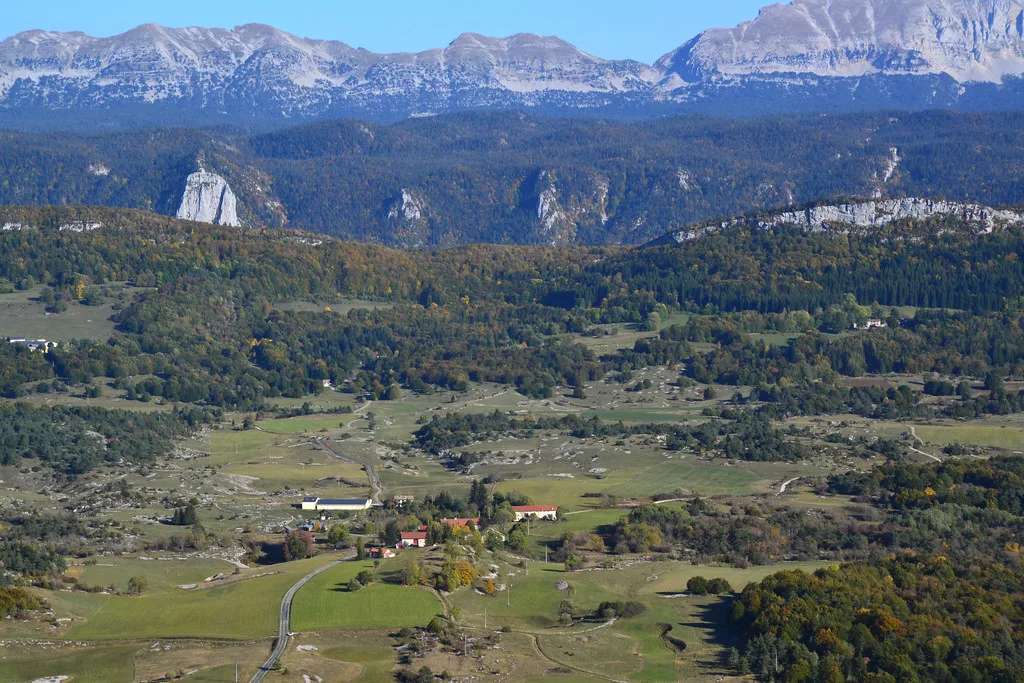
For more on the movement behind the maquis, read our guide to French Resistance Museums: Which to Visit and Where (France Guide). Reprisals against civilians shaped other places of memory, and Oradour-sur-Glane is one of them. Its history is different from the Vercors fighting, and each deserves to be read on its own terms. A Resistance execution site near Paris is covered in our Mont-Valérien guide. For the southern France landings of 1944, see Operation Dragoon Sites: Provence Landing Memorials Guide.
Combine the memorial with Vassieux and the wider story
Make the Mémorial de la Résistance en Vercors your main stop, then add the Nécropole nationale de la Résistance at Vassieux as a separate, quiet visit. The memorial provides the historical frame. The cemetery is a place of mourning, so keep voices low and avoid treating it as a sightseeing backdrop.
Vassieux also anchors the military story. An airborne unit was dropped near the village on 21 July 1944. The fighting then spread across the roads and passes of the massif. At Pont des Tourettes, 27 July 1944 is marked by a stele recalling the bridge attack and its aftermath.
If you have a car, the smaller monuments give the memorial’s history a geographic dimension. Do not try to collect them all. Choose one, locate it on a map before leaving Vassieux, and allow for slow mountain roads. The Vachères-en-Quint stele is at Pont des Tourettes, 26150 Vachères-en-Quint, but it is easy to miss without navigation.
Keep planning
Guides on the same trip






