Kamp Westerbork Visit Guide: Getting There and What to Expect
Planning a visit to Kamp Westerbork? See what remains on site, how to get there via Assen, how much time to allow and how to prepare.
In this guide
Last updated November 2026: Kamp Westerbork, near Hooghalen in Drenthe, began as a refugee camp in 1939. It became the transit camp from which more than 100,000 Jews, Sinti and Roma were deported between 1942 and 1944. Today it is a memorial centre with an outdoor landscape of memory. Few original buildings remain, so plan for open ground, an exhibition and time to reflect.
Featured image: Rutger van der Maar, CC BY 2.0, via Flickr.
Kamp Westerbork at a glance
Kamp Westerbork is run today as the Herinneringscentrum Kamp Westerbork, a memorial and information centre. Its official English-language site carries current hours, tickets and access details. Two separate places make up a visit: the museum and centre, and the former camp grounds. Allow time for both, and treat this stop as a serious half day rather than a quick detour. It also sits inside a wider set of Second World War sites across the Netherlands.
- Location: near Hooghalen and the village of Westerbork, in the province of Drenthe.
- Address on record: Oosthalen 8, 9414 TG Hooghalen.
- Refugee camp: opened 1939; first refugees arrived on 9 October 1939.
- Transit camp: designated 1 July 1942; more than 100 trains left for camps in the East.
- Deported via Westerbork: about 107,000 Jews, Sinti and Roma; about 5,000 survived.
- Memorial since 1971; the Memorial Centre has stood near the site since 1983.
- What remains: few original structures, a landscape, three monuments and an exhibition.
What Kamp Westerbork was: refugee camp to transit camp
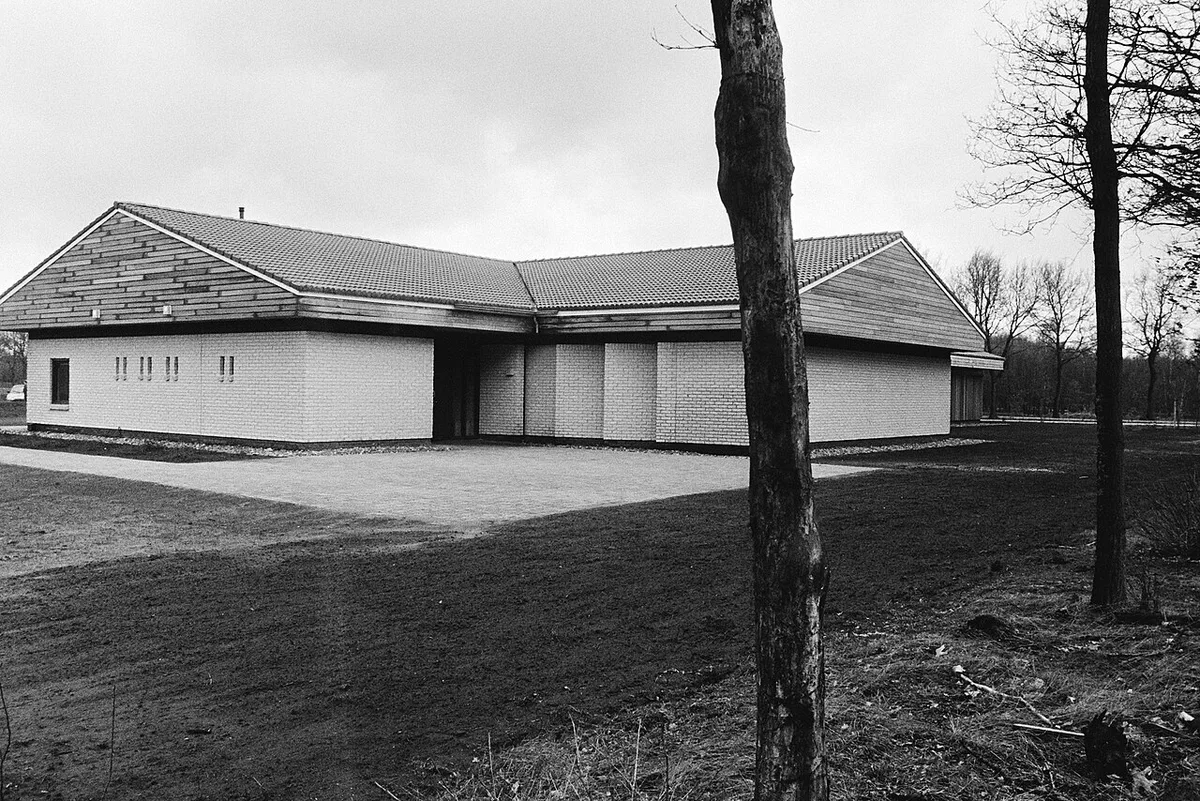
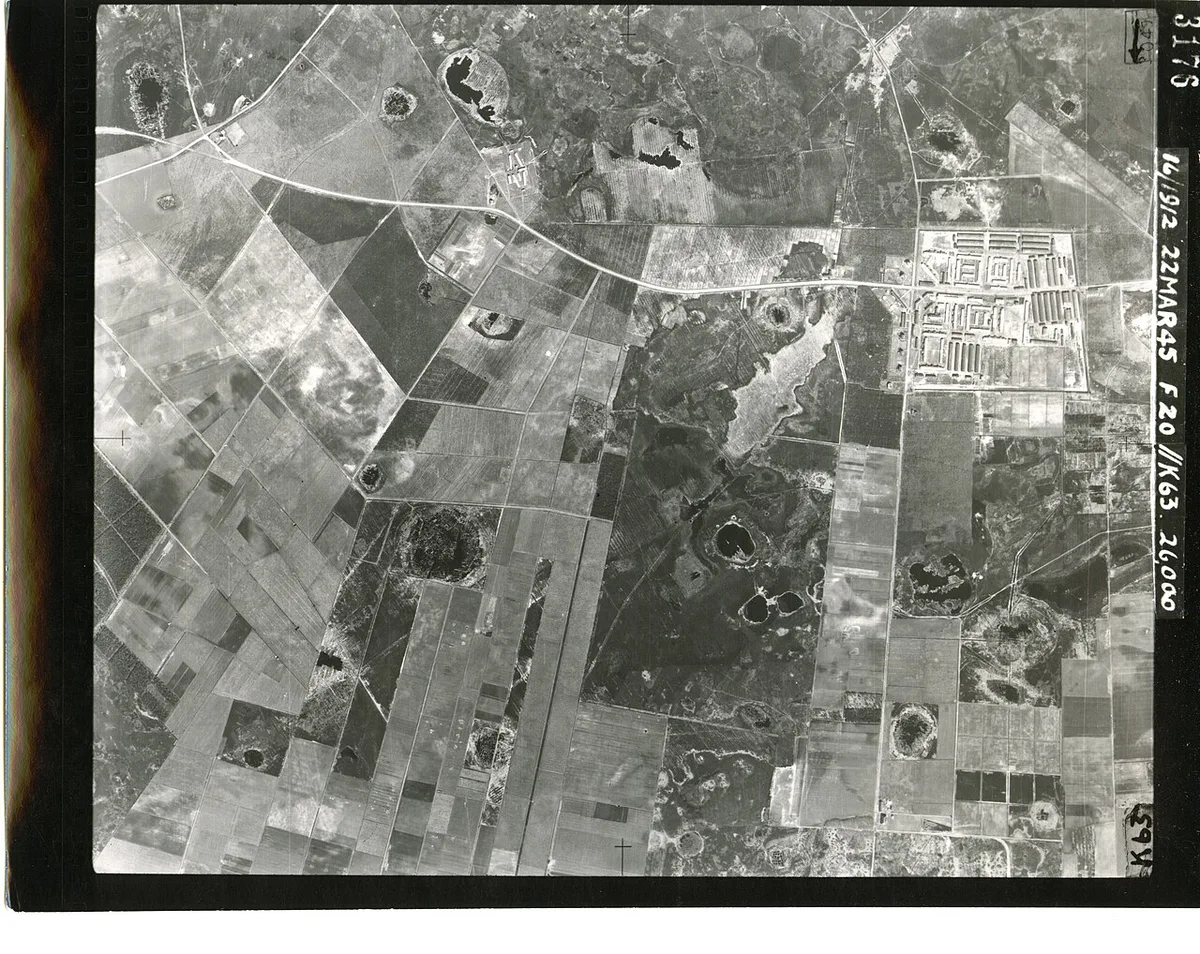
Construction began in August 1939 on uncultivated land at the edge of Westerbork municipality. The first Jewish refugees from Germany arrived on 9 October 1939. By the end of January 1940 the camp held 167 people, and by the end of April it held 749.
Few returned: about 5,000 survived from the roughly 107,000 deported through Westerbork, while more than 100 trains left for the East.
After the German invasion of May 1940, discipline tightened. On 1 July 1942 the camp was designated a transit camp, and barracks were added in large numbers. From 15 and 16 July 1942, trains left for camps in the East, and the first carried 2,030 people.
More than 100 trains ran in total. The last large transport left on 13 September 1944 for Bergen-Belsen with 279 people, including 77 children. Anne Frank was among those deported through Westerbork.
Canadian soldiers liberated more than 850 remaining Jewish prisoners on 12 April 1945. Afterwards the site served as an internment camp for suspected collaborators from 1945 to 1948. It then became a military camp, a home for repatriates from Indonesia, and the Schattenberg residential area for Moluccan families, until 1971. Since 1971 it has been a place of remembrance. Most buildings were demolished or sold from the mid-1960s, which explains how little stands today.
For comparison, the camps at Vught and Amersfoort tell different parts of the Dutch story.
What you can see today
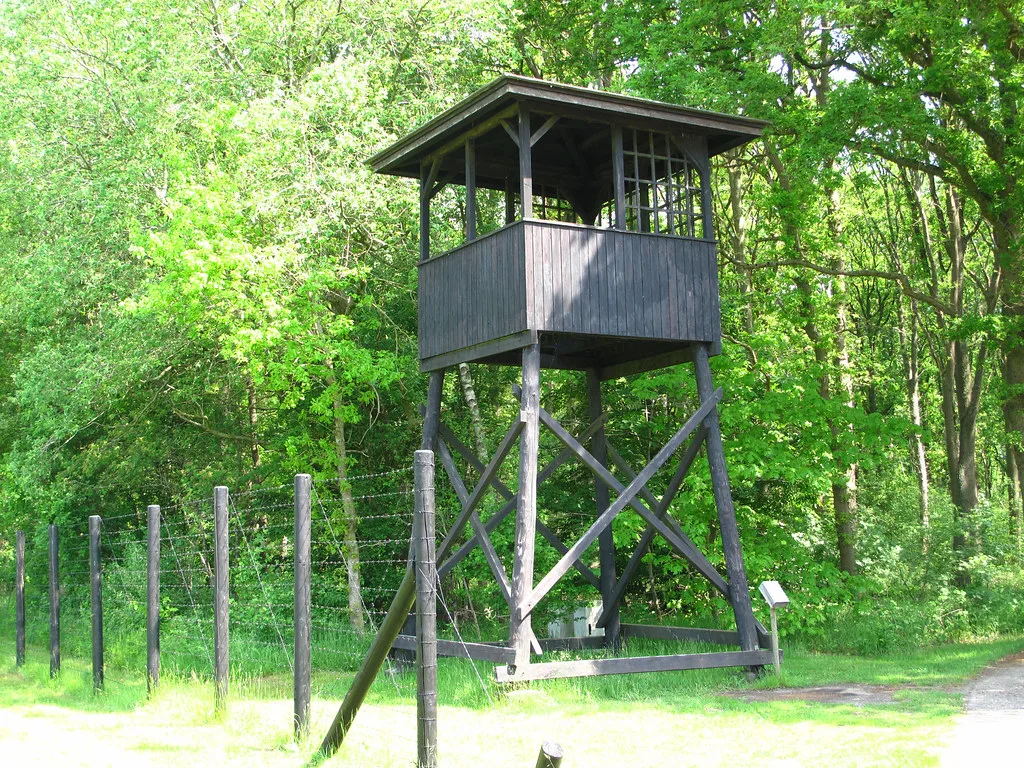
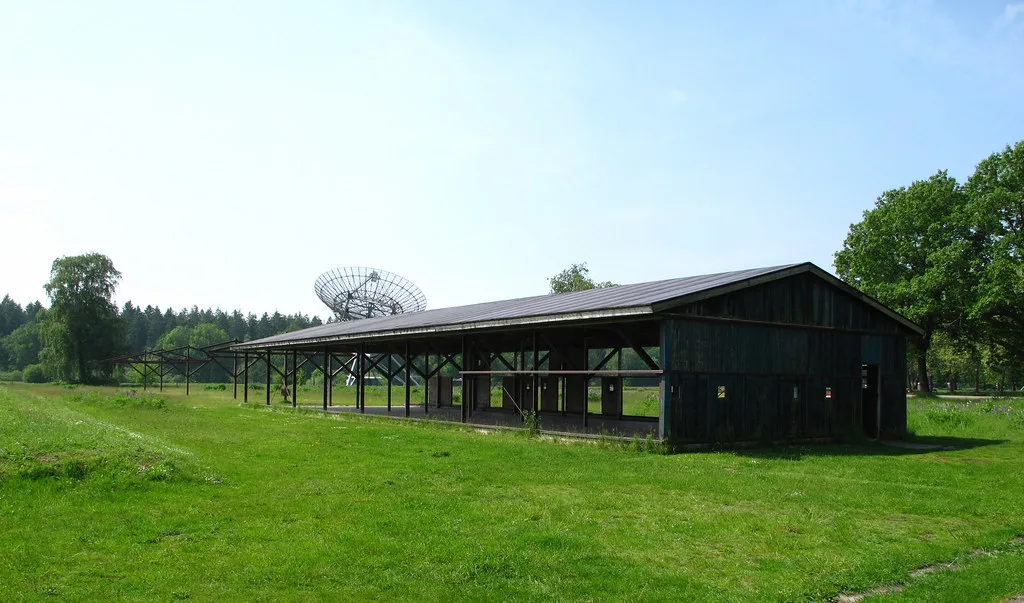
Do not expect preserved barracks. Visitors find a landscape, three monuments and an exhibition in the memorial centre. Forest and lupin planting trace the camp perimeter, and empty parcels of ground mark where buildings stood.
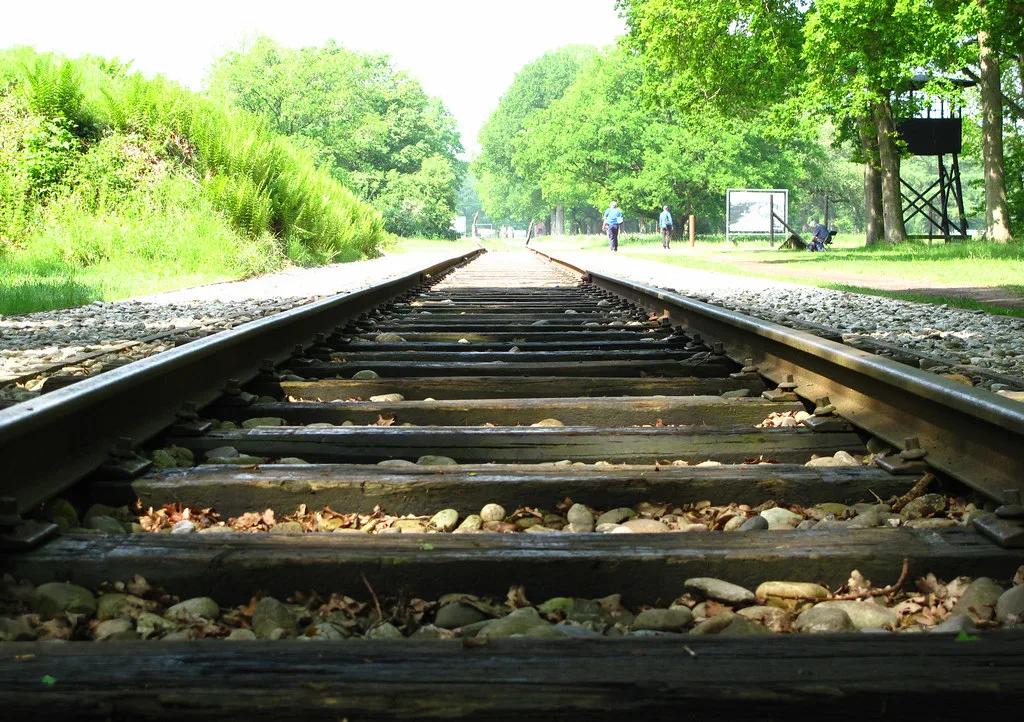
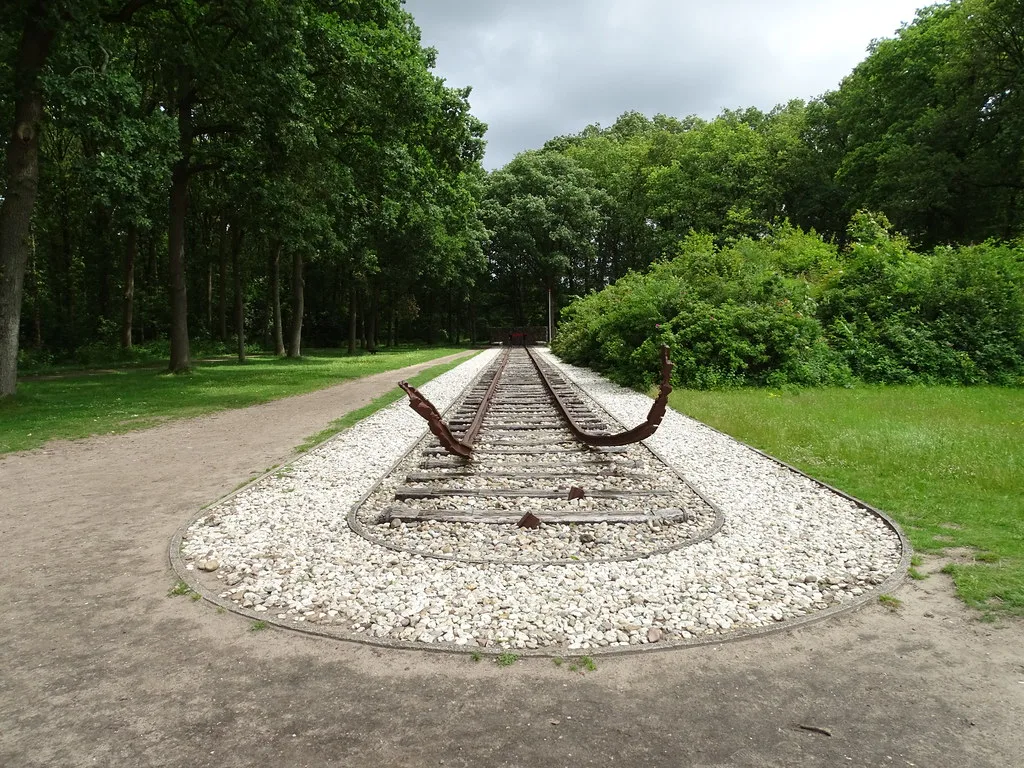
Audio devices and information placards guide you across the grounds. Conserved or symbolic rail infrastructure, including tracks and wagons, recalls the deportations. Three monuments together tell who the prisoners were, where the trains went and what survivors left behind.
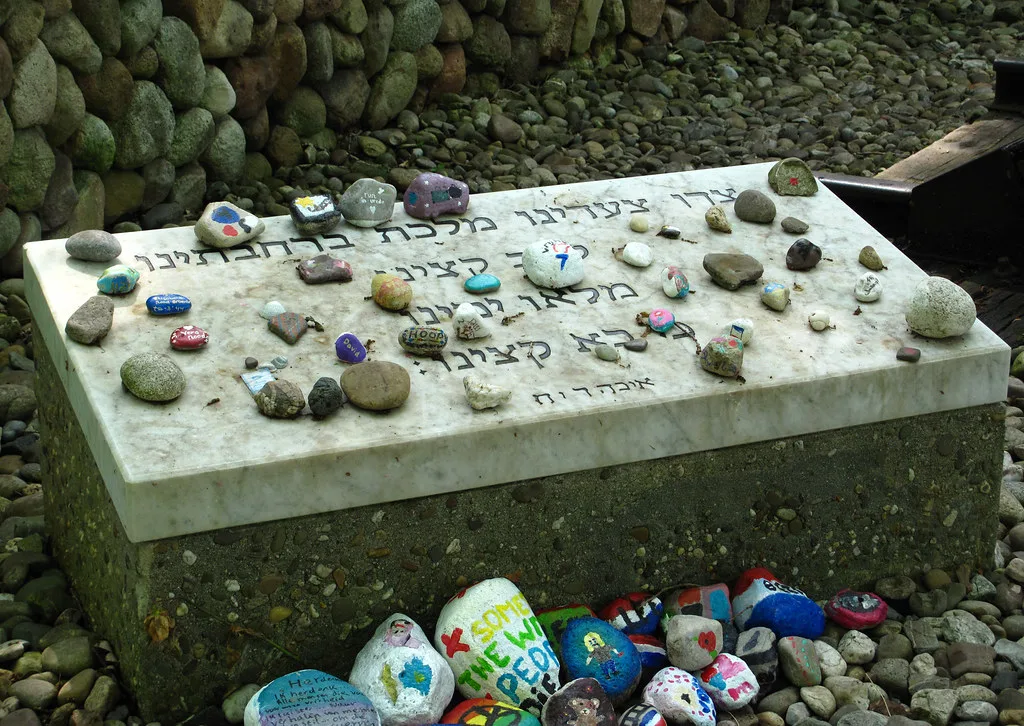
One monument is a set of lifted, warped rail tracks, created on the initiative of survivors' children. Another, <em>De 102,000 Stenen</em>, holds one stone for every person deported and murdered. Stones marking the Sinti and Roma community carry a flame. Details of the exhibition change over time, so check the official site for what is on now.
Is a visit right for you? Who it suits and how to prepare
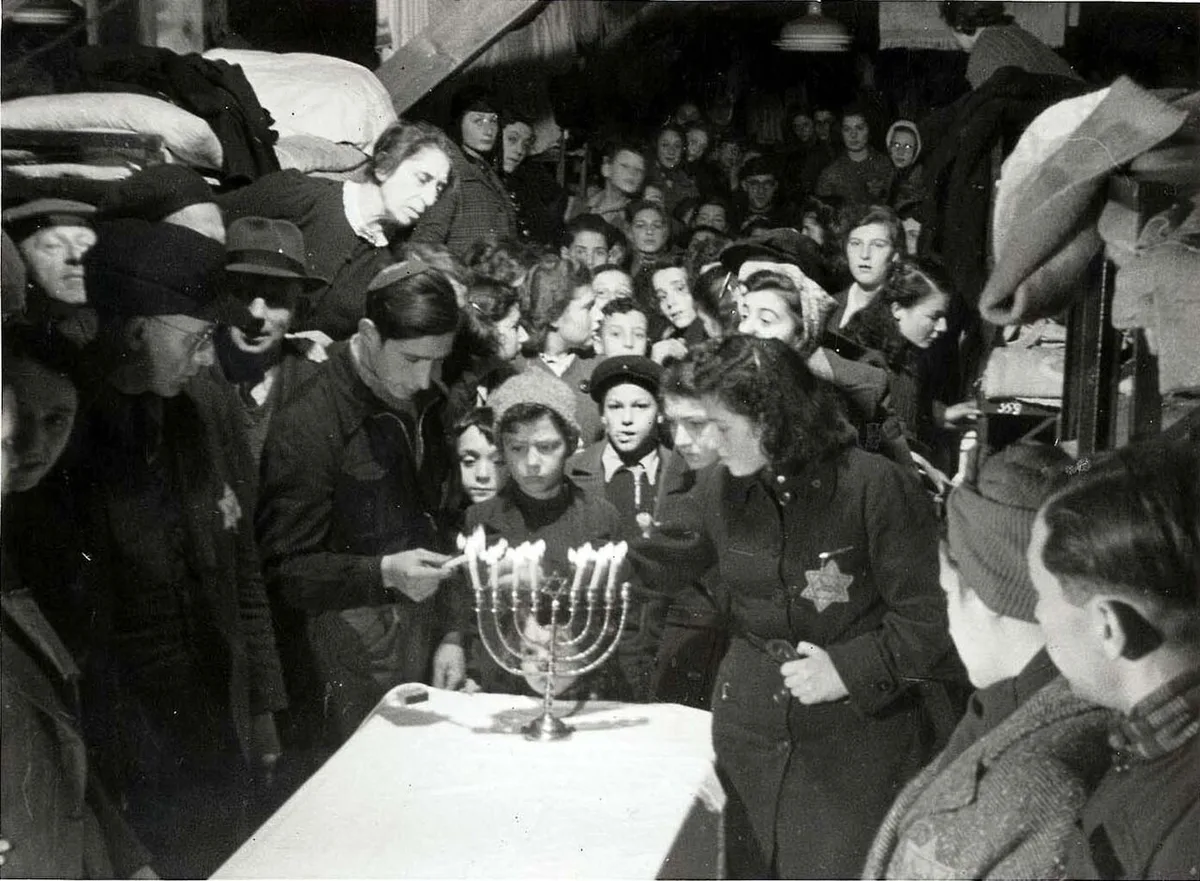
Kamp Westerbork suits readers who want to understand how deportation worked in the Netherlands. It works well for school groups, adults with an interest in the Second World War and families with older children. The site is quiet and sober, and it is not a spectacle. Younger children may find the subject hard, so read the official age guidance before you decide.
Of the 245 people held in barrack 69, 111 children under 18 were included, so read the 19 May 1944 story before bringing younger visitors.
- Families: choose the age of your children carefully and talk through the history beforehand.
- Teens and school groups: the exhibition and grounds work well for guided learning.
- History-focused visitors: allow extra time for the exhibition and the monuments.
- Short on time: do not skip the grounds, because they hold most of the story.
- Emotional readiness: plan a pause, such as a bench on the grounds or a short walk afterwards.
How to get to Kamp Westerbork
The site is rural, a few kilometres from the villages of Westerbork and Hooghalen, with few services close by. Assen is the nearest sizeable rail town. Travelers by train usually arrive in Assen and then continue by bus, taxi or bicycle. Check the official site for the current onward link, since local services change.
Drivers should look for parking details on the official site. Day trips are possible by route logic from Groningen, Zwolle or Amsterdam, via Assen. Stay in Assen or elsewhere in Drenthe if you want an unhurried morning, and see Visit Drenthe for regional options.
The memorial centre and the former camp grounds are separate places. Ask at the centre how the link between them runs today, as it affects your time and mobility.
Tickets, opening hours and how long to allow
The official site is the only reliable source for current ticket prices, opening hours and closing days. Older listings carry outdated hours and transport details, so do not rely on them. Prices and hours were not confirmed at the time of writing, so check before you travel.
A short visit covers only the centre. A standard visit pairs the centre with the grounds, and an extended visit adds a guided tour or a longer walk. Treat the times below as planning ranges, not published figures.
| Visit type | What it covers | Typical time | Cost |
|---|---|---|---|
| Short | Memorial centre only | Check official site | See official site |
| Standard | Centre plus former camp grounds | Check official site | See official site |
| Extended | Adds guided tour, walk or exhibitions | Check official site | See official site |
Best time to visit
Historically the centre has received more than 150,000 visitors a year, and the former camp site about 250,000. Those figures are older, so treat them as a guide to scale. School groups tend to come in spring and holiday families in summer. Visitors with a focused interest in the history come in autumn and winter.
If you prefer quiet, choose autumn or winter and dress for an exposed site. Lupin planting is part of the landscape, but check with the official site about flowering. Rain is common in Drenthe, so pack a waterproof layer whatever the season.
Remembering the Sinti and Roma, and the 19 May 1944 deportation
Several hundred Sinti and Roma were among those deported via Westerbork. On 16 May 1944, 578 Sinti, Roma and travelers were brought to the camp in a nationwide round-up. Of these, 245 people were held in barrack 69, which measured 80 by 10 meters. They included 111 children under 18.
On 19 May 1944 they were deported to Auschwitz-Birkenau. Only 31 of those deported on that date survived the war. The Encyclopedia of the Genocide of the Sinti and Roma covers the history in detail. At the site, stones marked with a flame honor the 245.
Visiting etiquette and practical tips
Treat the grounds as a place of mourning. Speak quietly, stay on marked paths and follow any rules posted at the entrance. Check the site's own conduct and photography rules on arrival. Wear sturdy shoes, since the site is outdoors and exposed to wind and rain. Food and facilities near the site are limited, so eat before you go or ask at the centre. Accessibility information is on the official site.
- Arriving late in the day, with too little time for the grounds.
- Assuming barracks are preserved, then feeling the site is empty.
- Skipping the grounds and seeing only the centre.
- Having no plan for rural transport back to Assen.
- Rushing afterwards with no time to reflect.
Nearby: more WW2 sites in the Netherlands
Other camps and museums fill out the national picture. Read about Dutch resistance and persecution for context on the occupation years. Canadian visitors may want to read about the Canadian war cemetery at Holten. Another page explains how liberation is marked each year. For a different region and a different kind of history, see the war museum at Overloon.
Keep planning
Guides on the same trip