Liberation Day Netherlands (5 May): Dates, Events and Planning
Liberation Day in the Netherlands falls on 5 May, the day after Remembrance Day. See how it is celebrated, where to go, and how to plan a visit.
In this guide
Last updated November 2026. Liberation Day Netherlands (Bevrijdingsdag) falls on 5 May each year and marks the end of German occupation in 1945. It follows National Remembrance Day on 4 May, so the date works as a two-day pairing of mourning and celebration. This guide covers how each day feels, where to spend 5 May, and who should pick a quieter week instead.
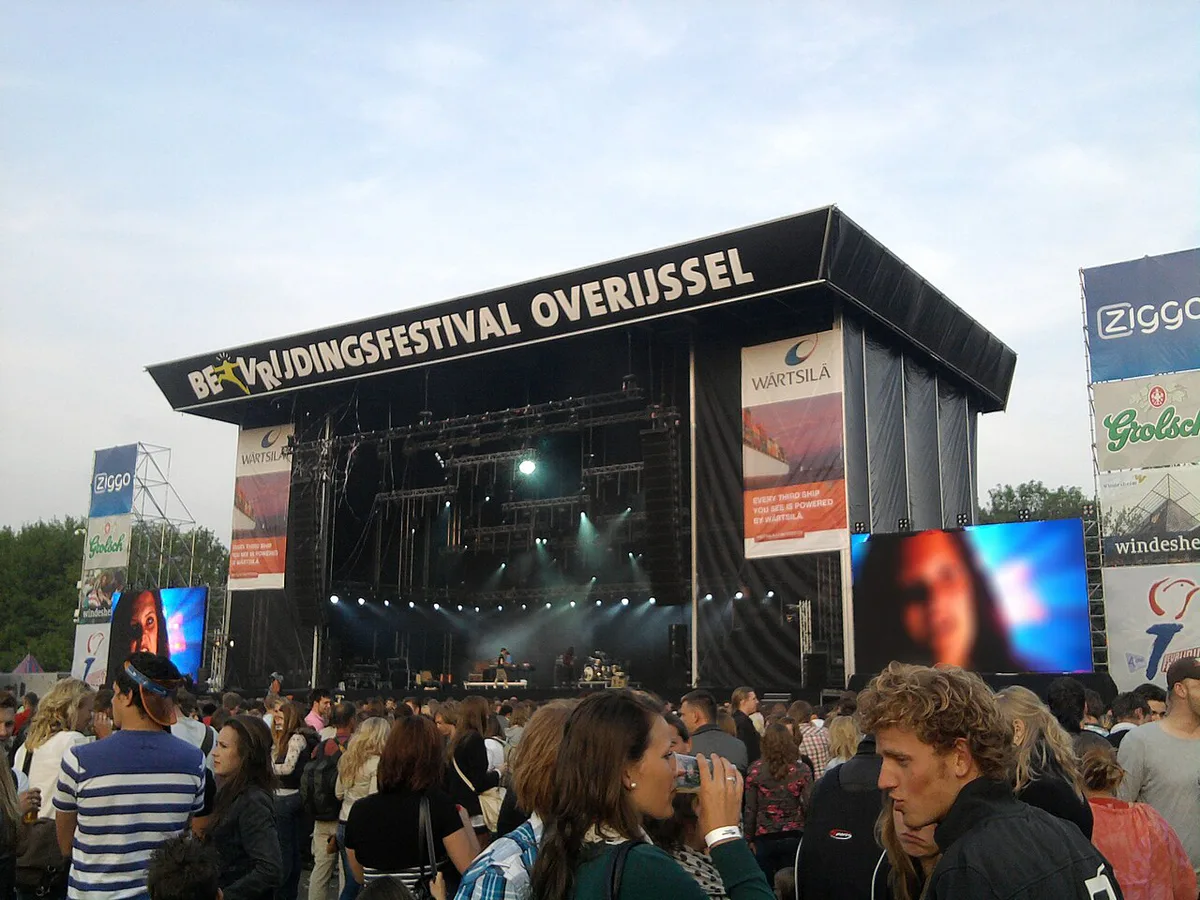
Featured image: Nummer 12, CC BY-SA 3.0, via Wikimedia Commons.
What Liberation Day in the Netherlands Is and When It Falls
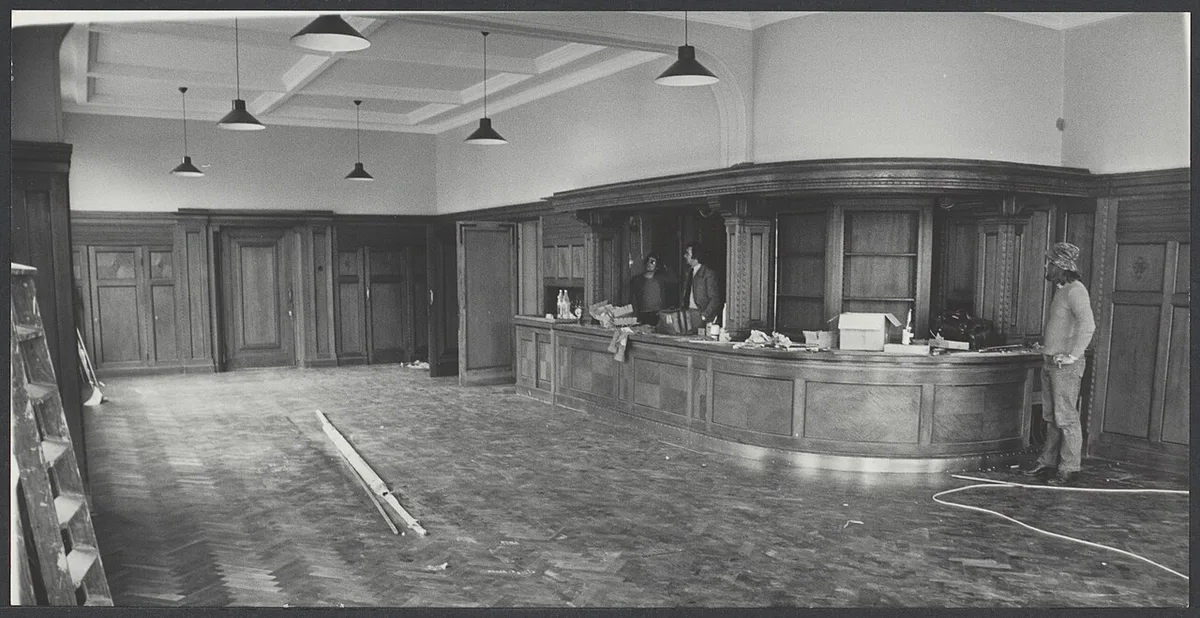
Bevrijdingsdag is held on 5 May and marks the end of German occupation in 1945. It comes the day after Dodenherdenking, the Remembrance of the Dead, on 4 May. Canadian General Charles Foulkes met German commander Johannes Blaskowitz at Hotel de Wereld in Wageningen on 5 May 1945. Accounts differ on whether the surrender paper was signed that day or the next, in a building beside the hotel at Wageningen University. After the war, Liberation Day was first marked every five years. It became an annual national observance in 1990. Do not assume a day off: whether your host, shop or museum closes is a local matter. For a wider map of the places tied to this history, start with our WWII sites in the Netherlands overview.
4 May to 5 May: What the Two Days Feel Like
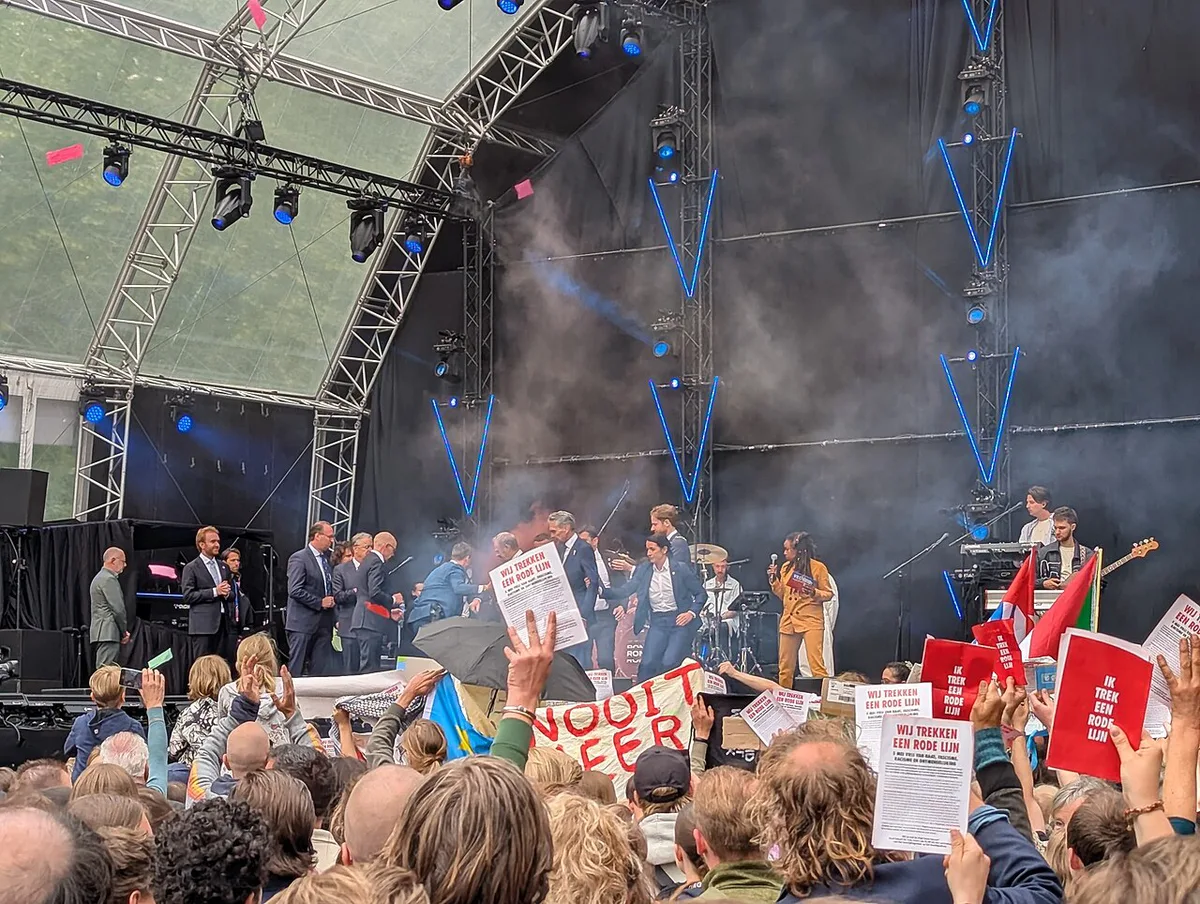
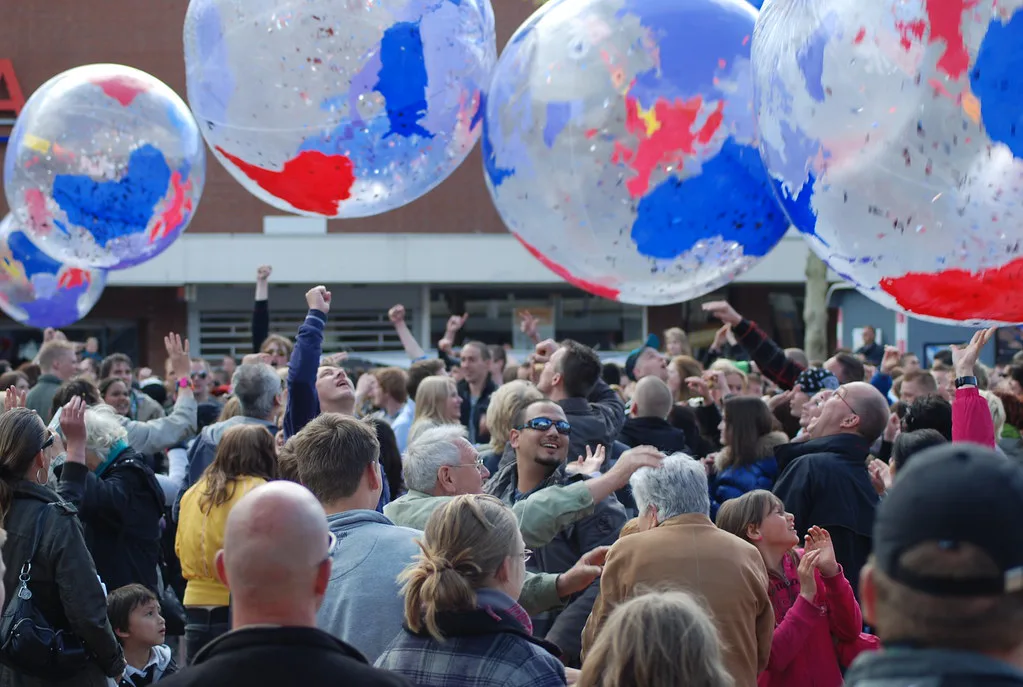
Evening on 4 May is quiet. The dead are commemorated at 8 p.m. with a two-minute silence. Visitors are welcome at public ceremonies, but this is mourning rather than an event. Stand still, put phones away and stop talking for the full two minutes. Do not film or take photos during the silence. Dress modestly at ceremonies. A day later the mood turns. In 1945, people danced, sang and waved the Dutch flag in the streets, and British and Canadian troops were welcomed as heroes. Today 5 May brings music, flags and festivals. Keep both days in mind when you pack and plan: the same people who stood silent on 4 May are celebrating on 5 May.
At 8 p.m. on 4 May a silence holds, while 5 May brings the crowds, so the two days feel very different.
How Liberation Day Is Celebrated Today
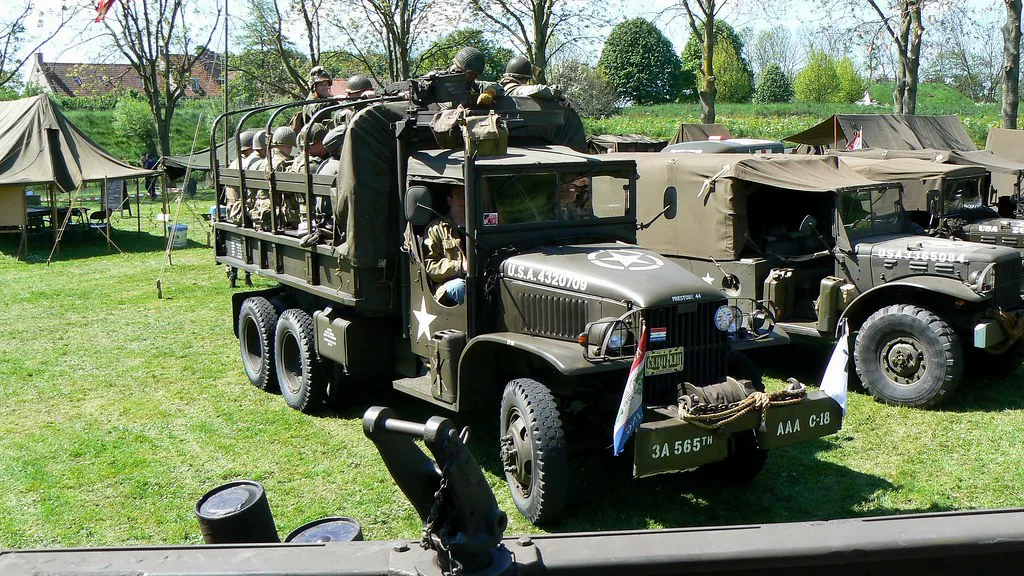
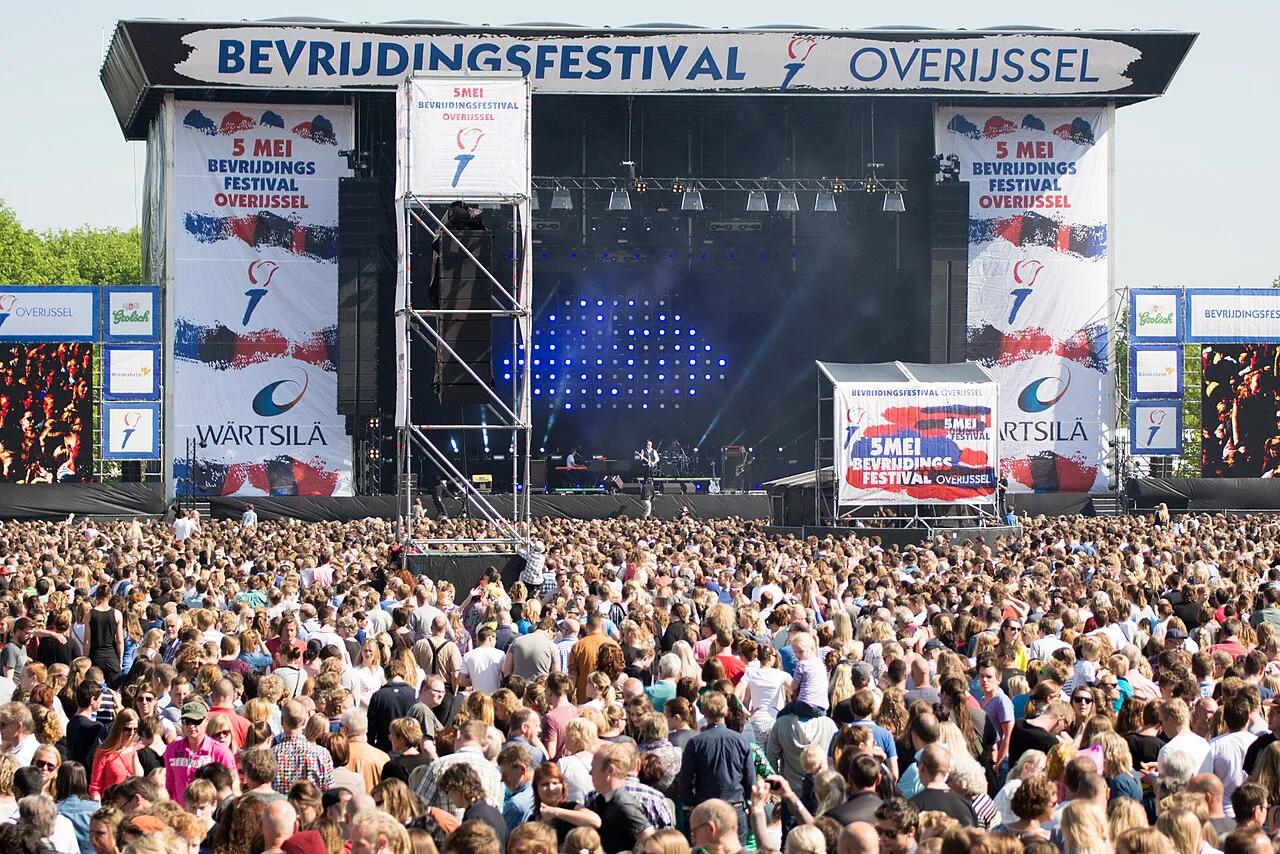
A national kick-off opens the day and moves to a different province each year. A prominent figure gives a speech, and the Liberation Flame is lit to signal that festivals can begin. Around 13 liberation festivals are held across the country each year. Veterans' parades and music stages are common. A "Vier Vrijheid" streamer flies alongside the Dutch flag. Locations change annually, so check the current year's list before you book. Holland.com is the official tourism starting point for visitors.
Where to Spend 5 May: Sites by Traveler Type

Match the site to your mood and stamina. Cemeteries and camp memorials suit 4 May reflection, while festivals and lighter museum visits fit 5 May. Check each venue's own page for any date-specific programme, because opening hours can differ around 4 and 5 May. Westerbork's official site is one example of where to look.
| Site | Best for | Mood |
|---|---|---|
| WWII sites overview | First-time visitors choosing a route | Mixed |
| Netherlands American Cemetery (Margraten): Visitor Guide | Military history and commemoration | Reflective |
| Canadian War Cemetery, Holten | The Canadian liberation story | Reflective |
| Overloon War Museum: Visitor Guide & Planning Tips | Battle and museum context | Mixed |
| Zeeland WWII sites | Battlefield landscapes and a longer drive | Reflective |
| Atlantikwall Museum, Scheveningen | Occupation defences on the coast | Mixed |
| Dutch Resistance Museum (Verzetsmuseum) Amsterdam Guide | Occupation and resistance in one city visit | Reflective |
| Kamp Westerbork Visit Guide: Getting There and What to Expect | Persecution history; heavy visit | Reflective |
| Kamp Vught: Visitor Guide, Hours, Tickets & History | Persecution history; heavy visit | Reflective |
| Kamp Amersfoort: Visiting the National Monument (Guide) | Persecution history; heavy visit | Reflective |
Planning a Trip Around 5 May
Book accommodation and trains early, because 4 and 5 May draw both locals and visitors. Expect holiday-style opening hours at some venues. Choose your base city first, then decide whether to travel out to a regional festival or memorial. A simple two-day sequence works well. Spend 4 May at one reflective site and be in position before the 8 p.m. silence. Use 5 May for a festival or a lighter museum. Camp memorials such as Kamp Vught: Visitor Guide, Hours, Tickets & History and Kamp Amersfoort: Visiting the National Monument (Guide) are heavy visits, so many travelers prefer 4 May for them. Our WWII sites guide helps with routing. Official pages such as Overloon's museum site list current hours. Avoid these mistakes:
Around 13 liberation festivals run nationwide each year, so pick a base city before choosing which regional festival to reach.
- Arriving on the evening of 4 May with no plan for the 8 p.m. silence.
- Expecting normal opening hours at museums and memorials.
- Leaving transport and accommodation until the day itself.
- Packing three heavy memorial visits into one day.
Liberation Day vs a Quieter Visit
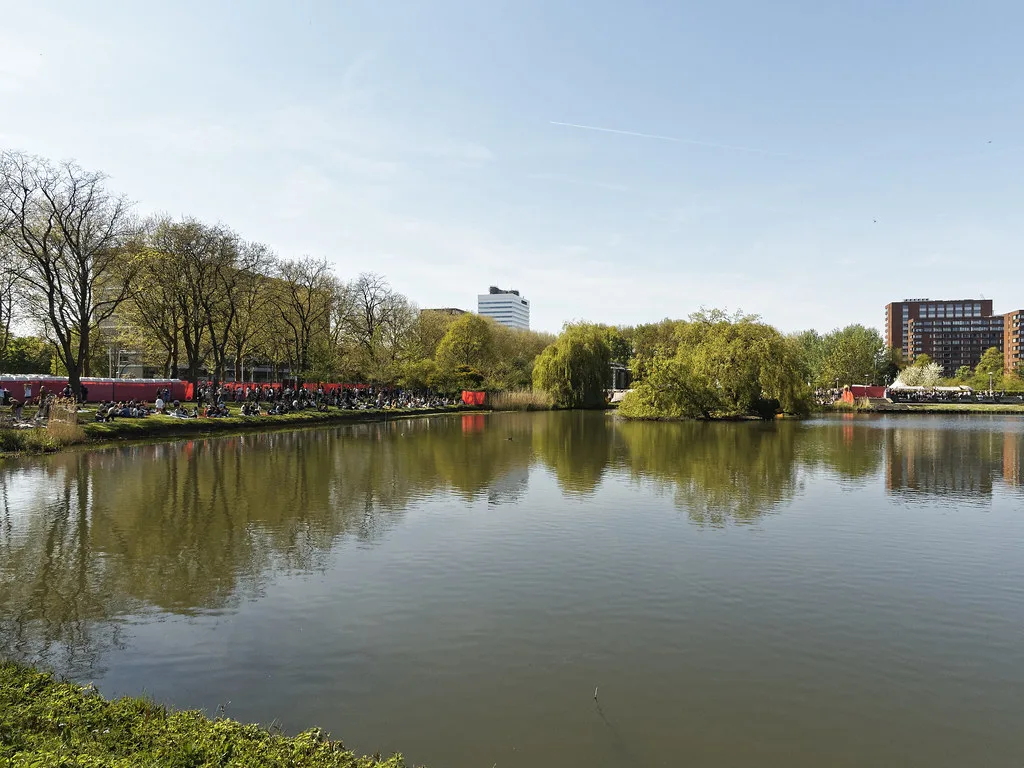
Visiting around 5 May gives you atmosphere: the 4 May silence, then music and flags on 5 May. The trade-off is crowds, tighter transport and fuller hotels. A quieter week gives easier access and longer, calmer time at museums and cemeteries. Skip the date if you want to study exhibits at length, or if you dislike crowds. Choose it if you want to see how the country remembers and celebrates.
Frequently Asked Questions
When was Holland liberated?
Liberation is marked on 5 May 1945, when German forces in the Netherlands agreed to surrender at Wageningen. Some parts of the country, especially the southeast, were freed earlier by Allied forces. 5 May is the national date.
Keep planning
Guides on the same trip