Battle of the Scheldt: Battlefield Sites to Visit in Zeeland
Battle of the Scheldt, 1944: what happened, why Antwerp mattered, and which Zeeland and West Brabant battlefields, museums and cemeteries to visit.
In this guide
Last updated November 2026: the Battle of the Scheldt (2 October to 8 November 1944) was the First Canadian Army campaign that cleared the Scheldt estuary and opened Antwerp to Allied shipping. Fighting spread across northern Belgium, Zeeuws-Vlaanderen, South Beveland, Walcheren and West Brabant, and you can follow it on the ground in Zeeland and West Brabant. Our guide sorts the campaign by place, so you can plan a day and fit it into a wider Netherlands WW2 trip.
Featured image: bertknot, CC BY-SA 2.0, via Wikimedia Commons.
Battle of the Scheldt in brief: what happened and why it mattered
Antwerp fell to the Allies in early September 1944 with its port largely intact. Ships still could not reach it, because German forces held the 95-kilometre Western Scheldt between the port and the North Sea. Walcheren, at the mouth of the estuary, had been fortified as part of the Atlantic Wall. Admiral Bertram Ramsay pressed Montgomery to treat the estuary as the priority, but attention went to Operation Market Garden in September. That delay gave German units time to dig in across Zeeland and North Brabant. Montgomery made the Scheldt the army's top priority on 16 October.
Operations started earlier than the main battle. Orders went to the First Canadian Army on 12 September, and first attacks on 13 September made little headway. Dates in this guide use 2 October to 8 November for the main battle.
Mine clearance took about three weeks after the fighting ended. On 28 November 1944 the first convoy, led by the Canadian-built freighter Fort Cataraqui, entered Antwerp, although some accounts give 29 November. From November 1944 to the end of the war in Europe, 2.5 million tons of supplies arrived through the port. That outcome explains why small Zeeland villages carry such large memorials.
Timeline of the battle: four operations
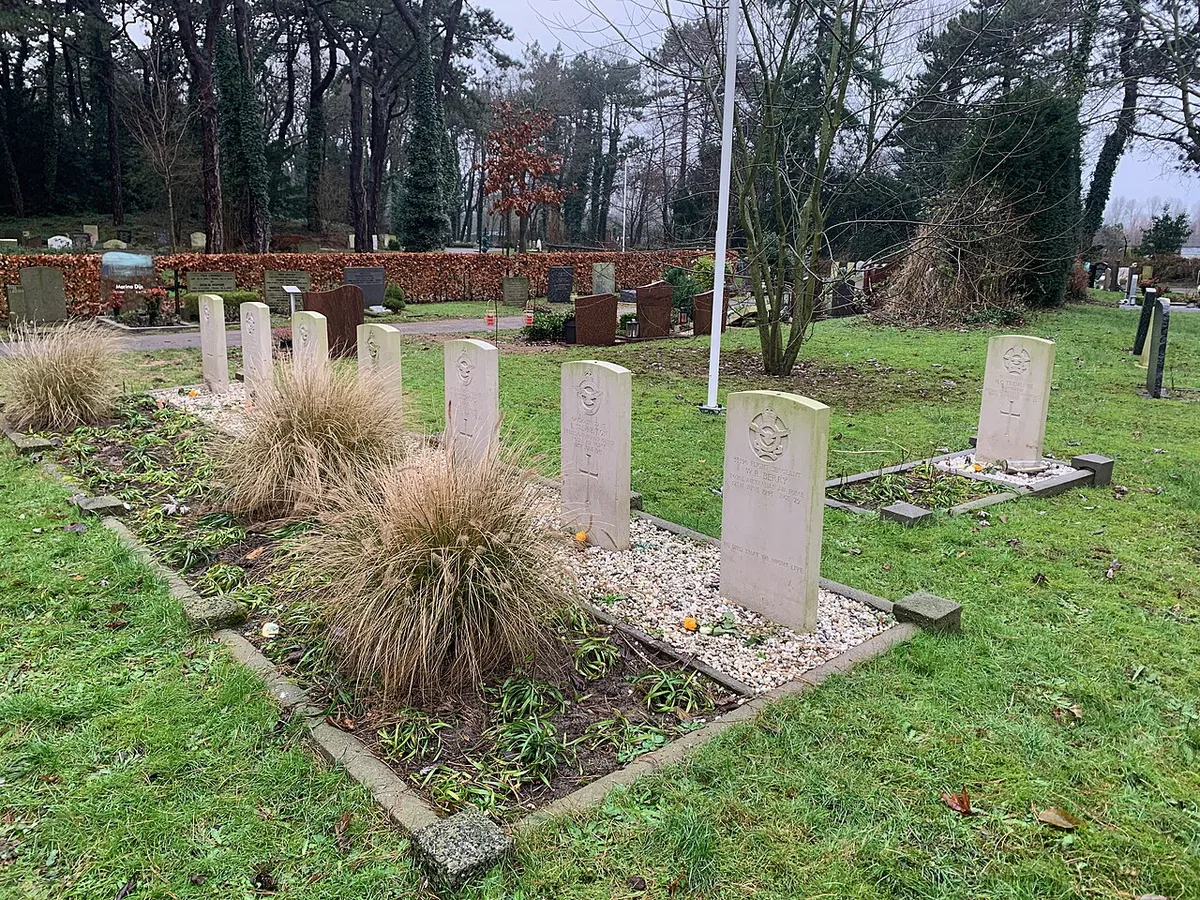
Planners split the task into four operations, and the sites in this guide follow the same split. Woensdrecht came first. The 2nd Canadian Infantry Division advanced north from Antwerp on 2 October and met stiff resistance there. On 13 October, known as Black Friday, the Black Watch of Canada lost 145 men in a single attack. On 16 October the Royal Hamilton Light Infantry reached the mound above Woensdrecht and held it.
South of the estuary, the 3rd Canadian Infantry Division began crossing the Leopold Canal on 6 October. An amphibious assault around 8 and 9 October, using Buffalo and Alligator vehicles, broke the German hold. Operation Switchback was recorded complete on 3 November.
North of the estuary, troops entered the South Beveland isthmus on 24 October and landed by water on the night of 25 to 26 October. Walcheren followed. The attack on the causeway began on 31 October, landings at Westkapelle and Flushing came on 1 November, Middelburg was secured on 6 November, and all opposition ended by 8 November.
| Operation | Area | Key dates (1944) | What happened |
|---|---|---|---|
| Woensdrecht and the approach north of Antwerp | Woensdrecht, Hoogerheide, Bergen op Zoom | 2 to about 16 October | 2nd Canadian Division fights north over flooded, open ground; Black Friday on 13 October |
| Operation Switchback | Leopold Canal and the Breskens pocket (Zeeuws-Vlaanderen) | 6 October to 3 November | Canal crossing, amphibious landings near Hoofdplaat, then clearing of coastal bunkers |
| Operation Vitality | South Beveland | 24 October to early November | Advance along the isthmus plus landings by water on the night of 25 to 26 October |
| Operation Infatuate | Walcheren | 31 October to 8 November | Causeway assault, landings at Westkapelle and Flushing, capture of Middelburg on 6 November |
Who fought and what it cost
Lieutenant-General Guy Simonds commanded the First Canadian Army during the battle, replacing General Harry Crerar, who was ill. The army was international in character. It included II Canadian Corps, British I Corps with the 52nd Division and the 1st Polish Armoured Division, with Belgian, Dutch, Norwegian, French and American units attached at times.
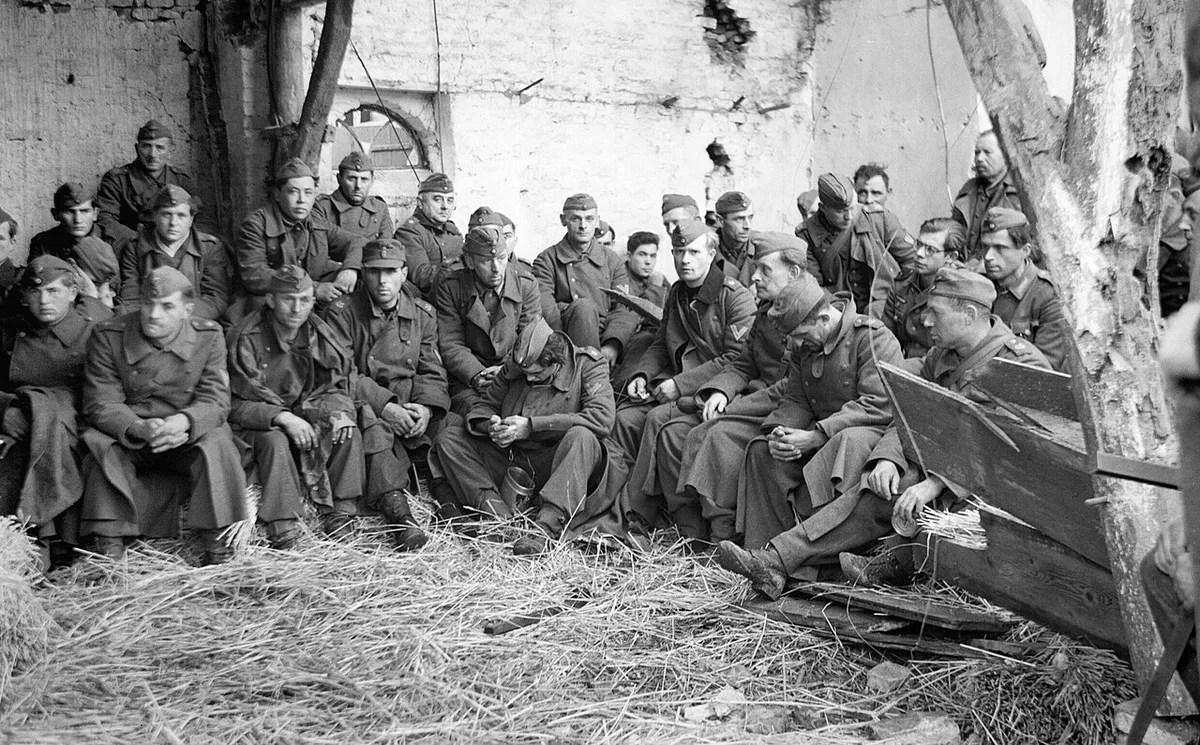
Veterans Affairs Canada puts First Canadian Army casualties at 12,873 killed, wounded or missing, including 6,367 Canadians. Other tallies give 20,873 total Allied casualties. Allied forces took 41,043 prisoners. All of these are casualty figures, so do not read them as death counts.
Battlefield map: where to go by sector
Four sectors cover the battle, and each suits a different kind of trip. Sectors are separated by estuary, canal and polder, so plan one or two per day rather than all four. Museum details below come from the Liberation Route listings, so confirm opening arrangements locally.
| Sector | Time needed | Access | Season | Indoor or outdoor | Best for |
|---|---|---|---|---|---|
| Hoogerheide, Woensdrecht, Bergen op Zoom | Half to full day (editorial estimate) | Car; bus check locally | Year-round for outdoor sites | Mostly outdoor | Canadian-descendant visitors, history buffs |
| Zeeuws-Vlaanderen | Full day (editorial estimate) | Ferry or tunnel across the Western Scheldt, then car or bike | Museum hours check locally | Mixed | History buffs, cyclists |
| South Beveland | Half day (editorial estimate) | Car; check locally | Check locally | Mostly outdoor | History buffs |
| Walcheren | Full day (editorial estimate) | Causeway or tunnel, then car or bike | Museum hours check locally | Mixed | Families, cyclists |
- Sector 1, Hoogerheide, Woensdrecht and Bergen op Zoom (north of Antwerp). This is the advance that began on 2 October. Hill 19.7 at Woensdrecht marks the mound the Royal Hamilton Light Infantry held on 16 October. Hoogerheide's Devastated Corner roundabout was the scene of street fighting. Bergen op Zoom adds Lincoln Bridge and the Canadian war cemetery on Plein XIII. Best for Canadian-descendant visitors and history buffs.
- Sector 2, Zeeuws-Vlaanderen and the Breskens pocket. Operation Switchback ran from 6 October to 3 November. War Museum Switchback covers the liberation of the western part of the region. Landing beaches at Paulinapolder and Biervliet mark the amphibious crossing of 8 to 9 October. Bunkers at Stützpunkt Cadzand-Badhuis and around Groede show the coastal defences Canadians reached in late October. Axel holds the Polish Field of Honour, The Dying Pole, Szydlowski Square and the Polish Cross. Best for history buffs and cyclists.
- Sector 3, South Beveland. Operation Vitality began on 24 October. Scottish troops landed at Amber Beach and Green Beach on the night of 25 to 26 October. Kapelle has the French Military Cemetery and Memorial 40-45, a home museum about the French fighting of 1940. Goes works as a base town. Best for history buffs with a car.
- Sector 4, Walcheren. Operation Infatuate ran from 31 October to 8 November. The Sloedam was the only land approach, about 1,000 metres long and 45 metres wide. Westkapelle has the Polderhuis Museum, and Zoutelande has Bunkermuseum Zoutelande on the Atlantic Wall. Veere tells the dyke-breach story. Vlissingen (Flushing) and Middelburg complete the island. Best for families, who can use the indoor museums, and for cyclists.
- Cross-border extras such as Adegem Canadian War Cemetery lie in Belgium and fall outside this guide.
Why the terrain explains the sites
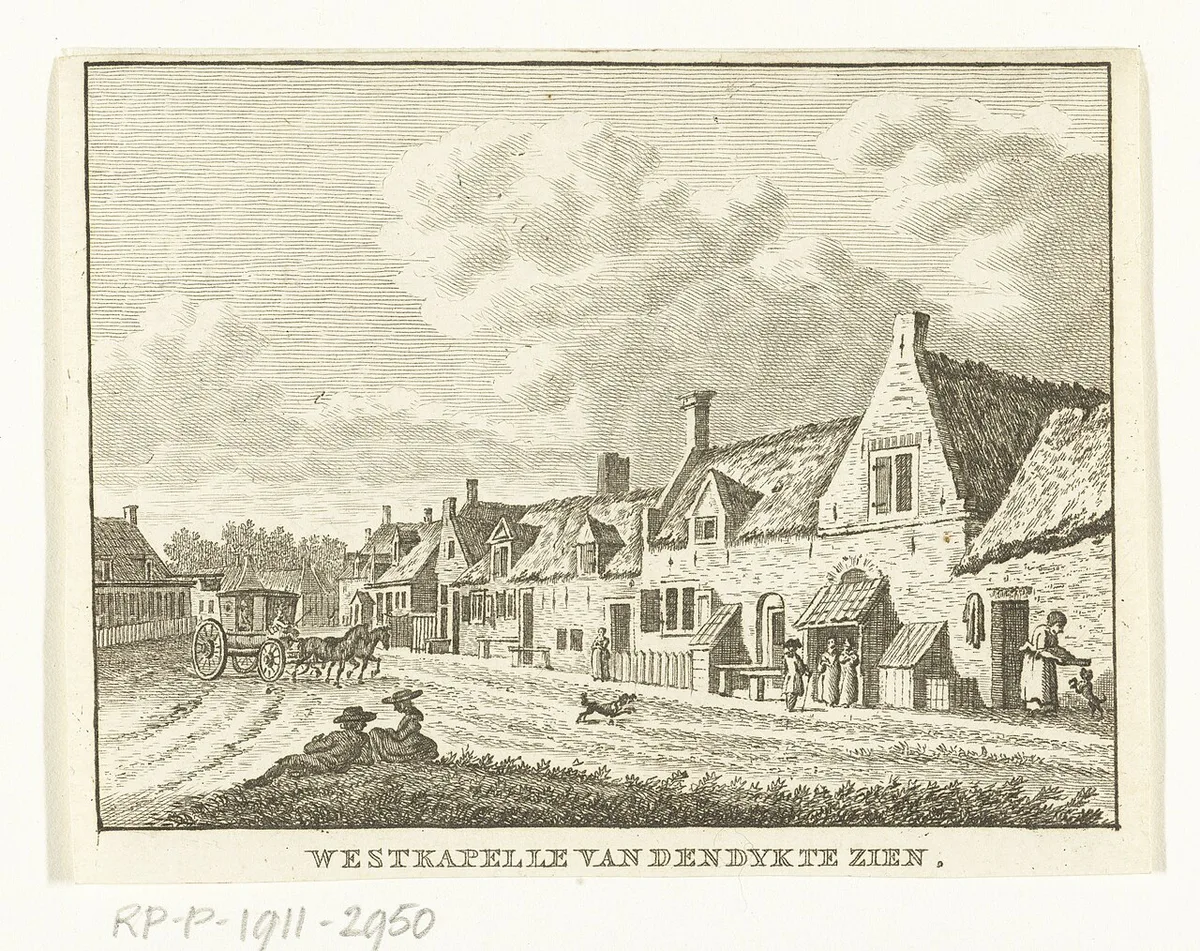
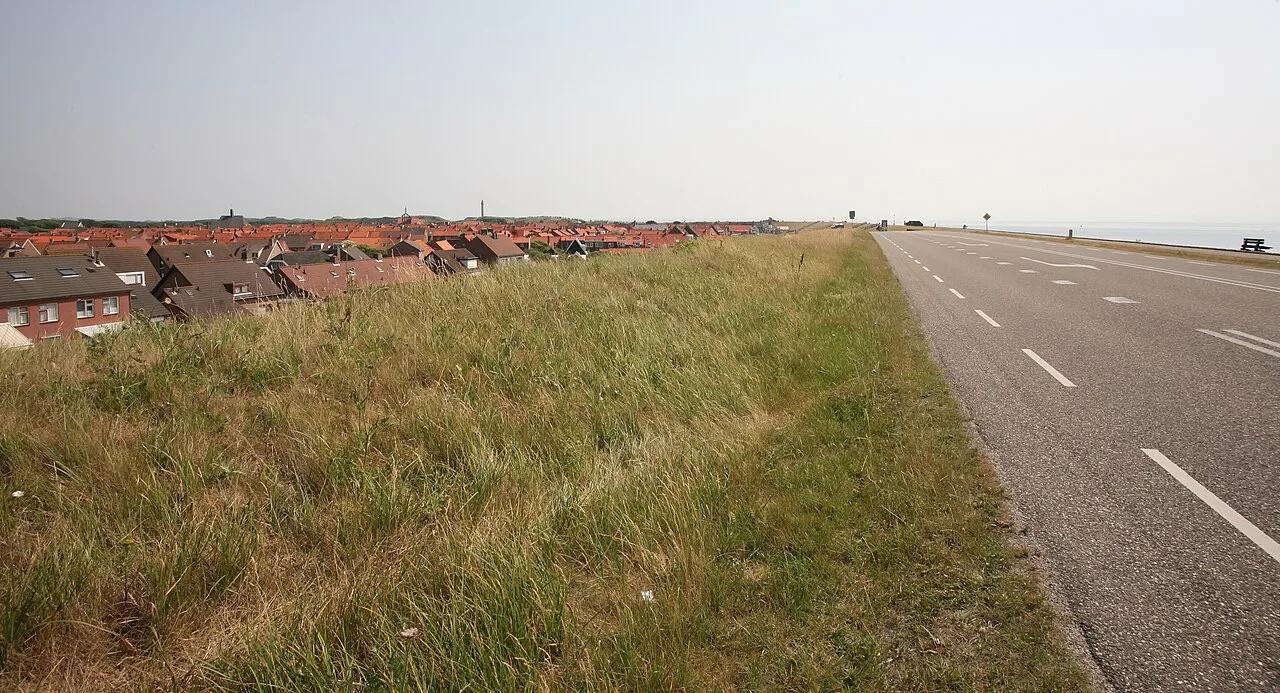
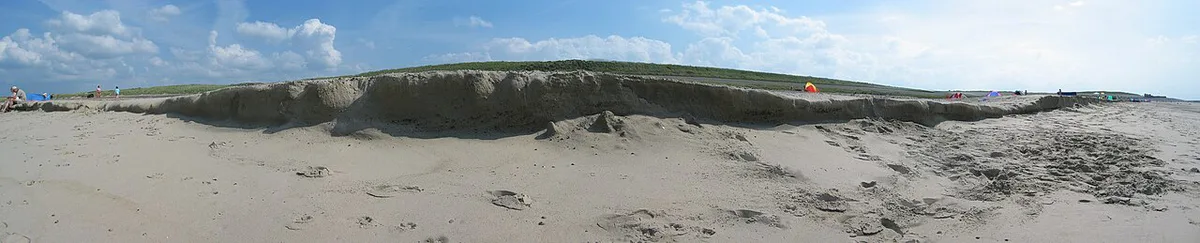
Polders explain almost every stop on this list. Much of the ground is flat and below sea level, ringed by dykes, with roads running along dyke tops four or five metres high. Nothing moving there goes unseen. Walcheren and Breskens were the two strongest German positions. Expect open, exposed ground and wind on any walk.
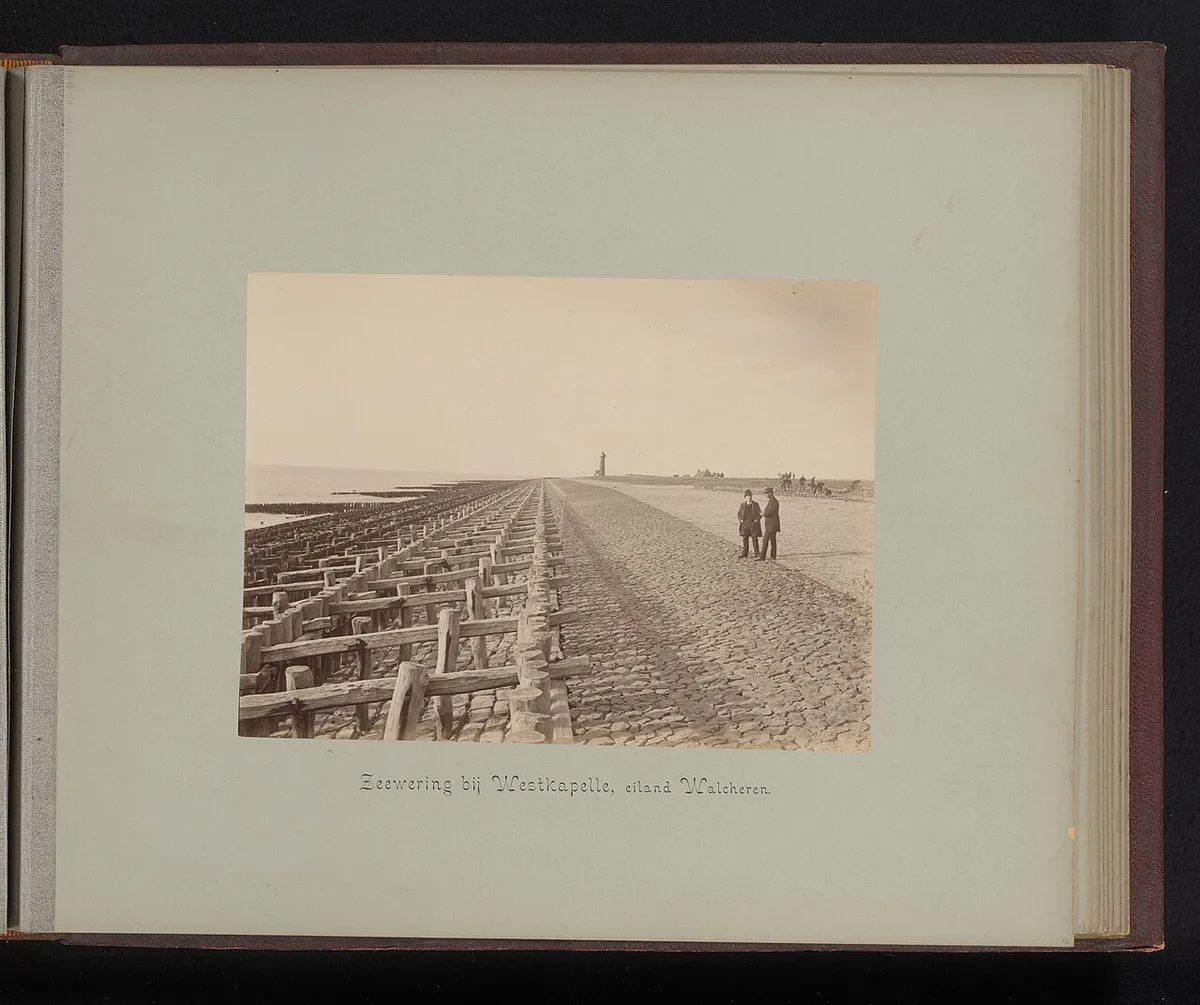
Water became a weapon for both sides. German forces flooded land to slow the advance. Liberation Route Europe reports that 247 Lancaster bombers hit the Westkapelle sea dyke on 1 October 1944 to flood Walcheren's centre. That flooding allowed Buffalo and Alligator amphibious vehicles to operate, and Veere has a story point for the dyke breach.
Civilians lived inside the battlefield. Breskens was bombed on 11 September 1944. Oostburg was almost completely destroyed, and a Polish shell hit Hulst days before the border crossing, causing six civilian casualties. Zuidzande saw no joyful liberation after Oostburg fell on 27 October. For the German coastal defences behind much of this, the Atlantic Wall museum in Scheveningen gives useful context.
How to plan your time: 1-, 2- and 3-day routes
Geography sets the pace more than the number of stops. Zeeuws-Vlaanderen is reached by ferry or tunnel across the Western Scheldt, and Walcheren by the causeway or tunnel. Check crossing operators for current schedules and fares before you commit to a tight day.
Sloedam, Walcheren's only land approach, is about 1,000 metres long and 45 metres wide, which is worth knowing before your day-two route.
- 1 day: Base yourself around Bergen op Zoom. Start at the Canadian war cemetery on Plein XIII, then drive to Hoogerheide and Hill 19.7. This covers the campaign's opening phase on one compact loop.
- 2 days: Add Walcheren. Use day two for the Sloedam, Westkapelle, Zoutelande, Vlissingen and Middelburg, with the Polderhuis Museum or the bunker museum as an indoor stop.
- 3 days: Add Zeeuws-Vlaanderen. Give day three to Axel, Oostburg, the Paulinapolder and Biervliet beaches, and the Cadzand and Groede bunkers. Keep South Beveland for the drive between day one and day two.
Mistakes to avoid on a Scheldt battlefield trip
Four planning errors cost visitors the most time.
Keep the 95-kilometre Western Scheldt in mind: Zeeuws-Vlaanderen is reached by ferry or tunnel across it.
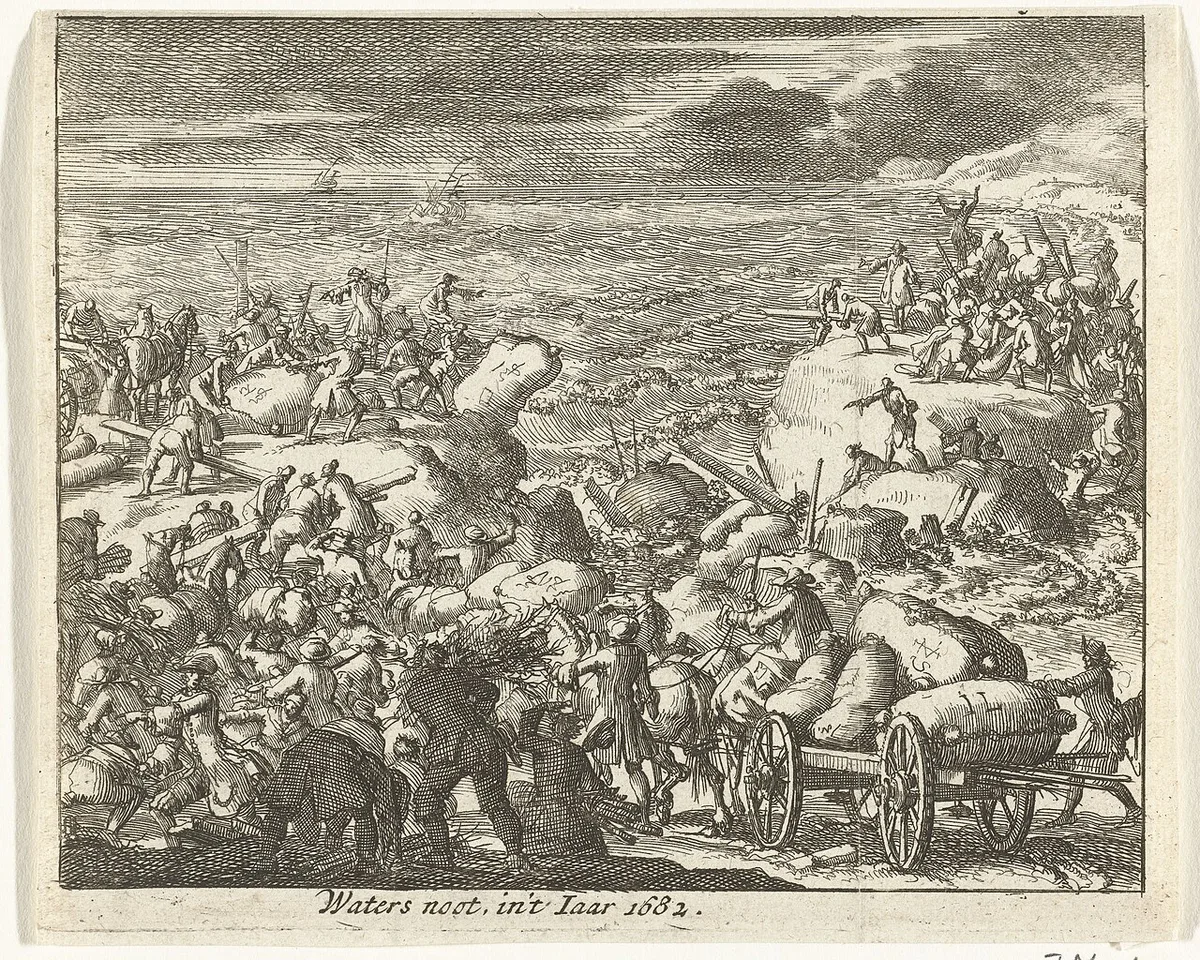
- Treating the sites as one tight cluster. Estuary crossings and polder roads stretch every transfer.
- Ignoring opening-hour and seasonal closures. Several museums are small, local and independently run.
- Assuming Antwerp is the base. The sites lie in Zeeland and West Brabant, so base in Middelburg, Vlissingen, Bergen op Zoom, Breskens or Goes.
- Skipping the terrain. Dyke-top roads are flat and exposed, so pack for wind and rain.
Costs, tickets and opening hours
No admission prices or opening hours are quoted here because they change by site and season. Check each museum's own website, and use Visit Noord-Brabant for West Brabant listings.
Getting around and where to stay
A car gives the most flexibility, because sites are scattered across polders and villages. Cycling suits Walcheren and Zeeuws-Vlaanderen well, though dyke-top roads are exposed to wind. Public transport options for individual sites need checking locally.
Base towns include Middelburg, Vlissingen, Bergen op Zoom, Breskens and Goes. Liberation Route Europe lists a 527-kilometre hiking route for this battle, which shows how widely the sites spread across the 95-kilometre estuary region. Accommodation prices and availability change by season, so check booking sites directly.
Cemeteries, memorials and remembrance
Start with Bergen-op-Zoom Canadian War Cemetery, which holds 1,116 soldiers including 968 Canadians. Most Canadians who died in the battle lie in two Commonwealth cemeteries, and this is the one in the Netherlands. It stands on Plein XIII, once a training ground for the city's garrison.
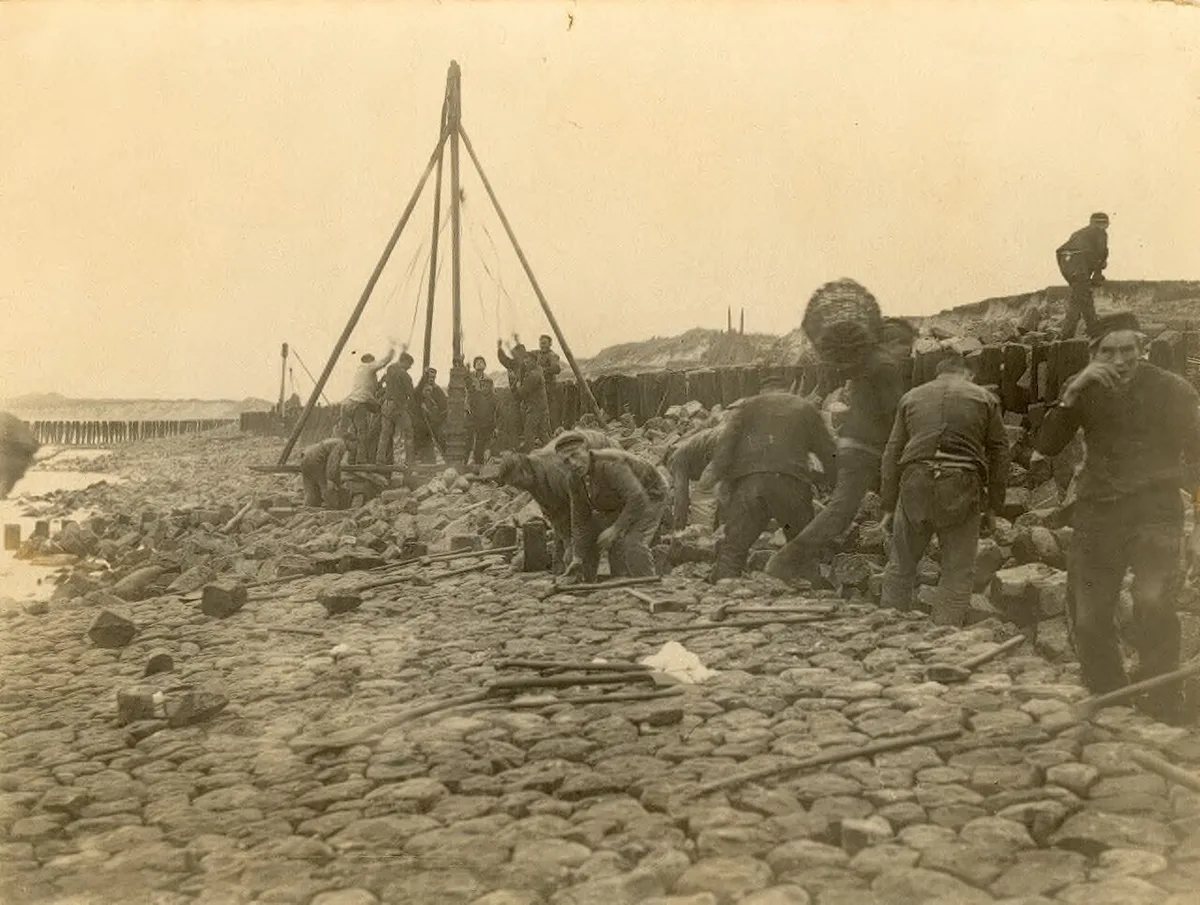
Axel honours the First Polish Armoured Division, which liberated the town. Its Polish Field of Honour lies in the General Cemetery. The Dying Pole and Szydlowski Square stand in the town centre, and the Polish Cross marks soldiers who died on 17 September 1944 forcing a crossing. Axel marked the 75th anniversary of its liberation in 2019.
These are places of mourning, so keep voices low and stay on paths. Follow posted signs at each cemetery and monument, and check the Commonwealth War Graves Commission site for visiting guidance.
Where this fits in a wider Netherlands WW2 trip
Zeeland's liberation was gradual, and how liberation unfolded nationwide shows how different the timing was elsewhere. For the country-wide picture, start from the country-wide WW2 sites overview.
The Canadian cemetery at Holten in the east belongs to a different campaign. Southern campaigns continue at the war museum at Overloon, in the Operation Pheasant area of North Brabant. The official museum site has current details. The American war dead cemetery covers another part of the southern story. For civilian and resistance themes, see the resistance and civilian story.
Other WW2 themes sit outside the Scheldt story. See the Westerbork transit camp. See the Vught camp history. See the Amersfoort camp memorial.
Frequently Asked Questions
How many Canadian soldiers died in the Battle of the Scheldt?
Sources give casualty figures, not a single death count. Veterans Affairs Canada reports 6,367 Canadian casualties, meaning killed, wounded or missing. Bergen-op-Zoom Canadian War Cemetery holds 968 Canadian graves.
What was the worst battle for Canada in WWII?
Liberation Route Europe calls the Scheldt the bloodiest battle Canada fought in the Second World War. Canadian losses were compared with Passchendaele in the First World War. Historians weigh such comparisons differently, so treat it as one view.
Keep planning
Guides on the same trip