
Visit Fort Douaumont: History, Access and Planning
Fort Douaumont was the largest fort in Verdun's ring and changed hands twice in 1916. See what's inside, how to plan the visit and what to combine it with.
In this guide
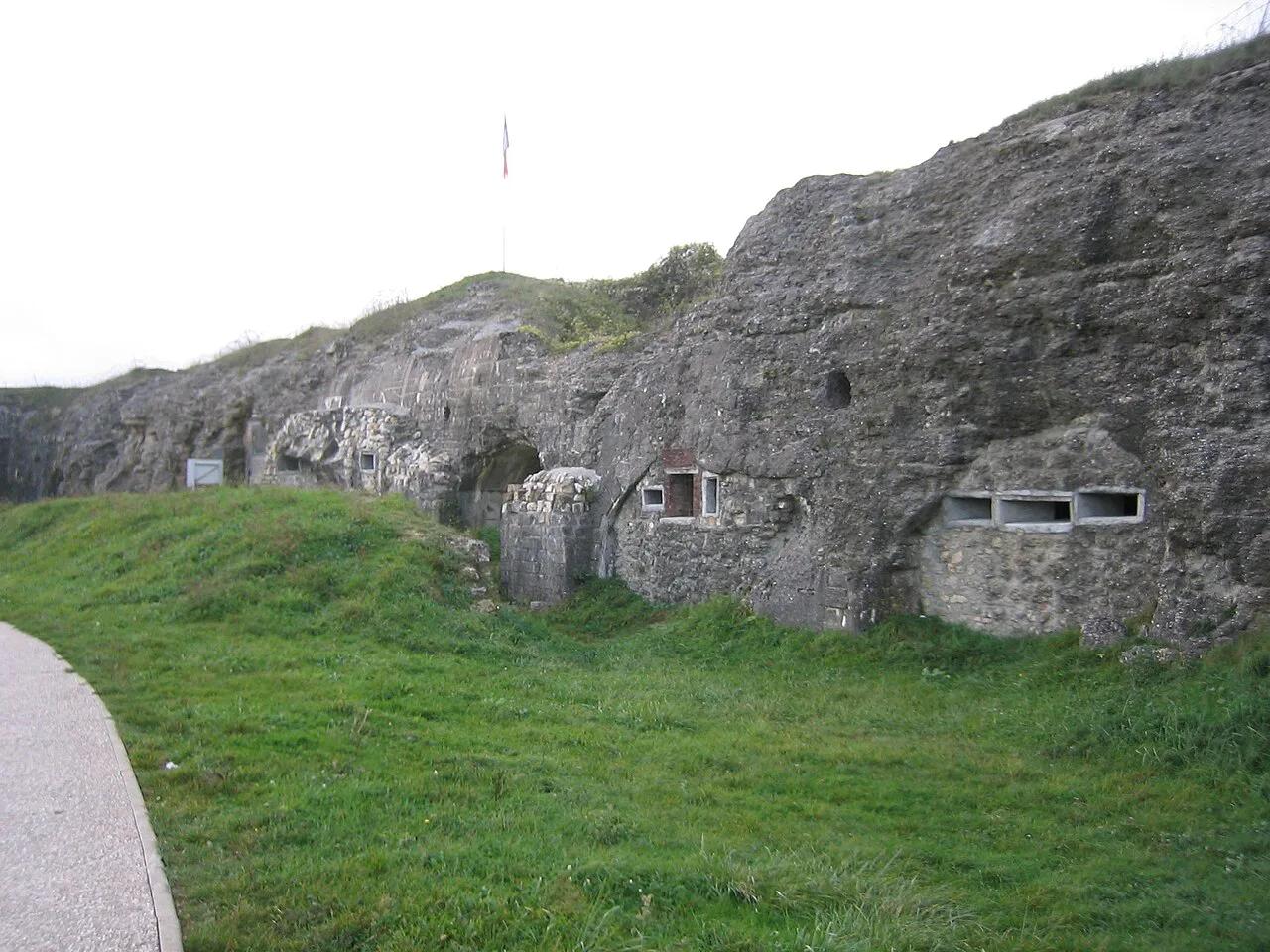
Last updated November 2026: Fort Douaumont is the largest of the forts built around Verdun, and visitors can go inside it. Construction began in 1885, and German troops took it in February 1916. Next door stands the Douaumont Ossuary: Visiting Guide and What to See, a separate site with its own visit.
Featured image: historicair 11:41, 15 October 2006 (UTC), CC BY-SA 3.0, via Wikimedia Commons.
Fort Douaumont at a glance
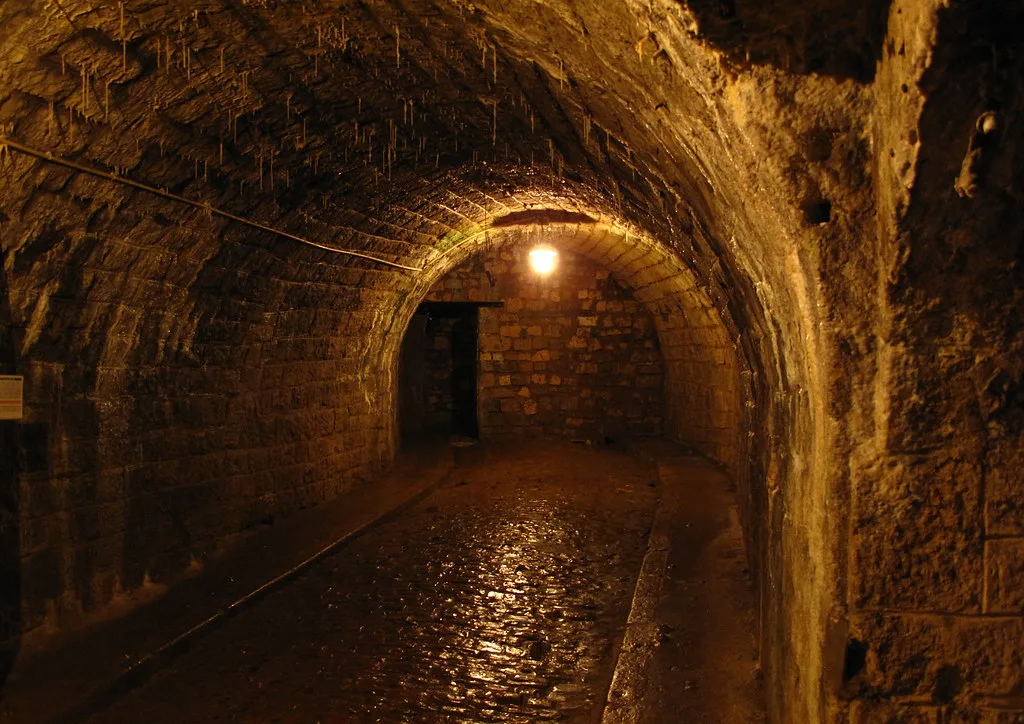
Fort Douaumont is a Verdun-ring fortress that you tour partly underground. It is a memorial as well as a historic monument. One casemate inside is a war grave, and visitors are expected to behave accordingly.
- Type: underground fort with two levels linking barrack rooms to firing positions.
- Built: work began in 1885 and continued until shortly before the First World War.
- Role: the largest fort in the ring around Verdun.
- Visit style: mixed, with underground galleries and exposed ground above.
- Time needed: allow more than a quick stop, and more again if you pair it with the ossuary.
Why Fort Douaumont matters in the Battle of Verdun
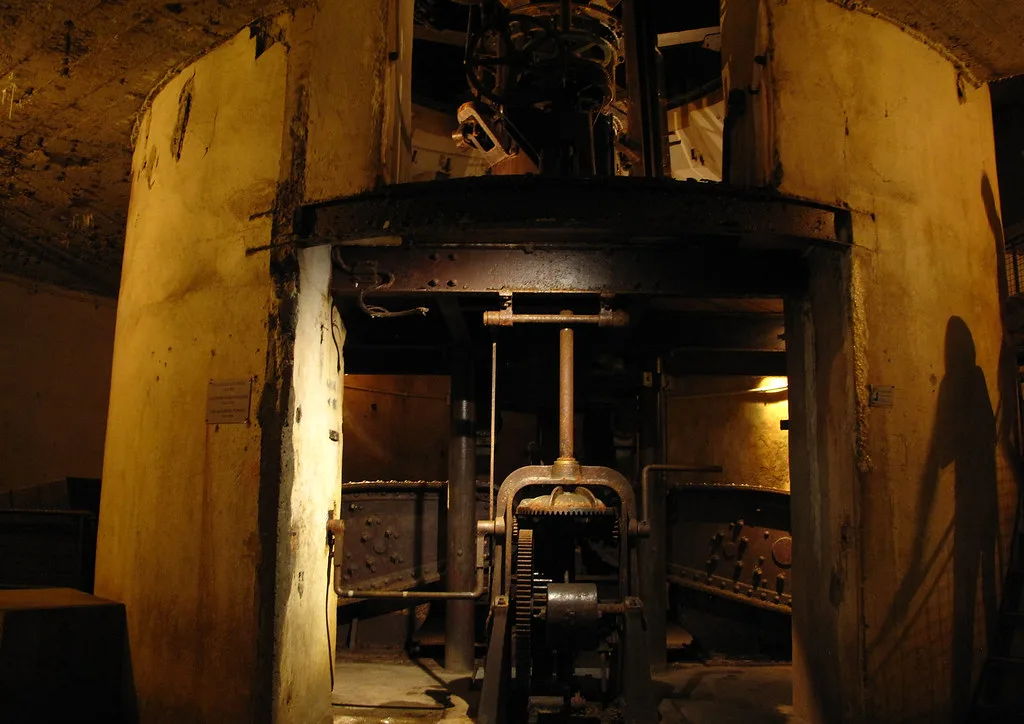
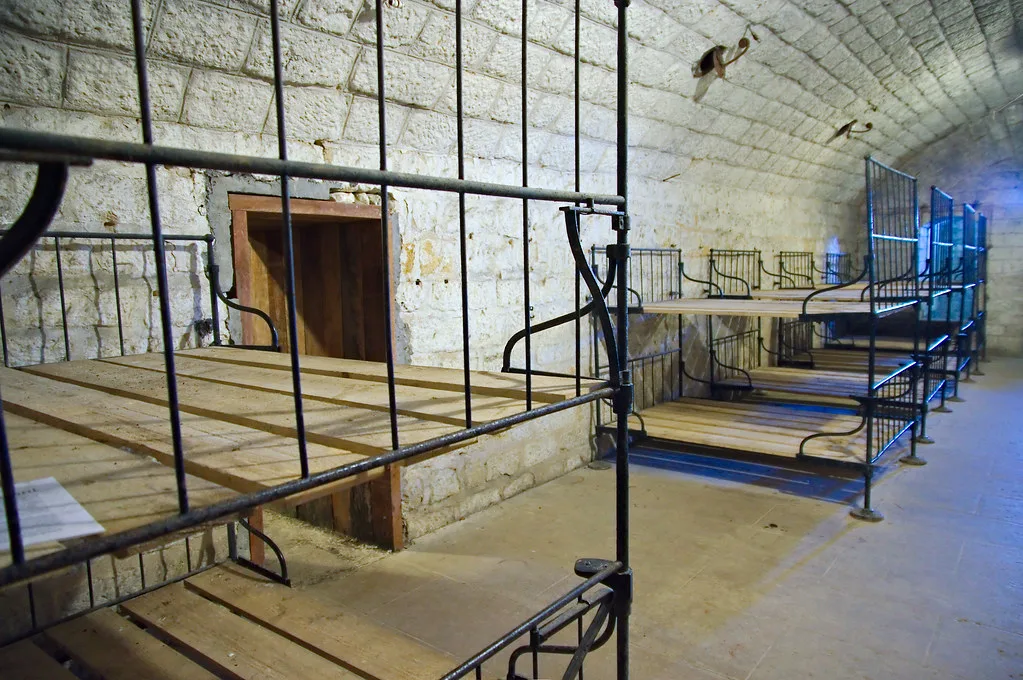
Verdun was ringed with forts to protect it from attack, and Douaumont was the biggest. Its two underground levels held barracks and accommodation behind a range of firing positions. Guns ranged from machine guns up to 155mm artillery pieces.
Visitors standing in the bricked-off casemate should know that an estimated 675 German soldiers died in the May 1916 fire.
Despite that investment, a small German force took the fort in February 1916. Its garrison had been cut to a skeleton and much of its armament removed. In May 1916 a fire set off ammunition inside, and an estimated 675 German soldiers died. They were interred in a bricked-off casemate that remains a war grave. French forces retook the fort in October 1916 after a heavy bombardment that included 400mm railway guns.
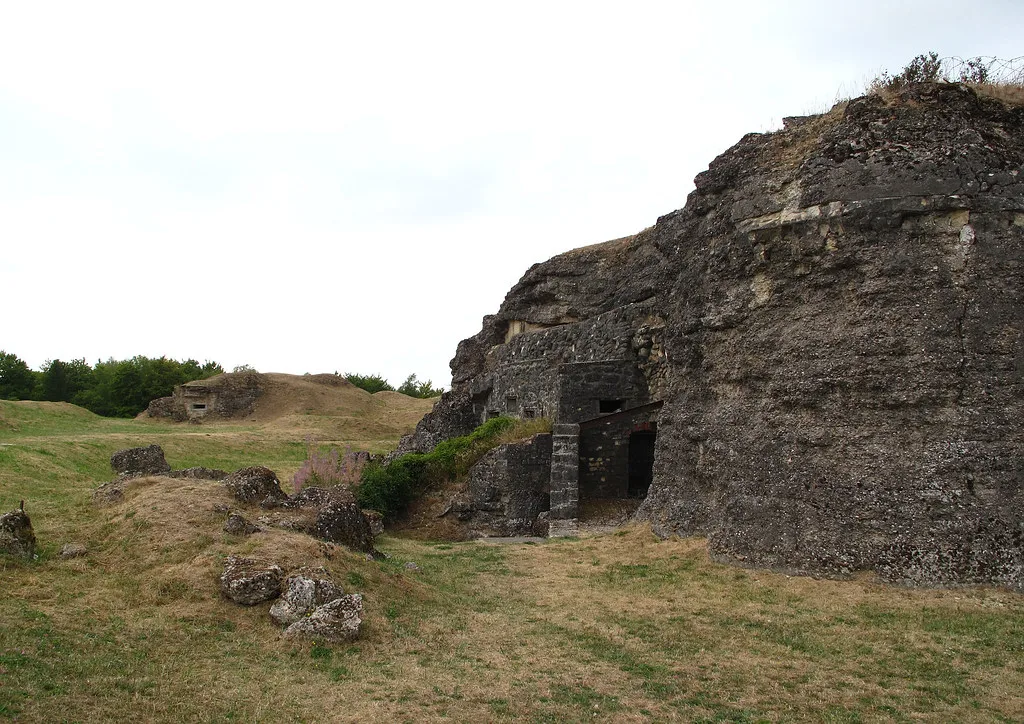
Single-source accounts like this one vary on exact dates and casualty figures, so treat the 675 as an estimate. Fort Douaumont is one part of a much larger story, which our Verdun battlefield guide sets out in full. The nearby village of Douaumont has its own history, covered in our guide to the destroyed villages of Verdun.
How Fort Douaumont Was Captured and Retaken
The fort fell on 25 February, in the first days of the German offensive. Only a few dozen French troops were inside. Men of the 24th Brandenburg Infantry Regiment reached the fort and found ways in without the long siege its size might suggest.
Sergeant Kunze is generally credited as the first to get inside. Parties under Lieutenant Radtke, Captain Haupt and Lieutenant von Brandis followed. Haupt and von Brandis received most of the early glory, including Germany's high military award, the Pour le Mérite. Kunze's and Radtke's parts were recognised much later.
The Germans then used the fort as a shelter, supply point and staging post close to the front. This made it valuable to them and a major objective for the French.
In October, the French bombardment included super-heavy shells that broke into the interior, and the Germans largely evacuated the fort. On 24 October, French infantry, with the Régiment d'infanterie coloniale du Maroc in a leading role, took it back.
As you walk through, think of the fort as a working base that sheltered soldiers of both armies, as well as a gun position. For a later chapter in French fortification, the Maginot Line works of Fort de Simserhof and Fort Casso are in the Bitche area of Moselle. Plan them as a separate trip from Verdun.
What you see inside and around the fort
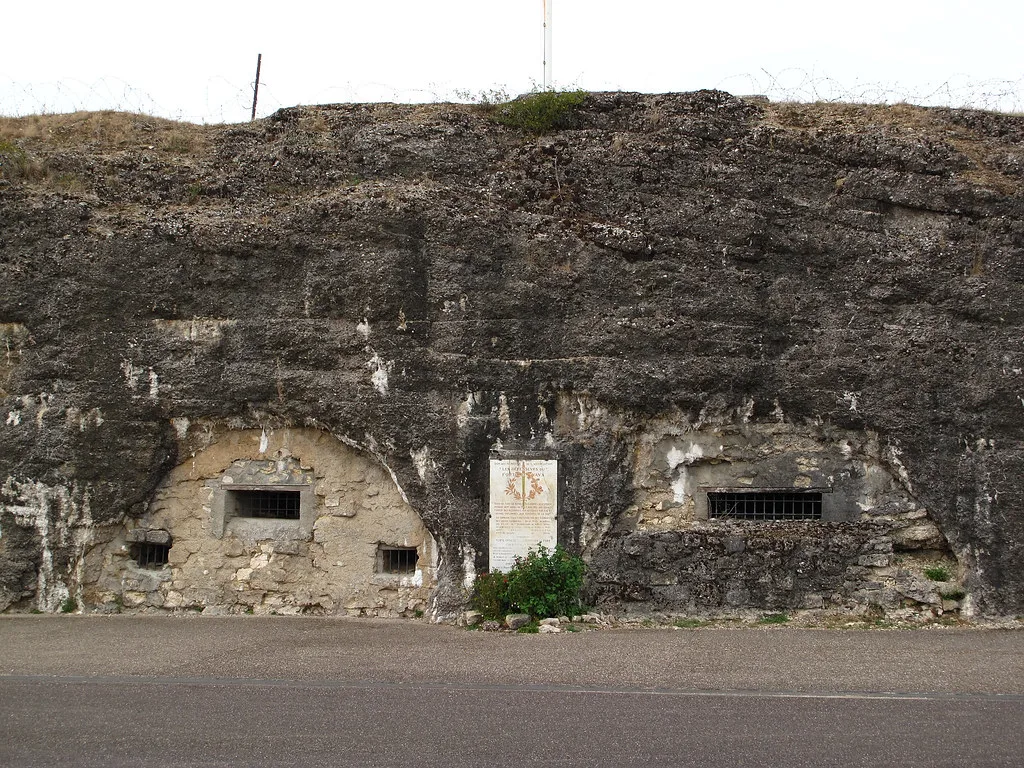
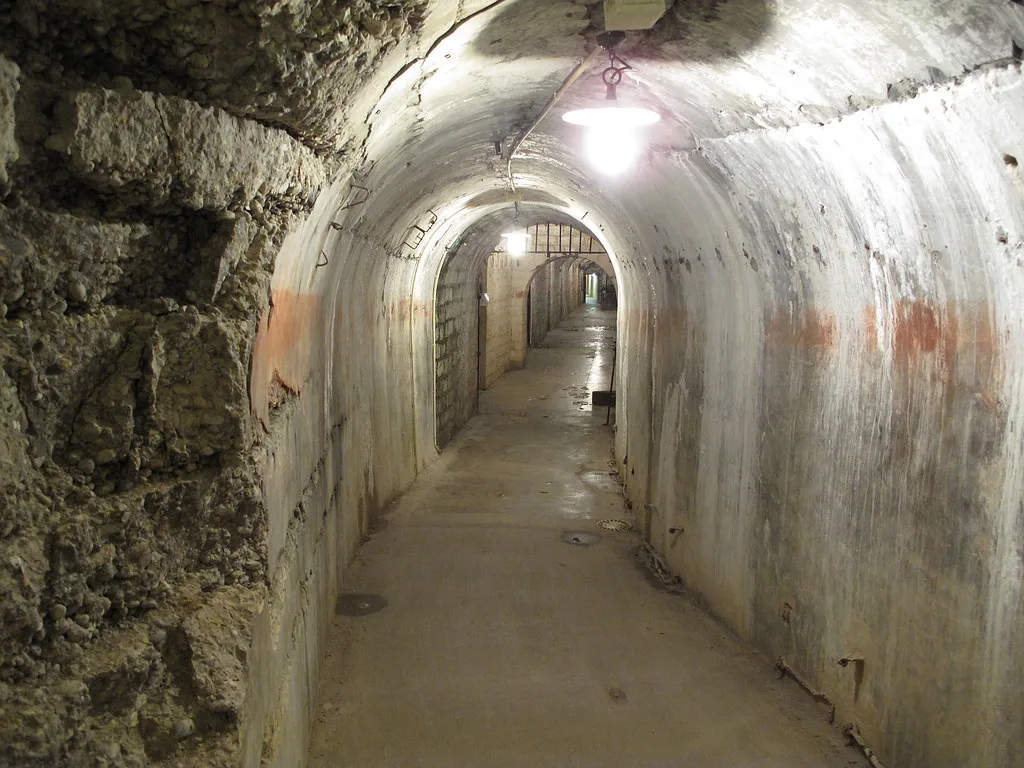
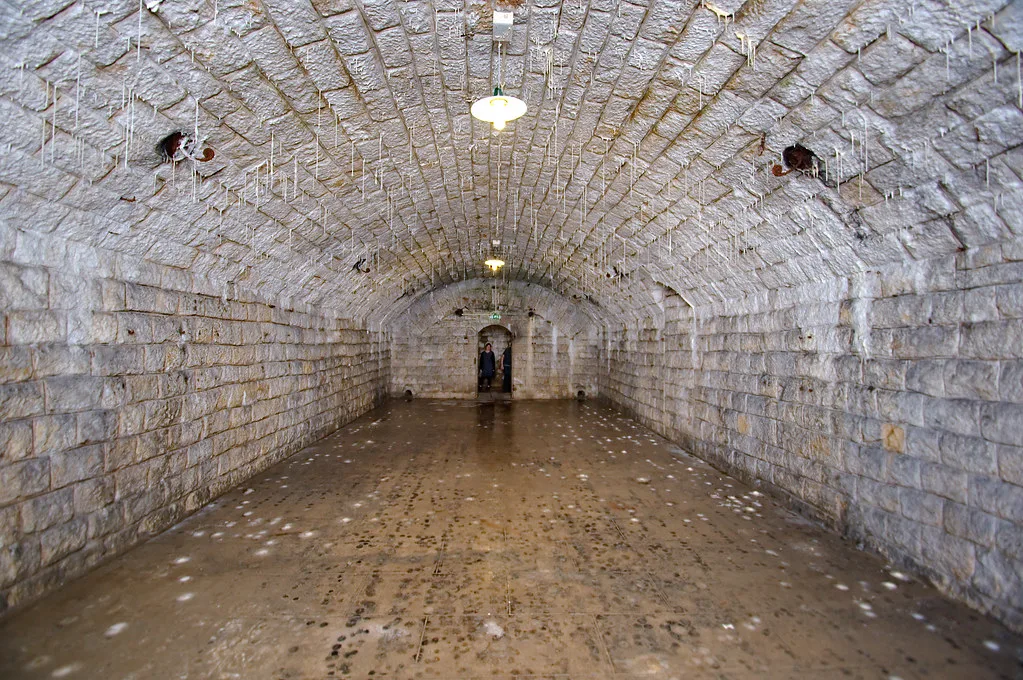
Inside, you walk through galleries on the fort's two underground levels. Barrack rooms and accommodation sit alongside the firing positions they supported. Above ground, the structure shows its age and the damage of 1916.
The bricked-off casemate holding the German dead is still a grave. Keep your voice low, do not touch the walls around it, and follow any signs posted by the site. Children should be told before they go in that it is a place of mourning.
On Top of the Fort: Turrets, Craters and Views
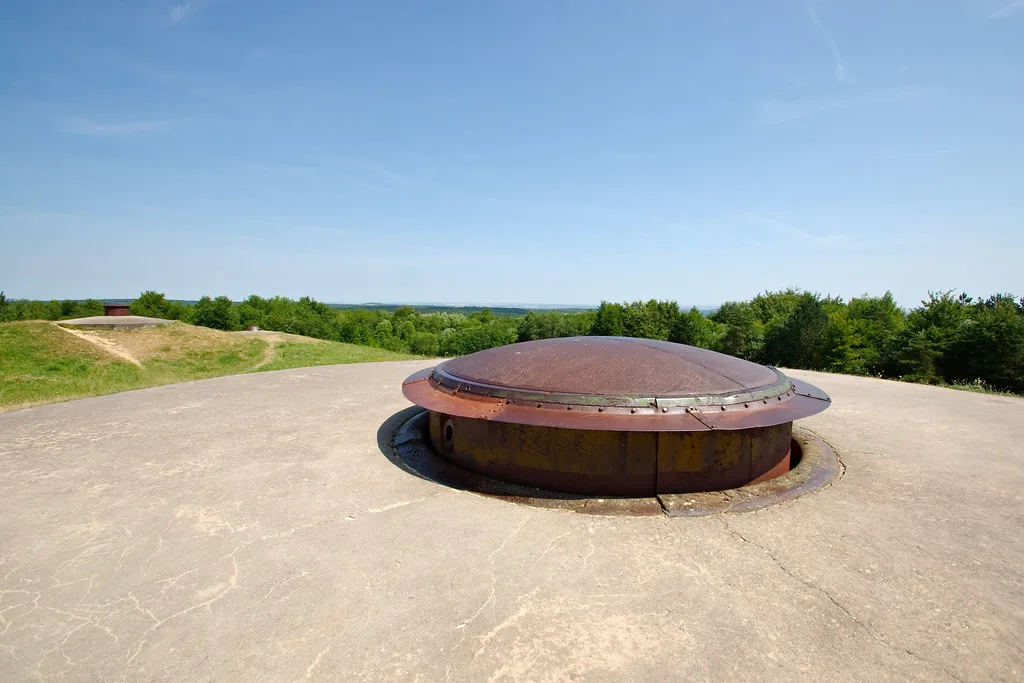
Leave some time for the outside, where access is open. The top of Fort Douaumont shows how the fortress was designed to fight while keeping most of its occupants under cover.
- Gun turrets: look for the armoured domes set into the superstructure, including the position for the retractable 155mm gun. These turrets were made to rise to fire and drop back down for protection.
- Observation cupolas: these small armoured points let observers watch the surrounding ground with limited exposure.
- Shell craters: the broken, uneven surface is the clearest sign of the bombardments. It can be hard to make out the fort's original outline.
- The setting: the high position helps explain why both armies wanted this site. Trees now cover much of the battlefield, so picture the slopes stripped bare by shellfire.
Stay on permitted paths and respect barriers. Do not climb on turrets or cupolas. The Verdun battlefield can still hold unexploded munitions, so never pick up or move metal objects you find in the ground.
The surface can be slippery or muddy after rain, and there is little shelter from wind. If conditions are poor, check which outdoor areas are open when you arrive.
Tickets, opening hours and getting there
Fort Douaumont is run as a national monument, and the Centre des monuments nationaux publishes current visiting details. Ticket prices, opening days, last entry and winter closures change, so read them there before you travel. The Verdun tourist office also lists access and seasonal information for the battlefield sites.
Expect to arrive by car or on a guided tour, because public transport to the battlefield is limited. Our Verdun Battlefield Tour: Guided, Self-Drive or Day Trip options solve the transport question.
- Opening days and seasons, including last entry.
- Ticket price and any combined ticket with a nearby site.
- Guided or audio options and their languages.
- Parking and road access on your day.
- Rules on photography and children.
How much time to allow and how to combine it with nearby sites
Fort Douaumont works as a short visit or as the anchor of a full day. Durations below are our estimates, not official figures. The other main fort is Fort Vaux Guide: 1916 Siege, Tickets and Planning, and the Verdun Memorial Museum: Visit Guide and Plan gives the wider story indoors. The Trench of Bayonets (Tranchée des Baïonnettes): Verdun Guide is a short add-on.
| Plan | Time (estimate) | Effort | Best for |
|---|---|---|---|
| Fort only | Short | Moderate: stairs and uneven floors | Limited time |
| Fort plus ossuary | Half day | Moderate | First-time visitors |
| Fort plus Fort Vaux plus museum | Long half day to full day | Higher | History-focused readers |
| Full battlefield circuit | Full day | Highest | Guided groups or those with a car |
Who should skip it, accessibility and what to wear
Underground forts are dark, cold and damp, even on a warm day. Wear layers and shoes with grip. If the weather is wet, the Citadel of Verdun: Underground Visit, Tickets & Tips in town is a drier alternative.
- Limited mobility: expect stairs and uneven floors, and ask the site about access before you go.
- Claustrophobia: the galleries are enclosed, so shorten or skip the underground section.
- Very young children: low light and the grave setting may not suit them.
- Cold or wet weather without layers: you will spend most of the visit underground.
Where to stay and base yourself
Verdun town is the practical base for the battlefield sites. If you are short on time, a day trip is possible. Our Verdun from Paris: Train, Tour or Car Day Trip Guide guide explains how the day works.
Frequently Asked Questions
Can you go inside Fort Douaumont?
Yes, you can tour the underground galleries of Fort Douaumont. Check the Centre des monuments nationaux website for current opening days, last entry and tickets.
Keep planning
Guides on the same trip






