
Citadel of Verdun: Underground Visit, Tickets & Tips
Visiting the Citadel of Verdun's underground galleries: what the ride is like, how long it takes, ticket and access tips, and how to fit it with the Verdun battlefields.
In this guide
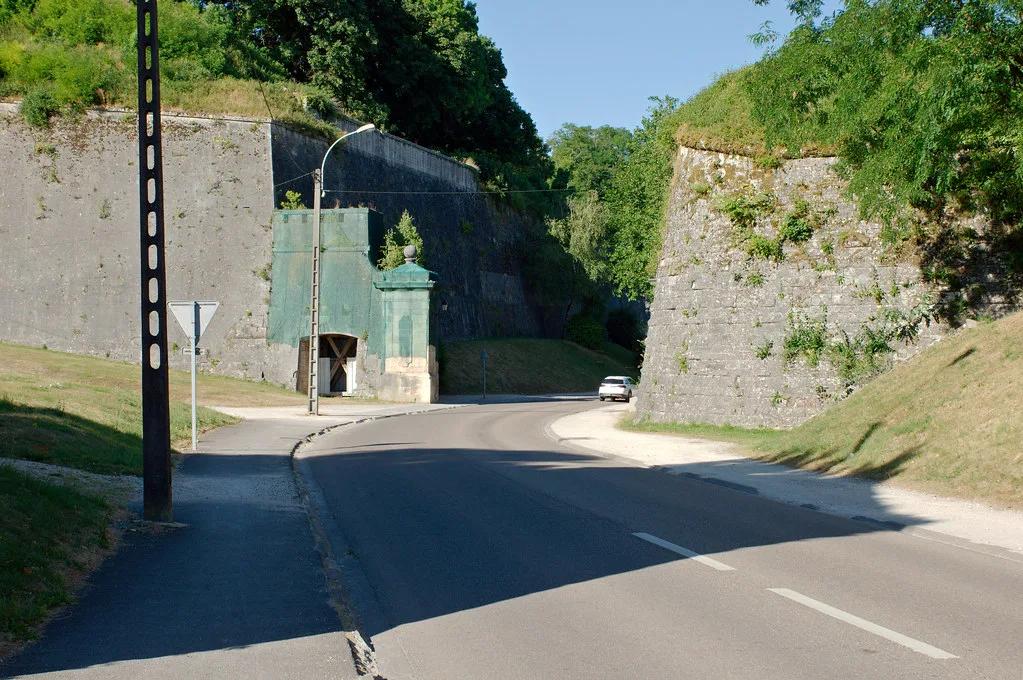
Last updated November 2026: the citadel of Verdun usually means the underground citadel, a ride-through visit that takes about 1 h 30. Its galleries, dug under roughly 16 m of rock, sheltered troops in 1916 and saw the Unknown Soldier chosen in 1920. Cold air, a minimum age of 8 and a staged format decide who enjoys it.
Featured image: zigazou76, CC BY 2.0, via Flickr.
Citadel of Verdun at a glance
Locals call the attraction the Citadelle souterraine. Plan on about 1 h 30 inside, plus a 5-minute walk from the car park. Dress warmly, because the galleries stay around 8 °C even in summer.
- Time on site: about 1 h 30
- Underground temperature: about 8 °C year-round
- Minimum age: 8 years
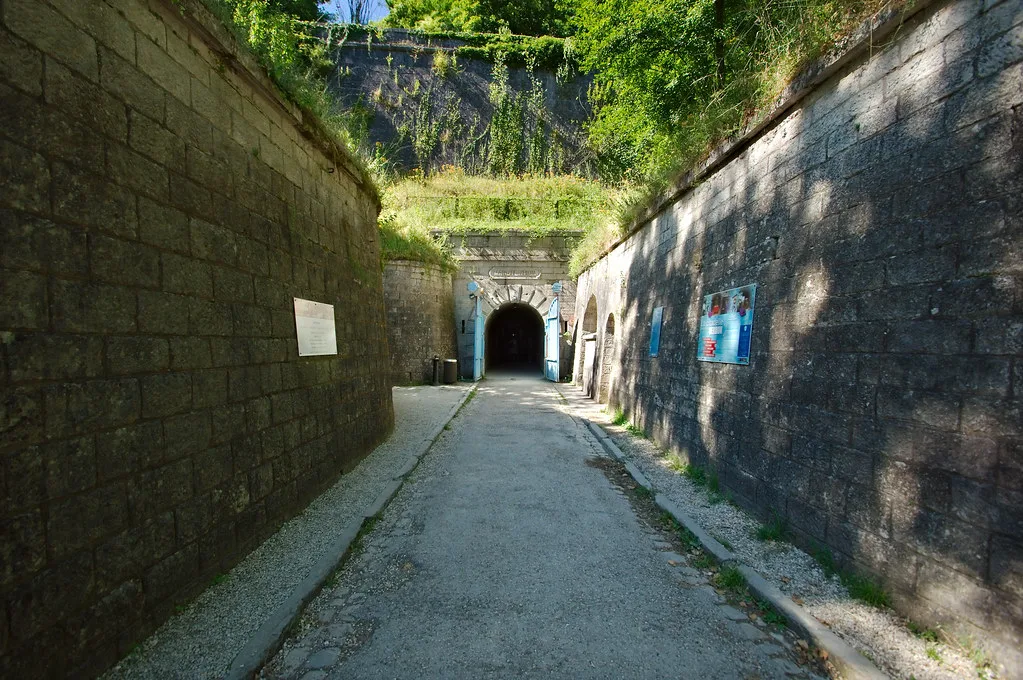
- Address: avenue du Soldat-Inconnu, west of central Verdun
- Parking: free, 55 spaces, about 5 minutes on foot
Upper citadel vs underground citadel: which one is it?
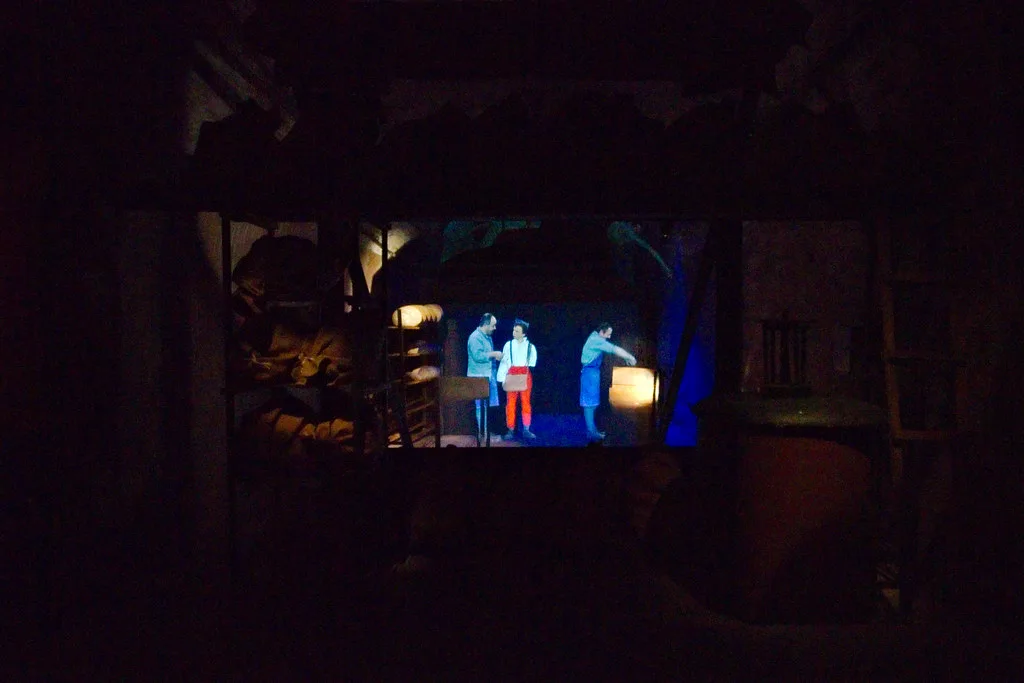
Two structures share the name. The upper citadel dates from the late 16th century, was planned by Jean Errard and was later reinforced by Vauban. It overlooks the town, and its ramparts are best seen from outside, ideally in soft morning or late-afternoon light. The lower, underground citadel was dug by the army in the 1880s. That is the one you enter, and it is what most visitors mean when they search for tickets.
What the underground visit is like
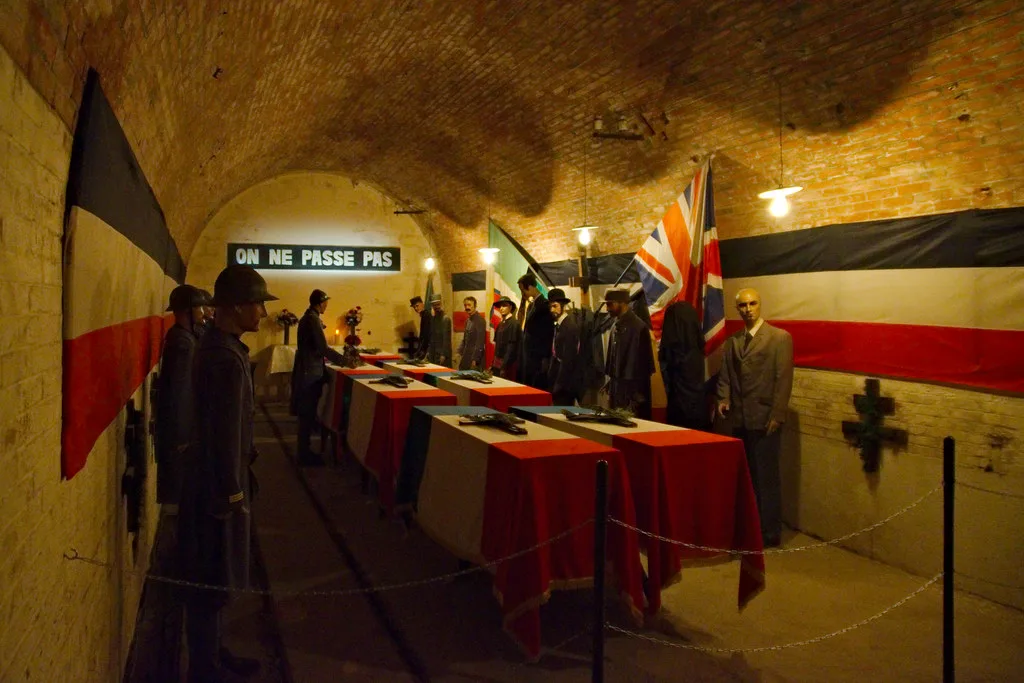
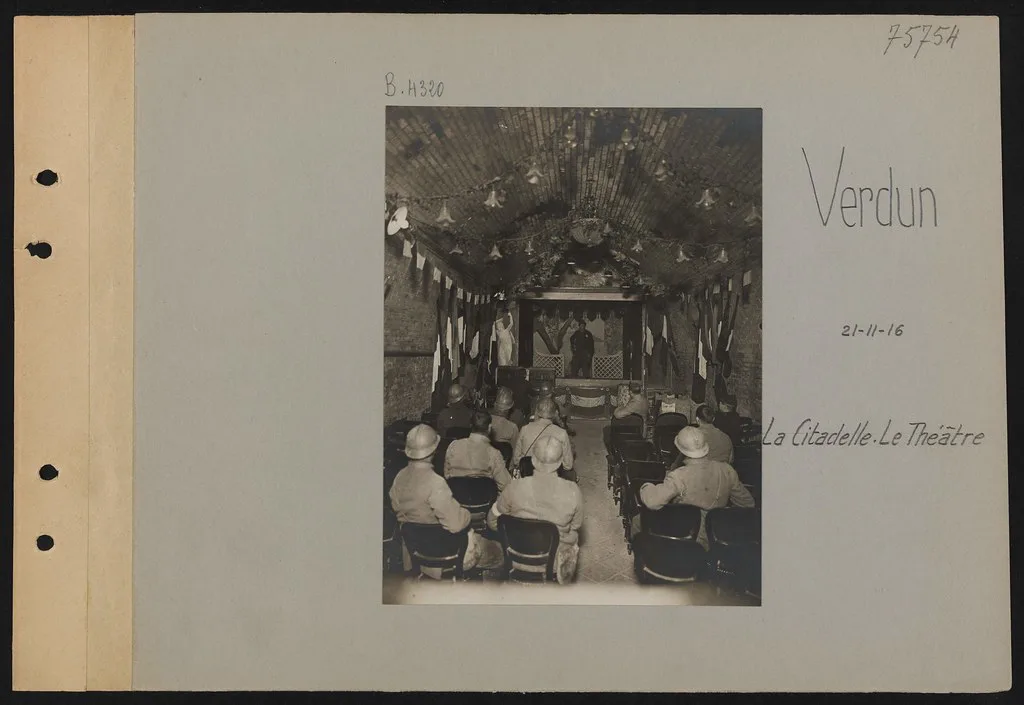
You travel through the galleries in a wire-guided pod while wearing an augmented-reality headset. The story follows a soldier named Jean Rivière and his comrades, from daily life underground to the Unknown Soldier ceremony. Expect a staged, technology-led experience rather than an unrestored walk through raw tunnels. Only about a tenth of the galleries is fitted out for visitors, even though the network reached around 7 km by the end of the war. Headset languages are not confirmed here, so English speakers should check the official site before booking.
Why the citadel matters: shelter in 1916 and the Unknown Soldier
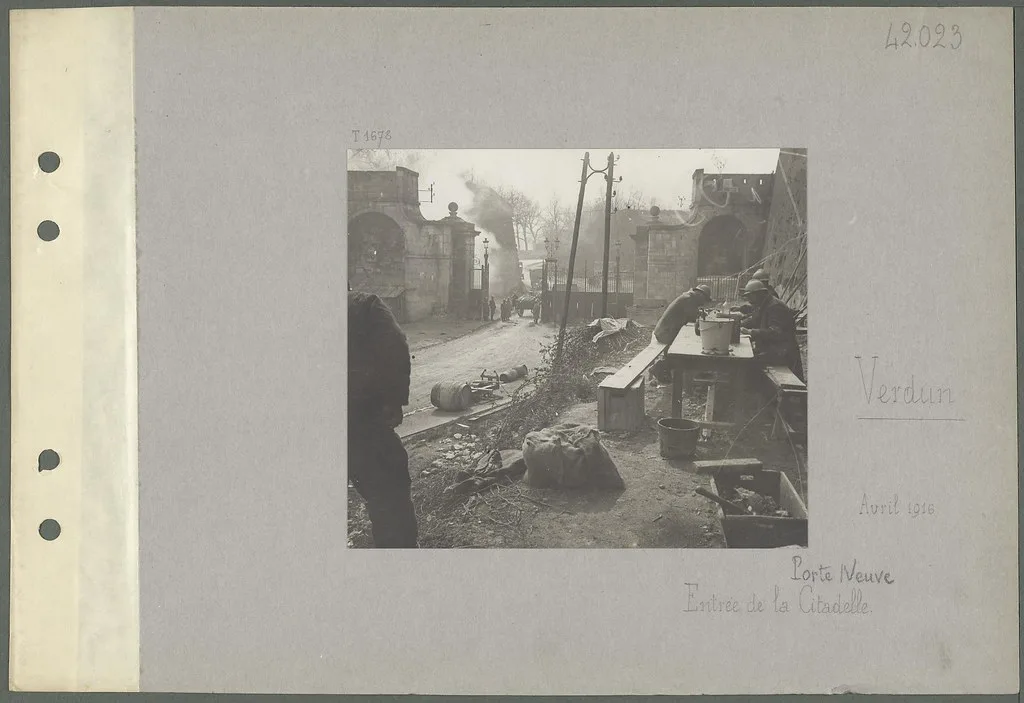
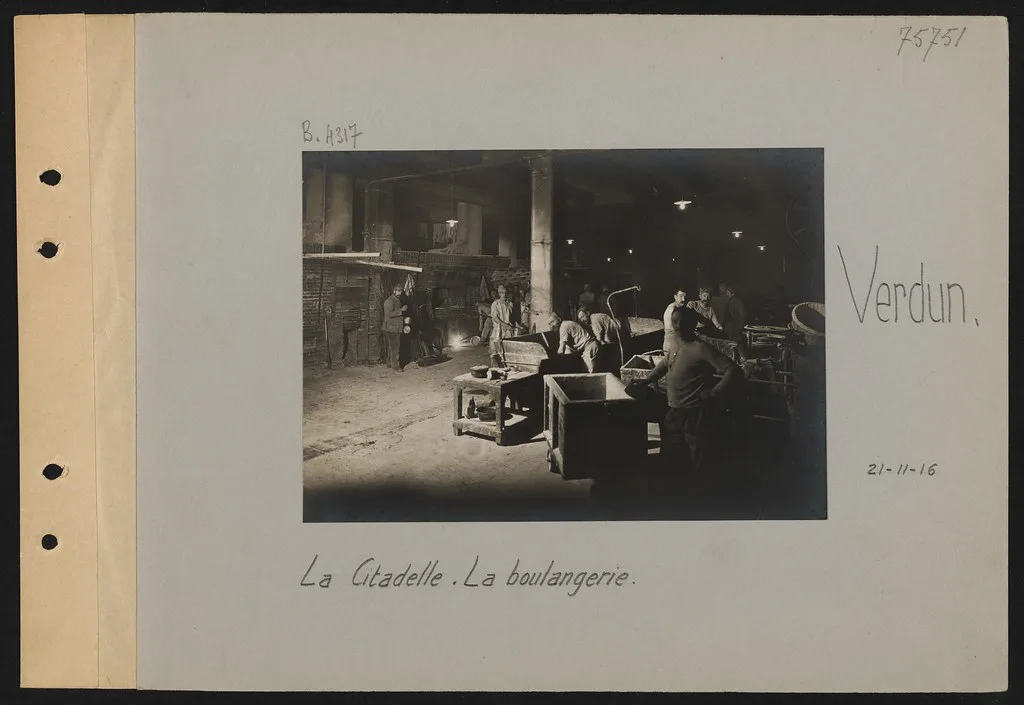
The citadel was designed for 2,000 men. In 1916 it sheltered up to 10,000, and it worked as a shelter, a command post and a supply base. Its ovens baked bread for the garrison. In autumn 1920, eight unidentified coffins were laid out in a gallery turned into a chapel. Corporal Auguste Thin placed a bouquet on the sixth, and that soldier became France's Unknown Soldier. He was chosen here and taken to Paris, so he is not buried at the citadel.
Citadel of Verdun tickets, hours and booking
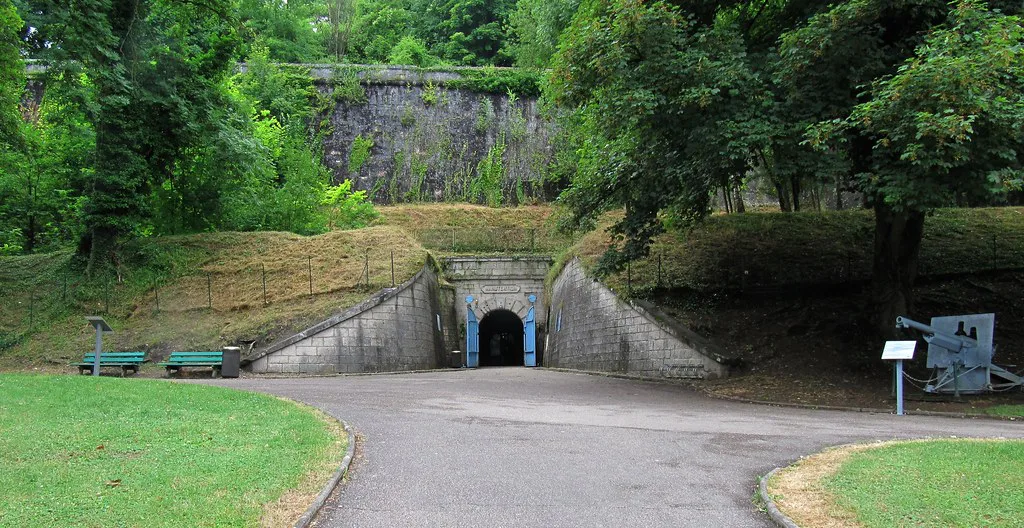
A November 2026 check listed the standard ticket at €16, with reduced, child and family rates also offered. Confirm the adult price on the official Citadelle souterraine site. The site is open daily from February to December, with longer hours in summer. Last departure is 1 h 30 before closing, so late arrivals are turned away. Book ahead in peak season. A combined ticket also covers the Poste de garde museum across the avenue, which follows the life of one real soldier.
Getting there and parking
Head for avenue du Soldat-Inconnu, west of the centre at the foot of the upper town. The free car park has 55 spaces and sits about 5 minutes on foot from the entrance. Verdun Tourisme publishes town maps and local transport details. Coming from the capital, see our guide to reaching Verdun from Paris. Check current train times before you travel.
Since the car park is about 5 minutes on foot away, the galleries' cold means pulling on your jacket before you leave the car.
How to fit the citadel into a Verdun day
Treat the citadel as a morning or rainy-day anchor, then drive out to the battlefield. Road distances below are measured from the citadel. Without a car, a guided battlefield tour solves the transport problem, because the sites are not walkable from town. For the wider plan, start with our Verdun battlefield guide.
| Stop | Drive from citadel | Best for |
|---|---|---|
| Notre-Dame cathedral | 1 km, 4 min | Town walk before or after |
| Verdun Memorial museum | 7.7 km, 14 min | Context for the whole battle |
| Douaumont ossuary | 9.4 km, 17 min | Burial site and cemetery |
| Fort de Vaux | 10 km, 17 min | Underground fort interior |
| Fort de Douaumont | 11 km, 19 min | Largest fort on the ridge |
| Bezonvaux | 15 km, 23 min | Destroyed village |
Who should skip it
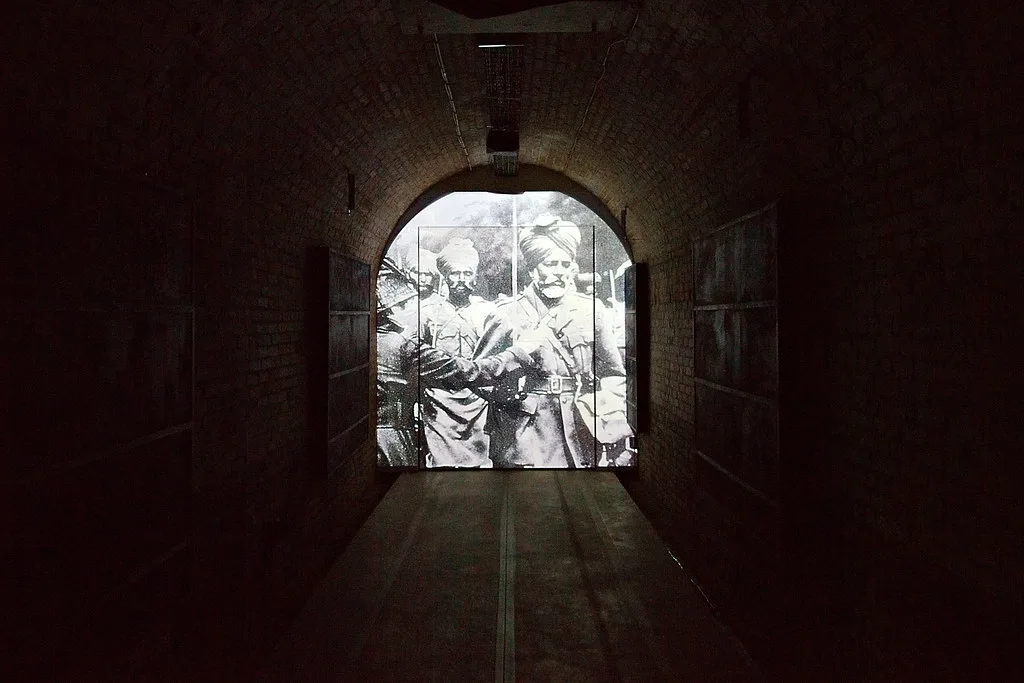
Families with children under 8 cannot enter. Visitors who dislike enclosed spaces or cold may find the ride uncomfortable. If mobility is a concern, ask about access before booking. Travellers with only half a day should usually prioritise the battlefield, since the citadel is a staged introduction rather than a front-line site. Common mistakes are arriving after the last departure and leaving the jacket in the car.
Nearby stops
The Verdun Memorial Museum: Visit Guide and Plan is the natural next stop for context. Read about the Douaumont Ossuary: Visiting Guide and What to See and Visit Fort Douaumont: History, Access and Planning before you go. Fort Vaux Guide: 1916 Siege, Tickets and Planning and the Trench of Bayonets (Tranchée des Baïonnettes): Verdun Guide suit a longer day. Bezonvaux is one of the destroyed villages near Verdun, about 15 km away. Each battlefield site has its own charges, so check each one.
Frequently Asked Questions
Can you visit the Battlefield of Verdun?
Yes, the battlefield is open to visitors, with the ossuary, forts and memorial museum all a short drive from town. A car is nearly essential, or you can join a guided tour.
Keep planning
Guides on the same trip





