
Fort Vaux Guide: 1916 Siege, Tickets and Planning
A visitor's guide to Fort Vaux near Verdun: the 1916 siege, what the renovated fort offers, tickets, hours to check and how to pair it with Douaumont.
In this guide
Last updated November 2026: Fort Vaux (Fort de Vaux) is a fortress at Vaux-devant-Damloup, near Verdun, built between 1881 and 1884. It is best known for its siege in early June 1916, when about 250 French soldiers held out for several days. Anyone with an interest in the Battle of Verdun should visit, ideally alongside the wider 7 Best Sites on the Verdun Battlefield: What to See and How Long You Need sites.
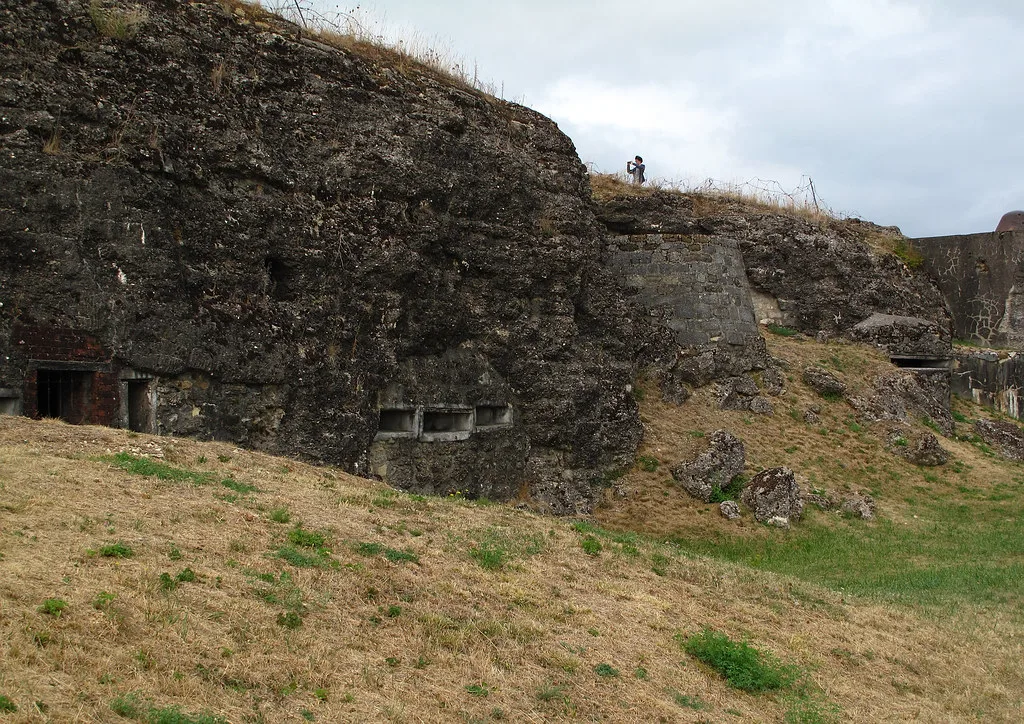
Featured image: Rutger van der Maar, CC BY 2.0, via Flickr.
Fort Vaux at a Glance
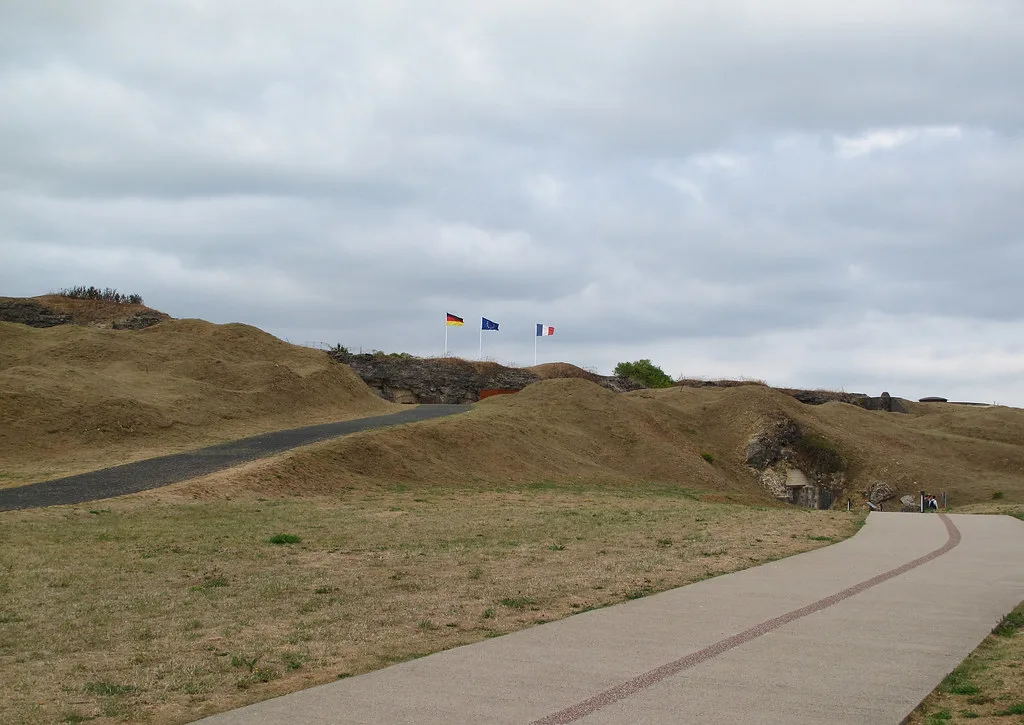
Fort Vaux stands on the D913 in Vaux-devant-Damloup, postcode 55400. It is a memorial site as well as a fortress, so visitors are expected to behave quietly and respectfully inside. Current opening hours, ticket prices and the state of the renovation are published by the Centre des monuments nationaux.
- What it is: a late 19th-century fort and a 1916 siege site
- Address: D913, 55400 Vaux-devant-Damloup
- Best for: history readers, couples and families with older children, and anyone pairing it with Douaumont
- Skip it if: you have limited mobility, dislike enclosed tunnels or have very little time
The 1916 Siege: Why Fort Vaux Matters
Fort Vaux was built between 1881 and 1884. In 1916 it became the scene of a harrowing siege. About 250 French soldiers resisted German bombardment, gas and flamethrowers for several days. Short of water and exhausted, they surrendered on 7 June on the order of Commandant Raynal. That makes Vaux one of the most human-scale stories of the Battle of Verdun. Unit-level detail beyond these points is best read on the official site before you go.
Commandant Raynal, the Last Pigeon and the Fort's Recapture
Knowing the order of events makes the corridors easier to read. Commandant Sylvain-Eugène Raynal, an officer already marked by earlier war wounds, had only recently taken command when the German assault closed around the fort.
- 2 June: German troops reached the top and outer defences of the fort. The fight then moved inside, where the French held barricades in narrow, dark galleries.
- 4 June: With telephone links cut, Raynal sent out his last carrier pigeon with an urgent appeal for help, reporting gas and smoke attacks. The bird, remembered as Le Vaillant, delivered the message and was honoured with a military citation.
- 6 June: A French attempt to relieve the fort had failed, and the water crisis left the defenders with little ability to carry on.
- 7 June: Raynal surrendered. German Crown Prince Wilhelm later received him and, in recognition of the defence, presented him with a French officer's sword.
The German occupation did not last the whole war. After French forces retook Fort Douaumont in late October, the Germans abandoned Vaux, and the French reoccupied it in early November of the same year. The June surrender was therefore a German success in one phase of a much longer struggle for this ground.
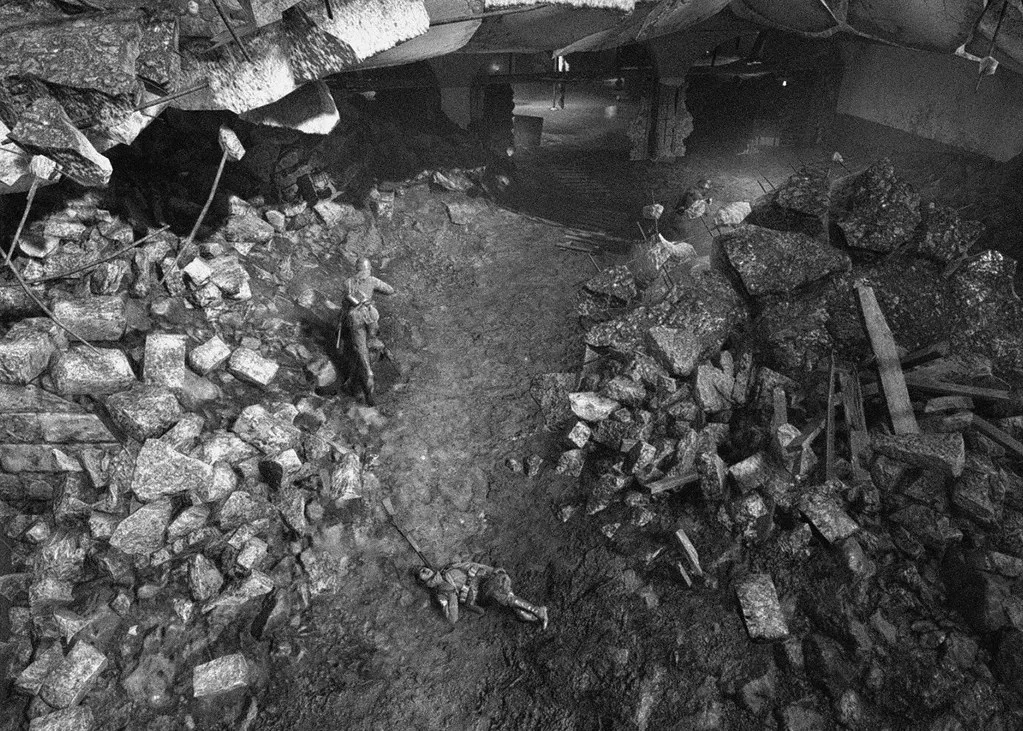
As you walk through, picture how little room the two sides had: in the galleries, a barricade and a few metres of passage could form the front line. Look also for the commemoration of the carrier pigeon, one of the best-known details of the siege. For a longer account before your visit, see the Fort Vaux history on Wikipedia.
What You See Inside and What the 2026 Renovation Changed
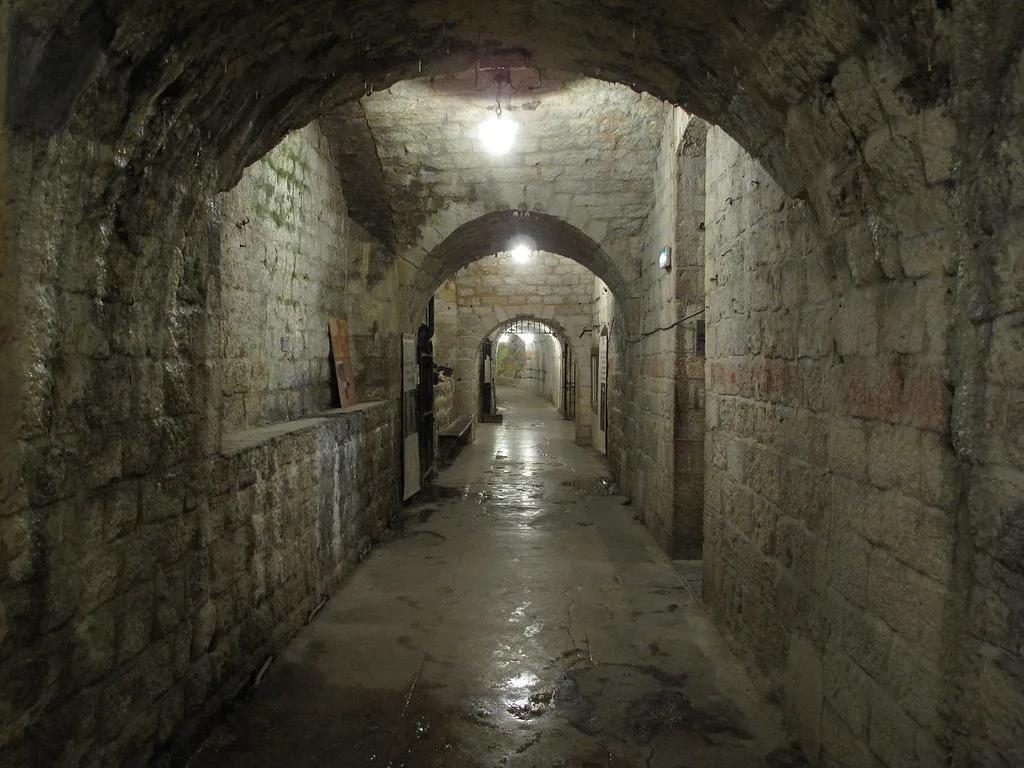
The fort has been described as fully renovated in 2026, with a redesigned visiting route and immersive staging. Accounts written before 2026 may therefore not match what you find. Earlier visitors found Vaux smaller than Visit Fort Douaumont: History, Access and Planning but more staged. Expect stairs, tunnels and cold, damp air inside, and wear sturdy shoes with a warm layer. The official site lists any closed sections.
Fort Vaux vs Fort Douaumont: Which to Visit
Most visitors do both forts, and they complement each other. Vaux is the story-led visit built around the siege. Douaumont offers a larger site and its history is covered in our guide.
| Fort Vaux | Fort Douaumont | |
|---|---|---|
| Focus | The June 1916 siege | See our Douaumont guide |
| Feel | Smaller, with staging | Larger site |
| Best for | Story-led visit | Scale and structure |
How Long to Allow and How to Plan Your Day
The fort itself is a modest visit, and the official site gives current visit guidance. For a half day, pair Vaux with Douaumont and the Douaumont Ossuary: Visiting Guide and What to See. For a full day, add the Verdun Memorial Museum: Visit Guide and Plan. Do not try to see every site in one afternoon. Short on time? A guided battlefield tour removes the driving logistics. Further stops include the Trench of Bayonets (Tranchée des Baïonnettes): Verdun Guide and the destroyed villages.
Tickets, Opening Hours and Access
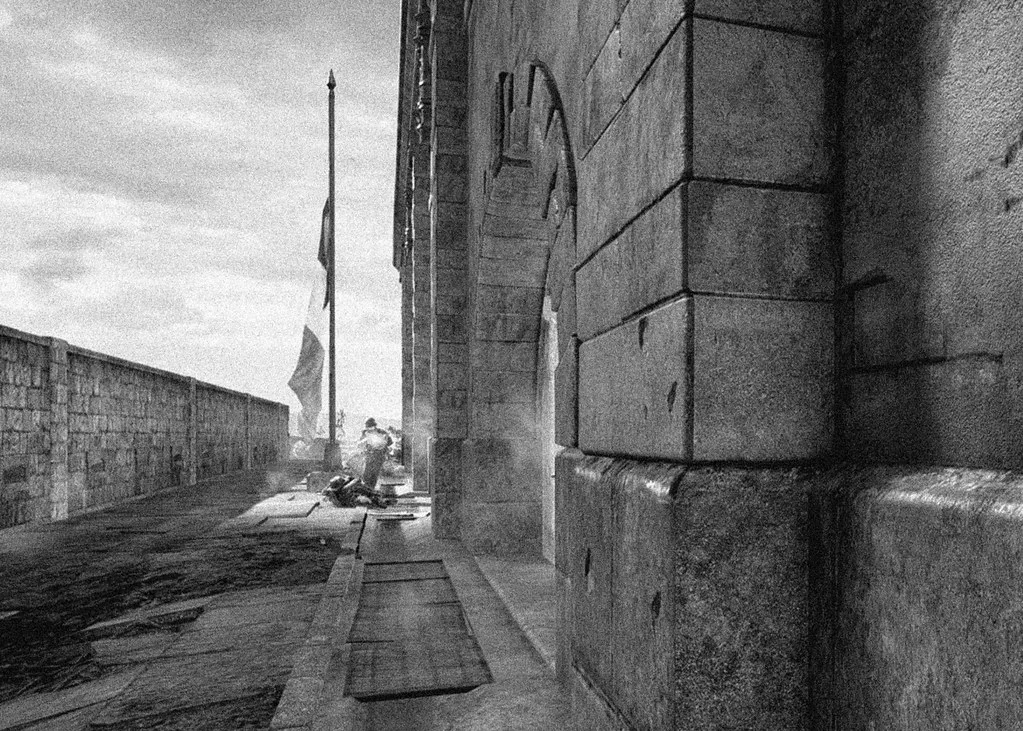
A full-price ticket was listed at €8 and a reduced ticket at €6.50 for 2026 (prices checked November 2026). Hours are listed inconsistently: low season is shown as 9:30 to 17:30 and high season as 9:30 to 18:30, with another table giving 10:00 to 18:30 daily. Check the official site for current hours before you set out. Accessible parking is said to be available, but a casemate fort has steps and tunnels, so ask at the desk what is accessible inside. A combined ticket with the Memorial has been mentioned by visitors, so ask about that too.
Ask at the desk about a combined Memorial ticket before paying the full €8, since the reduced fare is €6.50.
Getting There and Where to Base Yourself
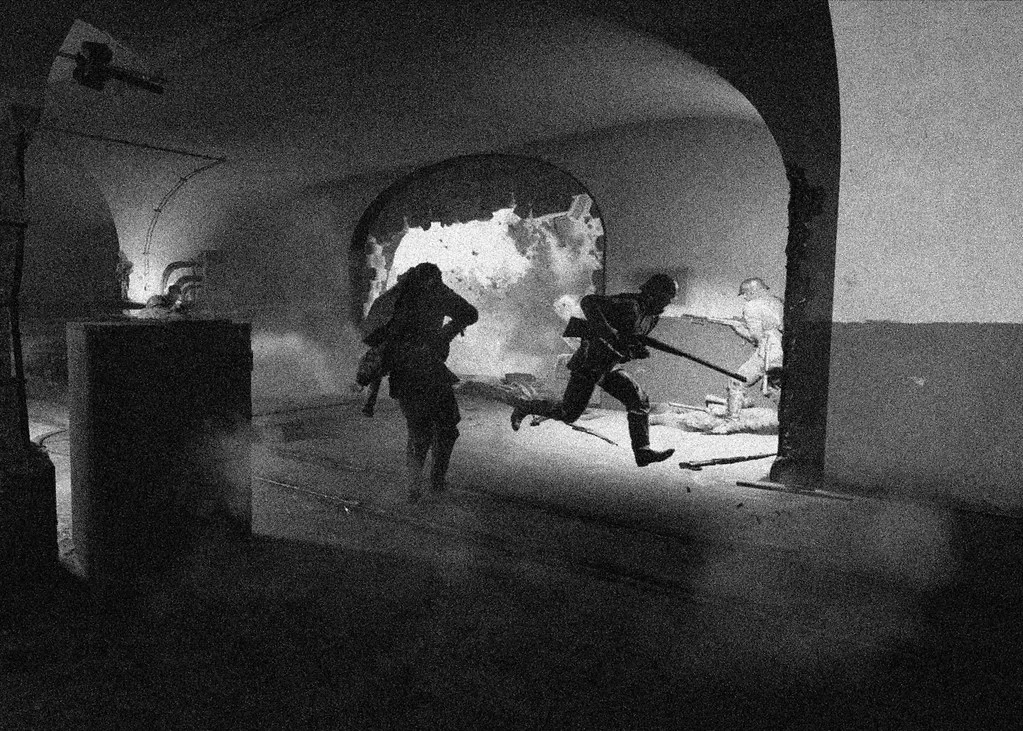
Verdun town is the practical base, and a car is the easiest way to reach the fort. Day-trippers can follow our guide on getting to Verdun from Paris. In wet weather, the Citadel of Verdun: Underground Visit, Tickets & Tips is an indoor option. Readers extending the trip can look at the Butte de Vauquois: Mine Craters, Tunnels and Visiting Guide.
Use D913, Vaux-devant-Damloup, 55400 as your driving destination, since a car is the easiest way to reach the fort from Verdun.
Practical Tips and Mistakes to Avoid
Assuming old hours is the commonest error, followed by skipping the renovation check. Dress for a cold interior even in summer. Keep voices low, because the interior is a place of remembrance. Audio guides are often recommended by visitors, so ask what is on offer.
- Look up current hours and renovation status first
- Wear sturdy shoes and a warm layer
- Skip tunnels if you are claustrophobic or have limited mobility
- Plan no more than two or three sites a day
For trip-planning details, see Verdun Tourisme.
Frequently Asked Questions
Who won the battle of Fort Vaux?
German forces took the fort when the French garrison surrendered on 7 June 1916 on Commandant Raynal's order. The garrison had resisted for several days, which is why the siege is remembered.
Why was the Battle of Verdun so brutal?
Fighting around the forts involved heavy bombardment, gas and flamethrowers. At Vaux, defenders also ran short of water. Our Verdun battlefield guide gives wider context.
Keep planning
Guides on the same trip





