
Douaumont Ossuary: Visiting Guide and What to See
What the Douaumont Ossuary holds, what a visit involves, and how to plan it with Fort Douaumont and the other Verdun battlefield sites.
In this guide
Last updated November 2026. The Douaumont Ossuary (ossuaire de Douaumont) is the memorial and charnel house for the soldiers who died at Verdun in 1916, and you visit it as a place of remembrance, not a museum. It stands above Fleury-devant-Douaumont on the Verdun battlefield in the Meuse, beside Fort Douaumont and the French National Cemetery. This guide covers what you can see, how to get there, how long to allow and how to behave, as part of our wider Verdun battlefield guide.
Featured image: Benh LIEU SONG (Flickr), CC BY-SA 4.0, via Wikimedia Commons.
What the Douaumont Ossuary is
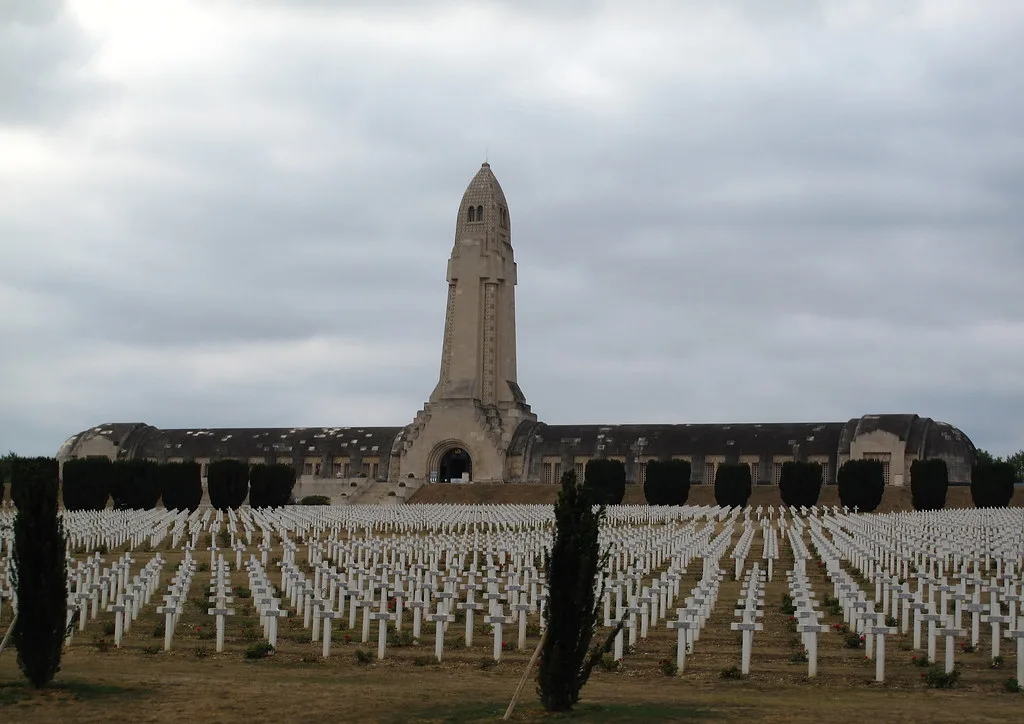
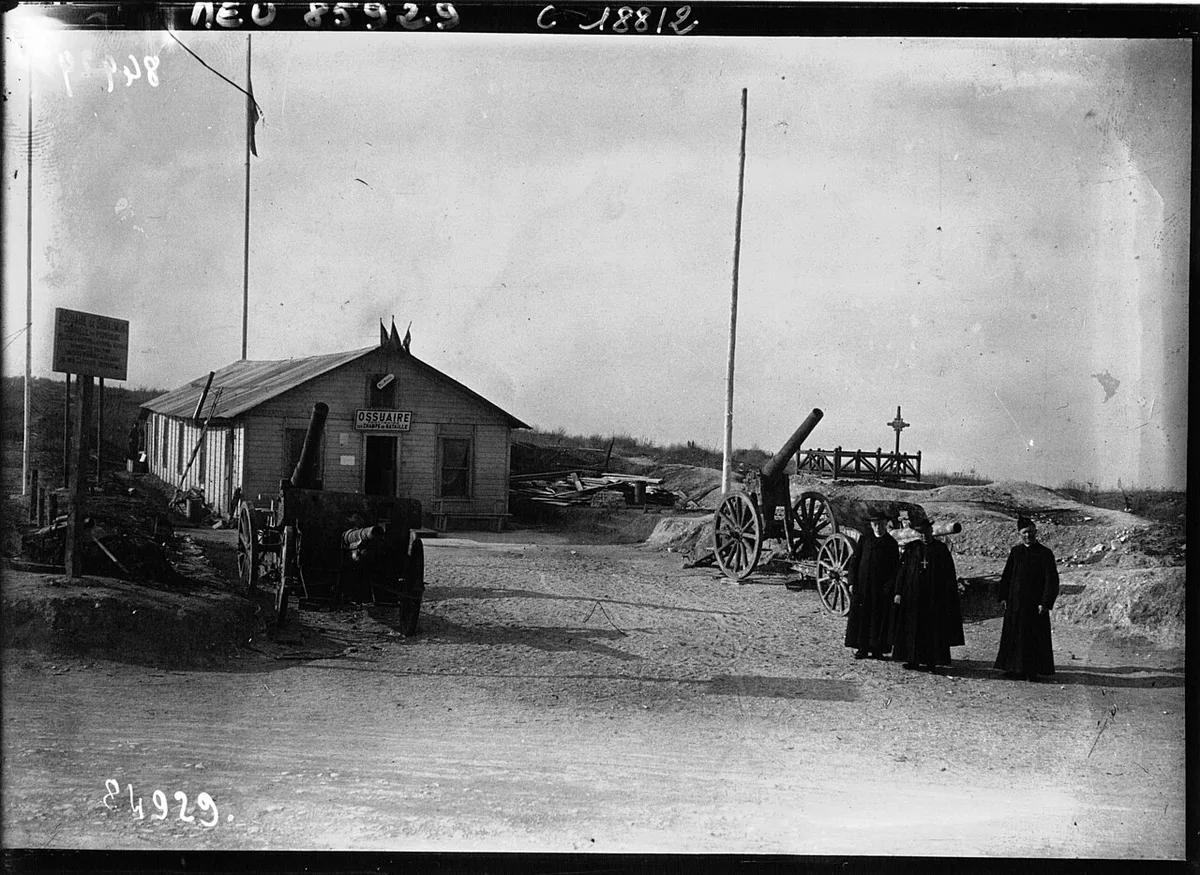
The ossuary is a long memorial building with a tower, built to hold the remains of soldiers gathered from the Verdun battlefield. Many of them could not be identified. Work began in the early 1920s, and the building was inaugurated on 18 September 1927. More than 120,000 soldiers are reported to lie beneath it, French and German among them. Three things share this hillside and are often blurred together, so it helps to separate them.
- Ossuary: the memorial building and repository for unidentified remains.
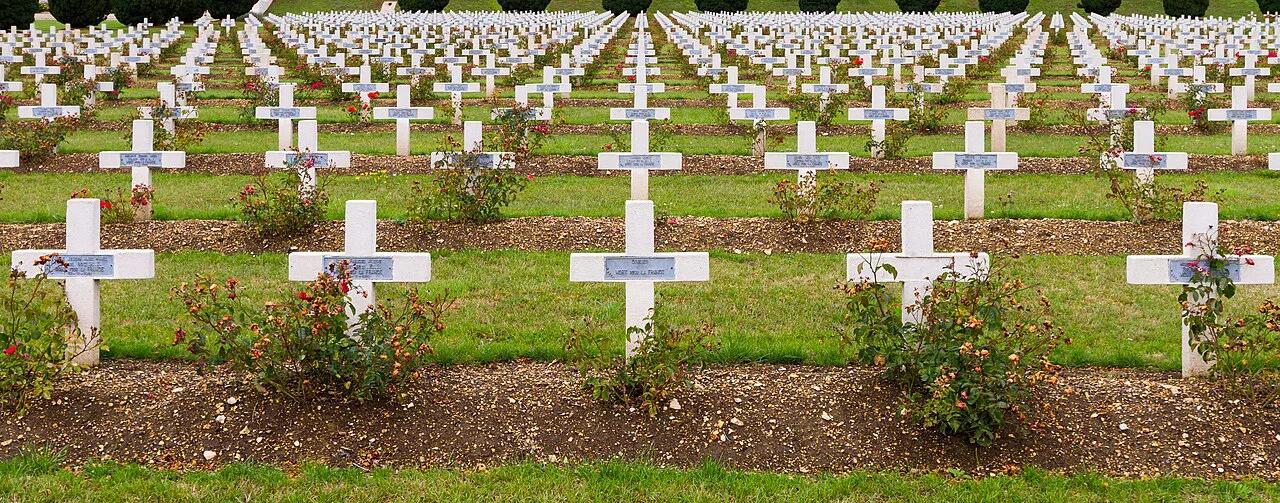
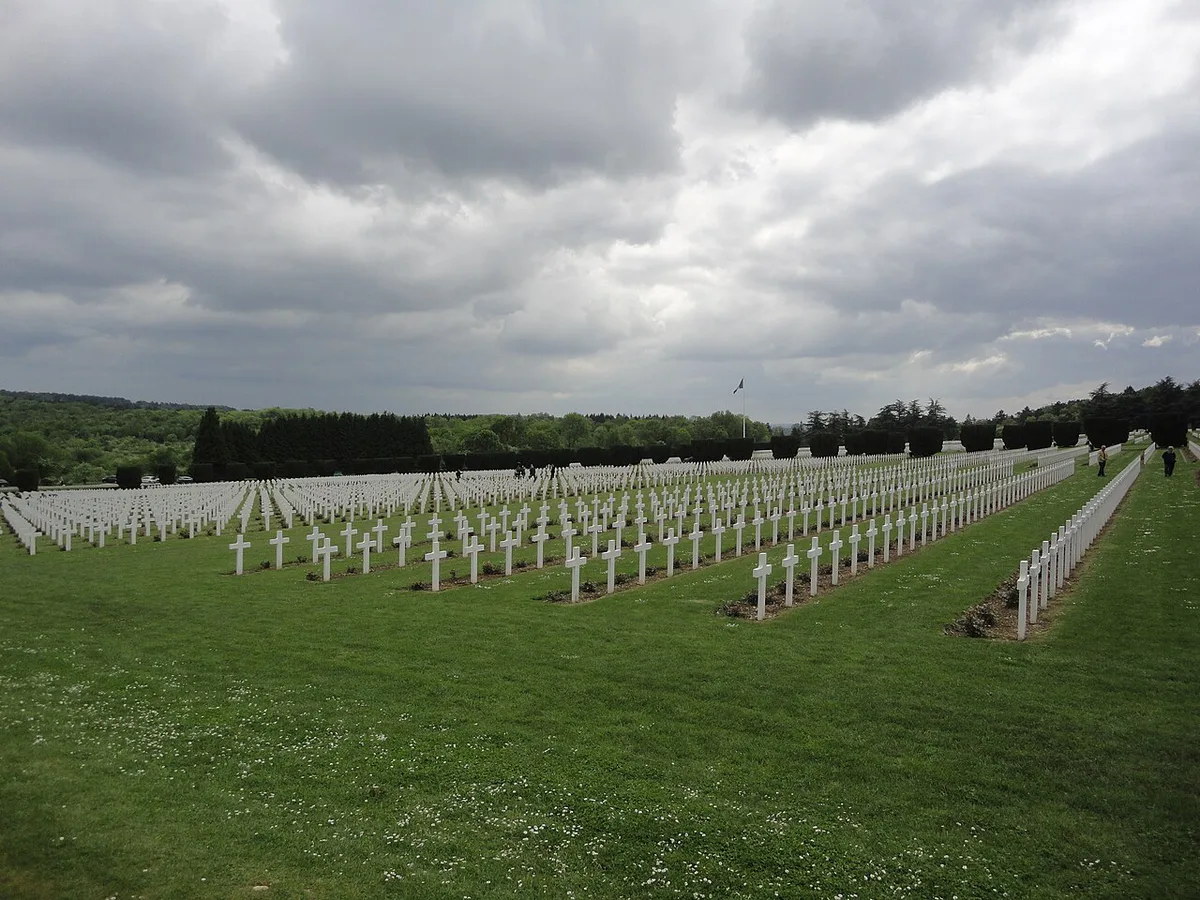
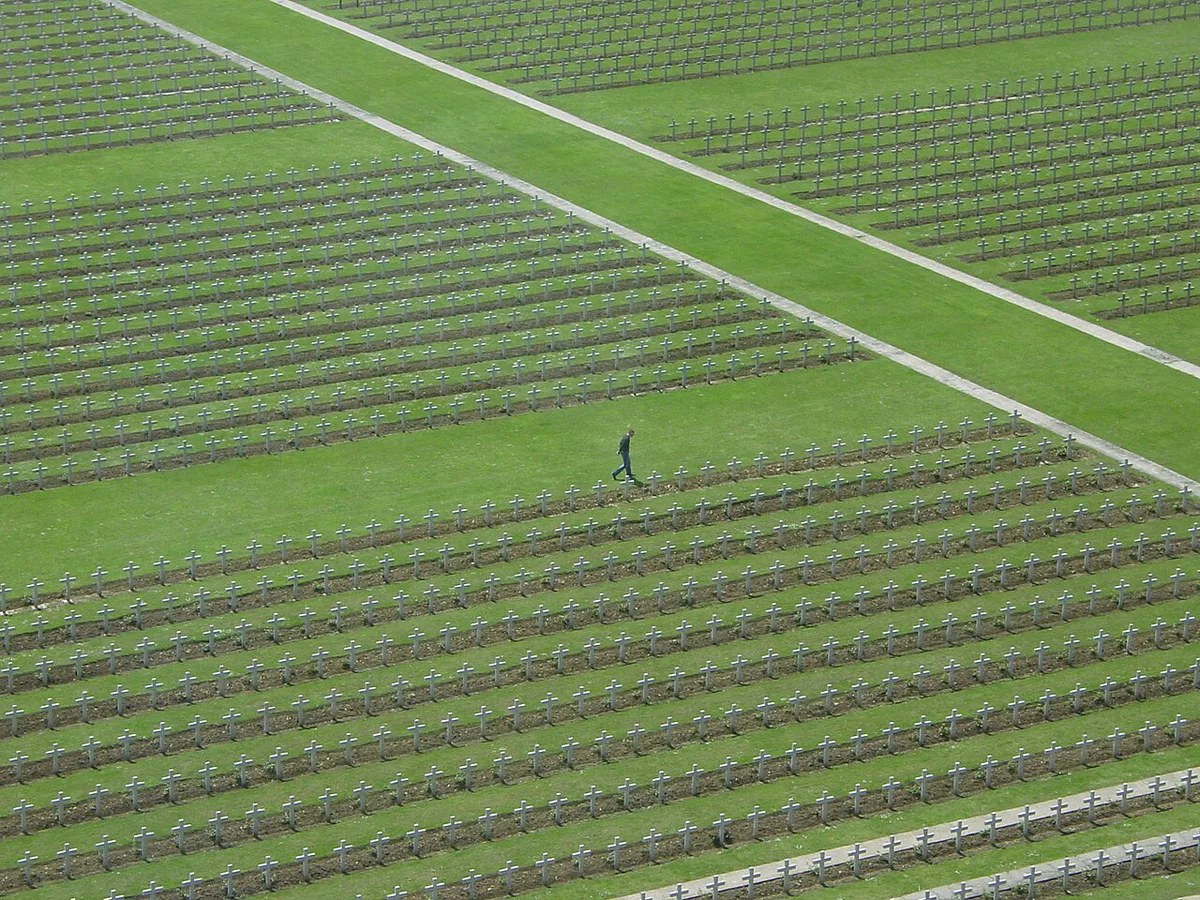
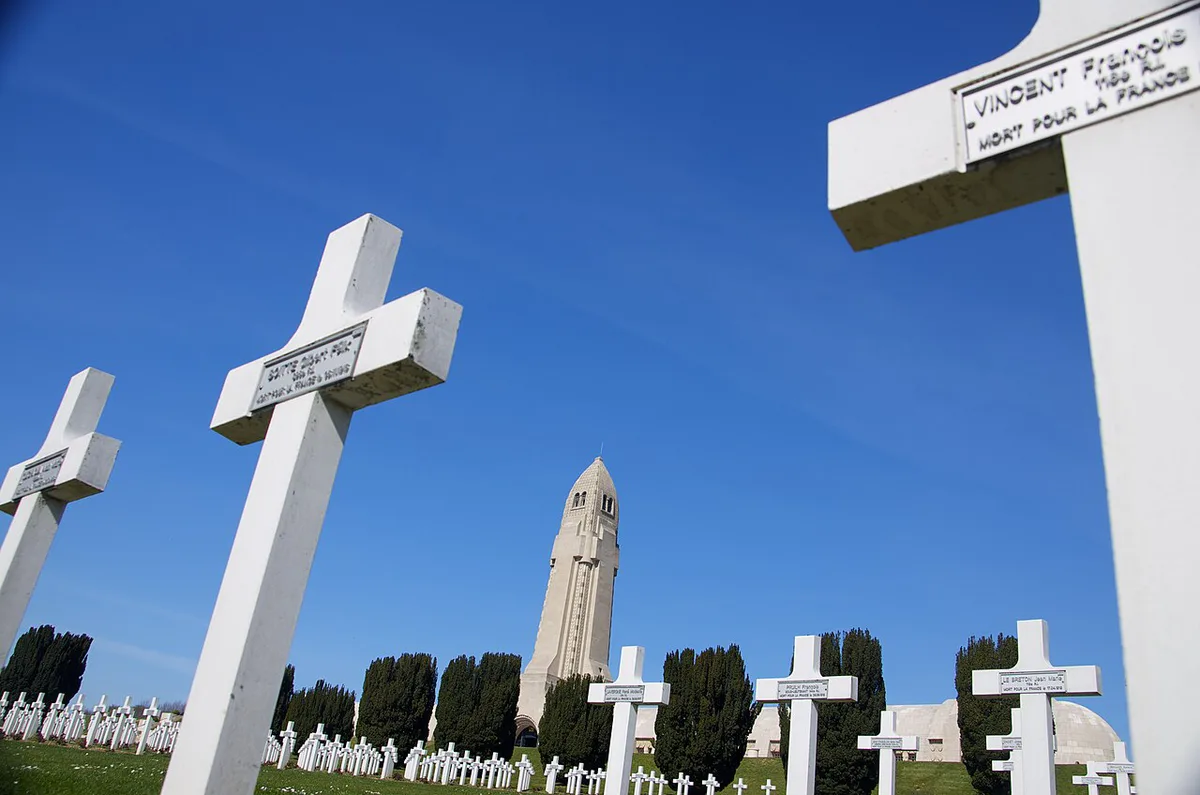
- French National Cemetery: the rows of individual graves in front of the building, with 16,142 burials.
- Fort Douaumont: a separate military site nearby, covered in our Fort Douaumont guide.
Who built the Verdun ossuary and what its design shows
Charles Ginisty, Bishop of Verdun, championed the project so that the unidentified dead scattered across the battlefield would have a permanent resting place. Families and communities in France and abroad helped pay for it. The architects were Léon Azéma, Max Edrei and Jacques Hardy.
It helps to look at the exterior before you go in:
- The long wing: the low, vaulted body of the building stretches for about 137 metres and holds the memorial gallery.
- The tower: it rises about 46 metres from the middle of the building. Its rounded form is often compared to an artillery shell.
- The lantern of the dead: its place at the top of the tower makes the memorial a landmark on the battlefield.
- The chapel: a Catholic chapel forms part of the monument, which commemorates soldiers whatever their faith.
Construction took years. President Albert Lebrun led the official inauguration of the completed monument in August, about five years after the September inauguration noted above. This is why you may see two different opening dates in accounts of the site. For more background before your visit, see the Douaumont Ossuary overview on Wikipedia.
What you can see at the Douaumont Ossuary
Inside, a long gallery runs the length of the building. Memorial alcoves line it, and names of men, regiments and divisions are carved on the walls. Plaques tell individual stories, including one for a small patrol lost near Fort Vaux in June 1916. Windows at the base let visitors see some of the remains. Outside, the cemetery rows stretch down the slope in front of the building. A tower can be climbed for a view over the battlefield, and a lantern at the top has long been lit at night. A small shop at the rear sells books and postcards. Which parts are open varies by day and season, and the tower may close separately, so check before you set out.
Those 16,142 burials sit on the slope in front of the building, and walking the rows adds time on top of the gallery visit.
Muslim and Jewish memorials and the Franco-German handshake
The ossuary and the rows of graves in front of it are not the only places of remembrance here. Allow a little extra time for the nearby memorials, which are easy to miss if you go straight from your car to the gallery and back.
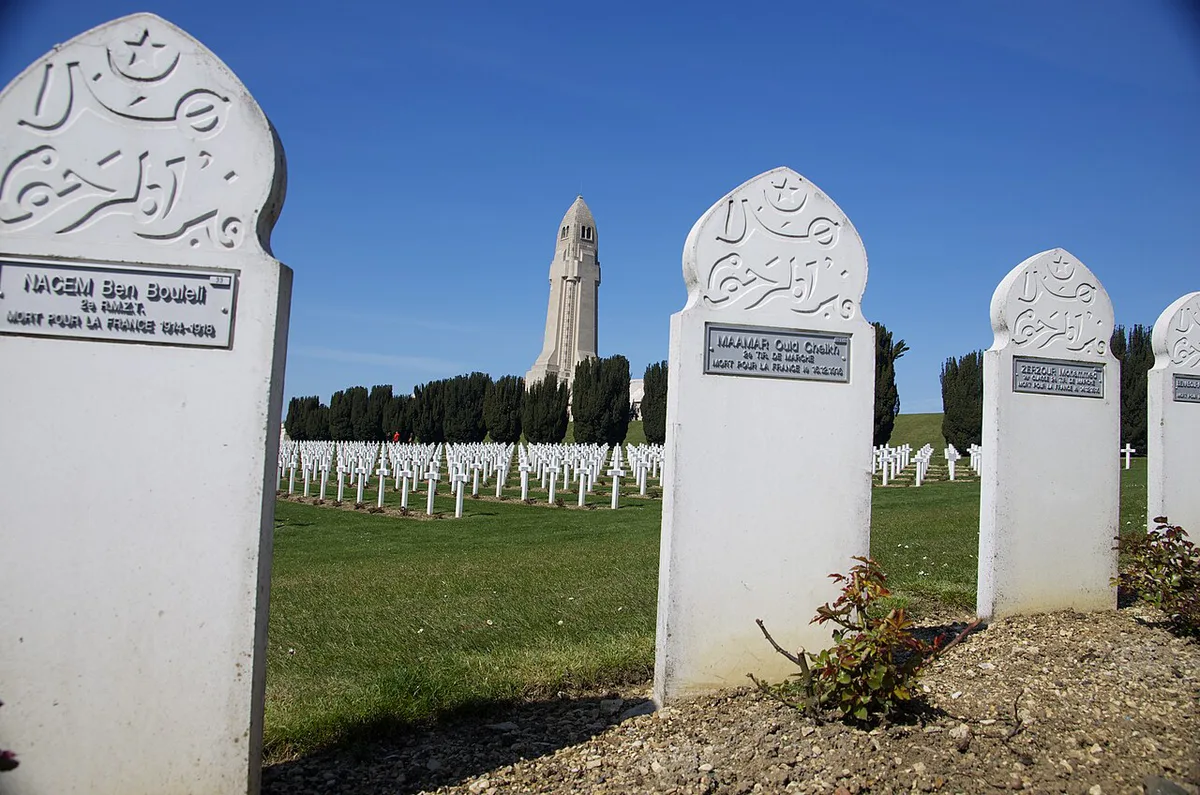
- Muslim graves: within the French National Cemetery, the headstones of Muslim soldiers have their own shape and are aligned toward Mecca, so they stand apart from the lines of crosses.
- Muslim memorial: President Jacques Chirac inaugurated this monument to the Muslim soldiers who fought for France. Its arcades and domed structure draw on North African architecture.
- Jewish memorial: this monument honours Jewish soldiers who died for France, including volunteers from abroad. Its long stone wall recalls the Western Wall in Jerusalem and carries the Tablets of the Law.
The forecourt of the ossuary is also associated with reconciliation between France and Germany. During a September commemoration, President François Mitterrand and Chancellor Helmut Kohl stood hand in hand in front of the memorial. The image became one of the best-known symbols of the relationship between the two countries. It is useful context to share with children or first-time visitors, since the remains inside include both French and German soldiers.
Treat these memorials and graves with the same quiet as the gallery. Stay on the paths where they are provided, and do not sit or lean on headstones or monuments.
Douaumont Ossuary opening hours and tickets
Opening hours, entry fees and seasonal closure dates change from year to year. The official ossuary website publishes the current schedule, including any separate access to the tower or exhibition. The Verdun tourist office lists the same information alongside nearby sites. No fee or hour is quoted here because neither could be confirmed for 2026. Plan around the posted closing time, as the gallery is the part most visitors want to see.
Getting to the ossuary and parking
The ossuary sits on the battlefield northeast of Verdun town, close to Fort Douaumont. Public transport to the battlefield sites is limited, so most visitors drive. A taxi from Verdun or a guided tour are the other options. If you are based in town, the Citadel of Verdun: Underground Visit, Tickets & Tips is a useful anchor for the day. If you are coming from the capital, read our guide to a Verdun day trip from Paris. There is parking at the site, but check the official site for current arrangements and drive times from your base.
How long to allow at the Douaumont Ossuary
A focused stop takes about 45 minutes. Add the cemetery walk and the tower, and you are closer to an hour and a half. Distances between battlefield sites are real, and opening hours can overlap awkwardly, so do not stack too many stops into one afternoon. The table below shows how the ossuary pairs with its neighbours.
| Time budget | What to pair with the ossuary | Why |
|---|---|---|
| 45 minutes | Cemetery walk only | Gallery, alcoves and the rows of graves |
| 2 hours | Visit Fort Douaumont: History, Access and Planning and the Trench of Bayonets (Tranchée des Baïonnettes): Verdun Guide | Adds the military and field context |
| Full day | Verdun Memorial Museum: Visit Guide and Plan, Fort Vaux Guide: 1916 Siege, Tickets and Planning and the destroyed villages | Adds history, a second fort and the lost villages |
Visiting the ossuary respectfully
Silence is expected inside the gallery. Keep your voice down, remove hats and treat the windows onto the remains with restraint. Photography rules are set by the site, so look for posted signs and ask staff if unsure. Children can visit, but the subject is heavy, so prepare them beforehand. The tower involves stairs, so anyone with limited mobility should ask about access before climbing. Common mistakes are easy to avoid.
- Expecting a museum: the building is a memorial first.
- Arriving without checking seasonal closures.
- Underestimating the distance between battlefield sites.
- Treating the building as a photo stop.
Self-guided or guided visit
Going alone gives you freedom over timing and pace, and the ossuary itself needs little explanation. A guided tour adds historical depth and handles the driving between sites, which helps if you have no car. Our Verdun battlefield tour guide compares the options. Prices and operators change, so check each provider directly. If you have an extra day, Saint-Mihiel American Cemetery and the Butte de Vauquois: Mine Craters, Tunnels and Visiting Guide are further afield.
Frequently Asked Questions
What is inside the Douaumont Ossuary?
A long gallery with memorial alcoves and names carved on the walls. Windows at the base show some of the remains of more than 120,000 soldiers.
When was the Douaumont Ossuary built?
Work began in the early 1920s, and the building was inaugurated on 18 September 1927.
Can you visit the Battlefield of Verdun?
Yes. The ossuary, forts and memorial museum are open to visitors, and our Verdun battlefield guide shows how to link them.
Keep planning
Guides on the same trip






