
The Destroyed Villages of Verdun: Visitor Guide
Nine villages were wiped out at Verdun in 1916 and never rebuilt. See which you can visit, what remains, and how to plan the route.
In this guide
Last updated November 2026: nine villages north of Verdun were destroyed in 1916 and never rebuilt. The destroyed villages of Verdun are still legal communes, known as villages that died for France. You can visit the sites, and Fleury-devant-Douaumont is the one to prioritise. For the wider battle story, start with our Verdun battlefield guide.
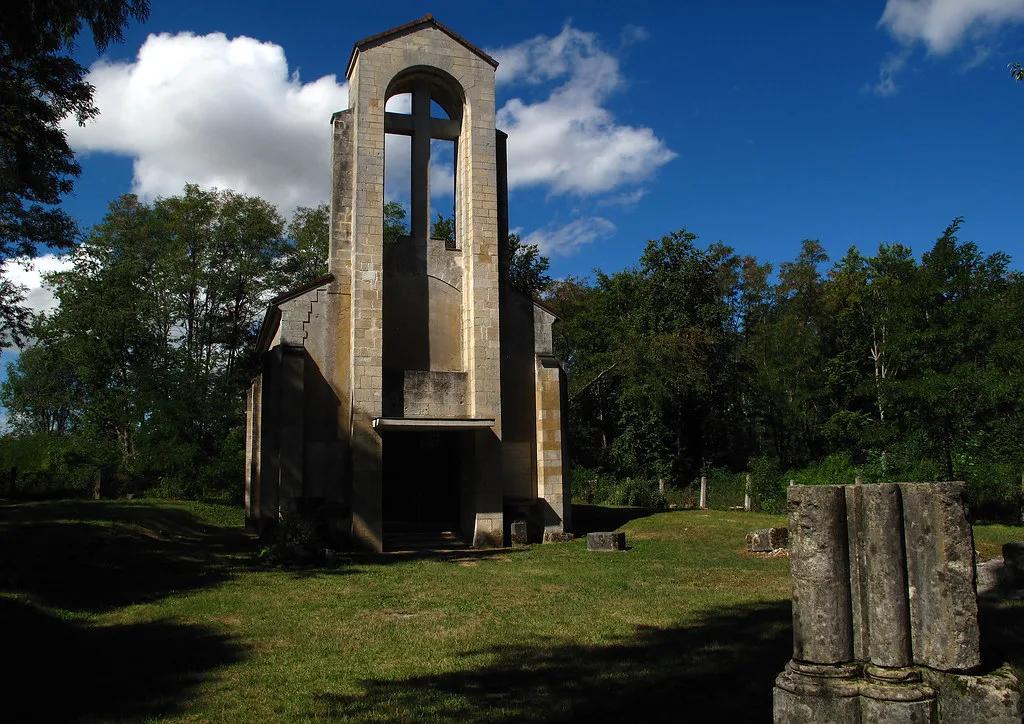
Featured image: Rutger van der Maar, CC BY 2.0, via Flickr.
The nine destroyed villages of Verdun at a glance
Fighting between 21 February and 18 December 1916 erased these nine communes from the map. Each is a place of mourning as well as a stop on a route. This table ranks them for a first visit. Where a detail is not confirmed, check locally or ask the Verdun tourism office.
Fleury changed hands 16 times between 23 June and 17 August 1916, and it ranks first for a first visit.
| Village | Battlefield area | What remains | Visit effort | Worth a stop for a first-timer? |
|---|---|---|---|---|
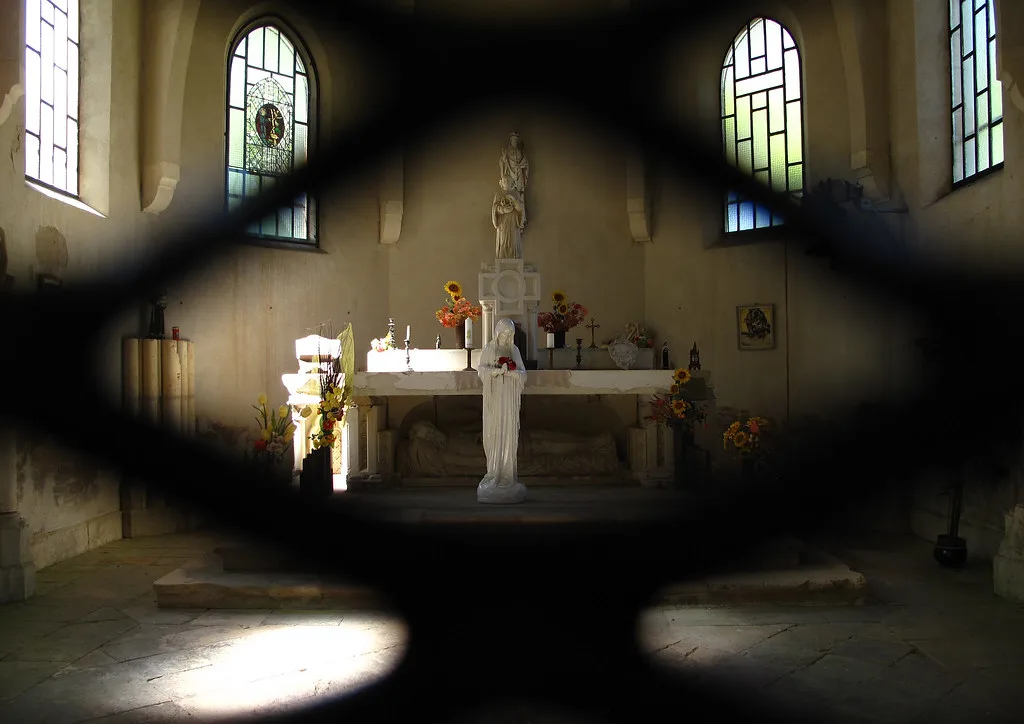
| Fleury-devant-Douaumont | Douaumont area, beside the Mémorial | Stone markers for church, school and houses; chapel | Low: short walk on open, uneven ground | Yes: the priority |
| Douaumont | Douaumont area | Marker-level remains; check locally | Low if combined with the ossuary and fort | Yes, as part of the same loop |
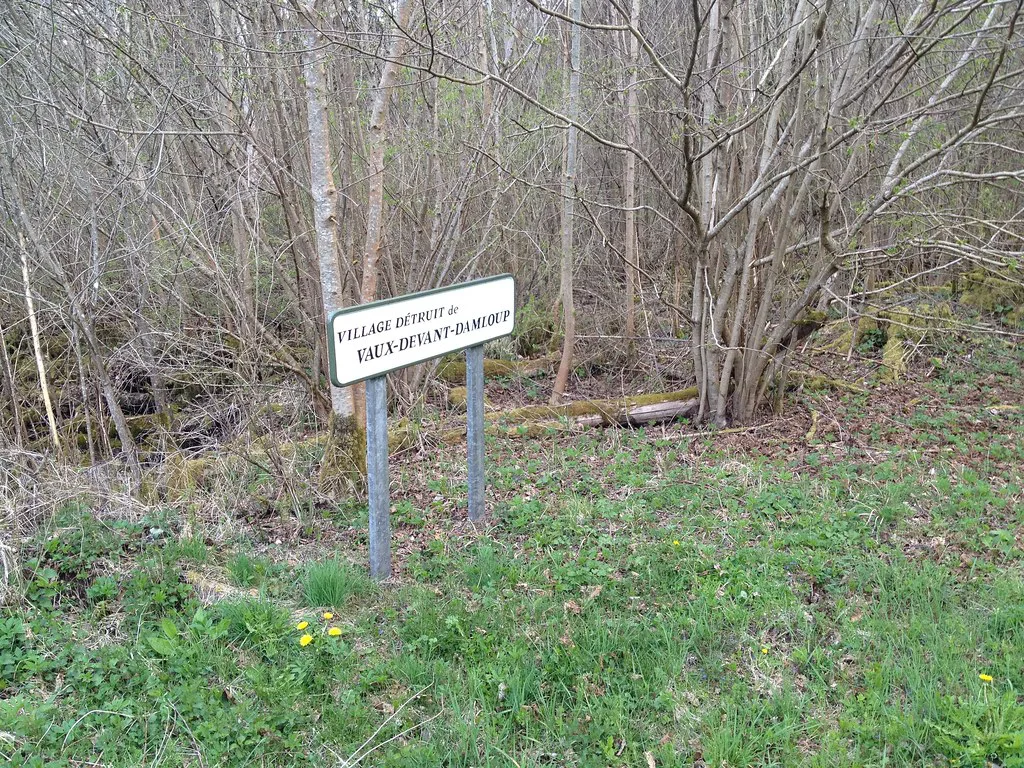
| Vaux-devant-Damloup | North and east | Marker or signpost; check locally | Moderate: short drive | Optional; pair with Fort Vaux if open |
| Beaumont-en-Verdunois | North and east | Check locally | Moderate to high | Skip on a first visit |
| Haumont-près-Samogneux | North and east | Check locally | Moderate to high | Skip on a first visit |
| Bezonvaux | North and east | Check locally | Moderate | Optional for a longer day |
| Cumières-le-Mort-Homme | West bank | Marker-level remains; check locally | Moderate: other side of the Meuse | Optional; pair with Mort-Homme |
| Louvemont-Côte-du-Poivre | North and east | Check locally | Moderate to high | Skip on a first visit |
| Ornes | North and east | Check locally | Moderate to high | Skip on a first visit |
Why the destroyed villages of Verdun were never rebuilt
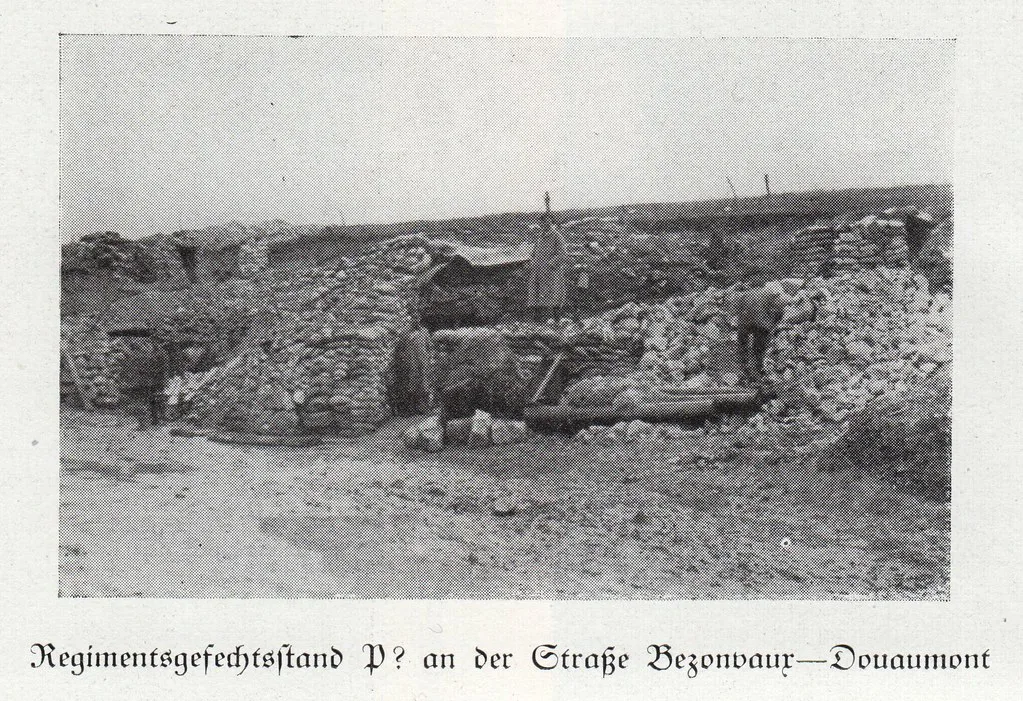
After the war, France declared the worst-hit ground the Zone Rouge, or Red Zone. It covered roughly 170 square kilometres of land judged too contaminated with unexploded ordnance and human remains to farm or build on. Much of it was replanted as forest. Fleury shows how total the destruction was: it changed hands 16 times between 23 June and 17 August 1916. When the fighting ended, little more than rubble and craters marked where houses had stood. The state chose not to rebuild and gave each village the designation "mort pour la France", a phrase normally used for fallen soldiers.
Fleury-devant-Douaumont: the village to prioritise
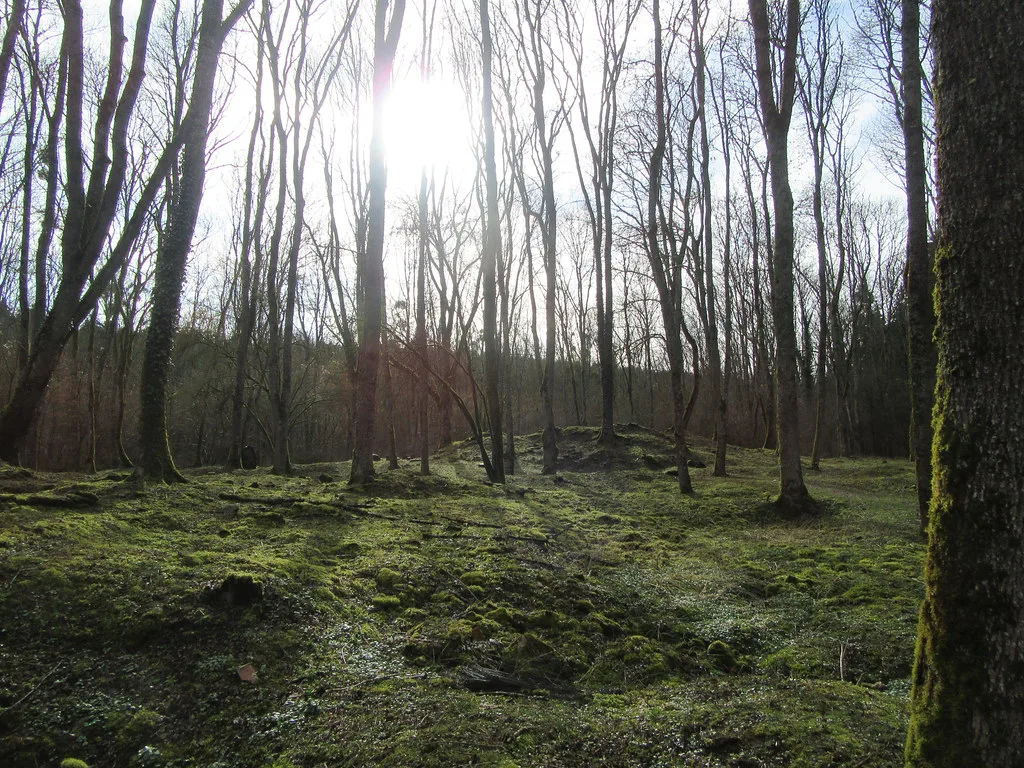
Fleury is the easiest of the nine to read as a place. Low stone markers show where the church, the school and individual houses stood, spaced out like plots along a street. A small chapel stands on the site. Fleury sits at the edge of the ground beside the Mémorial de Verdun, which stands on the former railway station site. Fort Douaumont is also close by. Allow roughly 30 to 45 minutes on foot, an estimate rather than an official figure. Ground is uneven and unsuitable for wheelchairs. There are no cafés or toilets at the village itself, so eat before or after at the Mémorial.
- Facilities: none on site; the Mémorial has a café, shop and toilets.
- Cash: there are no ATMs at the battlefield sites.
- Footwear: wear shoes with grip, because the ground ripples with old craters.
The other villages: what is actually there
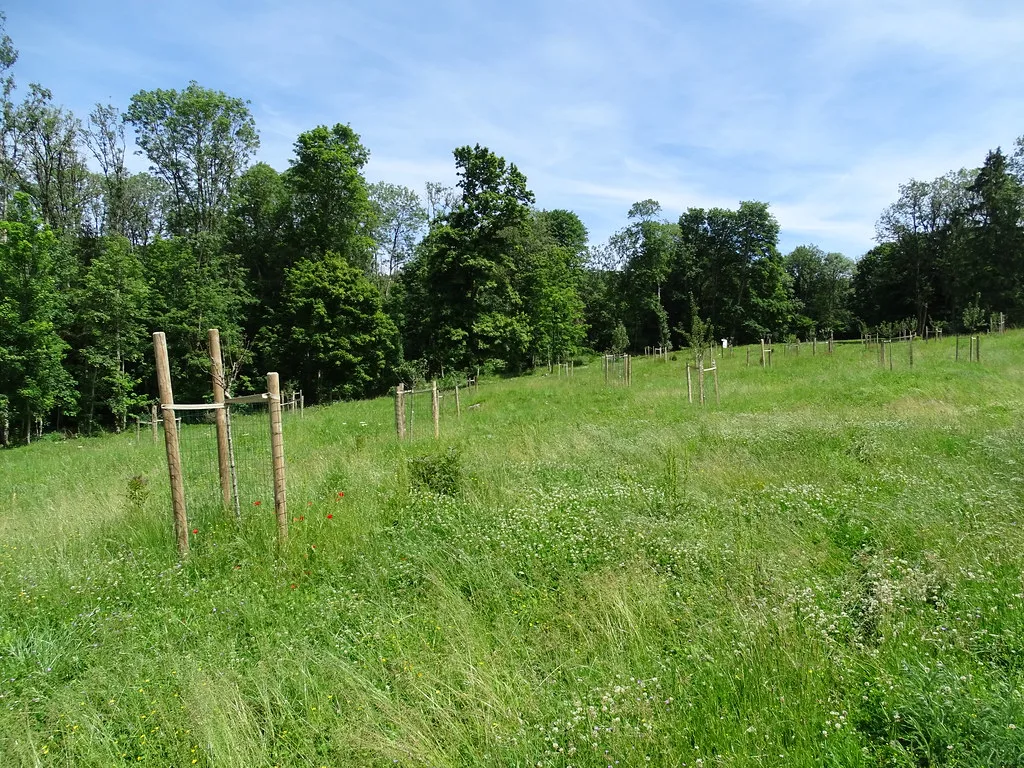
Beyond Fleury, expect less. Most sites are marked by a signpost, a low monument or foundation stones under grass. Details vary and change as forest managers work, so check locally or with the tourism office before driving out. The groups below help you decide what to add.
- Douaumont-area group: Douaumont village lies close to the ossuary and fort, so it adds almost no driving to a standard loop.
- West bank: Cumières-le-Mort-Homme lies on the other side of the Meuse, near the Mort-Homme slope, and needs a separate drive.
- North and east: Bezonvaux, Ornes, Louvemont-Côte-du-Poivre, Beaumont-en-Verdunois, Haumont-près-Samogneux and Vaux-devant-Damloup are spread out and mostly marker-only. Check locally for what is visible.
- Vaux-devant-Damloup: pair it with Fort Vaux Guide: 1916 Siege, Tickets and Planning only after confirming that the fort has reopened after renovation.
Why the villages still have mayors
All nine remain legal communes, each with a municipal identity despite having no residents since 1916. France refused to merge them into neighbouring communes. Their councils keep the names alive, mainly through commemorations and upkeep of the markers. Local sources describe how each office is filled, so ask the Verdun tourism office if you want that detail. The arrangement means these places are still administered rather than simply remembered.
Planning a village-focused visit
A car is effectively required. By car, Verdun is roughly 3 hours from Paris via the A4, 1 hour 15 minutes from Reims and 1 hour from Metz. Verdun town has the nearest train station, and there is no direct rail service to the sites. Visitors then need a car, a taxi or a seasonal shuttle. Without a car, see Verdun from Paris: Train, Tour or Car Day Trip Guide for a day-trip plan. A guided option is described in our Verdun Battlefield Tour: Guided, Self-Drive or Day Trip guide. Village sites and the Douaumont cemetery are free. The ossuary interior, the Mémorial and the forts charge admission, and combined tickets exist. Prices and hours change, so check the Mémorial de Verdun site before you go. The ossuary keeps roughly 9am to 6.30pm hours in July and August, with shorter winter hours. Late spring to early autumn is easiest. Early November around Armistice Day is busier.
| Plan | Time | What it covers |
|---|---|---|
| Fleury only | About 30 to 45 minutes | Markers and chapel, plus the Mémorial if you add time |
| Half-day loop | Roughly 4 hours | Mémorial, Fleury, Fort Douaumont and the ossuary |
| Full battlefield day | A full day | Half-day loop plus a west-bank or north-east village and Fort Vaux if open |
- Mistake to avoid: do not assume trains reach the sites.
- Mistake to avoid: do not expect food, toilets or ATMs at Fleury.
- Mistake to avoid: do not plan around Fort Vaux without checking its renovation status.
- Car, guided tour or audio-led self-drive: choose a tour if you want context at each village without navigating forest roads.
Safety and respect at the village sites
Stay on marked paths. Bomb-disposal teams still recover live ordnance in the Verdun sector every year, so leaving the path is dangerous. Never pick up or remove objects, and never dig. Treat the ground as a burial site, because remains still lie in the forest. Do not enter abandoned or unmaintained forts, which hide deep shafts and unstable floors. Visit only forts that are officially open. The ossuary has small ground-level windows that show bones. Preview this with children and decide whether to take them in.
Before taking children in, note the ossuary keeps roughly 9am to 6.30pm hours in July and August.
Suggested half-day route
This sequence keeps driving to a minimum and puts the most informative stops first. Start in the morning, when the forest paths are quietest.
- Mémorial de Verdun: use it for context before you walk the ground.
- Fleury-devant-Douaumont: walk the markers and chapel just beside the museum.
- Visit Fort Douaumont: History, Access and Planning: its interior has uneven passages, low ceilings and stairs.
- Douaumont Ossuary: Visiting Guide and What to See: the cemetery holds 16,142 graves, and the ossuary holds the remains of about 130,000 unidentified soldiers. Allow 45 minutes to an hour for the cemetery and ossuary alone.
Keep planning
Guides on the same trip





