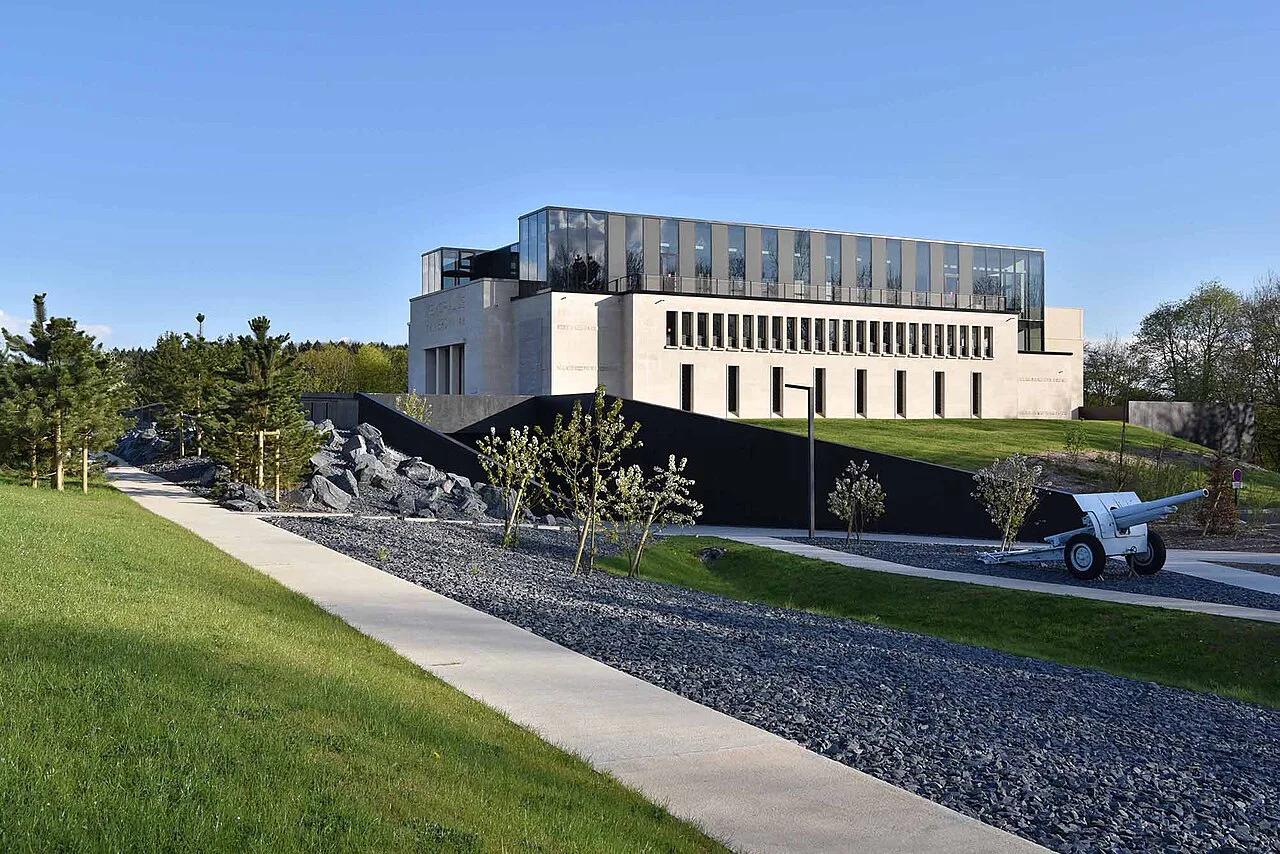
Verdun Battlefield Tour: Guided, Self-Drive or Day Trip
How to tour the Verdun battlefield: guided vs self-drive vs day trip from Paris, key sites, route order, timing and tips.
In this guide
Last updated November 2026: a verdun battlefield tour can be a guided half-day or full-day outing, a private guide, a self-drive or a cycling route. We'd pick a guided or private tour for first-timers and a self-drive for enthusiasts who want to linger at the forts. Our Verdun battlefield overview covers the history, and this guide helps you choose how to see it.
Featured image: ** Maurice **, CC BY 2.0, via Flickr.
Verdun Battlefield Tour at a Glance
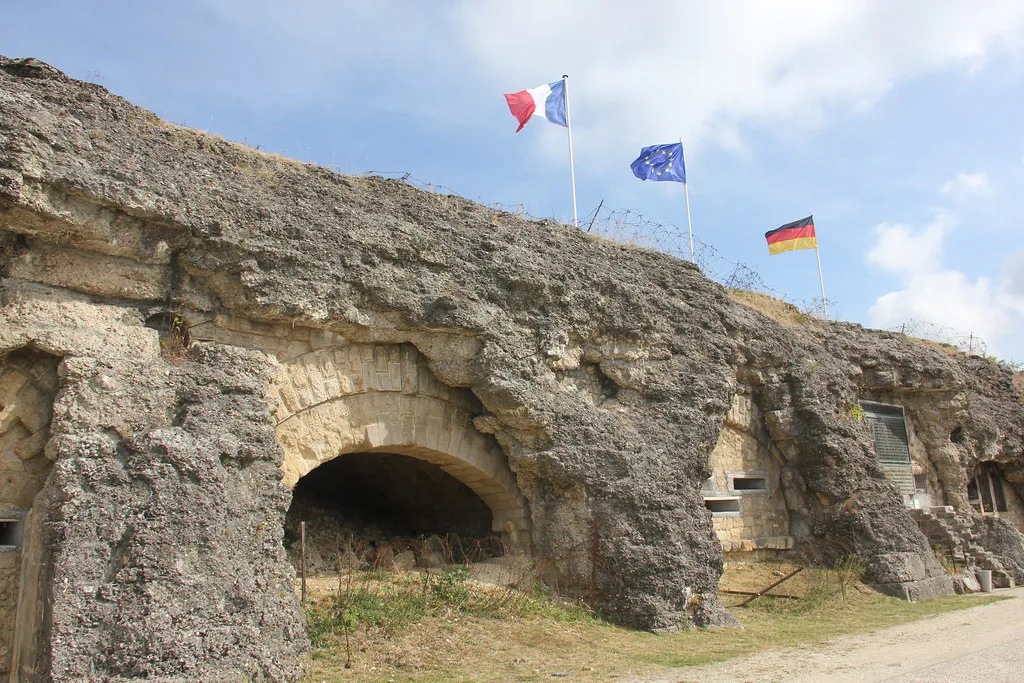
Verdun's sites sit on rural roads on both banks of the Meuse, so the format you choose shapes the day more than any single stop. Fort entry is on foot and underground. Several memorials are a drive apart. Our table sets the main formats side by side, with cost shown as a relative level because current fares come from each operator.
| Format | Best for | Time | Cost level | Skip if |
|---|---|---|---|---|
| Guided small-group tour from Verdun | First-timers who want context | Half day or full day | Mid | You want to stay at one fort for hours |
| Private guide | Families, mobility needs, specific interests | Flexible, half day to two days | Highest | You are on a tight budget |
| Self-drive with a route | WW1 enthusiasts, independent planners | One to two days | Low to mid, plus fuel and tickets | You dislike driving rural roads |
| Cycling the right bank | Fit riders linking nearby sites | Part of a day | Low, plus bike hire | You want to cover the left bank too |
| Day trip from Paris | Short stays with limited time | A long day, few stops | Mid to high | You want to enter several forts |
| Multi-day coach package | Visitors who want everything arranged | Several days | Highest | You prefer your own pace |
Which Type of Verdun Tour Is Right for You
Guided half-day tours from Verdun suit most first-timers. A guide links the sites into one story and handles the driving. Verdun Tourisme sells guided tours and tickets, so start there for the current offer. Private guides cost more, but they let you set the pace, choose the sites and plan around children or limited mobility. Self-driving gives the most freedom. We'd choose it if you have read about the battle and want unhurried time at each site. Cycling works as a way to link neighbouring right-bank stops rather than cover everything. The tourist office lists bike and e-bike hire and the Trenches Trail® walking route. Day trips are possible from Paris, Metz or Reims. Our guide to Verdun from Paris: Train, Tour or Car Day Trip Guide explains what that day realistically holds.
- Does the operator name its guide's credentials?
- What is the maximum group size?
- Which sites are included, and do they match your priorities?
- Are fort and museum entries included in the price?
- Where is the pickup point, and what is the cancellation policy?
Key Sites and What Each Adds
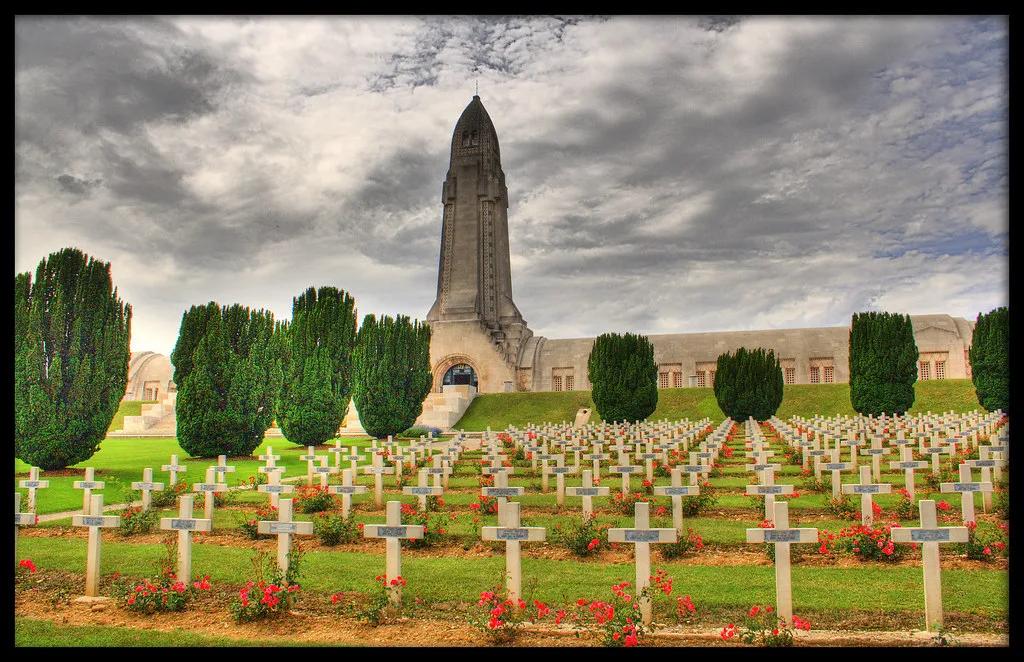
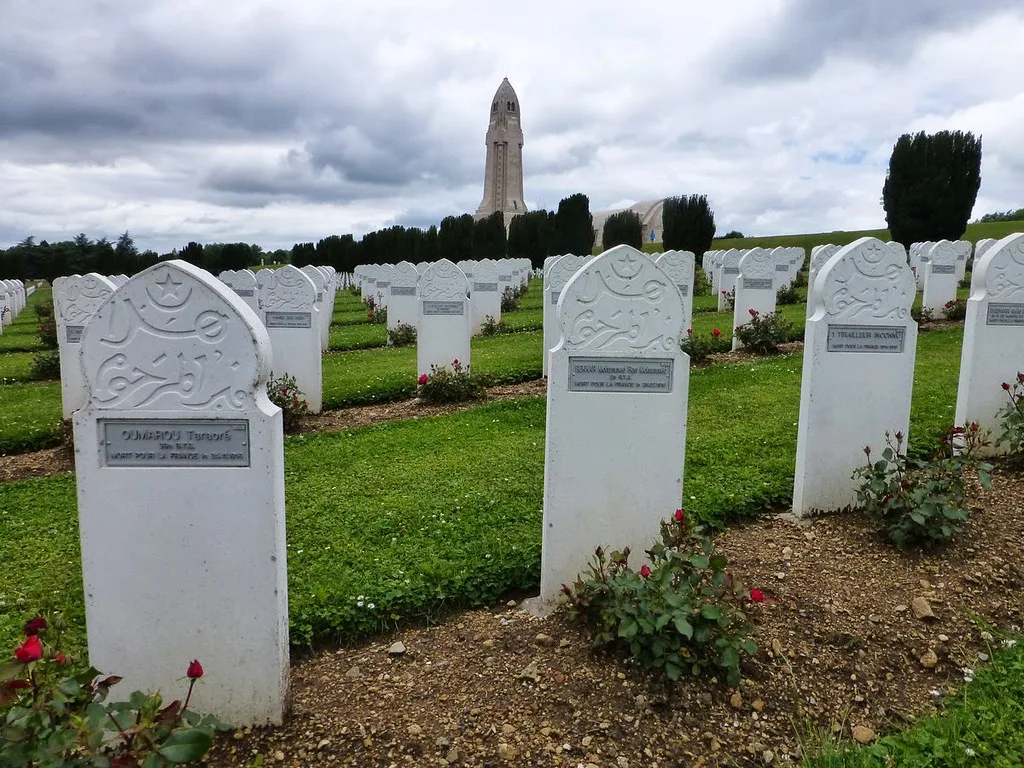
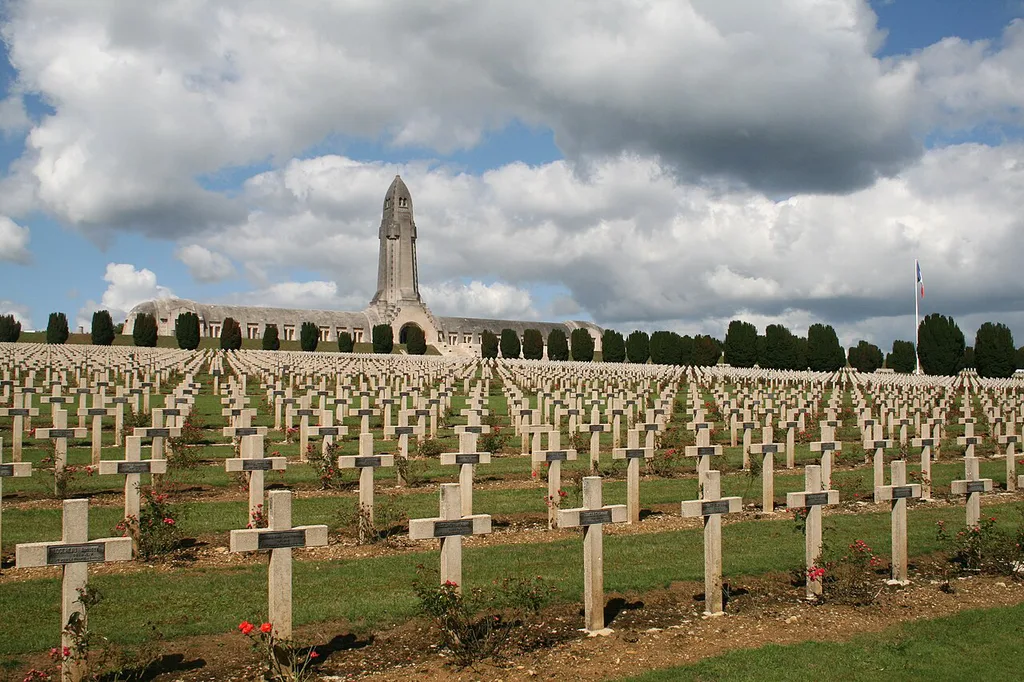
Group the sites by area and you can see why a full-day plan works. The battle began on 21 February 1916 and ran until December that year. The right bank holds the most visited stops, and the left bank is quieter. Town sites give context before or after the field stops. The Douaumont Ossuary holds the remains of more than 120,000 soldiers, so allow quiet time there.
- Right bank, Fort Douaumont: a fort captured in February 1916 and visited on foot through its tunnels, so Visit Fort Douaumont: History, Access and Planning needs real time.
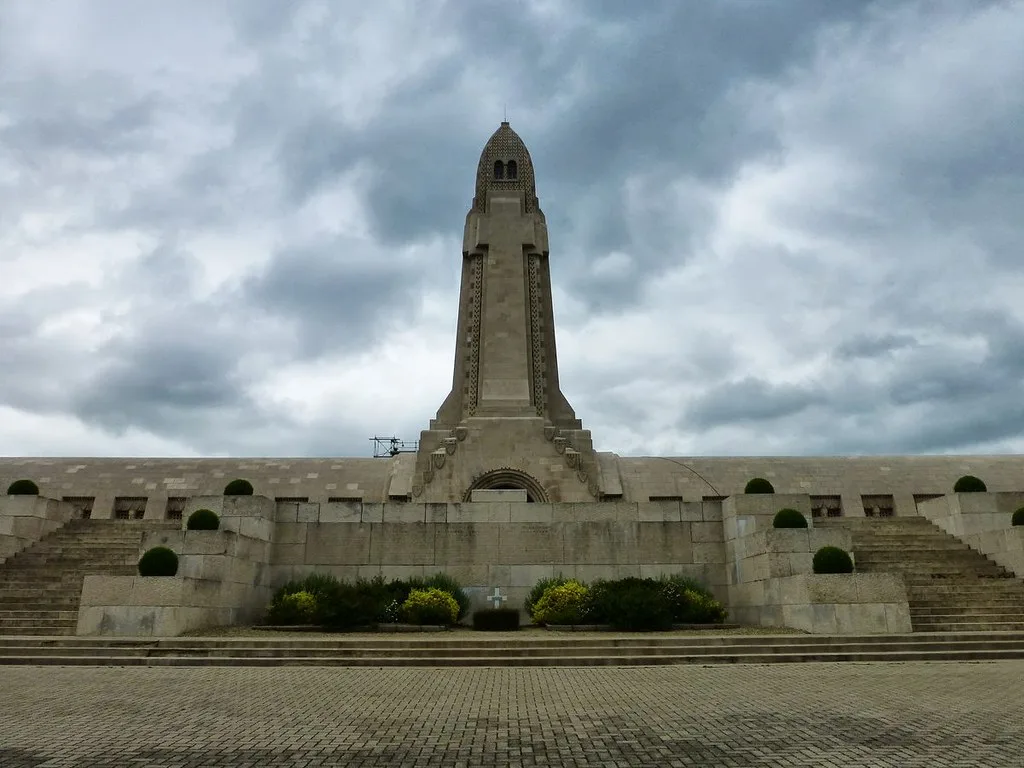
- Right bank, ossuary: Douaumont Ossuary: Visiting Guide and What to See and its cemetery are a memorial first and a visitor stop second.
- Right bank, Fort Vaux: it fell on 8 June 1916 and was retaken on 2 November, and Fort Vaux Guide: 1916 Siege, Tickets and Planning is smaller and quicker to walk.
- Right bank, memorial: the Trench of Bayonets (Tranchée des Baïonnettes): Verdun Guide is a memorial and a short stop.
- Right bank, villages: destroyed villages such as Fleury are marked by posts where houses stood.
- Right bank, Bois des Caures: the opening stage of the assault, with Colonel Driant's command post and memorial.
- Left bank: Mort Homme and Cote 304 are high ground, and Butte de Vauquois: Mine Craters, Tunnels and Visiting Guide shows the scale of mining warfare.
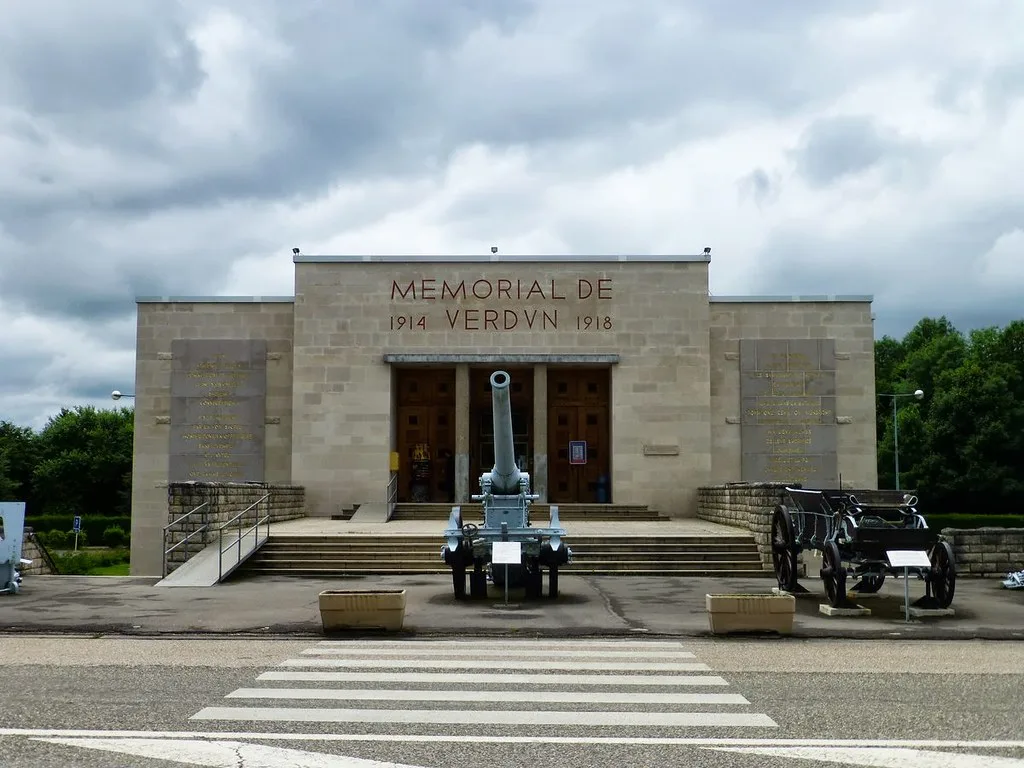
- Town: the Verdun Memorial Museum: Visit Guide and Plan at Fleury gives context, and the Citadel of Verdun: Underground Visit, Tickets & Tips is the underground stop in town.
- Further out: the St. Mihiel Salient, including Les Eparges, Mont Sec and Apremont, ends at the St. Mihiel American Cemetery.
Sample Routes: Half Day, One Day, Two Days
Each route below follows drive order, not importance. Start at the museum for context if you can. We'd keep the half-day plan to three stops, because rushing the ossuary defeats the purpose.
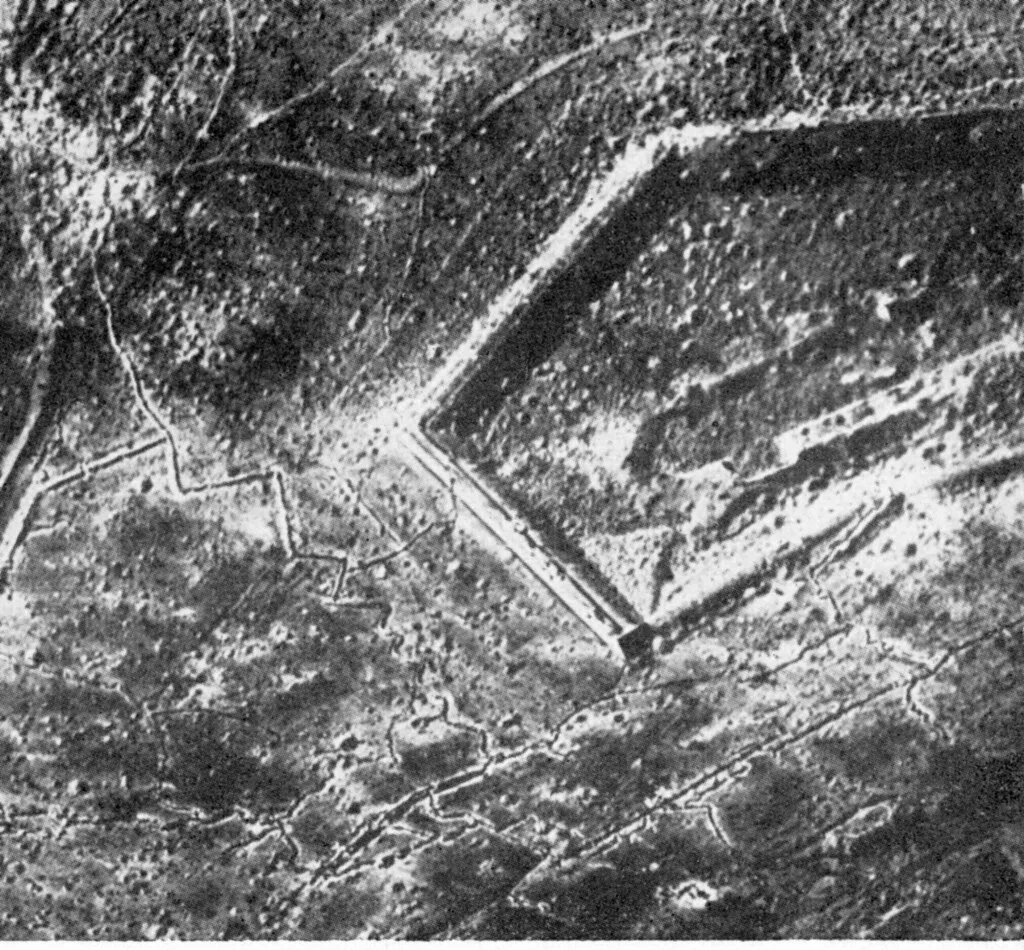
- Half day: Verdun Memorial Museum, Douaumont Ossuary, then Fort Douaumont.
- One day: Bois des Caures, Fleury, Douaumont Ossuary and cemetery, Fort Douaumont, Trench of Bayonets, Fort Vaux, then the Citadel if time allows.
- Day one of two: the one-day right-bank route at a slower pace, with Thiaumont and Froideterre added.
- Day two of two: Mort Homme, Cote 304, Butte de Vauquois, then the St. Mihiel Salient and the American cemetery.
Costs, Tickets and Opening Hours
Ticket prices and hours differ by site and season, so use the Verdun Tourisme ticketing pages as the first check. For the forts, the Centre des monuments nationaux is the official reference.
Getting There and Getting Around
A car is the practical way to cover dispersed sites, and public transport between them is limited. Guided tours from Verdun remove that problem. Paris suits a long day with few stops, and our page on day trips from Paris sets out the trade-offs. Metz and Reims are closer bases for the same day-trip logic. Check current train and road details before you commit, since schedules change.
Where to Stay: Verdun or Metz
Staying in Verdun puts you closest to the sites and lets you walk the town in the evening. Metz offers more hotels and rail links, but it adds driving each morning. We'd stay in Verdun for a two-day trip and use Metz only if rail access matters more than time on site.
What to Wear and Bring, and Visiting Respectfully
Forts are cold and damp underground, and ground is uneven and muddy after rain. Wear walking boots and bring layers and waterproofs. Carry some euros in cash for small purchases. The ossuary, the cemetery and the Trench of Bayonets are memorials, so keep voices low and follow the signs on site. Leave the fenced areas alone and keep children close.
Common Mistakes to Avoid
Most disappointment comes from planning too much. We'd treat these points as a checklist before booking.
One-day routes pack in many stops, yet the ossuary alone holds more than 120,000 soldiers. Give it quiet time rather than a rushed pass.
- Trying to cover everything in one day instead of choosing a side of the battlefield.
- Skipping the Verdun Memorial Museum, which gives the context for later stops.
- Arriving at the forts in winter without checking seasonal hours.
- Assuming a tour price includes entry tickets.
- Choosing a tour that skips the sites you care about.
Frequently Asked Questions
Can you visit the Battlefield of Verdun?
Yes, the memorials, forts, ossuary and museums are open to visitors. Hours vary by site and season, so check with Verdun Tourisme before you travel.
Is Verdun, France worth visiting?
We think so, especially if you want to understand the First World War on the ground. Give it at least a full day, and two if you want both banks of the Meuse.
Are there still trenches in Verdun?
Yes, trench lines and shell-torn ground remain in the forests and around sites such as the Trench of Bayonets. Stay on marked paths, because the terrain is uneven and some areas are protected.
Keep planning
Guides on the same trip