
Verdun Memorial Museum: Visit Guide and Plan
What the Mémorial de Verdun covers, how long to allow, and how to fit it with the Douaumont ossuary, fort and Trench of Bayonets.
In this guide
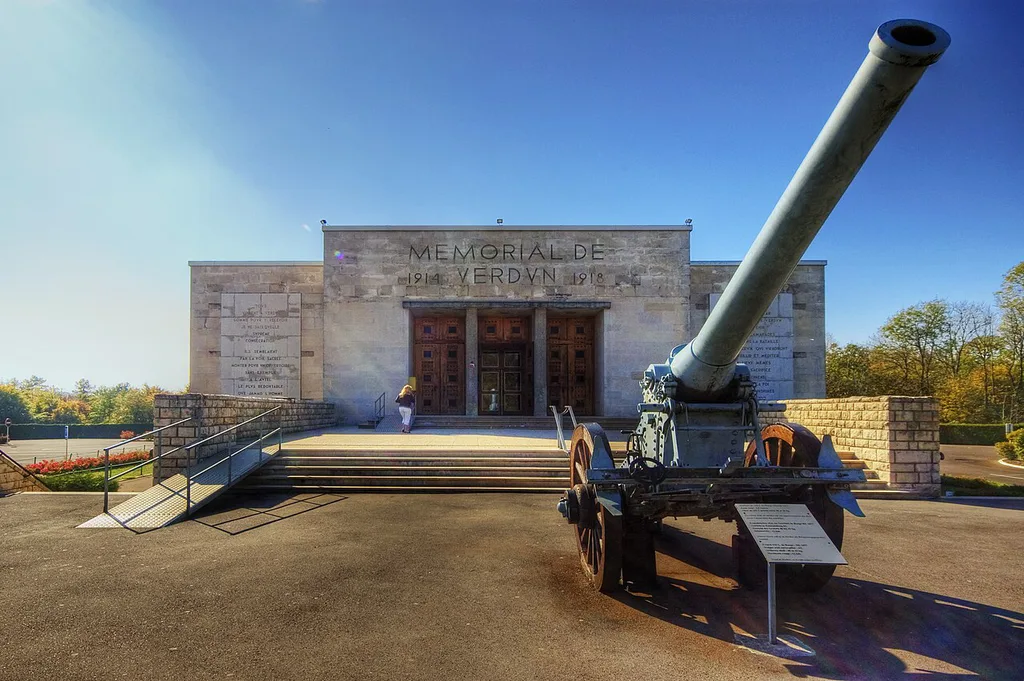
Last updated November 2026. The Verdun Memorial Museum, officially the Mémorial de Verdun, tells the story of the 1916 Battle of Verdun beside the ground where it was fought. It suits first-time visitors and anyone who wants context before the forts and the ossuary. Start here, then move on to the wider 7 Best Sites on the Verdun Battlefield: What to See and How Long You Need.
Featured image: westher, CC BY 2.0, via Flickr.
Is the Verdun Memorial Museum worth visiting?
Yes, for most visitors. It explains what happened on this ridge before you walk across it. The forts and the ossuary make more sense once you have seen the chronology.
It suits first-timers, history-focused visitors and families with older children. It also suits anyone who wants a single indoor stop to anchor a day on the battlefield.
You can skip it if your time is very short and you only want the fortifications. In that case, go straight to Visit Fort Douaumont: History, Access and Planning. The content concerns a battle with mass casualties, so younger children may need a parent to pre-select what they see.
What you see inside
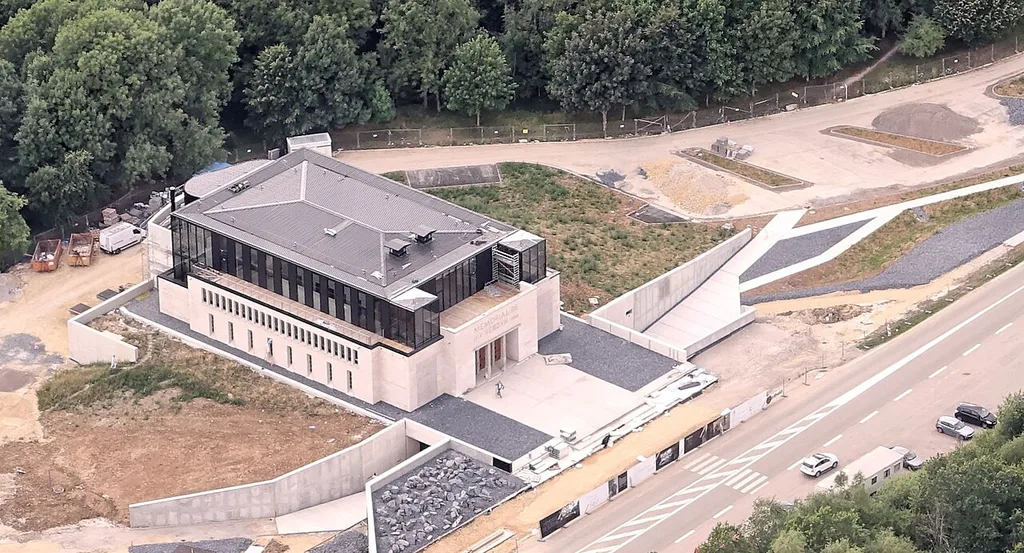
The museum was redesigned and reopened in its current form in 2016. Its permanent exhibition follows the war in chronological order, from the outbreak of fighting toward the armistice.
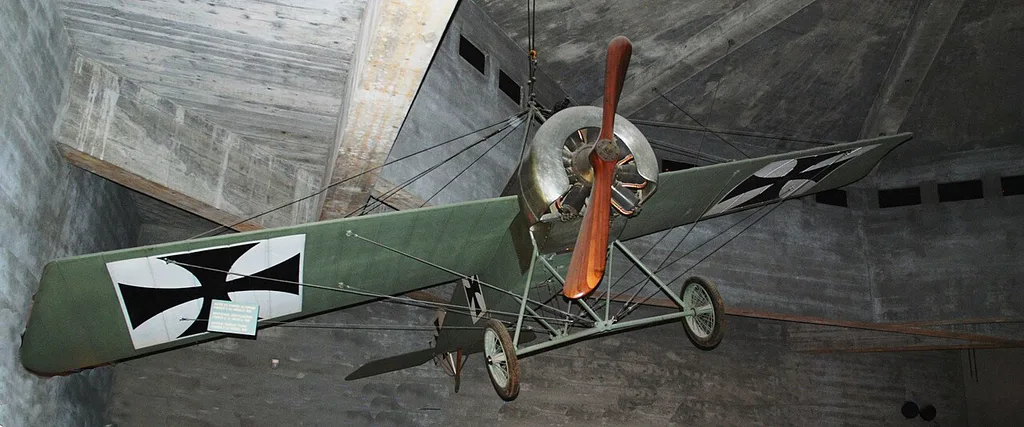
It holds around 1,500 objects recovered from the surrounding ground. Helmets, letters and shell fragments are typical examples. Sound and original film footage are used to convey the weight of the bombardments.
Panels are multilingual. Languages, audio guides and photography rules are set by the museum, so read the Mémorial de Verdun official site for current details.
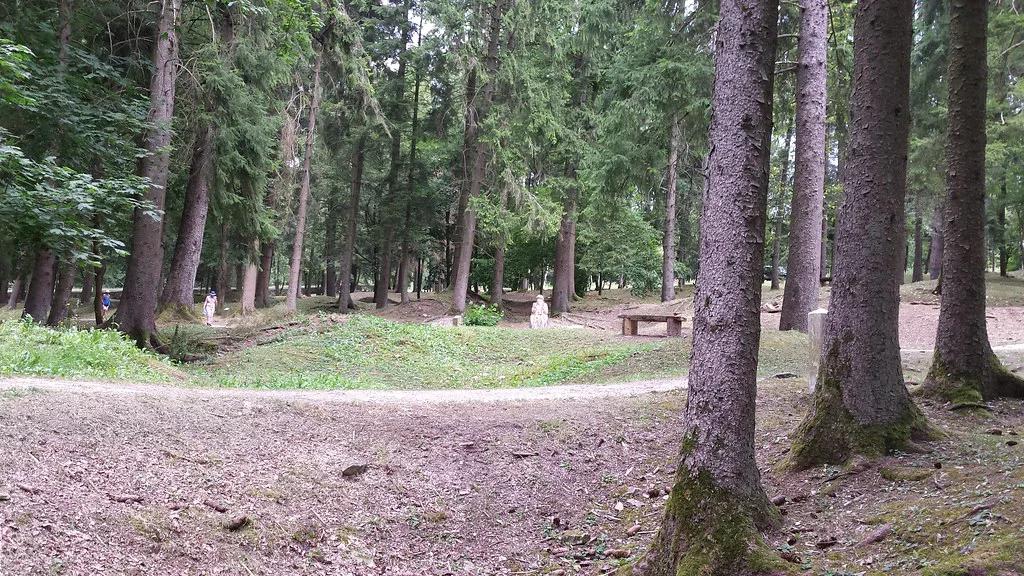
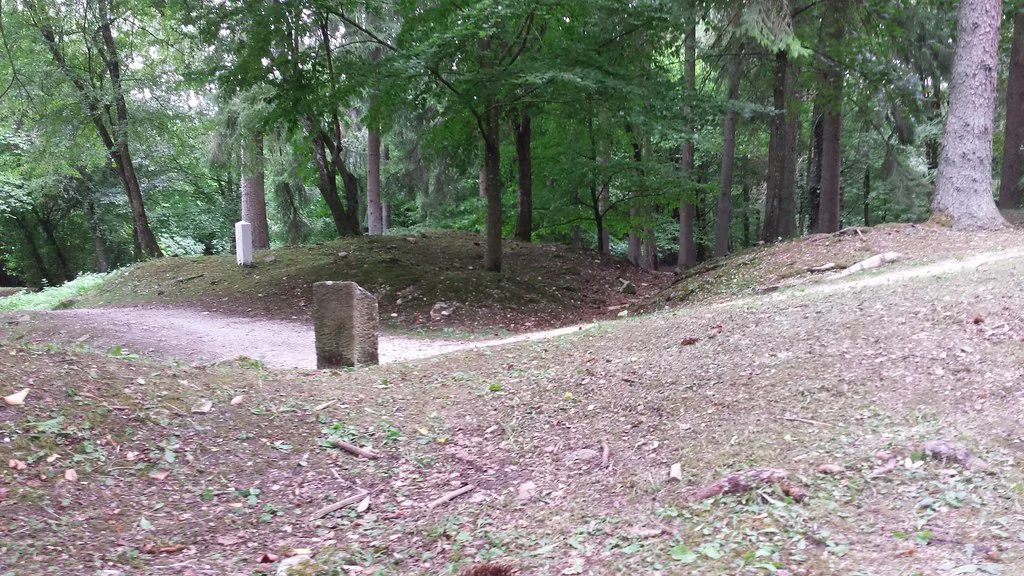
Outside, the cratered ground is still visible. Red-triangle signs mark land that is too dangerous to enter because unexploded ordnance remains. Stay on marked paths and never step past those signs.
The museum stands at Fleury-devant-Douaumont, one of the places covered in our guide to the destroyed villages of Verdun.
The 1916 Battle of Verdun: key dates to know first
A few names and dates will help you follow the exhibition and the sites outside. Germany opened its offensive on 21 February 1916, and the fighting lasted until December. General Philippe Pétain took charge of the French defence in the first days of the crisis.
| Date in 1916 | Event | What to connect it with |
|---|---|---|
| 21 February | German bombardment and attack begin | The start of the battle |
| 25 February | German troops take Fort Douaumont | The loss of a key French strongpoint |
| 7 June | Fort Vaux surrenders after close fighting | The siege inside the fort's passages |
| Summer | Fleury is fought over repeatedly and destroyed | The ground around the museum |
| 24 October | French forces retake Fort Douaumont | The French counter-offensive |
| 2 November | The French reoccupy Fort Vaux | The recovery of lost ground |
| December | A further French attack pushes the Germans back | The usual end point of the battle |
Supply is another thread to look for. The road from Bar-le-Duc to Verdun carried a constant flow of trucks bringing men and material to the front. It became known as the Voie Sacrée, or Sacred Way.
Casualty estimates differ according to the period and the method of counting. Combined French and German losses are commonly put at about 700,000 killed, wounded and missing, including roughly 300,000 dead or missing. For a longer account before your visit, see the Battle of Verdun on Wikipedia.
How long to allow
Plan the museum as a main stop, not a quick detour. Pace depends on how much of the exhibition you read. The ridge sites nearby add a further half-day circuit.
| Plan | Stops in order | Where to cut |
|---|---|---|
| Short visit | Museum only, then a short walk outside | Skip the circuit and add it on a later day |
| Half day | Museum, then the ridge: ossuary, fort, Trench of Bayonets | Drop the fort interior if time runs short |
| Full day | Museum, ridge circuit, Fort Vaux, then a destroyed village | Drop Fort Vaux or the village stop |
Tickets, opening hours and booking
Prices, opening days, last entry and any combined tickets are set by the museum and change by season. Check the official Mémorial de Verdun site before you travel, and confirm winter closing days if you visit outside summer. The same site is the place to look for accessibility information and wheelchair access.
How to get there and get around
A car is the simplest way to reach the museum. The battlefield is rural, and public transport from Verdun town to the ridge is limited. Local schedules change, so ask the Verdun tourist office about taxis, shuttles and cycling options.
Without a car, a guided option removes the logistics. See our guide to a Verdun Battlefield Tour: Guided, Self-Drive or Day Trip for what is covered.
Visiting from the capital is possible but tight. Our Verdun day trip from Paris guide sets out the trade-offs. A day trip leaves little room for both the museum and the ridge.
Museum, ossuary, fort or battlefield: which to choose
Each site does a different job. The museum explains the battle. The ossuary is a charnel house and cemetery. The forts are fortifications. Use the table to match each to your interests.
| Site | What it is | Indoor or outdoor | Best for |
|---|---|---|---|
| Mémorial de Verdun | Museum of the 1916 battle | Mostly indoor | Context and objects |
| Douaumont Ossuary: Visiting Guide and What to See | Charnel house and cemetery | Indoor and outdoor | Remembrance |
| Visit Fort Douaumont: History, Access and Planning | Fortification | Mostly indoor, underground | Understanding the defences |
| Fort Vaux Guide: 1916 Siege, Tickets and Planning | Fortification | Mostly indoor, underground | A second fort on a full day |
| Citadel of Verdun: Underground Visit, Tickets & Tips | Underground citadel in town | Indoor | Town-based or wet-weather visit |
Combining the museum with other Verdun sites
Go to the museum first. It gives you the sequence of events before you meet the ground itself. The exception is a late arrival, when the forts and ossuary may close earlier than you expect. In that case, see the open-air sites first and keep the museum for the next morning.
Next, drive to the Douaumont Ossuary: Visiting Guide and What to See and Visit Fort Douaumont: History, Access and Planning. Add the Trench of Bayonets (Tranchée des Baïonnettes): Verdun Guide if time allows. This forms the half-day ridge circuit.
On a full day, add Fort Vaux Guide: 1916 Siege, Tickets and Planning. A second day could stretch to the St. Mihiel American Cemetery: Visitor Guide & What to See or the Butte de Vauquois: Mine Craters, Tunnels and Visiting Guide.
Where to base yourself
Staying in Verdun town keeps you close to the museum and the ridge. It also gives you the Citadel of Verdun: Underground Visit, Tickets & Tips as a wet-weather option. A day trip from elsewhere works, but you will spend much of the day on the road.
Practical tips and mistakes to avoid
A few simple choices prevent most problems on the battlefield.
- Do not leave the museum until late in the day. Hours are set by the museum, so check them first.
- Do not assume every fort is open. Some sites close on certain days or seasons.
- Never cross the red-triangle warning signs. Unexploded ordnance is still present.
- Allow driving time between sites. The ridge is compact, but the villages and Fort Vaux are further apart.
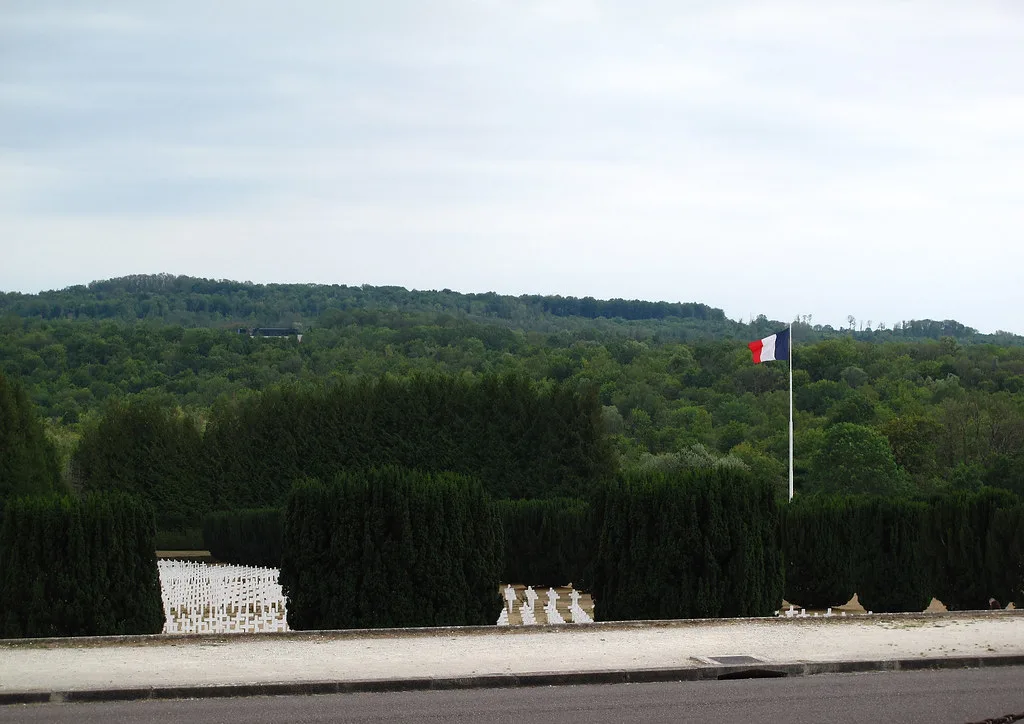
- Treat the ossuary and cemeteries as places of mourning and follow the posted visitor rules.
Keep planning
Guides on the same trip





