9 Utah Beach Stops: What to See, Plan and Skip
Plan a Utah Beach visit: nine stops on the sand and inland, how to combine them, how to get there and which D-Day sites to pair with it.
In this guide
Last updated November 2026. Utah Beach is the westernmost of the five D-Day landing beaches, where the US 4th Infantry Division came ashore on 6 June 1944 on the Cotentin coast of Normandy. Visitors find the beach, monuments and the Utah Beach Landing Museum, plus airborne, coastal-defence and port sites inland. Use the sections below to choose stops, build a route and avoid overpacking the day.
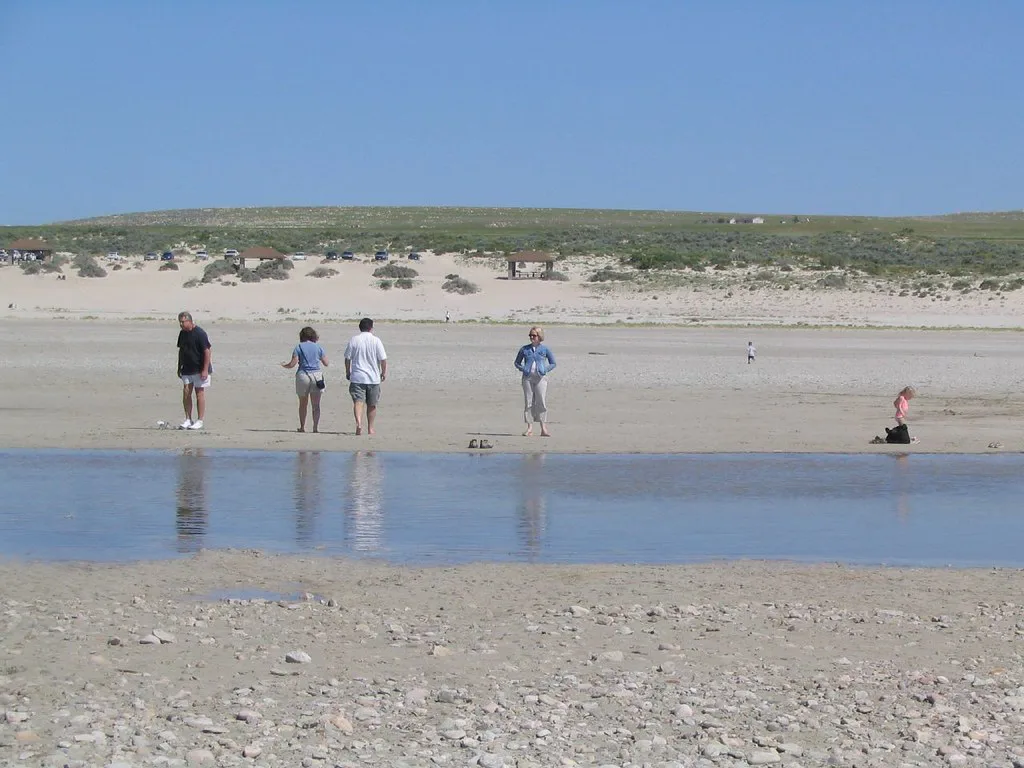
Featured image: Justin Ruckman, CC BY 2.0, via Flickr.
Utah Beach at a glance
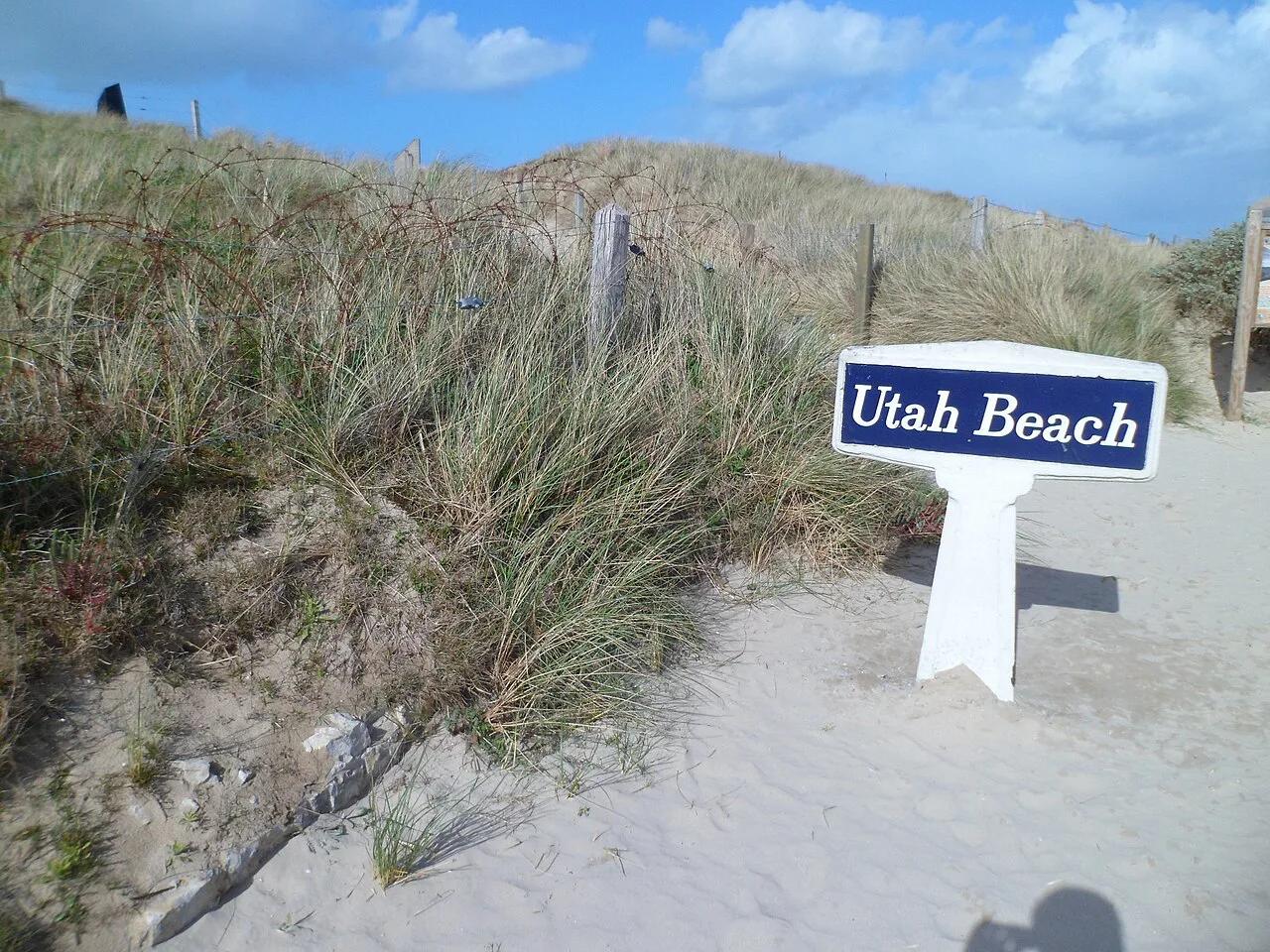
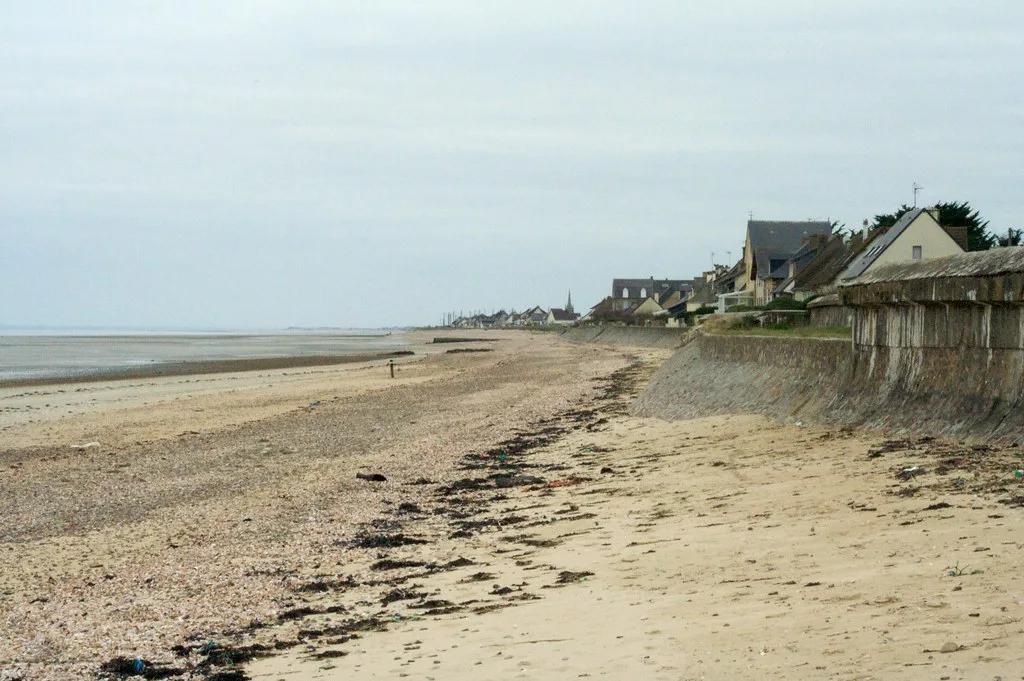
On the morning of 6 June 1944, American troops waded ashore here and moved inland through the dunes. Today the sand is quiet, and signs and monuments mark where they came in. Treat it as a memorial landscape rather than a single photo stop. The beach sits near Sainte-Marie-du-Mont and La Madeleine in the Manche department. Most of the history that explains it lies inland, among the airborne and coastal-defence sites in the list below. The beach itself is open ground, while museums keep their own schedules. For wider background on the landings, the American Battle Monuments Commission publishes its own official history of the American sites.
9 Utah Beach stops and nearby D-Day sites
Each stop below says what it is, why it matters, and who can skip it. Detail lives on the linked spoke pages. Hours and ticket prices change, so each venue's official site is the place for them.
1. Utah Beach Landing Museum and the shoreline
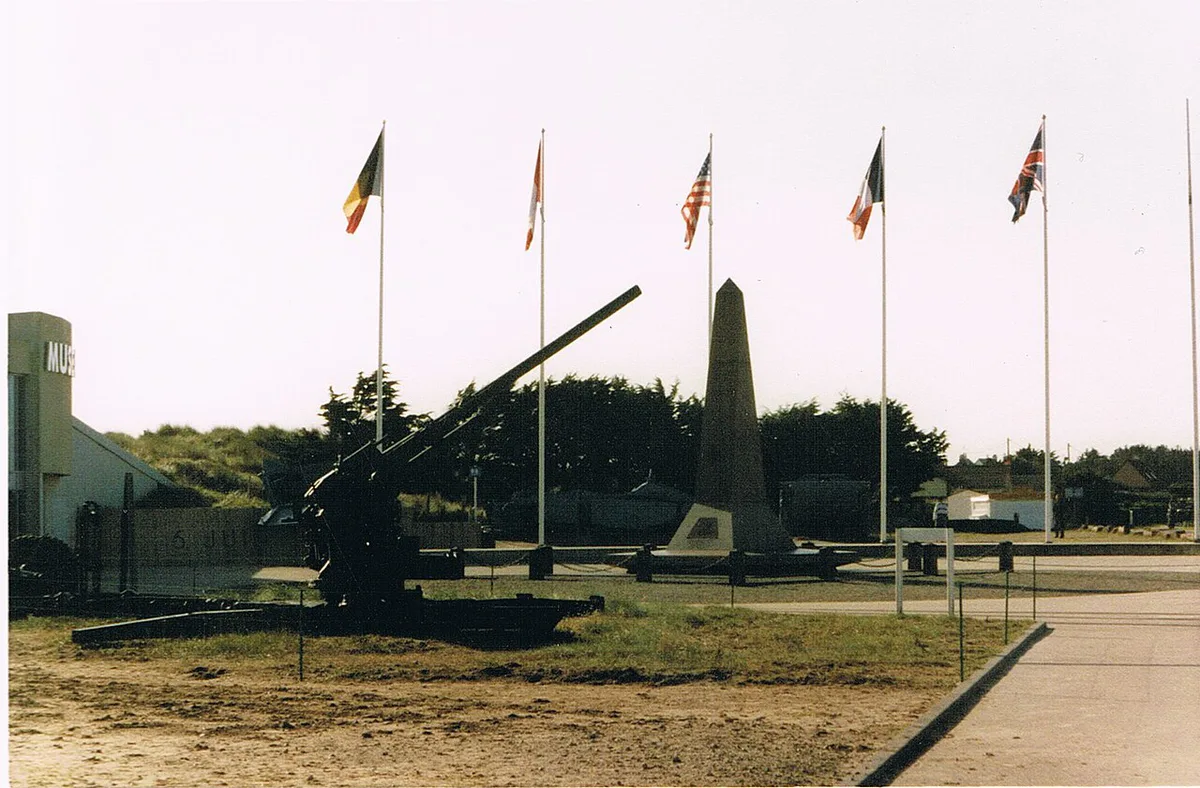
Start where the landings happened. The museum stands at La Madeleine, on the beach itself, and tells the story of the landing from the sea. Walk the shoreline and read the monuments before you go inside, so the exhibits have a place to sit in.
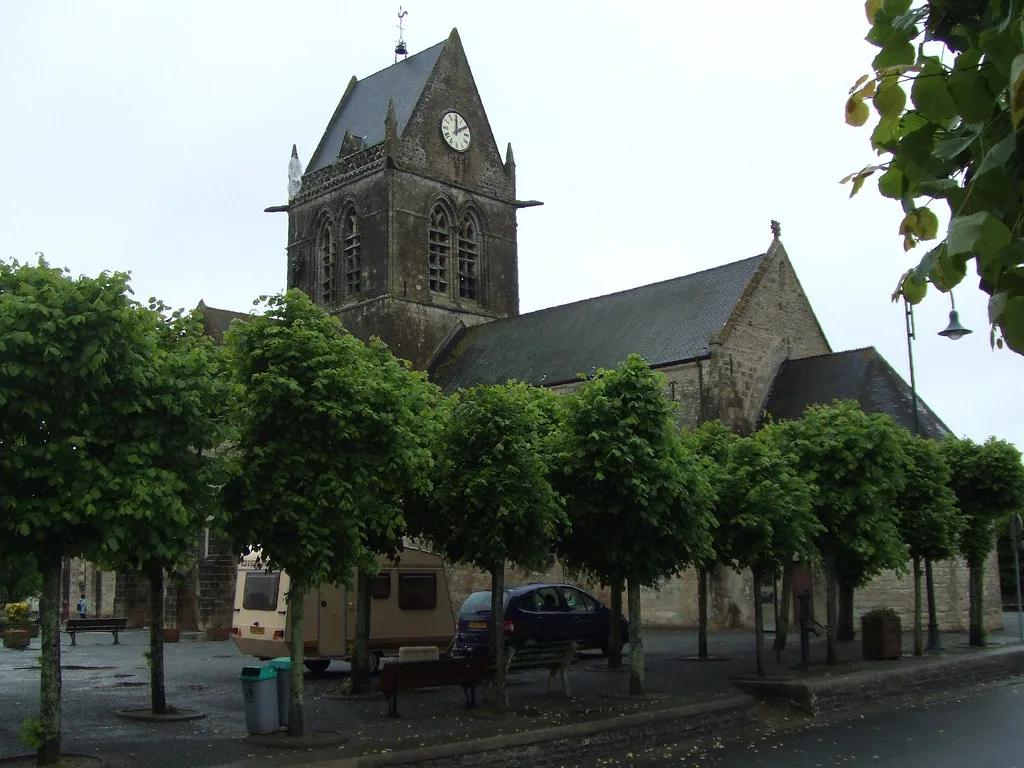
Our guide to the Utah Beach Landing Museum covers what the galleries hold. Skip the museum interior if you only want a quiet moment on the sand. The beach is open ground and needs no ticket.
2. Sainte-Mère-Église
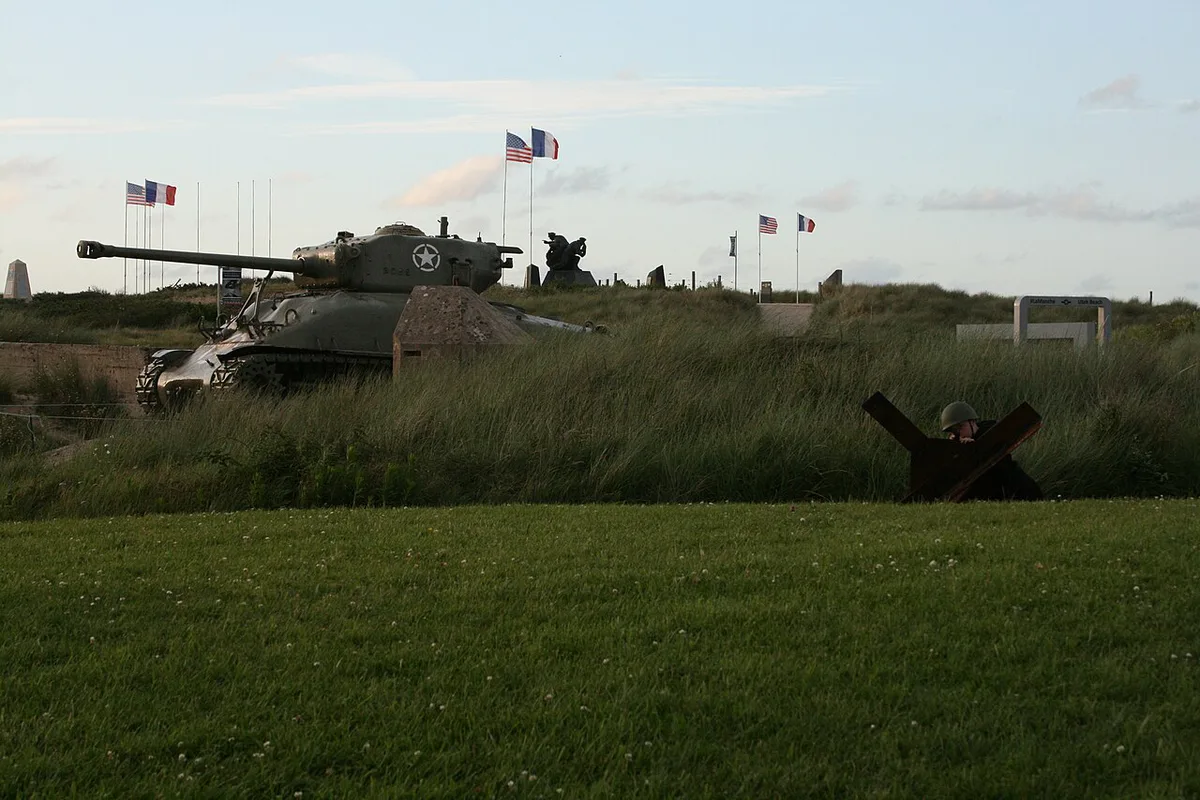
This is the small town tied to the 82nd Airborne Division, whose paratroopers landed around it in the night before the beach landings. Spend time in the square and the church, which locals and visitors link to the airborne story. Our Sainte-Mère-Église guide shows how to pace a walk around the centre.
The town's own tourism site lists current events. Skip a long stay if you only want museums. The town works best as a coffee-and-walk stop between sites.
3. Airborne Museum, Sainte-Mère-Église
The museum holds the main airborne collection in the area, set beside the town centre. Come for the airborne operations story: how paratroopers and gliders reached Normandy before the beach assault. Plan your visit with our Airborne Museum guide.
The museum's official site carries current opening details. Skip it if you have already filled your day with the beach museum. Two large museums back to back can blur together.
4. Dead Man's Corner Museum
This small museum stands by a crossroads on the road towards Carentan, in the area fought over by the 101st Airborne. It suits readers who like compact, focused exhibits rather than large galleries. Read our Dead Man's Corner Museum guide before you decide.
Pair it with Carentan, because the two sit on the same approach. Skip it if your day is already museum-heavy. Its value is local context, not scale.
5. Brecourt Manor
Brecourt Manor is an inland farm site linked to a paratrooper action against German guns that threatened the Utah Beach exits. It is a place for understanding how airborne and beach operations fitted together. Our Brecourt Manor guide explains the action and what you can see.
Respect it as a working rural landscape. Follow any signs and rules posted on site. Skip it if you want exhibits and a café. This is a field-and-lane stop, not a visitor centre.
6. La Fière Bridge
Here the 82nd Airborne fought for a causeway crossing near Sainte-Mère-Église. Come for the terrain: the low ground, the road and the bridge explain why the crossing mattered. Our La Fière Bridge guide sets out the fight and the memorials.
Allow time for reading the information panels and standing still. Skip it if you want museum exhibits. Its value lies in reading the landscape.
7. Crisbecq and Azeville batteries
These are German coastal batteries built to cover the sea approaches north of Utah Beach. They show the defensive side of the story: concrete, gun positions and fields of fire. Our Crisbecq and Azeville batteries guide compares the two sites.
Both are walked on foot, and both are exposed to the weather. Skip them if you prefer museum interiors. Wear sturdy shoes if you go.
8. Carentan
Carentan is a market town that works as a base and as a stop in airborne history. Come for the town centre and its position between the Utah and Omaha sectors. Our Carentan guide covers the 101st Airborne fighting around it and the practical services.
It suits travellers who want a town with shops and restaurants after a day of sites. Skip it as a sightseeing stop if time is tight. It is more useful as an overnight base.
9. Cherbourg WW2 sites
Cherbourg is the northern port city, tied to the campaign for the harbour that followed the landings. Come for the port context: Utah Beach opened a front, and Cherbourg shows why a deep-water harbour mattered. Our Cherbourg WW2 guide lists the sites worth the drive.
The Cherbourg Cotentin tourism office publishes local visitor information. Skip it on a one-day trip. It belongs on a longer, two-day plan.
Choosing your D-Day stops by theme
The nine stops fall into four themes. Pick one or two from each rather than all nine. Time needed is an estimate and depends on how long you read.
| Site | Theme | Best for | Time needed (estimate) |
|---|---|---|---|
| Utah Beach Landing Museum | Beach landing | First-time visitors | Half a morning |
| Sainte-Mère-Église | Airborne and town base | Walking and cafés | Short stop |
| Airborne Museum | Airborne operations | Collections and aircraft | Half a morning |
| Dead Man's Corner Museum | Airborne, Carentan area | Compact exhibits | Short stop |
| Brecourt Manor | Airborne action inland | Terrain and history readers | Short stop |
| La Fière Bridge | Airborne action | Landscape readers | Short stop |
| Crisbecq and Azeville batteries | German coastal defences | Walkers | Half a morning each |
| Carentan | Town base | Evening meals and services | Overnight or short stop |
| Cherbourg WW2 sites | Port campaign | Two-day plans | Half a day |
How to plan your time
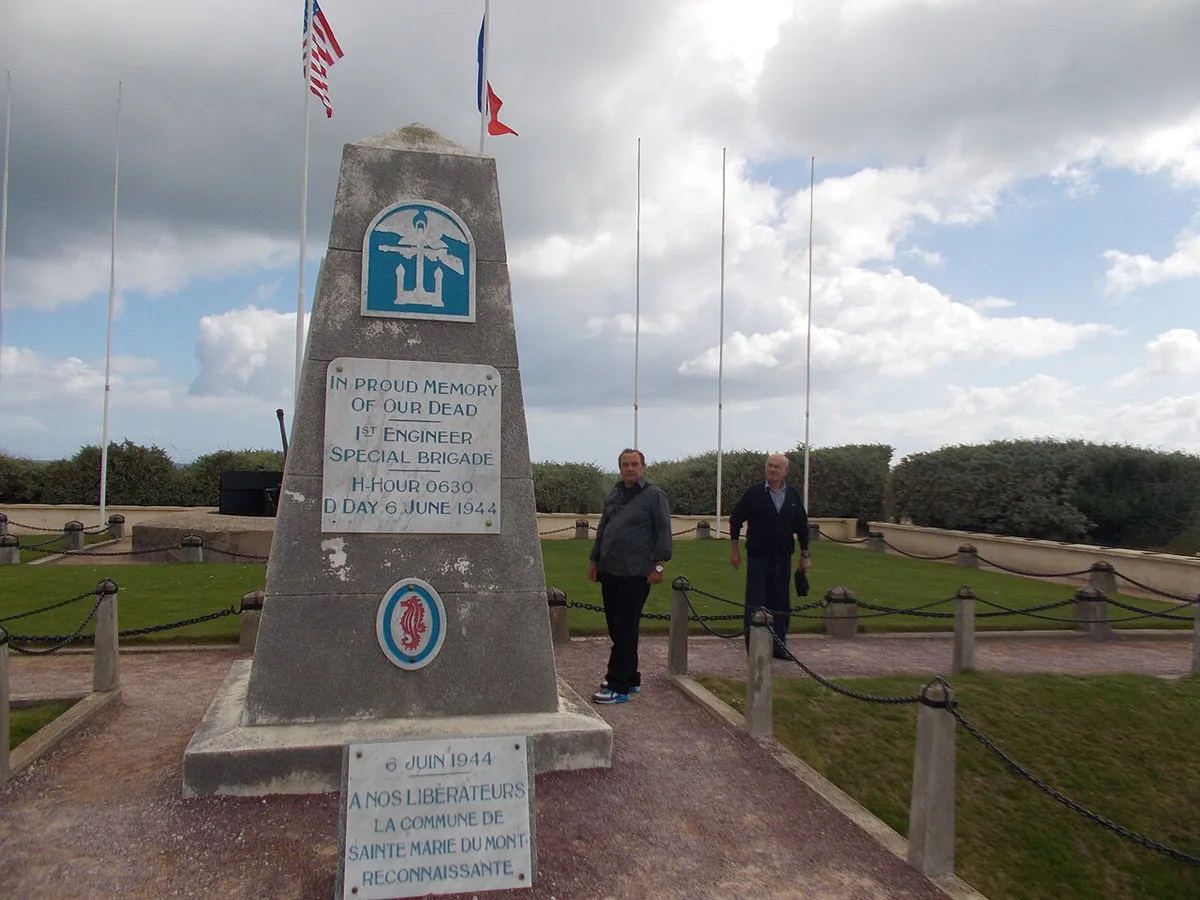
Sites are spread across rural Cotentin, so gaps between them take longer than a map suggests. A half-day route pairs the beach and the Utah Beach Landing Museum with Sainte-Marie-du-Mont nearby. A full-day route adds Sainte-Mère-Église, the Airborne Museum and La Fière Bridge in that order. A two-day route spends day one on the beach and airborne sites, then day two on Brecourt Manor, Dead Man's Corner, Carentan and the batteries. Leave Cherbourg for a separate trip. Depth costs coverage: reading one museum fully means dropping one or two stops. Covering more sites means skimming. Most readers are better served by fewer stops. Daytime driving matters because museums keep their own closing times.
Around 6 June, commemoration events bring larger crowds, so the half-day route needs more slack between stops than the timings suggest.
Getting there and getting around
Public transport is limited across rural Cotentin, and no practical bus link between all the sites is documented here. Check current rail and bus options with the regional operators before you plan around them. Self-driving gives the most flexibility and the lowest cost per stop for groups. A guided D-Day tour gives more context and takes the planning off you, at a higher price. A taxi or private driver sits between the two, with more flexibility than a tour and a higher cost than driving. Parking, tide and weather exposure all affect the beach itself. Look at the Normandy tourism site for area guidance.
Tickets, opening hours and seasons
The beach is open ground and does not need a ticket. Museums charge their own admission and set their own hours. The Utah Beach Landing Museum publishes current details on its official site. This guide does not list prices, because they change by season. Winter closing periods, midday closures and last-entry times vary by venue, so check each site before you travel. Early June brings the anniversary of the landings on 6 June, with commemoration events and larger crowds. Check local tourism pages for dates and any access restrictions.
Where to stay
Sainte-Mère-Église puts you close to the airborne sites and suits a car-based visit. See our town guide for what it offers in the evening. Carentan gives more shops and restaurants and works if you want a larger base. Our Carentan guide covers the practical side. Cherbourg is the northern base for a longer trip, with the most evening options and the longest approach to the beach. Use three criteria: distance to Utah Beach, evening options and car dependence. Hotel prices change by season, so compare them on booking sites.
Mistakes to avoid
Trying to see too many sites in one day is the most common error. Utah and Omaha lie on separate coasts, so do not plan to walk between them. Do not assume every museum is open all year. Check tide times and weather before a beach walk. These are graves, memorials and farmland: keep quiet, stay on paths, and follow posted rules at each site. Leave artefacts where they lie. Check local rules on drones and metal detecting before you bring either.
The US 4th Infantry Division, which landed at Utah, later fought in the Battle of the Bulge; our guide to northern Luxembourg and the Bulge covers those sites.
Explore More Guides
Keep planning your trip with these guides.
Guides
- Utah Beach Museum (Musée du Débarquement)
- Sainte-Mère-Église Guide
- Airborne Museum Sainte-Mère-Église
- Dead Man's Corner Museum
- Brecourt Manor: History, Location and Can You Visit?
- Carentan, Normandy
- La Fière Bridge, Normandy
- Visiting Guide and Nearby Stops
- Cherbourg WW2: The Port Story and How to Visit
Keep planning
Guides on the same trip