
Carentan, Normandy: D-Day Context and Trip Planning
Is Carentan worth a stop? See how it fits a D-Day itinerary, how to get there, how long to spend, and when to use it as a base.
In this guide
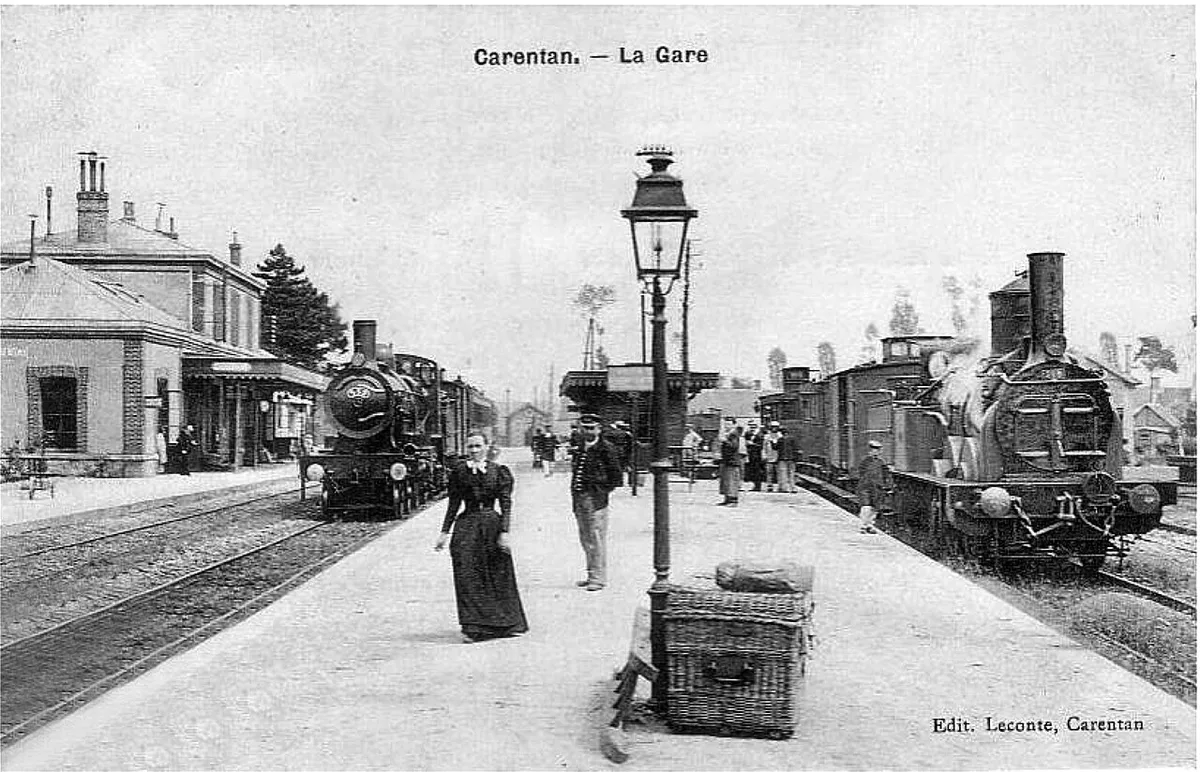
Last updated November 2026. Carentan is a small town at the base of the Cotentin peninsula, inland from Utah Beach, and it is where US airborne troops fought in June 1944 to link the American beachheads. Visitors use Carentan as a quiet inland base and a history stop for the nearby D-Day sites. Our Utah Beach guide covers the coast itself.
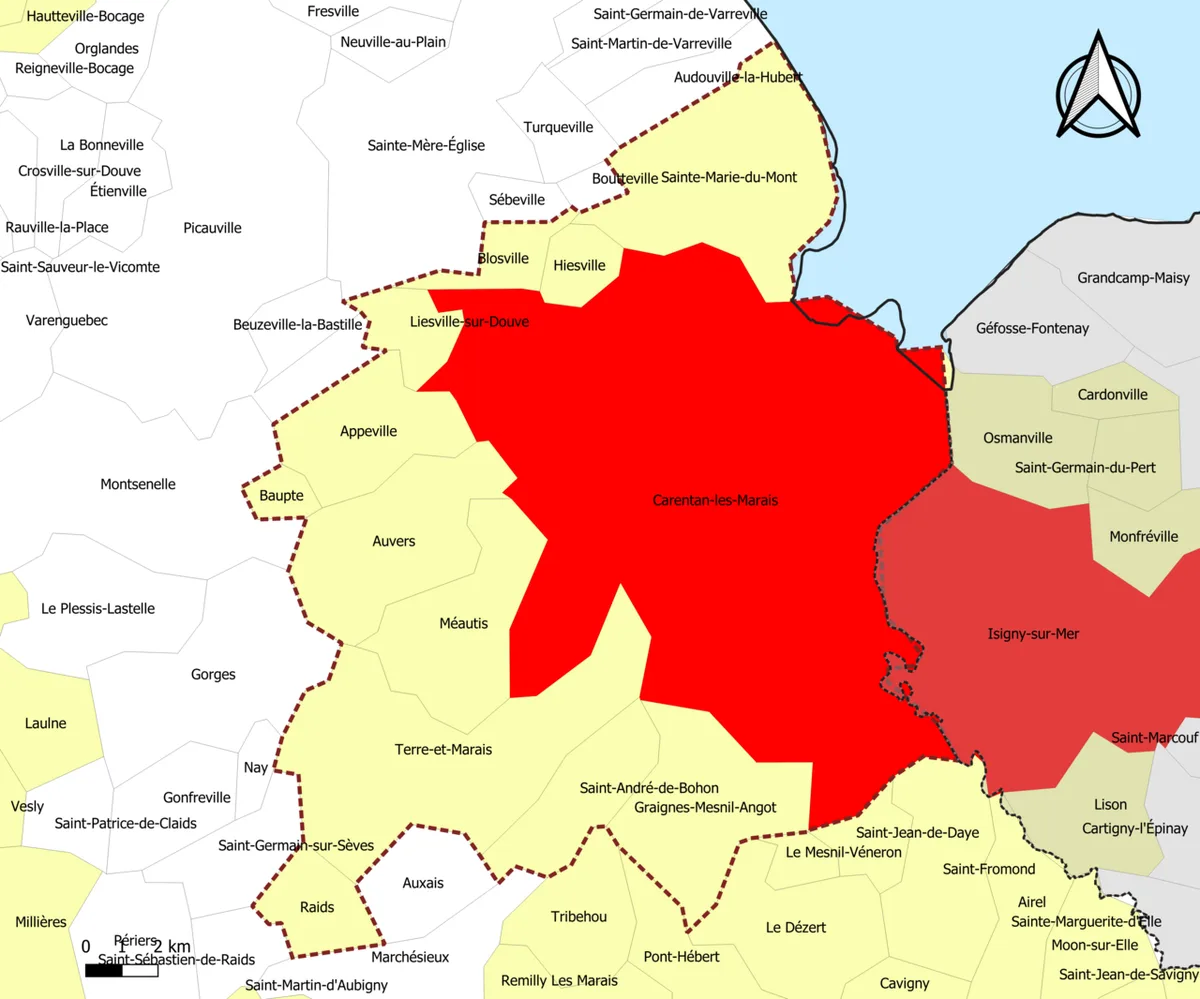
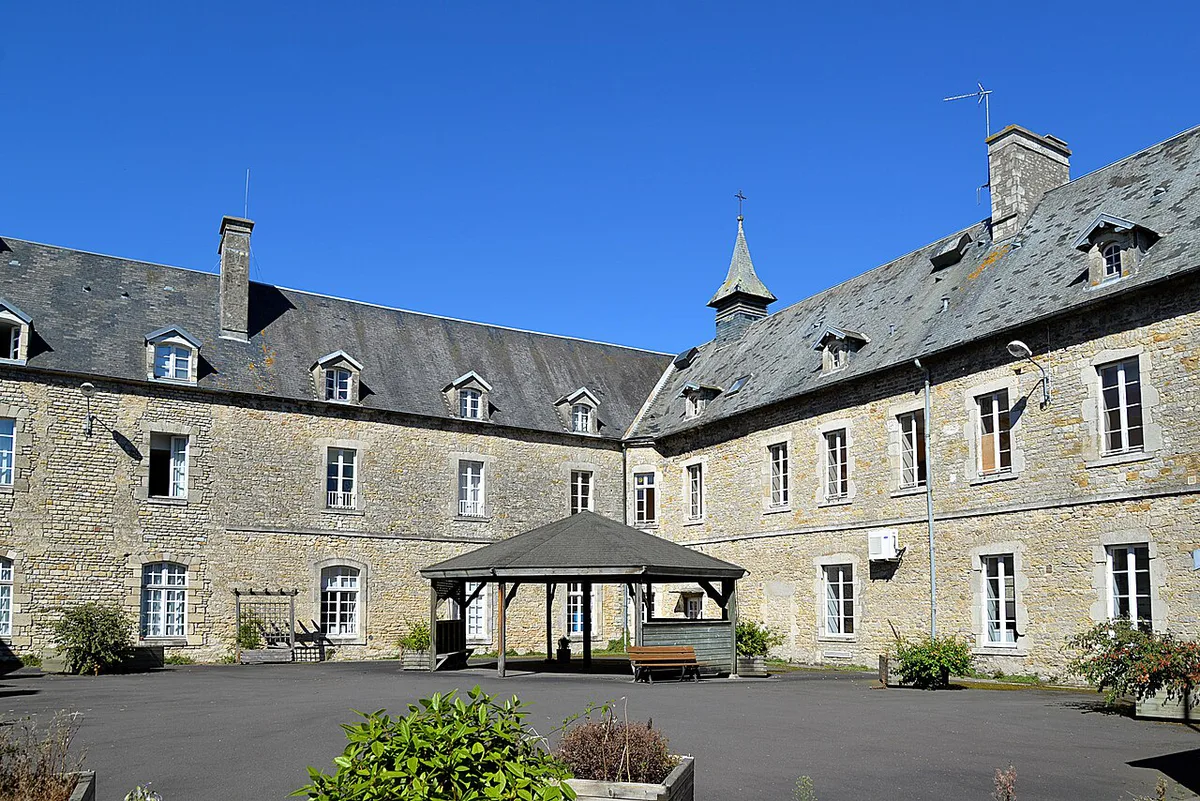
Featured image: Ptyx, CC BY-SA 4.0, via Wikimedia Commons.
Carentan at a glance: is it worth visiting?
Carentan is worth a stop if you are already touring the Cotentin D-Day sites. It is a working market town, not a museum town, so it rewards a short visit better than a long one. Use the table below to decide how much time it deserves.
| Traveler | Fit | Why |
|---|---|---|
| Day-tripper | Drive through, short stop | Coffee and a walk, then on to the coast |
| Base-camp traveler | Good fit | Inland, calmer, with a car for the sites |
| History-focused visitor | Good fit | Airborne story links to nearby museums |
| Non-driver | Limited | Most sites sit outside town and need a car |
What to see and do in Carentan
The town itself is compact and easy to cover on foot. Walk the central square and the streets around it, and read the wartime context before you head out. The better museums lie outside Carentan. Dead Man's Corner Museum is the closest airborne-themed stop. Check its official page for current opening days before you plan around it.
Central Carentan on foot: arcades, church and market day
If you have an hour or so, keep your walk to the old centre and treat it as a break between D-Day sites.
- Place de la République: Start at the main square and look for the old stone arcades along its edge. They show that Carentan was a trading town long before 1944.
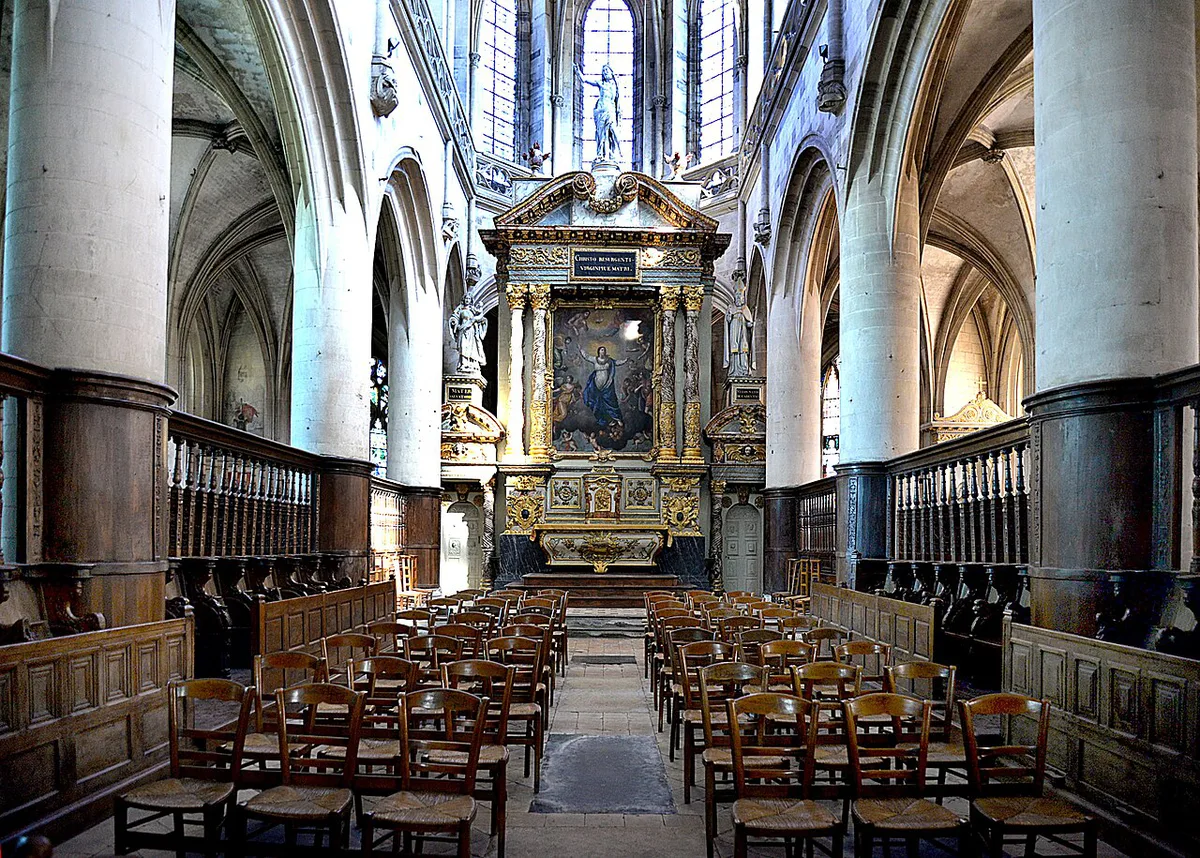
- Église Notre-Dame: The town church and its spire make an easy landmark. If it is open, step inside, and avoid walking around during services.
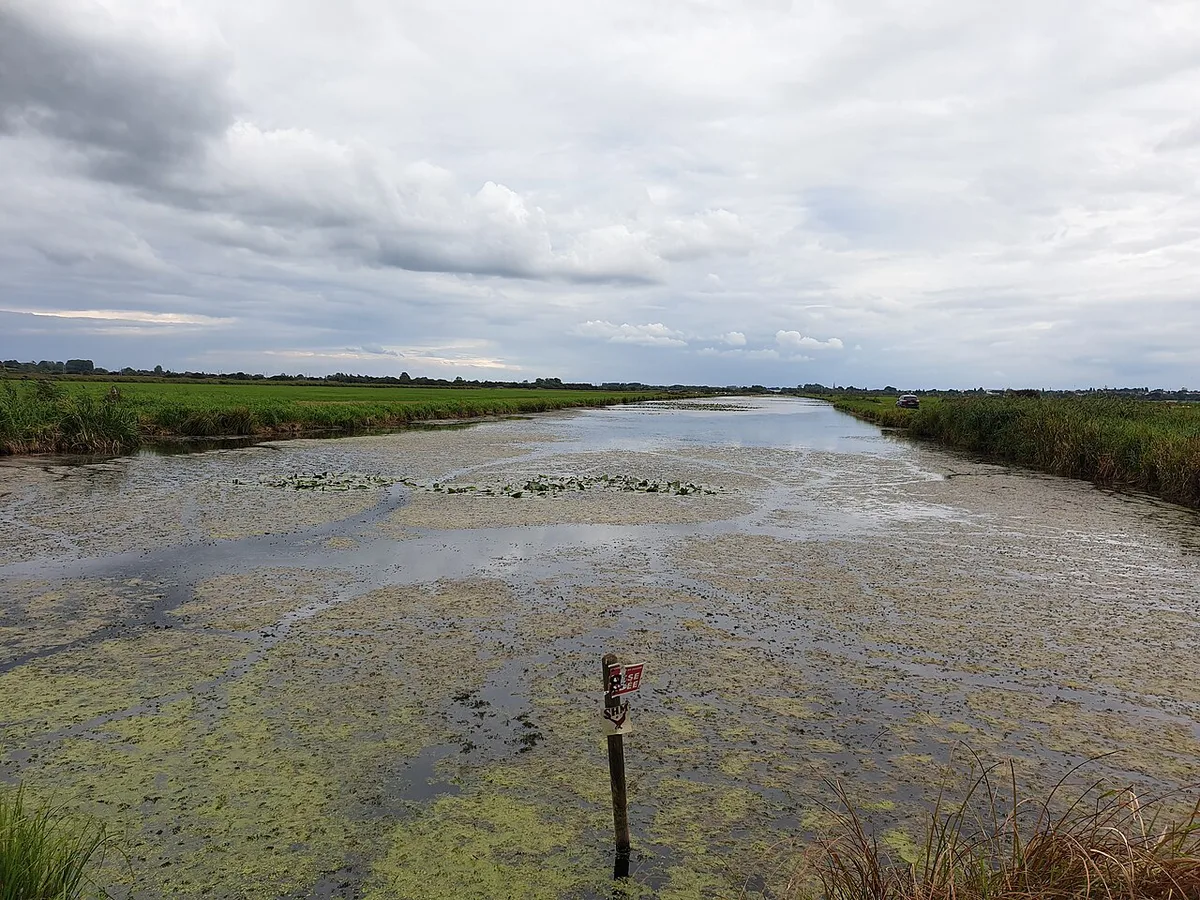
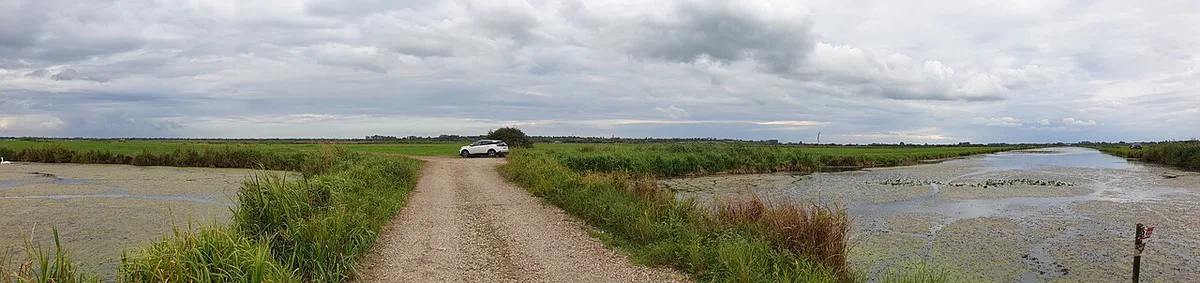
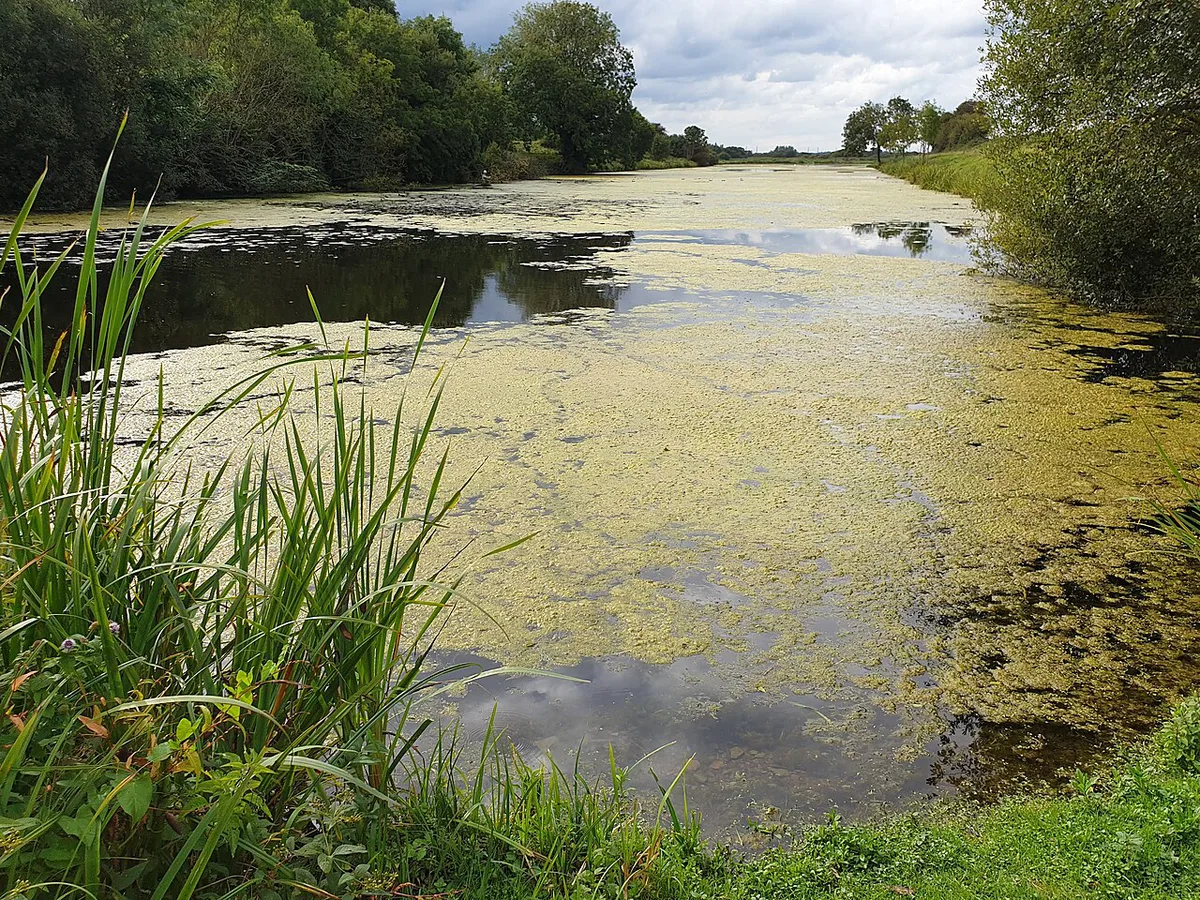
- The marina: The pleasure port is a calmer place for a stroll and a reminder of how closely the town is tied to the surrounding waterways and marshland.
- Market day: Monday is the traditional weekly market. It is a good time to buy picnic food, but allow extra time for parking. Holidays and local events can change the arrangements, so check with the tourist office before building your day around it.
If your main interest is the airborne story, read the battle timeline before you set out. The fighting reached well beyond the central streets, onto the northern approach and the ground southwest of town. A walk around the centre therefore covers only part of it.
The battle of Carentan in brief
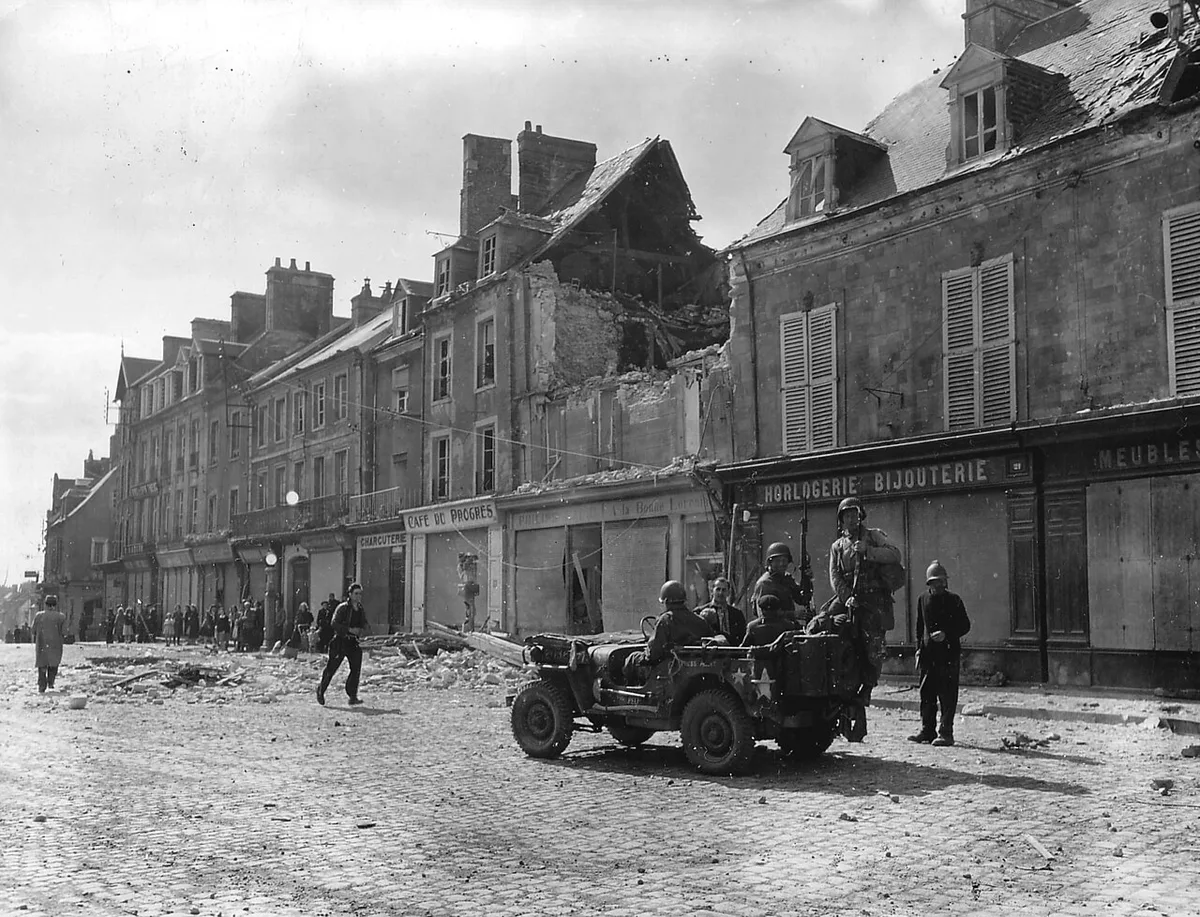
Carentan sat on the route between the Utah and Omaha sectors, so holding it mattered for joining the two American beachheads. US 101st Airborne troops fought for the town in June 1944. For a source on the wider campaign, start with Normandy Tourism. Treat the town as a place where people fought and died, and keep visits quiet and respectful at memorials.
Who fought at Carentan: units and key dates in June 1944
Knowing which units came from which direction makes the roads and fields around town much easier to read. The main German defender was the 6th Parachute (Fallschirmjäger) Regiment under Major Friedrich von der Heydte. On the American side, the 101st Airborne Division closed in from several directions.
| Date (1944) | What happened |
|---|---|
| 10–11 June | The 502nd Parachute Infantry Regiment pushed in from the north along an exposed causeway and its bridges, later nicknamed Purple Heart Lane. On 11 June, Lieutenant Colonel Robert G. Cole led a bayonet charge there, an action recognized with the Medal of Honor. |
| 10–12 June | The 327th Glider Infantry Regiment advanced on the town from the northeast side. |
| 12 June | After most of the German defenders had withdrawn, US paratroopers, including the 506th Parachute Infantry Regiment, took Carentan. |
| 13 June | German forces led by the 17th SS Panzergrenadier Division counterattacked southwest of town. The paratroopers held, and armor from the US 2nd Armored Division helped drive the attack back. The action is often called the Battle of Bloody Gulch. |
Viewers of Band of Brothers may know this fighting from the episode titled "Carentan", which follows Easy Company of the 506th. It is a dramatization, so don't use it as a street-by-street guide. For a fuller outline before your visit, see the Battle of Carentan overview on Wikipedia. Much of the surrounding countryside is working or private land, so stay on public roads and paths and don't stop on fast roads to look at the causeway area.
How Carentan fits a D-Day itinerary
Use Carentan as a pivot between the coast and the airborne sites. Start at the beaches, then work inland. Our Utah Beach Museum guide covers the coastal stop, and Sainte-Mère-Église is the natural airborne companion. Drive times depend on your route, so map them before you commit.
Choosing between the two shorter plans comes down to pace. The half-day pairing of Carentan and Dead Man's Corner suits a quieter day, with an hour or so for the old centre and the airborne story close by. The full day trades that calm for breadth: start early at Utah Beach, work inland to Sainte-Mère-Église, and keep the Carentan walk for last, when the town makes a quiet place to end the day.
| Plan | Stops | Notes |
|---|---|---|
| Half day | Carentan plus Dead Man's Corner | Easy, low-stress |
| Full day | Add Utah Beach and Sainte-Mère-Église | Car needed, start early |
| Extended | Add batteries and manor | Rural sites, car essential |
Getting there and getting around
A car is the practical choice for this area. Rail and bus services to Carentan exist, but frequencies change, so check the current timetable on the SNCF and regional transport sites. Parking in the town centre is usually simple. Once you leave town, the museums, Brécourt Manor and the batteries are all too spread out for public transport.
Costs, tickets and opening hours
Walking around Carentan costs nothing. Museums charge admission, and hours shift by season. Read current rates on each official site, such as the Utah Beach Landing Museum and the Airborne Museum. Winter closures are common in Normandy, so do not assume anything is open year-round.
Where to stay and eat
Stay in Carentan if you want quieter evenings, local restaurants and an inland base with a car. Stay nearer the coast if you want sunrise at the beaches or a shorter morning drive. Book ahead around June anniversary dates, when rooms across the region fill. Extending north? Cherbourg's wartime sites are the next logical base.
Mistakes to avoid
Do not overpack a day with distant sites. Do not rely on buses for the rural batteries, such as the Crisbecq Battery: Visiting Guide and Nearby Stops. Do not assume museums are open off-season. For the bridge crossing, see La Fière Bridge and plan it alongside the Airborne Museum in Sainte-Mère-Église.
Keep planning
Guides on the same trip






