
D-Day Anniversary in Normandy: June 6 Visitor Guide
Planning around the D-Day anniversary in Normandy? See how June 6 access works, what cemetery rules allow, where to stay and when to visit instead.
In this guide
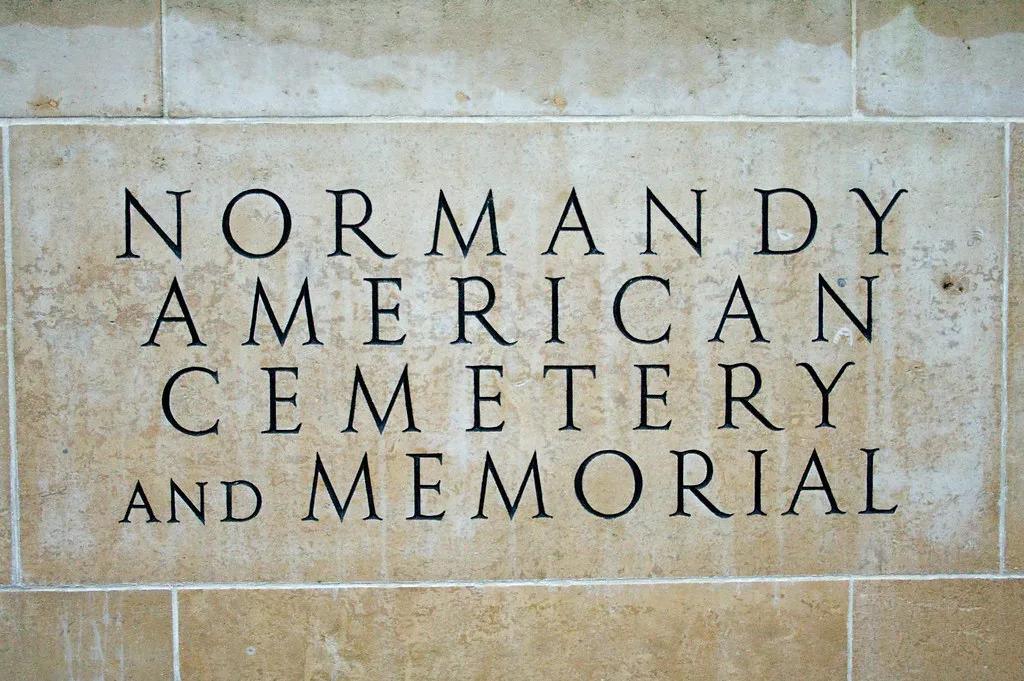
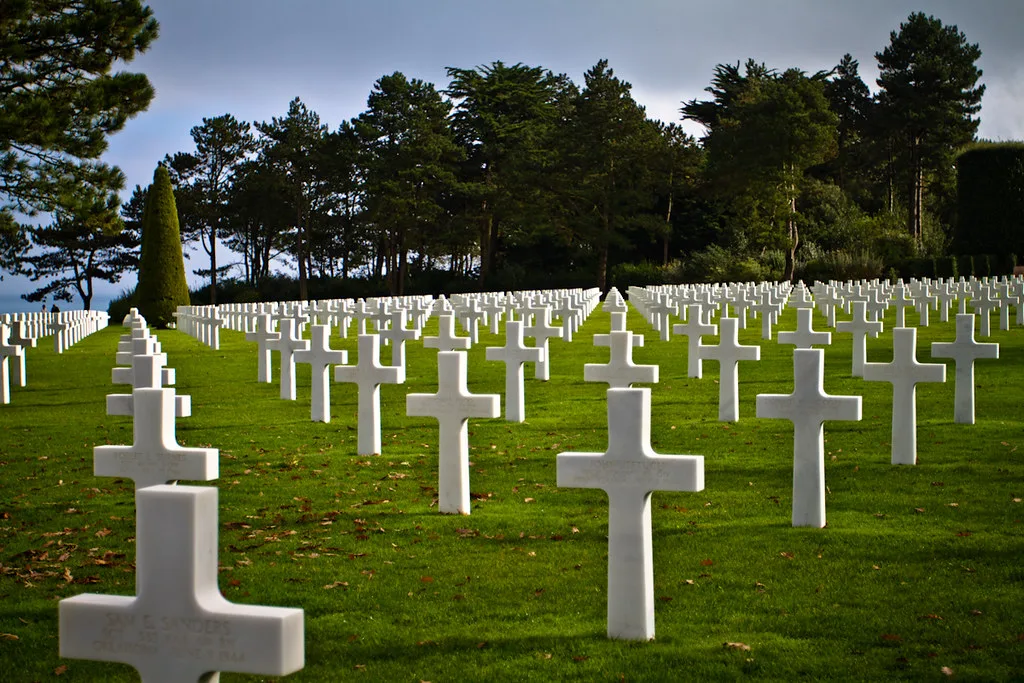
Last updated November 2026: the d-day anniversary falls on June 6 every year, marking the 1944 Allied landings along the Normandy coast. On that date the American Battle Monuments Commission (ABMC) holds its annual commemoration at Normandy American Cemetery, and access to the site is restricted. Decide early whether you want the ceremony day or a quieter visit, then build the trip with our Normandy D-Day beaches guide.
Featured image: Justin Ruckman, CC BY 2.0, via Flickr.
D-Day Anniversary in Normandy: What Happens Every June 6
Each year on June 6, ABMC marks the anniversary by commemorating the American forces who contributed to the success of the landings. Its Normandy American Cemetery page says details of future commemorative events are posted there. Programmes change from year to year, so treat any older schedule as a guide only. Local commemorations also take place at Utah Beach, Sainte-Mère-Église and Pegasus Bridge. For the wider regional programme, start with the Normandy tourism board. Anniversary ceremonies also happen outside France, including in the United States, but this guide covers Normandy only.
Utah Beach, Sainte-Mère-Église and Pegasus Bridge Compared
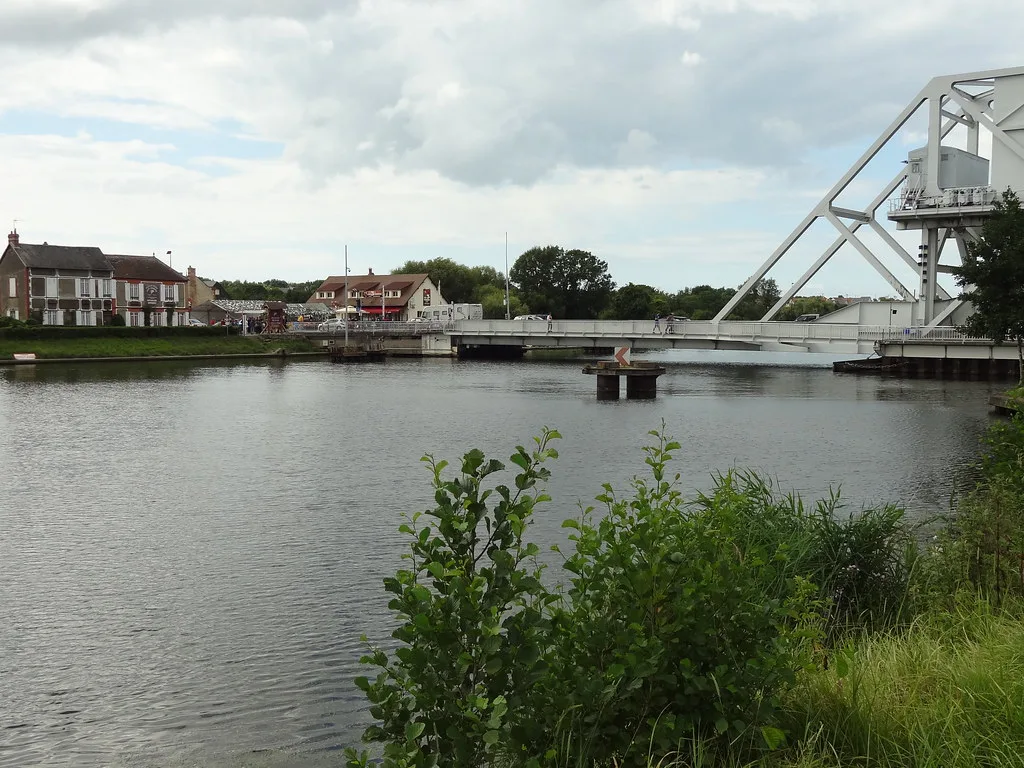
These three places connect you with different parts of the D-Day story. They aren't next door to each other: Utah Beach and Sainte-Mère-Église are on the Cotentin Peninsula, west of the American cemetery, while Pegasus Bridge is far to the east, near Caen. For June 6, choose one area and don't try to cross the whole landing zone.
| Place | D-Day connection | What to see |
|---|---|---|
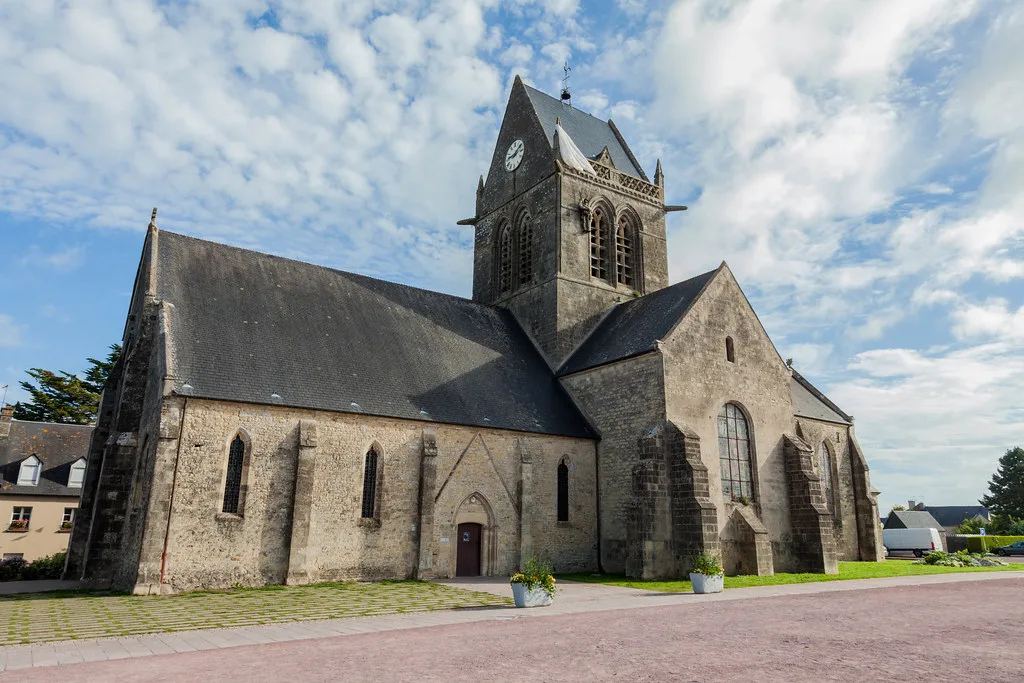
| Sainte-Mère-Église | US airborne troops landed in and around the town and took it early on June 6 | The church, with its figure of a paratrooper caught by his parachute, and the Airborne Museum nearby |
| Utah Beach | The westernmost of the five Allied landing beaches, assaulted by US forces | The shoreline memorials and the Utah Beach Landing Museum at Sainte-Marie-du-Mont |
| Pegasus Bridge | British glider-borne troops seized the crossing in the first minutes of June 6 | The Memorial Pegasus museum in Ranville, where the original bridge is displayed; the bridge now over the canal is a replacement |
Sainte-Mère-Église and Utah Beach pair naturally because they're a short drive apart. Pegasus Bridge works better from a base in or around Caen, and it fits with other British D-Day sites on the eastern side.
Before you set out, check the current year's programme with the local town hall or tourist office. Confirm event times, road access and parking, and whether a ceremony is open to the public. Don't assume the arrangements for the American cemetery apply elsewhere, or that last year's timings will repeat. Leave generous time between stops, and check museum opening hours and booking rules separately from the ceremony schedule.
Should You Visit on June 6 or Another Day?
ABMC invites visitors to the cemetery throughout the year, so June 6 is a choice rather than a requirement. Anniversary day gives you the commemoration but costs you freedom of movement. An ordinary day gives you the grounds and the visitor center on your own schedule. Our best time to visit breakdown compares the seasons in more detail. A winter visit to the beaches is the quietest alternative.
| Factor | June 6 | Ordinary day | Shoulder season |
|---|---|---|---|
| Access to the cemetery | Standard routes restricted; directions go to registrants | Open for visits throughout the year | Open for visits throughout the year |
| Crowds | Highest of the year, with an organised ceremony | Lower, with no ceremony in progress | Generally lighter than early June |
| Lodging pressure | High; coastal options limited, book in advance | Easier to find a room near the coast | Easier than June |
| Flexibility | Shuttles only; no parking inside the grounds | Choose your own arrival time and route | Choose your own arrival time and route |
| Atmosphere | Formal commemoration | Quiet reflection | Quiet, with other sites easier to fit in |
| Best for | Those who want the ceremony and will plan early | Families, veterans' relatives, first-time visitors | Travellers who dislike crowds |
Getting In on the Day: Access, Registration and Shuttles
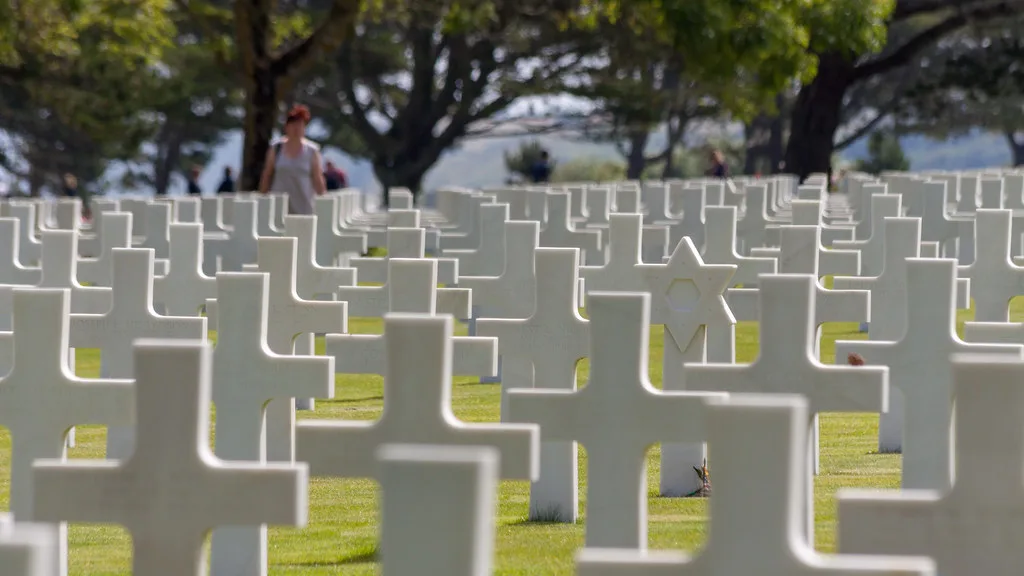
ABMC states that standard travel routes and access to the site are restricted on June 6. Travel directions for the commemoration go to all registrants. Registration mechanisms and deadlines can change, so read the current instructions on the ABMC page rather than relying on last year's process. Do not plan to drive up and park near the graves.
- Routes: standard travel routes to the site are restricted on June 6.
- Directions: ABMC provides them to registrants and asks visitors to monitor its page for updates.
- Parking: typically not authorized inside the cemetery grounds on June 6.
- Shuttles: attendees must take shuttles to reach the site.
- Families and veterans: if you are related to someone buried or memorialized there, or travelling with a World War II veteran, ABMC asks you to email in advance. The contact address is on the ABMC page.
Rules on Site: What to Bring and What to Leave Behind
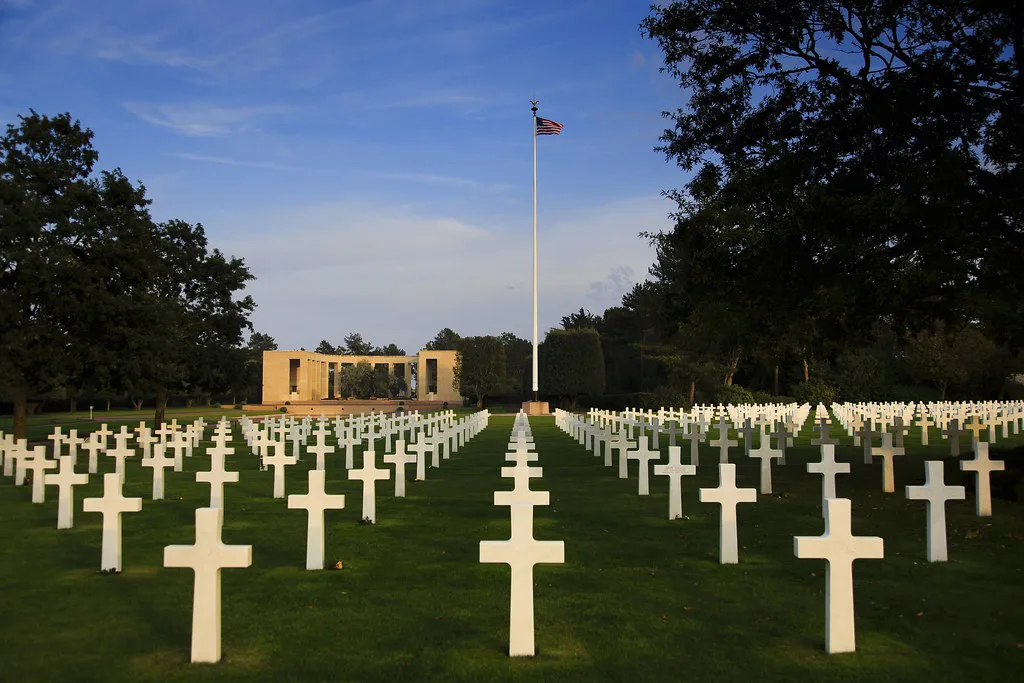
ABMC treats its cemeteries as national shrines, and its rules are specific. Plan for an all-day event, because you cannot rely on water fountains during the ceremony. Bottled water is made available before the start. Cemetery staff have the final say on what is acceptable, so contact the cemetery with any doubt before you travel.
- Food and drink: picnics and coolers are not allowed. Bring enough water and snacks in disposable or recyclable containers, not glass or metal.
- Restrooms: available on site. Water fountains are part of the restroom complexes and typically cannot be used during the ceremony.
- Accessibility: the cemetery is wheelchair accessible.
- Drones: a film permit is required.
- Photography: personal photos are allowed if respectful. Photo shoots, political advocacy and influencer promotion are not acceptable.
- Commercial or media work: request a film permit in advance through ABMC public affairs. Media must RSVP for D-Day events.
- Re-enactors: costumes and uniforms are prohibited, as are real or replica weapons and tracked vehicles.
- Animals: only guide dogs or other service dogs are allowed, and staff decide whether a dog may enter.
Where to Stay and How to Plan Around June 6
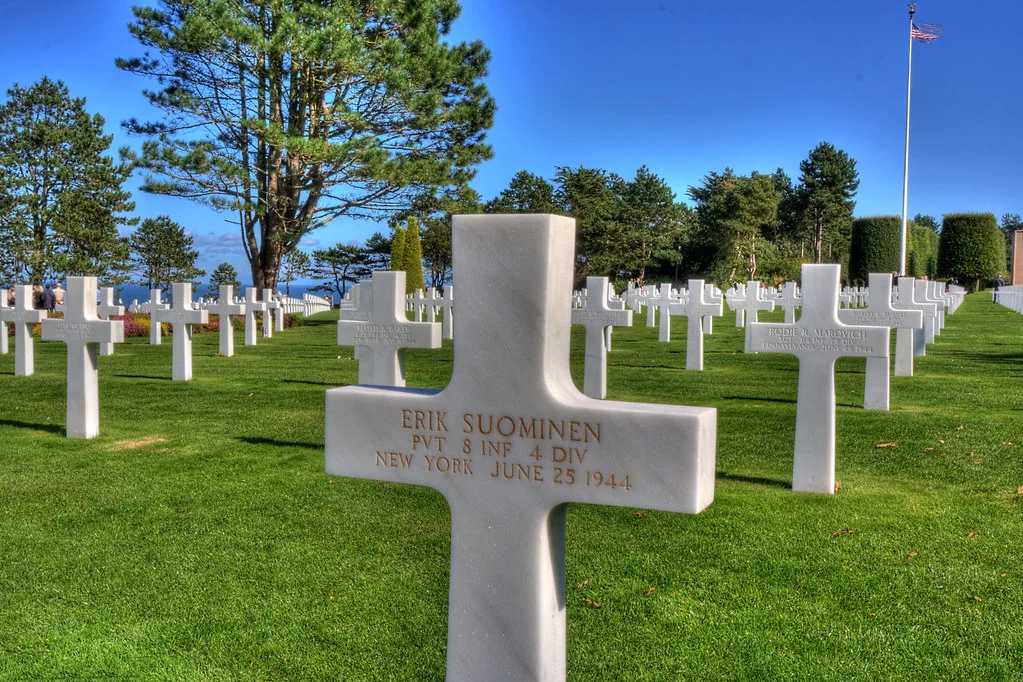
ABMC says high visitation in June limits lodging along the coastline, so rooms should be booked in advance. It also notes that various options exist within a 30-minute drive of the cemetery. Staying inland trades sea views for availability. Our where to stay guide maps the options along the coast. If you are choosing a base town, Bayeux versus Caen is the main decision. The Bayeux tourism office lists accommodation locally. ABMC gives no lead time, so book as early as possible.
Staying within a 30-minute drive of the cemetery does not avoid shuttles on June 6, since attendees must take them and parking is not authorized inside.
- Early in planning: choose your base and book lodging.
- Before you travel: read the current ABMC page for registration and shuttle details.
- Final week: recheck that page for directions and any event-specific guidance.
Building the Rest of Your Trip Around the Anniversary
Use the D-Day beaches map to see how far apart the sites sit. A ready-made D-Day beaches itinerary saves guesswork. To size the trip, read how many days to allow. Coming by rail or road from the capital? See D-Day beaches from Paris. Still weighing the region against other destinations? Is Normandy Worth Visiting? Verdict, Days and Costs answers that question.
- Assuming you can drive up to the cemetery on June 6.
- Packing a cooler or picnic.
- Booking lodging late, when coastal rooms are limited.
- Trying to cover every beach in one day.
- Flying a drone or photographing for promotion without a permit.
British, Canadian and German Memorial Sites in Normandy
The American cemetery is only one part of Normandy's remembrance landscape. If your family connection lies with another country, or you want a wider view of the campaign, build time around these places. You can visit them on the days before or after June 6.
- British Normandy Memorial, Ver-sur-Mer: overlooking the Gold Beach sector, it records the names of those under British command who died on D-Day and during the Battle of Normandy.
- Bayeux War Cemetery: the largest Commonwealth cemetery of the Second World War in France. The Bayeux Memorial, across the road, commemorates missing Commonwealth service members who have no known grave.
- Juno Beach Centre, Courseulles-sur-Mer: a museum and cultural centre presenting Canada's part in the war, beside the beach where Canadian forces landed.
- Bény-sur-Mer Canadian War Cemetery: inland from Juno Beach, near Reviers, and a fitting stop to pair with the centre.
- La Cambe German War Cemetery: between Bayeux and Isigny-sur-Mer, with a markedly sombre design of dark stone crosses and flat grave markers.
If you're looking for a particular grave or name, search the records of the relevant war graves organisation before your trip and save the cemetery, plot and row details. The Commonwealth War Graves Commission covers Commonwealth casualties, and the Volksbund looks after German war graves. Our guide to Normandy's war cemeteries can help you decide which ones to include.
Around the anniversary, some memorials may hold services that change normal visitor access. Check each site's notices before you go. If a service is under way when you arrive, follow staff directions, keep your voice down and wait before walking among the participants or taking photos.
Frequently Asked Questions
What anniversary is D-Day 2026?
The landings took place on June 6, 1944. June 6, 2026 therefore marks 82 years since that date.
Is this the 80th anniversary of D-Day?
No. The 80th anniversary fell in 2024, which is 80 years after the 1944 landings. Anniversaries repeat every June 6.
Keep planning
Guides on the same trip





