
9 Best Places to Stay for the D-Day Beaches
Choose the best base for the D-Day beaches: Bayeux, Caen, or the coast. Compare access, car needs, season and trade-offs for 9 options.
In this guide
Last updated November 2026: where to stay to visit D-Day beaches comes down to one choice, and Bayeux suits most first-time visitors who have a car. Caen works better if you rely on trains, and a coastal village suits you if you want one sector close by. Our Normandy D-Day beaches guide covers the sites themselves.
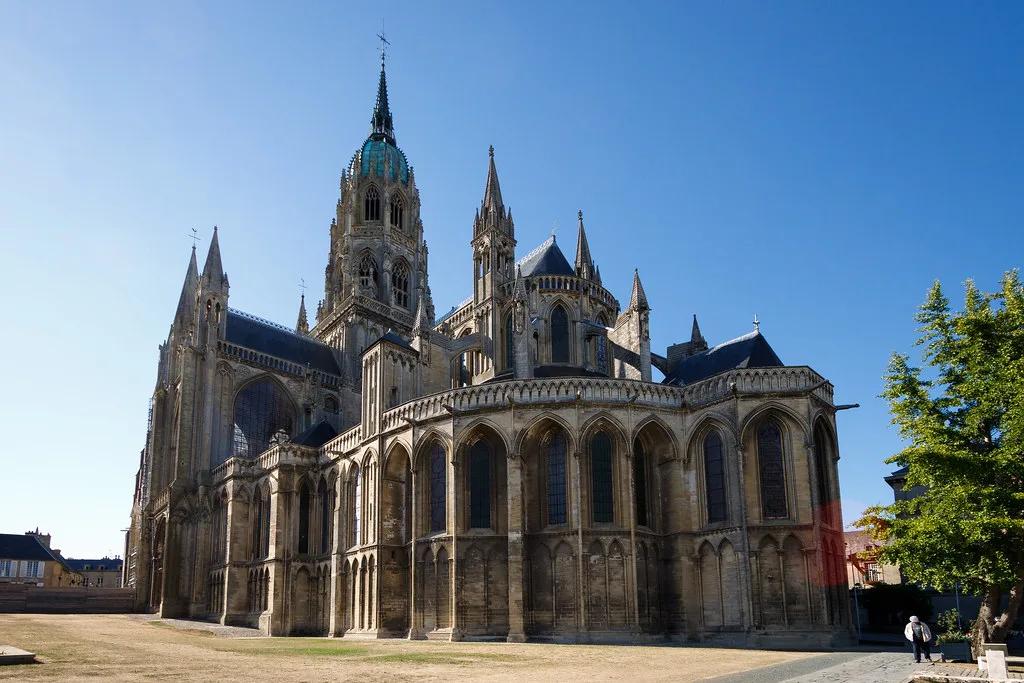
Featured image: Stig Nygaard, CC BY 2.0, via Flickr.
Quick answer: the best base for most visitors
Pick Bayeux if you are driving and want restaurants within walking distance after dark. Pick Caen if you arrive by train and want the widest range of transport. Pick a coastal village if you care about a single sector and accept quiet evenings. Plan 2-3 days on the ground, and read how many days to allow before you book.
Across 2-3 days, a Bayeux base lets you split the coast into a British-Canadian day and an American day.
How to choose where to stay to visit D-Day beaches
Start with the sector you care about most. American sites, British and Canadian beaches and the airborne landing zones lie along a long coastline, so no single town sits next to all of them. Use our D-Day beaches map to see the spread. Next, decide whether you will drive, since a car decides how far you can range from your bed. Then match the base to your route in the D-Day beaches itinerary.

9 best places to stay to visit D-Day beaches
Each base below is rated on proximity to the beaches, public transport, food and parking, using editorial judgement rather than a score. Specific hotels are not named, so check rooms and rates with each lodging directly.
1. Bayeux
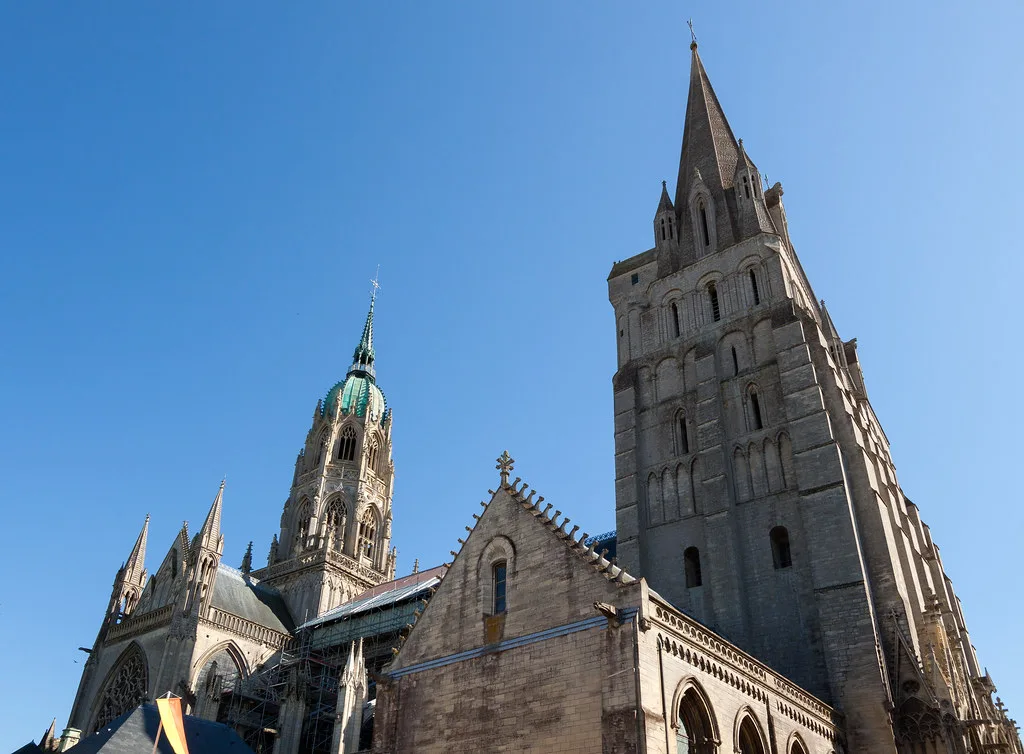
Bayeux is the most balanced base for a first visit, with a historic centre you can cover on foot. The Bayeux tourist office lists lodging, and the town has more restaurants and rooms than the coastal villages. From here you can plan one day for the British and Canadian beaches and another for the American sites.
Parking is easier at a guesthouse than on the old streets, so ask when you book. Our Bayeux or Caen comparison goes deeper on this choice. Look elsewhere if you want a sea view or a beach-side room.
2. Caen
Caen is a city, so it offers the widest choice of rooms, restaurants and train connections. It is the pick for travelers without a car who want to join guided tours or use rail. The Mémorial de Caen gives a rainy-day anchor and covers the wider war and its aftermath.
Evenings are lively, with far more to do after dark than in any village. Traffic and city parking make driving less relaxed than in Bayeux. Pass on it if you want a small-town feel or quick access to the western American sites.
3. Arromanches
Arromanches sits on the British sector, where the remains of the Mulberry harbour are still visible offshore. Its Musée du Débarquement makes it the best base for anyone fascinated by how the landings were supplied. Walking from your room to the beach and museum saves a lot of morning driving.
Rooms are limited, and many cafés close early outside summer. Skip it if you need a varied dining scene or plan to cover the American beaches daily.
4. Port-en-Bessin
Port-en-Bessin is a working fishing harbour, so seafood is the draw for dinner. It suits couples and food-minded travelers who want a quieter coastal night after a day of sites. You will want a car, because services for non-drivers are thin.
Rooms fill quickly in summer, so book early. Avoid it if you rely on public transport or want a long list of restaurants to choose from.
5. Courseulles-sur-Mer
Courseulles-sur-Mer is the home of the Juno Beach Centre, which tells the Canadian story of the landings. It is the natural base for Canadian family visitors who want to start their day at Juno. The seafront gives you an easy walk to the beach before breakfast.
A car is still useful for reaching Gold and Sword beaches or the American sectors. Choose another base if your main interest is Omaha Beach or the airborne sites.
6. Grandcamp-Maisy
Grandcamp-Maisy is a small harbour town that works as a base for the American sector, including Pointe du Hoc. Staying here puts you near the beaches at dawn, when the coast is quiet. The Normandy American Cemetery is a key stop on any American-sector day, and you should plan it as a separate outing.
Restaurants are few, and most evenings finish early. Skip it without a car, as getting between sites on public transport is difficult.
7. Sainte-Mère-Église
Sainte-Mère-Église is the base for airborne history, with its Airborne Museum in the village centre. You can walk to the church and museum, and a car takes you to the nearby landing zones and Utah Beach. It has a different feel from Bayeux, with fewer rooms and a quieter evening.
It is a good choice for veteran families who want to focus on the American airborne story. Look elsewhere if you want the British and Canadian beaches within an easy drive.
8. Carentan area
Carentan and its surrounding countryside sit in the same general area as Sainte-Mère-Église. It is a practical option when rooms in the village are full, particularly in the anniversary period. Guesthouses and country stays suit drivers who want to park at the door.
Evening dining is limited, so check what is open before you arrive. Skip it if you want a seafront stay or a walkable town centre.

9. Paris day trip
Staying in Paris and doing a day trip is the option for travelers who cannot spare a night away. It keeps your hotel booking simple and lets you stay with an existing city itinerary. The trade-off is a long day, with time lost to travel and little left for the sites.
Read how to visit from Paris before you commit. Avoid it if you want to see more than one or two sites, or if you are visiting around the anniversary.
Where to stay compared
This table matches each base to the traveler it suits best.
| Base | Best for | Car needed? | Trade-off |
|---|---|---|---|
| Bayeux | First visit, central position | Helpful | Not on the sea |
| Caen | No car, trains, nightlife | Not for tours | City traffic |
| Arromanches | British sector, Mulberry harbour | Helpful | Few services |
| Port-en-Bessin | Seafood, quiet nights | Yes | Limited transport |
| Courseulles-sur-Mer | Canadian history, Juno | Helpful | Far from the airborne sites |
| Grandcamp-Maisy | American sector, Pointe du Hoc | Yes | Few restaurants |
| Sainte-Mère-Église | Airborne history | Yes | Quiet evenings |
| Carentan area | Overflow near the airborne area | Yes | Little after dark |
| Paris | Single day trip | No | Long day |
When to book by season and anniversary
Rooms near the beaches fill fastest around 6 June, so book as early as your plans allow. Read our D-Day anniversary guide for what to expect that week. For quieter travel, see the best time to visit. In low season, some coastal cafés and rooms close, which is covered in our D-Day beaches in winter guide.
Carentan is the fallback when airborne-area rooms are full, and that squeeze peaks around 6 June.
Mistakes to avoid when choosing a base
Do not assume one town reaches every sector, because the beaches are spread along a long coast. Do not book a coastal village if you have no car and expect evening restaurants. Avoid leaving anniversary-week bookings until late. Undecided about the trip itself? Read whether Normandy is worth visiting.
Keep planning
Guides on the same trip





