
Is Normandy Worth Visiting? Verdict, Days and Costs
Is Normandy worth visiting? Yes for history, coast and food, with a car and 2+ days. See who should skip it, 2026–27 closures, costs and day plans.
In this guide
Last updated November 2026: is Normandy worth visiting? Yes for history-minded travelers, painters' towns, cliff walks and Norman food, provided you have a car or a tour and at least two days. It is a weaker choice for a beach holiday, or for one rushed day without a car.
Featured image: Bernard DUPONT, CC BY-SA 2.0, via Flickr.
Is Normandy worth visiting? The short answer
Normandy rewards travelers who want depth rather than a checklist. The D-Day beaches, Bayeux, Caen, Rouen, Honfleur, Étretat and Giverny are all genuine draws. Two full days is the minimum that feels worthwhile. Our guide to how many days the beaches need shows how the time splits.
- Worth it if: you want WWII history, medieval Norman heritage, Monet's gardens, cliff walks or cider-and-cheese country.
- Worth it if: you can hire a car or join guided tours for the beaches and countryside.
- Shorten or skip if: you have a single day and no car, since the sights are spread across the region.
- Shorten or skip if: you want a swimming-beach holiday, or you need the Bayeux Tapestry in person before autumn 2027.
What Normandy offers, by type of traveler
Match the region to your own interests before you book. History buffs should start with the D-Day beaches, then add Bayeux and Caen. Le Havre was rebuilt by the architect Auguste Perret after 1944 and has been UNESCO-listed since 2005. Its MuMa museum holds an Impressionist collection facing the harbor. Lisieux and Alençon are niche add-ons. Lisieux's basilica was begun in 1929 and consecrated in 1954. Alençon still makes needle lace by hand.
| Traveler type | Top pick | Time needed | Car needed? | What to skip |
|---|---|---|---|---|
| History buffs | D-Day beaches, Bayeux, Caen | 2 days (one per sector) | Yes, or a guided tour | Skip Falaise unless you have a spare half day |
| Art lovers | Giverny, Rouen, Honfleur, Le Havre MuMa | 1.5–2 hours at Giverny | No for Rouen and Giverny (via Vernon) | Skip Giverny outside 1 April–1 November |
| Coast and scenery | Étretat cliffs, Mont-Saint-Michel | 2–3 hours for the Étretat loop | Easier with one | Skip the foreshore walk if the tide is high |
| Foodies | Pays d'Auge cheese and cider route | Half a day | Yes | Skip big-city tasting menus |
| Families | Honfleur Vieux Bassin, Naturospace, Étretat paths | Half a day each | Helpful | Skip long museum days |
| Short-stay travelers | Rouen by train | 1 day | No | Skip the beaches without a tour |
Honest drawbacks and 2026–27 closures
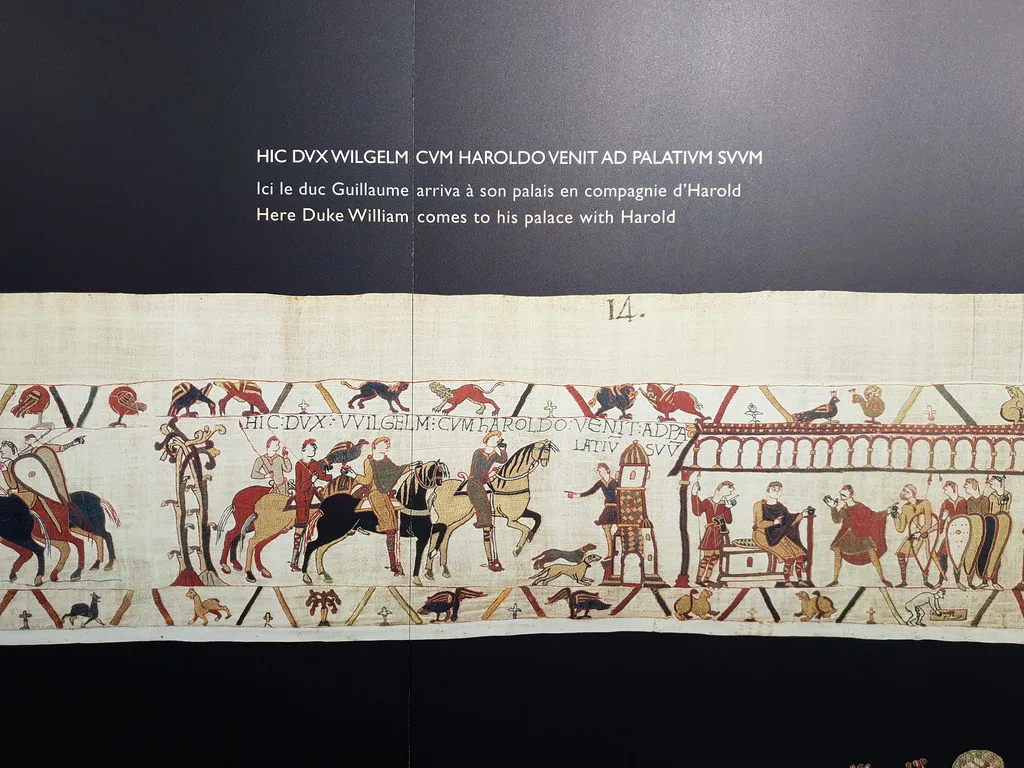
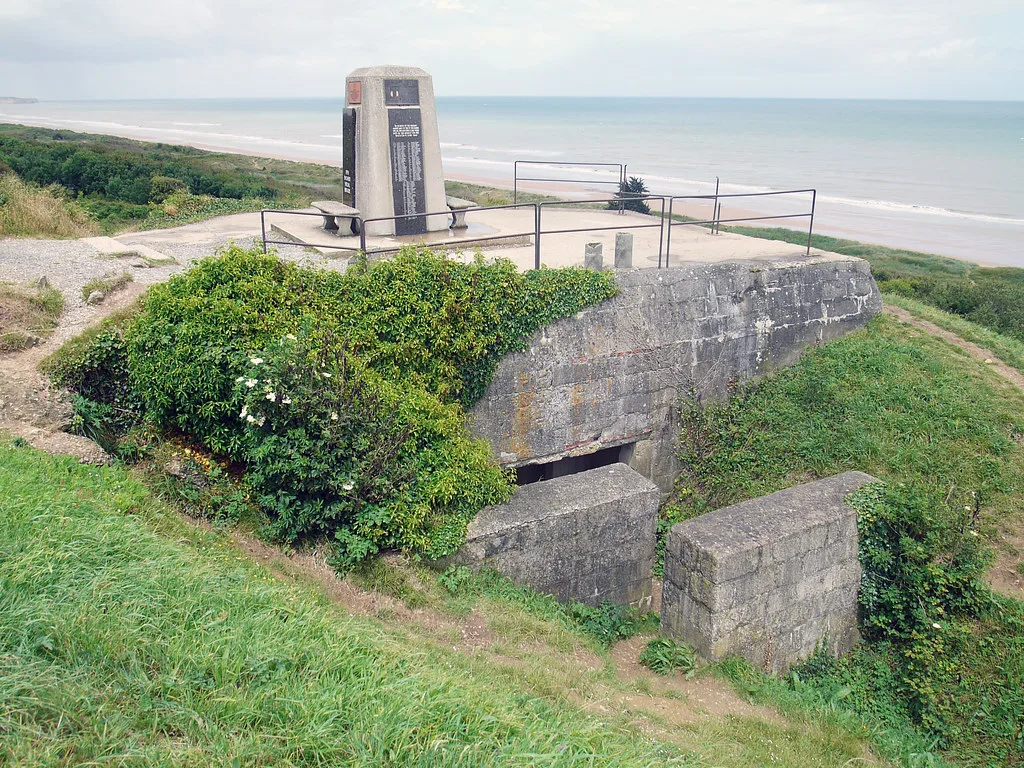
As of November 2026, the Bayeux Tapestry Museum is closed for renovation. It is expected to reopen in 2027. The Tapestry itself is on show at the British Museum in London from 10 September 2026 to 11 July 2027. It returns to Normandy by 1 September 2027 at the latest. Bayeux is still worth a stop for its cathedral, consecrated in 1077, and as a base for the beaches. Pointe du Hoc is under restoration until mid-2027. Its visitor center is closed and the site is reached by the west path only.
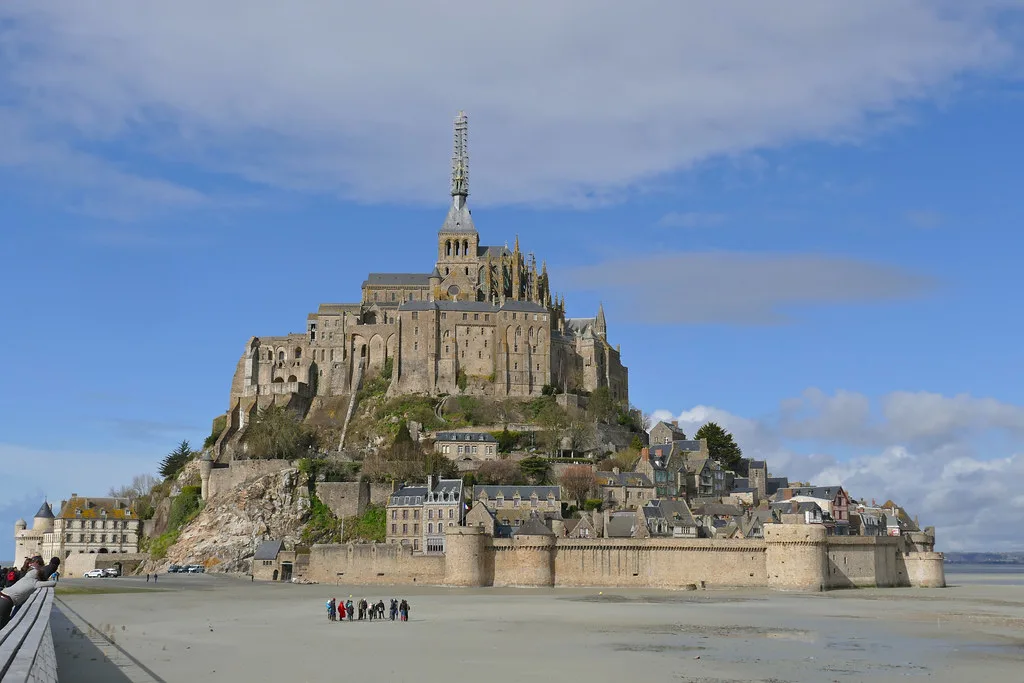
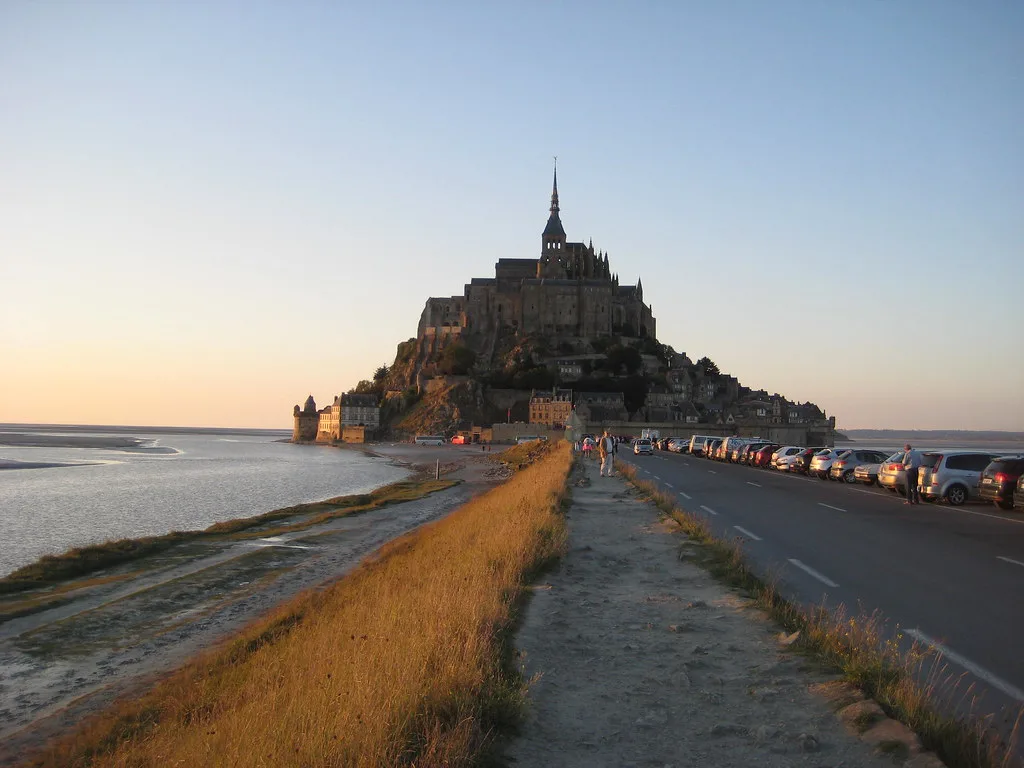
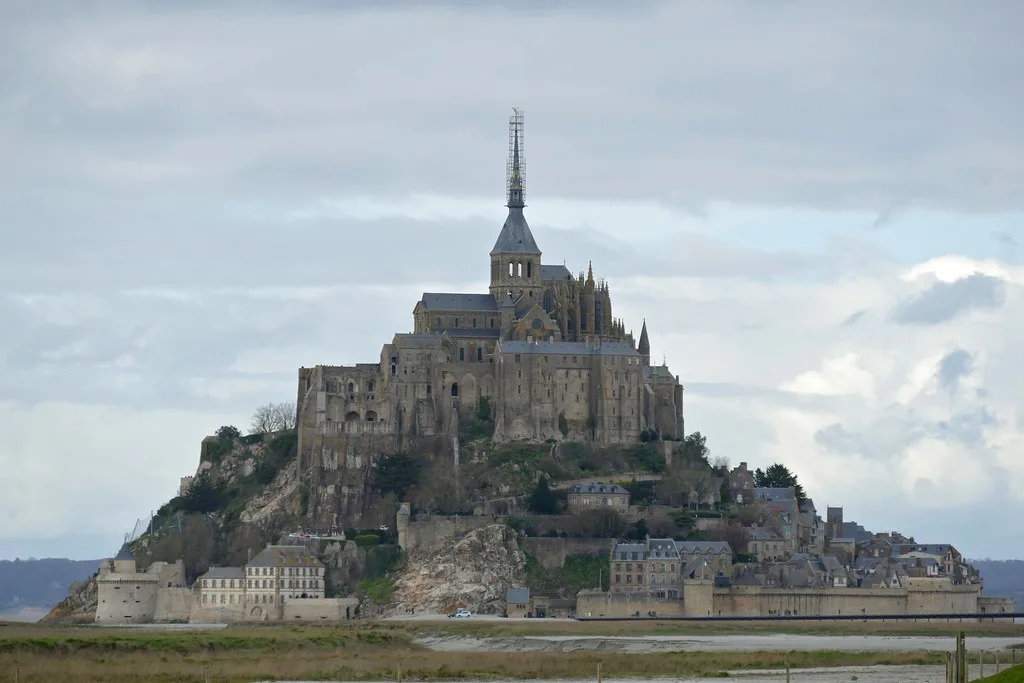
Giverny runs only from 1 April to 1 November 2026, so winter visits miss it. Tides matter at Étretat, where the foreshore below the cliffs is walkable only at low tide. Mont-Saint-Michel's bay floods fast, so never walk it without a guide. Trains link only the larger towns, which limits rural sites such as châteaux and beaches. Coaches crowd Mont-Saint-Michel and the Colleville cemetery by mid-morning.
How many days do you need in Normandy?
Each version below trades breadth for depth. Pick the one that matches your time, then check our D-Day beaches itinerary for the hour-by-hour route.
- 1 day: Rouen by train, or a guided D-Day day from Bayeux. You gain one clear highlight and lose everything else.
- 2–3 days: one day per D-Day sector (American, then British and Canadian) plus Bayeux and Caen. You lose the coast and Mont-Saint-Michel.
- 4–5 days: add Honfleur, Étretat and either Giverny or Mont-Saint-Michel. You gain variety but spend more hours driving.
Costs and tickets in 2026
Prices and hours checked November 2026. Many highlights cost nothing: the Normandy American Cemetery is free, according to the American Battle Monuments Commission. The Étretat cliff paths, Caen's castle ramparts and Rouen's Fine Arts Museum permanent collections are free too. The Mont-Saint-Michel abbey costs €16 from April to September and €13 from October to March, with free entry for under-18s. Monet's house and gardens cost €13. The biggest budget item is usually the rental car and fuel.
Winter trips lose Giverny after 1 November, but the abbey still charges €13 from October to March.
| Site | Ticket cost | Time to allow | Booking needed? | Free alternative |
|---|---|---|---|---|
| Mont-Saint-Michel abbey | €16 (Apr–Sep), €13 (Oct–Mar) | Shuttle about 12 min from car park | Online tickets help | Village streets are free to enter |
| Giverny (Monet) | €13 | 1.5–2 hours | Yes, book a time slot | None; garden is paid |
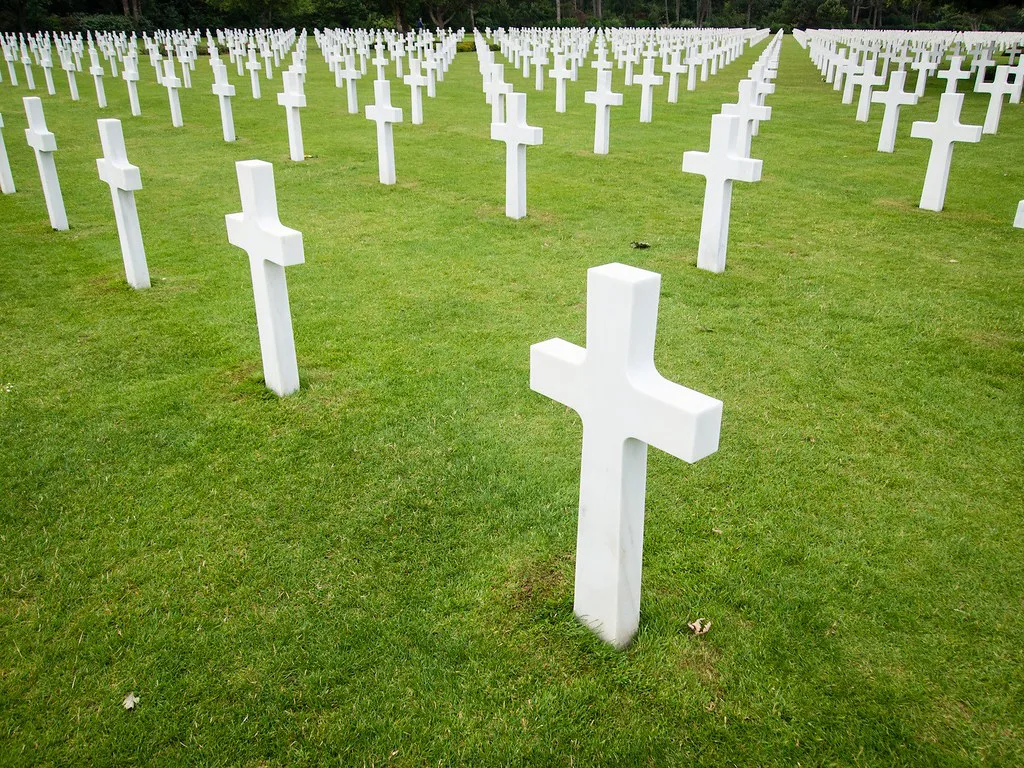
| Normandy American Cemetery | Free | Arrive early | No | It is the free option |
| Étretat cliffs | Free | 2–3 hours for the full loop | No | Free waymarked paths |
| Rouen Fine Arts Museum | Free (permanent collections) | 1–2 hours | No | Old-town streets |
| Caen castle ramparts | Free (museums charge) | About 1 hour | No | Abbey churches are free |
Getting there and getting around
Trains from Paris Saint-Lazare take about 1h15 to Rouen, about 2h to Caen and about 2h to Le Havre. By car, Rouen is about 2h and Caen 2h30–3h. Our guide to reaching the beaches from Paris covers the options in detail. Rouen and Giverny work without a car, via Vernon station plus a shuttle for Giverny. The beaches, the Pays d'Auge and the coast are far easier with a car or tour. At Mont-Saint-Michel, park on the mainland and ride the free Le Passeur shuttle, about 12 minutes. Arrive before 10am or after 4pm to avoid the coaches.
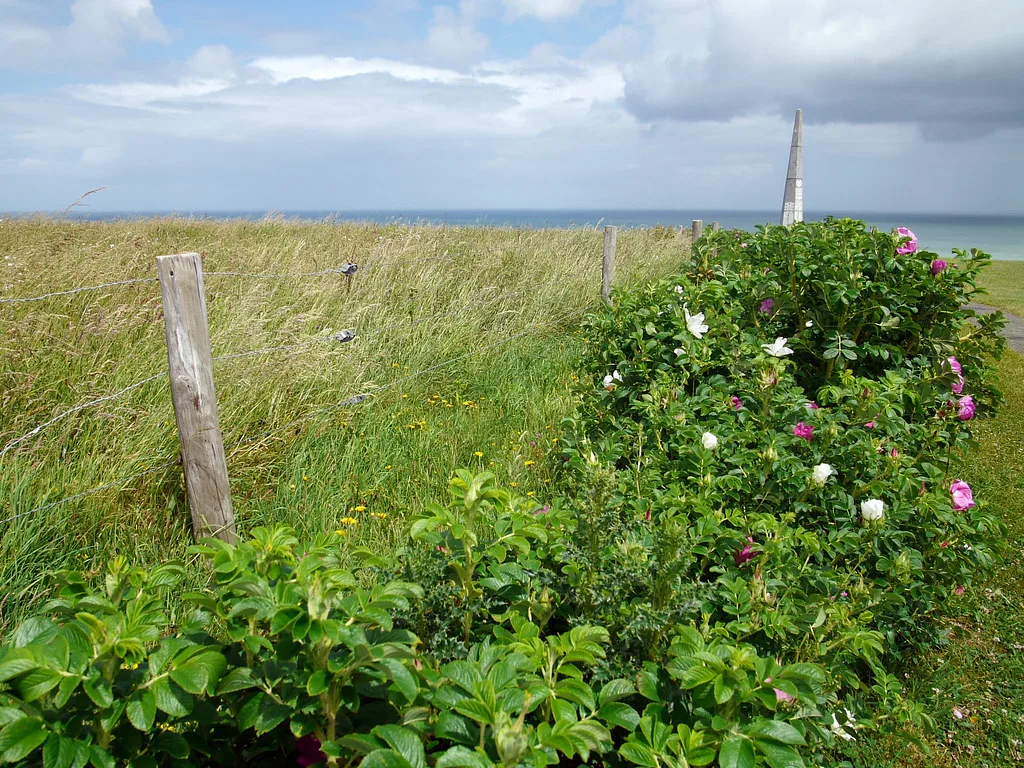
Where to base yourself
Choose your base by interest. Bayeux or Caen suits the beaches, since Bayeux sits about 10 km from Arromanches and 20 km from Omaha Beach. Our comparison of Bayeux versus Caen helps you choose. Honfleur suits the coast and the Pays d'Auge, and Rouen suits the Seine valley and Giverny. For Mont-Saint-Michel, sleeping nearby in Pontorson or Beauvoir lets you arrive ahead of the coaches. Our guide to where to stay near the beaches goes deeper.
Coaches crowd Mont-Saint-Michel by mid-morning, so a Pontorson base only pays off if you arrive before 10am.
When to go
May to September is the mildest and brightest stretch. April and May bring apple blossom in the orchards. Early June brings the D-Day anniversary around 6 June, so book rooms months ahead. Our D-Day anniversary guide explains what to expect. September is quieter at the beaches. Winter is calm, but Giverny and some châteaux close. Read about visiting the beaches in winter before you commit. For month-by-month detail, see our best time for the beaches page. The regional board, Normandy Tourism, lists current events.
What to eat and drink
Food alone justifies a trip for some travelers. Four cheeses carry AOP status: Camembert, Livarot, Pont-l'Évêque and Neufchâtel. Isigny-sur-Mer butter and cream have their own protected designation. Apples become cider, pommeau and calvados, mostly around the Pays d'Auge between Lisieux and Pont-l'Évêque. Drive that route in spring, when the orchards blossom. Coastal menus add mussels, oysters and scallops in season.
Who should skip Normandy, or do it differently
Beach holiday seekers will find the water cold and the coast built around memorials, so look elsewhere. With one day and no car, take the train to Rouen rather than chasing the beaches. Without a car, join a guided day from Bayeux for the D-Day sites. If the Tapestry is your priority, either wait until it returns by 1 September 2027 or see it in London before 11 July 2027. Canadian visitors can anchor a trip on the Juno Beach Centre in Courseulles-sur-Mer. History fans can add the Mémorial de Caen to a Caen day.
Frequently Asked Questions
What is Normandy, France best known for?
Normandy is best known for the D-Day landing beaches of 6 June 1944 and Mont-Saint-Michel. It is also known for Monet's gardens at Giverny, Étretat's chalk cliffs, Camembert, cider and calvados.
Keep planning
Guides on the same trip





