
British D-Day Sites in Normandy: Sword, Gold & Pegasus Bridge
Plan the British D-Day sites in Normandy: Pegasus Bridge, Sword, Gold, Arromanches and Bayeux, with sample routes for a half day to 2 days.
In this guide
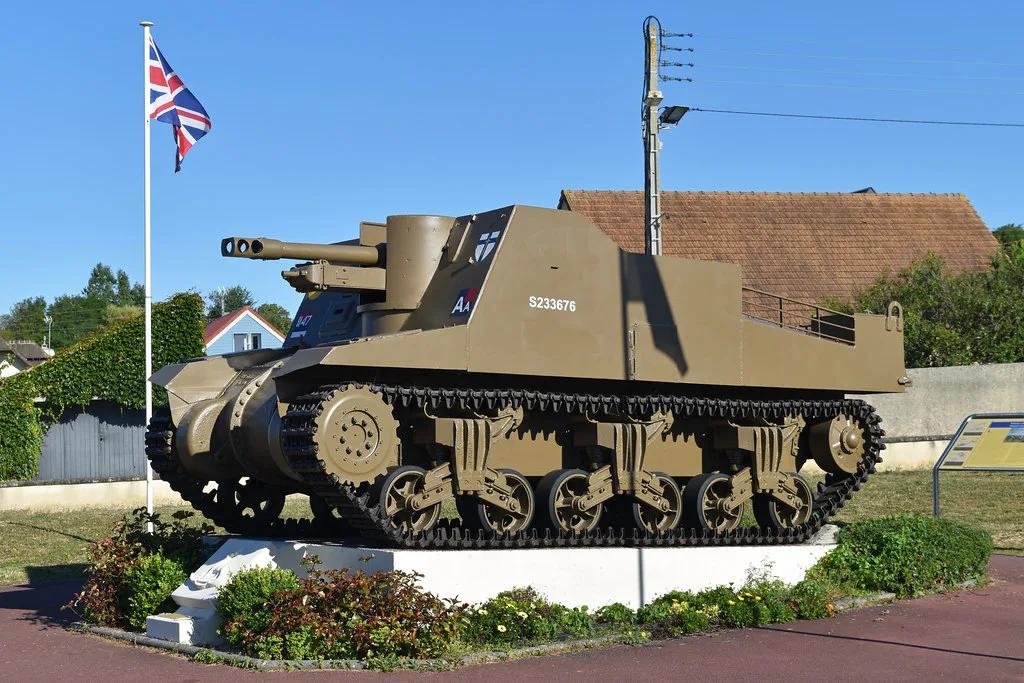
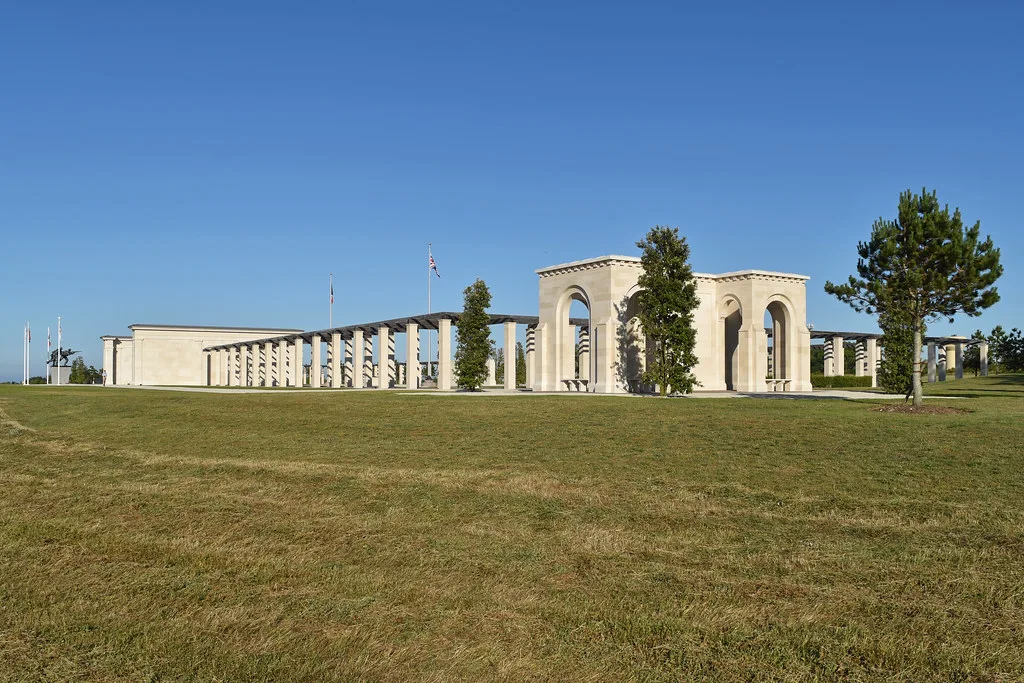
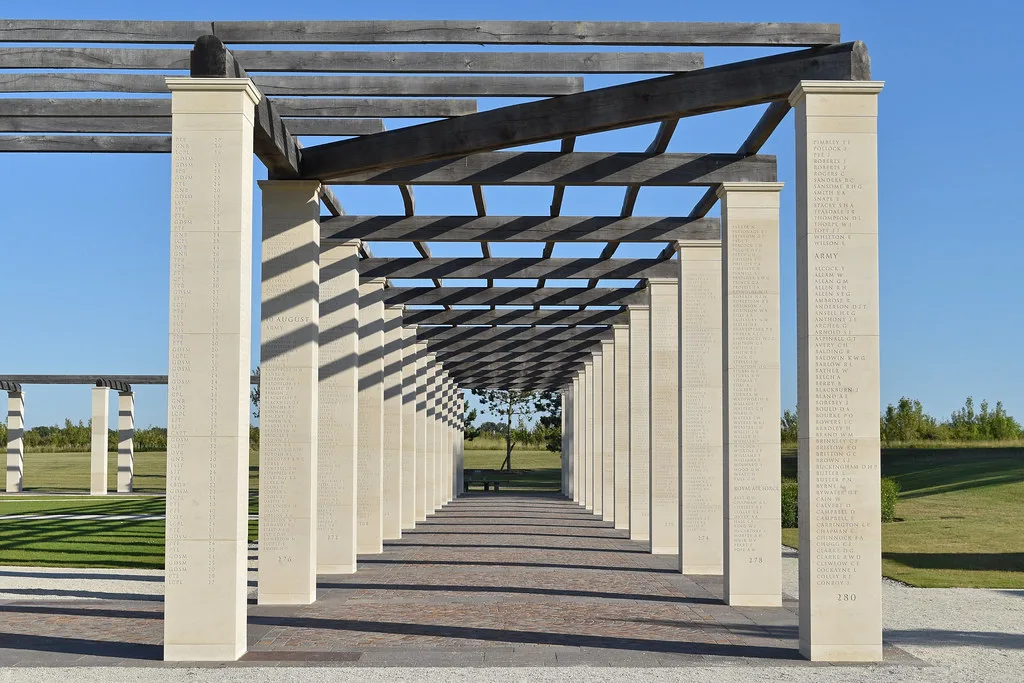
Last updated November 2026. The main British D-Day sites run along a compact stretch of coast between Ouistreham and Arromanches, with Bayeux as the natural base. Start at the British Normandy Memorial at Ver-sur-Mer, which honours the more than 22,000 service personnel who died under British command in the Normandy campaign. Not every British-linked site is on the beach, because Pegasus Bridge, Merville and the Bayeux cemetery all sit inland.
Featured image: HawkeyeUK, CC BY-SA 2.0, via Flickr.
British D-Day sites at a glance
British and Commonwealth forces landed on Sword and Gold on 6 June 1944. Airborne troops had already landed inland in the early hours. Juno, next door, was a Canadian sector that fought alongside them. Use the table to match each site to your interests and time.
| Site | Sector or role | Setting | Best for |
|---|---|---|---|
| Pegasus Bridge | Airborne objective | Outdoor bridge plus museum | The first British action of the day |
| Merville Battery | Airborne objective | Battery site | Airborne and special-operations story |
| Ouistreham, Grand Bunker | Sword sector | Bunker museum | Seeing a defended coastline |
| Arromanches and Mulberry Harbour | Gold sector | Beach, museum, cinema | Engineering and logistics |
| Longues-sur-Mer battery | German battery in the Gold sector | Outdoors | Coastal defences |
| Juno Beach Centre | Canadian neighbour | Museum and beach | Canada's part in the landings |
| Bayeux British Military Cemetery | Commemoration | Cemetery | Quiet remembrance |
Pegasus Bridge and Merville Battery: the airborne objectives
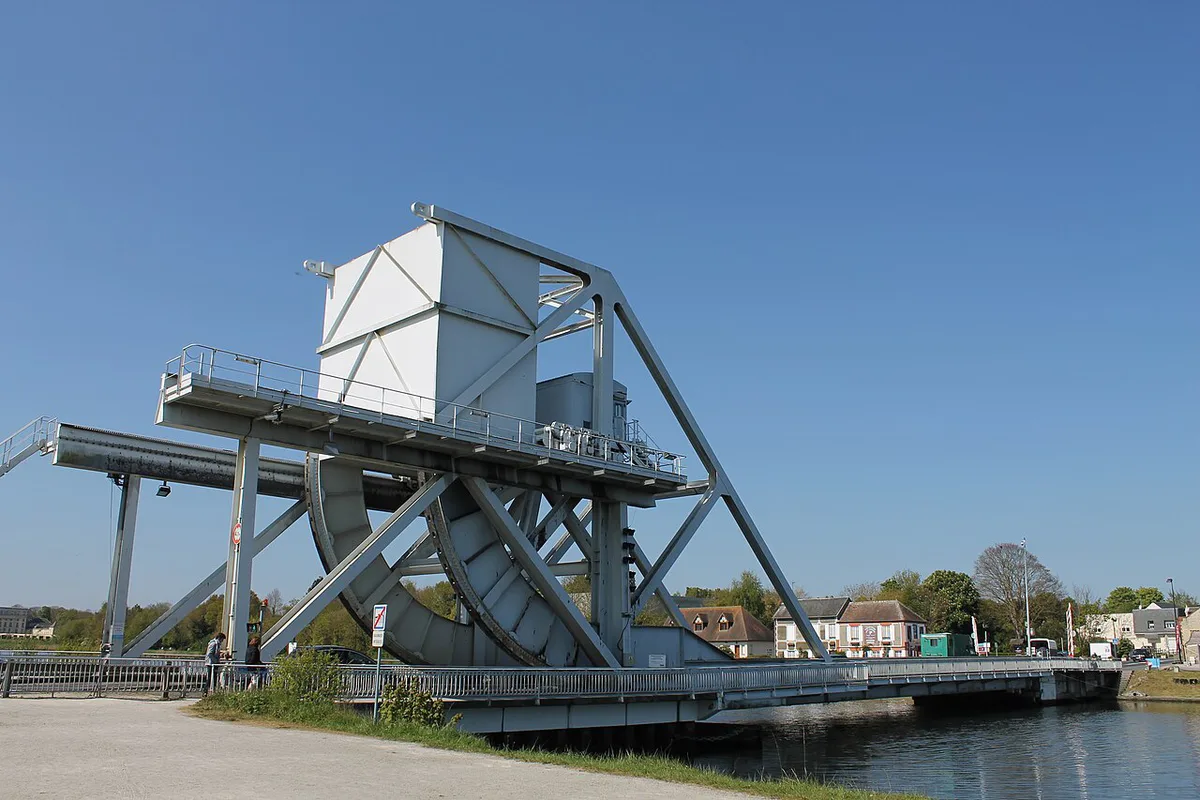
British paratroopers seized Pegasus Bridge in the early hours of 6 June 1944. It was among the first strategic objectives secured that day. Today a museum stands nearby, and the Mémorial Pegasus site explains the mission. Our guide to visiting Pegasus Bridge covers the details. Merville is the other airborne stop. Read about the Merville Battery: D-Day History and Visit Planning before you go. Both sit east of the beaches, so group them together in one morning.
Sword Beach and Ouistreham
Ouistreham is the eastern end of the British coastline. The Grand Bunker at Ouistreham is the main ticketed stop here. Beach walking is free. For a smaller concrete position, see the Hillman Bunker (WN17) Colleville-Montgomery: D-Day Visit Guide. Opening arrangements for both change by season, so check each site's own page before you drive.
Gold Beach, Arromanches and the Mulberry Harbour
Allied engineers built an artificial harbour off Arromanches to land supplies after the assault. Remains are still visible at sea. Viewing is best at low tide, so check an official tide table for Arromanches before you plan the hour. Our page on the Mulberry Harbour remains explains what you can see. In town, the Arromanches D-Day Museum covers how the harbour worked. The 360° cinema on the cliffs shows original 1944 footage. Practical details for both are on the museum's official site and the Arromanches 360 site.
- Add the Longues-sur-Mer battery to a Gold sector day. It is a German position, and it shows what the Gold landings faced.
Juno Beach: the Canadian neighbour
Juno was a Canadian sector, not a British one. It belongs on a British-focused trip because the sectors fought side by side. The Juno Beach Centre: Tickets, Hours, Bunker Tour & Visit Tips at Courseulles-sur-Mer tells Canada's story, and its official site lists current hours. Start with our Juno Beach overview. If you also want the American sectors, our Omaha and Juno comparison is the place to begin.
Bayeux: British Military Cemetery and Battle of Normandy Museum
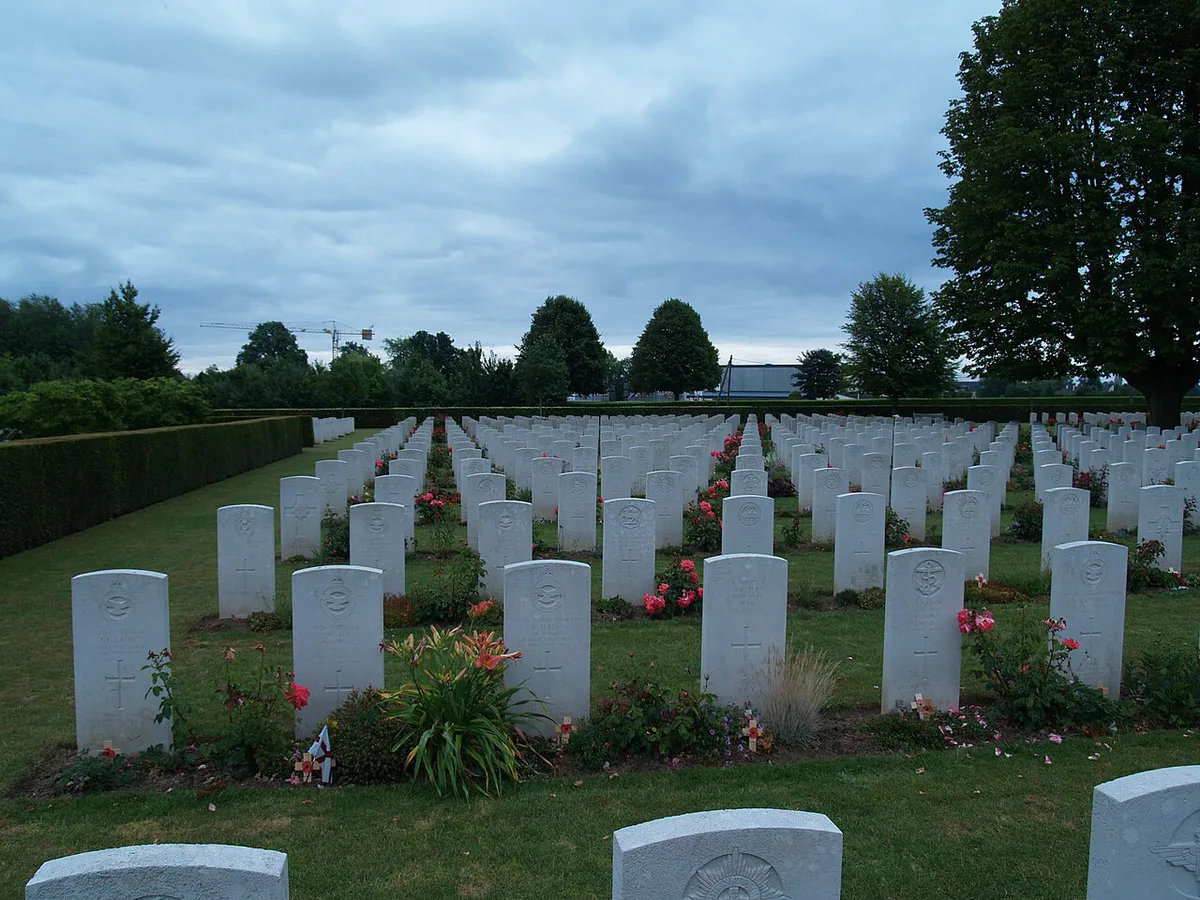
Bayeux is the commemorative anchor of the trip. The Bayeux British Military Cemetery faces a memorial wall naming soldiers who have no known grave. The Battle of Normandy Museum stands opposite. Visit the cemetery quietly, and read the ages on the headstones. It is also a sensible overnight base. Bayeux sits between the airborne sites to the east and the Gold sites to the west.
Sample routes and getting around
Routes work best by direction. Airborne sites lie east, Gold sites west, and Bayeux sits between them. Treat these routes as suggestions, and fit your own opening-hours checks around them.
Time the 1 day route's Arromanches stop around low tide, when the Mulberry remains are most visible.
- Half day: Pegasus Bridge and the Grand Bunker at Ouistreham, then back to Bayeux.
- 1 day: Pegasus Bridge and Merville in the morning, then Arromanches and Longues-sur-Mer in the afternoon.
- 2 days: Day one covers the airborne sites and Sword. Day two covers Gold, Juno and the Bayeux cemetery.
Tickets, access and etiquette
A car gives the most freedom, because several sites are far from public transport. A taxi with a driver or an organised tour from Bayeux also works. Cemeteries and beaches are outdoors and generally free to enter. Museums, bunkers and the cinema charge entry, so check each official site for current prices and hours before you go. In cemeteries, keep your voice low and stay on the paths. Do not over-pack the day, and keep the sectors straight, since Sword and Gold were British and Juno was Canadian.
Keep planning
Guides on the same trip





