
Bayeux WW2 Sites: What to See in Town and Nearby
Which WWII sites are in Bayeux and which need a drive? Plan museum, cemetery and D-Day beach visits with timing, logistics and trade-offs.
In this guide
Last updated November 2026: planning bayeux ww2 visits starts with a town that was liberated on 7 June 1944 and came through the Battle of Normandy largely undamaged. Its own sites are the Museum of the Battle of Normandy and the Bayeux War Cemetery, while the landing beaches lie a short drive away, as our D-Day museums overview explains for the wider region. This guide separates what you can walk to from what needs wheels.
Featured image: ralpe, CC BY-SA 2.0, via Flickr.
Bayeux in WWII: why the town matters
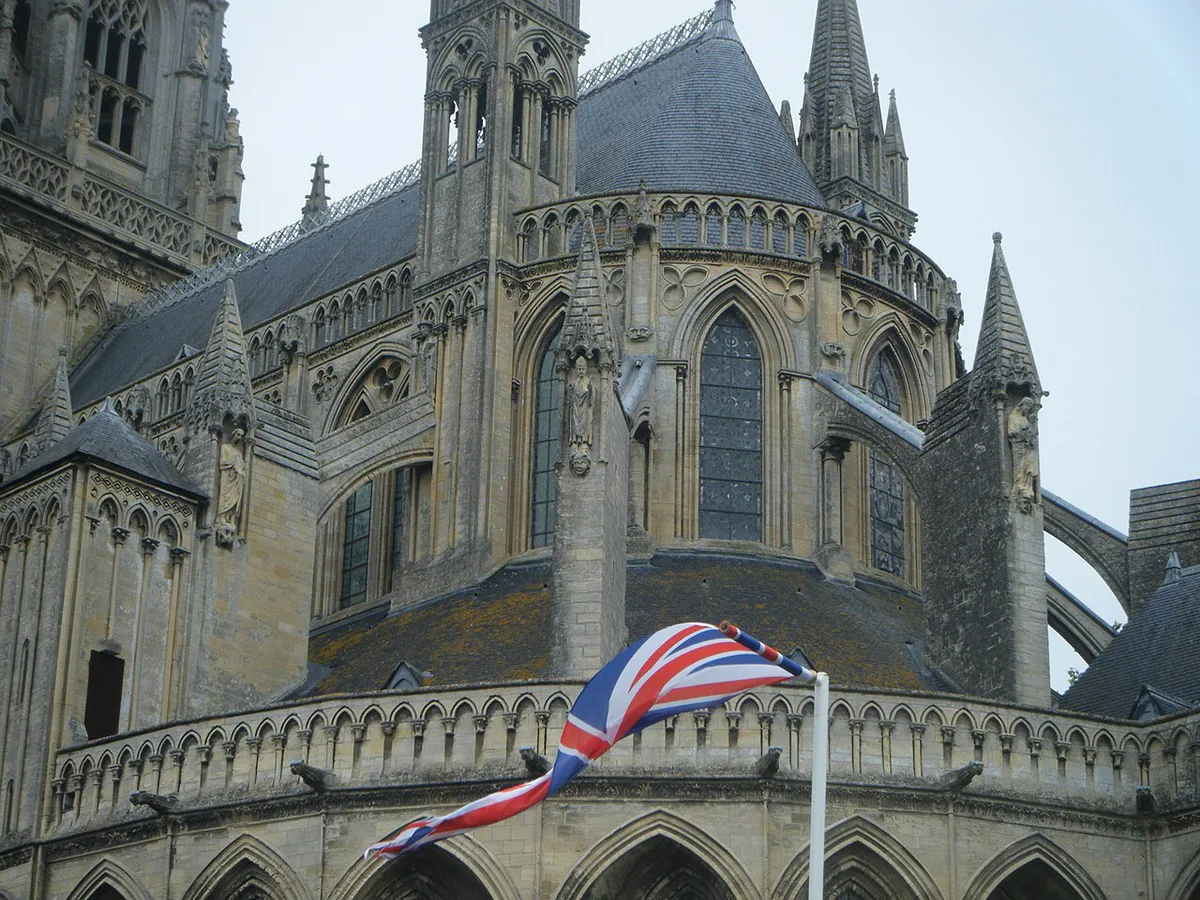
Allied troops landed on 6 June 1944 across five beaches spread over a 50-mile stretch of the Normandy coast. Bayeux was liberated the next day, on 7 June, and it was the first town freed in the Battle of Normandy. Because it escaped bomb damage, its medieval streets and Romanesque cathedral still stand. General Charles de Gaulle addressed the people of Bayeux on 14 June 1944, soon after returning to France. That history explains why the town works as a base. Fighting that began on the beaches continued until 29 August 1944, so most visitors pair Bayeux with the coast.
WWII sites inside Bayeux
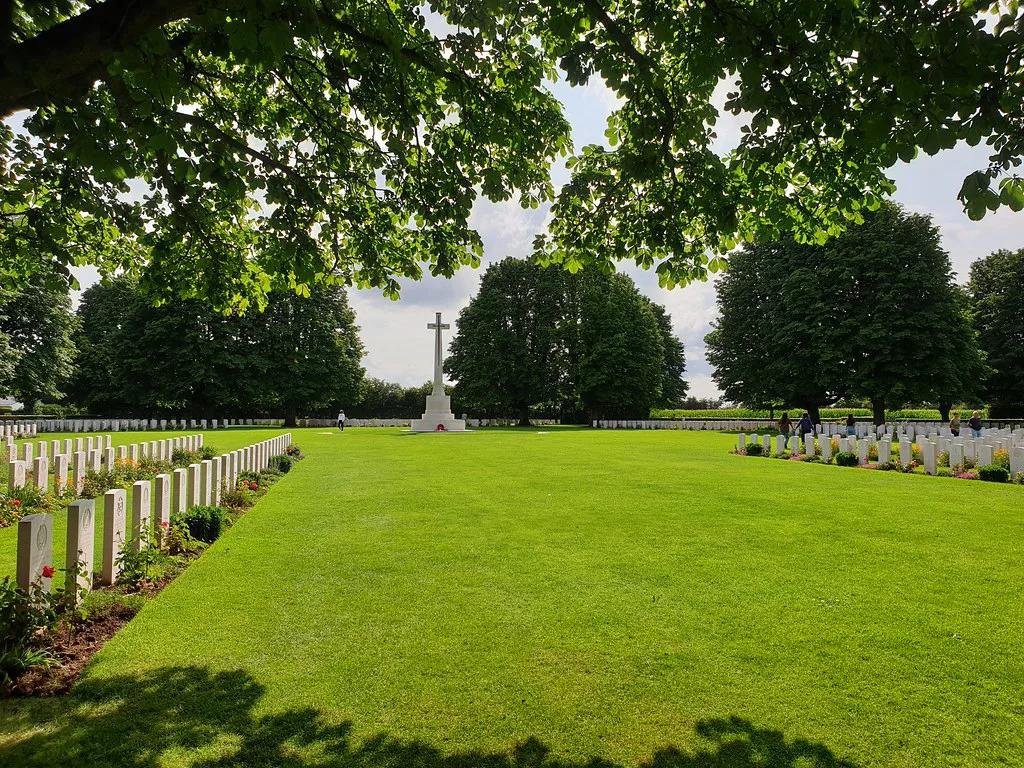
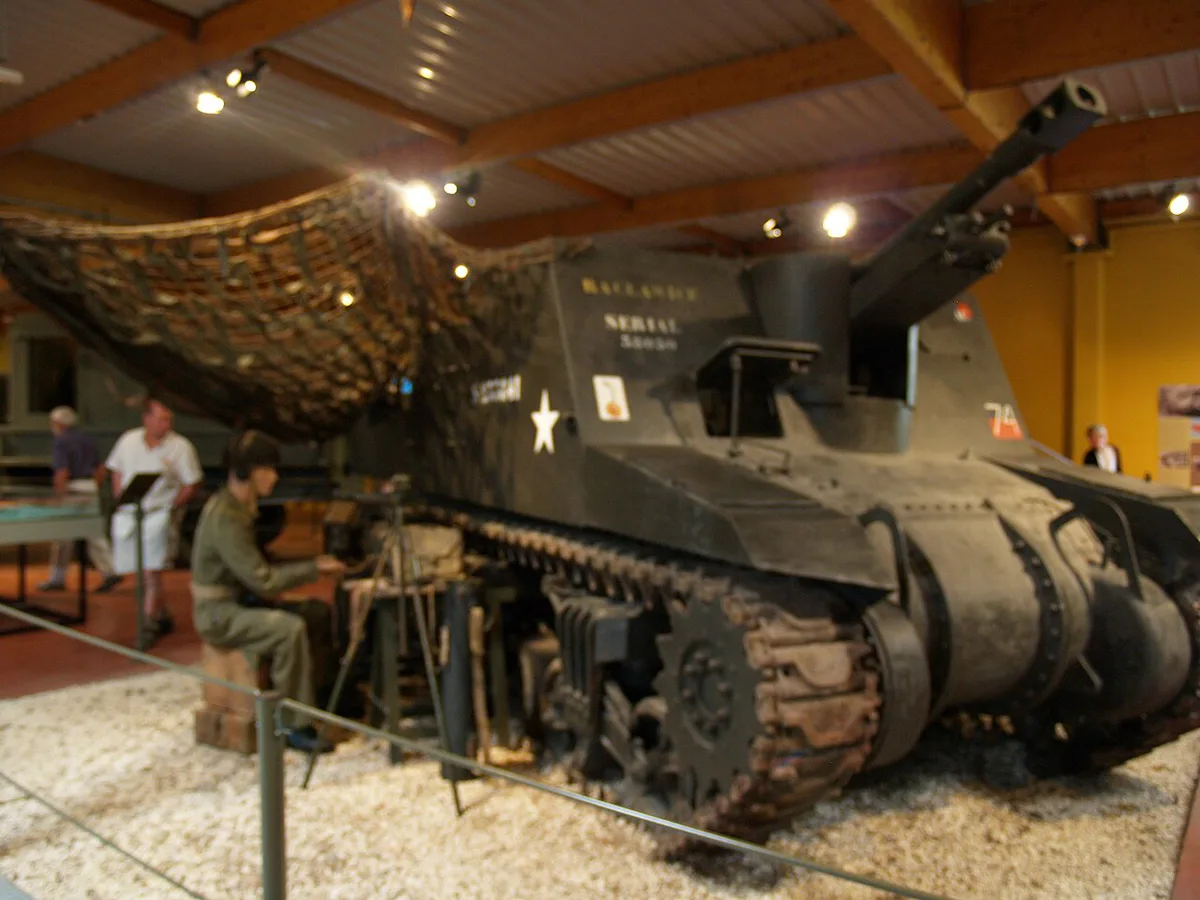
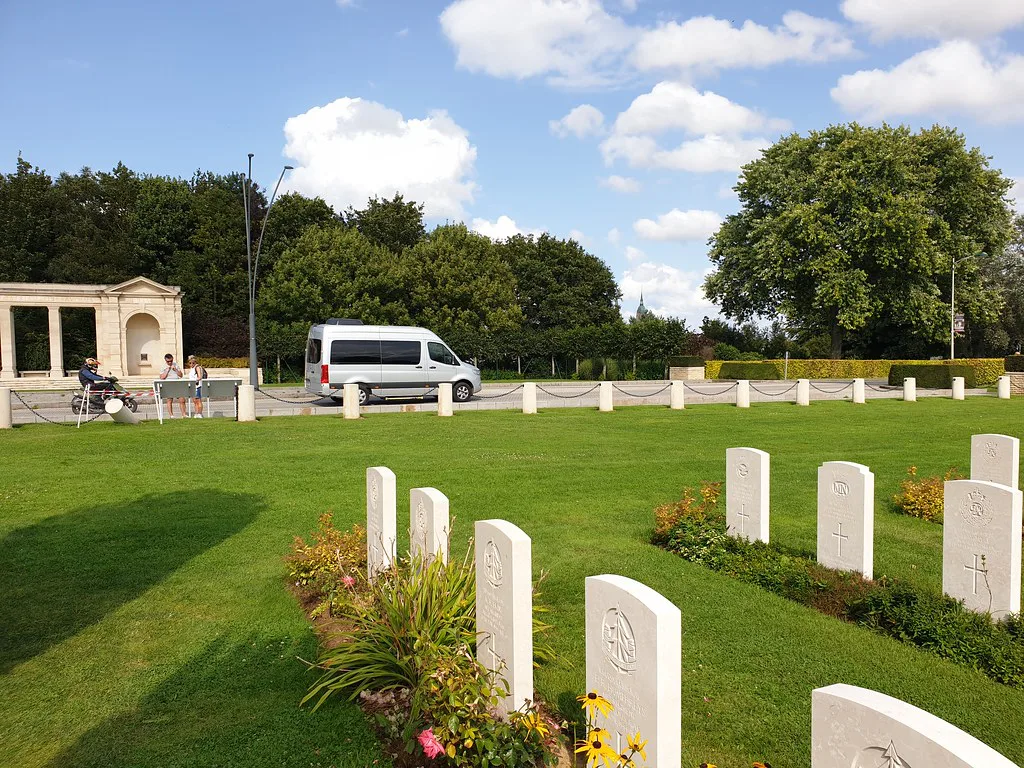
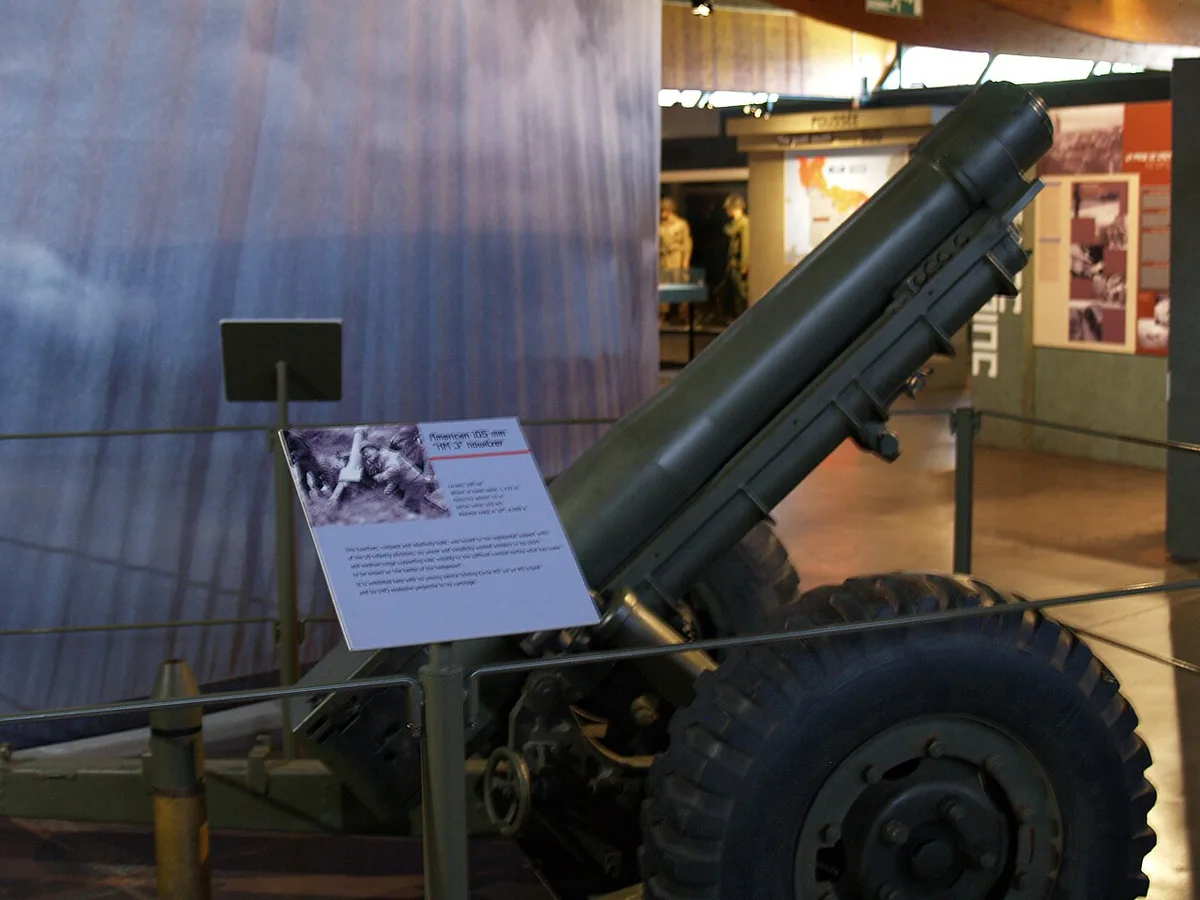
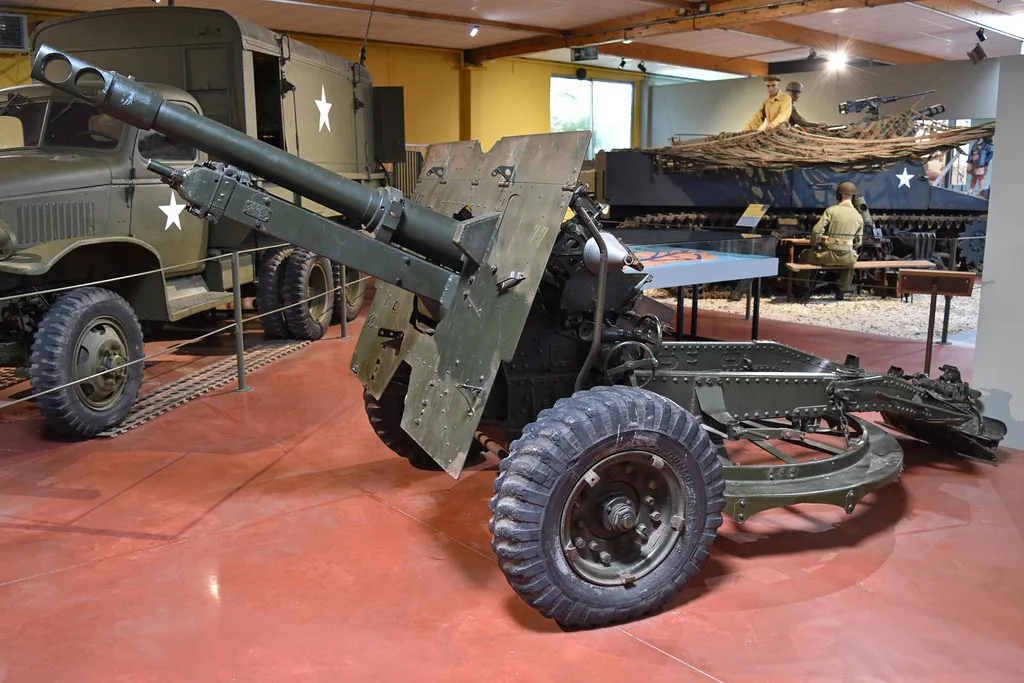
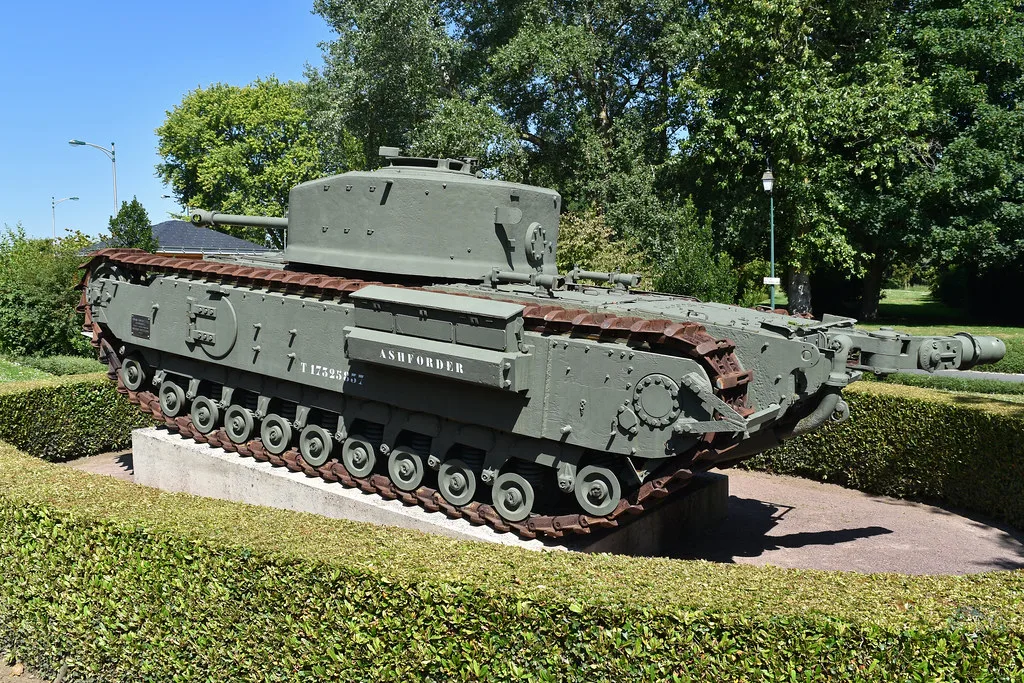
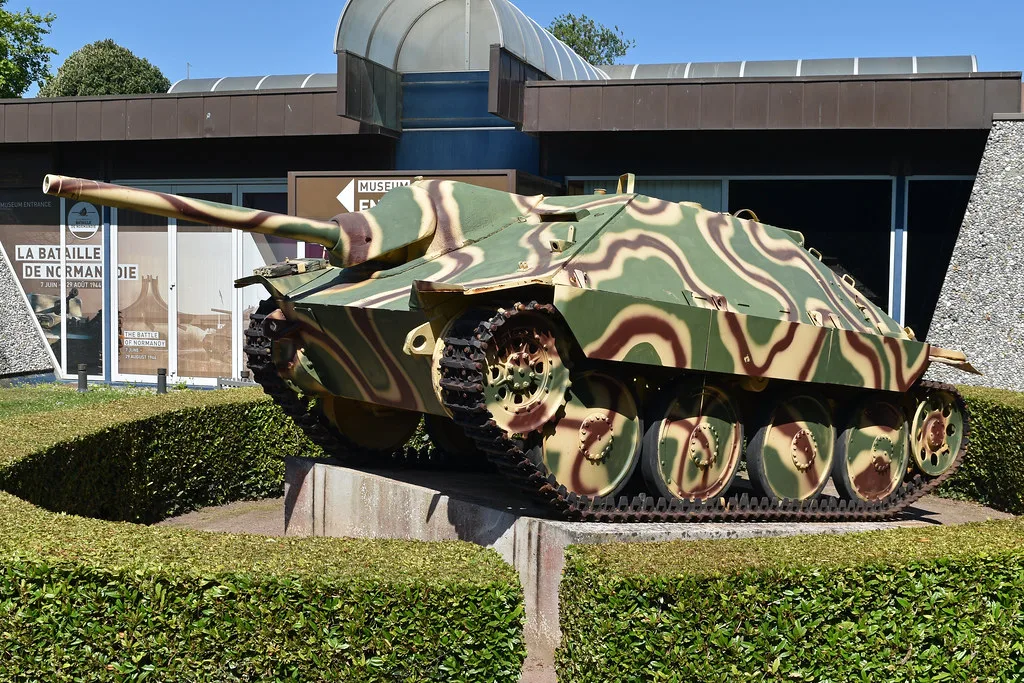
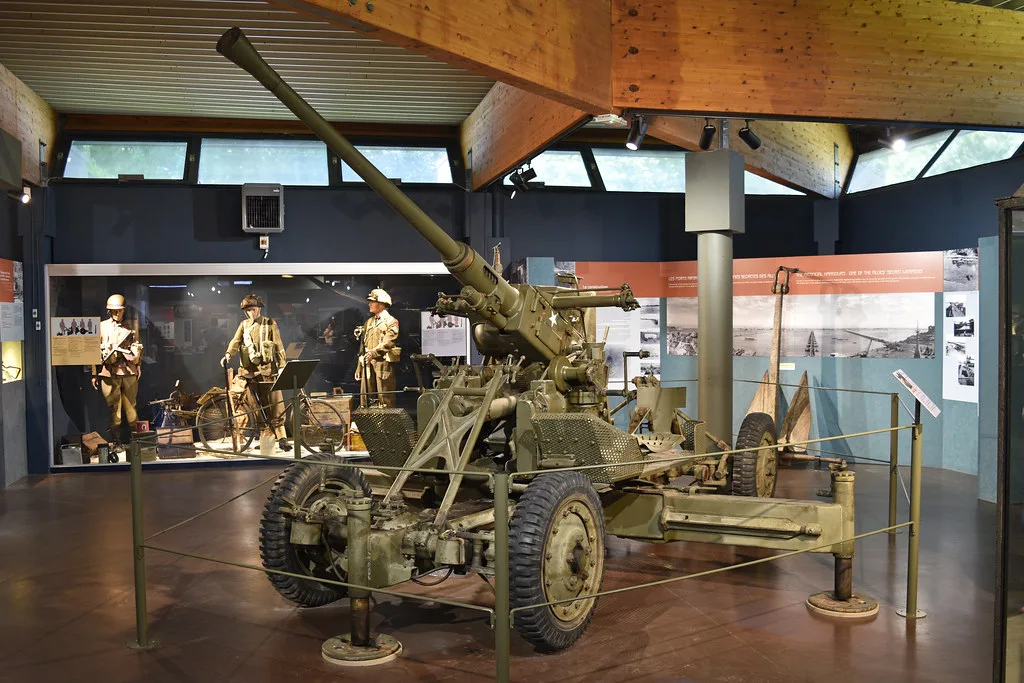
Two sites sit close together on Boulevard Fabian Ware, a short walk from the town centre. Bayeux's battle museum opened in 1981 and occupies a 2,300 m² site. Galleries follow the Atlantic Wall, the landing preparations and a large circular room on 6 June. The visit ends with the Falaise Gap, fought from 12 to 21 August 1944. Four vehicles stand outside: a US M4 Sherman, an M10 tank destroyer, a British Churchill Crocodile and a German Hetzer. Most visitors spend an afternoon here, and the museum closes for lunch. The Bayeux War Cemetery and its memorial lie a few hundred yards away on the same boulevard.
- Museum of the Battle of Normandy: best for chronology, uniforms, vehicles and maps. It suits history-focused visitors and families with older children.
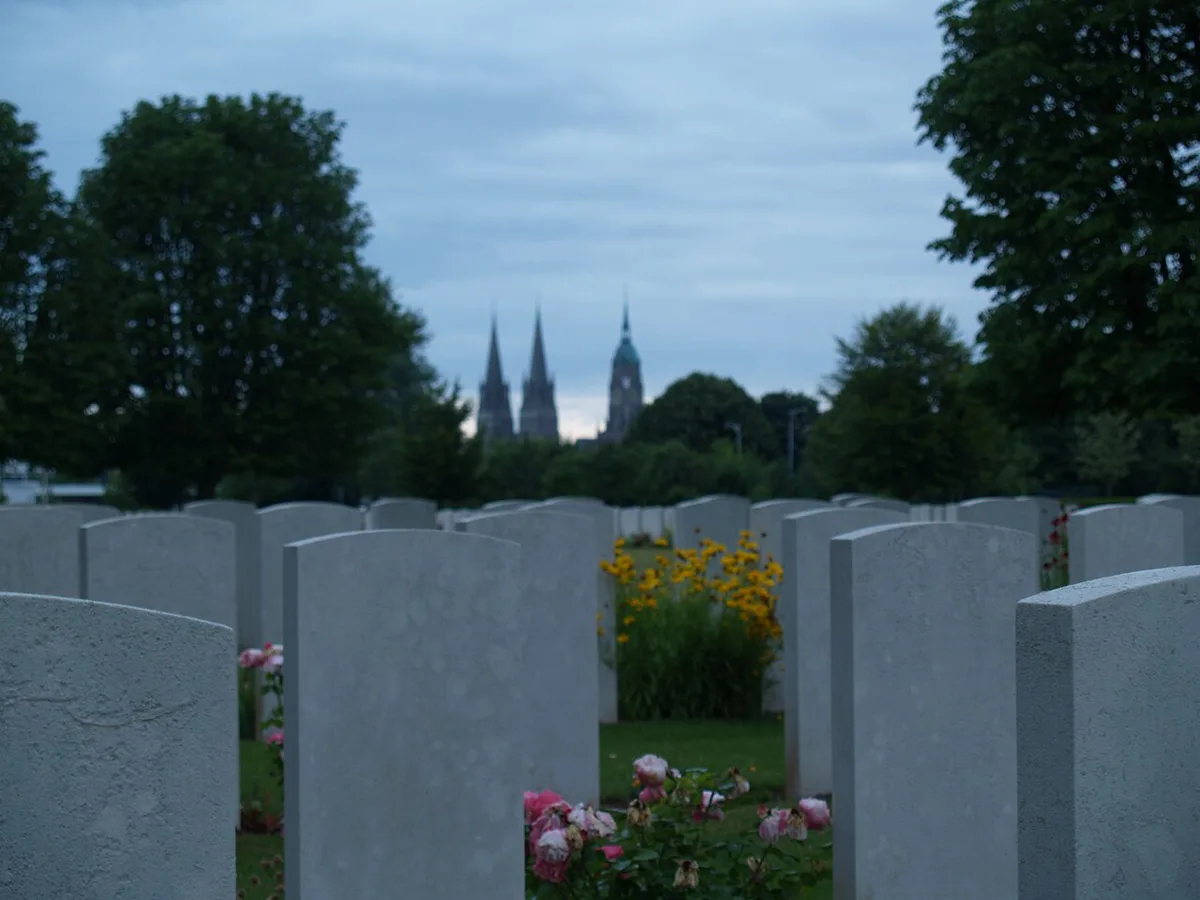
- Bayeux War Cemetery and memorial: a quiet stop for remembrance. It pairs naturally with the museum, especially during the lunch closure.
Pairing the Bayeux Tapestry with your trip
The Bayeux Tapestry is medieval, not WWII. This linen band is about 231 ft long and 20 inches high, and it tells the story that led to the Battle of Hastings in 1066. Allow 15 to 20 minutes at the hanging and about 15 more in the shop. Treat it as a morning pairing rather than a WWII stop. Bayeux's tourist office lists current visiting details.
WWII sites within a day trip of Bayeux
Arromanches is where the Allies assembled Mulberry B, an artificial harbour towed across the Channel in 146 pieces. From the windswept Chemin du Calvaire above the town you can see the remains in the bay. Up there, the Arromanches 360 cinema shows a 20-minute film with archive and modern images and no spoken words. Colleville-sur-Mer lies about 19 miles from Arromanches via Bayeux, or about 12 miles by slower coastal roads. The Normandy American Cemetery holds 9,385 burials, and 307 graves are unknown soldiers. It runs right up to Omaha Beach. From there, Pointe du Hoc is about 15 minutes further by car. Here US Rangers scaled limestone cliffs on D-Day, and bullet scars remain. Allow 20 to 30 minutes on the exposed clifftop.
| Site | Time needed | Car needed | Setting | Best for |
|---|---|---|---|---|
| Museum of the Battle of Normandy | An afternoon | No, walkable | Indoor galleries, outdoor vehicles | Chronology and artefacts |
| Bayeux War Cemetery | A short, unhurried visit | No, walkable | Outdoor | Remembrance |
| Arromanches | 20-minute film plus viewpoint | Yes, practically | Indoor cinema, exposed viewpoint | Mulberry B and the harbour story |
| Normandy American Cemetery, Colleville-sur-Mer | A slow walk | Yes | Outdoor, with chapel and memorial | Omaha Beach overlook |
| Pointe du Hoc | 20 to 30 minutes | Yes | Outdoor, very exposed | The Rangers' cliff assault |
Sample plans: half day, one day and two days
Start the museum at opening and use its lunch closure for the cemetery, which is only a few hundred yards away. That sequence avoids standing at a closed door. Families with teens may prefer the outdoor vehicles and the Arromanches film, which can be harrowing at times. Trying every beach in one day produces rushed visits, so pick two coast stops at most. With two days, spend the first in town and the second on the coast.
| Traveler | Route | Time | Access | Trade-offs |
|---|---|---|---|---|
| Half day, no car | Museum, cemetery, old town | One afternoon | On foot | No beaches; Tapestry fits the morning |
| One day, with car | Museum, cemetery over lunch, Arromanches 360, Colleville-sur-Mer | Full day | Self-drive or taxi | Pointe du Hoc only if daylight remains |
| One day, no car | Guided half-day on the coast after a morning in town | Full day | Guided tour | Less flexibility, but commentary included |
| Two days, history-focused | Day one in town; day two Arromanches, Colleville, Pointe du Hoc | Two days | Car or tour | Slower pace, more reading time |
Getting there and around
A direct train links Paris and Bayeux. Check frequency and journey time on the SNCF site before booking. Bayeux itself is walkable, and the museum is a short walk from the centre. The coast is harder without a car. Self-driving gives you control over timing, a taxi saves the parking hunt, and a guided tour adds commentary. Arromanches and Colleville are 19 miles apart by the main road via Bayeux, so route planning matters. Bayeux's tourist office lists current guided options.
Colleville-sur-Mer is about 12 miles by slower coastal roads from Arromanches, not the 19 miles of the main road via Bayeux.
Costs, tickets and opening hours
Ticket prices and hours change by season. Check the official museum site for current rates and lunch closure times. If you plan several museums across Normandy, our Normandy museum pass guide shows whether a combined ticket helps.
Where to stay for a WWII-focused trip
Bayeux puts you beside the museum and cemetery, with an undamaged old town for evenings. Caen is bigger and liberated by mid-July 1944, and it suits visitors who want the Mémorial de Caen on day two. Our guide to Caen's wartime sites covers that stay. Enthusiasts can add the tank collection or the Victory Museum option. For the inland battle, read about Saint-Lô's wartime history, captured by mid-July. Planning the other end of the invasion? The departure side in Portsmouth is in England, not a Normandy stop. Larger museums are compared in the Caen Mémorial guide.
Visiting respectfully and mistakes to avoid
Cemeteries and memorials are places of mourning. Speak quietly, stay on paths and follow posted rules at each entrance. Photograph graves only with care.
Pointe du Hoc is about 15 minutes further by car from the Normandy American Cemetery, plus 20 to 30 minutes on the clifftop.
- Arriving at the museum at lunch: it closes midday, so schedule the cemetery then.
- Trying every beach in one day: choose Arromanches and Colleville, then add Pointe du Hoc only with time to spare.
- Treating the Tapestry as the WWII stop: it dates to 1066.
- Ignoring weather: Pointe du Hoc and the Arromanches viewpoint are windswept, so bring layers.
Accessibility and exposed-site planning
Bayeux is the easiest part of this itinerary for visitors who prefer short, level walks. The Museum of the Battle of Normandy and Bayeux War Cemetery are only a few hundred yards apart on Boulevard Fabian Ware. Plan the cemetery during the museum’s midday lunch closure, rather than waiting outside.
The coastal sites require more preparation. Arromanches combines a town setting with the Chemin du Calvaire viewpoint, which is exposed to wind. The Arromanches 360 film lasts 20 minutes, providing an indoor break before or after the viewpoint. Pointe du Hoc is also exposed, with uneven ground around the former battlefield. Allow 20 to 30 minutes there and wear footwear suited to rough paths.
For a lower-walking coastal day, focus on Arromanches and the Normandy American Cemetery. Colleville-sur-Mer is about 19 miles from Arromanches via Bayeux. A car, taxi, or guided tour reduces the need to manage distances between sites.
Frequently Asked Questions
What battle is on the Bayeux Tapestry?
It depicts the events leading to the Battle of Hastings, fought on 14 October 1066. It is a medieval story, not a WWII attraction.
Is there still wreckage at Normandy Beach?
Remains of the Mulberry B harbour are still visible in the bay at Arromanches. You can see them from the Chemin du Calvaire viewpoint above the town.
Keep planning
Guides on the same trip





