
Saint-Lô WWII: What to See, History & Visit Tips
Visiting Saint-Lô for WWII history? See what remains of the 1944 battle, how to reach it from Bayeux or Caen, and how to plan your time.
In this guide
Last updated November 2026. Saint Lo WW2 history is a story of destruction: the town was heavily bombed in June 1944 and taken by US forces in July, which earned it the name "Capital of Ruins". It sits inland from the beaches, so it suits visitors who want to understand the fight after D-Day. This guide shows what the battle means on the ground and how to fit it into a wider Normandy trip from the D-Day museums hub.
Featured image: olive.titus, CC BY 2.0, via Flickr.
Saint Lo WW2: the short answer
Saint-Lô was the objective of the US First Army offensive in July 1944. The fight ran through hedgerow country and the hills north and east of the town. Aerial bombing in June had already wrecked the centre, and that is why the town is remembered as the "Capital of Ruins". After its capture, Operation COBRA broke the German line and opened the way out of Normandy.
Is it worth a visit? Yes, if you have a car and at least a half day beyond the beaches. It is a place to understand the campaign, not a single headline attraction. Visitors with one day and a focus on Omaha Beach should skip it.
What happened here, in plain terms
After the landings, US troops pushed south into the bocage. This is farmland divided into small fields by earthen banks topped with hedges. The banks were three to five feet thick and six to nine feet high, and farm traffic used narrow sunken lanes between them. Defenders dug in along those banks, so every field became a separate fight.
High ground mattered because it gave observation over the whole countryside. Hill 192 was the best-known example, a dominant observation point for the German defense. Its slopes rise about 150 feet over 1,000 yards, which is gentle but enough to see for miles.
The main US attack on Saint-Lô opened on 11 July 1944 along the ridges flanking the Saint-Lô–Bayeux highway. The last phase of the battle ran from 15 to 20 July. Once the ground south of the Périers–Saint-Lô road was secured, First Army used it as the jump-off for Operation COBRA.
One detail explains the museum displays you may see elsewhere in Normandy. Some US tanks were fitted with iron prongs welded to the front to rip through hedgerow banks. You can read more about armor from this campaign at the Normandy Tank Museum: Status and Where to See D-Day Tanks.
What you can still see and visit
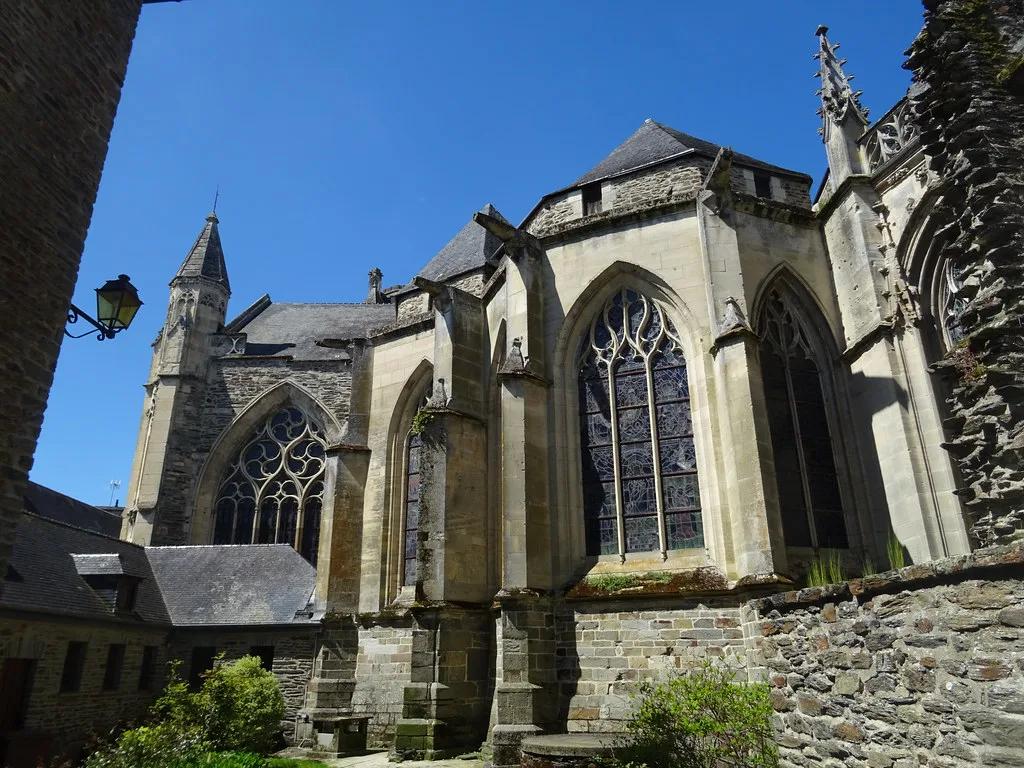
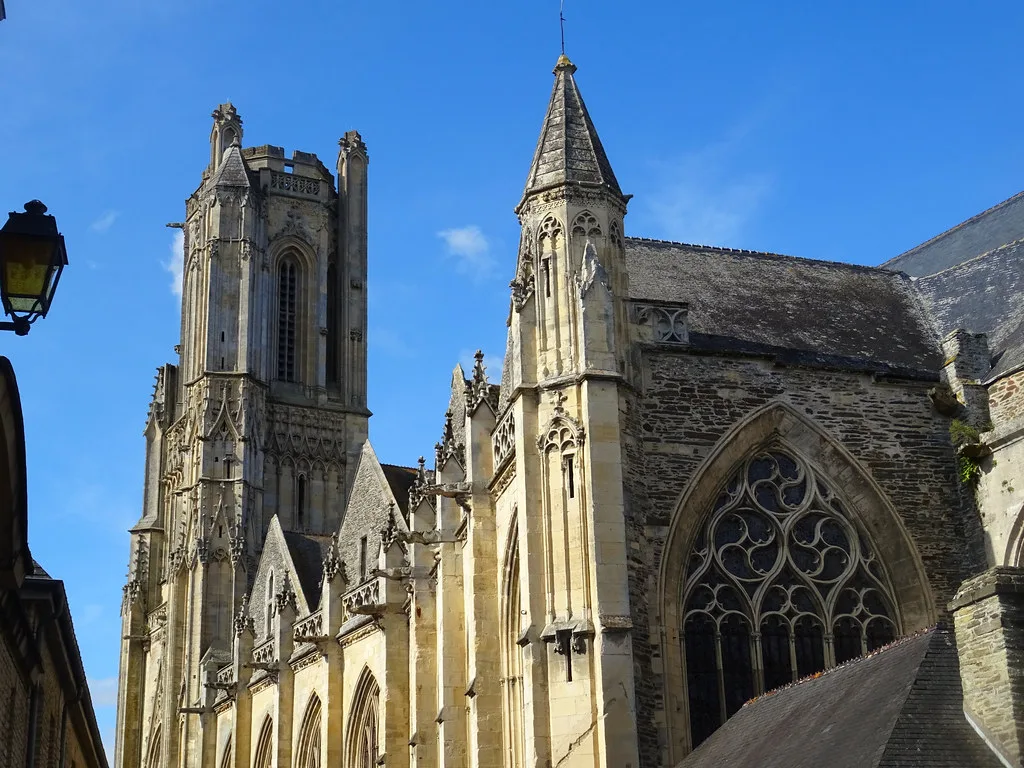
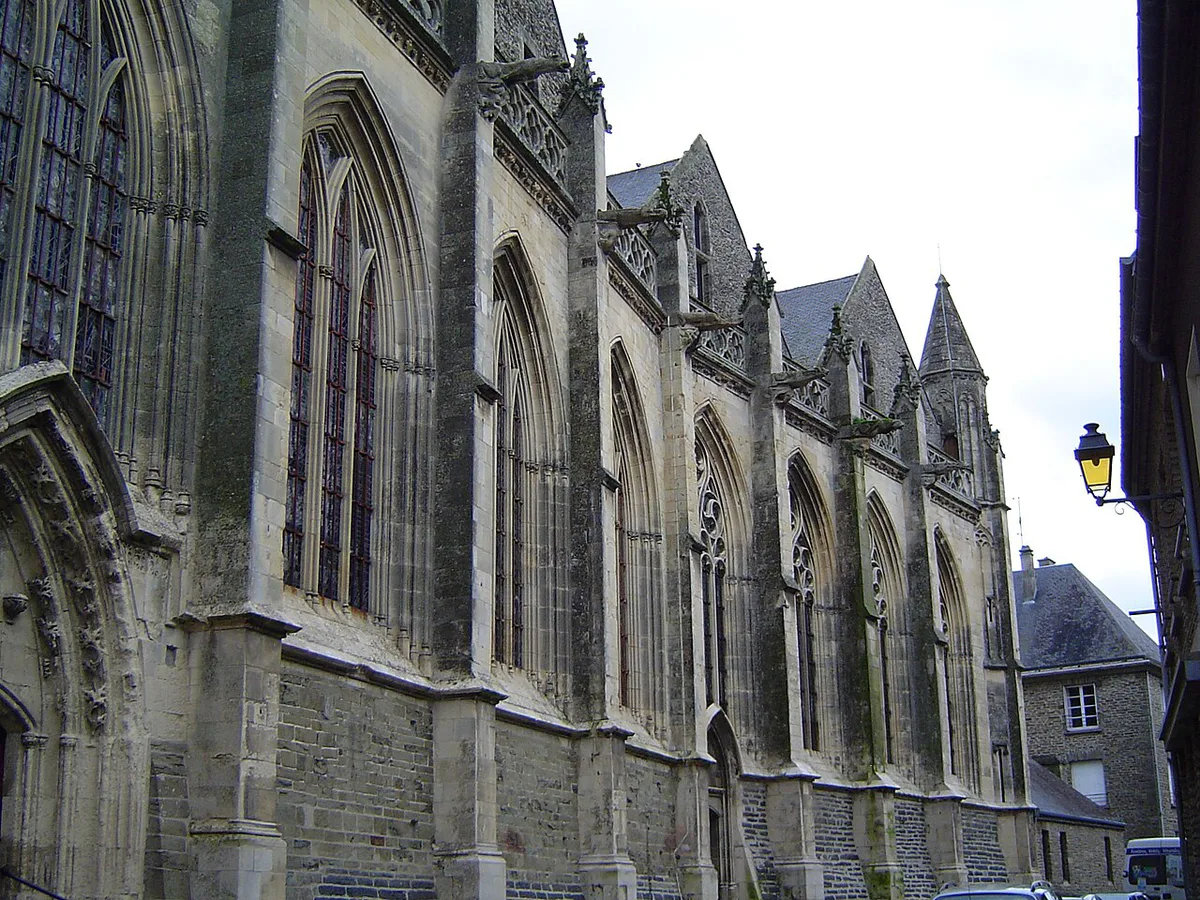
Saint-Lô was rebuilt after the war, so the town centre does not look like the pre-war town. Do not expect preserved medieval streets. What remains is the story of loss and reconstruction, plus the landscape around the town.
At Hill 192, the slopes rise about 150 feet over 1,000 yards, so you climb gently and still get wide views.
Published opening hours and entry prices for Saint-Lô sites change by season. Use the Normandy tourism board and the local tourist office for current details before you set out. Treat each stop below as a theme to look for, not a guaranteed opening time.
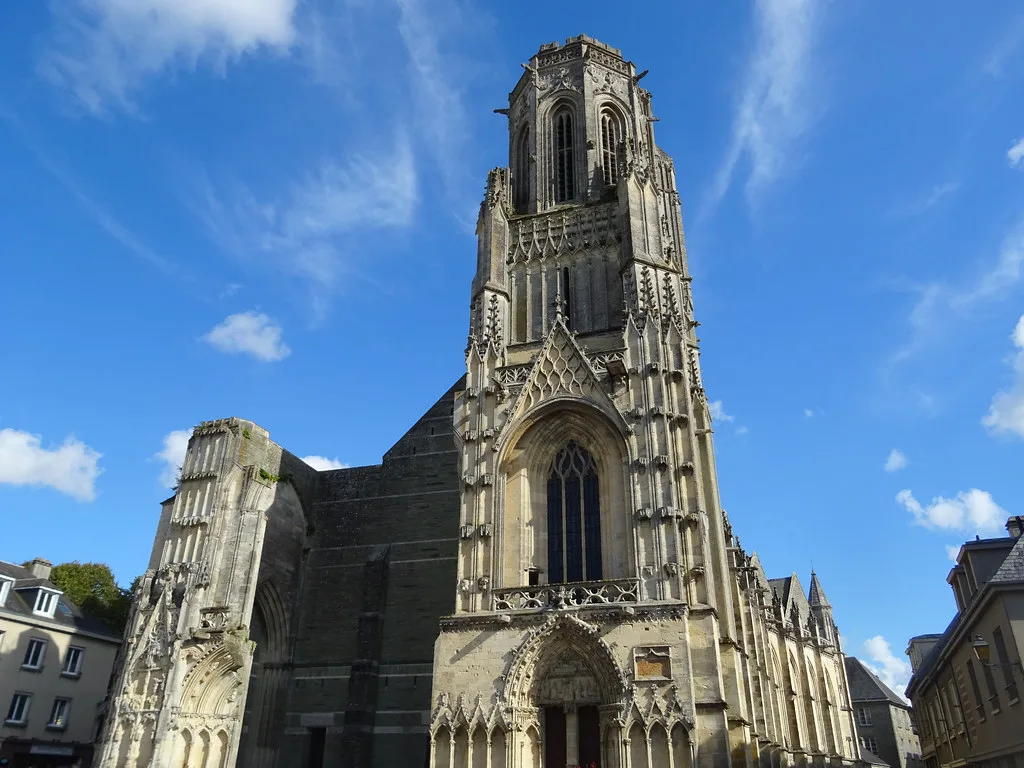
- Town centre: look for post-war reconstruction and any memorial plaques, which show how the town was rebuilt after July 1944. Allow about an hour on foot.
- Hill 192 area: high ground east of the town, where the 11 July attack opened. Park only in legal spots and keep to public roads.
- Martinville Ridge and La Luzerne: hamlets northeast of Saint-Lô on the approach roads. La Luzerne lies about two miles northeast of the city.
- Bayeux and Caen museums: the best places for the full battle narrative, covered below.
Reading the bocage landscape
The bocage is the clearest battlefield you can still see. Drive the minor roads north and east of Saint-Lô and watch for sunken lanes, tall hedged banks and small orchard fields. These are the same features that slowed the advance in July 1944.
Stay on public roads. Most fields are private farmland, and the lanes are narrow, with few places to pull over. Drive slowly, pass tractors with care, and never walk across fields or climb banks.
For a sense of scale, remember the banks were up to nine feet high. A tank could not simply drive over one. That is why the prongs and engineer teams mattered, and why a short drive here makes the museum displays easier to follow.
Sample itineraries
Saint-Lô works best as a half-day or add-on stop, paired with a museum for the battle narrative. Check drive times in a map app on the day, because road works and summer traffic change them.
| Place | Theme | Car needed | Best for |
|---|---|---|---|
| Saint-Lô | Bocage fight, destroyed and rebuilt town | Yes, for the countryside | Understanding the July 1944 battle |
| Bayeux | Battle narrative, museums, base town | No, for the town itself | Museums and an easy base |
| Caen | Wider war, large memorial museum | No, for the main sites | Rainy days and a full overview |
| Landing beaches | D-Day landings, cemeteries, batteries | Yes, to cover several sites | First-time D-Day visitors |
- Half day: tour Saint-Lô town centre, then drive the Hill 192 and Martinville Ridge roads. Finish at a café in town.
- Full day: spend the morning at Saint-Lô and the bocage. Spend the afternoon at the Bayeux battle museum for the wider story of the campaign.
- Add-on: after Saint-Lô, spend a day in Caen. The Caen Memorial Guide: Tickets, Hours, Time Needed gives the wider-war view, and the Caen WWII sites guide covers the rest.
Getting there and getting around
A car is the best way to see Saint-Lô and the bocage. The rural roads around Hill 192 and Martinville Ridge are not practical on foot, and public transport rarely stops at battlefield spots. Check train and bus routes on the SNCF and regional operator sites before you rely on them.
The town centre is compact and walkable once you arrive. The Saint-Lô–Bayeux highway was a key axis in the 1944 attack, so the drive from Bayeux follows the same line as the battle. The Bayeux WWII sites guide lists the stops along the way.
Costs, tickets and opening hours
No entry price is confirmed for Saint-Lô sites in our sources, so check the local tourist office page before you go. Walking the town and driving the bocage roads cost nothing beyond fuel and parking. For paid museums nearby, the Bayeux museum site and the Caen Memorial site list current hours and prices. If you plan several paid stops, see whether the Normandy museum pass covers the sites you want.
Where to stay and eat
Staying in Saint-Lô puts you closest to the bocage roads and saves a morning commute. Bayeux and Caen offer more evening options and are easier without a car. Choose Saint-Lô if you want a quiet base and own a car. Choose Bayeux if you want museums, restaurants and walkable streets. Choose Caen if you want the widest range of dining and transport. Look up current hotels and restaurants through Bayeux Bessin Tourisme or the local tourist office.
Who should skip or shorten it
Skip Saint-Lô if you have one day and want Omaha Beach and the landing sites. It is not a beach stop, and the visit rewards time and a car.
Common mistakes to avoid:
- Treating Saint-Lô as a beach stop. It is inland and tied to the July 1944 battle.
- Skipping a car. Battlefield roads and hedgerow lanes need one.
- Ignoring seasonal hours. Check museum pages before you travel.
- Expecting the pre-war town. The centre was rebuilt after 1944.
- Go if you want to understand the bocage fight and what followed the landings. Skip if your focus is the beaches or you have only one day.
Reading Saint-Lô alongside the wider campaign
Saint-Lô makes the most sense as the second chapter of a Normandy trip. Start with the landings, then follow the push inland. After Saint-Lô, the Normandy Victory Museum (Carentan): Tickets, Hours & Visit Guide covers what came next. Visiting in a respectful way matters here, since the town lost much of its centre and many residents. Keep voices low at memorials and follow any site rules posted at the entrance. If you start your trip from England, The D-Day Story in Portsmouth offers a useful prelude.
Keep planning
Guides on the same trip





