
Mulberry Harbour Arromanches: What's Left & How to See It
What's left of Mulberry B at Arromanches, where to see it, tide and viewpoint tips, and how it fits with the museum and nearby D-Day sites.
In this guide
Last updated November 2026. Mulberry B was a prefabricated harbour towed across the Channel after D-Day, and its remains still sit in the sea off Arromanches-les-Bains. A visit to the Mulberry Harbour at Arromanches is mostly about reading those remains from the shore. This guide covers what you can see, where to stand, which stop suits your time and how to pair it with neighbouring sites.
Featured image: martin_vmorris, CC BY-SA 2.0, via Flickr.
What the Mulberry Harbour was, and what's left at Arromanches
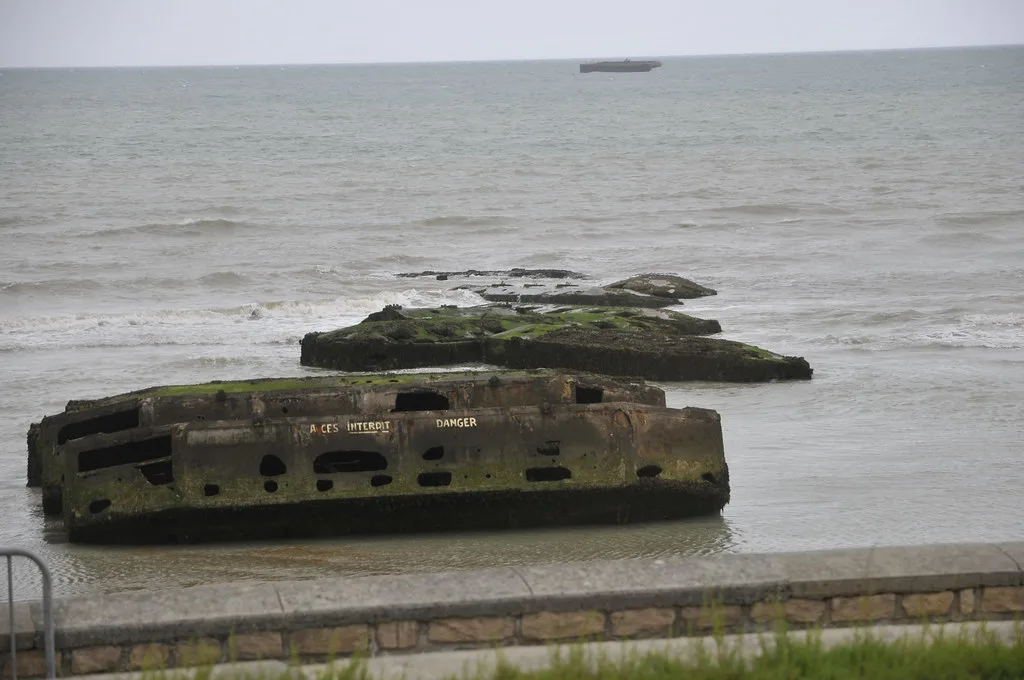
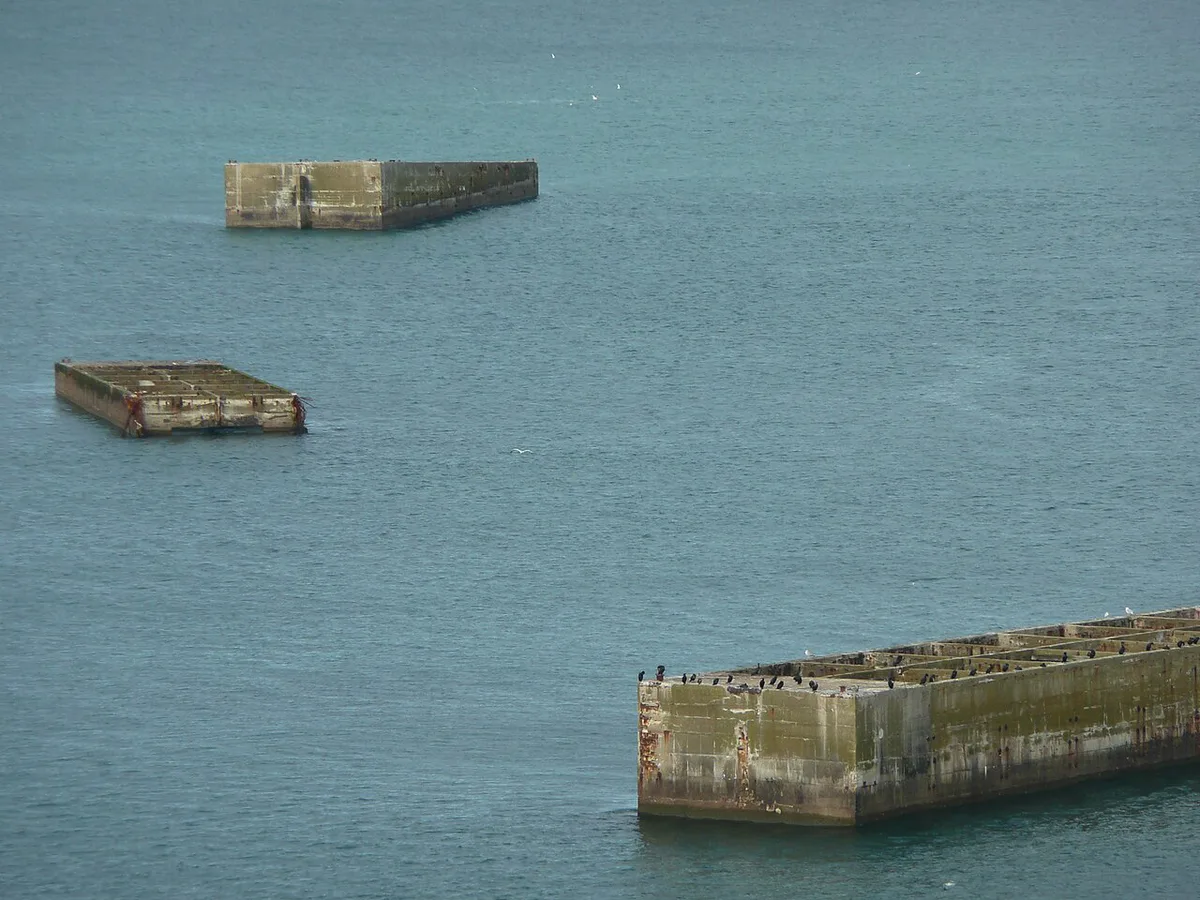
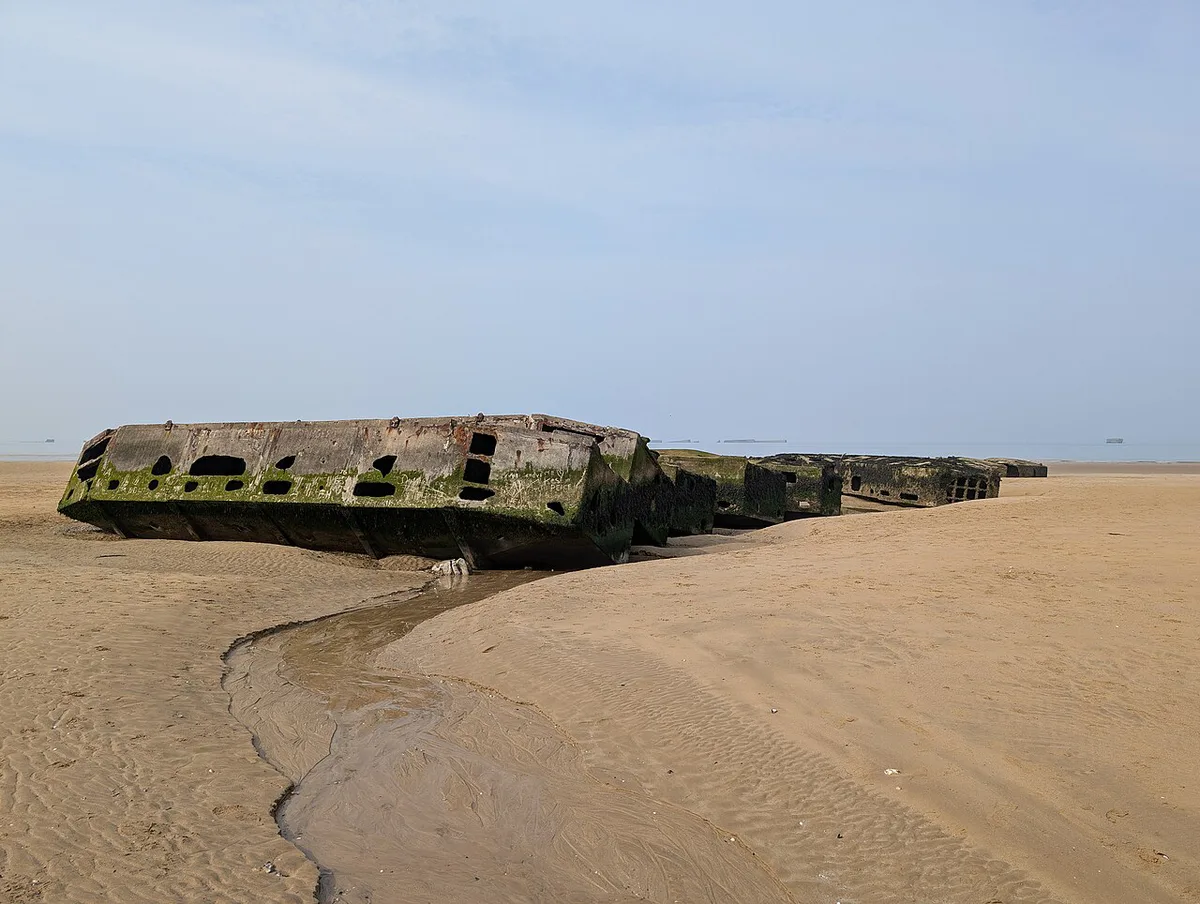
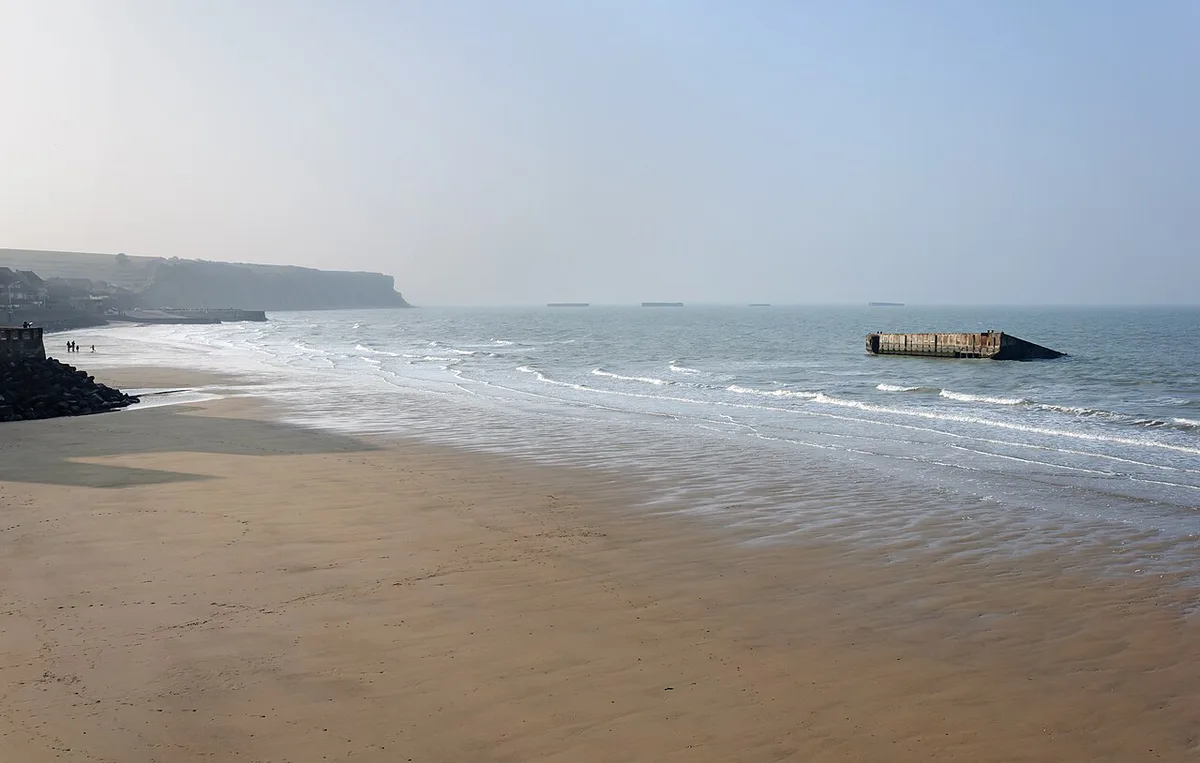
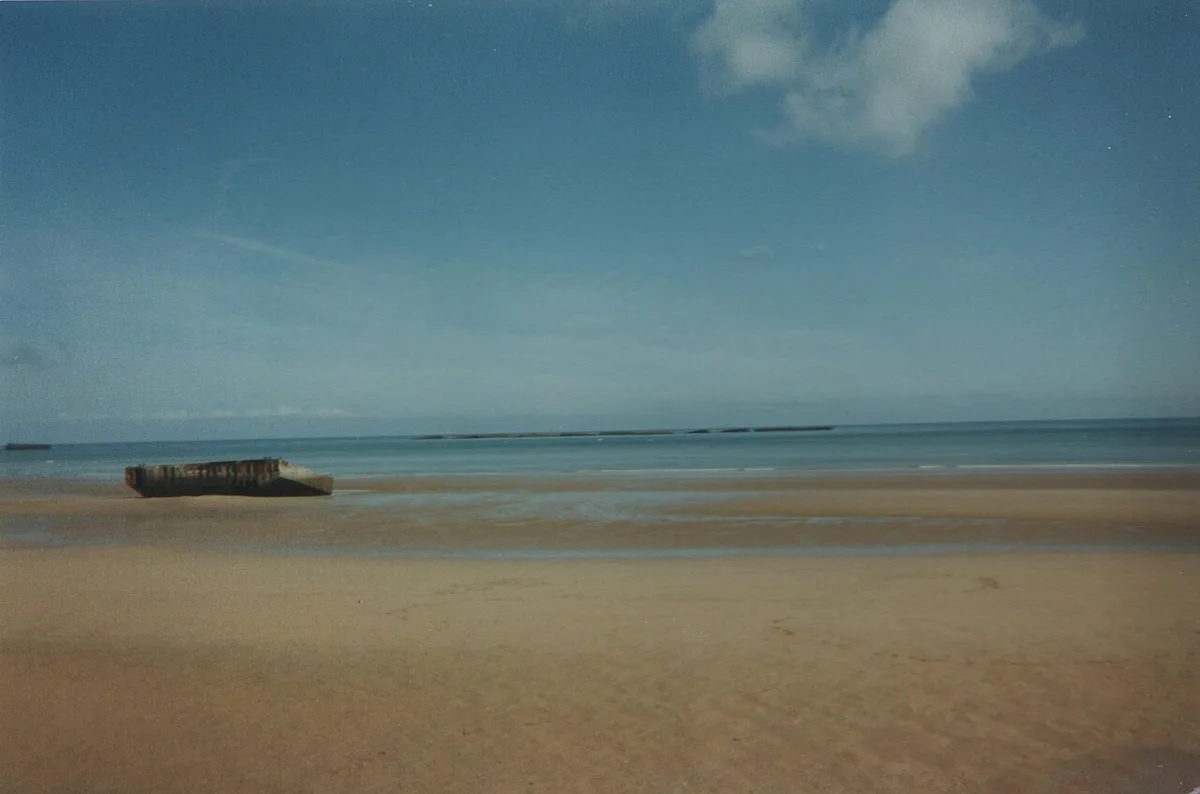
Mulberry B, also called Port Winston, was a harbour built in sections and towed across the Channel once the Allies held the beachheads. It let troops land vehicles and supplies without first capturing a working port. Today you can still see its remains from the Arromanches seafront. Concrete Phoenix caissons stand offshore, and from the beach they look like a line of grey barges. The floating roadways, known as Whale, are easier to understand through the museum's models than on the sand. Arromanches sits on the Gold Beach sector, so the story here is British and Canadian. Treat it as a place to read a landscape, not to walk through a finished harbour.
How the Arromanches Harbour Worked, Piece by Piece
The harbour was a system of parts, each with its own job. Knowing them helps you make sense of the museum models and of what you see from the shore. The basic problem was the Channel coast itself. The tide rises and falls by several metres, so supplies needed both sheltered water and a landing platform that could move with the sea.
| Part | What it was | Its job |
|---|---|---|
| Bombardons | Floating steel structures moored farthest out | Take some of the force out of incoming waves |
| Gooseberries | Lines of old ships deliberately sunk, known as blockships | Create early shelter close to the beaches |
| Phoenix caissons | Huge hollow concrete units, towed over and then flooded to sink them | Form the main breakwater |
| Spud pierheads | Platforms that slid up and down on steel legs resting on the seabed | Let ships unload as the water level changed |
| Whale roadways | Linked bridge spans carried largely on floats called Beetles | Take vehicles from the pierheads to the shore |
A severe Channel storm struck about two weeks after D-Day. It wrecked the American harbour and also damaged the one at Arromanches. The British harbour was repaired, with some salvaged parts from the Omaha site, and went back to work.
As you look out from the seafront, think of the caissons as the harbour's outer wall. Ships, pierheads and roadways operated in the water between that wall and the beach. For more technical background, see the Mulberry harbour overview on Wikipedia.
Mulberry A vs Mulberry B: why Arromanches is the one you can see
Two Mulberry harbours were built for D-Day. Mulberry A was off Omaha Beach and served US forces. A storm destroyed it a few days after it was built. Mulberry B was off Gold Beach at Arromanches and supplied British and Canadian troops. It stayed operational for about 10 months after the landings, which is why far more of it survives. Many visitors mix the two up, so keep the split clear before you plan a day. If you are choosing between beaches more broadly, our Omaha versus Juno comparison helps frame the American and Canadian sectors.
Where to see the remains
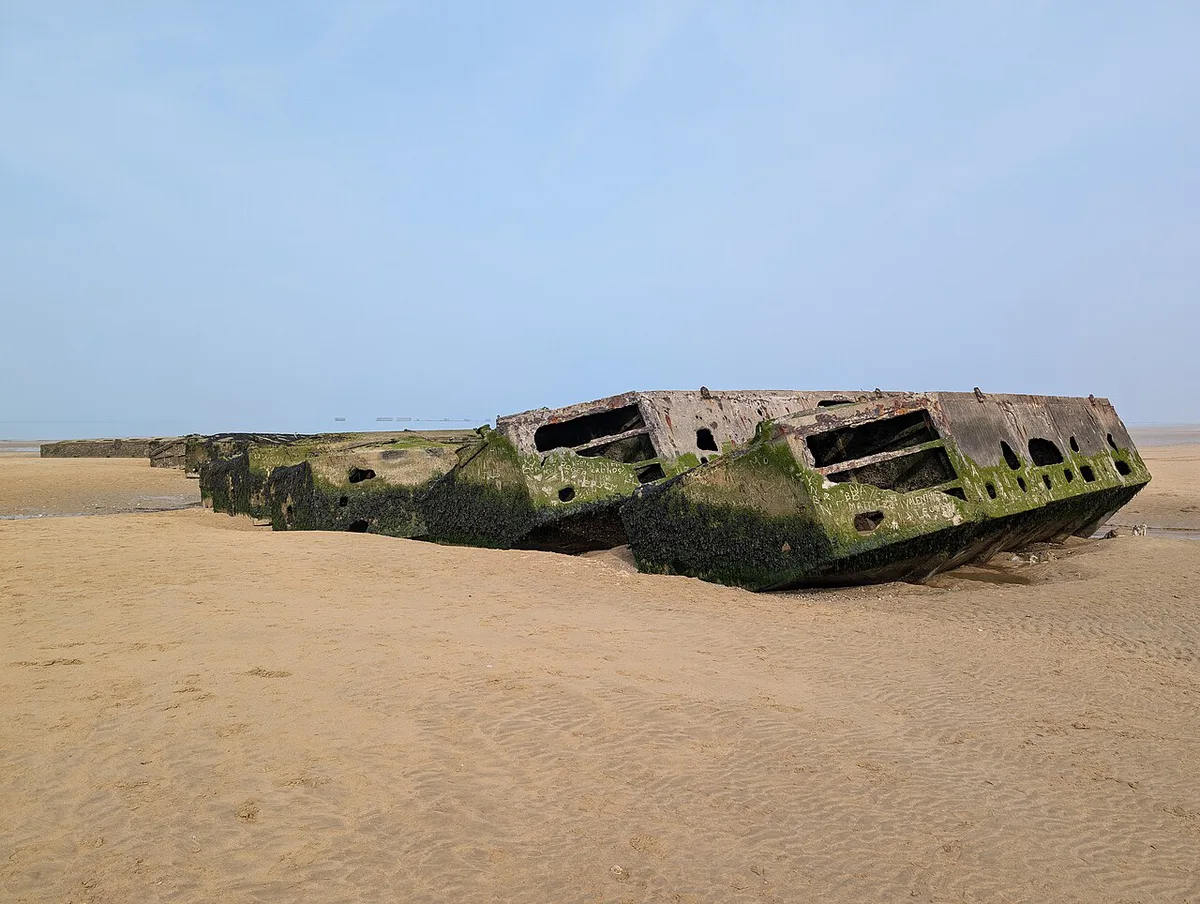
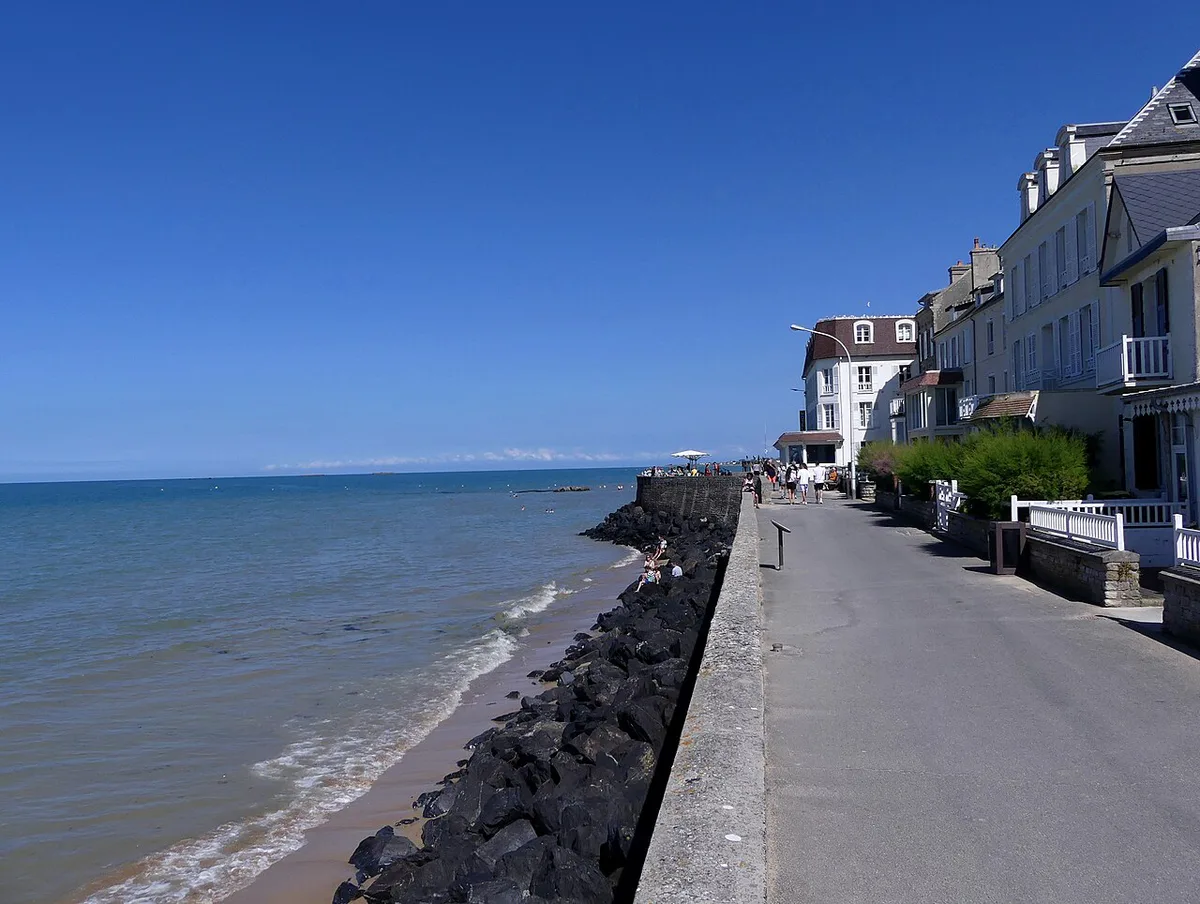
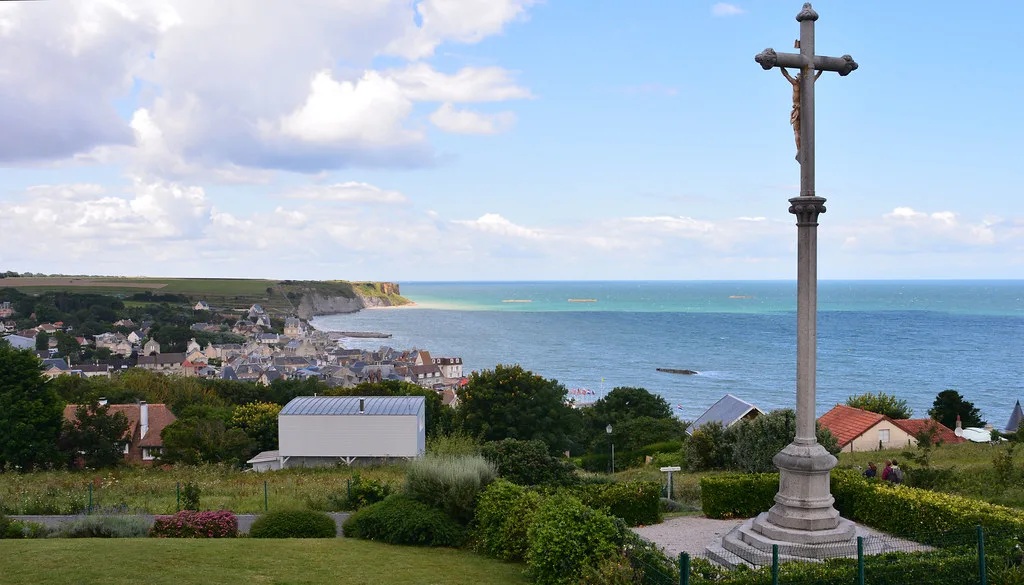
Start on the seafront in the town itself. Our Arromanches town guide covers the layout. From the beach you look straight out at the caissons, so you do not need to go anywhere special to see them. A raised viewpoint on the hill above town gives a wider view of how the caissons line up, but check the route and its accessibility on site before you commit. Low tide changes how much of the structure shows and how close the sand lets you get. Look at a tide table from the French maritime authority before you plan a beach walk. Do not walk out to the structures. Follow any warnings posted on the beach.
- Seafront and beach: free, flat, and the quickest way to see the caissons.
- Hill viewpoint: wider view of the whole arrangement; check the route and mobility access locally.
- Museum terrace and models: explain what the beach view cannot.
Which Arromanches option fits you: beach, museum, or 360 film
Three stops cover most visits. The Musée du Débarquement sits on the seafront and shows models of the harbour in operation. The Arromanches 360 cinema shows archive footage on a circular screen. Cost is described in relative terms because ticket rules change, so use the official pages for current prices and hours.
| Option | Time needed | Cost level | Weather | Best for |
|---|---|---|---|---|
| Beach and seafront walk | Short | Free | Needs dry weather and a look at the tide | Quick stops, families, photographers |
| D-Day museum | Medium | Paid, moderate | Indoors, suits wet days | History fans, anyone wanting the layout explained |
| 360 film | Short | Paid, low to moderate | Indoors, suits wet days | Visitors who prefer film to exhibits |
How long to allow and how to fit it into a Normandy day
For a short stop, walk the seafront, look at the caissons and move on. That works if you are driving the coast and want the view without the story. For a half day, add the Arromanches D-Day museum and the viewpoint. This is the version that makes the harbour make sense. For a full day, pair Arromanches with the Longues-sur-Mer battery, which sits on the same stretch of coast. Do the museum first, then see the guns, so you understand what the harbour was protecting. If time is tight, drop the 360 film and keep the museum models.
Getting to Arromanches from Bayeux, Caen or Paris
Bayeux is the handiest base for a visit to Arromanches. A car gives you the most freedom, especially if you plan to continue along the coast the same day. The drive times below are approximate and don't allow for summer traffic, anniversary events or time spent parking.
- From Bayeux: about 10 km, or roughly 15 to 20 minutes by car.
- From Caen: about 30 to 35 km, or roughly 40 minutes by car.
- From Paris without a car: take a direct or connecting train to Bayeux, starting from Paris Saint-Lazare. Allow around two and a half hours for a direct service and longer with a change, then continue by bus or taxi.
Arromanches has no train station. Regional buses on Normandy's Nomad network are the public transport option to check, but timetables can differ between school terms, summer, weekends and holidays. Look up both directions for your exact date, and note the last return before you leave Bayeux. If you book a taxi for the outward trip, arrange the return too.
For a day trip from Paris, choose your return train first and work backward. Leave a margin for the connection from Arromanches, and decide whether the museum or the 360 film matters more if the schedule gets tight. If you also want to see Longues-sur-Mer, check that leg separately. A car, taxi or guided tour may make the pairing much easier than relying on buses.
On a guided D-Day tour, check how long it stops at Arromanches and whether museum entry is included. A brief photo stop won't leave enough time for the exhibits.
Practical logistics
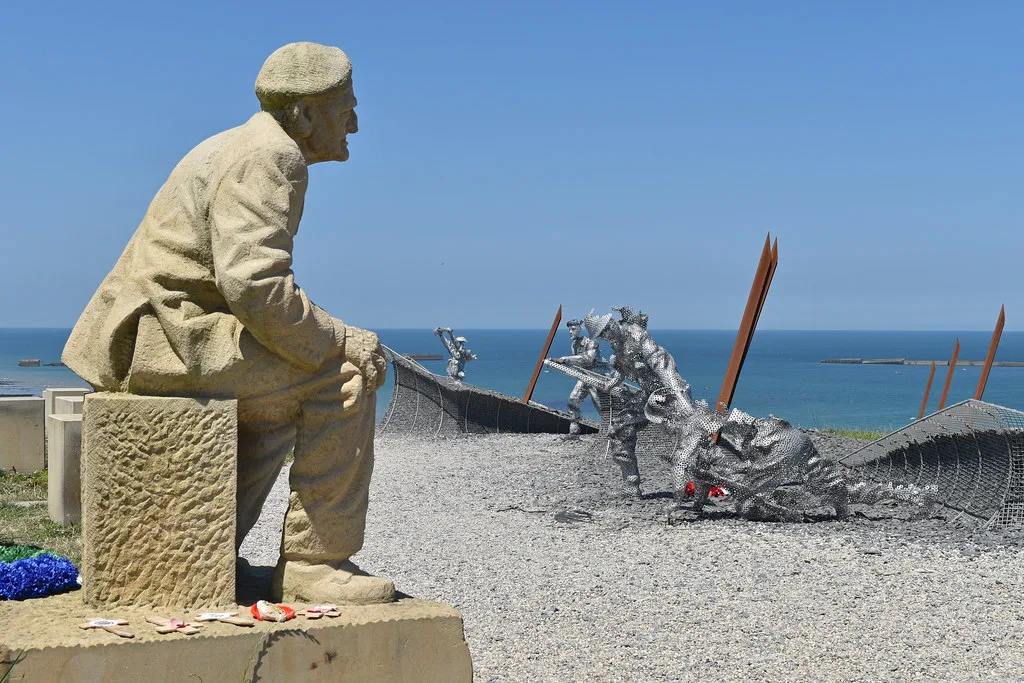
Parking, seasonal closures and accessibility are not confirmed here, so check the local tourism office before you go. Hours and prices belong on the museum and cinema sites.
Mistakes to avoid
Most disappointments come from expectations, not from the site.
Arromanches' harbour kept working for about 10 months, so the caissons you see offshore are a wartime leftover, not a port.
- Confusing Mulberry A and B: the one at Omaha was lost to a storm, while Arromanches is the one that remains.
- Expecting a complete harbour: you see caissons offshore, not a working port.
- Ignoring the tide: it changes what shows and how close the sand lets you get.
- Treating it as a ten-minute photo stop: the story needs the museum models.
- Skipping the museum: the layout makes the sea view readable.
Beyond Arromanches: other D-Day stops
Canadian visitors can continue east to the Juno Beach Centre: Tickets, Hours, Bunker Tour & Visit Tips and the town of Courseulles-sur-Mer. Our British D-Day sites hub helps you plan the wider sector. With another day, the eastern flank holds Pegasus Bridge Visit Guide: History, What to See and Planning and the Merville Battery: D-Day History and Visit Planning. Treat those as a separate trip, not an add-on to Arromanches.
For the wider city context, see our complete tourism attractions guide.
Keep planning
Guides on the same trip





