Juno Beach Centre: Tickets, Hours, Bunker Tour & Visit Tips
A plain guide to the Juno Beach Centre in Courseulles-sur-Mer: what's inside, how long to allow, ticket prices, the bunker tour, opening hours and how to fit it into a D-Day day.
In this guide
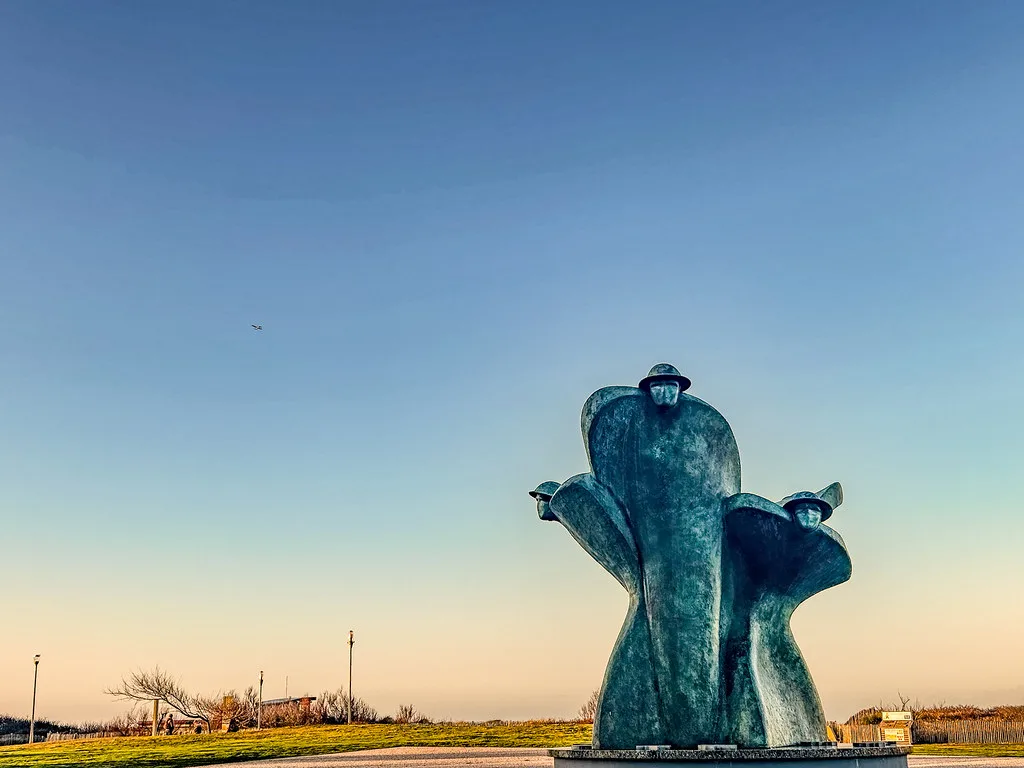
Last updated November 2026: the Juno Beach Centre is the Canadian museum and education centre on Voie des Français Libres in Courseulles-sur-Mer, founded by Canadian veterans in 2003. Normandie Tourisme describes it as the only Canadian museum on the D-Day beaches. Allow about 1h30 for the permanent exhibition, plus 45 minutes if you add the bunker tour.
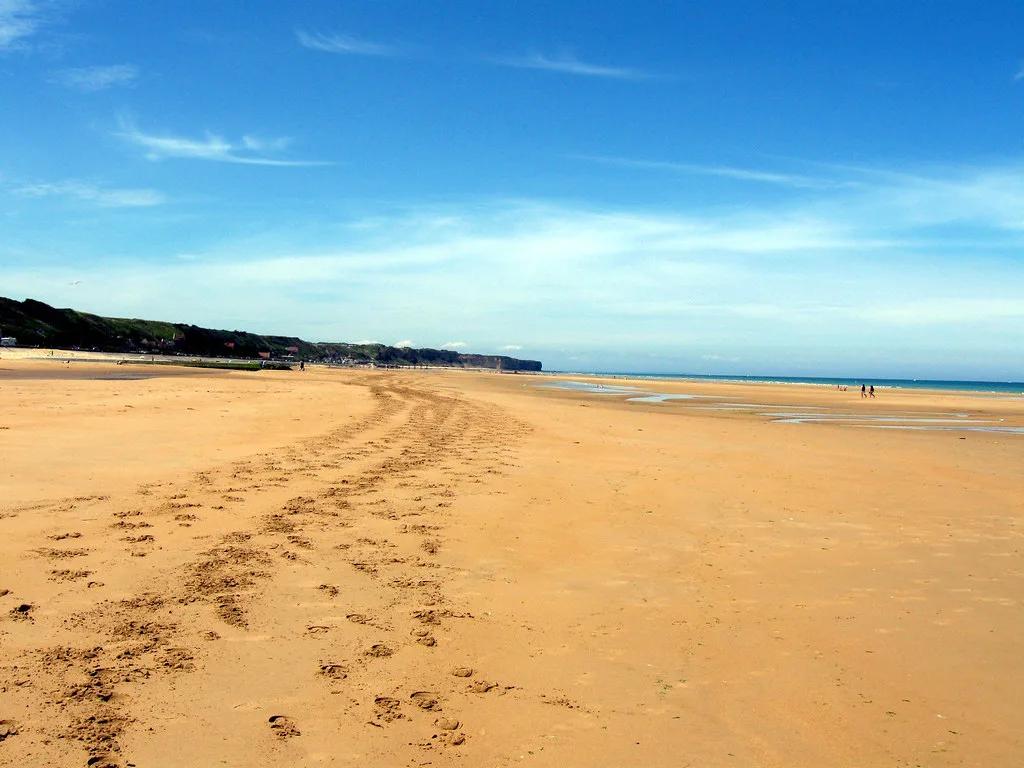
Featured image: jockrutherford, CC BY-SA 2.0, via Flickr.
Juno Beach Centre at a glance: who it suits
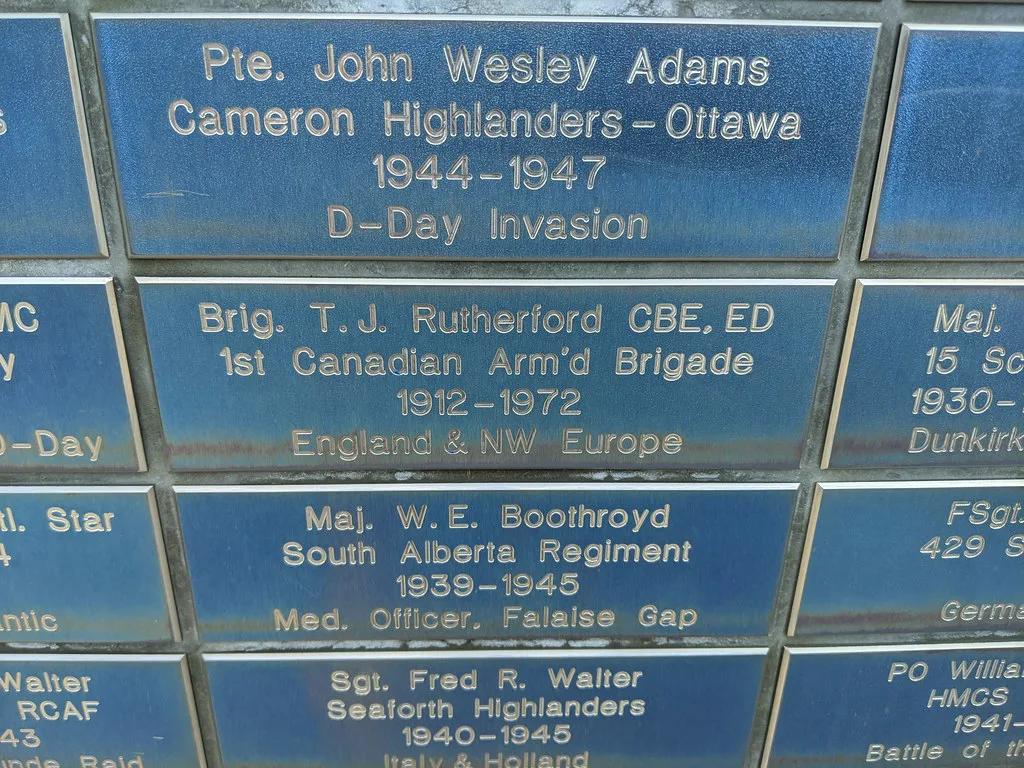
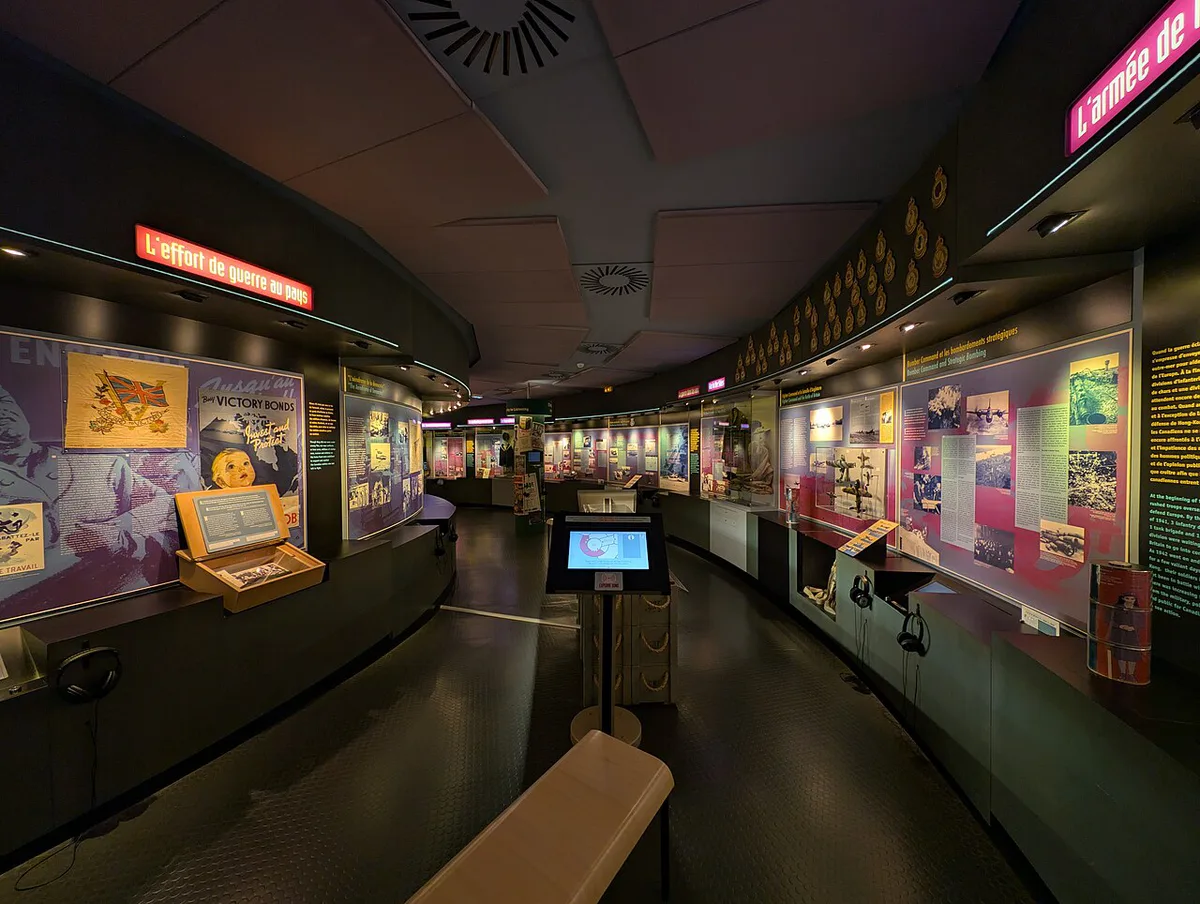
Canada's civil and military war effort is the subject here, told through five exhibition rooms and two films. Artefacts, photos, archives and testimonies carry the story, and young bilingual Canadian guides staff the Centre. History-focused adults get the most from the permanent exhibition. Families get a dedicated children's trail, and one-day travellers get a compact stop of about two to three hours. Normandie Tourisme states that the Centre honours 45,000 Canadians who died in the Second World War, including 5,500 in the Battle of Normandy and 381 on D-Day. Museum walls do not cover the whole sector, so pair the visit with the beach itself. For a wider view of how the landings differed, read Omaha compared with Juno.
What you'll see: exhibition, temporary show and bunker tour
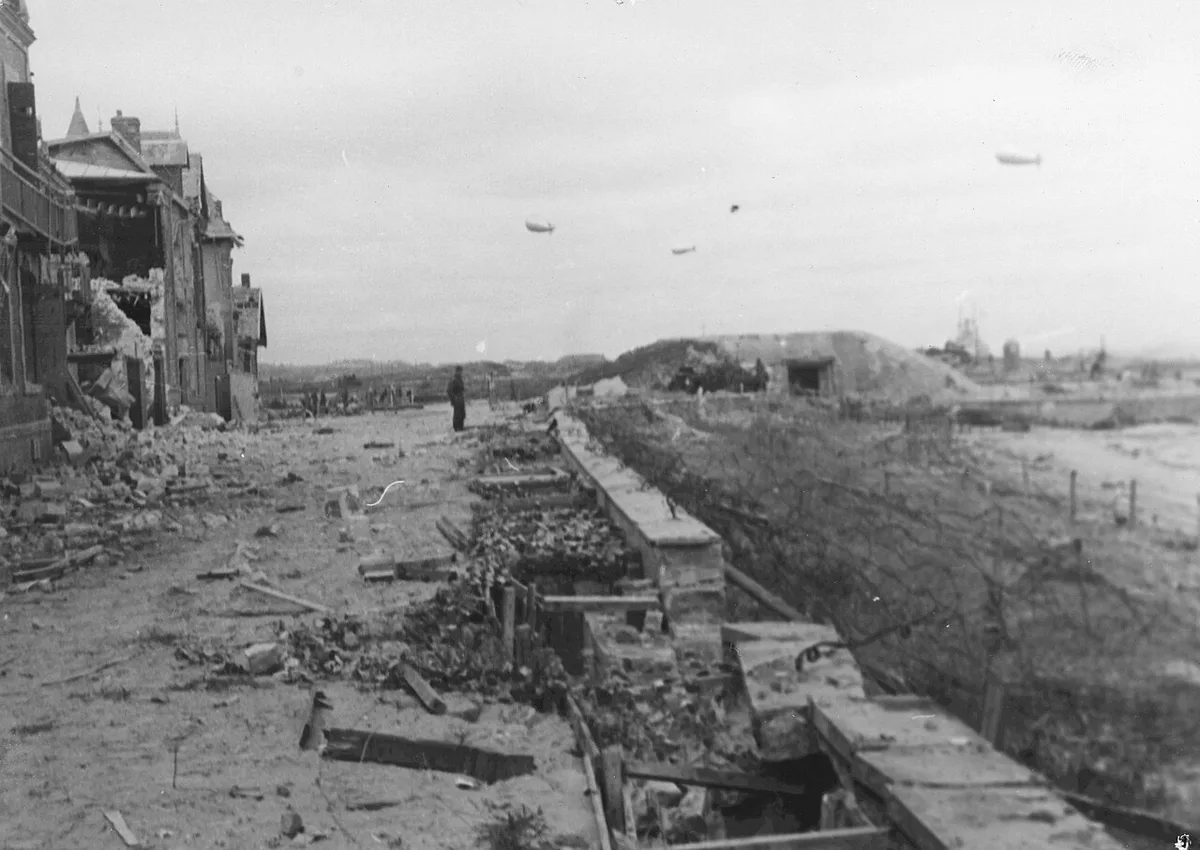
Three parts make up a full visit, and each has its own duration.
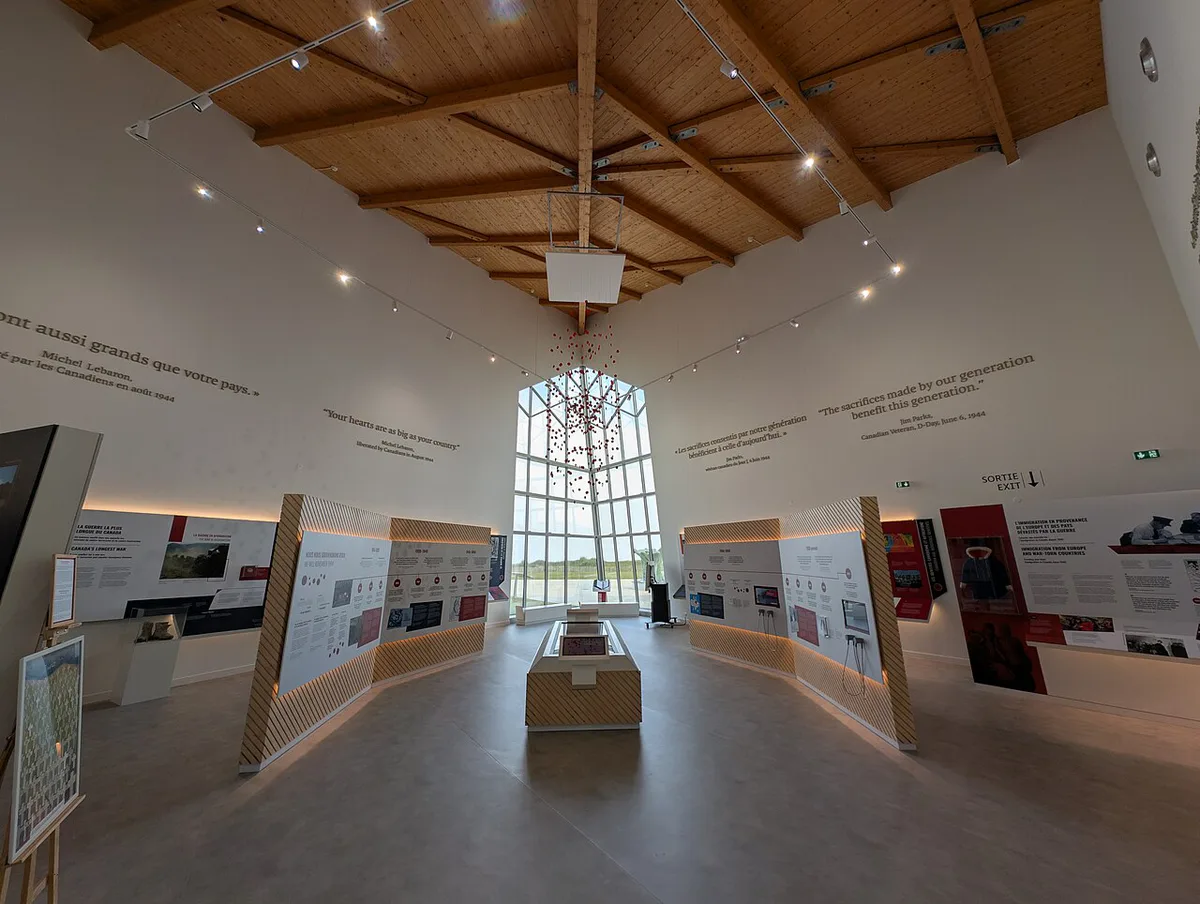
- Permanent exhibition: five rooms and two films, with an average visit of 1h30.
- Temporary exhibition "Mon enfance, 1939-1945": the daily lives of Norman and Canadian children, about 30 minutes. Check that it is still on show.
- Guided bunker tour: April to October only, about 45 minutes. It covers a command post and an observation bunker built under the German occupation, and explains how the Atlantic Wall defences developed.
- Family trail "Explore Juno": modules and digital games that introduce Canada to children.
- Audioguide: available on your own phone in French, English, Dutch, German, Italian and Spanish for €2.
Juno Beach Centre tickets and the low-carbon rate
Prices and hours checked November 2026 on the Normandie Tourisme listing. The official Centre site carries the current rates and booking. Children under 8 enter free when accompanied. A family pass covers up to 2 adults and 3 children over 8. Visitors who arrive by train, coach or bike qualify for the low-carbon rate, which saves €3 on a museum ticket.
| Ticket | Standard | Reduced | Low-carbon |
|---|---|---|---|
| Museum | €9 | €7 | €6 |
| Museum + bunker tour | €13.50 | €11.50 | €10 |
| Family pass, museum | €27 | n/a | €24 |
| Family pass, museum + bunker tour | €42 | n/a | €38 |
- SNCF ticket to a Normandy station, travelled within the month before your visit.
- Bus ticket validated the same day.
- NOMAD CAR 14 card.
- Photo of your bike in the Centre's bike parking.
Opening hours by season
Summer days run from 9:30 to 19:00, while winter days end at 17:00. The Centre opens every day except in January and on 25 December. Late November sits in the shortest-hours band, so plan to arrive by mid-morning. Seasonal hours shift, so check the official site for the dates of your trip. The bunker tour does not run from November to March.
| Months | Hours |
|---|---|
| May to August | 9:30–19:00 |
| March, April, September, October | 9:30–18:00 |
| February, November, December | 10:00–17:00 |
| January and 25 December | Closed |
How long to allow: a 2–3 hour plan
A realistic block is two to three hours including the beach. Add the bunker tour only between April and October. Here is a sample sequence.
Plan 45 minutes for the bunker tour only from April to October, since it stops from November to March and winter days end at 17:00.
- First 1h30: permanent exhibition, with the audioguide if you want extra detail.
- Next 30 minutes: temporary exhibition, if it is showing.
- Then 45 minutes: guided bunker tour, in season.
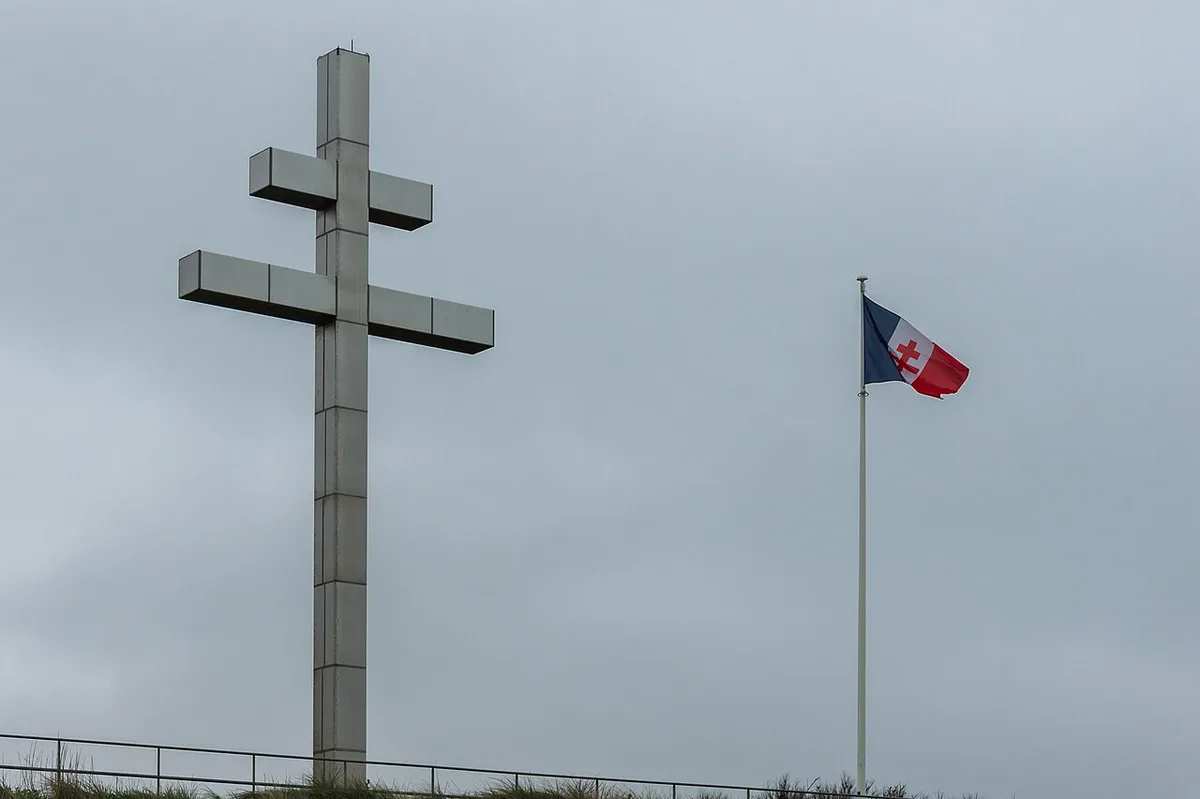
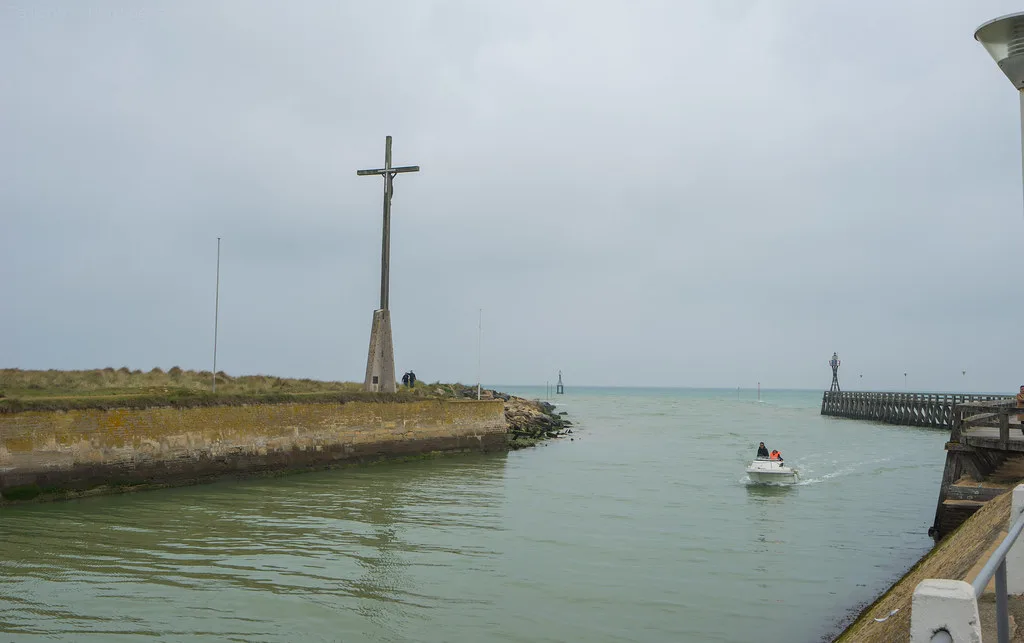
- Finish with a walk on the sand and the Canadian monuments nearby.
Getting there and parking
The Centre stands on the beach at Courseulles-sur-Mer, and parking is free. Fast charging for electric vehicles is on site. Cyclists can use the Centre's bike parking, and the site lies close to the Vélomaritime (EuroVelo 4). Without a car, check SNCF and NOMAD timetables for your own dates, because no verified bus route is listed here. Our Courseulles-sur-Mer town guide covers the surrounding streets and places to eat.
Arriving by train or bike qualifies you for the low-carbon rate, which saves €3 on a museum ticket.
Is it worth it? Choosing your option
Most visitors do best with the museum alone or the museum plus bunkers. The bunker ticket adds €4.50 at the standard rate, and it is the only way to see German defences with a Canadian guide. A separate guided tour, "Juno Beach, following in the footsteps of the Canadians", starts from Courseulles and is run apart from museum entry. Its rates are not listed here, so ask the organisers. For a different bunker experience, compare the Hillman bunker complex.
| You are... | Best option |
|---|---|
| History-focused adult | Museum plus bunker tour, April to October |
| Family with children over 8 | Family pass with the Explore Juno trail |
| Car-free traveller | Low-carbon rate with proof of travel |
| Short on time | Museum only, about 1h30 |
| Wanting beach-wide context | Guided Canadian-sector tour, booked separately |
- Do not arrive off-season without checking hours.
- Do not assume the museum covers the whole beach.
- Do not forget your low-carbon proof.
- Do not treat the guided tour as part of museum entry.
Combining it with other D-Day stops
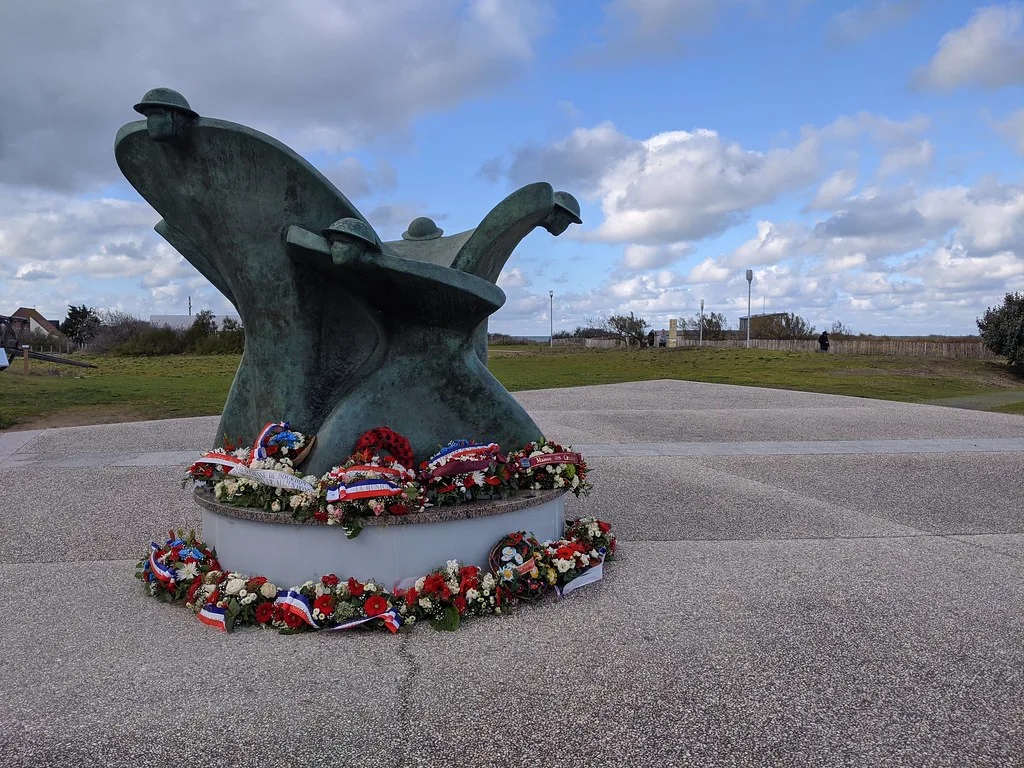
Juno pairs naturally with Arromanches, where the D-Day museum explains the artificial harbour. On a one-day trip, choose Juno plus one or two other stops rather than five. Heavy batteries suit a second stop, such as Longues-sur-Mer's gun battery. Airborne history lies east of Ouistreham, at Pegasus Bridge and its memorial. Further along, Merville's coastal battery shows another defensive site. Closer to Juno, the Grand Bunker at Ouistreham is an alternative bunker visit. For the wider picture, see the British sector sites. Winter days close at 17:00, so pick fewer stops.
Practical details: accessibility, facilities and languages
The Centre holds the Tourisme & Handicap label for motor, hearing, mental and visual disabilities. Facilities include toilets, a baby-change area, a shop and free wifi. Staff speak French and English. Payment is accepted by card, contactless, cash, cheque, Chèques Vacances and Pass Culture. Animals are accepted, and groups are welcome. Families benefit from the Explore Juno trail and free entry for children under 8.
Frequently Asked Questions
Why was Juno Beach important to Canada?
Canadian forces landed at Juno Beach on D-Day. Normandie Tourisme records 381 Canadian deaths on D-Day and 5,500 in the Battle of Normandy. The Centre in Courseulles-sur-Mer was founded by Canadian veterans in 2003 to honour them.
Where is Juno Beach in WWII?
Juno Beach lies on the Normandy coast, and the Juno Beach Centre stands on the sand at Courseulles-sur-Mer. It was the Canadian landing beach among the D-Day beaches.
Keep planning
Guides on the same trip